From powder in a laboratory to a tablet on a pharmacy shelf, the dosage form shapes almost every manufacturing decision for medicine & drugs.
The answer to what does dosage form mean, is simple as it’s either solid or liquid form to contain and deliver the medical or nutraceutical contents. For manufacturers, however, the choice affects formulation, process design, processing machines, and packaging. This guide will explain what dosage form means, the main pharmaceutical dosage forms and examples, and how solid oral dosage forms are developed and manufactured.

Key Takeaways
- The dosage form definition and what dosage form means in pharmacy.
- The main solid and liquid oral dosage forms with examples.
- How tablets, hard capsules, and granules are manufactured.
- The equipment and process factors that support consistent production for any dosage form of medication.
- How to match the oral dosage form, formulation, and equipment.
1. What Is A Pharmaceutical Oral Dosage Form?
In plain language, To define dosage form, it is how the medication or supplement is presented, such as a tablet, capsule, powder, or liquid.
The dosage form definition goes beyond the shape of form pills. It connects dosage formulation with release time, stability, and manufacturing.
Commonly, dosage form can be oral form or to inhale, where the oral dosage form is the preferred one. An oral dosage form is intended to be given by mouth. Common medication dosage forms include tablets, capsules, granules, and solutions.
2. Types Of Pharmaceutical Oral Dosage Forms
Pharmaceutical dosage forms can be classified in several ways. For oral products, the most useful distinction is between solid and liquid forms.
Solid Oral Dosage Forms
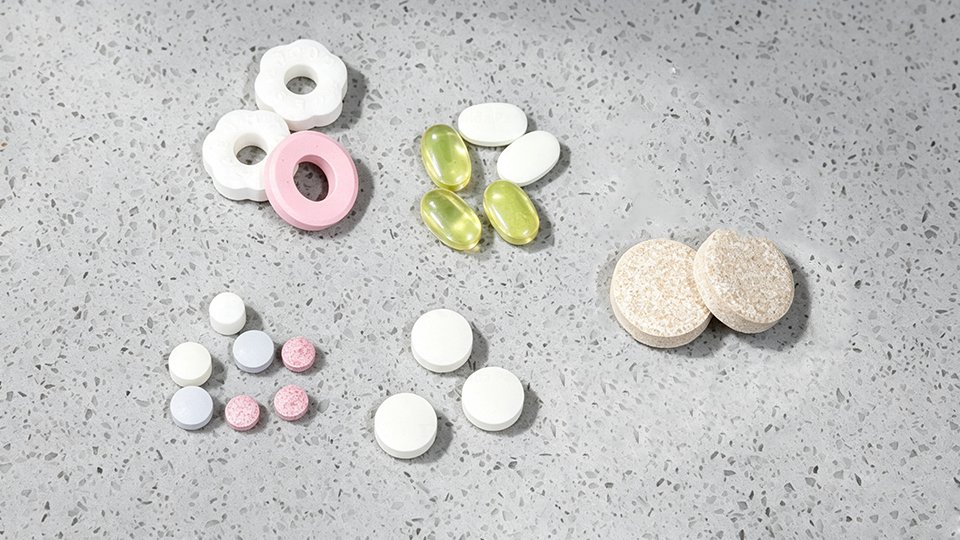
Solid oral dosage forms are prevalent in many medical and supplement factories, thanks to their easier manufacturing process and lower storage requirement. Undoubtedly, they are born for large scale production line. So what forms can they be on earth? The following table show the common types of solid dosage forms.
Table 1-Types of Solid Oral Dosage Forms and Examples
| Type | Examples | Basic Characteristics |
|---|---|---|
| Tablets | Extended-release tablets Chewable tablets Effervescent tablets |
Made by compression Can be coated or formulated for different use |
| Hard Capsules | Powder filled capsules Pill capsules Liquid filled capsules Vegetarian capsules |
Useful for formulations that are difficult to compress |
| Softgels | Fish oil softgel capsules | Closed structure Easy to swallow |
| Powders | Protein powder Electrolyte powder |
Suitable for direct powder dosing |
| Granules | Controlled particle size and flow properties |
The properties of the formulation are important when developing solid oral dosage forms. As pharmaceutical scientist Sayantan Chattoraj and Professor Changquan Calvin Sun note, “deficiencies in powder flow and compression” can limit direct tablet manufacturing. The lesson is practical: developing solid oral dosage forms starts with understanding how the formulation behaves under the selected process.

Liquid Oral Dosage Forms
Liquid oral dosage forms include solutions, suspensions, syrups, and emulsions. Examples include antiviral oral liquid, and cough syrups etc.
Compared with solid products, liquid products usually require closer attention to solubility, viscosity, microbial control, and container compatibility. A liquid oral dosage form may be preferred for certain users, while a solid form often offers convenient unit dosing and handling.
3. How Are Solid Oral Dosage Forms Manufactured?
Different oral dosage forms need different manufacturing strategies. A tablet needs granulation and compression, while a hard capsule requires precise filling. So let’s take a closer look at how processing process differs among different solid oral dosage forms.
How Are Tablets Manufactured?
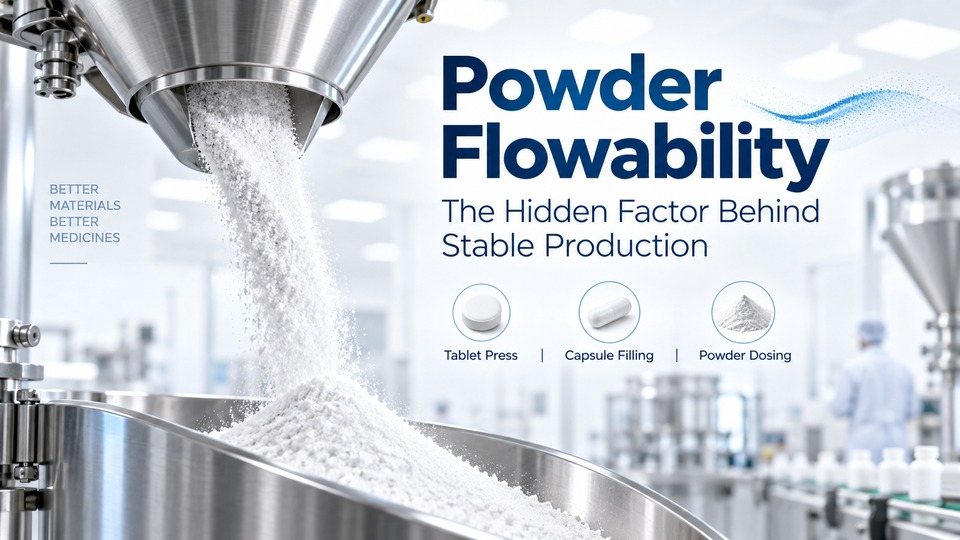
In tablet manufacturing, the techniques may vary a bit according to the powder property. If the powder is extremely fine , making it hard to feeding, then granulation is applied to ensure consistent tablet weight. Therefore, the processing steps can be classified into two ways as shows below.
Direct Compression: Blending → compression
This route is suitable when the blend has adequate flowability and compressibility.
Granulated Method:
There’re two ways to make the tablets when granulation is involved in the process.
Wet Granulation: Blending → wet granulation → drying → milling → compression
Wet granulation can improve flow and compressibility. Studies from FDA note that particle size changes can affect tablet structure and dissolution during dosage form manufacturing.
Dry Granulation: Blending → compaction → milling → compression
Wet granulation works well most of the time, yet when the powder is moisture sensitive and the property may change exposed to water, this method is no longer the answer. This is when dry granulation steps on the stage. Simply through pressure, the powder is formed into granules.
Sometimes coating is needed when controlling the release time of the tablets becomes a must. Despite film coating which is used to improve the visual appeal or the taste, enteric and other sustained-release coatings can change where or how fast an active ingredient is released.
How Are Hard Capsules Manufactured?
Capsules are made through the following process:
Empty capsule dispensing → powder filling → unseparated capsule rejection→ capsule locking → capsule outlet
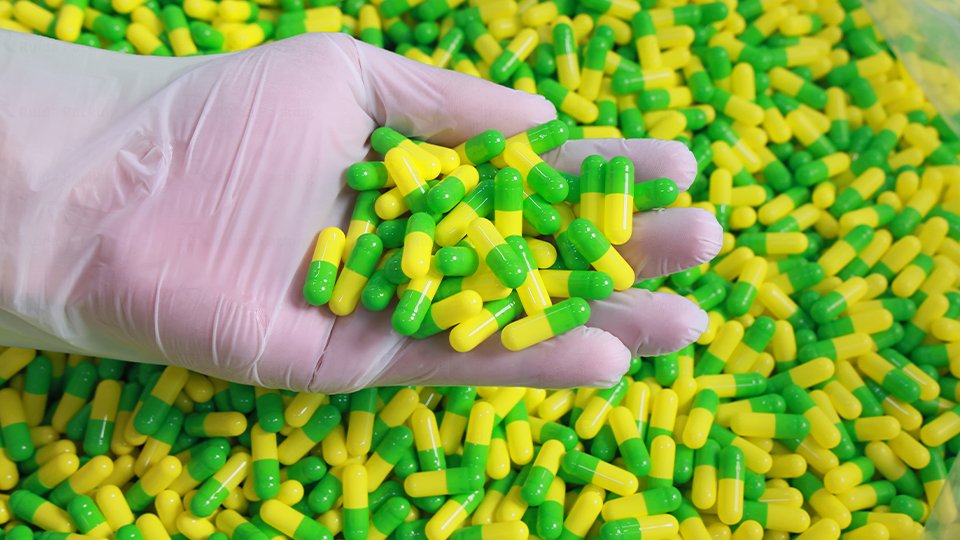
Powder feeding method may vary based on different powder property. Fine powder with excellent flowability suits pneumatic feeding, while the sticky powder suits auger feeding. If you’re planning to fill pellets into capsules, then cup feeding method is a perfect fit. When the material is liquid, filling pumps like ceramic pump is used to fill it.
To make these capsules, we basically need a semi auto capsule filler or a fully auto capsule filling machine. No matter which one you choose, factors including the filling accuracy, maintenance, mold changeover are taken into consideration when factories are sourcing a capsule maker machine.
How Are Oral Granules Manufactured?
Different other oral solid dosage forms, granules may be a finished product or an intermediate used to manufacture tablets and capsules.
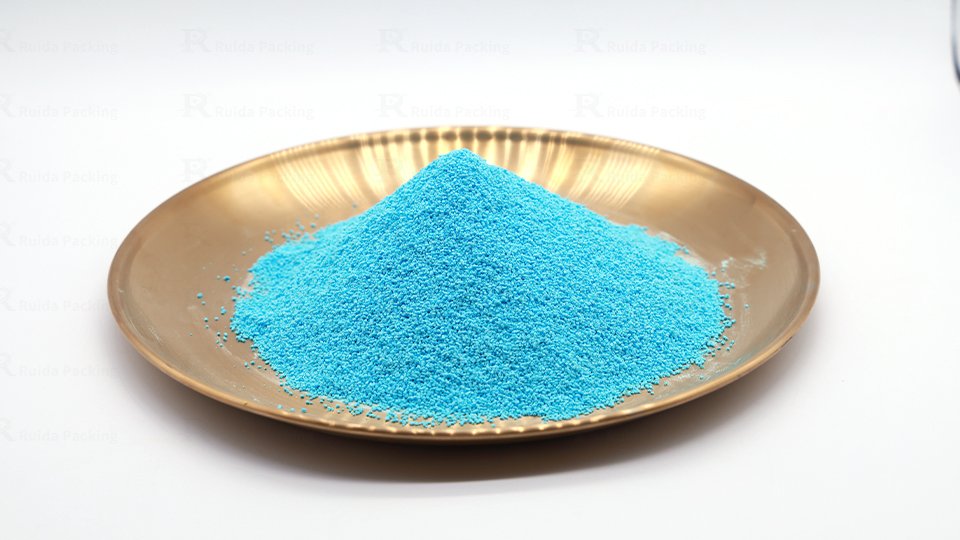
Wet Granulation: Mixing → liquid addition → granule formation → drying → sizing
Dry Granulation: Mixing → compaction → milling → sizing
The goal is not simply to create larger particles. Manufacturers need a controlled particle-size, moisture level, density, and flowability.
These properties matter downstream during dosage form development. Dosage formulation determines the powder properties, and for example, poorly flowing granules can destabilize die filling on a tablet press, while density changes can influence capsule fill weight.
4. What Equipment Is Used To Manufacture Solid Oral Dosage Forms?
From powder and granules to tablets and capsules, different solid dosage forms decide the machines needed to produce them. In other words, dosage form means more than the final shape: the selected form determines the machine needed as well. The table below shows the processing machines involved when producing different products.
Table 2- Common dosage forms and the typical matching machines
| Solid Oral Dosage Form | Typical Equipment |
|---|---|
| Tablets | Blender, granulator, tablet press, coating machine, metal detector, Deduster |
| Hard Capsules | Blender, capsule filling machine, capsule polisher |
| Powders | Blender, sieve, powder filling machine |
| Granules | Granulator, filling equipment |
Since we have mentioned capsule filling machine, granulators, and coating machine before, I will elaborate on blenders, tablet presses, metal detectors, dedusters, and capsule polishers.
Blender: This machine is used to mix different powders together evenly. It helps ensure a uniform mixture and consistent product quality before the next production step. Based on different materials and anticipated purpose, there’s two types of blenders: V type and three dimensional type. Compared with V-type blender, three dimensional blender can mix the powders more evenly out of its multi-directional movement.
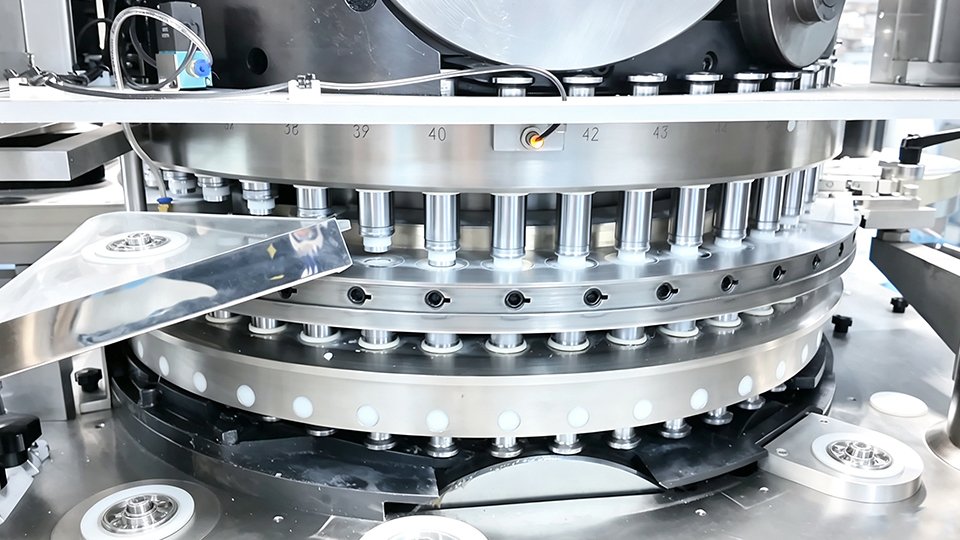
Tablet Press Machine: This is the major machine to compress the powder into capsules. Based on production capacity and automation level, tablet presses can generally be divided into high-speed and standard models. Standard models typically use a handwheel to adjust the compression pressure, while high-speed models are more convenient, allowing operators to adjust parameters directly through the touchscreen.
Capsule Polisher: Powder leakage is inevitable during capsule filling process, so there’ll be powder residue left on the capsule shells. The capsule polishing machine is usually connected right after the capsule filling machine to clean away the powder residue.
Metal Detector: A metal detector checks tablets or capsules for unwanted metal particles or contamination. It helps protect product quality and consumer safety. It is commonly used as a final inspection step before packaging.
Deduster: Similar to the capsule polisher, a deduster removes excess powder and dust from the surface of tablets after compression. This improves product appearance and packaging quality.
5. How To Choose The Right Manufacturing Process And Equipment?
Choosing the right manufacturing process and equipment depends on more than just the desired dosage form. Manufacturers need to consider the product characteristics, production capacity, material properties, regulatory requirements, plant conditions, and cleaning requirements before selecting a machine.
Take a capsule filling machine as an example. Before choosing a suitable model, manufacturers should first confirm the basic capsule information, including the capsule size, capsule material such as hard gelatin or vegetarian capsules, and the number of capsule sizes required for production. These details determine the tooling and machine configuration.
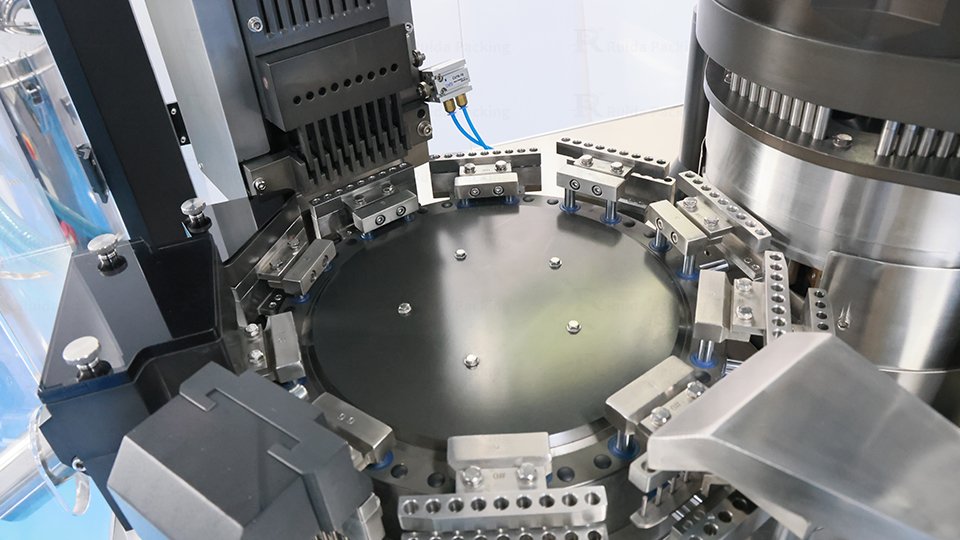
The required production speed and output are also important. A smaller nutraceutical manufacturer may prioritize flexibility and quick changeover, while a high-volume pharmaceutical manufacturer may need a high-speed machine with stable and repeatable operation.
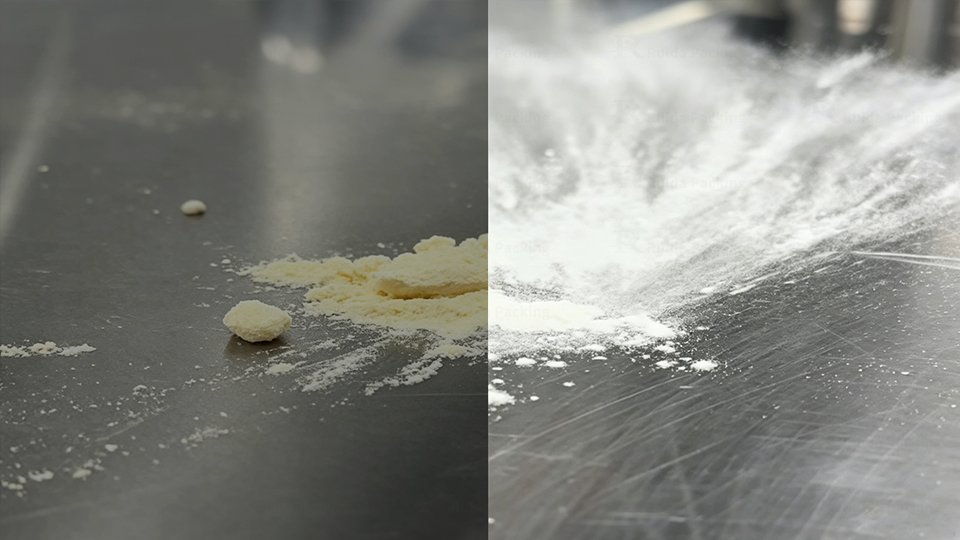
The characteristics of the powder should also be evaluated carefully. Flowability, viscosity, and bulk density can affect powder feeding and filling performance. Based on these properties, manufacturers may need to choose a suitable feeding method, such as auger feeding or pneumatic feeding, to achieve stable and accurate dosing.
Local regulations are another key consideration. Different markets may have different compliance requirements. For example, CE compliance is important for many European projects, while equipment used in the United States may involve requirements such as DEA Form 452 and applicable FDA regulations. These requirements should be confirmed before purchasing the equipment.
The machine’s power supply must also match the customer’s local conditions. Voltage, frequency, and plug types can vary from country to country, so these specifications should be checked in advance to avoid installation and operation problems.
For pharmaceutical and nutraceutical production, the material of the product-contact parts is also worth checking. SUS 316 stainless steel is commonly preferred for product-contact components because of its corrosion resistance and suitability for hygienic production environments.
Finally, manufacturers should consider cleanability and hygienic design. Features such as modular machine design, well-arranged working stations, air-assisted capsule discharge, and air blowing for the dosing pins can make cleaning and changeover easier while helping reduce powder residue.
This same principle applies to other pharmaceutical and nutraceutical equipment: the right machine should be selected based on the product, process, production goals, and actual operating environment rather than capacity alone.
6. Ruida Packing: Equipment Solutions For Solid Oral Dosage Manufacturing
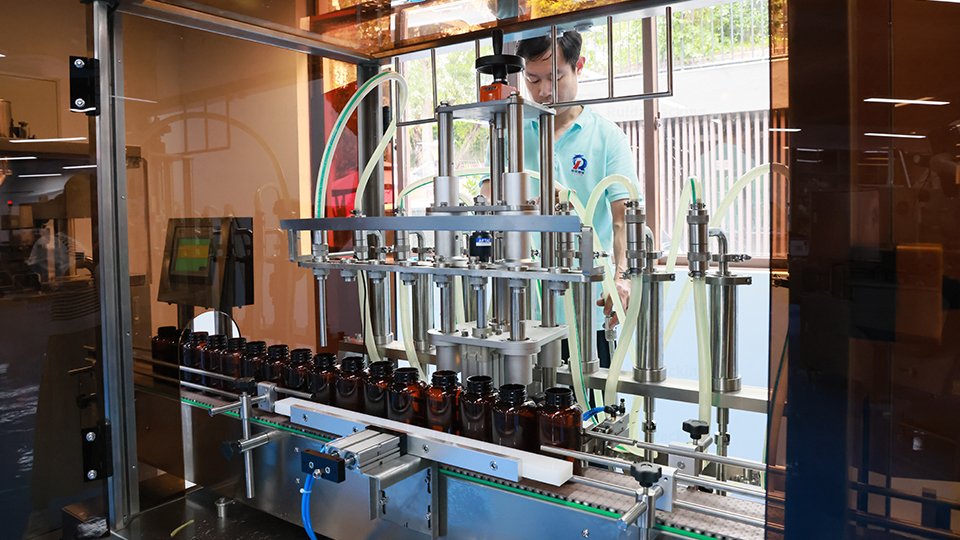
Ruida Packing provides pharmaceutical and nutraceutical manufacturing and packaging equipment for solid oral dosage manufacturing. Backed by Dun & Bradstreet certification, Ruida Packing supplies tablet, capsule, and packaging machinery to customers worldwide, with equipment designed to meet CE, cGMP, and ISO requirements.
Beyond the equipment itself, Ruida Packing focuses on providing comprehensive after-sales support. Each machine is shipped with the contact information of the corresponding sales representative for convenient communication. We also provide overseas installation and commissioning, operator training, detailed machine manuals, and after-sales video guides to help customers operate and maintain their equipment effectively. When required, FAT documentation can also be provided to support pre-shipment testing and acceptance.
7. Conclusion
Behind each solid oral dosage form, there’s magic connection between formulation and processing equipment. Each form like tablets, capsules, powders, and granules, have their own manufacturing logic.
So how to select the machine for your medication or supplement? The best strategy is not to choose a machine first, but to start with the product and build the process around its real properties.
8. FAQs
What Does Pharmaceutical Oral Dosage Form Mean?
What does dosage form mean in practice? It means whether the product is presented as a tablet, capsule, powder, liquid, or another form, and that choice affects both use and manufacturing.
What Are The Most Common Types Of Solid Oral Dosage Forms?
The most common solid oral dosage forms are tablets, hard capsules, powders, and granules. Tablets may be immediate-release, extended-release or something lie this, while capsules are commonly filled with powders or granules.
What Equipment Is Used To Manufacture Solid Oral Dosage Forms?
Typical equipment includes blenders, granulators, dryers, tablet presses, capsule filling machines, and coating machines. Finished products may then move to counting, bottle filling, blister packaging, and cartoning. The right equipment depends on the dosage form, formulation, and production target.
Which Oral Dosage Form Is Made By Compression?
The tablet dosage form is the main oral form made by compression. They’re usually made from a mixture of granules and powder which are compressed together.
Which Dosage Form Is Intended To Be Given Orally?
An oral dosage form is intended for administration through the mouth, including tablets, capsules, powders, granules, solutions, syrups, and suspensions. So, what is the dosage form in this case? The route is oral, while the physical form can vary.
References
- U.S. Food & Drug Administration (FDA): Oral Solid Dosage Forms Pre/Post Approval Issues.
- International Council for Harmonisation (ICH): Q8(R2) Pharmaceutical Development.
- United States Pharmacopeia (USP): General Chapter <1217> Tablet Breaking Force.
- World Health Organization (WHO): WHO Drug Information, Vol. 25, No. 2, 2011, Manufacture Of Capsules.
- Chattoraj, S., & Sun, C. C.: Crystal and Particle Engineering Strategies for Improving Powder Compression and Flow Properties to Enable Continuous Tablet Manufacturing by Direct Compression. Journal of Pharmaceutical Sciences.