Nelle industrie manifatturiere regolamentate, tenuta dei registri digitali non sono più semplici file utilizzati per archiviare dati. Sono diventati fonti di prova tracciabili.
Per farmaceutico, nutraceutico, dispositivo medico, e aziende di produzione conto terzi, i registri elettronici e le firme elettroniche sono essenziali per garantire la sicurezza della produzione, mantenendo la garanzia della qualità, e prevenire costose interruzioni causate da modifiche alla formulazione o aggiustamenti dei parametri di processo. Come gli Stati Uniti. le normative si sono evolute, 21 CFR parte 11 la conformità è gradualmente diventata un requisito obbligatorio piuttosto che un investimento facoltativo.
Per molti produttori, soprattutto le piccole e medie imprese, implementare soluzioni di validazione del sistema e di gestione dei dati conformi può sembrare costoso e complesso. Di conseguenza, spesso vengono sollevate innanzitutto due domande chiave: quando è stato fatto 21 CFR parte 11 entrare in vigore, e cos'è 21 CFR parte 11 conformità?
Questa guida completa offre 21 CFR parte 11 spiegato in dettaglio. Esploreremo cosa è 21 CFR parte 11, chi è tenuto a rispettarlo, i suoi requisiti chiave, e come ottenerlo 21 CFR parte 11 conformità in modo pratico ed economicamente vantaggioso.
Punti di forza
- Quando è successo 21 CFR parte 11 entrare in vigore e il suo contesto storico.
- Cosa è 21 CFR parte 11 nell'industria farmaceutica.
- Chi ha bisogno 21 CFR parte 11 conformità in vari settori.
- Nucleo 21 CFR parte 11 requisiti per le registrazioni, firme, accesso, e piste di controllo.
- Come conformarsi 21 CFR parte 11 passo dopo passo.
- Come Parte 11 le apparecchiature conformi supportano la produzione farmaceutica e nutraceutica.
1. Quando l'ha fatto 21 CFR parte 11 Entra in vigore?
Secondo il sito ufficiale della FDA, 21 CFR parte 11 entrato in vigore ad agosto 20, 1997.
Cosa ha spinto all’emanazione di questo regolamento? Le sue origini risiedono nella grande transizione dai documenti cartacei ai sistemi computerizzati. Precedentemente, registri della produzione farmaceutica, rapporti di laboratorio, e sono stati in gran parte creati documenti di qualità, firmato, e archiviati su supporto cartaceo. Con l’espansione delle scale di produzione, i semplici registri cartacei non potevano più soddisfare l’esigenza di una documentazione rapida e di un recupero immediato dei dati, portando le aziende ad adottare sistemi digitali.
Per garantire l’affidabilità di questi nuovi sistemi, IL 21 codice dei regolamenti federali parte 11 link 21 CFR 11 i record elettronici e le firme elettroniche sono soggetti a un rigoroso controllo normativo. Quando le aziende utilizzano i dati digitali per supportare le decisioni soggette alla regolamentazione della FDA, tali dati devono essere accurati e sicuri, nonché tracciabili e recuperabili durante le ispezioni della FDA.
2. Cosa è 21 CFR parte 11?
Definizione di 21 CFR parte 11
Al suo centro, cosa è 21 CFR parte 11? Si tratta di una normativa stabilita dagli Stati Uniti. FDA che detta come gestire le firme dei record elettronici.
Per capire 21 CFR parte 11 regolamenti, si consideri la storica supervisione della FDA sugli schedari chiusi a chiave, monitorare chi li ha gestiti e tracciare chi ne ha aperto o modificato i contenuti. Poiché questi schedari si sono evoluti in sistemi digitali, la FDA li ha introdotti 21 CFR parte 11 linee guida per garantire che i sistemi siano adeguatamente controllati e che i dati rimangano sicuri.
Quali tipi di record sono coperti?
21 CFR parte 11 i record elettronici possono includere:
- Registri elettronici dei lotti
- Registri di produzione
- Registri di controllo qualità
- Registri di funzionamento dell'attrezzatura
- Risultati dei test di laboratorio
- Registri di pulizia e manutenzione
- Registri di formazione
- Modificare i record di controllo e deviazione
Va notato che questo regolamento non si applica a tutti i file digitali; si applica solo quando i registri elettronici vengono utilizzati per soddisfare i requisiti di conservazione dei registri della FDA.
Quali industrie devono conformarsi?
Requisiti di conformità di cui 21 CFR parte 11 può applicarsi a una vasta gamma di entità, compreso quello farmaceutico, integratore alimentare, e produttori di dispositivi medici, così come le organizzazioni di produzione a contratto, laboratori di prova, e aziende che esportano prodotti regolamentati dalla FDA negli Stati Uniti.
Di conseguenza, domande come “Fa 21 CFR parte 11 applicare ai dispositivi medici?” E “Cosa fa 21 CFR parte 11 copertina?” sono critici; il principio fondamentale che regola l’applicabilità della norma è che i requisiti di conformità vengono attivati ogni volta che vengono utilizzati sistemi elettronici per supportare registrazioni o approvazioni soggette ai requisiti di integrità dei dati della FDA.
3. Perché era 21 CFR parte 11 Introdotto?
21 CFR parte 11 è stata introdotta perché la produzione digitale ha creato sia nuova efficienza che nuovi rischi di conformità.
21 CFR parte 11 sono emerse in risposta ai guadagni di efficienza e ai nuovi rischi di conformità associati alla produzione digitale. Mentre il settore passava dai documenti cartacei ai sistemi digitali, la FDA aveva bisogno di stabilire regolamenti che garantissero l'affidabilità dei record elettronici; questa regola si applica ai record regolamentati dalla FDA che vengono creati, modificato, mantenuto, archiviato, recuperato, o trasmessi elettronicamente.
L’obiettivo principale della norma è la salvaguardia 21 CFR parte 11 integrità dei dati e prevenire la manomissione o la falsificazione richiedendo che i sistemi siano dotati di audit trail, comportandosi in modo molto simile a a “scatola nera” che registra la vera sequenza degli eventi. Durante le ispezioni della FDA, le autorità di regolamentazione esaminano i registri elettronici dei lotti, parte 11 requisiti della traccia di controllo, controlli di accesso degli utenti, E 21 CFR parte 11 firme elettroniche conformi; questi documenti storici completi fungono da pietra angolare per la conformità normativa, qualità del prodotto, e la fiducia dei clienti.
4. Chi ha bisogno 21 CFR parte 11 Conformità?
Non tutte le aziende necessitano dello stesso livello di controllo, ma molti produttori regolamentati dalla FDA dovrebbero valutare chi ne ha bisogno 21 CFR parte 11 conformità in base ai loro sistemi e al mercato.
Produttori di farmaci
Per 21 CFR parte 11 industria farmaceutica, sistemi di registrazione elettronica che coinvolgono informazioni sui lotti, controllo di qualità, registri delle apparecchiature, o le approvazioni di rilascio sono generalmente necessarie per conformarsi 21 CFR parte 11. Tuttavia, una volta che i documenti elettronici sostituiranno formalmente quelli cartacei, tale obbligo di adempimento diventa obbligatorio anziché facoltativo.
Produttori di integratori alimentari
Se un produttore di integratori alimentari elabora la produzione, qualità, o batch record in formato elettronico e il prodotto è destinato alla vendita negli Stati Uniti, il CFR Parte 11 è probabile che si applichi la conformità.
Produttori di dispositivi medici
Per coloro che lo chiedono 21 CFR parte 11 applicare ai dispositivi medici, la risposta è sì quando i record elettronici supportano i requisiti del sistema di qualità della FDA.
Organizzazioni di produzione a contratto
I CMO spesso necessitano di una parte FDA CFR forte 11 conformità perché servono più clienti e sono sottoposti a frequenti controlli da parte dei clienti.
Aziende che esportano negli Stati Uniti
Anche se il produttore si trova fuori dagli Stati Uniti, conformità alla Parte 11 i requisiti sono generalmente ancora richiesti a condizione che i prodotti siano venduti negli Stati Uniti. e i record elettronici riguardano attività regolamentate dalla FDA.
5. Cosa sono 21 CFR parte 11 Requisiti?
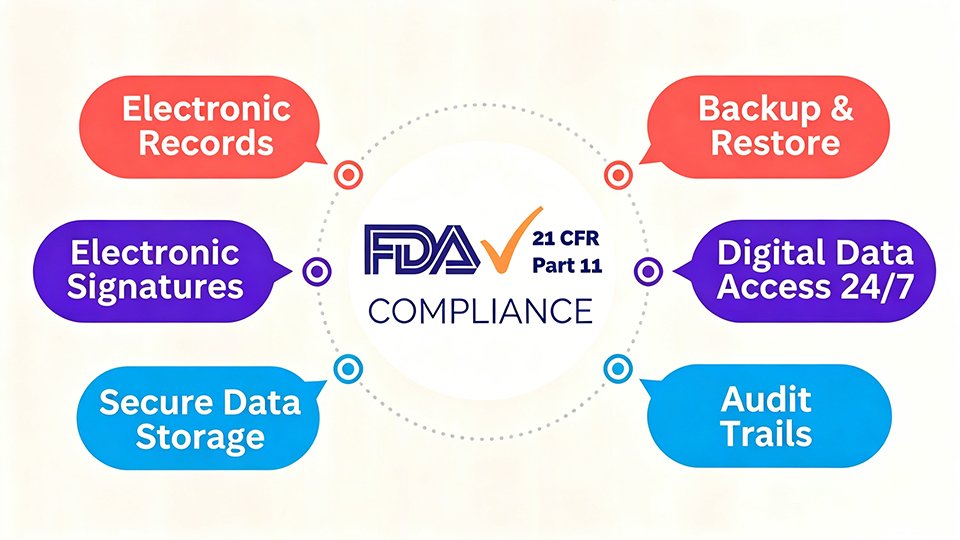
BENE, secondo il documento, cosa sono esattamente i 21 CFR parte 11 requisiti? La risposta può essere raggruppata in diversi controlli pratici. Requisiti di conformità di cui 21 CFR parte 11 incentrato su cinque aree chiave: registrazioni elettroniche, firme elettroniche, piste di controllo, controlli di accesso degli utenti, e conservazione e recupero dei record.
Documenti elettronici
21 CFR parte 11 i requisiti per i record elettronici stabiliscono che i record elettronici devono essere accurati, completare, sicuro, leggibile, e recuperabile. Le aziende dovrebbero mantenere un'adeguata conservazione dei registri e un'archiviazione sicura dei dati.
Firme elettroniche
Le firme elettroniche della Parte 11 della FDA devono stabilire chiaramente identità e responsabilità, visualizzando il nome del firmatario, il timestamp, e il significato dell'azione (PER ESEMPIO., “approvazione per il rilascio”) per garantire che abbiano la stessa validità legale delle firme autografe.
Percorsi di controllo
Come funziona la tracciabilità delle apparecchiature farmaceutiche è una domanda comune. Gli audit trail registrano automaticamente tutte le azioni critiche, compresa la creazione, modifica, cancellazione, approvazione, e cambiamenti di sistema, per garantire la tracciabilità. Se i dati sul peso di un lotto vengono modificati da 500 kg a 510 kg, il registro di controllo registra il modificatore, il momento del cambiamento, e i valori prima e dopo la modifica, facilitare l’analisi delle cause profonde.
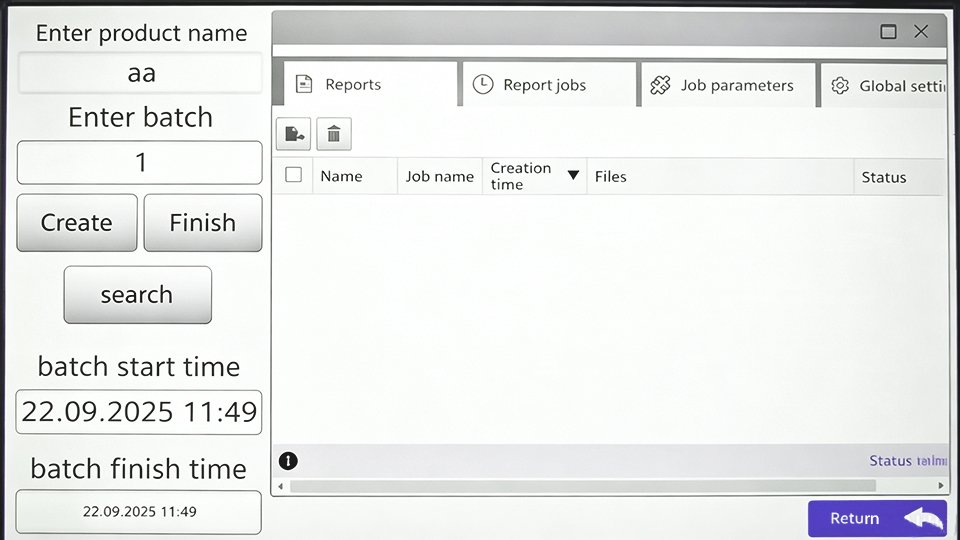
Controlli di accesso utente
I controlli di accesso garantiscono che solo il personale autorizzato possa eseguire azioni specifiche attraverso la protezione tramite password e la gestione delle autorizzazioni, utilizzando l'autenticazione a più fattori e il principio del privilegio minimo.
Conservazione e recupero dei record
I registri devono rimanere facilmente accessibili per tutto il periodo di conservazione imposto dalla FDA; il mancato tempestivo recupero dei dati durante un audit è considerata una grave violazione della conformità.
6. Come conformarsi 21 CFR parte 11
Il raggiungimento della conformità è una preoccupazione primaria per la maggior parte delle aziende farmaceutiche e di prodotti sanitari. In questa sezione, approfondiremo l'argomento, che coprono specifiche fasi di attuazione, potenziali problemi, e relative soluzioni.
Fare un passo 1 – Condotta A 21 CFR parte 11 Valutazione della conformità
Dovresti iniziare confrontando tutti i sistemi che creano, modificare, negozio, recuperare, o trasmettere record elettronici regolamentati dalla FDA 21 CFR parte 11 linee guida per i prodotti farmaceutici. La valutazione dovrebbe includere la convalida, pista di controllo, controllo degli accessi degli utenti, firme elettroniche, conservazione dei registri, e sicurezza.
Segui il 21 CFR 11 La checklist di conformità può accelerare il processo.
Fare un passo 2 – Convalidare i sistemi computerizzati
UN 21 CFR parte 11 Il sistema conforme dovrebbe essere sottoposto a convalida per dimostrare che funziona come previsto. In pratica, la convalida dovrebbe essere effettuata come una sequenza strutturata di azioni:
1. Definire e valutare l'ambito e il rischio del sistema
Inizia documentando chiaramente cosa dovrebbe fare il sistema e identificando dove si trova il rischio. Per esempio, UN macchina per il riempimento di capsule deve registrare il peso di riempimento, velocità, e numero di lotto.
2. Testare e verificare le prestazioni del sistema
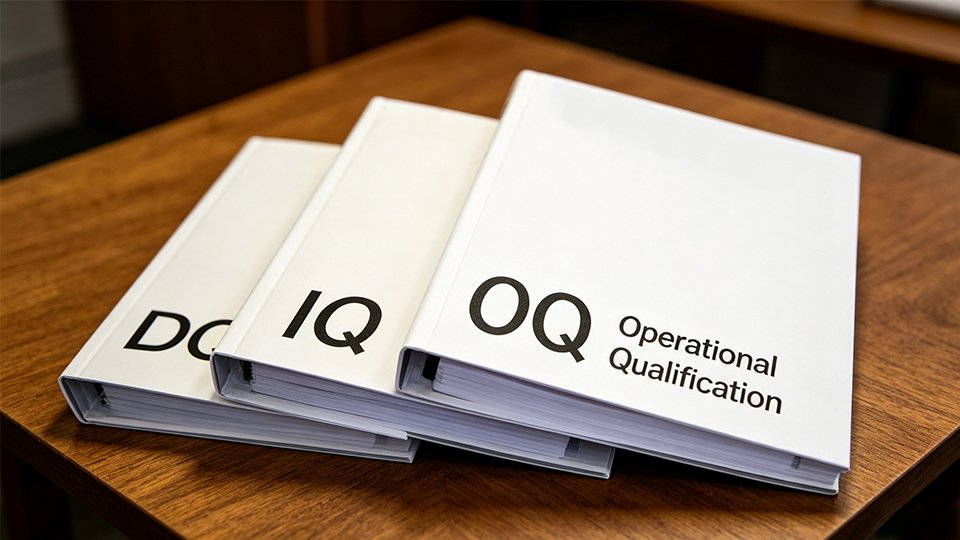
Prossimo, eseguire test strutturati utilizzando il QI, OQ, e PQ. Questa valutazione serve a verificare se il sistema funziona come previsto.
3. Documento, Approvare, e mantenere il controllo
Finalmente, tutte le attività di validazione devono essere documentate, rivisto, e approvato prima del rilascio del sistema.
Fare un passo 3 – Implementare la funzionalità Audit Trail
È necessario garantire l'integrità della funzione di audit trail, confermando che il sistema archivia e registra i dati in modo sicuro, come timestamp e modifiche, e consente un recupero accurato. Prendiamo come esempio la regolazione dei parametri della macchina riempitrice di capsule: una volta che un operatore modifica i parametri di riempimento, il sistema acquisisce automaticamente i valori vecchi e nuovi, l'ID dell'operatore, e il timestamp.
Fare un passo 4 – Stabilire controlli sulla firma elettronica
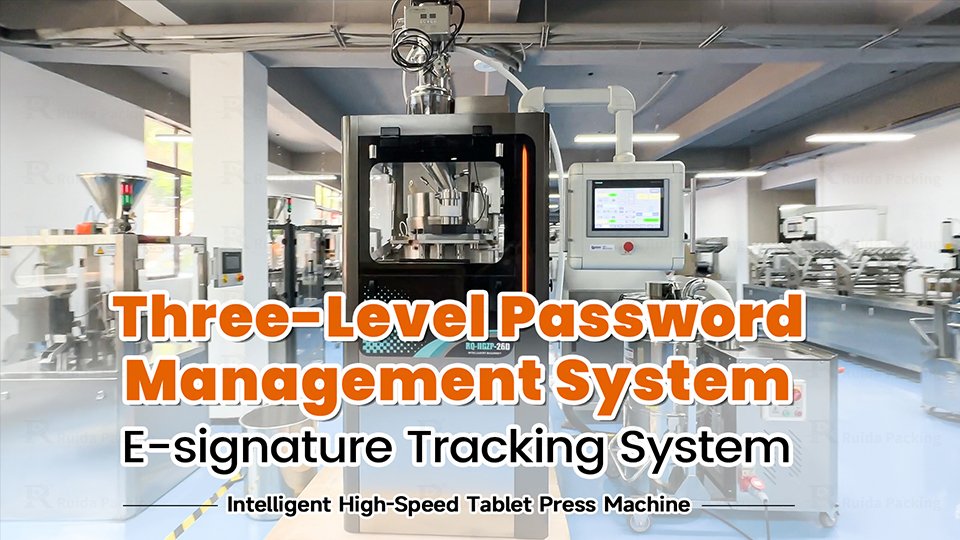
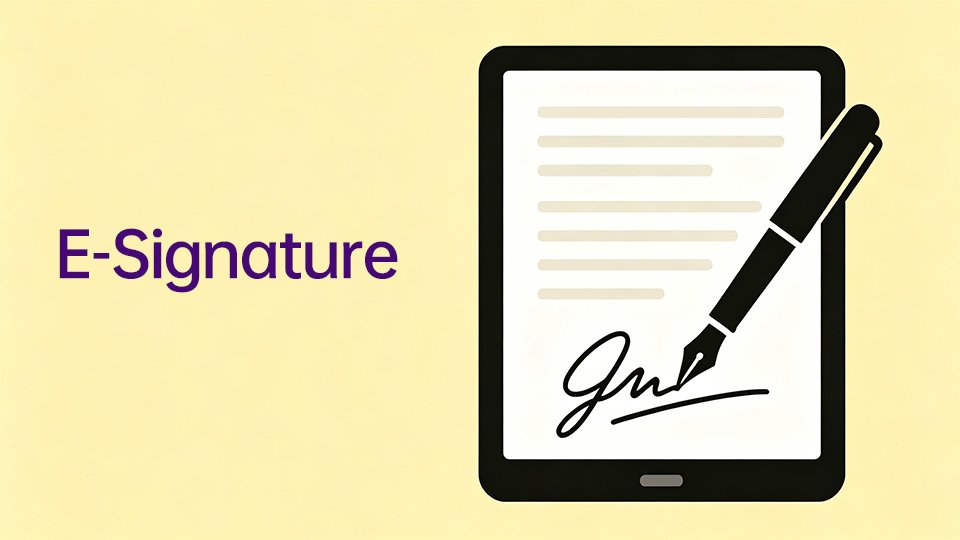
Per soddisfare le aspettative della FDA in materia di firme elettroniche, ogni utente dovrebbe avere un'identità univoca. Le firme elettroniche dovrebbero essere collegate a record specifici e non dovrebbero essere copiate o riassegnate.
Fare un passo 5 – Controllare l'accesso degli utenti
Utilizza l'accesso basato sui ruoli. Ruoli diversi dovrebbero avere autorizzazioni diverse. Per gli amministratori, hanno sempre i permessi superiori, mentre gli operatori hanno solo permessi parziali.
7. Macchine per l'imballaggio Ruida: Fornitura di macchine conformi a FDA e GMP
A volte anche se i produttori sono disposti a dotare le proprie macchine di un sistema di tracciabilità, non tutte le macchine lo supportano. Imballaggio Ruida, collaborando con note aziende farmaceutiche, tra cui UCB e US Pharma, senza dubbio è impegnato a sviluppare parte 11 apparecchiature conformi. Le nostre macchine sono supportate da CE, cGMP, ISO, e relativi certificati. Secondo le esigenze dei clienti, Ruida può anche fornire 21 CFR parte 11 soluzione di monitoraggio per apparecchiature di produzione e confezionamento.
Anche Ruida sostiene produzione farmaceutica con dettagli pratici del servizio:
- Materiali certificati: 304 acciaio inossidabile per parti senza contatto e acciaio inossidabile 316L per parti a contatto.
- Servizi di messa in servizio remota e in loco, con centri post-vendita in Nord America e Hong Kong.
- Completare guida della macchina: Manuali, guida operativa, documenti di manutenzione, e video post-vendita.
- QI, OQ, Documentazione PQ: Supporto opzionale per i documenti di convalida, IR BIANCO PQ, e documentazione di conformità.
Per la pianificazione dei produttori 21 CFR parte 11 conformità, la scelta di apparecchiature con opzioni pronte per la conformità può ridurre i costi di modifiche future e facilitare la preparazione degli audit.
8. Conclusione
Ripensando a quando è successo 21 CFR parte 11 entrare in vigore, possiamo vedere quanto profondamente abbia plasmato il settore da allora 1997. Sicne agosto 20 dell'anno, questo regolamento è stato uno standard su come le aziende regolamentate dalla FDA dovrebbero gestire i dati elettronici. Al giorno d'oggi, 21 CFR parte 11 la conformità è stata un focus e una preoccupazione per molti produttori farmaceutici e di nutra, e faresti meglio a prepararti per questo. Non solo la convalida, ma anche le macchine.
9. Domande frequenti
Q1: È 21 CFR parte 11 Obbligatorio?
SÌ, Ovviamente. Ma non è adatto a tutti i sistemi di registrazione elettronica. È obbligatorio quando vengono utilizzati record elettronici o firme elettroniche per soddisfare i requisiti della FDA.
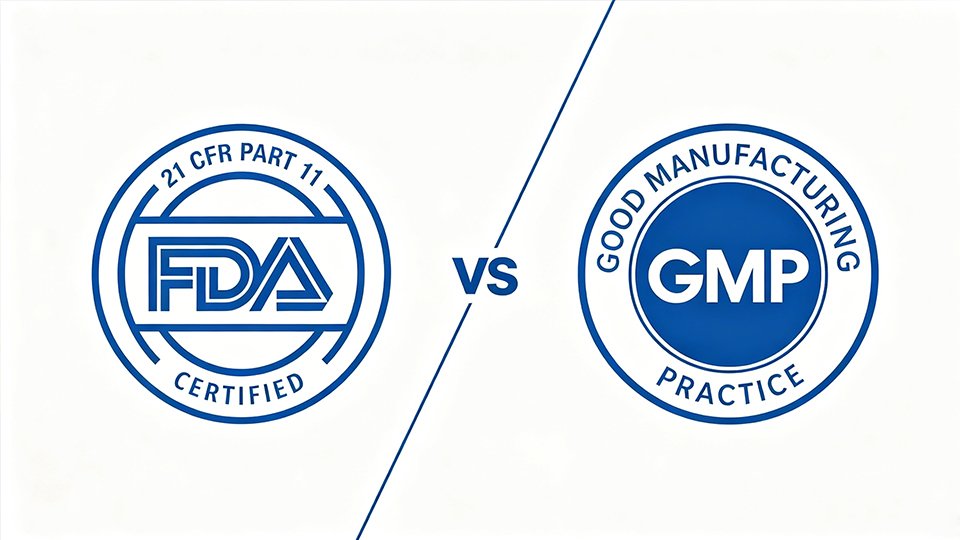
Q2: Dove il GMP E 21 CFR Parte 11'La differenza sta nella?
BENE, hanno un focus diverso. GMP si concentra sulla qualità del prodotto, Mentre 21 CFR parte 11 si concentra sui record elettronici e sulle firme elettroniche.
Q3: Ogni macchina farmaceutica ha bisogno di parti 11 Conformità?
NO. Una macchina necessita del Part 11 considerazione quando crea, negozi, modifica, o trasmette registrazioni elettroniche regolamentate. Le apparecchiature puramente meccaniche potrebbero non richiedere lo stesso livello di controllo.
Q4: Cos'è una traccia di controllo?
Una traccia di controllo serve a registrare tutte le azioni eseguite sul sistema, mostrando l'azione esatta, tempo, e eventuali modifiche.
Q5: Come faccio a sapere se l'apparecchiatura supporta la parte 11 Requisiti?
Puoi verificare se supporta gli audit trail, controllo degli accessi degli utenti, firme elettroniche, archiviazione sicura dei dati, registrare l'esportazione, e documenti di convalida. Ma mettiamola in parole povere, basta chiedere ai fornitori della macchina prima dell'acquisto.
Riferenze
[1] NOI. Amministrazione degli alimenti e dei farmaci: Parte 11, Documenti elettronici; Firme elettroniche: ambito e applicazione
[2] Codice elettronico dei regolamenti federali: 21 CFR parte 11 — Documenti elettronici; Firme elettroniche[3] Registro federale: Documenti elettronici; Norma finale sulle firme elettroniche, Pubblicato a marzo 20, 1997
[3] Registro federale: Documenti elettronici; Norma finale sulle firme elettroniche, Pubblicato a marzo 20, 1997