
विनियमित विनिर्माण उद्योगों में, डिजिटल रिकार्डकीपिंग अब डेटा संग्रहीत करने के लिए उपयोग की जाने वाली सरल फ़ाइलें नहीं हैं. वे साक्ष्य के पता लगाने योग्य स्रोत बन गए हैं.
फार्मास्युटिकल के लिए, पौष्टिक-औषधीय, चिकित्सा उपकरण, और अनुबंध निर्माण कंपनियां, उत्पादन सुरक्षा सुनिश्चित करने के लिए इलेक्ट्रॉनिक रिकॉर्ड और इलेक्ट्रॉनिक हस्ताक्षर आवश्यक हैं, गुणवत्ता आश्वासन बनाए रखना, और फॉर्मूलेशन परिवर्तन या प्रक्रिया पैरामीटर समायोजन के कारण होने वाले महंगे व्यवधानों को रोकना. जैसा कि यू.एस. नियम विकसित हो गए हैं, 21 सीएफआर भाग 11 अनुपालन धीरे-धीरे वैकल्पिक निवेश के बजाय एक अनिवार्य आवश्यकता बन गया है.
कई निर्माताओं के लिए, विशेषकर छोटी और मध्यम आकार की कंपनियाँ, सिस्टम सत्यापन और अनुपालन डेटा प्रबंधन समाधान लागू करना महंगा और जटिल लग सकता है. नतीजतन, दो प्रमुख प्रश्न अक्सर सबसे पहले उठाए जाते हैं: कब 21 सीएफआर भाग 11 प्रभावी होना, और क्या है 21 सीएफआर भाग 11 अनुपालन?
यह व्यापक मार्गदर्शिका प्रदान करती है 21 सीएफआर भाग 11 विस्तार से बताया गया. हम पता लगाएंगे कि क्या है 21 सीएफआर भाग 11, जिसे इसका अनुपालन करना होगा, इसकी प्रमुख आवश्यकताएँ, और कैसे हासिल करें 21 सीएफआर भाग 11 व्यावहारिक और लागत प्रभावी तरीके से अनुपालन.
चाबी छीनना
- कब 21 सीएफआर भाग 11 प्रभाव में जाओ और इसका ऐतिहासिक संदर्भ.
- क्या है 21 सीएफआर भाग 11 फार्मास्युटिकल उद्योग में.
- किसे चाहिए 21 सीएफआर भाग 11 विभिन्न उद्योगों में अनुपालन.
- मुख्य 21 सीएफआर भाग 11 अभिलेखों के लिए आवश्यकताएँ, हस्ताक्षर, पहुँच, और ऑडिट ट्रेल्स.
- कैसे पालन करें 21 सीएफआर भाग 11 क्रमशः.
- कैसे भाग 11 अनुपालक उपकरण फार्मास्युटिकल और न्यूट्रास्युटिकल उत्पादन का समर्थन करते हैं.
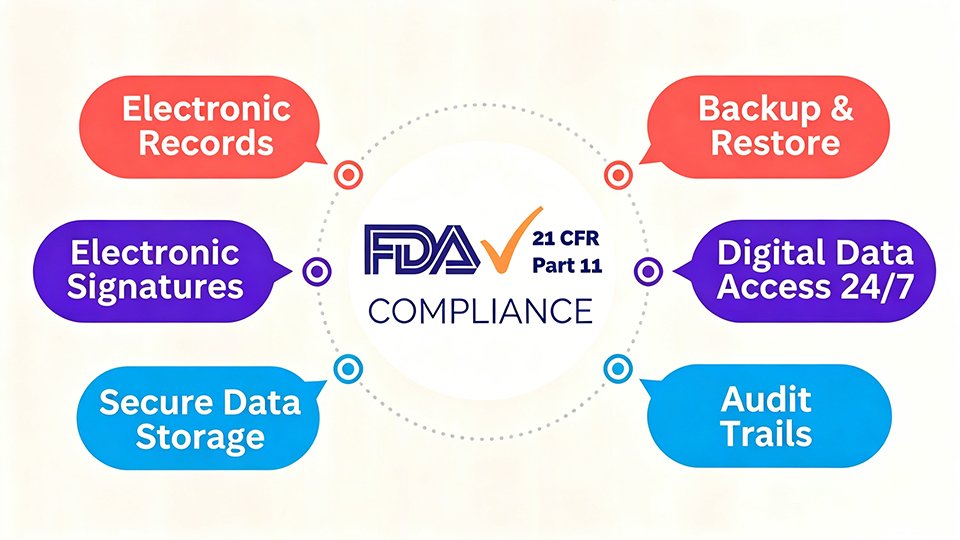
1. कब 21 सीएफआर भाग 11 प्रभावी होना?
एफडीए की आधिकारिक वेबसाइट के अनुसार, 21 सीएफआर भाग 11 अगस्त को लागू हुआ 20, 1997.
इस विनियमन को जारी करने के लिए किसने प्रेरित किया?? इसकी उत्पत्ति कागज-आधारित रिकॉर्ड से कम्प्यूटरीकृत प्रणालियों में बड़े परिवर्तन में निहित है. इससे पहले, फार्मास्युटिकल उत्पादन रिकॉर्ड, प्रयोगशाला रिपोर्ट, और बड़े पैमाने पर गुणवत्तापूर्ण दस्तावेज़ बनाए गए, पर हस्ताक्षर किए, और कागज पर संग्रहीत किया गया. जैसे-जैसे उत्पादन पैमाने का विस्तार हुआ, सरल कागजी रिकॉर्ड अब तीव्र दस्तावेज़ीकरण और तत्काल डेटा पुनर्प्राप्ति की आवश्यकता को पूरा नहीं कर सकते, डिजिटल सिस्टम अपनाने वाली अग्रणी कंपनियां.
इन नई प्रणालियों की विश्वसनीयता सुनिश्चित करने के लिए, the 21 संघीय विनियम संहिता भाग 11 लिंक 21 सीएफआर 11 सख्त विनियामक निरीक्षण के लिए इलेक्ट्रॉनिक रिकॉर्ड इलेक्ट्रॉनिक हस्ताक्षर. जब कंपनियां एफडीए विनियमन के अधीन निर्णयों का समर्थन करने के लिए डिजिटल डेटा का उपयोग करती हैं, वह डेटा सटीक और सुरक्षित होना चाहिए, साथ ही एफडीए निरीक्षण के दौरान पता लगाने योग्य और पुनर्प्राप्ति योग्य.
2. क्या है 21 सीएफआर भाग 11?
की परिभाषा 21 सीएफआर भाग 11
इसके मूल में, क्या है 21 सीएफआर भाग 11? यह यू.एस. द्वारा स्थापित एक विनियमन है. एफडीए यह निर्देश देता है कि इलेक्ट्रॉनिक रिकॉर्ड, हस्ताक्षरों का प्रबंधन कैसे किया जाए.
समझ में 21 सीएफआर भाग 11 नियमों, एफडीए की लॉक्ड फाइलिंग कैबिनेट की ऐतिहासिक निगरानी पर विचार करें, निगरानी करना कि उन्हें किसने प्रबंधित किया और ट्रैकिंग करना कि उनकी सामग्री किसने खोली या संशोधित की. चूंकि ये फाइलिंग कैबिनेट डिजिटल सिस्टम में विकसित हो गए हैं, एफडीए ने इन्हें पेश किया है 21 सीएफआर भाग 11 यह सुनिश्चित करने के लिए दिशानिर्देश कि सिस्टम ठीक से नियंत्रित हैं और डेटा सुरक्षित है.
किस प्रकार के रिकॉर्ड शामिल हैं?
21 सीएफआर भाग 11 इलेक्ट्रॉनिक रिकॉर्ड शामिल हो सकते हैं:
- इलेक्ट्रॉनिक बैच रिकॉर्ड
- विनिर्माण रिकॉर्ड
- गुणवत्ता नियंत्रण रिकॉर्ड
- उपकरण संचालन लॉग
- प्रयोगशाला परीक्षण के परिणाम
- सफाई एवं रख-रखाव अभिलेख
- प्रशिक्षण अभिलेख
- नियंत्रण और विचलन रिकॉर्ड बदलें
यह ध्यान दिया जाना चाहिए कि यह विनियमन सभी डिजिटल फ़ाइलों पर लागू नहीं होता है; यह तभी लागू होता है जब इलेक्ट्रॉनिक रिकॉर्ड का उपयोग FDA रिकॉर्ड-रखने की आवश्यकताओं को पूरा करने के लिए किया जाता है.
किन उद्योगों को अनुपालन करना होगा?
के अंतर्गत अनुपालन आवश्यकताएँ 21 सीएफआर भाग 11 संस्थाओं की एक विस्तृत श्रृंखला पर लागू हो सकता है, फार्मास्युटिकल सहित, अनुपूरक आहार, और चिकित्सा उपकरण निर्माता, साथ ही अनुबंध निर्माण संगठन भी, परीक्षण प्रयोगशालाएँ, और संयुक्त राज्य अमेरिका को FDA-विनियमित उत्पादों का निर्यात करने वाली कंपनियाँ.
फलस्वरूप, जैसे प्रश्न “करता है 21 सीएफआर भाग 11 चिकित्सा उपकरणों पर लागू करें?” और “क्या करता है 21 सीएफआर भाग 11 ढकना?” आलोचनात्मक हैं; नियम की प्रयोज्यता को नियंत्रित करने वाला मुख्य सिद्धांत यह है कि जब भी एफडीए डेटा अखंडता आवश्यकताओं के अधीन रिकॉर्ड या अनुमोदन का समर्थन करने के लिए इलेक्ट्रॉनिक सिस्टम का उपयोग किया जाता है तो अनुपालन आवश्यकताएं शुरू हो जाती हैं।.
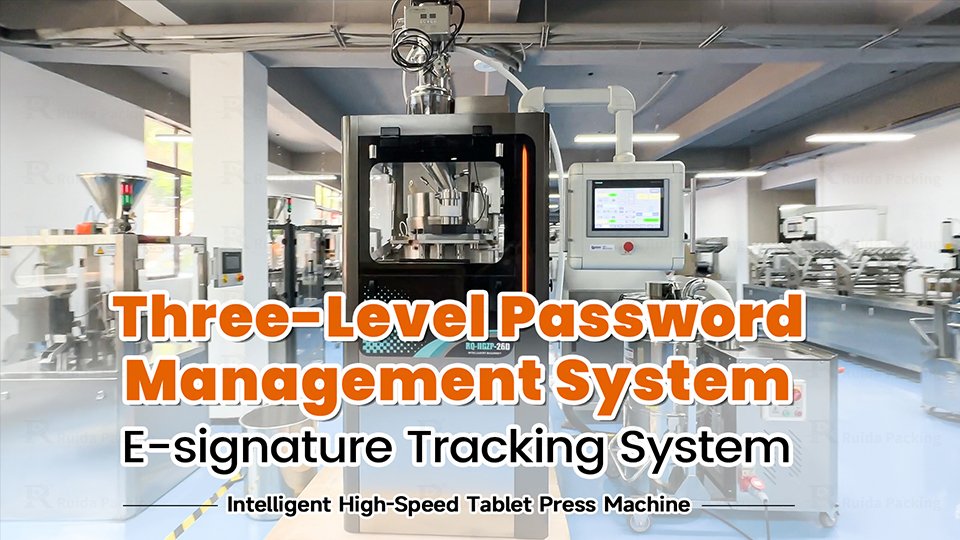
3. क्यों था 21 सीएफआर भाग 11 शुरू की?
21 सीएफआर भाग 11 इसे इसलिए पेश किया गया क्योंकि डिजिटल विनिर्माण ने नई दक्षता और नए अनुपालन जोखिम दोनों पैदा किए.
21 सीएफआर भाग 11 डिजिटल विनिर्माण से जुड़े दक्षता लाभ और नए अनुपालन जोखिमों के जवाब में उभरा. जैसे-जैसे उद्योग कागज-आधारित रिकॉर्ड से डिजिटल सिस्टम में परिवर्तित हुआ, एफडीए को इलेक्ट्रॉनिक रिकॉर्ड की विश्वसनीयता सुनिश्चित करने वाले नियम स्थापित करने की आवश्यकता थी; यह नियम बनाए गए FDA-विनियमित रिकॉर्ड पर लागू होता है, संशोधित, बनाए रखा, संग्रहीत, पुनर्प्राप्त, या इलेक्ट्रॉनिक रूप से प्रसारित.
नियम का मूल उद्देश्य सुरक्षा करना है 21 सीएफआर भाग 11 डेटा अखंडता और ऑडिट ट्रेल्स की सुविधा के लिए सिस्टम की आवश्यकता के द्वारा छेड़छाड़ या जालसाजी को रोकना, बहुत हद तक एक की तरह अभिनय करना “ब्लैक बॉक्स” जो घटनाओं के सही क्रम को दर्ज करता है. एफडीए निरीक्षण के दौरान, नियामक इलेक्ट्रॉनिक बैच रिकॉर्ड की जांच करते हैं, भाग 11 ऑडिट ट्रेल आवश्यकताएँ, उपयोगकर्ता अभिगम नियंत्रण, और 21 सीएफआर भाग 11 अनुरूप इलेक्ट्रॉनिक हस्ताक्षर; ये व्यापक ऐतिहासिक रिकॉर्ड नियामक अनुपालन के लिए आधारशिला के रूप में काम करते हैं, उत्पाद की गुणवत्ता, और ग्राहक का विश्वास.
4. किसे चाहिए 21 सीएफआर भाग 11 अनुपालन?
प्रत्येक कंपनी को समान स्तर के नियंत्रण की आवश्यकता नहीं होती है, लेकिन कई एफडीए विनियमित निर्माताओं को मूल्यांकन करना चाहिए कि किसे जरूरत है 21 सीएफआर भाग 11 उनके सिस्टम और बाज़ार के आधार पर अनुपालन.
दवा निर्माता
के लिए 21 सीएफआर भाग 11 दवा उद्योग, इलेक्ट्रॉनिक रिकॉर्ड सिस्टम जिसमें बैच जानकारी शामिल है, गुणवत्ता नियंत्रण, उपकरण लॉग, या रिलीज़ स्वीकृतियों का अनुपालन आमतौर पर आवश्यक होता है 21 सीएफआर भाग 11. तथापि, एक बार इलेक्ट्रॉनिक रिकॉर्ड औपचारिक रूप से कागजी रिकॉर्ड की जगह ले लेते हैं, यह अनुपालन दायित्व वैकल्पिक के बजाय अनिवार्य हो जाता है.
आहार अनुपूरक निर्माता
यदि कोई आहार अनुपूरक निर्माता उत्पादन प्रक्रिया करता है, गुणवत्ता, या बैच इलेक्ट्रॉनिक रूप से रिकॉर्ड करता है और उत्पाद संयुक्त राज्य अमेरिका में बिक्री के लिए है, सीएफआर भाग 11 अनुपालन लागू होने की संभावना है.
चिकित्सा उपकरण निर्माता
पूछने वालों के लिए करता है 21 सीएफआर भाग 11 चिकित्सा उपकरणों पर लागू करें, उत्तर हां है जब इलेक्ट्रॉनिक रिकॉर्ड एफडीए गुणवत्ता प्रणाली आवश्यकताओं का समर्थन करते हैं.
अनुबंध निर्माण संगठन
सीएमओ को अक्सर मजबूत एफडीए सीएफआर पार्ट की आवश्यकता होती है 11 अनुपालन क्योंकि वे कई ग्राहकों को सेवा प्रदान करते हैं और बार-बार ग्राहक ऑडिट का सामना करते हैं.
संयुक्त राज्य अमेरिका को निर्यात करने वाली कंपनियाँ
भले ही निर्माता संयुक्त राज्य अमेरिका के बाहर स्थित हो, भाग का अनुपालन 11 आवश्यकताएं आम तौर पर अभी भी आवश्यक हैं, बशर्ते उत्पाद यू.एस. में बेचे जाएं. और इलेक्ट्रॉनिक रिकॉर्ड एफडीए-विनियमित गतिविधियों से संबंधित हैं.
5. क्या हैं 21 सीएफआर भाग 11 आवश्यकताएं?
कुंआ, दस्तावेज़ के अनुसार, वास्तव में क्या हैं 21 सीएफआर भाग 11 आवश्यकताएं? उत्तर को कई व्यावहारिक नियंत्रणों में समूहीकृत किया जा सकता है। के अंतर्गत अनुपालन आवश्यकताएँ 21 सीएफआर भाग 11 पाँच प्रमुख क्षेत्रों पर केन्द्रित: इलेक्ट्रॉनिक रिकॉर्ड, इलेक्ट्रॉनिक हस्ताक्षर, ऑडिट ट्रैल्स, उपयोगकर्ता अभिगम नियंत्रण, और रिकॉर्ड प्रतिधारण और पुनर्प्राप्ति.
इलेक्ट्रॉनिक रिकार्ड
21 सीएफआर भाग 11 इलेक्ट्रॉनिक रिकॉर्ड के लिए आवश्यकताएँ बताती हैं कि इलेक्ट्रॉनिक रिकॉर्ड सटीक होने चाहिए, पूरा, सुरक्षित, पठनीय, और पुनर्प्राप्ति योग्य. कंपनियों को उचित रिकॉर्ड प्रतिधारण और सुरक्षित डेटा भंडारण बनाए रखना चाहिए.
इलेक्ट्रॉनिक हस्ताक्षर
एफडीए भाग 11 इलेक्ट्रॉनिक हस्ताक्षरों को स्पष्ट रूप से पहचान और जवाबदेही स्थापित करनी चाहिए, हस्ताक्षरकर्ता का नाम प्रदर्शित करना, टाइमस्टैम्प, और क्रिया का अर्थ (उदा।, “रिहाई की मंजूरी”) यह सुनिश्चित करने के लिए कि उनके पास हस्तलिखित हस्ताक्षरों के समान ही कानूनी वैधता है.
ऑडिट ट्रैल्स
फार्मास्युटिकल उपकरण में ऑडिट ट्रेल कैसे काम करता है यह एक सामान्य प्रश्न है. ऑडिट ट्रेल्स स्वचालित रूप से सभी महत्वपूर्ण कार्रवाइयों को रिकॉर्ड करते हैं, सृजन सहित, परिवर्तन, विलोपन, अनुमोदन, और सिस्टम में बदलाव, पता लगाने की क्षमता सुनिश्चित करने के लिए. यदि किसी बैच का वजन डेटा बदल दिया गया है 500 किलो से 510 किलोभास, ऑडिट लॉग संशोधक को रिकॉर्ड करता है, परिवर्तन का समय, और संपादन से पहले और बाद के मान, मूल कारण विश्लेषण की सुविधा.
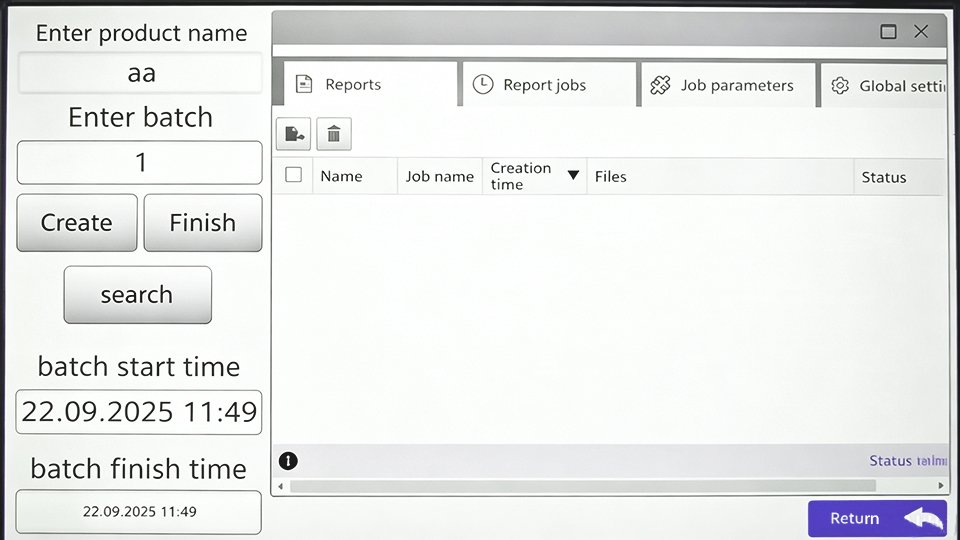
उपयोगकर्ता पहुँच नियंत्रण
अभिगम नियंत्रण यह सुनिश्चित करता है कि केवल अधिकृत कर्मचारी ही पासवर्ड सुरक्षा और अनुमति प्रबंधन के माध्यम से विशिष्ट कार्य कर सकते हैं, बहु-कारक प्रमाणीकरण और न्यूनतम विशेषाधिकार के सिद्धांत का उपयोग करना.
रिकॉर्ड प्रतिधारण और पुनर्प्राप्ति
एफडीए-अनिवार्य अवधारण अवधि के दौरान रिकॉर्ड आसानी से सुलभ रहना चाहिए; ऑडिट के दौरान तुरंत डेटा पुनर्प्राप्त करने में विफलता को गंभीर अनुपालन उल्लंघन माना जाता है.
6. इसका अनुपालन कैसे करें 21 सीएफआर भाग 11
अधिकांश फार्मास्युटिकल और स्वास्थ्य उत्पाद कंपनियों के लिए अनुपालन प्राप्त करना एक प्राथमिक चिंता का विषय है. इस खंड में, हम विषय का गहराई से पता लगाएंगे, विशिष्ट कार्यान्वयन चरणों को कवर करना, संभावित मुद्दे, और संबंधित समाधान.
कदम 1 – आचरण ए 21 सीएफआर भाग 11 अनुपालन मूल्यांकन
आपको निर्माण करने वाली सभी प्रणालियों की तुलना करके शुरुआत करनी चाहिए, संशोधित, इकट्ठा करना, पुनः प्राप्त करना, या FDA-विनियमित इलेक्ट्रॉनिक रिकॉर्ड प्रसारित करें 21 सीएफआर भाग 11 फार्मास्यूटिकल्स के लिए दिशानिर्देश. मूल्यांकन में सत्यापन शामिल होना चाहिए, लेखापरीक्षा, उपयोगकर्ता अभिगम नियंत्रण, इलेक्ट्रॉनिक हस्ताक्षर, रिकार्ड प्रतिधारण, और सुरक्षा.
का पीछा करो 21 सीएफआर 11 अनुपालन चेकलिस्ट आपकी प्रक्रिया को तेज़ कर सकती है.
कदम 2 - कम्प्यूटरीकृत सिस्टम को मान्य करें
ए 21 सीएफआर भाग 11 अनुपालन प्रणाली को यह साबित करने के लिए सत्यापन से गुजरना चाहिए कि वे इच्छित कार्य करते हैं. व्यवहार में, सत्यापन को क्रियाओं के एक संरचित अनुक्रम के रूप में किया जाना चाहिए:
1. सिस्टम के दायरे और जोखिम को परिभाषित करें और उसका आकलन करें
सिस्टम को क्या करना चाहिए इसका स्पष्ट दस्तावेजीकरण करके शुरुआत करें और पहचानें कि जोखिम कहां है. उदाहरण के लिए, ए कैप्सूल भरने की मशीन भरण भार रिकार्ड करना होगा, रफ़्तार, और बैच नंबर.
2. सिस्टम प्रदर्शन का परीक्षण और सत्यापन करें
अगला, IQ का उपयोग करके संरचित परीक्षण करें, OQ, और पीक्यू. यह मूल्यांकन यह जांचने के लिए है कि सिस्टम अपेक्षा के अनुरूप काम कर रहा है या नहीं.
3. दस्तावेज़, मंज़ूरी देना, और नियंत्रण बनाए रखें
अंत में, सभी सत्यापन गतिविधियों का दस्तावेजीकरण किया जाना चाहिए, की समीक्षा, और सिस्टम रिलीज़ से पहले अनुमोदित किया गया.
कदम 3 - ऑडिट ट्रेल कार्यक्षमता लागू करें
आपको ऑडिट ट्रेल फ़ंक्शन की अखंडता सुनिश्चित करने की आवश्यकता है, यह पुष्टि करते हुए कि सिस्टम डेटा को सुरक्षित रूप से संग्रहीत और रिकॉर्ड करता है, जैसे टाइमस्टैम्प और परिवर्तन, और सटीक पुनर्प्राप्ति की अनुमति देता है. उदाहरण के तौर पर कैप्सूल भरने वाली मशीन के मापदंडों के समायोजन को लें: एक बार जब कोई ऑपरेटर भरने के मापदंडों को संशोधित करता है, सिस्टम स्वचालित रूप से पुराने और नए मानों को कैप्चर करता है, ऑपरेटर आईडी, और टाइमस्टैम्प.
कदम 4 - इलेक्ट्रॉनिक हस्ताक्षर नियंत्रण स्थापित करें
इलेक्ट्रॉनिक हस्ताक्षर एफडीए की अपेक्षाओं को पूरा करने के लिए, प्रत्येक उपयोगकर्ता की एक विशिष्ट पहचान होनी चाहिए. इलेक्ट्रॉनिक हस्ताक्षर विशिष्ट रिकॉर्ड से जुड़े होने चाहिए और उन्हें कॉपी या पुन: असाइन नहीं किया जाना चाहिए.

कदम 5 - उपयोगकर्ता पहुंच को नियंत्रित करें
भूमिका-आधारित पहुंच का उपयोग करें. अलग-अलग भूमिकाओं के लिए अलग-अलग अनुमतियाँ होनी चाहिए. प्रशासकों के लिए, उनके पास हमेशा बेहतर अनुमतियाँ होती हैं, जबकि ऑपरेटरों के पास केवल आंशिक अनुमतियाँ हैं.
7. रुइडा पैकिंग मशीनरी: एफडीए और जीएमपी अनुरूप मशीनें उपलब्ध कराना
कभी-कभी निर्माता अपनी मशीनों को ऑडिट ट्रेल सिस्टम से लैस करने के इच्छुक भी होते हैं, सभी मशीनें इसका समर्थन नहीं करतीं. रुएडा पैकिंग, प्रसिद्ध दवा कंपनियों के साथ सहयोग, जिसमें यूसीबी और यूएस फार्मा शामिल हैं, निस्संदेह भाग के विकास के लिए प्रतिबद्ध है 11 अनुरूप उपकरण. हमारी मशीनें सीई द्वारा समर्थित हैं, सीजीएमपी, आईएसओ, और संबंधित प्रमाण पत्र. ग्राहकों की जरूरतों के अनुसार, रुइडा भी प्रदान कर सकता है 21 सीएफआर भाग 11 उत्पादन और पैकेजिंग उपकरण के लिए निगरानी समाधान.
रुइडा भी सपोर्ट करती हैं दवा निर्माण व्यावहारिक सेवा विवरण के साथ:
- प्रमाणित सामग्री: 304 गैर-संपर्क भागों के लिए स्टेनलेस स्टील और संपर्क भागों के लिए 316L स्टेनलेस स्टील.
- रिमोट और ऑन-साइट कमीशनिंग सेवाएँ, उत्तरी अमेरिका और हांगकांग में बिक्री-पश्चात केंद्रों के साथ.
- पूरा मशीन मार्गदर्शन: नियमावली, संचालन मार्गदर्शन, रखरखाव दस्तावेज़, और बिक्री के बाद के वीडियो.
- आईक्यू, OQ, पीक्यू दस्तावेज़ीकरण: सत्यापन दस्तावेजों के लिए वैकल्पिक समर्थन, आईआर सफेद पीक्यू, और अनुपालन दस्तावेज.
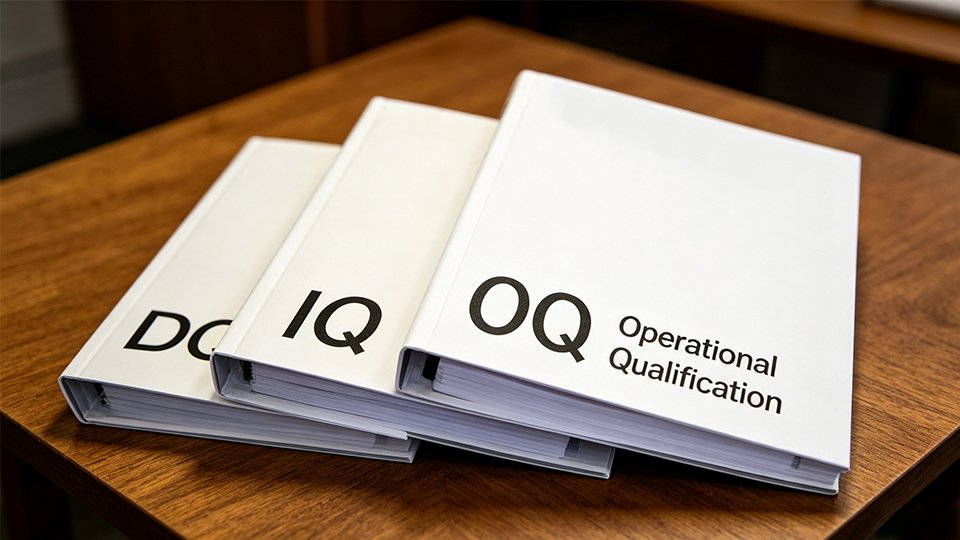
निर्माताओं की योजना के लिए 21 सीएफआर भाग 11 अनुपालन, अनुपालन-तैयार विकल्पों वाले उपकरण चुनने से भविष्य में संशोधन की लागत कम हो सकती है और ऑडिट की तैयारी आसान हो सकती है.
8. निष्कर्ष
पीछे मुड़कर देखें तो ऐसा कब हुआ 21 सीएफआर भाग 11 प्रभावी होना, हम देख सकते हैं कि इसने उद्योग को कितनी गहराई से आकार दिया है 1997. वर्ष में 20 अगस्त को सिसकना, यह विनियमन एक मानक रहा है कि एफडीए विनियमित कंपनियों को इलेक्ट्रॉनिक डेटा का प्रबंधन कैसे करना चाहिए. आजकल, 21 सीएफआर भाग 11 कई फार्मा और न्यूट्रा निर्माताओं के लिए अनुपालन एक फोकस और चिंता का विषय रहा है, और बेहतर होगा कि आप इसके लिए तैयारी करें। सिर्फ सत्यापन नहीं, बल्कि मशीनें भी.
9. पूछे जाने वाले प्रश्न
Q1: है 21 सीएफआर भाग 11 अनिवार्य?
हाँ, बिल्कुल। लेकिन यह सभी इलेक्ट्रॉनिक रिकॉर्डिंग सिस्टम के लिए उपयुक्त नहीं है. यह अनिवार्य है जब एफडीए आवश्यकताओं को पूरा करने के लिए इलेक्ट्रॉनिक रिकॉर्ड या इलेक्ट्रॉनिक हस्ताक्षर का उपयोग किया जाता है.
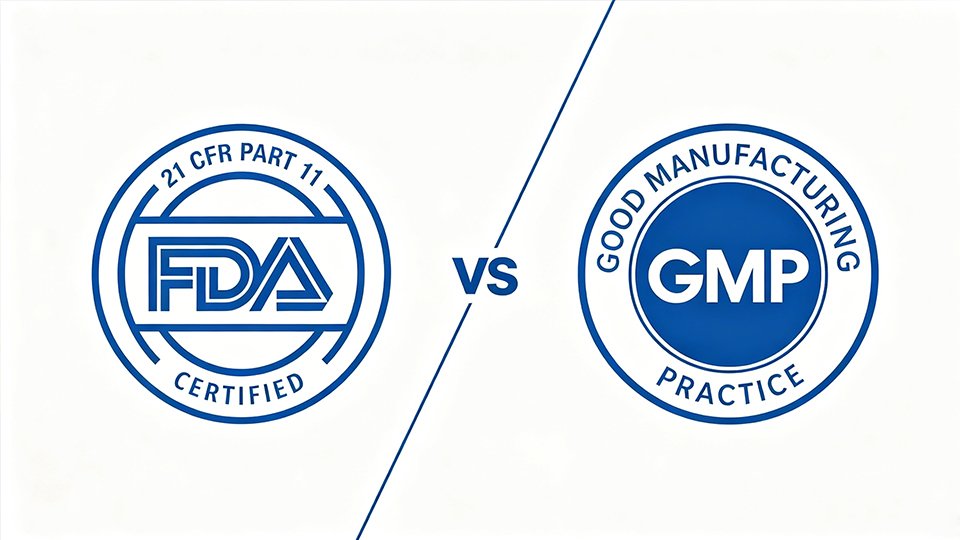
क्यू2: जहां जीएमपी और 21 सीएफआर भाग 11'अंतर में निहित है?
कुंआ, उनका फोकस अलग है. जीएमपी उत्पाद की गुणवत्ता पर केंद्रित है, जबकि 21 सीएफआर भाग 11 इलेक्ट्रॉनिक रिकॉर्ड और इलेक्ट्रॉनिक हस्ताक्षर पर ध्यान केंद्रित करता है.
क्यू3: क्या प्रत्येक फार्मास्युटिकल मशीन को पार्ट की आवश्यकता होती है? 11 अनुपालन?
नहीं. एक मशीन को पार्ट की आवश्यकता होती है 11 जब यह बनाता है तो विचार करें, भंडार, संशोधित, या विनियमित इलेक्ट्रॉनिक रिकॉर्ड प्रसारित करता है. विशुद्ध रूप से यांत्रिक उपकरणों को समान स्तर के नियंत्रण की आवश्यकता नहीं हो सकती है.
क्यू4: ऑडिट ट्रेल क्या है??
ऑडिट ट्रेल सिस्टम पर किए गए किसी भी कार्य को रिकॉर्ड करने के लिए है, सटीक कार्रवाई दिखा रहा है, समय, और कोई परिवर्तन.
क्यू5: मुझे कैसे पता चलेगा कि उपकरण पार्ट को सपोर्ट करता है? 11 आवश्यकताएं?
आप जांच सकते हैं कि यह ऑडिट ट्रेल्स का समर्थन करता है या नहीं, उपयोगकर्ता अभिगम नियंत्रण, इलेक्ट्रॉनिक हस्ताक्षर, सुरक्षित डेटा भंडारण, रिकार्ड निर्यात, और सत्यापन दस्तावेज़. लेकिन इसे सरल शब्दों में कहें तो, खरीदारी से पहले बस मशीन आपूर्तिकर्ताओं से पूछें.
रेफरीईरेंस
[1] हम. खाद्य और औषधि प्रशासन: भाग 11, इलेक्ट्रॉनिक रिकार्ड; इलेक्ट्रॉनिक हस्ताक्षर - दायरा और अनुप्रयोग
[2] संघीय विनियमों का इलेक्ट्रॉनिक कोड: 21 सीएफआर भाग 11 - इलेक्ट्रॉनिक रिकॉर्ड; इलेक्ट्रॉनिक हस्ताक्षर[3] संघीय रजिस्टर: इलेक्ट्रॉनिक रिकार्ड; इलेक्ट्रॉनिक हस्ताक्षर अंतिम नियम, मार्च प्रकाशित 20, 1997
[3] संघीय रजिस्टर: इलेक्ट्रॉनिक रिकार्ड; इलेक्ट्रॉनिक हस्ताक्षर अंतिम नियम, मार्च प्रकाशित 20, 1997