जीवन विज्ञान उद्योग बैच नंबर जैसी महत्वपूर्ण जानकारी मुद्रित करने के लिए औद्योगिक बैच कोडिंग मशीनों पर निर्भर करता है, विनिर्माण तिथियाँ, उत्पाद पैकेजिंग पर सीधे समाप्ति तिथियां.
चाहे आप एक औद्योगिक प्रिंटिंग मशीन की तलाश में हों, एक बैच कोडर, या एक समाप्ति तिथि और बैच नंबर प्रिंटिंग मशीन, नियामक अनुपालन और उत्पादन दक्षता के लिए सही समाधान चुनना आवश्यक है। यह मार्गदर्शिका प्रमुख औद्योगिक बैच कोडिंग मशीन प्रकारों को कवर करती है. हम बताएंगे कि बैच कोडिंग क्या है, बैच कोड क्या है, औद्योगिक कोडिंग मशीनों को परिभाषित करें, और फिर छह प्रिंटर प्रकारों के बारे में उनकी खूबियों के साथ विस्तार से बताएं, दोष, और अनुप्रयोग.
चाबी छीनना
- बैच कोड क्या है इसकी एक संक्षिप्त परिभाषा
- आधुनिक व्यावसायिक उत्पादन में बैच कोडिंग अपरिहार्य क्यों है?
- इंकजेट सहित औद्योगिक कोडिंग मशीनों का अवलोकन, लेज़र, थर्मल स्थानांतरण, वगैरह.
- प्रौद्योगिकी तुलना: गैर-संपर्क इंकजेट बनाम. स्थायी लेजर बनाम. थर्मल प्रिंटर से संपर्क करें
- बैच कोडर चुनते समय जिन कारकों पर विचार किया जाना चाहिए
1. बैच कोडिंग क्या है?
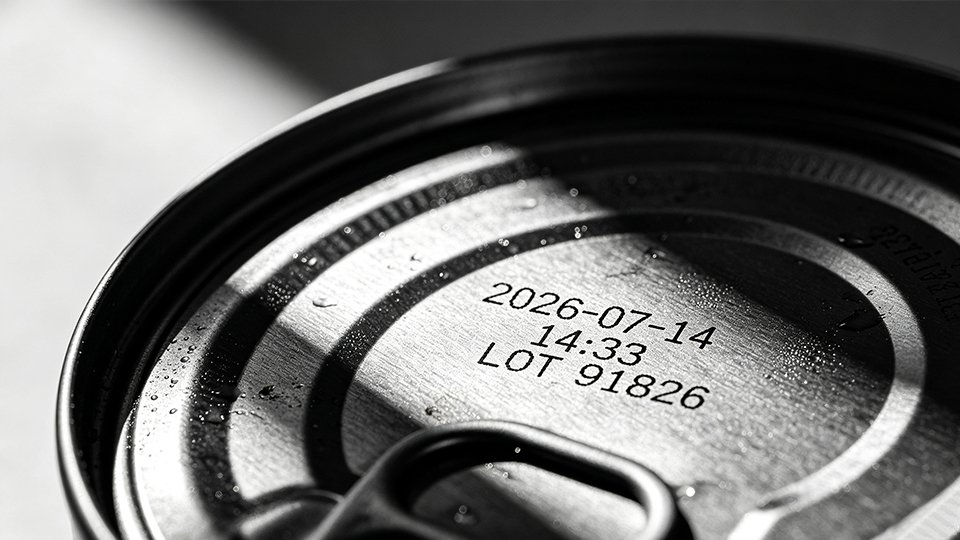
औद्योगिक बैच कोडिंग एक विशिष्ट उत्पादन रन की पहचान करने के लिए उत्पादों या पैकेजिंग पर बैच कोड मुद्रित करने की प्रक्रिया है. यह बैच कोड एक अद्वितीय अल्फ़ान्यूमेरिक स्ट्रिंग है जो आम तौर पर विनिर्माण तिथि और बैच संख्या को एन्कोड करता है. आप इसे बस गोलियों या विटामिन के एक बैच के जन्म प्रमाण पत्र के रूप में ले सकते हैं.
बैच कोड क्या है?
इस प्रश्न का उत्तर देने के लिए, हम बस इसे परिभाषित कर सकते हैं कि यह सीधे पैकेज पर मुद्रित एक लेबल है जो उस उत्पाद के लॉट या उत्पादन संचालन को दर्शाता है.
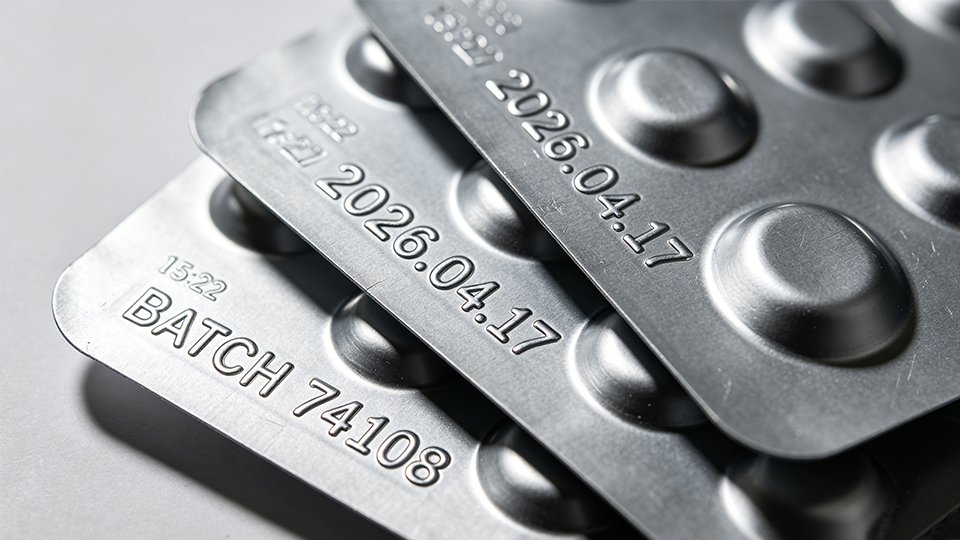
उदाहरण के लिए, एक लोशन ट्यूब ले जा सकता है:
एमएफजी: 2026-07-22, ऍक्स्प: 2028-07-21.
उस बैच के सभी आइटम समान कोड साझा करते हैं. बैच कोड बारकोड से भिन्न होते हैं क्योंकि उनका उपयोग विशेष रूप से केवल इन्वेंट्री के बजाय उत्पादन लॉट को ट्रैक करने के लिए किया जाता है. सामान्य शर्तों में, बैच कोडिंग एक रन के अंत में उस अद्वितीय कोड को निर्दिष्ट कर रही है ताकि प्रत्येक उत्पाद को उसके मूल स्थान पर वापस खोजा जा सके.
उद्योग अंतर्दृष्टि: डॉ. ली वेई, एक गुणवत्ता इंजीनियर, बताते हैं: "बैच कोडिंग उपभोक्ताओं और निर्माताओं दोनों की सुरक्षा करते हुए ट्रैसेबिलिटी की नींव बनाती है।" यह रेखांकित करता है कि कैसे बैच कोड कच्चे माल के सेवन से लेकर अंतिम पैक किए गए उत्पाद तक हर चरण को रिकॉर्ड करते हैं, यह सुनिश्चित करना कि किसी भी समस्या का शीघ्रता से उसके स्रोत तक पता लगाया जा सके.
उत्पादों को बैच कोडिंग की आवश्यकता क्यों है??
बैच कोडिंग तीन मुख्य कारणों से मायने रखती है:
उत्पाद ट्रैसेबिलिटी: एक स्मरण परिदृश्य में, बैच कोड जानने से निर्माताओं को यह पता लगाने में मदद मिलती है कि कौन सा उत्पादन बैच प्रभावित है. बिना बैच कोडिंग के, संदूषण सभी उत्पादों को वापस बुलाने के लिए मजबूर कर सकता है; बैच कोड के साथ, केवल दोषपूर्ण लॉट को ही वापस बुलाया जाता है. यह पूरे पौधे को उखाड़ने के बजाय केवल संक्रमित पत्तियों को पेड़ से हटाने जैसा है.
गुणवत्ता नियंत्रण: बैच कोड उत्पादों को विशिष्ट विनिर्माण मापदंडों से जोड़ते हैं. यदि बाद में किसी समस्या का पता चलता है, इंजीनियर सटीक बैच डेटा का विश्लेषण कर सकते हैं.
विनियामक अनुपालन: एफडीए जैसी सरकारी एजेंसियां, ईयू जीएमपी, अमेरिका में डीएससीएसए को फार्मास्यूटिकल्स और सप्लीमेंट्स पर बैच और समाप्ति तिथियों की सख्त रिकॉर्डिंग की आवश्यकता होती है. ये कोड भोजन में कानूनी रूप से अनिवार्य हैं, दवाई, और चिकित्सा उपकरण उद्योग. कई विनियमित उद्योगों के लिए, समाप्ति तिथि और बैच नंबर प्रिंटिंग मशीन का उपयोग करना अब वैकल्पिक नहीं है, यह एक नियामक आवश्यकता है. गुम, क्षतिग्रस्त, या अपठनीय बैच कोड के परिणामस्वरूप रिकॉल हो सकता है, चेतावनी पत्र, या यहां तक कि उत्पाद पर प्रतिबंध भी.
न्यूट्रास्यूटिकल्स और फार्मास्यूटिकल्स के लिए, बैच कोडिंग वस्तुतः उपभोक्ता सुरक्षा की जीवन रेखा है. जैसा कि एक एफडीए विशेषज्ञ नोट करता है, गुम या गलत बैच कोड के कारण तत्काल रिकॉल हो सकता है; प्रत्येक लाइन पर एक स्थायी बैच नंबर और एक्सपायरी डेट प्रिंटिंग मशीन का होना आवश्यक है.
2. औद्योगिक कोडिंग मशीनें क्या हैं??
औद्योगिक कोडिंग मशीनें, इसे बैच कोडर या कोडिंग प्रिंटर भी कहा जाता है, उत्पादों या पैकेजिंग पर परिवर्तनीय डेटा मुद्रित करने के लिए विनिर्माण लाइनों पर स्वचालित उपकरण स्थापित किए जाते हैं. कार्यालय मुद्रकों के विपरीत, वे तेज़ गति और कठोर परिस्थितियों में काम करते हैं.
सामान्य पर्यायवाची शब्दों में बैच कोडर शामिल है, अंकन प्रिंटर, या औद्योगिक प्रिंटर. ये मशीनें उत्पादों के संपर्क में या गैर-संपर्क हो सकती हैं. विशिष्ट कोडिंग मशीनों में शामिल हैं:
इंकजेट कोडर: सतहों पर तेज़ गति से स्याही स्प्रे करें.
लेज़र कोडिंग मशीनें:लेजर प्रकाश किरण के माध्यम से निशान छोड़ें.
थर्मल ट्रांसफर ओवरप्रिंटर: फिल्मों पर राल स्थानांतरित करने के लिए गर्मी और रिबन का उपयोग करें.
गर्म पन्नी या धातु-प्रकार के कोडर्स: गर्म धातु टिकटों के साथ छाप.
लेबल प्रिंटर: ट्रे के लिए चिपकने वाले लेबल या लेबल प्रिंट करें.
बड़े अक्षर या केस कोडर: डिब्बों या बक्सों पर बड़े बोल्ड टेक्स्ट या लोगो प्रिंट करें.
ये सभी कोडिंग प्रिंटर प्रकार एक ही उद्देश्य साझा करते हैं: वे सुनिश्चित करते हैं कि बैच नंबर और समाप्ति तिथि की छपाई कन्वेयर बेल्ट के साथ बनी रहे. स्थैतिक लेबल के विपरीत, ये मशीनें प्रति बैच अद्वितीय कोड संभालती हैं.
3. औद्योगिक कोडिंग मशीनों के प्रकार
आइए अब फार्मा और पूरक पैकेजिंग में उपयोग की जाने वाली छह प्रमुख प्रकार की कोडिंग मशीनों की जांच करें:
इंकजेट कोडिंग मशीन
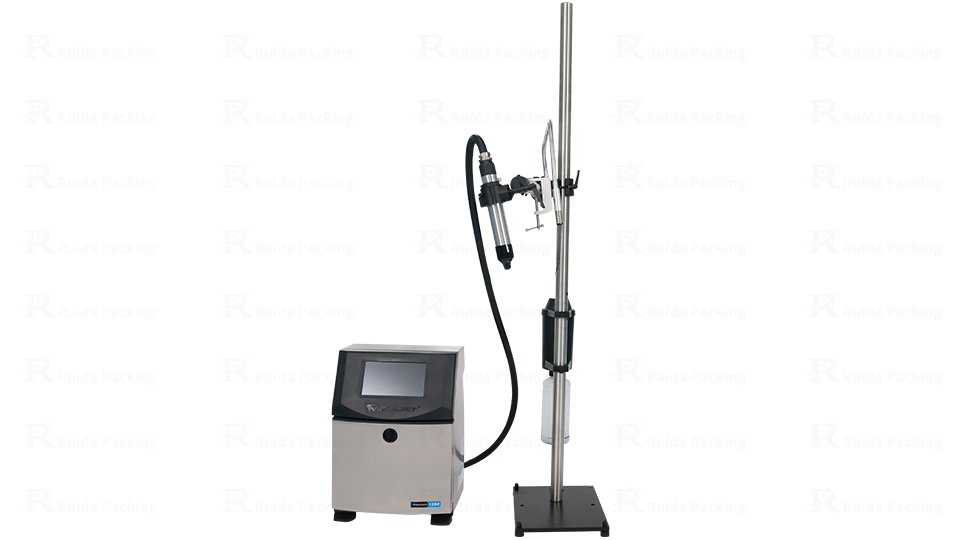
यह काम किस प्रकार करता है: एक इंकजेट कोडर वास्तविक समय में उत्पाद की सतह पर स्याही की छोटी बूंदों को फैलाता है। सतत इंकजेट सिस्टम(सीआईजे) आवेशित स्याही की बूंदों का एक जेट बनाए रखें, अवांछित बूंदों को पुनर्चक्रण प्रणाली की ओर मोड़ना। थर्मल इंकजेट सिस्टम(उसका) बुलबुले बनाने के लिए स्याही कारतूसों को गर्म करें, बाहरी हवा की आवश्यकता के बिना बूंदों को बाहर निकालना.
लाभ:
गैर संपर्क मुद्रण: प्रिंटहेड कभी भी उत्पाद को नहीं छूता. इसका मतलब यह है कि यह अनियमित पर प्रिंट कर सकता है, घुमावदार, या सतहों को प्रति मिनट कई सौ मीटर तक हिलाना.
उच्च गति: सीआईजे तेज़ उत्पादन लाइनों के लिए आदर्श है, आमतौर पर तक 600 कंटेनर/मिनट.
बहुमुखी सामग्री: कांच पर काम करता है, प्लास्टिक, धातुओं, लेबल, फ़िल्में, डिब्बों. सीआईजे स्याही अधिकांश सतहों पर अच्छी तरह से चिपक जाती है.
मल्टी-लाइन क्षमता: पाठ की कई पंक्तियाँ मुद्रित कर सकते हैं, दिनांक और समाप्ति की जानकारी सहित, अक्सर कई रंगों में.
आवेदन: सीआईजे और टीआईजे इंकजेट कोडिंग मशीनें फार्मास्यूटिकल्स और न्यूट्रास्यूटिकल्स में बेहद आम हैं. वे बोतलों पर बैच कोड प्रिंट करते हैं, शीशियों, डिब्बों, ब्लिस्टर कार्ड किनारे, प्लास्टिक की थैलियां, और अधिक. उदाहरण के लिए, नेस्ले या एबॉट की पूरक बोतलें सीआईजे प्रमुखों के अंतर्गत आती हैं जो एमएफजी और ईएक्सपी लाइनों को उजागर करती हैं।
लेजर कोडिंग मशीन
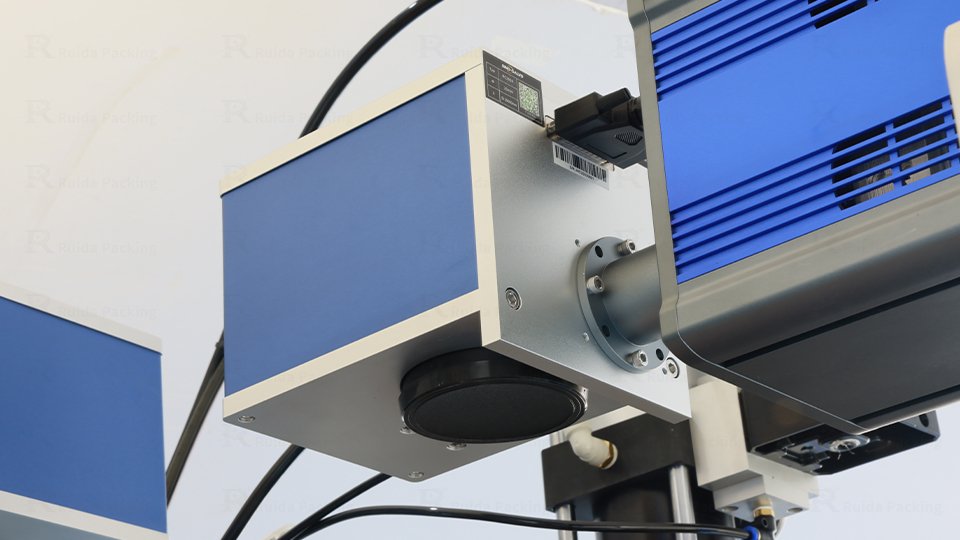
यह काम किस प्रकार करता है: लेज़र कोडर एक केंद्रित प्रकाश किरण उत्सर्जित करते हैं जो पैकेजिंग की सतह को भौतिक रूप से बदल देता है. बीम सामग्री को जला या वाष्पीकृत कर सकता है, एक स्थायी निशान छोड़ना.
लाभ:
स्थायी अंकन: कोड को सतह पर उकेरा गया है, इसे छेड़छाड़-प्रतिरोधी और लंबे समय तक चलने वाला बनाता है.
कोई उपभोग्य वस्तु नहीं: किसी स्याही या रिबन की आवश्यकता नहीं है, उपभोज्य लागत और डाउनटाइम को कम करना.
कम रखरखाव: बिना स्याही भंडार के, रखरखाव ज्यादातर सफाई प्रकाशिकी है.
आवेदन: लेज़र कोडर आम हैं फार्मा ब्लिस्टर पैक, कांच की शीशियाँ, धातु ट्यूब, और उच्च-मूल्य वाले उत्पाद जहां स्थायित्व महत्वपूर्ण है. फाइजर या नोवार्टिस जैसे प्रमुख ब्रांड अक्सर क्रमांकन के लिए लेजर कोडर निर्दिष्ट करते हैं क्योंकि "चिह्न स्थायित्व से अधिक है।" 15 साल". तथापि, लेज़रों को आमतौर पर एक फ्लैट की आवश्यकता होती है, इन-लाइन उत्पाद.
थर्मल ट्रांसफर ओवरप्रिंटर (टीटीओ)
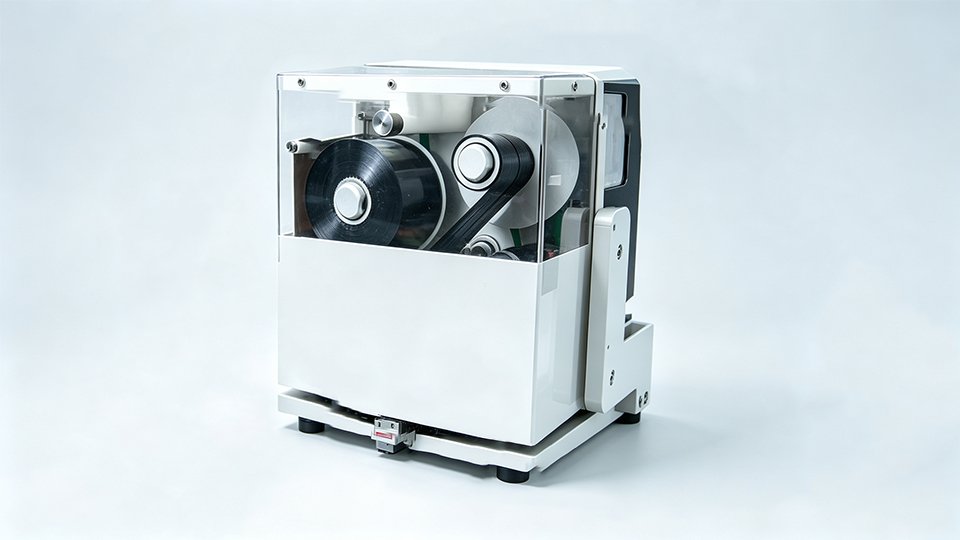
यह काम किस प्रकार करता है: एक थर्मल ट्रांसफर ओवरप्रिंटर (टीटीओ), इसे थर्मल ट्रांसफर प्रिंटर के रूप में भी जाना जाता है, पैकेजिंग पर स्याही प्रिंट करता है। रिबन प्रिंटहेड और फिल्म के बीच से गुजरता है; गर्म पिक्सेल स्याही को सतह पर दबाते हैं.
लाभ:
उच्च संकल्प: तेज़ पैदा करता है, उच्च गुणवत्ता वाला पाठ, बारकोड, और ग्राफिक्स, जटिल समाप्ति तिथि प्रारूपों के लिए बिल्कुल उपयुक्त.
लचीली पैकेजिंग: फिल्मों पर छपाई के लिए विशेष रूप से उपयुक्त, पाउच, कैंडी में बैग और अन्य पतली सामग्री, नाश्ता, या पूरक पैकेजिंग लाइनें.
चौड़ी रिबन किस्म: विभिन्न फिल्मों को चिपकाने के लिए कई रिबन रंगों और कोटिंग्स का उपयोग किया जा सकता है.
आवेदन: आप लचीले पाउच बनाने वाली मशीनों पर टीटीओ प्रिंटर देखेंगे, पाउच, या प्लास्टिक बैग, टीटीओ सिस्टम के लिए बैग कोडिंग के लिए व्यापक रूप से उपयोग किया जाता है। उदाहरण के लिए, एक बैग सीलिंग लाइन स्नैक बैग या विटामिन पाउच पैकेजिंग पर बैच और एक्सपायर प्रिंट करने के लिए टीटीओ का उपयोग कर सकती है.
गर्म पन्नी / धातु प्रकार कोडिंग मशीन
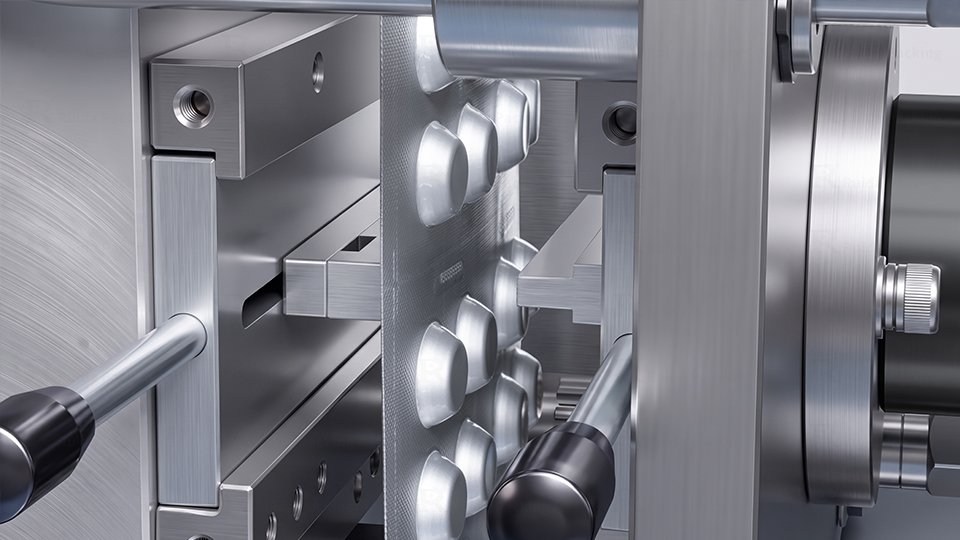
यह काम किस प्रकार करता है: एक हॉट फ़ॉइल कोडिंग मशीन, कभी-कभी इसे मेटल टाइप कोडिंग मशीन भी कहा जाता है, एक संपर्क मुद्रण विधि है. स्याही या पन्नी को स्थानांतरित करने के लिए गर्म धातु ब्लॉकों या "स्टील अक्षरों" को पैकेजिंग पर दबाया जाता है, या बस जानकारी को उभारें.
लाभ:
कम लागत: सरल, यांत्रिक निर्माण का अर्थ है बहुत सस्ती मशीनें.
आसान कामकाज: अक्सर छोटे पैमाने या अर्ध-मैनुअल लाइनों के लिए उपयोग किया जाता है. कोई जटिल सॉफ्टवेयर नहीं; प्लेटें मैन्युअल रूप से बदलें.
छोटे रन के लिए उपयुक्त: जब गति बहुत अधिक न हो तो कार्टन या फ़ॉइल पर बैच नंबर प्रिंट करने के लिए उपयोगी.
आवेदन: ये मशीनें फ़ॉइल पाउच जैसी लचीली सामग्री पर बैच कोड अंकित करती हैं, प्लास्टिक की थैलियां, एल्यूमीनियम ट्यूब अंत सील, और यहां तक कि पेपर बैग भी. उदाहरण के लिए, ब्लिस्टर पैक की फ़ॉइल या प्लास्टिक सिरिंज थैली को हॉट फ़ॉइल कोडिंग मशीन द्वारा कोड किया जा सकता है. उपयोगकर्ता प्रत्येक वर्ण के लिए धातु प्रकार का चयन करता है, फिर मशीन गर्म होती है और उन्हें एक-एक करके या सिरों में दबाती है।.
4. इंकजेट बनाम लेजर बनाम थर्मल ट्रांसफर कोडिंग मशीन
छह मुख्य प्रकार की औद्योगिक कोडिंग मशीनों की खोज के बाद, एक सवाल बाकी है: आपकी उत्पादन लाइन के लिए कौन सी तकनीक सबसे उपयुक्त है? नीचे एक तुलना तालिका दी गई है जिससे आप मुद्रण तकनीक को बेहतर ढंग से समझ सकते हैं.
तालिका 1-प्रौद्योगिकियों में फ़ीचर तुलना
| तकनीकी | इंकजेट (सीआईजे/टीआईजे) | लेज़र | थर्मल स्थानांतरण (टीटीओ) |
| संपर्क | गैर-संपर्क | गैर-संपर्क | संपर्क |
| उपभोग्य | आईएनके | कोई नहीं (बस बिजली) | रिबन |
| रफ़्तार | उच्च | उच्च | मध्यम ऊँचाई (फिल्म लाइनें) |
| उपयुक्त सामग्री | लचीला (प्लास्टिक, काँच, धातु, झरझरा, गैर झरझरा) | विस्तृत श्रृंखला (धातु, काँच, प्लास्टिक) | पतली परत, पन्नी, कागज पैकेजिंग |
| रखरखाव | मध्यम (स्याही प्रणाली) | कम (कुछ घिसे-पिटे हिस्से) | मध्यम (रिबन बदलें) |
विशेषज्ञ ध्यान दें कि “सतत इंकजेट एक गैर-संपर्क मुद्रण विधि है जो लगभग किसी भी सतह पर निशान लगा सकती है, जबकि लेजर कोडिंग मशीन एक स्थायी प्रदान करती है, कांच और धातु पर उपभोज्य-मुक्त चिह्न". व्यवहार में, निर्माता अक्सर एक ही उत्पादन लाइन पर कई कोडिंग प्रिंटर जोड़ते हैं. उदाहरण के लिए, एक आंतरिक ब्लिस्टर पैक को लेजर-नक़्क़ाशीदार सीरियल नंबर प्राप्त हो सकता है, जबकि बाहरी कार्टन को इंकजेट कोडिंग मशीन द्वारा मुद्रित किया जाता है.
लचीली फिल्मों के लिए थर्मल ट्रांसफर प्रिंटर पसंदीदा समाधान बना हुआ है क्योंकि यह स्याही के रिसाव के बिना उत्कृष्ट प्रिंट गुणवत्ता प्रदान करता है. अंत में, औद्योगिक बैच कोडिंग मशीन के प्रकार का चयन करना आपकी पैकेजिंग सामग्री पर निर्भर करता है, स्थायित्व आवश्यकताएँ, और उत्पादन की गति.
5. सही औद्योगिक कोडिंग मशीन कैसे चुनें?
अपनी लाइन के लिए औद्योगिक कोडिंग मशीन का चयन करते समय, विचार करना:
पैकेजिंग सामग्री: क्या यह प्लास्टिक है?, काँच, धातु, एल्यूमीनियम पन्नी या फिल्म?
यदि एक इंकजेट कोडिंग मशीन चुनें…
- आपको हाई-स्पीड चाहिए, गैर संपर्क मुद्रण.
- आपके उत्पादों में बोतलें शामिल हैं, डिब्बों, प्लास्टिक के कंटेनर, या ग्लास पैकेजिंग.
- आप बार-बार बैच नंबर बदलते हैं, समाप्ति तिथियाँ, या परिवर्तनशील डेटा.
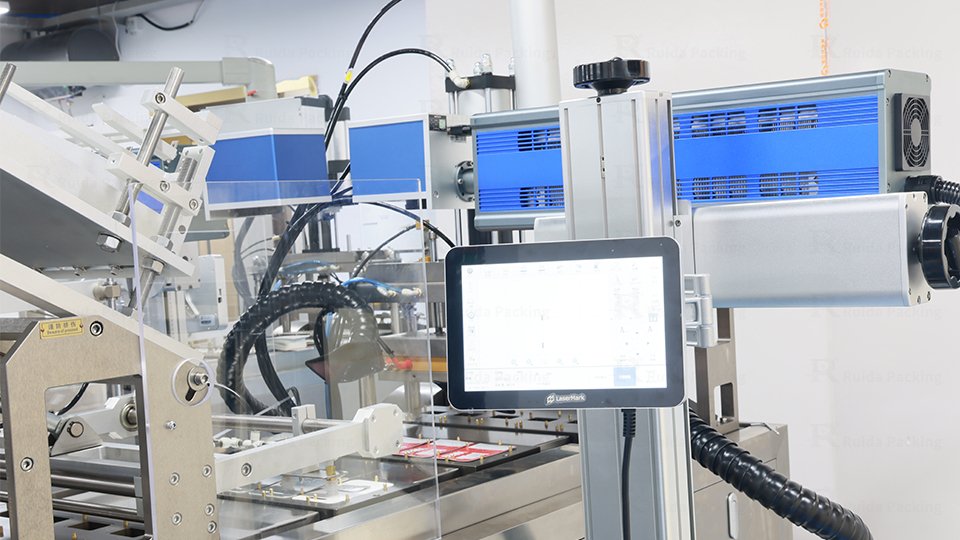
यदि कोई लेज़र कोडिंग मशीन चुनें…
- आपको बिना किसी छेड़छाड़ के स्थायी निशान चाहिए.
- आपकी पैकेजिंग कांच से बनी है, धातु, कठोर प्लास्टिक, या फार्मास्युटिकल ब्लिस्टर फ़ॉइल.
- आप स्याही और रिबन उपभोग्य सामग्रियों को खत्म करना चाहते हैं.
- आपकी उत्पादन लाइन न्यूनतम रखरखाव के साथ निरंतर चलती रहती है.
एक थर्मल ट्रांसफर ओवरप्रिंटर चुनें (टीटीओ) अगर…
- आप पैकेजिंग फिल्मों पर नंबर प्रिंट करना चाहते हैं.
- आपके उत्पाद पाउच में पैक हैं, पाउच, या बैग.
- उच्च-रिज़ॉल्यूशन पाठ, बारकोड, और QR कोड आवश्यक हैं.
- साफ, अल्ट्रा-हाई स्पीड की तुलना में स्पष्ट मुद्रण गुणवत्ता अधिक महत्वपूर्ण है.
यदि हॉट फ़ॉइल कोडिंग मशीन चुनें…
- आपको केवल साधारण बैच नंबर या समाप्ति तिथियां प्रिंट करनी होंगी.
- आपकी उत्पादन मात्रा अपेक्षाकृत कम है.
- आप एक सरल संरचना के साथ एक किफायती समाधान चाहते हैं.
व्यवहार में, एक फार्मा लाइन एकाधिक कोडर का उपयोग कर सकती है. उदाहरण के लिए, ब्लिस्टर पैक प्रिंटर एक यूवी लेजर हो सकता है, जबकि डाउनस्ट्रीम कार्टन दोहरे सिर वाले सीआईजे का उपयोग करते हैं.
6. रुएडा पैकिंग: औद्योगिक इन-लाइन प्रिंटर आपूर्तिकर्ता
रुइडा पैकिंग ख़त्म हो गया है 10 फार्मास्युटिकल और न्यूट्रास्युटिकल निर्माताओं के लिए बैच कोडिंग मशीन आपूर्तिकर्ता के रूप में वर्षों का अनुभव. हम फॉर्च्यून के साथ साझेदारी करते हैं 500 फार्मा कंपनियाँ (उदा।, यूसीबी फार्मा, यूएस फार्मा) सीई प्रदान करने के लिए, सीजीएमपी और आईएसओ प्रमाणित कोडिंग सिस्टम. रुइडा पूर्ण लाइन एकीकरण प्रदान करता है: चाहे वह कैप्सूल भरने वाली लाइन हो या ब्लिस्टर पैकेजिंग लाइन, हम आपकी आवश्यकताओं को पूरा करने के लिए उपयुक्त कोडर स्थापित कर सकते हैं.
हमारी प्रतिबद्धता इस प्रकार है:
तेजी से वैश्विक वितरण: मानक मशीनें शिपमेंट के लिए स्टॉक में हैं 7 दिन.
स्टार्टअप समर्थन: हम प्रमाणित इंजीनियरों द्वारा रिमोट सेटअप और ऑन-साइट कमीशनिंग प्रदान करते हैं.
आजीवन सेवा: निःशुल्क तकनीकी परामर्श हमेशा के लिए. आप अपने कोडिंग प्रिंटर को त्रुटिहीन रूप से चालू रखने के लिए रुइडा की समर्पित टीम पर भरोसा कर सकते हैं.
जैसा कि हम इस विश्वास को बरकरार रखते हैं कि "हम अपने ग्राहकों को महत्व देते हैं", इसलिए रुइडा पैकिंग चुनकर, कंपनियों को विश्वसनीय कोडिंग मशीन आपूर्तिकर्ता मिलते हैं जो फार्मा उत्पादन और अनुपालन की कठोरता को समझते हैं.
निष्कर्ष
सारांश, औद्योगिक बैच कोडिंग मशीन के प्रकार इंकजेट प्रिंटर से लेकर लेजर मार्कर तक होते हैं, थर्मल ट्रांसफर ओवरप्रिंटर, और हॉट-फ़ॉइल कोडर. बैच नंबर प्रिंट करने के लिए प्रत्येक के अनूठे फायदे हैं, फार्मास्युटिकल और न्यूट्रास्युटिकल उत्पादों पर उत्पादन और समाप्ति तिथियां और ट्रैसेबिलिटी कोड. सही का चयन पैकेजिंग सामग्री पर निर्भर करता है, लाइन की गति, और स्थायित्व आवश्यकताएँ. में 2026, प्रत्येक उत्पादन लाइन पर उत्पाद सुरक्षा और अनुपालन सुनिश्चित करने के लिए एकीकृत कोडिंग मशीनें आवश्यक हैं.
पूछे जाने वाले प्रश्न
Q1: बैच कोडिंग क्या है?
बैच कोडिंग ट्रेसेबिलिटी के लिए उत्पादों पर बैच नंबर प्रिंट करने की प्रक्रिया है ताकि निर्माता किसी भी दोष की पहचान होने पर उसके मूल और विनिर्माण विवरण का पता लगा सकें।.
Q2: क्या लेजर कोडिंग इंकजेट कोडिंग से बेहतर है??
जरूरी नहीं कि बेहतर हो, बस अलहदा. लेजर कोडर स्थायी देते हैं, उच्च-विपरीत चिह्न और कम-रखरखाव वाले हैं, कठोर या दीर्घकालिक उत्पादों के लिए आदर्श. इंकजेट कोडर कई सामग्रियों में तेज़ और अधिक बहुमुखी हैं, स्याही की बूंदों का उपयोग करना.
Q3: औद्योगिक कोडिंग मशीनें कितने प्रकार की होती हैं??
बाजारों में, सबसे अधिक देखे जाने वाले प्रकार थर्मल इंकजेट प्रिंटर हैं, लेजर कोडिंग मशीनें, और धातु प्रकार कोडर. प्रत्येक तकनीक विशिष्ट पैकेजिंग प्रारूपों और गति आवश्यकताओं के अनुरूप होती है.
Q4: कौन से उद्योग बैच कोडिंग मशीनों का उपयोग करते हैं??
फार्मास्यूटिकल्स में बैच कोडिंग मशीनों का व्यापक रूप से उपयोग किया जाता है, पौष्टिक-औषधीय पदार्थों, खाना & पेय, प्रसाधन सामग्री, और चिकित्सा उपकरण. अनिवार्य रूप से कोई भी उद्योग जिसे पैकेजिंग पर उत्पाद ट्रैसेबिलिटी या समाप्ति तिथि मुद्रण की आवश्यकता होती है. दवाओं और भोजन में सख्त नियमों का मतलब है कि कोडिंग उन तर्ज पर मानक है.
Q5: क्या लेजर कोडिंग मशीनें स्याही का उपयोग करती हैं??
नहीं. लेजर कोडर सामग्री की सतह को खोदने या बदलने के लिए प्रकाश की एक केंद्रित किरण का उपयोग करते हैं, इसलिए उन्हें स्याही या रिबन की आवश्यकता नहीं है. इस "स्याही रहित" प्रक्रिया का मतलब है कि प्रतिस्थापित करने के लिए कोई उपभोग्य वस्तु नहीं है, लेकिन केवल बिजली और सामयिक रखरखाव की आवश्यकता है.
संदर्भ
[1] डेटाइंटेलो: बैच कोडिंग मशीन बाज़ार (2025-2034) - वैश्विक बाजार विश्लेषण. उपलब्ध:
https://dataintelo.com/report/batch-coding-machines-market
[2] बी+बी स्वचालन: “बैच कोडिंग: अर्थ, तरीकों, और विनियामक आवश्यकताएँ” (दिसम्बर 2025).
[3] सुरक्षित पैक करें: "फार्मास्युटिकल उद्योग में कोडिंग मशीनों का महत्व" (2023)