

As máquinas de embalagem em blister são o pulso de uma linha de embalagem de dose sólida, formando cavidades, comprimidos ou cápsulas para alimentação, aplicando folha de cobertura, e mover embalagens acabadas para corte e descarga. Quando esse ritmo escorrega, selos fracos, cavidades malformadas, bolsos vazios, rugas de folha, e erros de registro podem criar rejeições rapidamente, tempo de inatividade, e material de embalagem desperdiçado. As falhas de vedação merecem atenção especial porque uma embalagem pode parecer normal enquanto seu desempenho de barreira já pode estar comprometido. Uma regra útil no chão de fábrica é observar quatro coisas primeiro: aquecer, pressão, movimento, e material – muitas falhas recorrentes deixam pistas em pelo menos um deles.
A solução eficaz de problemas em máquinas de embalagem blister segue essas pistas em vez de depender de ajustes por tentativa e erro. As seções abaixo cobrem embalagens comuns, mecânico, utilidade, e controle de falhas encontradas em uma máquina de embalagem blister, juntamente com verificações práticas e o ponto onde falhas recorrentes começam a indicar um problema mais profundo de manutenção ou de projeto da máquina.
Nota de segurança: Antes de inspecionar as ferramentas, rolos, componentes de vedação, peças de corte, ou sistemas elétricos, pare e isole a máquina de acordo com as instruções do fabricante e os procedimentos de segurança do seu local. Nunca ignore proteções ou intertravamentos de segurança durante a solução de problemas.
Selos de bolha fracos ou inconsistentes
O que você vê: A folha da tampa se solta com muita facilidade, parte do selo permanece aberta, or one area repeatedly fails the plant’s approved seal-quality or integrity check. If the fault affects the full web, look first at shared process or material conditions. If it stays in one lane or along one edge, local tooling contact deserves more attention.
Why it happens: Temperature is only one possible cause. Seal quality depends on sealing temperature, pressão, tempo de contato, velocidade da linha, foil coating, formando teia, and sealing-surface condition. Pó, adhesive buildup, damaged tooling, uneven pressure, incorrect web position, or a different material lot can all reduce effective contact.

Checks and fixes:
- Confirm the actual sealing temperature. Verify the sealing-surface temperature using an approved, calibrated method and compare it with the validated range for the forming web and lidding foil combination.
- Inspect sealing contact. Check the sealing plate or roller, pressure components, tooling surface, and alignment.
- Remove contamination. Stop and isolate the machine before cleaning a hot sealing area. Remove dust, adhesive residue, and packaging fragments.
- Check the material. If the problem starts after a film or foil change, confirm specification, orientação, roll condition, and coating compatibility.
- Review speed and contact time. A seal that works at low speed but weakens at production speed points toward heat transfer, pressure stability, dwell, or web movement.
Field note: If only one lane is failing, a machine-wide increase in temperature or pressure may affect stable lanes without correcting the local cause.
Shallow, Collapsed, or Uneven Blister Cavities
O que você vê: Pockets are too shallow, cavity depth varies across the web, one side looks stretched, or tablets and capsules no longer sit correctly inside the pocket. More severe blister forming defects include folds, thinning, tearing, and incomplete cavities.
Why it happens: With thermoformed materials, the web must reach a suitable forming condition before vacuum, ar comprimido, or mechanical assistance shapes it into the mold. Uneven heating, blocked air passages, unstable forming pressure, damaged seals, tooling misalignment, insufficient cooling, or material variation can all change cavity geometry.
Em um pharmaceutical blister machine, Alu-Alu cold forming follows a different process and relies on the behavior of the cold-form laminate and tooling rather than thermoforming heat.
Checks and fixes:
- Check forming conditions. Confirm that the web reaches the material-appropriate temperature and that heating is uniform.
- Inspect air passages. Blocked mold vents, leaking lines, unstable pressure, or damaged seals can produce shallow pockets.
- Check mold alignment. A defect that repeats in the same cavity position usually points toward local tooling or air flow.
- Verify cooling. Poor cooling can allow a newly formed cavity to distort before downstream operations.
- Compare the material lot. Thickness variation, shrinkage, or poor roll condition can create defects that machine adjustment alone cannot remove.
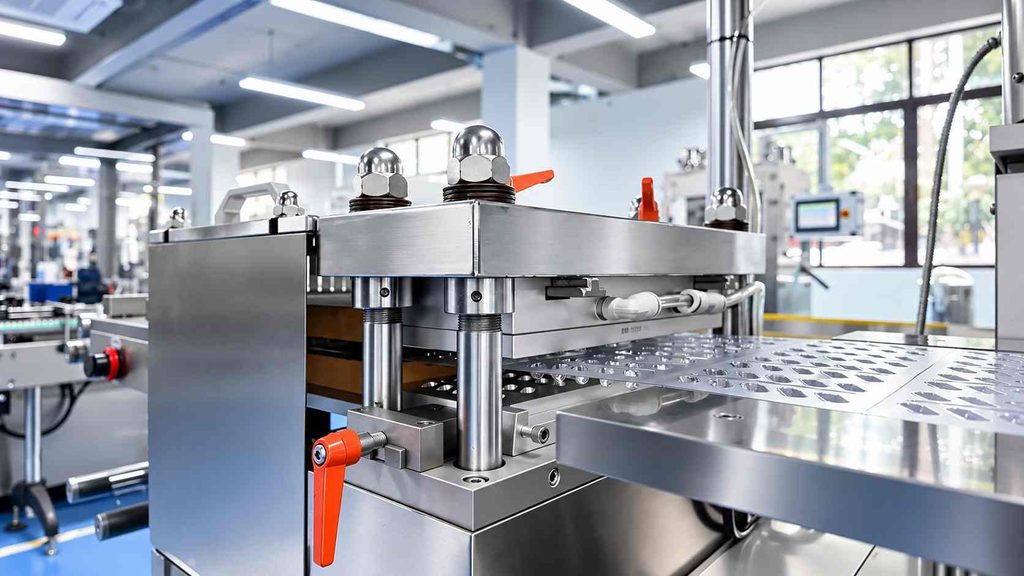
Film and Foil Wrinkling, Tearing, or Tracking Problems
O que você vê: The forming web moves sideways, lidding foil enters sealing with wrinkles, material edges tear, or operators repeatedly correct tracking. Some faults appear only after production speed increases.
Why it happens: The visible wrinkle is often downstream from the actual cause. Uneven unwind tension, incorrect roll loading, non-parallel guide rollers, contaminação, damaged edges, unstable web transport, or a sensor problem may disturb the material several stations earlier.
Checks and fixes:
- Trace the web from the unwind. Find the first point where it stops running flat and centered.
- Check roll loading and tension. Make sure the roll sits squarely and unwinds without excessive side pull.
- Inspect guide rollers. Check alignment, rolamentos, contaminação, and surfaces contacting the web.
- Check tracking sensors where fitted. Clean photoelectric lenses and verify reliable detection.
- Compare low and full speed. A fault that appears only after acceleration suggests dynamic tension, transport synchronization, or roller condition.
Field note: Do not correct a downstream wrinkle until you know where the web first became unstable.
Feeding Problems: Empty Pockets, Double Feeds, and Product Damage
O que você vê: Empty blister pockets reach inspection, two products enter one cavity, tablets jump out of position, capsules become damaged, or the feeder repeatedly bridges or jams.
Why it happens: On blister packaging equipment, a feeding fault is not always a feeder fault. Tablet or capsule dimensions, revestimento, pó, estático, fricção superficial, and flow behavior can change feeding performance. Worn guides, unsuitable vibration, poor feeder setup, or synchronization errors can produce similar symptoms.
Checks and fixes:
- Compare the product batch. If the fault begins with a new tablet or capsule batch, check product behavior before completely retuning the feeder.
- Clean the feeding path. Powder and fragments can alter movement through tracks, guias, pincéis, and feed plates.
- Adjust the feeder to the product. Check openings, guide height, brush position, retaining parts, and vibration.
- Check synchronization. Product delivery must match pocket position and indexing.
- Test at a lower speed. If empty pockets disappear immediately, investigar taxa de entrega, tempo, ou vibração na saída alvo.
- Verifique a estabilidade do ar ou do vácuo onde for usado. Flutuações de serviços públicos podem fazer com que um sistema de alimentação ajustado corretamente pareça instável.
Cadastro, Indexação, e desvio de codificação
O que você vê: Mudanças de informações impressas, cavidades se movem em relação à vedação ou corte, ou a codificação em lote percorre gradualmente o material da tampa. Alguns erros aumentam lentamente; outros aparecem imediatamente após reiniciar, substituição de rolo, ou mudança.
Why it happens: O registro preciso em uma máquina de embalagem blister depende do transporte repetível da banda. Variação de tensão, componentes de tração deslizantes, configurações de índice incorretas, vestir, contaminação do sensor, ou configuração de formato ruim podem mudar de posição. Em sistemas servo-acionados, feedback de posição e sincronização também se tornam parte do caminho de diagnóstico.
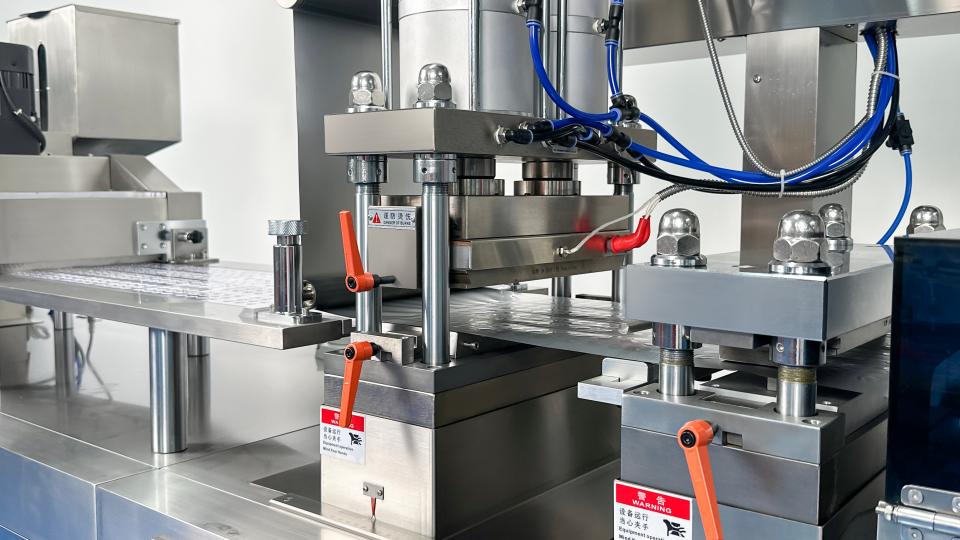
Checks and fixes:
- Separe o desvio gradual do deslocamento repentino. Movimento gradual aponta em direção ao transporte, tensão, vestir, ou comentários. O movimento repentino geralmente segue a configuração ou mudanças de material.
- Estabilize primeiro o transporte da web. Verifique os guias, puxando componentes, tensão, and alignment.
- Verifique o comprimento do índice. Confirme se o curso programado corresponde ao formato instalado.
- Limpar sensores de registro. Baixo contraste ou contaminação podem causar alinhamento inconsistente.
- Verifique novamente após a mudança. Ferramentas, posição do sensor, receita, e o alinhamento da estação deve retornar às posições de referência estabelecidas.
Sensor, Inspeção, e erros do sistema de rejeição
O que você vê: Bons pacotes são rejeitados, alarmes de produto perdido aparecem mesmo que as cavidades estejam cheias, o sistema de visão relata falhas intermitentes, ou defeitos genuínos passam na inspeção.
Why it happens: Dependendo da configuração da máquina, a inspeção pode contar com sensores fotoelétricos, câmeras, codificadores, iluminação, Lógica CLP, e rejeitar a confirmação. Pó, baixo contraste, acionamento incorreto, shifted sensors, changed product appearance, loose connections, or the wrong recipe can all produce false decisions.
Checks and fixes:
- Inspect the rejected pack. Confirm whether the reported defect actually exists.
- Clean sensors and optics. Pó, particles, adhesive residue, and fingerprints can alter detection.
- Check timing and position. The system must inspect the correct cavity at the correct point in the cycle.
- Verify the active recipe. Product color, foil graphics, and cavity layout can require different settings.
- Test the reject mechanism. Make sure the detected defective pack is the same pack physically removed downstream.
Corte, Perforation, and Blister Burr Defects
O que você vê: Blister cards have rough edges, rebarbas, incomplete cuts, poor perforation, or remain partly connected. Sometimes the cut is clean but shifted relative to the cavity layout.
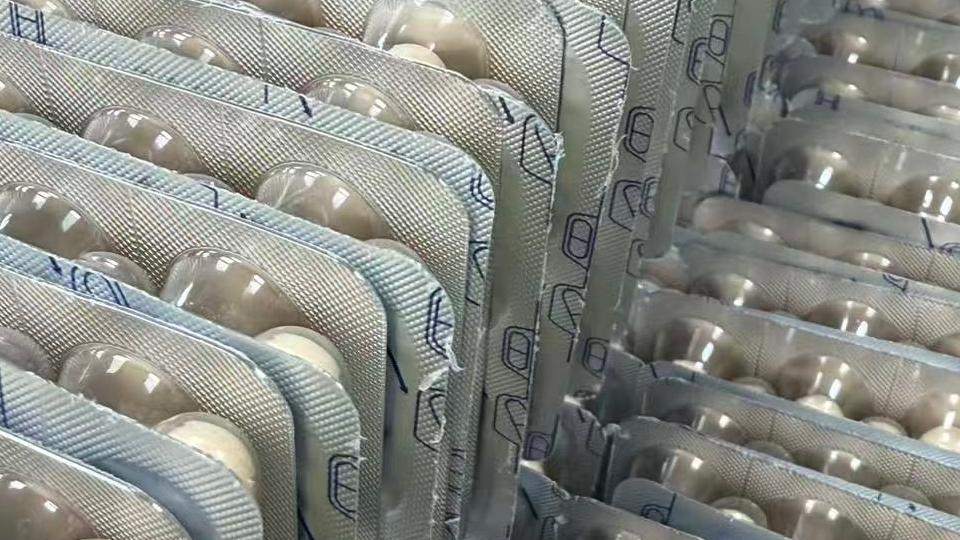
Why it happens: Worn punches, damaged dies, incorrect tool installation, excessive clearance, contaminação, transmission wear, and unstable web position can all affect cutting quality. Upstream registration problems can therefore look like cutting-tool problems.
Checks and fixes:
- Confirm registration first. Make sure the blister arrives in the correct position.
- Inspect punch and die edges. Wear, chips, or buildup can create recurring burrs.
- Verify tool installation. Check seating, alinhamento, guias, and fasteners.
- Check mechanical transmission. Loose chains or inconsistent feed motion can shift cutting position.
- Remove trim and debris. Waste material can interfere with movement and separation.
Segurança: Stop and isolate the machine before working near punches, morre, correntes, or moving cutting components.
Electrical, Temperature-Control, and Utility Faults
Not every fault on pharmaceutical blister packaging equipment appears first as a packaging defect. Poder, controle de temperatura, ar comprimido, vazio, cooling, and drive-system problems can affect several stations at once.
Machine Will Not Start or Frequently Trips
Check the incoming power supply, protective devices, phase sequence where applicable, emergency-stop circuit, safety interlocks, and motor or heater circuits. Repeated breaker trips should be treated as an electrical fault, not simply reset.
Electrical diagnosis should be performed only by authorized personnel.
Heating Does Not Rise or Temperature Becomes Unstable
Possible causes include a failed temperature sensor, thermocouple wiring problem, heater failure, relay or solid-state relay fault, controller problem, or loose electrical connection.
Before replacing the heater, confirm whether the controller is receiving a valid temperature signal and whether the heating circuit is actually being energized.
Air Pressure or Vacuum Is Too Low
Inspect the air supply, mangueiras, fittings, solenoid valves, filtros, and vacuum components for leakage or restriction. Utility instability can affect forming, alimentação, vedação, and pneumatic movements at the same time.
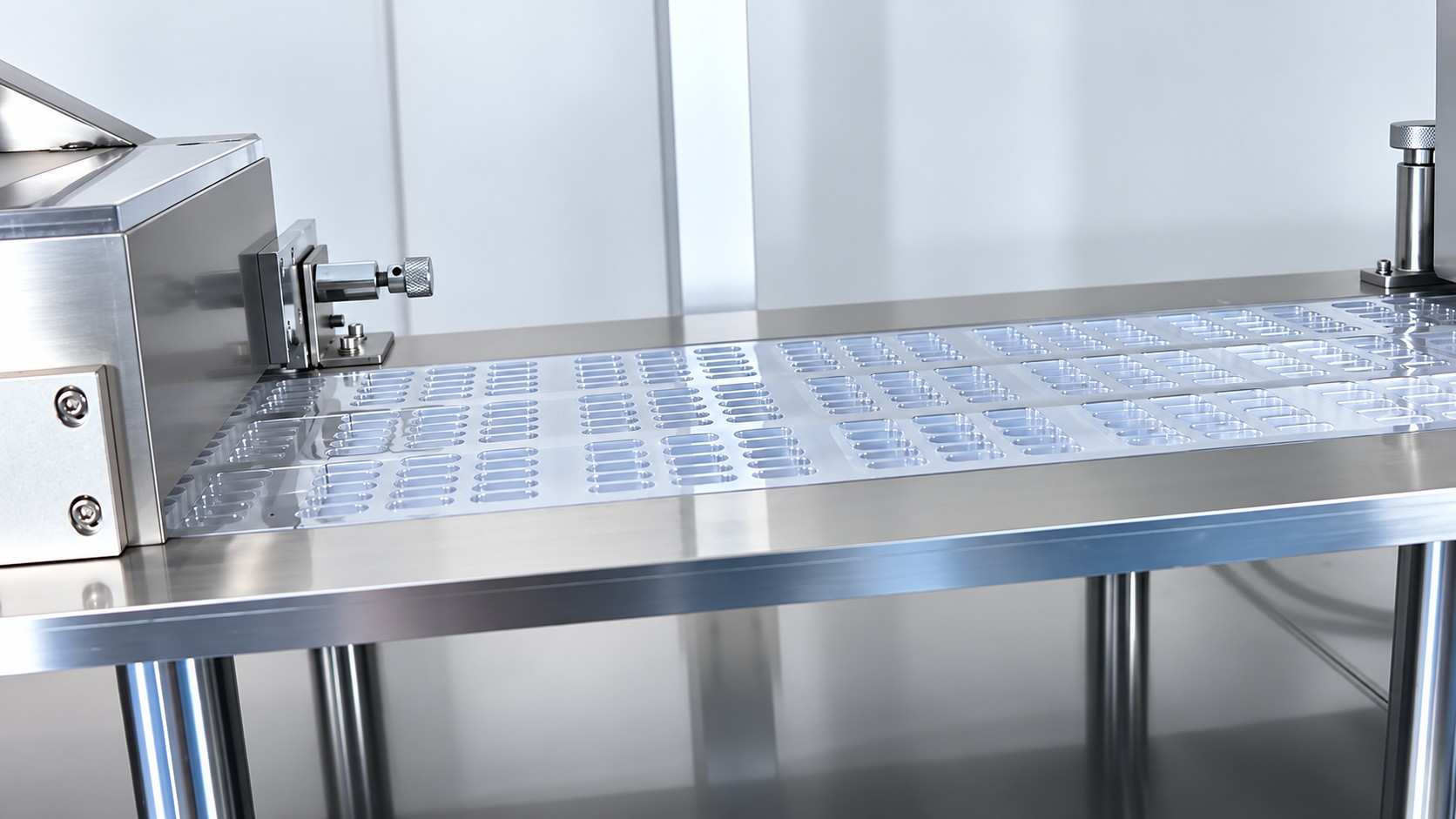
Drive System Jams or Makes Abnormal Noise
Stop the machine and inspect bearings, lubrificação, engrenagens, correntes, belts, and the working area for foreign material. Gradually increasing noise can indicate wear or lubrication loss, while sudden noise after a changeover deserves immediate inspection.
Repeated Alarms, Jams, and Unexpected Machine Stops
O que você vê: The blister pack machine stops for recurring alarms, small jams return after reset, or a line that runs normally for a period suddenly begins suffering repeated interruptions. The final alarm may identify where the machine stopped rather than where the fault began.
| When the Fault Appears | Check First | Avoid Assuming |
|---|---|---|
| Only at high production speed | Alimentação, tempo, transporte, synchronization | Stable low-speed running means no problem |
| After a long production run | Acúmulo de calor, residue, lubrificação, vestir | Startup condition stays unchanged |
| Immediately after changeover | Ferramentas, receita, posição do sensor, alinhamento | One offset correction solves everything |
| After a film or foil roll change | Roll loading, condição material, tensão | Every roll behaves identically |
| Random intermittent stops | Sensors, utilitários, connections, looseness | Reset is a permanent repair |
| Same station repeatedly | Local mechanism and upstream conditions | The final stopped station must be the root cause |
Checks and fixes:
- Read the alarm history. Look for the first abnormal event, not only the final stop.
- Compare operating conditions. Velocidade, batch, material lot, run time, and recent adjustments can reveal a pattern.
- Inspect buildup and wear. Many mechanical faults develop gradually before a complete stop.
- Check shared utilities. Air, vazio, cooling, and electrical faults can affect several stations.
- Do not rely on repeated resets. Reset restores production temporarily; it does not remove the cause.
How to Prevent Recurring Blister Machine Problems
Preventive maintenance for blister packaging equipment should establish a stable operating baseline and make recurring faults easier to recognize.
Record approved recipes, materiais de embalagem, feeder configuration, index settings, inspection parameters, and normal operating speed for each format. After a significant fault, record the symptom, affected station, product or material batch, operating condition, corrective action, and whether the problem returned.
Routine maintenance should include cleaning forming molds, faixas, and sealing surfaces; checking cooling and air/vacuum systems; inspecting sensors; and monitoring belts, correntes, rolamentos, feeding parts, sealing tooling, and cutting tools for wear.
After each changeover, reconfirm tooling location, configuração do alimentador, posição do sensor, web path, and the selected recipe before returning to normal production speed.
When Troubleshooting Is No Longer Enough
Some recurring blister machine problems eventually stop being adjustment problems.
If the same failures return after maintenance, the machine must run below the required speed to remain stable, operators spend excessive time realigning stations after changeover, or older controls and worn components create repeated interruptions, machine design and overall condition should become part of the investigation.
When comparing retrofit and replacement options for a pharmaceutical blister packing machine, consider traction repeatability, station alignment, sealing-pressure distribution, tooling changeover, maintenance access, inspection capability, and spare-parts support—not rated output alone.
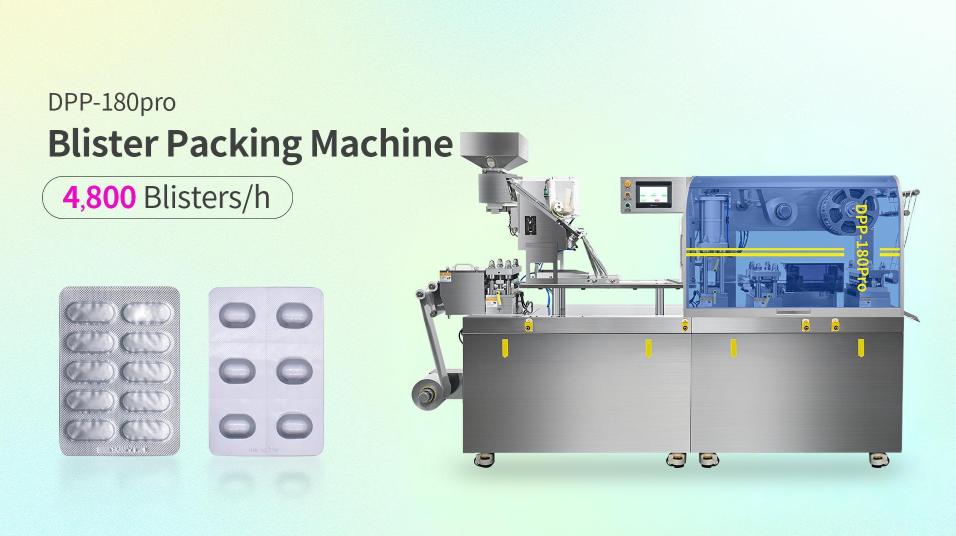
Por exemplo, Ruida Packing's Máquina de embalagem blister DPP-180Pro usa servo tração, estações de trabalho ajustáveis externamente, moldes de troca rápida, e uma estrutura de vedação térmica de cilindro duplo. Esses recursos de design são relevantes para diversas áreas de solução de problemas discutidas acima, incluindo estabilidade de tração, station alignment, consistência da pressão de vedação, mudança, e acesso para manutenção.
Perguntas frequentes sobre solução de problemas de máquinas de embalagem blister
O que devo verificar primeiro se apenas uma faixa de blister tiver vedação fraca?
Inspecione o contato de vedação local, contaminação, condição de ferramental, e alinhamento antes de alterar uma configuração comum de temperatura ou pressão. Uma falha que permanece em uma faixa geralmente merece investigação local primeiro.
Por que os blisters vazios aparecem apenas em velocidades mais altas da máquina?
Velocidade mais alta pode expor limites na entrega do alimentador, synchronization, controle de vibração, fluxo de produto, ou tempo de cavidade. Reduza a velocidade temporariamente para determinar se o problema está relacionado à operação dinâmica.
Como posso saber onde começa o enrugamento da folha?
Trace a teia desde o desenrolamento e identifique o primeiro rolo, guia, ou estação onde o material para de ficar plano ou centralizado. O enrugamento pode tornar-se óbvio na vedação, mesmo que tenha começado a montante.
Por que uma máquina de blister continua parando após a troca?
Verifique a instalação das ferramentas, seleção de receita, configuração do alimentador, posição do sensor, index settings, and alignment. Paradas repetidas pós-troca geralmente apontam para configuração em vez de falha aleatória de componente.
O que devo verificar se a máquina de blister não esquenta?
Verifique o sensor de temperatura ou termopar, aquecedor, relé ou relé de estado sólido, fiação, protective devices, e sinal do controlador. Os testes elétricos devem ser realizados por pessoal qualificado com a máquina isolada com segurança.
O material de embalagem pode causar problemas na máquina de blister?
Sim. Mudanças na espessura do filme, foil coating, enrolamento de rolo, rigidez do material, condição da superfície, ou armazenamento pode afetar a formação, vedação, monitorando, e registro. Compare o novo material com a última execução estável antes de fazer grandes ajustes na máquina.
Conclusão
A solução eficaz de problemas em máquinas de embalagem blister começa com o padrão da falha, não alterando todas as configurações disponíveis. Selos fracos, cavidades malformadas, bolsos vazios, rugas da teia, desvio de registro, falsas rejeições, defeitos de corte, problemas de utilidade, e alarmes repetidos fornecem pistas sobre onde o processo se afastou da operação estável.
Confira o que mudou, compare defeitos locais e full-web, e verifique os componentes diretamente envolvidos antes de fazer grandes ajustes. Quando uma correção funciona, confirmar que permanece estável em condições normais de produção.
Quando as mesmas falhas continuam retornando apesar da configuração correta e da manutenção preventiva, olhe além dos parâmetros individuais. Condição do ferramental, projeto de tração, controles, ajuste de estação, e a configuração geral da máquina podem determinar se o reparo continuado, modernização, ou a substituição é a solução mais confiável a longo prazo.
Referências
- NÓS. Food and Drug Administration – Sistemas de fechamento de contêineres para embalagens de medicamentos e produtos biológicos humanos
- ASTM Internacional — ASTM F88/F88M-23, Método de teste padrão para resistência de vedação de materiais de barreira flexíveis
- Organização Mundial da Saúde — Diretrizes sobre embalagens para produtos farmacêuticos, QUEM TRS 902, Anexo 9
- Comissão Europeia — Volume EudraLex 4, Capítulo 5: Produção