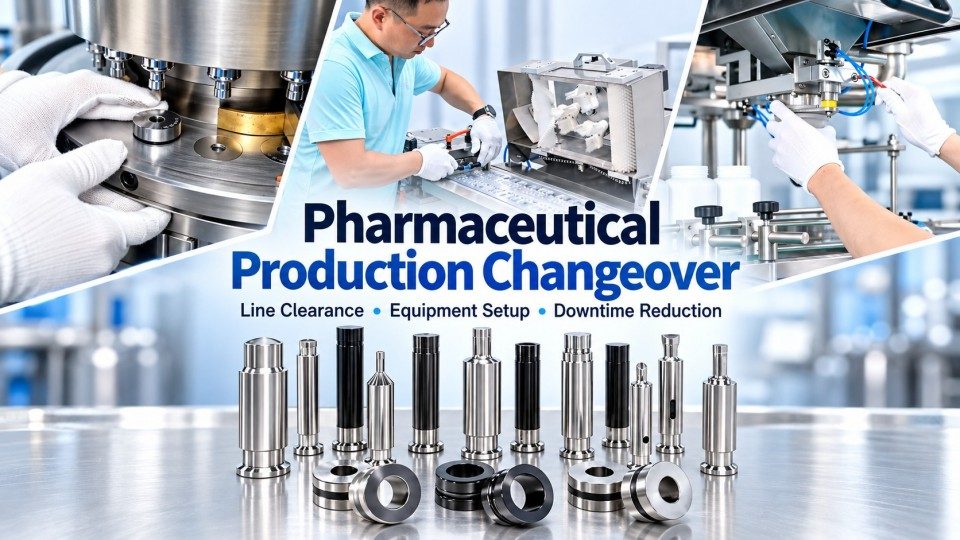
A pharmaceutical production changeover is the controlled transition from one batch, продукт, сила, размер, or packaging format to the next run. It can include line clearance, уборка, менять детали, tooling setup, machine adjustments, recipe changes, startup trials, инспекция, and restart verification.
Poorly controlled changeovers increase downtime and the risk of mix-ups, residues, неправильные настройки, ошибки упаковки, or unstable startup. The objective is not simply faster tooling replacement, but a controlled return to routine production.
What Is a Pharmaceutical Production Changeover?
A pharmaceutical production changeover is the complete process of converting a machine or production line from one defined production condition to another.
The International Society for Pharmaceutical Engineering (ИСПЕ) separates changeover into clean-up, set-up, and start-up, making clear that setup alone is only one part of the transition.
What Does “Changeover” Mean in Pharmaceutical Production?
Changeover covers the controlled work needed to close the previous run, configure the next one, and restore acceptable production.
Typical activities include material removal, зазор линии, уборка, replacement of tooling or format parts, adjustment of guides and sensors, selection of the correct Human-Machine Interface (ЧМИ) or Programmable Logic Controller (ПЛК) рецепт, and restart verification.
Where Does Changeover Start and End?
Changeover needs consistent start and end points if changeover time is to be compared meaningfully.
A site may start timing when the previous run stops and finish after the new setup passes restart checks. A same-product size change, product-to-product changeover, and end-of-campaign change can require different cleaning, оформление, настраивать, and verification scopes.
Changeover vs Line Clearance vs Cleaning
Changeover is the complete transition; line clearance and cleaning are separate controls within it.
| Активность | Основная цель | Typical Scope | Main Risk Controlled |
| Переключение | Move to the next approved condition | Clearance, уборка, менять детали, настраивать, startup, проверка | Incorrect transition and downtime |
| Line clearance | Remove previous or unnecessary items | Продукт, компоненты, printed materials, документы, напрасно тратить | Mix-ups and wrong materials |
| Очистка | Remove residues and contaminants | Части, контактирующие с продуктом, оборудование, defined areas | Carryover and contamination |
An empty-looking line is not automatically clean, and cleaned equipment is not automatically cleared of previous labels or documents.
What Are the Main Steps in a Pharmaceutical Production Changeover?
A controlled changeover moves from closing the previous run through clearance, уборка, настройка оборудования, startup verification, and release for routine production.
Stop the Previous Batch and Remove Remaining Materials
Close the previous run before introducing the next configuration. Remaining product, packaging components, отвергает, samples, напрасно тратить, and work-in-process should be handled according to the approved procedure.
Complete Line Clearance
Line clearance confirms that previous or unnecessary materials and information will not enter the next operation. European Union Good Manufacturing Practice (Евросоюз EMS) Глава 5 requires packaging lines and equipment to be free of previous products, материалы, or documents not required for the current operation, using an appropriate checklist.
Clean the Equipment and Production Area
Cleaning removes residues and contamination according to the applicable procedure. FDA’s cleaning-validation inspection guide recognizes that same-product batches and product changes can use different cleaning processes when written procedures clearly define when each applies.
Replace Change Parts, Оснастка, and Product-Contact Components
Install the parts required for the next product or package format. Examples include punches and dies, capsule-size parts, блистерные формы, направляющие для бутылок, starwheels, capping components, carton guides, and pouch-format parts.
Adjust Machine Settings and Load the Correct Recipe
Physical parts and electronic settings must match the same approved format. HMI or PLC recipes can store parameters, but they do not verify physical tooling. For GMP-relevant electronic recipes, доступ, configuration changes, and audit trails should follow validated computerized-system controls.
Run a Startup Trial and Verify the New Setup
A startup trial or verification run confirms that the new setup can produce acceptable output. Checks can include filling, формирование, closure or sealing, кодирование, инспекция, and reject functions.
Release for Routine Production
Changeover is complete only after the required setup and restart checks are satisfied. The first product moving through the machine is not necessarily the endpoint.
[IMAGE 2 PLACEHOLDER — Pharmaceutical Changeover Workflow]
What Is Line Clearance in the Pharmaceutical Industry?
Line clearance in the pharmaceutical industry is the controlled check that previous or unnecessary products, материалы, компоненты, and information have been removed before the next applicable operation begins.
It matters especially on packaging lines where different products, strengths, этикетки, коробки, листовки, and printed components may share the same area.
What Must Be Removed During Line Clearance?
Line clearance should remove items from the previous operation that are not required for the current one. Depending on the standard operating procedure (SOP), this can include product, packaging components, этикетки, коробки, листовки, rejected items, coding samples, документы, status labels, and waste. EU GMP specifically includes previous products, материалы, and documents not required for the current packaging operation.
What Equipment and Area Checks Are Required?
Line clearance should cover places where previous-run items can remain unnoticed, not only visible machine surfaces. Typical checks include feeders, конвейеры, направляющие, machine recesses, coding stations, системы контроля, reject chutes, and accumulation areas.
Этикетки, Printed Materials, and Documents to Verify
Printed packaging materials require close control because an incorrect label, коробка, листовка, or variable code can create a product mix-up. EU GMP requires packaging operations to minimize cross-contamination, путаница, and substitutions.
В США, 21 CFR 211.130 requires pre-use inspection to confirm that previous drug products and unsuitable packaging or labeling materials have been removed, with the inspection documented.
Who Performs and Confirms Line Clearance?
Responsibility should be defined by the manufacturer’s approved procedures and pharmaceutical quality system. The SOP should specify trained or authorized personnel, who performs the inspection, who records it, and whether separate verification is required.
Common Line Clearance Mistakes
Failures usually come from incomplete physical inspection rather than missing paperwork. Typical examples are signing before inspection, checking only visible surfaces, leaving labels near the printer, overlooking reject areas, or restarting before discrepancies are resolved.
[IMAGE 3 PLACEHOLDER — Pharmaceutical Line Clearance Checks]
What Equipment Settings and Change Parts Must Be Adjusted?
Pharmaceutical equipment changeover varies by machine because each process uses different tooling, format parts, product-contact components, датчики, and mechanical adjustment points.
| Оборудование | Typical Change Parts | Main Adjustments | Restart Focus |
| Таблеточный пресс | Удары, умирает, force-feeder | Fill depth, feeder height, предварительное сжатие, основное сжатие, толщина таблетки | Вес планшета, толщина, твердость, выброс |
| Машина для наполнения капсул | Capsule segments, дозирующий диск, набивные булавки, locking components | Dosing depth, пустой, разделение капсул, locking position | Капсула разделение, fill consistency, запирание, отказ |
| Блистерная упаковочная машина | Forming mold, направляющие пути, feeder parts, sealing plate/roller, punching die | Forming depth, index pitch, sealing temperature/pressure, feeding position | Cavity forming, кормление, уплотнение, резка |
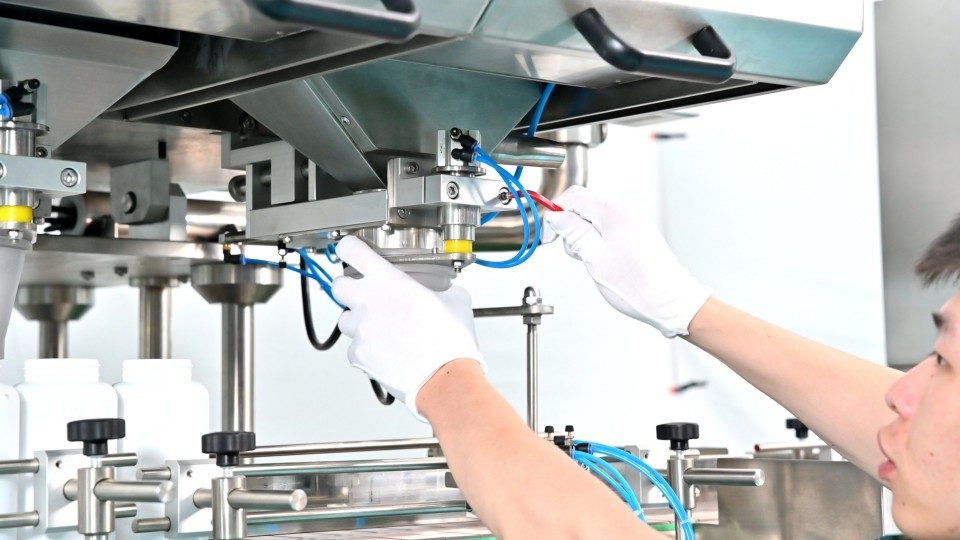
| Tablet Counting And Filling Machine | Bottle guides, Discharge nozzle,цилиндр,counting platform | Vibration frequency, counting platform height, guide rail width | Stable product feeding, bottle positioning and count accuracy |
| Картонировочная машина | Carton magazine, carton conveying guides, carton-opening mechanism, pusher components, ear-folding and carton-closing components | Conveyor width, pusher position, carton-opening position, folding and closing position, inspection position | Stable carton feeding, reliable carton opening, accurate product insertion, correct folding and sealing, and inspection accuracy |
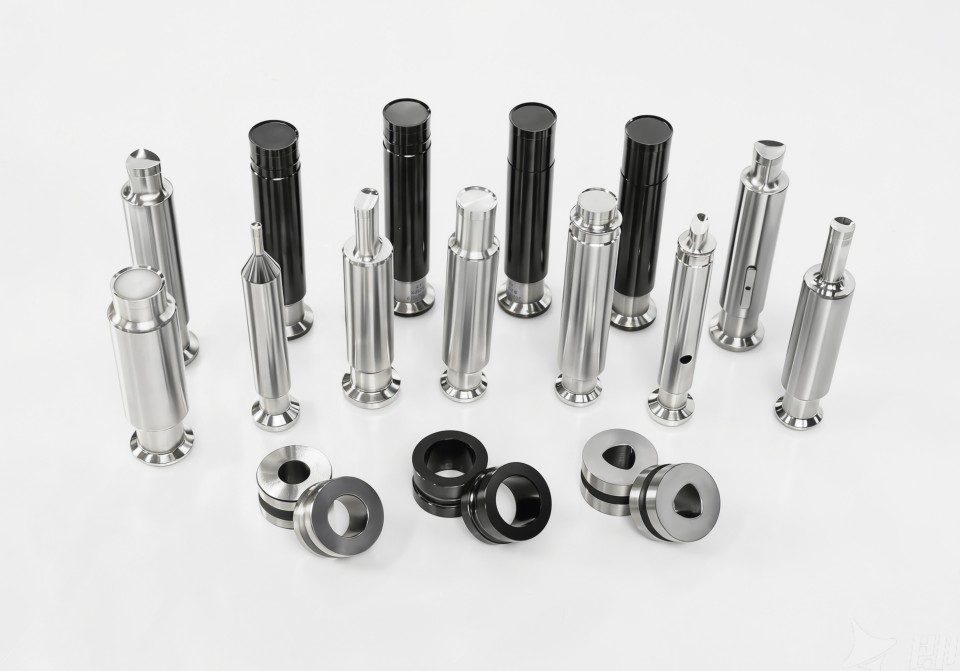
Tablet Press Changeover
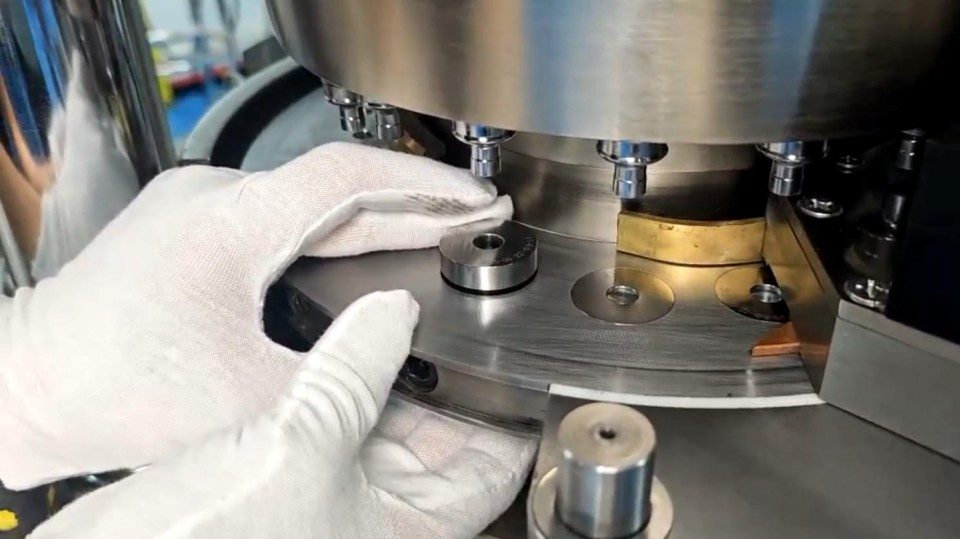
Tablet compression equipment changeover mainly involves punches, умирает, feeder components, и настройки сжатия. Besides tooling replacement, operators may need to reset fill depth, The gap between the feeder and the turntable, предварительное сжатие, main compression and ejection settings.
Capsule Filling Machine Changeover
Pharmaceutical capsule filling machine changeover can involve capsule-size segments, дозирующие диски, набивные булавки, vacuum components, and locking parts. Setup normally includes capsule separation, dosing position, пустой, and reject adjustment.
Blister Packaging Machine Changeover
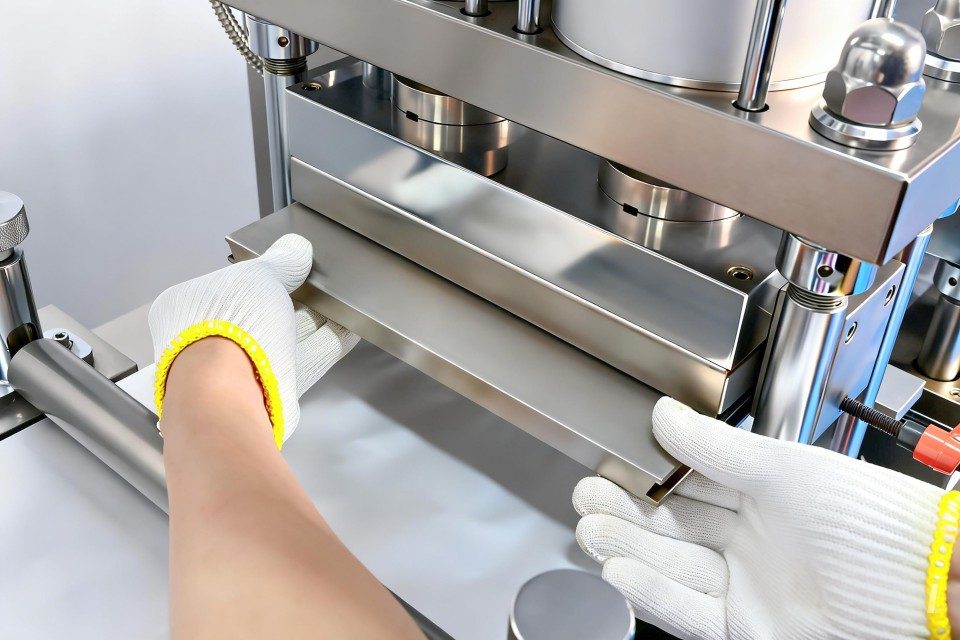
Pharmaceutical blister packaging machine changeover typically affects forming, кормление, уплотнение, indexing, and punching stations. Depending on the blsiter pack format, forming molds, feeder tracks, sealing tools, punching dies, гиды, and coding may require replacement or adjustment.
Pharmaceutical Tablet Counting And Filling Machine Changeover
Electronic counting machine changeover affects bottle guides, discharge nozzle, цилиндр, counting platform and more
Cartoning Machine Changeover
Картонировочная машина changeover mainly involves adjusting the carton feeding, carton opening, вставка продукта, folding, закрытие, and inspection sections for the next carton format. Typical setup points include the carton magazine, carton conveying guides, carton-opening mechanism, ширина конвейера, pusher mechanism, ear-folding and carton-closing mechanism, and inspection position. These adjustments help maintain stable carton feeding, accurate product insertion, reliable carton closure, and correct inspection during restart.
Ruida Packing applies changeover-focused design to several machine families. Например, а блистерная машина uses modular molds with slide-out guide rails, allowing tool-free mold replacement in under 14 минуты. The ротационный таблеточный пресс allows the dies to be installed by hand without hammering, using flat set screws for faster and more repeatable positioning. On the автоматическая машина для наполнения капсул, slide-in filling-rod assemblies and quick-positioning upper and lower molds allow a complete standard tooling and filling-system changeover in about 60 минуты.
Routine changeover is also different from an engineering or system change. A modification to tooling design, recipe logic, software configuration, or another element that can affect product quality may require formal контроль изменений rather than ordinary setup.
Why Does Pharmaceutical Changeover Take So Long?
Changeover becomes slow when necessary controlled work is combined with avoidable searching, waiting, repeated adjustment, and unstable restart.
Cleaning and Product-Contact Part Removal
Cleaning can legitimately consume a large share of changeover time when components must be removed, очищенный, проверено, and reassembled. The scope depends on product, оборудование, campaign strategy, next use, and the approved cleaning procedure.
Poor Change-Part Organization
Missing or poorly stored change parts turn downtime into search time. The complete part set should be identified and available before the machine reaches that setup step.
Excessive Manual Adjustment
Manual adjustment is slow when machine positions cannot be reproduced reliably. Guides, кормушки, датчики, and stations that depend heavily on operator judgement often create trial-and-error.
Incorrect or Unavailable Machine Recipes
Recipes save time only when the correct settings match the correct physical configuration. An obsolete recipe, unauthorized change, or wrong product selection can increase troubleshooting.
Waiting for Inspection and Verification
Required verification becomes avoidable waiting when responsibilities and timing were not planned before shutdown. Downtime reduction should improve coordination, not bypass checks.
Repeated Trial-and-Error During Restart
Frequent post-startup tuning indicates that setup is not sufficiently repeatable. ISPE treats startup as a distinct part of changeover and links unstable startup with variation in setup, продукт, or materials.
How Can You Reduce Pharmaceutical Changeover Downtime?
Reduce downtime by removing avoidable work from the stopped-machine period while preserving clearance, уборка, настраивать, and verification controls.
Separate Internal and External Changeover Activities
Internal activities require stopped equipment; external activities can occur outside that critical downtime window. This distinction is central to Single-Minute Exchange of Die (КУЗНЕЦ). Internal activities include removing product-contact parts, tooling changes, mechanical adjustments, and final setup checks. External activities include pre-staging clean change parts, preparing tools and documents, confirming recipes, and organizing required materials before shutdown.
[IMAGE 5 PLACEHOLDER — SMED: Internal vs External Changeover Activities]
Apply SMED Principles
SMED restructures changeover work; it does not promise a universal pharmaceutical changeover time. Map the actual sequence and identify waiting, walking, searching, repeated adjustment, and work that can legitimately move outside machine-stop time.
Pre-Stage Tools, Материалы, and Change Parts
Pre-staging keeps preparation work out of production downtime. Check required parts, инструменты, and setup information before shutdown while protecting controlled components.
Use Quick-Release and Repeatable Positioning Designs
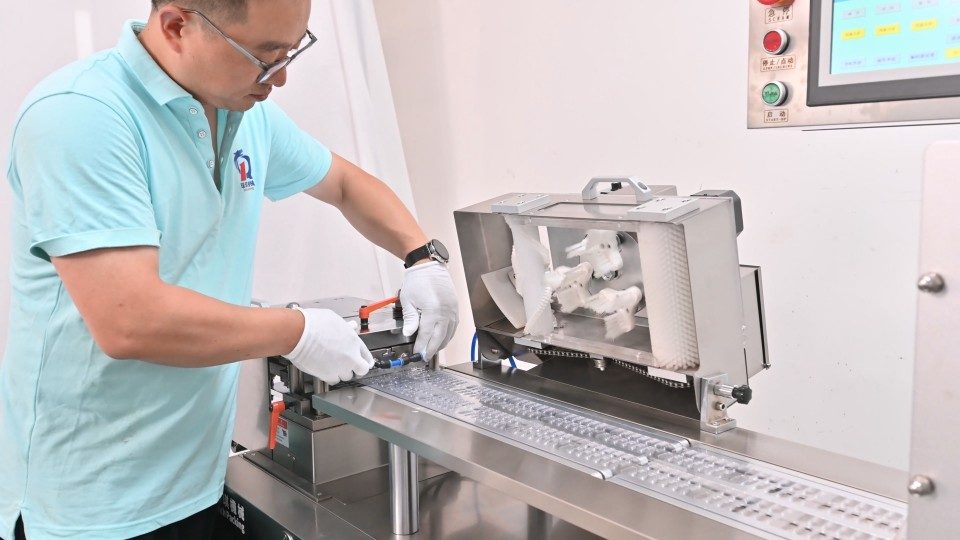
Quick-release features add value when faster removal is paired with repeatable installation. Locating pins, keyed parts, quick clamps, mechanical stops, and modular assemblies can reduce adjustment.
Standardize HMI Recipes and Machine Settings
Controlled recipes help reproduce known parameter sets. Recipe identification, authorized access, configuration control, and traceability remain important for GMP-relevant data.
Use Position Scales, Reference Marks, and Setup Records
Repeatable reference points reduce post-changeover tuning. Scales, mechanical stops, servo positions, and documented setup values can return guides, датчики, and feeders close to established positions.
Run Parallel Tasks Where Possible
Independent activities can run in parallel when safety, GMP controls, and task dependencies allow it. The objective is to remove unnecessary serial waiting.
Standardize Restart Verification
A defined restart check gives changeover a clear endpoint and reduces uncontrolled trial-and-error. Each equipment family should define what must be checked before routine production resumes.
What Are the Most Common Pharmaceutical Changeover Mistakes?
The most common mistakes occur when physical parts, electronic settings, документы, and verification do not describe the same production configuration.
Typical examples include wrong or incomplete format parts, sensors left in the previous position, wrong or uncontrolled recipes, unresolved line-clearance discrepancies, unrecorded setup references, missed coding or inspection changes, and release before restart checks.
Repeated correction of the same sensor, гид, рецепт, or tooling position is a candidate for standardization. If a discrepancy can affect product quality or departs from an approved procedure, it should enter the site’s deviation or quality-system process rather than being hidden by repeated machine adjustment.
How Should Changeover Performance Be Measured?
Changeover performance should use consistently defined measures covering time, startup stability, material loss, and production recovery.
Время переключения
Changeover time is useful only when its measurement boundary remains consistent. Use the same start and end points across products, линии, shifts, and improvement projects.
First Good Product After Restart
First-good-product performance shows whether setup produces acceptable output without prolonged tuning. Faster tooling replacement is not an improvement if restart still needs extended adjustment.
Startup Scrap and Rework
Startup scrap captures the material cost of unstable restart. It reveals losses that a downtime-only metric can miss.
Changeover-Related Downtime
Downtime becomes more actionable when divided into causes. Useful categories include cleaning, зазор линии, mechanical setup, waiting, проверка, and restart adjustment.
OEE and Production Availability
Общая эффективность оборудования (ОЕЕ) and availability provide context but should not replace direct changeover measures. Международный совет по гармонизации (я) Q10 supports process-performance monitoring and continual improvement but sets no universal changeover target.
Часто задаваемые вопросы
What is a pharmaceutical production changeover?
It is the controlled transition from one production condition to another, including the required clearance, уборка, настраивать, startup, and verification activities.
Does every pharmaceutical changeover require the same cleaning procedure?
Нет. Cleaning scope depends on product, оборудование, campaign strategy, previous and next use, and the approved cleaning procedure.
What is the difference between changeover and line clearance?
Changeover is the complete transition; line clearance is one control within it. Tooling changes, настраивать, recipes, and restart verification are separate activities.
What is the difference between cleaning and line clearance?
Cleaning removes residues and contaminants; line clearance removes previous or incorrect materials and information. One does not automatically replace the other.
How long should a pharmaceutical changeover take?
There is no universal time. Duration depends on equipment, product differences, cleaning scope, format complexity, verification requirements, and the measurement boundary.
How can pharmaceutical changeover time be reduced?
Remove avoidable work rather than required controls. Pre-stage parts, separate internal and external work, standardize settings, coordinate tasks, and reduce restart tuning.
What is SMED in pharmaceutical manufacturing?
SMED is a method for reducing setup time by separating internal and external activities. GMP-related clearance, уборка, документация, and verification still remain.
What are change parts in pharmaceutical machinery?
Change parts are components replaced or repositioned for another product or package format, such as punches, умирает, capsule-size parts, блистерные формы, гиды, и более.
How is pharmaceutical changeover performance measured?
Useful measures include changeover time, first good product, startup scrap, changeover-related downtime, and availability. Consistent definitions are essential.
Заключение
A faster pharmaceutical production changeover must still preserve controlled line clearance, уборка, настройка оборудования, parameter verification, and restart quality.
The strongest improvements come from removing avoidable searching, waiting, repeated adjustment, and startup trial-and-error while keeping required controls intact. Оценивать фармацевтическое оборудование not only by rated speed, but by what must be cleaned, changed, adjusted, reproduced, and verified before routine production resumes.
Ссылки
Европейская комиссия. ЕвдраЛекс Объем 4, Part I, Глава 5: Производство, Раздел 5.45.
Европейская комиссия. ЕвдраЛекс Объем 4, Приложение 11: Компьютеризированные системы, Sections 9–12.
Lean Enterprise Institute. Single-Minute Exchange of Die (КУЗНЕЦ).
Международный совет по гармонизации. Фармацевтическая система качества ICH Q10.
Электронный свод федеральных правил. 21 CFR §211.130: Packaging and Labeling Operations.