การแนะนำ
If you run a ซีดีเอ็มโอ or a contract manufacturing plant, คุณเคยเห็นตุ่มพองเส้นหยุดหลายชั่วโมงเพียงเพราะผลิตภัณฑ์ถัดไปต้องการช่องที่แตกต่างกัน, รูปแบบการปิดผนึกหรือตำแหน่งการตัด? นี่เป็นปัญหาทั่วไปในวงการเภสัชกรรม, บรรจุภัณฑ์ทางโภชนาการและการดูแลสุขภาพ. ทีมของคุณอาจบรรจุแท็บเล็ตเป็นชุดเดียว, แคปซูลต่อไป, และสินค้ารูปทรงพิเศษหลังจากนั้น. ความท้าทายไม่ได้อยู่ที่ว่าเครื่องบรรจุตุ่มจะทำงานได้เร็วหรือไม่เท่านั้น. ความท้าทายที่แท้จริงคือสามารถเปลี่ยนแปลงรูปแบบได้อย่างรวดเร็วและกลับสู่การผลิตที่มั่นคงโดยไม่ต้องสิ้นเปลืองวัสดุมากเกินไปหรือไม่.
ในสัญญาจ้างผลิต, ผลิตภัณฑ์ที่แตกต่างกันมีความต้องการที่แตกต่างกัน. ยี่ห้อหนึ่งอาจต้องใช้แท็บเล็ต บรรจุภัณฑ์แบบพุพอง ด้วยรูปแบบที่กะทัดรัด. อีกอย่างหนึ่งอาจต้องใช้บรรจุภัณฑ์พุพองแบบแคปซูลที่มีโพรงลึกกว่า. โครงการที่สามอาจใช้ฟอยล์ปิดฝาพิมพ์, การพิมพ์หมายเลขชุดพิเศษหรือขนาดบัตรตุ่มที่แตกต่างกัน. หากการเปลี่ยนแปลงทุกครั้งจำเป็นต้องเปลี่ยนแม่พิมพ์เป็นเวลานาน, การจัดตำแหน่งซ้ำและการทดลองใช้งานหลายครั้ง, ที่ เครื่องผลิตถุงบรรจุสูญญากาศ การเปลี่ยนแปลงกลายเป็นต้นทุนที่ซ่อนอยู่.
หากคุณกำลังพยายามทำความเข้าใจวิธีลดเวลาการเปลี่ยนเครื่องตุ่มสำหรับผลิตภัณฑ์ต่างๆ, บทความนี้จะกล่าวถึงคุณลักษณะการเปลี่ยนแปลงที่เป็นประโยชน์ 5 ประการซึ่งมีความสำคัญต่อบรรจุภัณฑ์พุพอง CDMO: การวางตำแหน่งแมนเดรล, การวางตำแหน่งพินแม่พิมพ์ด้านล่าง, ถอดชิ้นส่วนอย่างรวดเร็ว, การออกแบบแม่พิมพ์แบบโมดูลาร์พร้อมรางนำทางในตัว, และการลากเซอร์โวพร้อมการจัดเก็บข้อมูล plc. สิ่งเหล่านี้ไม่ใช่แนวคิดที่เป็นนามธรรม. เป็นจุดออกแบบเครื่องจักรเฉพาะที่ช่วยลดเวลาหยุดทำงานเมื่อเครื่องบรรจุภัณฑ์พุพองเครื่องหนึ่งต้องจัดการกับผลิตภัณฑ์ที่แตกต่างกัน.
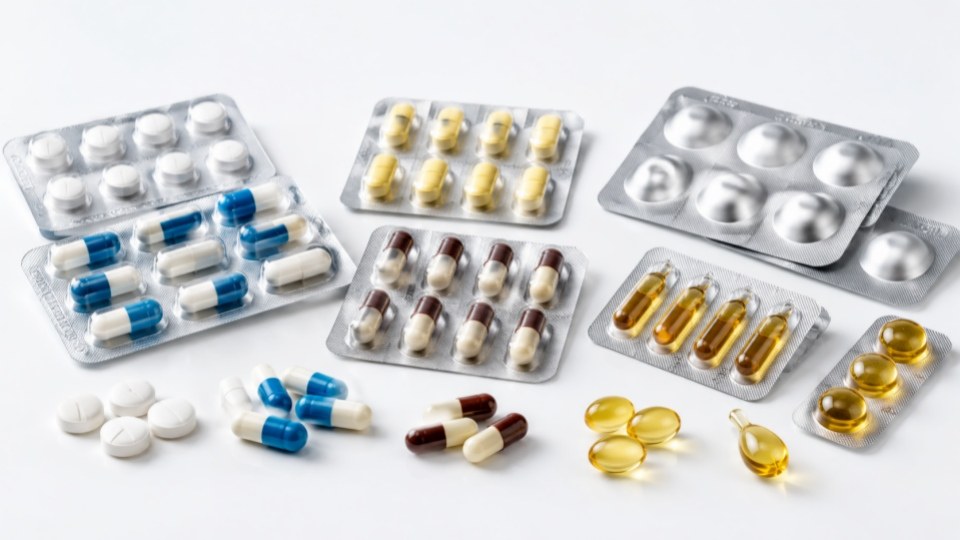
รูป 1 ผลิตภัณฑ์ที่แตกต่างกัน เช่น แคปซูลและยาเม็ด
ประเด็นสำคัญ
- สำหรับการผลิตซีดีเอ็มโอ, เอาท์พุตจริงไม่ได้ถูกกำหนดโดยความเร็วที่กำหนดเท่านั้น. เวลาเปลี่ยน, ความเสถียรในการรีสตาร์ทและการสิ้นเปลืองวัสดุก็มีความสำคัญไม่แพ้กัน.
- ผลิตภัณฑ์แต่ละชนิดต้องใช้ชิ้นส่วนรูปแบบตุ่มที่แตกต่างกัน, ดังนั้นเครื่องควรจะทำการขึ้นรูป, การปิดผนึกความร้อน, การพิมพ์และการตัดหมายเลขแบทช์ง่ายต่อการจัดตำแหน่ง.
- 5 คุณสมบัติที่เป็นประโยชน์ช่วยลดเวลาการเปลี่ยนเครื่องตุ่ม: การวางตำแหน่งแมนเดรล, การวางตำแหน่งพิน, ถอดชิ้นส่วนอย่างรวดเร็ว, การออกแบบแม่พิมพ์แบบโมดูลาร์และการลากเซอร์โวพร้อมการจัดเก็บข้อมูล plc.
1. ทำไม บีลิสเตอร์ เอ็มนิ่ง ซีอาการเมาค้าง เรื่องสำคัญมากขึ้นสำหรับการผลิต CDMO
1.1 ผลิตภัณฑ์ที่แตกต่างกันทำให้เกิดงานบรรจุภัณฑ์ที่แตกต่างกัน
สำหรับซีดีเอ็มโอ, การผลิตไม่ค่อยเป็นไปตามผลิตภัณฑ์คงที่ตัวใดตัวหนึ่งเป็นเวลาหลายเดือน. ตารางการบรรจุอาจเปลี่ยนจากเม็ดกลมไปเป็นแคปซูลแข็ง, ตั้งแต่นมเม็ดไปจนถึงลูกอม, หรือจากบัตรตุ่มมาตรฐานไปจนถึงการออกแบบช่องลึกสำหรับผลิตภัณฑ์ขนาดใหญ่. แม้ว่าเครื่องจะยังคงทำขั้นตอนพื้นฐานเหมือนเดิมก็ตาม – การขึ้นรูป, การให้อาหาร, การปิดผนึก, การพิมพ์และการตัดหมายเลขแบทช์ – แต่ละผลิตภัณฑ์อาจต้องมีการตั้งค่าที่แตกต่างกัน.
นี่คือสาเหตุที่ไม่สามารถประเมินบรรจุภัณฑ์พุพอง CDMO ด้วยความเร็วเพียงอย่างเดียวได้. เครื่องจักรที่ทำงานได้ดีกับผลิตภัณฑ์หนึ่งๆ อาจยังสร้างความล่าช้าได้หากเปลี่ยนแม่พิมพ์ได้ยาก, ปรับตำแหน่งสถานีหรือเรียกกลับพารามิเตอร์ที่บันทึกไว้สำหรับการสั่งซื้อซ้ำ.
1.2 การเปลี่ยนแปลงที่ช้ากลายเป็นต้นทุนซ้ำ
ในการผลิตผลิตภัณฑ์เดี่ยวธรรมดา, การเปลี่ยนแปลงรูปแบบที่ยาวนานอาจเกิดขึ้นเป็นครั้งคราวเท่านั้น. ในสัญญาจ้างผลิต, ปัญหาเดียวกันอาจเกิดขึ้นได้หลายครั้งต่อสัปดาห์. ผู้ปฏิบัติงานถอดแม่พิมพ์ที่ขึ้นรูปออก, ปรับแม่พิมพ์ซีลความร้อน, ยืนยันตำแหน่งการพิมพ์หมายเลขแบทช์, ทดสอบสถานีตัดและเดินวัสดุจนกระทั่งรูปแบบพุพองถูกต้อง. ทุกขั้นตอนพิเศษต้องใช้เวลา, แรงงานและวัสดุบรรจุภัณฑ์.
เมื่อการเปลี่ยนเครื่องตุ่มช้า, การสูญเสียไม่ได้เป็นเพียงการหยุดทำงานของเครื่องจักรเท่านั้น. พีวีซี, สัตว์เลี้ยง, ps, อลูมิเนียมฟอยล์หรือวัสดุปิดฝาที่พิมพ์ออกมาอาจสูญเปล่าระหว่างการทดลองวิ่ง. ตารางการจัดส่งอาจเข้มงวดมากขึ้น. ผู้ปฏิบัติงานอาจต้องอาศัยประสบการณ์ด้วยตนเองมากขึ้น, ซึ่งทำให้คุณภาพการผลิตมีความสม่ำเสมอน้อยลงในแต่ละกะ นี่เป็นวิธีที่ผู้ผลิต CDMO ลดการหยุดทำงานของบรรจุภัณฑ์พุพองในการผลิตจริงอีกด้วย: ทำให้การปรับซ้ำสั้นลง, ลดของเสียจากการทดลองใช้และทำให้แต่ละผลิตภัณฑ์สามารถคาดการณ์ได้มากขึ้น.
1.3 สิ่งที่ CDMO ควรให้ความสำคัญก่อนซื้อ
ก่อนจะเลือกเครื่องบรรจุตุ่ม, คำถามแรกควรจะใช้ได้จริง: สินค้าอะไรจะบรรจุ.? จำเป็นต้องมีเอาท์พุตอะไร? ขนาดสินค้าและรูปแบบบัตรตุ่มคือเท่าไร? ไลน์จะเปลี่ยนสินค้าบ่อยแค่ไหน? เครื่องจะต้องเชื่อมต่อด้วยหรือไม่. เครื่องบรรจุกล่อง ภายหลัง?
เมื่อประเด็นเหล่านี้ชัดเจนแล้ว, ขั้นตอนต่อไปคือการตรวจสอบว่าการออกแบบเครื่องรองรับเร็วหรือไม่, การเปลี่ยนรูปแบบที่ทำซ้ำได้และแม่นยำ. The following five features are especially useful for CDMO teams that package different products on the same blister packaging machine. A suitable blister packing machine for CDMO different products should help your team move from one product format to another without rebuilding the whole setup from the beginning.
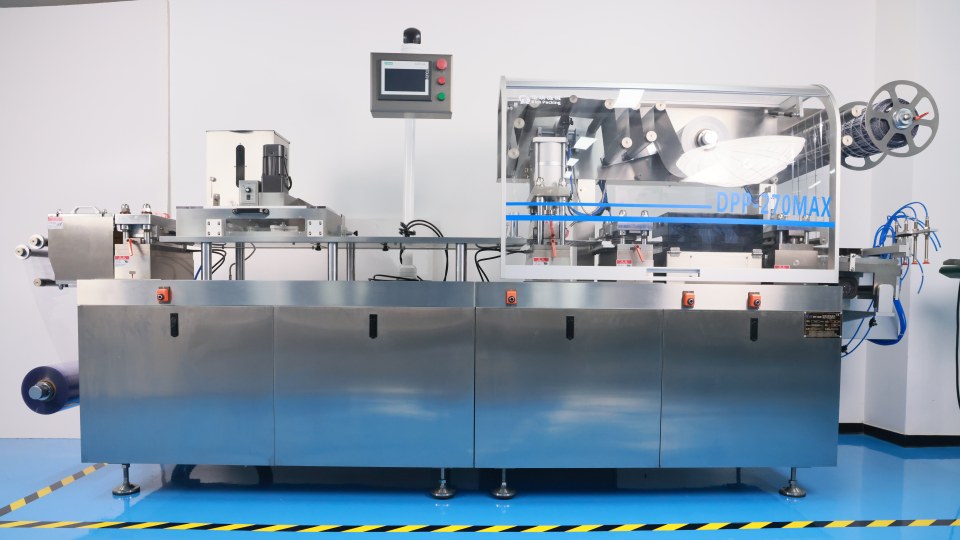
รูป 2 เครื่องบรรจุตุ่มรูปถ่ายในสถานที่
2. คุณสมบัติ 1: เอ็มแอนดรูว์ พีการวางตำแหน่ง เก็บสถานีหลักไว้บนแกนกลางเดียวกัน
2.1 เหตุใดการจัดตำแหน่งจึงทำได้ยากในระหว่างการเปลี่ยนรูปแบบ
หนึ่งในส่วนที่ยากที่สุดของการเปลี่ยนเครื่องตุ่มคือการวางแนวสถานี. การเกิดพุพอง, การปิดผนึกความร้อน, การพิมพ์และการตัดหมายเลขแบทช์จะต้องทำงานบนระยะพิทช์เดียวกัน. หากช่องตุ่มไม่อยู่ในแนวเดียวกับร่องแม่พิมพ์ระหว่างการซีลด้วยความร้อน, แผ่นปิดผนึกอาจกดลงบนช่องตุ่มเอง, causing blister deformation or product damage. ในการผลิต, มักเรียกกันว่า “ตุ่มพองกดทับ” หากช่องพุพองไม่ตรงกับแม่พิมพ์เจาะระหว่างการตัด, คมตัดอาจตัดเข้าไปในช่องพุพองแทนที่จะตัดบริเวณช่องว่างที่ถูกต้อง, ทำให้เกิดสิ่งที่ผู้ปฏิบัติงานมักเรียกว่า “การตัดตุ่ม”
สำหรับการผลิตซีดีเอ็มโอ, ปัญหานี้เกิดขึ้นบ่อยขึ้นเนื่องจากผลิตภัณฑ์ที่แตกต่างกันมักต้องการรูปแบบตุ่มที่แตกต่างกัน. วิตามินเม็ดเล็กอาจใช้การจัดเรียงช่องที่มีขนาดกะทัดรัด, ในขณะที่แคปซูลหรือแท็บเล็ตขนาดใหญ่อาจต้องใช้ระดับเสียงที่แตกต่างกัน. หากทุกสถานีจำเป็นต้องปรับด้วยตนเองซ้ำๆ, การเปลี่ยนแปลงจะช้าและวัสดุสิ้นเปลืองก็เพิ่มขึ้น.
2.2 ยังไง เอ็มแอนดรูว์ พีการวางตำแหน่ง ช่วยได้
การวางตำแหน่งแมนเดรลช่วยให้เกิดตุ่มพองได้, การปิดผนึกความร้อน, การพิมพ์หมายเลขแบทช์และสถานีตัดตุ่มเพื่อให้คงการอ้างอิงบนแกนกลางเดียวกัน. เมื่อสถานีเหล่านี้มีการอ้างอิงทางกลที่สอดคล้องกัน, ผู้ปฏิบัติงานสามารถปรับตำแหน่งได้อย่างคาดเดาได้มากขึ้น แทนที่จะต้องแก้ไขแต่ละสถานีตั้งแต่ต้น. ซึ่งจะช่วยลดการวางแนวการซีลความร้อนที่ไม่ถูกต้อง, การกดตุ่มและการเบี่ยงเบนการตัดหลังจากการเปลี่ยนแม่พิมพ์.
ล้อหมุนภายนอกที่มีการปรับขนาดที่มองเห็นได้ทำให้กระบวนการนี้ง่ายขึ้น. สเกลวงล้อจักรยังทำให้การปรับซ้ำๆ ง่ายขึ้น. หลังจากปรับรูปแบบผลิตภัณฑ์ให้ถูกต้องแล้ว, ผู้ปฏิบัติงานสามารถบันทึกค่าขนาดของแต่ละเวิร์กสเตชันได้. เมื่อสินค้าชนิดเดียวกันหรือรูปแบบตุ่มเดียวกันกลับมาในภายหลัง, ข้อมูลมาตราส่วนก่อนหน้านี้สามารถใช้เป็นข้อมูลอ้างอิงได้, so the team does not need to restart alignment completely from zero. Instead of opening multiple covers and relying only on trial-and-error alignment, ผู้ปฏิบัติงานสามารถปรับตำแหน่งสถานีได้สะดวกยิ่งขึ้นและสังเกตค่าการปรับ. สิ่งนี้มีประโยชน์อย่างยิ่งเมื่อผลิตภัณฑ์เดิมส่งคืนในภายหลัง และทีมงานจำเป็นต้องสร้างรูปแบบตุ่มก่อนหน้านี้ขึ้นมาใหม่.
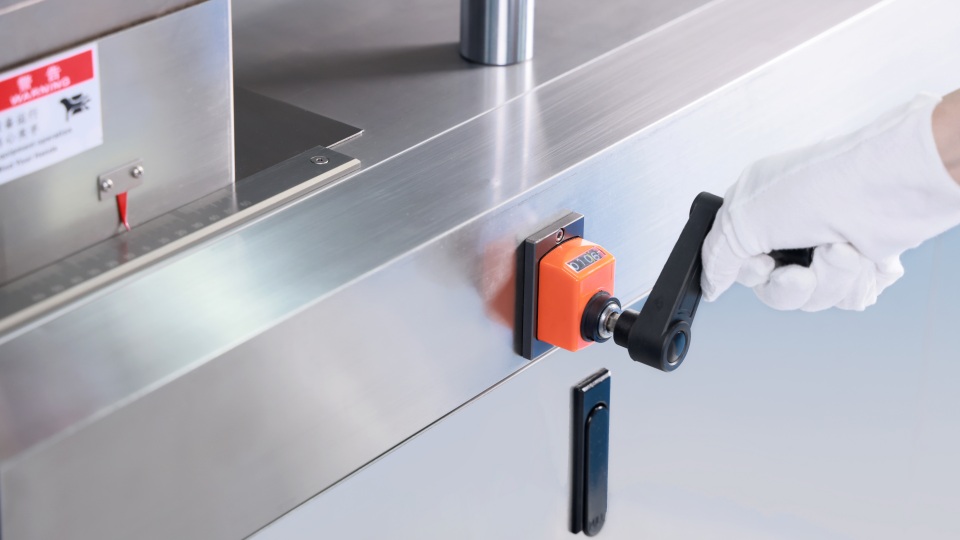
รูป 3 ล้อเลื่อนภายนอกที่มีการปรับขนาดที่มองเห็นได้
2.3 เหตุใดจึงสำคัญสำหรับผลิตภัณฑ์ต่างๆ
สำหรับซีดีเอ็มโอ, การวางตำแหน่งของแมนเดรลนั้นมีคุณค่าเพราะผลิตภัณฑ์ที่แตกต่างกันไม่เพียงแต่มีขนาดที่แตกต่างกันเท่านั้น. นอกจากนี้ยังอาจต้องใช้ตำแหน่งการพิมพ์ที่แตกต่างกันอีกด้วย, พื้นที่ปิดผนึกและรูปแบบการตัด. โครงสร้างการปรับแกนกลางที่มั่นคงช่วยลดเส้นทางตั้งแต่การติดตั้งแม่พิมพ์ไปจนถึงการผลิตที่ผ่านการรับรอง, ซึ่งเป็นเป้าหมายที่แท้จริงของเครื่องบรรจุตุ่มแบบเปลี่ยนได้อย่างรวดเร็ว.
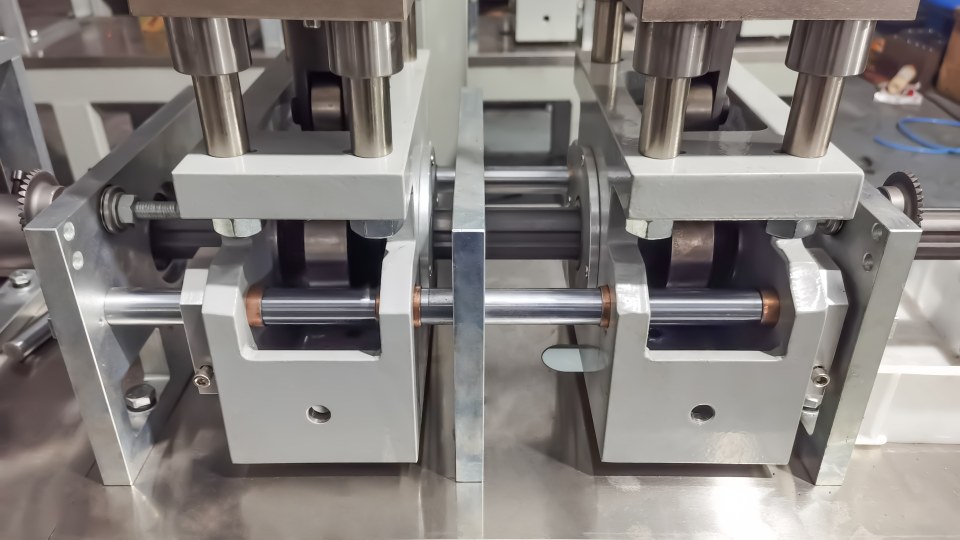
รูป 4 การวางตำแหน่งแมนเดรลช่วยให้สถานีอยู่ในแนวเดียวกัน
3. คุณสมบัติ 2: แม่พิมพ์ล่าง พีใน พีการวางตำแหน่ง ทำให้การติดตั้งง่ายขึ้น
3.1 เอ็มเก่า ฉันการติดตั้ง ไม่ควรขึ้นอยู่กับประสบการณ์ของผู้ปฏิบัติงานเท่านั้น
ในตุ่มพองหลายเส้น, การเปลี่ยนแม่พิมพ์ทำได้ช้าเนื่องจากผู้ปฏิบัติงานจำเป็นต้องติดตั้งและจัดเรียงชิ้นส่วนที่หนักหรือแม่นยำด้วยตนเอง. หากแม่พิมพ์ด้านล่างขึ้นรูป, การปิดผนึกความร้อน, การพิมพ์หมายเลขชุดและสถานีตัดไม่ได้อยู่ในตำแหน่งที่ถูกต้อง, เครื่องอาจต้องทำการทดสอบหลายรอบก่อนที่การผลิตจะมีเสถียรภาพ หากคุณต้องการทราบว่าเหตุใดการเปลี่ยนเครื่องตุ่มจึงช้าในการผลิตตามสัญญา, คำตอบมักเป็นการจัดตำแหน่งด้วยตนเองซ้ำๆ แทนที่จะเปลี่ยนแม่พิมพ์เอง.
นี่เป็นสาเหตุทั่วไปว่าทำไมการเปลี่ยนเครื่องตุ่มจึงช้าในการผลิตตามสัญญา. แม้ว่าผู้ปฏิบัติงานจะมีทักษะก็ตาม, การวางตำแหน่งด้วยตนเองซ้ำๆ ต้องใช้เวลา, และข้อผิดพลาดเล็กๆ น้อยๆ อาจก่อให้เกิดของเสียระหว่างการดำเนินการผลิตครั้งแรกหลังจากการเปลี่ยนแปลง.
3.2 ยังไง การวางตำแหน่งพิน ลดการปรับซ้ำ
การวางตำแหน่งพินช่วยให้แม่พิมพ์ด้านล่างมีการอ้างอิงการติดตั้งที่ชัดเจนยิ่งขึ้น. เมื่อขึ้นรูปแม่พิมพ์แล้ว, แม่พิมพ์ปิดผนึกความร้อน, พื้นที่การพิมพ์หมายเลขแบทช์และสถานีตัดใช้หมุดกำหนดตำแหน่ง, ผู้ปฏิบัติงานสามารถติดตั้งแต่ละส่วนได้ง่ายขึ้นและทำซ้ำได้ดีขึ้น. เป้าหมายนั้นง่าย: ทำให้ส่วนที่ฟอร์แมตกลับอยู่ในตำแหน่งที่ถูกต้องเร็วขึ้น.
ซึ่งไม่ได้ขจัดความจำเป็นในการตรวจสอบหรือการปรับเปลี่ยนอย่างละเอียด, แต่จะช่วยลดการค้นหาที่ไม่จำเป็นและการแก้ไขซ้ำ. สำหรับบรรจุภัณฑ์พุพอง CDMO, ซึ่งผลิตภัณฑ์ที่แตกต่างกันอาจต้องเปลี่ยนแม่พิมพ์บ่อยครั้ง, โครงสร้างการวางตำแหน่งประเภทนี้สามารถทำให้การทำงานประจำวันมีเสถียรภาพมากขึ้น.
3.3 ช่วยได้มากที่สุดตรงไหน.
การวางตำแหน่งพินมีประโยชน์อย่างยิ่งเมื่อสลับระหว่างแท็บเล็ตและแคปซูล, หรือเมื่อย้ายจากรูปแบบตุ่มหนึ่งไปยังอีกรูปแบบหนึ่ง. ยิ่งทีมของคุณเปลี่ยนผลิตภัณฑ์บ่อยขึ้น, การติดตั้งแม่พิมพ์ที่ทำซ้ำได้มีความสำคัญมากขึ้น. ช่วยปกป้องเวลาในการผลิตและลดโอกาสที่จะเกิดปัญหาการจัดตำแหน่งหลังจากรีสตาร์ท.
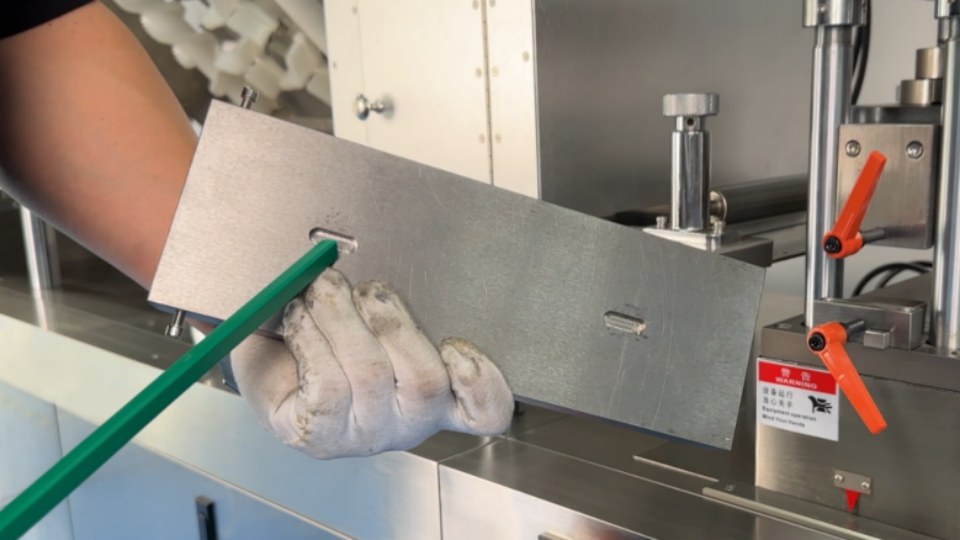
รูป 5 การวางตำแหน่งพินแม่พิมพ์ด้านล่าง
4. คุณสมบัติ 3: คิวอุอิค ดีการประกอบ ลดการหยุดทำงานระหว่างผลิตภัณฑ์
4.1 การเปลี่ยนแปลงไม่ใช่แค่การติดตั้งเท่านั้น; การกำจัดก็มีความสำคัญเช่นกัน
เมื่อผู้ผลิตพูดถึงการเปลี่ยนรูปแบบ, พวกเขามักจะเน้นไปที่การติดตั้งแม่พิมพ์ใหม่. แต่แม่พิมพ์ก่อนหน้านี้ก็ต้องถูกลบออกด้วย, ทำความสะอาด, ตรวจสอบและจัดเก็บ. หากการถอดประกอบช้า, กระบวนการเปลี่ยนแปลงทั้งหมดล่าช้าไปแล้วก่อนที่จะติดตั้งส่วนรูปแบบใหม่ด้วยซ้ำ.
เครื่องบรรจุตุ่มสำหรับผลิตภัณฑ์ที่แตกต่างกันควรทำให้ทั้งการถอดและการติดตั้งมีประสิทธิภาพ. ในการผลิตซีดีเอ็มโอ, ผู้ปฏิบัติงานอาจจำเป็นต้องเปลี่ยนจากชุดหนึ่งไปอีกชุดหนึ่งอย่างรวดเร็ว. การออกแบบที่รองรับการถอดแยกชิ้นส่วนอย่างรวดเร็วช่วยลดระยะเวลาการไม่ผลิตระหว่างผลิตภัณฑ์ทั้งสองให้สั้นลง.
4.2 อะไร ถอดชิ้นส่วนอย่างรวดเร็ว ดีขึ้น
การถอดแยกชิ้นส่วนอย่างรวดเร็วสามารถลดเวลาที่ใช้ในการถอดชิ้นส่วนรูปแบบออกได้, ทำความสะอาดบริเวณหน้าสัมผัสและเตรียมผลิตภัณฑ์ต่อไป. นอกจากนี้ยังทำให้การตรวจสอบตามปกติง่ายขึ้นอีกด้วย. เมื่อผู้ปฏิบัติงานสามารถเข้าถึงบริเวณแม่พิมพ์ได้สะดวกยิ่งขึ้น, พวกเขามีแนวโน้มที่จะทำความสะอาดและตรวจสอบเครื่องอย่างเหมาะสมก่อนเริ่มผลิตภัณฑ์ถัดไป ข้อได้เปรียบที่สำคัญของการออกแบบการแยกชิ้นส่วนอย่างรวดเร็วของ Ruida Packing คือ การถอดและการติดตั้งแม่พิมพ์ไม่จำเป็นต้องใช้เครื่องมือเพิ่มเติม. บนเครื่องตุ่มทั่วไปหลายเครื่อง, ผู้ปฏิบัติงานยังคงต้องใช้ประแจ, ไขควงหรือเครื่องมืออื่น ๆ เพื่อคลายสกรู, ถอดชิ้นส่วนแม่พิมพ์ออกแล้วขันให้แน่นอีกครั้ง. กระบวนการที่ใช้เครื่องมือนี้ใช้เวลานานกว่าและอาจเพิ่มโอกาสในการจัดตำแหน่งซ้ำหลังการติดตั้ง.
นี่เป็นสิ่งสำคัญสำหรับการผลิต CDMO ทางเภสัชกรรมและโภชนาการ CDMO เนื่องจากการเปลี่ยนผลิตภัณฑ์ไม่ได้เป็นเพียงงานด้านกลไกเท่านั้น. นอกจากนี้ยังเกี่ยวข้องกับสุขอนามัยด้วย, เอกสารและการควบคุมกระบวนการ. การถอดแยกชิ้นส่วนที่ง่ายขึ้นช่วยให้เปลี่ยนผ่านการผลิตได้เร็วยิ่งขึ้นแต่มีการควบคุมมากขึ้น โดยลดการใช้เครื่องมือระหว่างการเปลี่ยนแม่พิมพ์, เครื่องจักรช่วยให้ผู้ปฏิบัติงานประหยัดเวลาในการตั้งค่าในทางปฏิบัติ, โดยเฉพาะอย่างยิ่งเมื่อกลุ่มผลิตภัณฑ์ CDMO จำเป็นต้องสลับระหว่างผลิตภัณฑ์ต่างๆ หลายครั้งในหนึ่งสัปดาห์.
4.3 เหตุใดการถอดแยกชิ้นส่วนโดยไม่ต้องใช้เครื่องมือช่วยลดความเสี่ยงในการรีสตาร์ท
กระบวนการแยกชิ้นส่วนที่ซับซ้อนอาจทำให้เกิดสารตกค้างได้, ชิ้นส่วนหลวมหรือข้อผิดพลาดในการติดตั้ง. การถอดแยกชิ้นส่วนอย่างรวดเร็วไม่ได้หมายความว่าการทำงานที่ประมาท. หมายความว่าโครงสร้างของเครื่องจักรช่วยให้ผู้ปฏิบัติงานสามารถทำงานให้เสร็จสิ้นได้สะอาดขึ้นและทำซ้ำได้มากขึ้น. ช่วยให้เครื่องบรรจุภัณฑ์พุพองรีสตาร์ทโดยมีการหยุดชะงักน้อยลง.
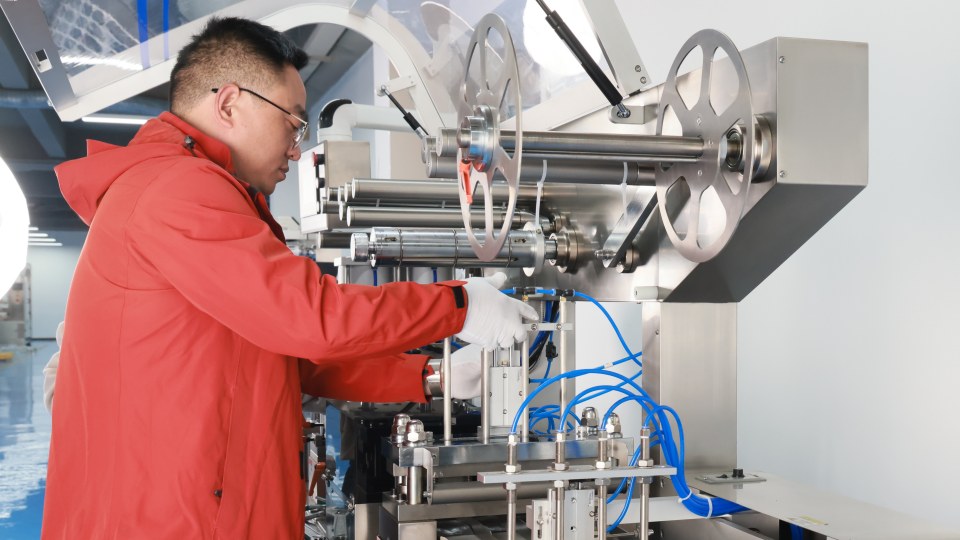
รูป 6 วิศวกรกำลังแยกชิ้นส่วนเครื่องจักร
5. คุณสมบัติ 4: เอ็มมีกลิ่น เอ็มเก่า ดีการออกแบบ และรางนำทางแบบรวมทำให้การเปลี่ยนแม่พิมพ์เร็วขึ้น
5.1 เหตุใดการออกแบบแบบแยกส่วนจึงมีความสำคัญสำหรับบรรจุภัณฑ์พุพอง CDMO
กลุ่มผลิตภัณฑ์ CDMO ต้องการความยืดหยุ่น. เครื่องจักรเดียวกันอาจใช้งานผลิตภัณฑ์หลายรายการได้ภายในระยะเวลาอันสั้น. การออกแบบแม่พิมพ์แบบแยกส่วนช่วยให้สามารถจัดการรูปแบบชิ้นส่วนเป็นโมดูลที่มีการจัดระเบียบ แทนที่จะกระจายส่วนประกอบที่กระจัดกระจาย.
Ruida Packing ใช้การออกแบบแม่พิมพ์แบบโมดูลาร์พร้อมรางนำอลูมิเนียมอัลลอยด์ในตัวในเครื่องบรรจุตุ่มทุกประเภท. โครงสร้างการติดตั้งแบบเชื่อมต่ออย่างรวดเร็วและช่องดึงออกได้รับการออกแบบมาเพื่อให้การเปลี่ยนแปลงแม่พิมพ์รวดเร็วและสะดวกยิ่งขึ้น. การติดตั้งแม่พิมพ์แบบเต็มสามารถทำได้ใน 10 นาที.
5.2 ช่องแบบดึงออกช่วยผู้ปฏิบัติงานได้อย่างไร
ช่องแบบดึงออกช่วยลดความยากในการถอดและใส่โมดูลแม่พิมพ์. รางนำอะลูมิเนียมอัลลอยด์ในตัวช่วยนำแม่พิมพ์ให้อยู่ในตำแหน่ง, ดังนั้นผู้ปฏิบัติงานจึงไม่จำเป็นต้องพึ่งการยกด้วยมือและการจัดตำแหน่งซ้ำๆ เท่านั้น. นี่เป็นข้อได้เปรียบในทางปฏิบัติเมื่อทีมผู้ผลิตจำเป็นต้องย้ายจากผลิตภัณฑ์หนึ่งไปยังอีกผลิตภัณฑ์หนึ่งโดยมีเวลาหยุดทำงานน้อยลง.
สำหรับซีดีเอ็มโอ, คุณลักษณะนี้ไม่ได้เป็นเพียงเกี่ยวกับความสะดวกสบายเท่านั้น. มันส่งผลต่อความน่าเชื่อถือในการจัดส่ง. หากทีมงานของคุณสามารถติดตั้งแม่พิมพ์แบบครบวงจรได้ภายในเวลาประมาณ 10 นาทีภายใต้สภาวะที่เหมาะสม, สายการผลิตสามารถใช้เวลาในการผลิตมากขึ้นและใช้เวลารอการเปลี่ยนแปลงรูปแบบน้อยลง สำหรับพืชที่เปลี่ยนสินค้าบ่อยๆ, เครื่องบรรจุตุ่มเปลี่ยนแม่พิมพ์อย่างรวดเร็วสำหรับ CDMO สามารถช่วยให้ผู้ปฏิบัติงานใช้เวลาน้อยลงในการตั้งค่ากลไกและมีเวลามากขึ้นในการผลิตที่มั่นคง.
5.3 เมื่อฟีเจอร์นี้ให้คุณค่าสูงสุด
การออกแบบแม่พิมพ์แบบโมดูลาร์มีประโยชน์อย่างยิ่งสำหรับการผลิตในปริมาณน้อยและผลิตภัณฑ์ต่างๆ ที่มีคำสั่งซื้อซ้ำ. หากตารางบรรจุภัณฑ์ของคุณเปลี่ยนแปลงบ่อย, โครงสร้างการเปลี่ยนแม่พิมพ์อย่างรวดเร็วสามารถช่วยลดเวลาหยุดทำงานได้, ลดของเสียจากการทดลองใช้งานและทำให้แผนการผลิตควบคุมได้ง่ายขึ้น.
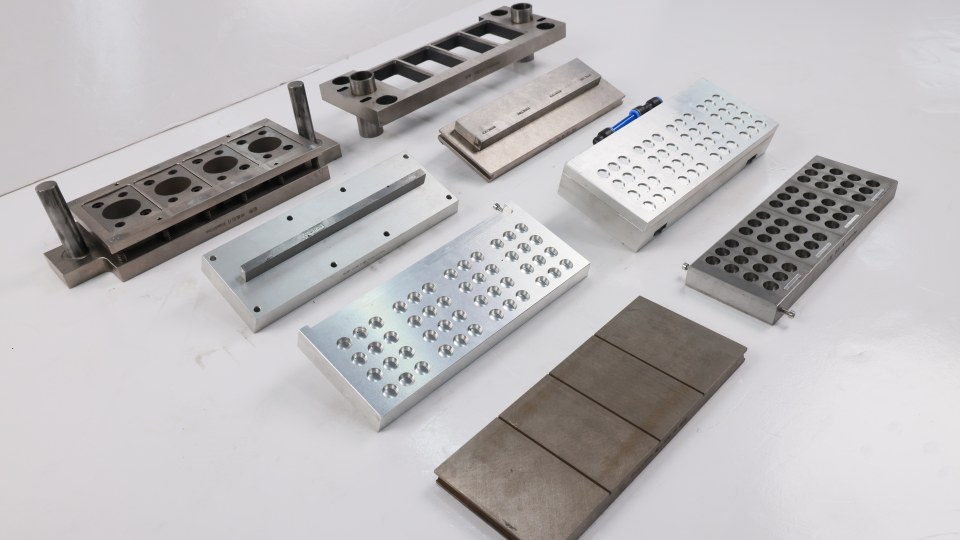
รูป 7 การออกแบบแม่พิมพ์แบบโมดูลาร์
6. คุณสมบัติ 5: สวัชพืช ตการกระทำ และ พีแอลซี ดีอาต สการจัดเก็บ ช่วยทำซ้ำการตั้งค่าก่อนหน้า
6.1 สินค้าที่ทำซ้ำไม่ควรเริ่มจากศูนย์ทุกครั้ง
โครงการ CDMO จำนวนมากเกิดขึ้นซ้ำหลังจากผ่านไปสองสามสัปดาห์หรือหลายเดือน. หากทีมงานของคุณได้ทำการแพ็คสินค้ามาก่อน, เส้นตุ่มไม่ควรต้องปรับให้ยาวเหมือนเดิมทุกครั้ง. นี่คือจุดที่การยึดเกาะของเซอร์โวและการจัดเก็บข้อมูล PLC กลายเป็นสิ่งที่มีคุณค่า.
การลากแบบเซอร์โวช่วยควบคุมการเคลื่อนที่ของวัสดุได้แม่นยำยิ่งขึ้น. วัสดุตุ่มควรเลื่อนไปตามจังหวะและเค้าโครงที่ต้องการ. เมื่อแรงฉุดไม่คงที่, การขึ้นรูป, การปิดผนึก, ตำแหน่งการพิมพ์และการตัดจะควบคุมได้ยากขึ้น. การยึดเกาะที่แม่นยำจึงสัมพันธ์อย่างใกล้ชิดกับเสถียรภาพของการเปลี่ยนแปลง.
6.2 ยังไง พีแอลซี ดีอาต สการจัดเก็บ รองรับการปรับเร็วขึ้น
การจัดเก็บข้อมูล PLC ช่วยให้เครื่องสามารถบันทึกข้อมูลตำแหน่งและพารามิเตอร์การประมวลผลสำหรับเวิร์กสเตชันต่างๆ. เมื่อสินค้ากลับมาซ้ำ, ผู้ปฏิบัติงานสามารถเรียกคืนการตั้งค่าก่อนหน้าและทำการปรับเปลี่ยนอย่างละเอียด แทนที่จะสร้างการตั้งค่าใหม่ตั้งแต่ต้น.
สำหรับผลิตภัณฑ์ที่แตกต่างกัน, ข้อมูลที่เป็นประโยชน์ที่เก็บไว้อาจรวมถึงความยาวของการลาก, อุณหภูมิการขึ้นรูป, อุณหภูมิการปิดผนึกความร้อน, ตำแหน่งการพิมพ์, ตำแหน่งการตัดและการตั้งค่าสถานีที่เกี่ยวข้อง. ซึ่งจะช่วยลดเวลาในการปรับเปลี่ยนและปรับปรุงความสามารถในการทำซ้ำของผลิตภัณฑ์เสริมอาหาร, บรรจุภัณฑ์พุพองแท็บเล็ตหรือแคปซูล.
6.3 ทำไมสิ่งนี้ถึงลดลง ของเสียจากวัสดุ
แหล่งที่มาสำคัญของของเสียระหว่างการเปลี่ยนตุ่มพองคือวัสดุที่ทดลองใช้. หากเครื่องต้องการ PVC และอลูมิเนียมฟอยล์ยาวหลายเมตรก่อนการขึ้นรูป, ตำแหน่งการซีลและการตัดถูกต้อง, ต้นทุนเพิ่มขึ้นอย่างรวดเร็ว. การลากเซอร์โวพร้อมการจัดเก็บข้อมูล plc ช่วยให้เครื่องกลับมาใกล้กับการตั้งค่าที่ทราบมากขึ้น, reducing the amount of material needed before stable production starts. To understand how to reduce material waste during blister changeover, คุณต้องดูว่าเครื่องสามารถกลับไปสู่การยึดเกาะที่ถูกต้องได้อย่างรวดเร็วหรือไม่, การปิดผนึก, ตำแหน่งการพิมพ์และการตัดหลังจากติดตั้งแม่พิมพ์ใหม่แล้ว.
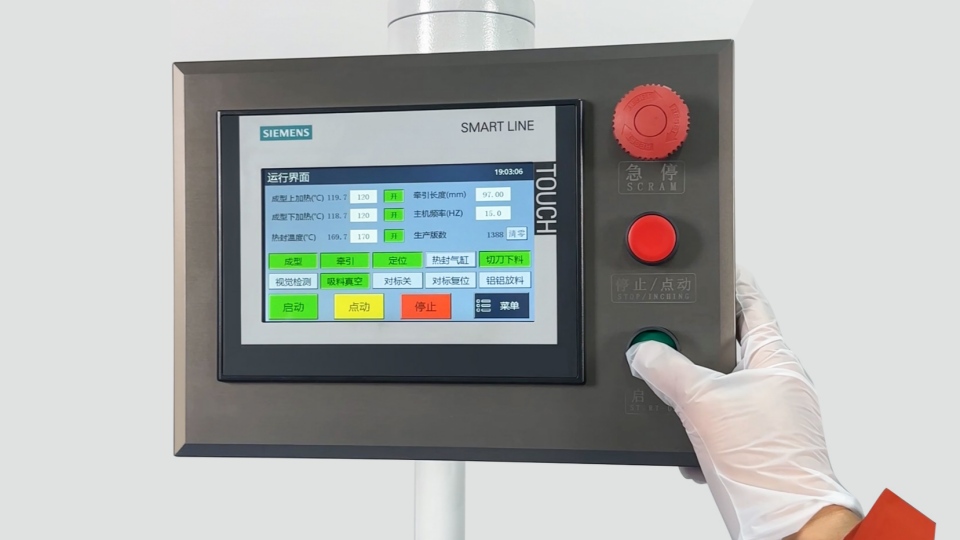
รูป 8 วิศวกรควบคุมหน้าจอสัมผัสของ Siemens PLC
7. สิ่งที่ต้องยืนยันก่อนเลือก บีลิสเตอร์ พีการขาด เอ็มนิ่ง สำหรับผลิตภัณฑ์ที่แตกต่างกัน
7.1 คุณต้องแพ็คอะไร?
คำถามแรกคือผลิตภัณฑ์. แท็บเล็ต, แคปซูล, ลูกอม, เม็ดนม, รายการที่ผิดปกติ, ขวดหรือวัสดุขนาดใหญ่อื่นๆ อาจต้องใช้ช่องที่แตกต่างกัน, ตัวป้อนและการขึ้นรูปความลึก. เครื่องบรรจุตุ่ม DPP มักถูกเลือกสำหรับรูปแบบที่ยืดหยุ่น, ความต้องการขึ้นรูปที่ลึกขึ้นและผลิตภัณฑ์ที่ไม่พอดีกับรูปแบบตุ่มมาตรฐานธรรมดา.
7.2 คุณต้องการผลลัพธ์อะไร?
ควรพิจารณาผลผลิตร่วมกับความถี่ในการเปลี่ยนแปลงผลิตภัณฑ์. เครื่องจักรที่เร็วมากอาจไม่ใช่ตัวเลือกที่ดีที่สุดหากสายการผลิตของคุณเปลี่ยนผลิตภัณฑ์ทุกวัน. สำหรับบรรจุภัณฑ์พุพอง CDMO, โซลูชันที่สมดุลควรคำนึงถึงความเร็วที่กำหนด, เวลาการเปลี่ยนแปลง, ขยะเริ่มต้นและเวลาทำงานที่มั่นคงหลังจากรีสตาร์ท.
7.3 ข้อมูลจำเพาะของผลิตภัณฑ์และตุ่มคืออะไร?
ขนาดสินค้า, ความลึกของโพรง, ขนาดบัตรตุ่ม, ข้อกำหนดด้านวัสดุบรรจุภัณฑ์และการพิมพ์ล้วนส่งผลต่อการกำหนดค่าเครื่อง. หากโครงการในอนาคตอาจเกี่ยวข้องกับผลิตภัณฑ์ที่แตกต่างกัน, เป็นการดีกว่าที่จะหารือเกี่ยวกับช่วงของรูปแบบตั้งแต่เนิ่นๆ. ซึ่งช่วยหลีกเลี่ยงการซื้อเครื่องบรรจุภัณฑ์พลาสติกที่เหมาะกับผลิตภัณฑ์ชิ้นแรก แต่จะใช้งานยากเมื่อสินค้าชิ้นที่สองหรือสามมาถึง.
7.4 คุณจะเชื่อมต่อ เครื่องอื่นๆ บนสายการผลิต ภายหลัง?
โรงงาน CDMO บางแห่งเริ่มต้นด้วยเครื่องบรรจุตุ่มหนึ่งเครื่องแล้วเพิ่มการบรรจุลงในกล่องในภายหลัง, เครื่องนับหรือเครื่องอื่นๆ. หากอาจจำเป็นต้องเชื่อมต่อสายในอนาคต, ทิศทางการปล่อย, ควรพิจารณาความสูงของสายพานลำเลียงและการซิงโครไนซ์ก่อนซื้อ.
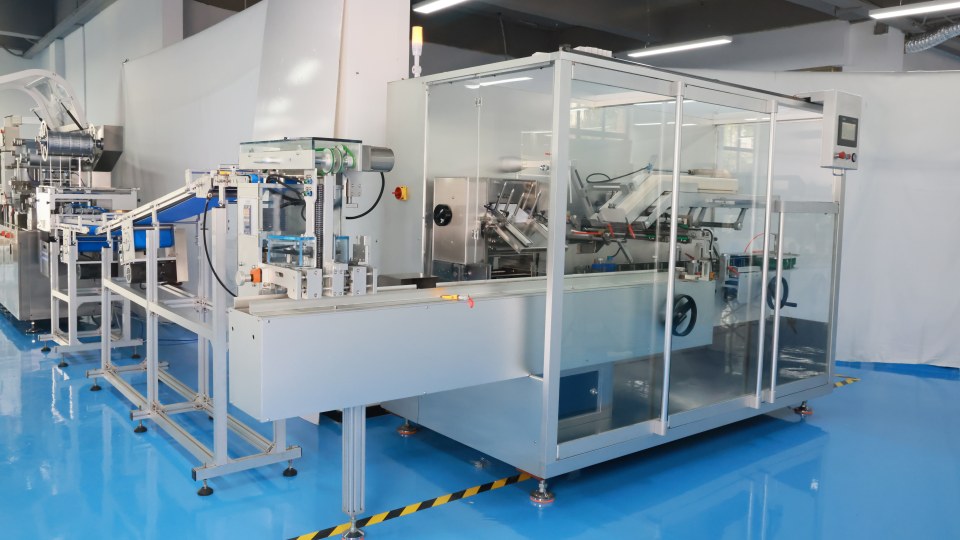
รูป 9 เครื่องจักรอื่นๆ ในสายการผลิต เช่น เครื่องแพ็คกล่อง
8. บทสรุป
สำหรับผู้ผลิต CDMO, เครื่องบรรจุตุ่มที่ดีที่สุดไม่ใช่เครื่องที่มีความเร็วสูงสุดเสมอไป. เมื่อการผลิตเกี่ยวข้องกับผลิตภัณฑ์ที่แตกต่างกัน, ประสิทธิภาพที่แท้จริงขึ้นอยู่กับความเร็วของสายการผลิตที่สามารถเปลี่ยนแม่พิมพ์ได้, กู้คืนการตั้งค่าก่อนหน้าและกลับสู่บรรจุภัณฑ์ที่มีความเสถียร.
5 คุณสมบัติของเครื่องมีประโยชน์อย่างยิ่งในการลดเวลาการเปลี่ยนเครื่องตุ่ม: การวางตำแหน่งแมนเดรล, การวางตำแหน่งพินแม่พิมพ์ด้านล่าง, ถอดชิ้นส่วนอย่างรวดเร็ว, การออกแบบแม่พิมพ์แบบโมดูลาร์พร้อมรางนำอลูมิเนียมอัลลอยด์ในตัว, และการลากเซอร์โวพร้อมการจัดเก็บข้อมูล PLC. ด้วยกัน, ช่วยลดเวลาหยุดทำงาน, การปรับเปลี่ยนซ้ำๆ และการสูญเสียวัสดุระหว่างการเปลี่ยนผลิตภัณฑ์ต่างๆ.
เครื่องบรรจุภัณฑ์พุพองอัตโนมัติของ Ruida Packing ออกแบบมาสำหรับแท็บเล็ต, แคปซูล, ลูกอม, ผลิตภัณฑ์ที่ผิดปกติและวัสดุที่ใหญ่กว่า. การออกแบบแม่พิมพ์แบบโมดูลาร์, ช่องดึงออกและรางนำอลูมิเนียมอัลลอยด์ในตัวช่วยให้สามารถติดตั้งแม่พิมพ์แบบเต็มได้ 10 นาทีภายใต้สภาวะที่เหมาะสม. หากกลุ่มผลิตภัณฑ์ CDMO ของคุณจำเป็นต้องบรรจุผลิตภัณฑ์ที่แตกต่างกันบ่อยครั้ง, แบ่งปันประเภทผลิตภัณฑ์ของคุณ, ความต้องการผลผลิตและข้อกำหนดเฉพาะของพุพองด้วย Ruida Packing, และเราสามารถช่วยแนะนำโซลูชันบรรจุภัณฑ์พุพองที่เหมาะสมกว่าได้.
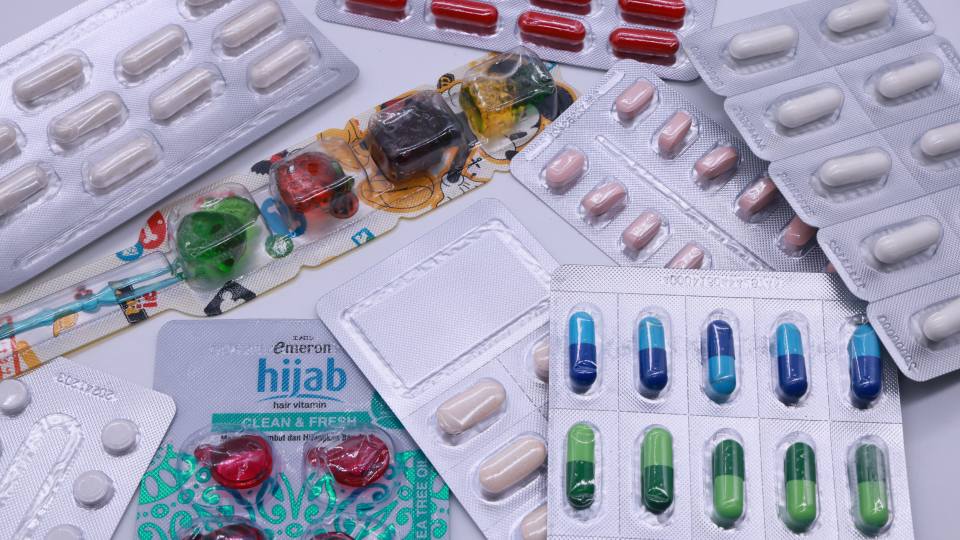
รูป 10 บรรจุภัณฑ์พุพองชนิดต่างๆ
คำถามที่พบบ่อยเกี่ยวกับ บีลิสเตอร์ พีการขาด เอ็มนิ่ง ซีอาการเมาค้าง สำหรับซีดีเอ็มโอ
1. ทำไมถึงเป็น การเปลี่ยนเครื่องตุ่ม การผลิต CDMO ช้าลง?
การเปลี่ยนเครื่องตุ่มมักจะช้าเนื่องจากผลิตภัณฑ์ที่แตกต่างกันต้องใช้แม่พิมพ์ที่แตกต่างกัน, วิธีการให้อาหาร, ตำแหน่งการพิมพ์, รูปแบบการตัดและพารามิเตอร์บรรจุภัณฑ์. หากเครื่องไม่รองรับการจัดตำแหน่งซ้ำและการติดตั้งแม่พิมพ์ที่รวดเร็ว, การเปลี่ยนแปลงผลิตภัณฑ์ทุกครั้งอาจกลายเป็นกระบวนการปรับเปลี่ยนที่ยาวนาน.
2. CDMO จะลดได้อย่างไร เวลาเปลี่ยนเครื่องบรรจุตุ่ม?
CDMO สามารถลดเวลาการเปลี่ยนแปลงได้โดยใช้การวางแผนรูปแบบตามผลิตภัณฑ์, การวางตำแหน่งแมนเดรล, การวางตำแหน่งพิน, ถอดชิ้นส่วนอย่างรวดเร็ว, แม่พิมพ์แบบโมดูลาร์, การลากเซอร์โวและการจัดเก็บข้อมูล PLC. คุณสมบัติเหล่านี้ช่วยให้ผู้ปฏิบัติงานติดตั้งแม่พิมพ์ได้เร็วขึ้นและกู้คืนการตั้งค่าก่อนหน้าได้ง่ายขึ้น.
3. ผลิตภัณฑ์ใดบ้างที่สามารถบรรจุบน DPP ได้ เครื่องบรรจุพุพอง?
ขึ้นอยู่กับการกำหนดค่าของเครื่อง, เครื่องบรรจุตุ่ม DPP สามารถบรรจุยาเม็ดได้, แคปซูล, ลูกอม, เม็ดนม, รายการที่ผิดปกติ, ขวดและผลิตภัณฑ์อื่นที่เหมาะสม. ควรยืนยันการกำหนดค่าจริงตามขนาดของผลิตภัณฑ์, สร้างความลึก, วิธีการให้อาหารและวัสดุบรรจุภัณฑ์.
4. ความเร็วสูงสุดคือตัวเลือกที่ดีที่สุดเสมอ การผลิตตามสัญญา?
เลขที่. หากคุณสลับไปมาระหว่างผลิตภัณฑ์ต่างๆ บ่อยครั้ง, ความเร็วการเปลี่ยนแปลงและความเสถียรในการรีสตาร์ทอาจมีความสำคัญมากกว่าความเร็วสูงสุดที่กำหนด. เครื่องบรรจุภัณฑ์พุพองแบบสมดุลควรตอบสนองความต้องการด้านผลผลิต พร้อมทั้งลดเวลาการเปลี่ยนแม่พิมพ์และการสิ้นเปลืองวัสดุ.
5. ควรเตรียมข้อมูลอะไรบ้างก่อนขอก เครื่องผลิตถุงบรรจุสูญญากาศ คำแนะนำ?
เตรียมประเภทสินค้า, ขนาดผลิตภัณฑ์, เอาท์พุทที่ต้องการ, เค้าโครงบัตรตุ่ม, วัสดุบรรจุภัณฑ์, สร้างความลึก, ข้อกำหนดในการพิมพ์และว่าเครื่องอื่นอาจเชื่อมต่อในภายหลังหรือไม่. รายละเอียดเหล่านี้ช่วยให้ซัพพลายเออร์แนะนำการกำหนดค่าเครื่องที่ถูกต้องได้.
6. อย่างไร การออกแบบแม่พิมพ์แบบโมดูลาร์ ช่วยเหลือในเรื่องผลิตภัณฑ์ต่างๆ?
การออกแบบแม่พิมพ์แบบแยกส่วนช่วยให้ถอดชิ้นส่วนรูปแบบได้ง่ายขึ้น, ติดตั้งและตำแหน่ง. พร้อมรางนำในตัวและช่องดึงออก, ผู้ปฏิบัติงานสามารถเปลี่ยนแม่พิมพ์ได้เร็วขึ้นและลดการจัดตำแหน่งซ้ำระหว่างการผลิตผลิตภัณฑ์ต่างๆ.
7. ควรพิจารณาการเชื่อมต่อกล่องในอนาคตเมื่อซื้อ เครื่องบรรจุพุพอง?
ใช่. หากอาจเพิ่มเครื่องบรรจุกล่องหรือสายการบรรจุที่สมบูรณ์ในภายหลัง, ทิศทางการปล่อย, ความสูงของสายพานลำเลียง, ควรหารือเกี่ยวกับการซิงโครไนซ์ความเร็วและเค้าโครงพื้นที่ในระหว่างขั้นตอนการเลือกเครื่องจักรเบื้องต้น.
เอกสารอ้างอิง
[1] อูลมานน์
https://www.uhlmann.de/en/products-and-solutions/blister-machines
[2] โรมาโก