เหตุใดจึงสามารถจัดหาส่วนผสมออกฤทธิ์ทางเภสัชกรรมชนิดเดียวกันในรูปแบบแท็บเล็ตได้, แคปซูล, ของเหลว, หรือการฉีด? คำตอบขึ้นอยู่กับปัจจัยต่างๆ เช่น ความเสถียรของผลิตภัณฑ์, การควบคุมปริมาณ, ลักษณะการปล่อย, ตั้งใจใช้, และเส้นทางการบริหาร.
สำหรับผู้ผลิต, รูปแบบขนาดยาที่เลือกจะกำหนดรูปร่างของกระบวนการผลิต. เม็ดยาต้องมีการเตรียมและการบีบอัดผงที่เหมาะสม, แคปซูลต้องมีการบรรจุและปิดที่แม่นยำ, และของเหลวเกี่ยวข้องกับสภาวะการผสมและการเติมที่แตกต่างกัน. ต้องบรรจุผลิตภัณฑ์สำเร็จรูปตามความไวต่อความชื้น, ออกซิเจน, แสงสว่าง, การรั่วไหล, และความเสียหายทางกายภาพ.
คู่มือนี้จะแนะนำรูปแบบขนาดยาหลักๆ และอธิบายว่ารูปแบบเหล่านี้มีอิทธิพลต่อกระบวนการผลิตอย่างไร, การเลือกอุปกรณ์, และข้อกำหนดด้านบรรจุภัณฑ์.
1. แบบฟอร์มการให้ยาทางเภสัชกรรมคืออะไร?
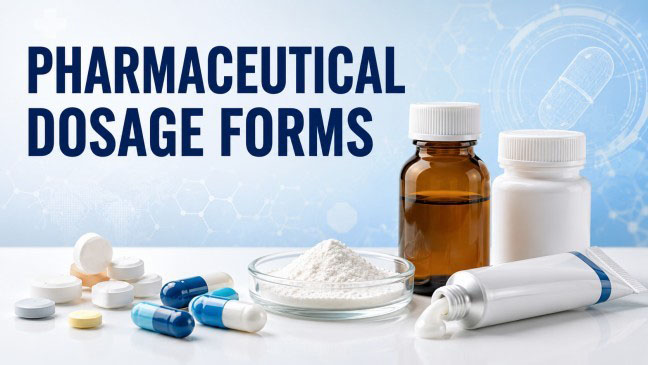
รูปแบบขนาดยาทางเภสัชกรรมคือรูปแบบทางกายภาพที่มีการผลิตและจำหน่ายผลิตภัณฑ์ทางเภสัชกรรม. ตัวอย่างทั่วไป ได้แก่ แท็บเล็ต, แคปซูล, ผง, การแก้ปัญหา, สารแขวนลอย, ครีม, และการฉีดยา. แบบฟอร์มที่เลือกรองรับการผลิต, พื้นที่จัดเก็บ, การควบคุมปริมาณ, และวิธีการใช้งานที่ต้องการ.
คำศัพท์ที่เกี่ยวข้องหลายคำมักสับสน:
| ภาคเรียน | ความหมาย | ตัวอย่าง |
| ส่วนผสมทางเภสัชกรรมที่ใช้งานอยู่ (เอพีไอ) | ส่วนประกอบออกฤทธิ์หลักในผลิตภัณฑ์ยา | อะเซตามิโนเฟน |
| ปริมาณ | จำนวนเงินที่ระบุใช้ในครั้งเดียวหรือในช่วงเวลาที่กำหนด | 500 มก |
| สูตร | การผสมผสานการออกแบบของ API และส่วนประกอบอื่นๆ | เอพีไอ, ฟิลเลอร์, เครื่องผูก, และสลายตัว |
| รูปแบบการให้ยา | รูปแบบทางกายภาพที่เสร็จสมบูรณ์ของผลิตภัณฑ์ | แท็บเล็ตเคลือบฟิล์ม |
| เส้นทางการบริหาร | วิธีการใช้ผลิตภัณฑ์ที่ต้องการ | การบริหารช่องปาก |
ผลิตภัณฑ์ยาสำเร็จรูปส่วนใหญ่ประกอบด้วย API หนึ่งรายการขึ้นไปพร้อมกับส่วนเติมเนื้อยา. ขึ้นอยู่กับสูตร, สารเพิ่มปริมาณอาจปรับปรุงการไหลของวัสดุ, รองรับการบีบอัดแท็บเล็ต, รักษาเสถียรภาพของผลิตภัณฑ์, ช่วยสลายตัว, ปิดบังรสชาติอันไม่พึงประสงค์, หรือปรับลักษณะการปล่อยส่วนผสม.
รูปแบบการให้ยาและเส้นทางการบริหารมีความเกี่ยวข้องกันแต่ไม่ใช่แนวคิดเดียวกัน. แท็บเล็ตและสารละลายในช่องปากอาจมีไว้สำหรับใช้ในช่องปากก็ได้, แต่พวกเขาต้องการสูตรที่แตกต่างกัน, วิธีการผลิต, การควบคุมกระบวนการ, และระบบบรรจุภัณฑ์. ผลิตภัณฑ์ที่อยู่ในหมวดหมู่เดียวกันอาจเป็นไปตามกระบวนการที่แตกต่างกัน. ตัวอย่างเช่น, สูตรยาเม็ดหนึ่งสูตรอาจเหมาะสำหรับการบีบอัดโดยตรง, ในขณะที่อีกประเภทหนึ่งอาจต้องมีการบดหรือเคลือบ.
ผู้ผลิตจึงควรกำหนดรูปแบบขนาดยา, คุณสมบัติของวัสดุ, ปริมาณเป้าหมาย, การพิจารณาความมั่นคง, และแพ็คเกจที่ต้องการก่อนเลือกอุปกรณ์การผลิต. อุปกรณ์ควรจับคู่กับสูตรและกระบวนการ แทนที่จะคาดหวังให้แก้ไขคุณลักษณะของวัสดุหรือข้อกำหนดเฉพาะของบรรจุภัณฑ์ที่ไม่เหมาะสม.
2. แบบฟอร์มการให้ยาประเภทยาหลักคืออะไร?
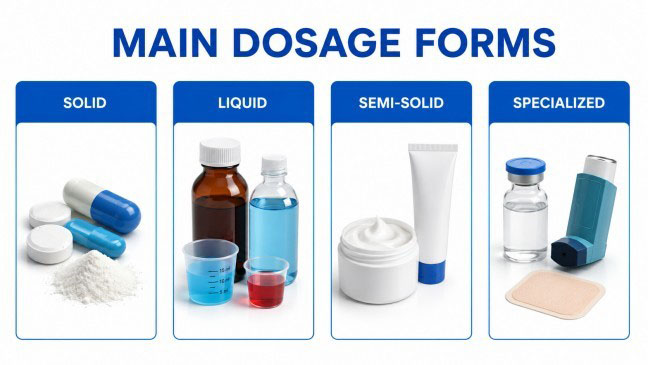
รูปแบบการให้ยาสามารถจัดกลุ่มตามสถานะทางกายภาพได้, ลักษณะการปล่อย, หรือเส้นทางการบริหาร. ระบบเหล่านี้ทับซ้อนกัน, ดังนั้นผลิตภัณฑ์อาจอยู่ในกลุ่มมากกว่าหนึ่งกลุ่ม.
| กลุ่มหลัก | ตัวอย่างทั่วไป | เน้นการผลิตทั่วไป | แพ็คเกจทั่วไป |
| แข็ง | แท็บเล็ต, แคปซูล, ผง, เม็ด | ไหล, การผสม, การบีบอัดหรือการเติม | แผลพุพอง, ขวด, ซอง |
| ของเหลว | การแก้ปัญหา, สารแขวนลอย, อิมัลชัน, น้ำเชื่อม | การผสม, ความสม่ำเสมอ, ความหนืดและการเติม | ขวดหรือหน่วยภาชนะ |
| กึ่งแข็ง | ครีม, ขี้ผึ้ง, เจล, น้ำพริก | การผสม, ทำให้เป็นเนื้อเดียวกันและความหนืด | หลอด, ปั๊มหรือขวด |
| เชี่ยวชาญ | การฉีด, ผลิตภัณฑ์สูดดม, แพทช์, เหน็บ | การประมวลผลและการควบคุมเฉพาะผลิตภัณฑ์ | ขวด, หลอดบรรจุ, อุปกรณ์หรือแพ็คที่ปิดสนิท |
2.1 แบบฟอร์มการให้ยาที่เป็นของแข็ง
แท็บเล็ต ทำโดยการบีบอัดผงหรือเม็ดที่เตรียมไว้ให้เป็นรูปร่างที่กำหนด. รูปแบบทั่วไป ได้แก่ แท็บเล็ตทั่วไป, เม็ดเคี้ยว, เม็ดฟู่, แท็บเล็ตที่สลายตัวทางปาก, และยาเม็ดที่ได้รับการดัดแปลง. พฤติกรรมการผลิตขึ้นอยู่กับการไหลของผง, ขนาดอนุภาค, ระดับความชื้น, การบีบอัด, การหล่อลื่น, และการออกแบบเครื่องมือ.
แคปซูล รวมแคปซูลแข็งสองชิ้น, แคปซูลอ่อน, และแคปซูลแข็งบรรจุของเหลว. แคปซูลแข็งอาจมีผง, เม็ด, เม็ด, หรือเม็ดเล็ก. แคปซูลแข็งที่เติมของเหลวต้องใช้วัสดุเติมที่เข้ากันได้และกระบวนการปิดหรือปิดผนึกเปลือกที่เหมาะสม. แคปซูลอ่อนมีวิธีการขึ้นรูปและบรรจุที่แตกต่างกัน และโดยปกติจะใช้อุปกรณ์เฉพาะ.
ผงและเม็ด อาจจำหน่ายในภาชนะอเนกประสงค์หรือแบ่งเป็นซองและแพ็คแบบแท่ง. การผลิตของพวกเขาต้องการความใส่ใจในการผสมผสานความสม่ำเสมอ, การแบ่งแยก, ฝุ่น, พฤติกรรมการวัดแสง, และผลของความชื้นระหว่างการบรรจุและการเก็บรักษา.
2.2 แบบฟอร์มการให้ยาของเหลว
รูปแบบของเหลวรวมถึงสารละลาย, สารแขวนลอย, อิมัลชัน, และน้ำเชื่อม. สารละลายมีส่วนผสมที่ละลายอยู่, สารแขวนลอยมีอนุภาคของแข็งกระจัดกระจาย, และอิมัลชันมีเฟสของเหลวแยกกัน.
ข้อควรพิจารณาในการผลิตรวมถึงการสั่งผสม, อุณหภูมิ, การกรองตามความเหมาะสม, ความหนืด, โฟม, และเงื่อนไขการเติม. สารแขวนลอยและอิมัลชันยังต้องมีการควบคุมที่จัดการกับการตกตะกอนหรือการแยกเฟสระหว่างการประมวลผล.
2.3 แบบฟอร์มขนาดยากึ่งแข็งและแบบพิเศษ
ครีม, ขี้ผึ้ง, เจล, และเพสต์เป็นรูปแบบกึ่งแข็งที่มักบรรจุในหลอด, ปั๊ม, หรือขวดโหล. ความหนืดส่งผลต่อการผสม, โอนย้าย, การเติมเต็ม, และการเลือกภาชนะ.
รูปแบบการให้ยาอื่นๆ ได้แก่ การฉีด, ผลิตภัณฑ์สูดดม, แพทช์ผิวหนัง, และยาเหน็บ. ข้อกำหนดเหล่านี้แตกต่างอย่างมากจากของแข็งในช่องปากทั่วไป และควรได้รับการประเมินภายในกรอบการพัฒนาที่เกี่ยวข้อง.
3. มีการผลิตแบบฟอร์มขนาดยาที่แตกต่างกันอย่างไร?
กระบวนการผลิตส่วนใหญ่เริ่มต้นด้วยการรับวัสดุ, บัตรประจำตัว, การจ่ายยา, และควบคุมการเตรียมการ. ขั้นตอนต่อมาขึ้นอยู่กับรูปแบบยาและข้อมูลจำเพาะของผลิตภัณฑ์.
3.1 การผลิตแท็บเล็ต
กระบวนการแท็บเล็ตทั่วไปประกอบด้วย:
การจ่าย → การร่อนหรือการสี → การผสม → การแกรนูลหากจำเป็น → การอบแห้ง → การหล่อลื่น → การบีบอัด → การเคลือบเสริม → การตรวจสอบ → บรรจุภัณฑ์
ไม่ใช่ทุกสูตรที่ต้องการการย่อย. การบีบอัดโดยตรงใช้การผสมผสานที่มีการไหลและพฤติกรรมการบีบอัดที่เหมาะสมอยู่แล้ว. เม็ดเปียกจะแนะนำสารยึดเกาะของเหลวก่อนที่จะทำให้แห้งและปรับขนาด, ในขณะที่เม็ดแห้งเป็นกระบวนการที่สร้างเม็ดโดยการบดอัดวัสดุผงด้วยกลไกภายใต้แรงดันสูงโดยไม่ต้องเติมของเหลว. เส้นทางที่เลือกควรมาจากการศึกษาการกำหนดสูตรและการทดลองการผลิต.
ระหว่างการบีบอัด, อัน เครื่องอัดเม็ดยา เติมความตาย, บีบอัดวัสดุ, และดีดแผ่นจารึกที่ขึ้นรูปออกมา. การเติมความลึกและประสิทธิภาพการป้อนส่วนใหญ่ส่งผลต่อน้ำหนักแท็บเล็ต, ในขณะที่แรงอัดส่งผลต่อความหนาและความแข็ง. ความเร็วป้อมปืนเปลี่ยนเวลาเติมและเวลาคงอยู่ในการบีบอัด, และเครื่องมือที่สึกหรอหรือวางแนวไม่ตรงอาจทำให้เกิดข้อบกพร่อง เช่น การเกาะติด, การจับ, หรือขอบเสียหาย. จากนั้นอาจใช้การเคลือบเพื่อให้ดูสวยงาม, ปิดบังรสชาติ, การคุ้มครองสิ่งแวดล้อม, หรือการออกแบบที่ดัดแปลงแล้ว.
3.2 การผลิตแคปซูล
สำหรับแคปซูลแข็งสองชิ้น, ลำดับหลักคือ:
การให้อาหารแคปซูลเปล่า → การวางแนว → การแยกฝาและร่างกาย → การเติม → ปฏิเสธ → การปิด → การดีดออก → การขัด → การตรวจสอบ
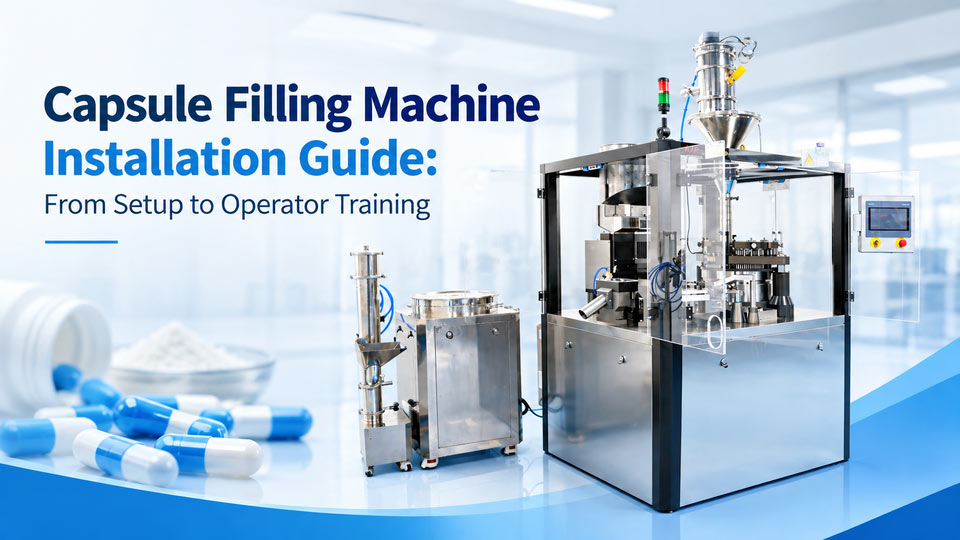
เอ เครื่องบรรจุแคปซูล ต้องตรงกับขนาดแคปซูลและวัสดุบรรจุ. ผง, เม็ด, เม็ด, และของเหลวใช้การเตรียมการจ่ายที่แตกต่างกัน. การไหลของวัสดุ, ความหนาแน่นรวม, ช่วงเติมน้ำหนัก, สภาพเปลือก, และคุณภาพการปิดบัญชีมีความสำคัญในการพัฒนากระบวนการ. โดยปกติการขัดและการตรวจสอบแคปซูลจะอยู่ในตำแหน่งก่อนบรรจุภัณฑ์พุพองหรือขวด.
3.3 การบรรจุแบบผงและแบบเม็ด
ผลิตภัณฑ์ที่เป็นผงและแกรนูลจะถูกผสมและถ่ายโอนไปยังระบบจ่ายสารที่เหมาะสม. Augers มักใช้กับผงหลายชนิด, ในขณะที่ถ้วยวัดปริมาตรหรือเครื่องป้อนอื่น ๆ อาจเหมาะกับเม็ดที่ไหลอย่างอิสระ. ก เครื่องบรรจุซอง สามารถสร้างบรรจุภัณฑ์จากฟิล์มม้วนได้, เมตรผลิตภัณฑ์, ปิดผนึกแพ็ค, และตัดหรือแยกชิ้นส่วนที่เสร็จแล้ว.
3.4 การประมวลผลของเหลวและกึ่งของแข็ง
การผลิตของเหลวและกึ่งของแข็งอาจรวมถึงการผสม, ความร้อนหรือความเย็น, ทำให้เป็นเนื้อเดียวกัน, การกรอง, การไล่อากาศ, โฮลดิ้ง, การเติมเต็ม, และปิด. ลำดับที่แท้จริงขึ้นอยู่กับสูตร. วัสดุสัมผัสอุปกรณ์, วิธีการโอน, กลไกการเติม, และควรเลือกขั้นตอนการทำความสะอาดตามความหนืด, แนวโน้มการเกิดฟอง, เนื้อหาอนุภาค, และต้องมีการควบคุมสุขอนามัย.
4. แบบฟอร์มขนาดยาส่งผลต่อข้อกำหนดบรรจุภัณฑ์อย่างไร?
บรรจุภัณฑ์เป็นส่วนหนึ่งของระบบผลิตภัณฑ์, ไม่ใช่การเพิ่มขั้นตอนการตกแต่งหลังการผลิต. การออกแบบควรสะท้อนถึงรูปแบบของยา, สูตร, ข้อมูลความมั่นคง, สภาพการขนส่ง, และตลาดที่ต้องการ.
บรรจุภัณฑ์เบื้องต้น ประกอบด้วยผลิตภัณฑ์โดยตรง, เช่น โพรงพุพอง, ขวด, ซอง, หลอด, หรือขวด. บรรจุภัณฑ์รอง รวมถึงรายการต่างๆ เช่น กล่องกระดาษ, ฉลาก, และแผ่นพับ. บรรจุภัณฑ์ระดับตติยภูมิ รองรับการจัดเก็บและการขนส่งผ่านกล่อง, วงเวียน, และพาเลท.
| รูปแบบการให้ยา | แพ็คเกจหลักทั่วไป | ข้อควรพิจารณาหลัก | อุปกรณ์ที่เกี่ยวข้อง |
| แท็บเล็ต | แผลพุพองหรือขวด | ความชื้น, แสงสว่าง, การขัดถูและการนับหน่วย | เครื่องอัดเม็ดยาหรือสายนับเม็ดยา |
| แคปซูลแข็ง | แผลพุพองหรือขวด | ความชื้น, สภาพเปลือกและจำนวนหน่วย | เครื่องตุ่มแคปซูลหรือสายนับแคปซูล |
| ผงและเม็ด | ซอง, แท่ง, กระเป๋าหรือขวด | ความชื้น, สภาพการวัดแสงและการปิดผนึก | เครื่องบรรจุซองหรือเครื่องบรรจุถุงสำเร็จรูป |
| ของเหลว | ขวดหรือภาชนะส่วนบุคคล | การรั่วไหล, ความเข้ากันได้และปริมาณการเติม | เครื่องบรรจุของเหลว |
| กึ่งของแข็ง | หลอด, ปั๊มหรือขวด | ความหนืด, การรั่วไหลและการสัมผัสกับผลิตภัณฑ์ | หลอด, อุปกรณ์เติมปั๊มหรือขวด |
| ผลิตภัณฑ์ปลอดเชื้อ | ขวด, หลอดบรรจุหรือระบบที่บรรจุไว้ล่วงหน้า | ความสมบูรณ์ของการปิดตู้คอนเทนเนอร์และการควบคุมพิเศษ | สายการบรรจุและปิดเฉพาะผลิตภัณฑ์ |
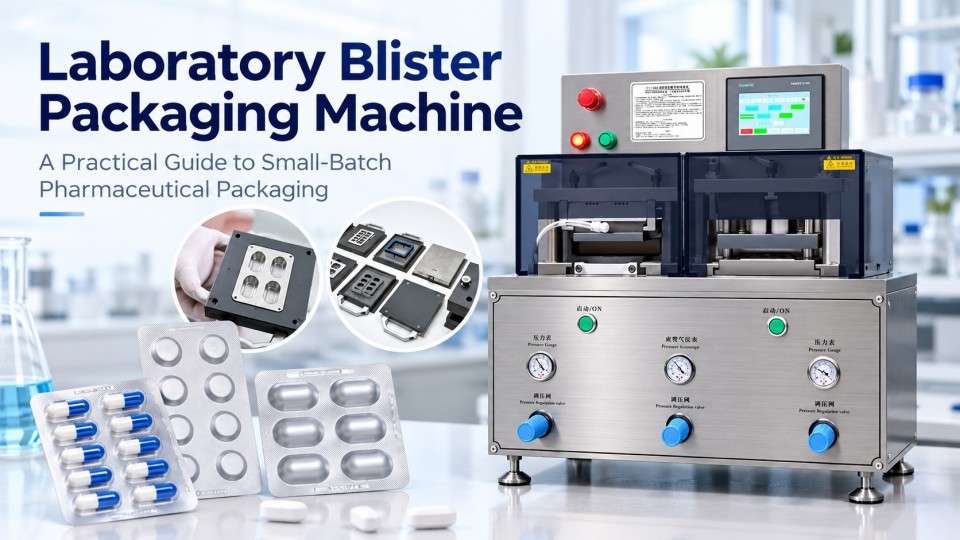
สำหรับยาเม็ดและแคปซูล, บรรจุภัณฑ์พุพองจะแยกหน่วยออกเป็นแต่ละช่อง. ก เครื่องบรรจุพุพอง ก่อตัวหรือป้อนฟันผุ, กำลังโหลดผลิตภัณฑ์, ปิดผนึกวัสดุฝาปิด, รหัสเว็บ, และตัดชุดสุดท้ายออก. ควรเลือกโครงสร้างกั้นจากข้อมูลผลิตภัณฑ์; ตุ่ม PVC มาตรฐานและตุ่มอลูมิเนียมรูปแบบเย็นไม่ได้ให้การป้องกันที่เหมือนกัน.
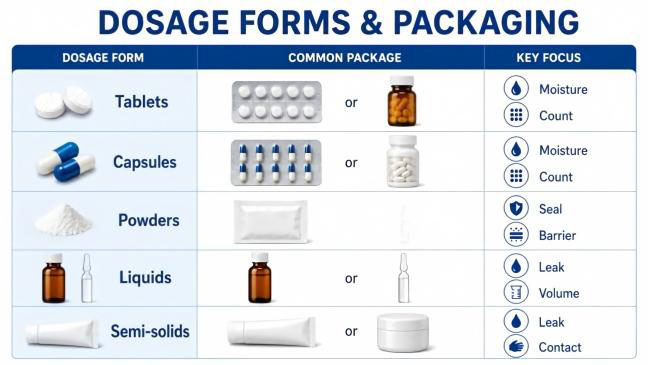
มักเลือกขวดสำหรับบรรจุยาเม็ดและแคปซูลจำนวนมากกว่า. แบบฉบับ เครื่องนับเม็ดยาและแคปซูลอัตโนมัติ เชื่อมต่อการถอดรหัสขวด, การนับ, การแทรกสารดูดความชื้นเสริม, การจับ, การปิดผนึกแบบเหนี่ยวนำ, การติดฉลาก. การปิด, ซับ, สารดูดความชื้น, และวัสดุขวดจะต้องถือว่าเป็นส่วนหนึ่งของระบบบรรจุภัณฑ์เดียว.
ซองและบรรจุภัณฑ์แบบแท่งเป็นเรื่องปกติสำหรับปริมาณผงและเม็ดที่ตรวจวัดได้. โครงสร้างฟิล์ม, อุณหภูมิซีล, ความดันการปิดผนึก, ฝุ่นของผลิตภัณฑ์, การออกแบบฉีกขาด, และอากาศที่ตกค้างอาจส่งผลต่อประสิทธิภาพของบรรจุภัณฑ์. แพ็ครองอาจย้ายไปที่ เครื่องบรรจุกล่อง สำหรับการขึ้นรูปกล่อง, การแทรกผลิตภัณฑ์, การจัดการใบปลิว, การเข้ารหัส, และการตรวจสอบ.
ไม่มีรูปแบบบรรจุภัณฑ์ใดที่เหมาะกับทุกผลิตภัณฑ์ในกลุ่มรูปแบบขนาดยาเดียวกันโดยอัตโนมัติ. การเลือกแพ็คเกจควรได้รับการสนับสนุนโดยการทำงานร่วมกัน, การทดสอบแพ็คเกจ, และการศึกษาความมั่นคง. เพื่อการเปรียบเทียบรูปแบบที่กว้างขึ้น, ดูคำแนะนำนี้เพื่อ ประเภทบรรจุภัณฑ์ยา.
5. วิธีการเลือกอุปกรณ์การผลิตและบรรจุภัณฑ์ยา
การเลือกอุปกรณ์ควรเริ่มต้นด้วยข้อมูลผลิตภัณฑ์และกระบวนการ ไม่ใช่รุ่นเครื่องจักร. โดยทั่วไปข้อกำหนดเฉพาะของอุปกรณ์ที่มีประโยชน์จะครอบคลุมถึง:
- ลักษณะของวัสดุ: การไหลของผง, ความหนาแน่นรวม, ขนาดอนุภาค, ความไวต่อความชื้น, ความหนืด, โฟม, หรือความเหนียว.
- รูปแบบสินค้า: เส้นผ่านศูนย์กลางและรูปร่างของแท็บเล็ต, ขนาดแคปซูล, เติมช่วง, จำนวนขวด, ขนาดซอง, หรือรูปแบบตุ่ม.
- เอาท์พุทที่จำเป็น: ขนาดชุด, เป้าหมายรายชั่วโมง, รูปแบบกะ, การเปลี่ยนแปลงที่วางแผนไว้, และคาดว่าจะขยายตัวได้.
- การควบคุมกระบวนการ: การตรวจสอบน้ำหนักหรือการนับ, ตรรกะการปฏิเสธ, การตรวจจับโลหะ, การเข้ารหัส, และการบันทึกข้อมูล.
- การทำความสะอาดและการเปลี่ยน: การเข้าถึงส่วนติดต่อ, วิธีการทำความสะอาด, การเปลี่ยนรูปแบบชิ้นส่วน, และการควบคุมข้ามผลิตภัณฑ์.
- การเชื่อมต่อสาย: เอาท์พุทต้นน้ำ, ความเร็วปลายน้ำ, การบัฟเฟอร์, เค้าโครงสายพานลำเลียง, และการสื่อสารระหว่างเครื่องจักร.
การกำหนดค่าทั่วไปได้แก่:
| สินค้าและแพ็คเกจ | ตัวอย่างการกำหนดค่าบรรทัด |
| แพ็คตุ่มแท็บเล็ต | เครื่องกดแท็บเล็ต → เครื่องกำจัดยาเม็ด → เครื่องตรวจจับโลหะ → เครื่องตุ่ม → เครื่องบรรจุกล่อง |
| ขวดแคปซูล | เครื่องบรรจุแคปซูล → เครื่องขัดแคปซูล → เครื่องนับและบรรจุแคปซูล → capper → เครื่องปิดผนึกแบบเหนี่ยวนำ → เครื่องติดฉลาก |
| ซองผง | เครื่องปั่น → เครื่องป้อน → เครื่องบรรจุแบบแท่ง(หรือเครื่องบรรจุซอง) → เครื่องตรวจสอบน้ำหนักบนสายพาน → เครื่องบรรจุกล่อง |
ความเร็วที่กำหนดของเครื่องหนึ่งเครื่องไม่ได้กำหนดเอาต์พุตของสายการผลิตทั้งหมด. การให้อาหารผลิตภัณฑ์, การตรวจสอบ, หยุด, การเปลี่ยนแปลง, และกำลังการผลิตขั้นปลายก็ส่งผลต่อการผลิตจริงด้วย. เมื่อเชื่อมต่อกันหลายขั้นตอน, หนึ่ง สายเภสัชกรรมแบบบูรณาการ ควรวางแผนให้มีความสมดุลของเส้นที่สมจริงและเค้าโครงของโรงงานที่มีอยู่.
รุยด้า แพ็คกิ้ง ให้บริการกดแท็บเล็ต, เครื่องบรรจุแคปซูล, เครื่องตุ่ม, นับเส้น, และอุปกรณ์บรรจุกล่องสำหรับโครงการการผลิตและบรรจุภัณฑ์ที่เป็นของแข็ง. ขึ้นอยู่กับรูปแบบผลิตภัณฑ์, เอาท์พุทเป้าหมาย, และแผนผังโรงงาน, ทีมงานสามารถช่วยกำหนดค่าเครื่องจักรแต่ละเครื่องหรือสายการผลิตแบบรวมได้.
6. การควบคุมคุณภาพแบบฟอร์มขนาดยาทางเภสัชกรรมและการพิจารณา GMP
การควบคุมคุณภาพขึ้นอยู่กับรูปแบบขนาดยาและข้อมูลจำเพาะของผลิตภัณฑ์ที่ได้รับอนุมัติ. การตรวจสอบแท็บเล็ตอาจมีการเปลี่ยนแปลงน้ำหนัก, ความหนา, ความแข็ง, ความกร่อน, การสลายตัว, และการเลิกกิจการตามความเหมาะสม. การควบคุมแคปซูลอาจครอบคลุมน้ำหนักการเติม, ปิดเปลือก, รูปร่าง, และการสลายตัว. การควบคุมของเหลวและกึ่งของแข็งสามารถรวมปริมาณการเติมได้, ความสม่ำเสมอ, ความหนืด, และการปิดภาชนะ.
การตรวจสอบบรรจุภัณฑ์อาจครอบคลุมถึงการนับหรือปริมาณการเติม, สภาพซีล, การรั่วไหล, ข้อมูลการพิมพ์, การตรวจสอบฉลาก, และประสิทธิภาพการปฏิเสธ. การตรวจสอบเหล่านี้ควรได้รับการสนับสนุนจากขั้นตอนที่เป็นลายลักษณ์อักษร, เกณฑ์การยอมรับที่กำหนดไว้, บุคลากรที่ผ่านการฝึกอบรม, การซ่อมบำรุง, การสอบเทียบ, และการทบทวนเอกสาร.
การวางแผน GMP ขยายไปไกลกว่าเครื่องจักร. เงื่อนไขสิ่งอำนวยความสะดวก, การควบคุมวัสดุ, ทำความสะอาด, การตรวจสอบกระบวนการ, การกำกับดูแลคุณภาพ, และบันทึกการผลิตล้วนมีส่วนช่วยให้การดำเนินงานมีความสม่ำเสมอ. อุปกรณ์สามารถรองรับกระบวนการที่ต้องการได้, แต่สถานะการกำกับดูแลขึ้นอยู่กับระบบการผลิตและคุณภาพที่สมบูรณ์ที่ใช้ในโรงงาน.
7. แบบฟอร์มการให้ยา: คำถามที่พบบ่อย
แบบฟอร์มยาหลักมีอะไรบ้าง?
กลุ่มกว้างมีความมั่นคง, ของเหลว, กึ่งแข็ง, และรูปแบบการให้ยาเฉพาะทาง. แท็บเล็ต, แคปซูล, ผง, การแก้ปัญหา, สารแขวนลอย, ครีม, การฉีดยา, และผลิตภัณฑ์สูดดมเป็นตัวอย่างทั่วไป. การจำแนกประเภทอาจพิจารณาเส้นทางการบริหารและลักษณะการปลดปล่อยด้วย.
ความแตกต่างระหว่างขนาดยาและรูปแบบขนาดยาคืออะไร?
ปริมาณคือปริมาณที่ระบุที่ใช้ในครั้งเดียวหรือในช่วงเวลาที่กำหนด. รูปแบบการให้ยาคือผลิตภัณฑ์ทางกายภาพ, เช่นแท็บเล็ต, แคปซูล, สารละลาย, หรือครีม, ซึ่งมีปริมาณขนาดนั้น.
เป็นยาเม็ดและแคปซูลที่ผลิตโดยใช้อุปกรณ์ชนิดเดียวกัน?
เลขที่. แท็บเล็ตเกิดขึ้นจากการบีบอัดด้วยการกดแท็บเล็ต. แคปซูลแข็งสองชิ้นถูกแยกออกจากกัน, เต็มไปด้วย, และปิดด้วยเครื่องบรรจุแคปซูล. พวกเขาอาจใช้อุปกรณ์บรรจุภัณฑ์พุพองหรือขวดที่คล้ายกันในภายหลังหากขนาดและลักษณะการจัดการเข้ากันได้กับสายการผลิตที่เลือก.
รูปแบบบรรจุภัณฑ์ใดที่ใช้โดยทั่วไปสำหรับรูปแบบขนาดยาที่เป็นของแข็ง?
ยาเม็ดและแคปซูลชนิดแข็งมักบรรจุในตุ่มหรือขวด. ผงและเม็ดอาจใช้ซอง, แพ็คติด, กระเป๋า, หรือขวด. ทางเลือกสุดท้ายขึ้นอยู่กับลักษณะของผลิตภัณฑ์, ปริมาณแพ็ค, ข้อกำหนดสิ่งกีดขวาง, และข้อมูลความเสถียร.
ข้อมูลอะไรที่จำเป็นก่อนเลือกอุปกรณ์?
ผู้ผลิตควรเตรียมรายละเอียดเกี่ยวกับวัสดุ, แบบฟอร์มการให้ยา, ขนาด, ปริมาณเป้าหมาย, เอาท์พุท, รูปแบบบรรจุภัณฑ์, พื้นที่โรงงาน, สาธารณูปโภค, วิธีการทำความสะอาด, และเอกสารที่จำเป็น. อาจจำเป็นต้องมีตัวอย่างและการทดลองด้วย.
บทสรุป: การจับคู่รูปแบบขนาดยากับการผลิตและบรรจุภัณฑ์
แบบฟอร์มขนาดยาเชื่อมต่อกับสูตรผสม, การผลิต, การควบคุมคุณภาพ, และบรรจุภัณฑ์. แท็บเล็ต, แคปซูล, ผง, หรือของเหลวมีพฤติกรรมของวัสดุที่แตกต่างกัน ดังนั้นจึงต้องใช้เส้นทางการผลิตที่แตกต่างกัน. จากนั้นจะต้องเลือกบรรจุภัณฑ์ตามโปรไฟล์ความเสถียรของผลิตภัณฑ์, การจัดการความต้องการ, และเงื่อนไขการจำหน่ายที่ต้องการ.
ก่อนที่จะกำหนดค่าสาย, ผู้ผลิตควรกำหนดผลิตภัณฑ์และบรรจุภัณฑ์ก่อน, จากนั้นจึงจับคู่การประมวลผลแต่ละรายการ, การเติมเต็ม, การตรวจสอบ, และขั้นตอนการบรรจุภัณฑ์ตามความต้องการเหล่านั้น. แนวทางนี้สร้างข้อกำหนดอุปกรณ์ที่ชัดเจนยิ่งขึ้น และลดการเปลี่ยนแปลงที่หลีกเลี่ยงได้ในระหว่างการพัฒนาโครงการ.
เอกสารอ้างอิง