Tại sao hoạt chất dược phẩm tương tự có thể được cung cấp dưới dạng viên nén, viên nang, chất lỏng, hoặc tiêm? Câu trả lời phụ thuộc vào các yếu tố như độ ổn định của sản phẩm, kiểm soát số lượng, đặc điểm phát hành, mục đích sử dụng, và đường dùng.
Dành cho nhà sản xuất, dạng bào chế được lựa chọn sẽ định hình quy trình sản xuất. Máy tính bảng yêu cầu chuẩn bị và nén bột thích hợp, viên nang cần làm đầy và đóng chính xác, và chất lỏng đòi hỏi các điều kiện trộn và làm đầy khác nhau. Thành phẩm cũng phải được đóng gói theo độ nhạy cảm với độ ẩm, ôxy, ánh sáng, Sự rò rỉ, và thiệt hại vật chất.
Hướng dẫn này giới thiệu các dạng bào chế dược phẩm chính và giải thích chúng ảnh hưởng như thế nào đến quá trình sản xuất, lựa chọn thiết bị, và yêu cầu đóng gói.

1. Dạng bào chế dược phẩm là gì?
Dạng bào chế dược phẩm là dạng vật chất trong đó dược phẩm được sản xuất và cung cấp. Các ví dụ phổ biến bao gồm máy tính bảng, viên nang, bột, giải pháp, đình chỉ, kem, và tiêm. Mẫu đã chọn hỗ trợ sản xuất, kho, kiểm soát số lượng, và phương pháp sử dụng dự định.
Một số thuật ngữ liên quan thường bị nhầm lẫn:
| Thuật ngữ | Nghĩa | Ví dụ |
| Hoạt chất dược phẩm (API) | Thành phần hoạt chất chính trong dược phẩm | Acetaminophen |
| Liều lượng | Số tiền được chỉ định sử dụng tại một thời điểm hoặc trong một khoảng thời gian xác định | 500 mg |
| công thức | Sự kết hợp được thiết kế giữa API và các thành phần khác | API, phụ, chất kết dính, và tan rã |
| Dạng bào chế | Hình thức vật lý hoàn thiện của sản phẩm | Viên nén bao phim |
| Đường dùng thuốc | Phương pháp dự định sử dụng sản phẩm | Uống |
Hầu hết các dược phẩm thành phẩm đều chứa một hoặc nhiều API cùng với tá dược. Tùy thuộc vào công thức, Tá dược có thể cải thiện dòng nguyên liệu, hỗ trợ nén máy tính bảng, duy trì sự ổn định của sản phẩm, hỗ trợ phân hủy, che giấu mùi vị khó chịu, hoặc điều chỉnh đặc tính giải phóng thành phần.
Dạng bào chế và đường dùng có liên quan nhưng không phải là một khái niệm giống nhau. Cả viên nén và dung dịch uống đều có thể được sử dụng bằng đường uống, tuy nhiên họ yêu cầu các công thức khác nhau, phương pháp sản xuất, điều khiển quá trình, và hệ thống đóng gói. Các sản phẩm cùng loại cũng có thể tuân theo các quy trình khác nhau. Ví dụ, một công thức dạng viên có thể phù hợp để nén trực tiếp, trong khi một số khác có thể yêu cầu tạo hạt hoặc phủ.
Do đó, nhà sản xuất nên xác định dạng bào chế, tính chất vật chất, số lượng mục tiêu, cân nhắc về sự ổn định, và gói dự định trước khi lựa chọn thiết bị sản xuất. Thiết bị phải phù hợp với công thức và quy trình thay vì phải sửa các đặc tính vật liệu hoặc thông số kỹ thuật đóng gói không phù hợp.
2. Các loại dạng bào chế dược phẩm chính là gì?
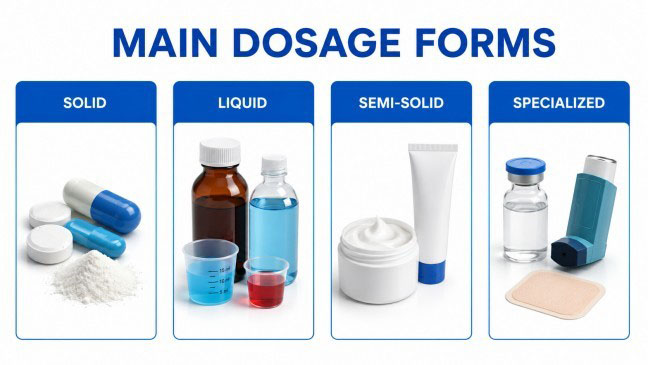
Các dạng bào chế có thể được nhóm theo trạng thái vật lý, đặc điểm phát hành, hoặc đường dùng. Các hệ thống này chồng chéo, vì vậy một sản phẩm có thể thuộc nhiều nhóm.
| Nhóm chính | Các ví dụ phổ biến | Trọng tâm sản xuất điển hình | Gói chung |
| Chất rắn | Máy tính bảng, viên nang, bột, hạt | Chảy, pha trộn, nén hoặc làm đầy | mụn nước, chai, gói |
| Chất lỏng | Giải pháp, đình chỉ, nhũ tương, xi-rô | Trộn, tính đồng nhất, độ nhớt và làm đầy | Chai hoặc hộp đựng đơn vị |
| Bán rắn | Kem, thuốc mỡ, gel, bột nhão | Trộn, đồng nhất và độ nhớt | Ống, máy bơm hoặc lọ |
| Chuyên | Thuốc tiêm, sản phẩm hít, bản vá lỗi, thuốc đạn | Xử lý và kiểm soát dành riêng cho sản phẩm | lọ, ống tiêm, thiết bị hoặc gói kín |
2.1 Dạng bào chế rắn
Máy tính bảng được thực hiện bằng cách nén hỗn hợp bột hoặc hạt đã chuẩn bị thành một hình dạng xác định. Các định dạng phổ biến bao gồm máy tính bảng thông thường, viên nhai, viên sủi, viên thuốc tan trong miệng, và viên nén giải phóng cải tiến. Hành vi sản xuất của họ phụ thuộc vào dòng bột, kích thước hạt, độ ẩm, khả năng nén, bôi trơn, và thiết kế dụng cụ.
Viên nang bao gồm viên nang cứng hai mảnh, viên nang mềm, và viên nang cứng chứa đầy chất lỏng. Viên nang cứng có thể chứa bột, hạt, viên, hoặc viên nhỏ. Viên nang cứng chứa chất lỏng yêu cầu vật liệu làm đầy tương thích và quy trình đóng hoặc niêm phong vỏ thích hợp. Viên nang mềm tuân theo một phương pháp tạo hình và làm đầy khác và thường sử dụng thiết bị chuyên dụng.
Bột và hạt có thể được cung cấp trong các hộp đựng đa dụng hoặc được chia thành các gói và gói dạng que riêng lẻ. Sản xuất của họ đòi hỏi sự chú ý để pha trộn tính đồng nhất, sự phân chia, bụi, hành vi đo sáng, và ảnh hưởng của độ ẩm trong quá trình đóng gói và bảo quản.
2.2 Dạng bào chế dạng lỏng
Dạng lỏng bao gồm các giải pháp, đình chỉ, nhũ tương, và xi-rô. Dung dịch chứa các thành phần hòa tan, huyền phù chứa các hạt rắn phân tán, và nhũ tương chứa các pha lỏng riêng biệt.
Các cân nhắc về sản xuất bao gồm thứ tự trộn, nhiệt độ, lọc nếu có, độ nhớt, bọt, và điều kiện điền. Huyền phù và nhũ tương cũng yêu cầu các biện pháp kiểm soát nhằm giải quyết vấn đề lắng hoặc tách pha trong quá trình xử lý.
2.3 Dạng bào chế bán rắn và chuyên dụng
Kem, thuốc mỡ, gel, và bột nhão là dạng bán rắn thường được đóng gói trong ống, máy bơm, hoặc lọ. Độ nhớt của chúng ảnh hưởng đến việc trộn, chuyển khoản, điền vào, và lựa chọn thùng chứa.
Các dạng bào chế khác bao gồm thuốc tiêm, sản phẩm hít, miếng dán xuyên da, và thuốc đạn. Yêu cầu của chúng khác biệt đáng kể so với chất rắn uống thông thường và cần được đánh giá trong khuôn khổ phát triển liên quan..
3. Các dạng bào chế dược phẩm khác nhau được sản xuất như thế nào?
Hầu hết các quy trình sản xuất đều bắt đầu bằng việc nhận nguyên liệu, nhận dạng, phân phát, và chuẩn bị có kiểm soát. Các bước tiếp theo phụ thuộc vào dạng bào chế và đặc tính sản phẩm.
3.1 Sản xuất máy tính bảng
Một quy trình máy tính bảng điển hình bao gồm:
Phân phối → Sàng hoặc Xay → Trộn → Tạo hạt nếu cần → Sấy khô → Bôi trơn → Nén → Lớp phủ tùy chọn → Kiểm tra → Đóng gói
Không phải mọi công thức đều cần tạo hạt. Nén trực tiếp sử dụng hỗn hợp đã có dòng chảy và hành vi nén phù hợp. Tạo hạt ướt giới thiệu chất kết dính lỏng trước khi sấy khô và định cỡ, trong khi tạo hạt khô là quá trình hình thành hạt bằng cách nén cơ học vật liệu dạng bột dưới áp suất cao mà không cần thêm chất lỏng. Lộ trình được lựa chọn phải xuất phát từ các nghiên cứu về công thức và thử nghiệm sản xuất.
Trong quá trình nén, Một máy ép viên lấp đầy khuôn, nén vật liệu, và đẩy những viên thuốc đã hình thành ra. Độ sâu lấp đầy và hiệu suất của bộ nạp chủ yếu ảnh hưởng đến trọng lượng máy tính bảng, trong khi lực nén ảnh hưởng đến độ dày và độ cứng. Tốc độ tháp pháo thay đổi thời gian làm đầy và thời gian dừng nén, và dụng cụ bị mòn hoặc sai lệch có thể gây ra các khuyết tật như dính, giới hạn, hoặc hư hỏng cạnh. Lớp phủ sau đó có thể được áp dụng cho sự xuất hiện, che mùi vị, bảo vệ môi trường, hoặc thiết kế phát hành sửa đổi.
3.2 Sản xuất viên nang
Đối với viên nang cứng hai mảnh, trình tự chính là:
Cho ăn viên nang rỗng → Định hướng → Tách nắp và thân → Đổ đầy → Từ chối → Đóng → Đẩy ra → Đánh bóng → Kiểm tra
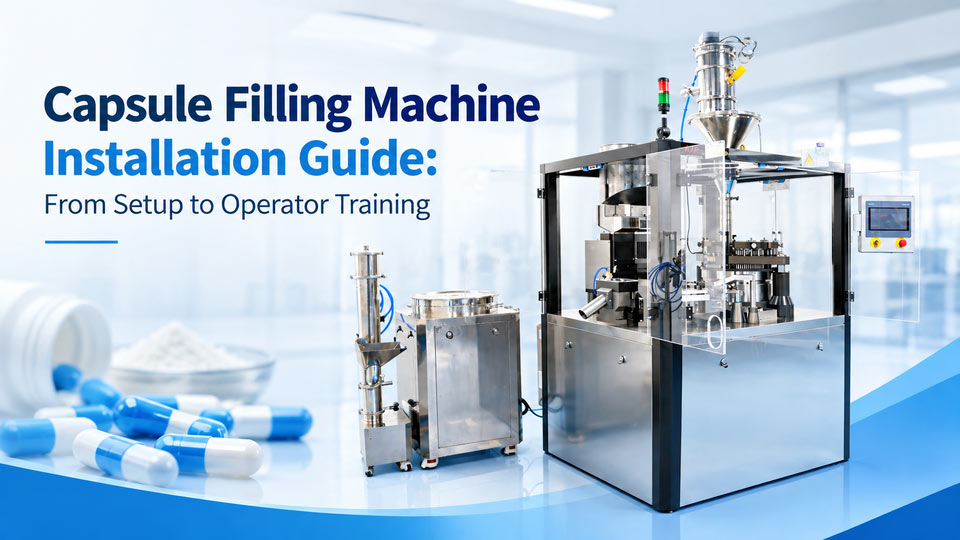
MỘT máy đóng viên nang phải phù hợp với kích thước viên nang và vật liệu làm đầy. Bột, hạt, viên, và chất lỏng sử dụng cách sắp xếp liều lượng khác nhau. Dòng nguyên liệu, mật độ lớn, phạm vi trọng lượng điền, tình trạng vỏ, và chất lượng kết thúc là quan trọng khi phát triển quy trình. Đánh bóng và kiểm tra viên nang thường được thực hiện trước khi đóng gói vỉ hoặc chai.
3.3 Đóng gói bột và hạt
Các sản phẩm dạng bột và dạng hạt được trộn và chuyển sang hệ thống định lượng phù hợp. Mũi khoan được sử dụng phổ biến cho nhiều loại bột, trong khi cốc định mức hoặc các loại thức ăn khác có thể phù hợp với các hạt chảy tự do. MỘT máy đóng gói túi có thể tạo thành gói từ phim cuộn, đo sản phẩm, niêm phong gói, và cắt hoặc tách các đơn vị đã hoàn thành.
3.4 Chế biến chất lỏng và bán rắn
Sản xuất chất lỏng và bán rắn có thể bao gồm việc trộn, sưởi ấm hoặc làm mát, sự đồng hóa, lọc, khử khí, nắm giữ, điền vào, và đóng cửa. Trình tự thực tế phụ thuộc vào công thức. Vật liệu tiếp xúc thiết bị, phương pháp chuyển giao, cơ chế làm đầy, và quy trình làm sạch nên được lựa chọn xung quanh độ nhớt, xu hướng tạo bọt, hàm lượng hạt, và các biện pháp kiểm soát vệ sinh cần thiết.
4. Các dạng bào chế dược phẩm ảnh hưởng như thế nào đến yêu cầu đóng gói?
Bao bì là một phần của hệ thống sản phẩm, không phải là một bước trang trí thêm vào sau khi sản xuất. Thiết kế của nó phải phản ánh dạng bào chế, công thức, thông tin ổn định, điều kiện vận chuyển, và thị trường dự định.
Bao bì sơ cấp trực tiếp chứa sản phẩm, chẳng hạn như một khoang phồng rộp, cái chai, gói, ống, hoặc lọ. Bao bì thứ cấp bao gồm các mặt hàng như thùng carton, nhãn, và tờ rơi. Bao bì cấp ba hỗ trợ lưu trữ và vận chuyển qua các trường hợp, ngăn chia, và pallet.
| Dạng bào chế | Gói chính chung | Những cân nhắc chính | Thiết bị liên quan |
| Máy tính bảng | Vỉ hoặc chai | Độ ẩm, ánh sáng, mài mòn và số lượng đơn vị | Máy vỉ thuốc hoặc dây chuyền đếm viên thuốc |
| Viên nang cứng | Vỉ hoặc chai | Độ ẩm, tình trạng vỏ và số lượng đơn vị | Máy vỉ viên nang hoặc dây chuyền đếm viên nang |
| Bột và hạt | gói, gậy, túi hoặc chai | Độ ẩm, đo lường và tình trạng con dấu | Máy đóng gói túi hoặc máy đóng gói túi làm sẵn |
| Chất lỏng | Chai hoặc hộp đựng riêng lẻ | Sự rò rỉ, khả năng tương thích và khối lượng điền | Máy làm đầy chất lỏng |
| chất bán rắn | Ống, máy bơm hoặc lọ | Độ nhớt, rò rỉ và tiếp xúc với sản phẩm | Ống, thiết bị đổ đầy máy bơm hoặc bình |
| Sản phẩm vô trùng | lọ, ống tiêm hoặc hệ thống nạp sẵn | Tính toàn vẹn của việc đóng container và các biện pháp kiểm soát chuyên dụng | Dây chuyền chiết rót và đóng gói dành riêng cho sản phẩm |
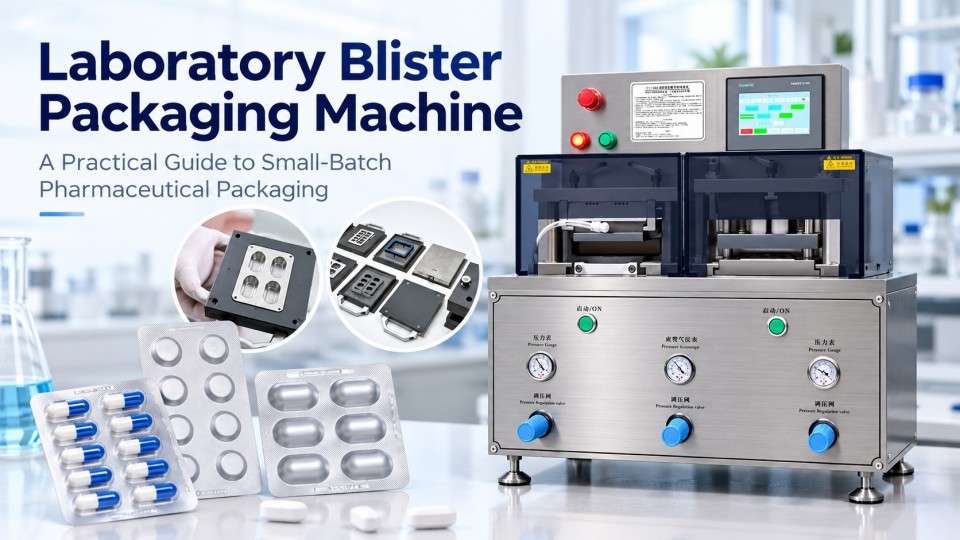
Đối với máy tính bảng và viên nang, vỉ gói các đơn vị riêng biệt vào các khoang riêng lẻ. MỘT máy đóng gói vỉ hình thành hoặc nuôi sống các khoang, tải sản phẩm, niêm phong vật liệu nắp, mã hóa trang web, và cắt các gói cuối cùng. Cấu trúc rào cản nên được lựa chọn từ dữ liệu sản phẩm; vỉ PVC tiêu chuẩn và vỉ nhôm dạng nguội không cung cấp cùng một đặc tính bảo vệ.
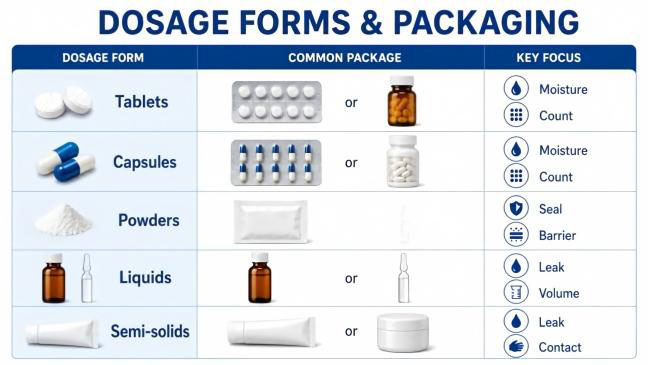
Chai thường được chọn cho các gói viên nén và viên nang có số lượng cao hơn. Khác biệt Dây chuyền đếm viên và viên nang tự động kết nối chai sắp xếp lại, đếm, chèn chất hút ẩm tùy chọn, giới hạn, niêm phong cảm ứng, ghi nhãn. Việc đóng cửa, lớp lót, chất hút ẩm, và vật liệu đóng chai phải được coi là một phần của một hệ thống đóng gói.
Túi và gói dạng que thường dùng để đo số lượng bột và hạt. Cấu trúc màng, nhiệt độ niêm phong, áp suất niêm phong, bụi sản phẩm, thiết kế nước mắt, và không khí dư có thể ảnh hưởng đến hiệu suất của gói. Các gói thứ cấp sau đó có thể di chuyển đến một máy đóng hộp để tạo hình thùng carton, chèn sản phẩm, xử lý tờ rơi, mã hóa, và kiểm tra.
Không có dạng đóng gói nào tự động phù hợp cho mọi sản phẩm trong cùng một nhóm dạng bào chế. Lựa chọn gói phải được hỗ trợ bởi công việc tương thích, kiểm tra gói, và nghiên cứu độ ổn định. Để so sánh định dạng rộng hơn, xem hướng dẫn này để các loại bao bì dược phẩm.
5. Cách chọn thiết bị sản xuất và đóng gói dược phẩm
Việc lựa chọn thiết bị nên bắt đầu bằng thông tin về sản phẩm và quy trình thay vì kiểu máy. Thông số kỹ thuật thiết bị hữu ích thường bao gồm:
- Đặc tính vật liệu: dòng bột, mật độ lớn, kích thước hạt, độ nhạy ẩm, độ nhớt, bọt, hoặc độ dính.
- định dạng sản phẩm: đường kính và hình dạng máy tính bảng, kích thước viên nang, phạm vi điền, số lượng chai, kích thước gói, hoặc bố trí vỉ.
- Đầu ra bắt buộc: kích thước lô, mục tiêu hàng giờ, mô hình thay đổi, thay đổi theo kế hoạch, và dự kiến mở rộng.
- Kiểm soát quy trình: theo dõi cân nặng hoặc số lượng, logic từ chối, phát hiện kim loại, mã hóa, và ghi dữ liệu.
- Làm sạch và thay đổi: quyền truy cập phần liên hệ, phương pháp làm sạch, thay thế phần định dạng, và kiểm soát sản phẩm chéo.
- Kết nối đường dây: đầu ra ngược dòng, tốc độ xuôi dòng, đệm, bố trí băng tải, và giao tiếp giữa các máy.
Cấu hình điển hình bao gồm:
| Sản phẩm và gói | Cấu hình dòng ví dụ |
| Gói vỉ máy tính bảng | Máy ép viên → máy loại bỏ máy tính bảng → máy dò kim loại → máy đóng vỉ → máy đóng thùng |
| Chai viên nang | Máy làm đầy viên nang → máy đánh bóng viên nang → máy đếm và làm đầy viên nang → capper → máy dán nhãn cảm ứng → máy dán nhãn |
| gói bột | Máy xay sinh tố → máy cấp liệu → máy đóng gói que(hoặc máy đóng gói túi) → cân kiểm tra → thùng carton |
Tốc độ định mức của một máy không xác định đầu ra của dây chuyền hoàn chỉnh. Cho ăn sản phẩm, điều tra, dừng lại, sự chuyển đổi, và công suất hạ nguồn cũng ảnh hưởng đến sản xuất thực tế. Khi một số giai đoạn được kết nối, MỘT dòng dược phẩm tích hợp nên được lên kế hoạch xoay quanh sự cân bằng dây chuyền thực tế và cách bố trí nhà máy sẵn có.

Ruida Đóng gói cung cấp máy ép viên, máy làm đầy viên nang, máy vỉ, dòng đếm, và thiết bị đóng thùng cho các dự án sản xuất và đóng gói liều rắn. Dựa trên hình thức sản phẩm, đầu ra mục tiêu, và bố trí nhà máy, nhóm có thể giúp cấu hình các máy riêng lẻ hoặc dây chuyền sản xuất tích hợp.
6. Kiểm soát chất lượng dạng bào chế dược phẩm và những cân nhắc về GMP
Kiểm soát chất lượng phụ thuộc vào dạng bào chế và đặc tính sản phẩm đã được phê duyệt. Kiểm tra máy tính bảng có thể bao gồm sự thay đổi trọng lượng, độ dày, độ cứng, tính dễ vỡ, sự tan rã, và giải thể nếu có. Kiểm soát viên nang có thể bao gồm trọng lượng lấp đầy, đóng vỏ, vẻ bề ngoài, và sự tan rã. Chất kiểm soát chất lỏng và bán rắn có thể bao gồm số lượng đổ đầy, tính đồng nhất, độ nhớt, và đóng container.
Kiểm tra bao bì có thể bao gồm số lượng hoặc số lượng điền, tình trạng con dấu, Sự rò rỉ, in thông tin, xác minh nhãn, và hiệu suất từ chối. Việc kiểm tra này phải được hỗ trợ bằng các thủ tục bằng văn bản, tiêu chí chấp nhận được xác định, nhân sự được đào tạo, BẢO TRÌ, sự định cỡ, và xem xét tài liệu.
Lập kế hoạch GMP vượt ra ngoài máy móc. Điều kiện cơ sở vật chất, kiểm soát vật liệu, dọn dẹp, xác nhận quá trình, giám sát chất lượng, và hồ sơ sản xuất đều góp phần vào hoạt động nhất quán. Thiết bị có thể hỗ trợ quá trình cần thiết, nhưng tình trạng quản lý phụ thuộc vào hệ thống chất lượng và sản xuất hoàn chỉnh được sử dụng tại cơ sở.
7. Dạng bào chế dược phẩm: Câu hỏi thường gặp
Các dạng bào chế dược phẩm chính là gì?
Các nhóm rộng đều vững chắc, chất lỏng, bán rắn, và các dạng bào chế chuyên dụng. Máy tính bảng, viên nang, bột, giải pháp, đình chỉ, kem, tiêm, và các sản phẩm hít phải là những ví dụ phổ biến. Việc phân loại cũng có thể xem xét đến đường dùng và đặc điểm phóng thích.
Sự khác biệt giữa liều lượng và dạng bào chế?
Liều lượng là số lượng xác định được sử dụng tại một thời điểm hoặc trong một khoảng thời gian xác định. Dạng bào chế là sản phẩm vật chất, chẳng hạn như một chiếc máy tính bảng, viên nang, giải pháp, hoặc kem, mang số lượng đó.
Viên nén và viên nang được sản xuất trên cùng một thiết bị?
KHÔNG. Viên nén được hình thành bằng cách nén trên máy ép viên. Viên nang cứng hai mảnh được tách ra, điền, và đóng trên máy đóng viên nang. Sau này họ có thể sử dụng thiết bị đóng gói vỉ hoặc chai tương tự nếu kích thước và đặc điểm xử lý của chúng tương thích với dây chuyền đã chọn.
Những dạng đóng gói nào thường được sử dụng cho dạng bào chế rắn?
Viên nén và viên nang cứng thường được đóng gói trong vỉ hoặc chai. Có thể sử dụng dạng bột và hạt, gói dính, túi, hoặc chai. Sự lựa chọn cuối cùng phụ thuộc vào đặc tính sản phẩm, số lượng gói, yêu cầu rào cản, và dữ liệu ổn định.
Những thông tin cần thiết trước khi lựa chọn thiết bị?
Nhà sản xuất nên chuẩn bị chi tiết về nguyên liệu, dạng bào chế, kích thước, số lượng mục tiêu, đầu ra, định dạng bao bì, không gian nhà xưởng, tiện ích, phương pháp làm sạch, và tài liệu cần thiết. Mẫu và thử nghiệm cũng có thể cần thiết.
Phần kết luận: Kết hợp các dạng bào chế dược phẩm với sản xuất và đóng gói
Dạng bào chế dược phẩm kết nối công thức, chế tạo, kiểm soát chất lượng, và đóng gói. Một chiếc máy tính bảng, viên nang, bột, hoặc chất lỏng có đặc tính vật liệu khác nhau và do đó đòi hỏi một lộ trình sản xuất khác. Sau đó, bao bì phải được lựa chọn xung quanh hồ sơ độ ổn định của sản phẩm, xử lý nhu cầu, và điều kiện phân phối dự kiến.
Trước khi định cấu hình một dòng, nhà sản xuất nên xác định sản phẩm và bao bì trước tiên, sau đó khớp từng quá trình xử lý, điền vào, điều tra, và khâu đóng gói theo những yêu cầu đó. Cách tiếp cận này tạo ra thông số kỹ thuật thiết bị rõ ràng hơn và giảm những thay đổi có thể tránh được trong quá trình phát triển dự án..
Tham khảo