

Потери фармацевтического производства происходят не только из-за крупных сбоев оборудования.. А таблеточный пресс может продолжать работать, пока нестабильная подача снижает производительность. А блистерная упаковочная машина может работать большую часть смены, но теряет производительность из-за повторяющихся коротких остановок, пустые полости, или дефекты герметизации. Линия подсчета капсул-таблеток может производить точный подсчет, но все же не достигает цели, когда участок укупорки или упаковки в картонную коробку становится узким местом..
Общая эффективность оборудования, обычно сокращается до OEE, измеряет, насколько эффективно запланированное производственное время преобразуется в приемлемую производительность при определенной производительности. Он объединяет три фактора: доступность, производительность, и качество.
Разделяя время простоя, потеря скорости, и отклоненный вывод, OEE помогает производственным группам определить места потери мощности. Его ценность заключается не только в производстве высокого процента, но направляя внимание на повторяющиеся потери, которые можно исследовать и улучшить..
Какова общая эффективность оборудования в фармацевтическом производстве??
Общая эффективность оборудования измеряет долю запланированного производственного времени, в течение которой производятся приемлемые единицы продукции с определенной производительностью..
OEE = Доступность × Производительность × Качество
Каждый фактор представляет собой различные производственные потери..
| коэффициент OEE | Что он измеряет | Типичные потери |
| Доступность | Работало ли оборудование в запланированное время производства | Поломки, долгие корректировки, переналадки, ожидание материала, и расширенные остановки |
| Производительность | Производится ли оборудование с определенной скоростью во время работы? | Незначительные остановки, нестабильное питание, пониженная скорость, голодание вверх по течению, и засор ниже по течению |
| Качество | Какой объем продукции соответствовал критериям приемки | Запуск отклоняется, поврежденные продукты, неполные пакеты, неправильные подсчеты, и дефекты герметизации |
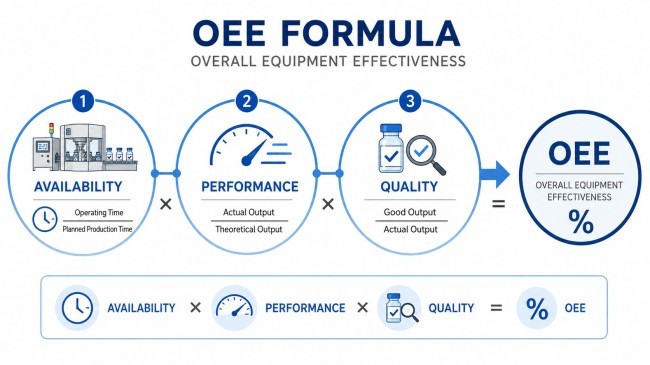
Iso 22400 обеспечивает основу для определения ключевых показателей эффективности производственных операций и элементов их расчета.. Таким образом, OEE является показателем эффективности производства., не является критерием выпуска продукта или доказательством того, что машина соответствует GMP.. ICH Q10 помещает мониторинг эффективности процесса и качества продукции в более широкую фармацевтическую систему качества., но он не устанавливает универсальную цель OEE.
Доступность
Доступность сравнивает фактическое время выполнения с запланированным временем производства.:
Доступность = Время выполнения ÷ Плановое время производства.
Расчет зависит от последовательного определения планового времени производства.. Производитель должен определить, как планируются перерывы, профилактическое обслуживание, уборка, зазор линии, переналадки, и периоды без производственного заказа учитываются. Изменение этих правил между отчетами приводит к вводящим в заблуждение сравнениям..
Требуемые мероприятия по уборке и обеспечению качества не должны сокращаться для улучшения оценки.. Вместо этого командам следует изучить возможные задержки, связанные с этими действиями., например, недостающие инструменты, недоступные запасные части, поздняя подготовка материала, или плохая координация между отделами.
Производительность
Производительность сравнивает фактический результат с ожидаемым результатом во время записанного времени выполнения.:
Производительность = Фактический результат ÷ Ожидаемый результат во время работы
Машина может потерять производительность без длительной остановки. Повторяющиеся перерывы продолжительностью всего несколько секунд могут существенно снизить производительность смены.. Примеры включают неравномерное разделение капсул в Машина для наполнения капсул, зазоры для подачи продукта на блистерной упаковочной машине, упавшие бутылки на конвейере, или коробки, которые не открываются правильно.
Базовая ставка должна быть реалистичной и последовательной.. Максимальная скорость, указанная в спецификации оборудования, не подходит автоматически для каждого продукта.. Размер капсулы, поток порошка, размеры планшета, формат упаковки, материальное поведение, настройки проверки, и мощность последующих операций влияют на скорость, которую процесс надежно поддерживает..
Использование нереалистичного максимума делает производительность искусственно низкой.. Снижение эталона всякий раз, когда объем производства падает, скрывает подлинные потери.. Предприятие должно определить обоснованную ставку для каждого продукта и формата при нормальных условиях эксплуатации..
Качество
Качество сравнивает приемлемый результат с общим выпуском.:
Качество = Количество хороших товаров ÷ Общее количество
Потери качества включают брак, возникающий во время запуска и нормального производства.. На блистерной линии, они включают пустые полости, поврежденные упаковки, неполные уплотнения, или неправильный рез. На линия подсчета таблеток и капсул, они включают неправильные количества, отсутствуют шапки, неудавшиеся уплотнения, или упаковки удалены во время последующей проверки.
Отбракованная единица не доказывает автоматически, что одна машина вызвала дефект.. Состояние продукта, поступающие материалы, настройки процесса, пределы контроля, состояние оборудования, и корректировки оператора — все это входит в анализ первопричин.
Как рассчитывается OEE на линии фармацевтической упаковки?
Рассмотрим линию блистерной упаковки и картонирования, работающую в восьмичасовую смену.. После плановых перерывов и плановой непроизводственной деятельности исключаются, линия имеет 450 минут планового производственного времени.
- Планируемый срок изготовления: 450 минуты
- Зарегистрированное время простоя: 45 минуты
- Время выполнения: 405 минуты
- Определенная производительность: 200 блистерных упаковок в минуту
- Общий выпуск: 72,900 пакеты
- Хороший результат: 71,442 пакеты
Доступность:
405 ÷ 450 = 90%
Ожидаемый результат в течение 405 минуты это 81,000 пакеты, так что производительность:
72,900 ÷ 81,000 = 90%
Качество:
71,442 ÷ 72,900 = 98%
Окончательный OEE:
90% × 90% × 98% = 79.4%
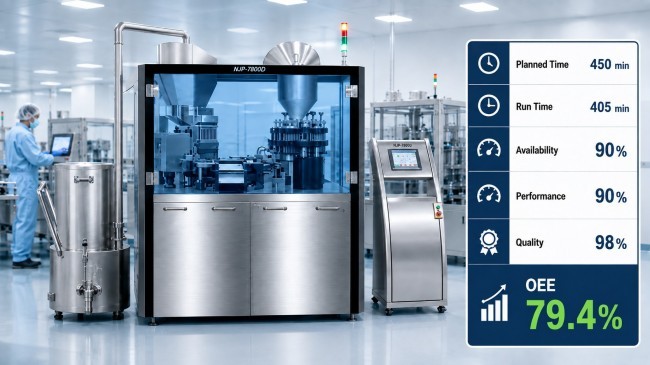
Оценки по трем компонентам показывают, что качество является относительно высоким., в то время как доступность и производительность создают большие потери. Это не доказывает, что техническое обслуживание является единственным приоритетом.. The 45 минуты простоя предварительно необходимо разделить на поломки, изменения формата, задержки с уборкой, ожидание материала, и время адаптации.
Оценка производительности также нуждается в контексте. Это может быть следствием постоянного снижения скорости., частые короткие остановки, или оба. История сигналов тревоги, счетчики машин, записи простоев, информация о партии, и наблюдения операторов необходимы, чтобы превратить процентное соотношение в полезное исследование.
Где происходят потери OEE в фармацевтическом производстве?
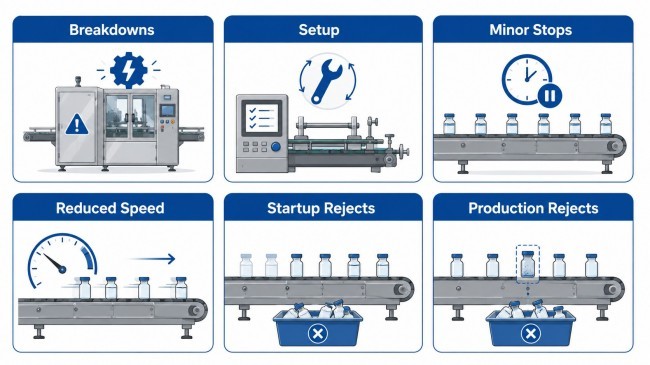
Традиционная модель шести потерь полезна, когда каждая категория отражает реальный процесс..
1. Поломки оборудования
Механический, электрический, пневматический, контроль, и отказы датчиков снижают доступность. Анализ должен учитывать как продолжительность, так и повторяемость.. Короткая неисправность, повторяющаяся каждую смену, может привести к снижению годового объема производства больше, чем одна изолированная поломка..
2. Настройка и регулировка
Переналадки, замена оснастки, изменения форматной части, настройка параметров, уборка, и очистка линии может занимать запланированное производственное время. Многие из этих мероприятий необходимы. Улучшение должно быть сосредоточено на подготовке, последовательность задач, организация инструмента, проверка, и передачу вместо обхода необходимых мер контроля.
3. Незначительные остановки
Короткие перерывы снижают производительность, о них часто не сообщается, поскольку операторы быстро их устраняют.. Соединение планшета, ошибки отделения капсулы, блистерные промежутки в питании, накопление бутылок, джемы из листовок, и сбои при открытии картонных коробок являются распространенными примерами..
4. Пониженная скорость
Машина может продолжать работать ниже заданной скорости из-за изменений в материале., изношенные детали, нестабильное питание, консервативные настройки, нестабильность инспекции, или плохая координация между подключенными машинами. Ускоренная работа одной машины может снизить производительность линии, если это приводит к перегрузке или увеличению количества бракованных изделий..
5. Запуск отклоняется
Выходные данные, полученные при стабилизации настроек после запуска или переключения, снижают качество. Повторяемая установка оснастки, передача параметров, подготовка материала, а чеки за первую партию сокращают эти потери, не ослабляя критерии приемки..
6. Производственный брак
Отбраковка при стабильной работе включает в себя поврежденные продукты., неполные блистерные упаковки, неправильное количество бутылок, недостающие компоненты, слабые уплотнения, и бракованные коробки. Данные проверки должны отличать подтвержденные дефекты от ложных отклонений..
В ICH Q10 особое внимание уделяется использованию информации о процессах и продуктах для выявления источников отклонений и поддержки постоянного улучшения.. OEE предоставляет оперативные данные, но записи отклонений, качественные результаты, история обслуживания, и существенная информация остаются необходимыми для полного расследования.
Как фармацевтические производители могут улучшить OEE?
Улучшение должно начинаться с самого слабого компонента OEE и наибольших периодических потерь., не с общим требованием к более высокой скорости машины.
Установите согласованные правила обработки данных
Определить плановое время производства, время выполнения, общее количество, хороший счет, эталонная скорость, и останавливайте категории перед сравнением оборудования, продукты, или смены. Автоматизированный сбор сокращает пропуски в записи., но это не исправляет неясные определения.
Расставьте приоритеты потерь по частоте и продолжительности
Ранжируйте простои и незначительные остановки по общей продолжительности и повторяемости.. Двухминутная пауза, повторенная тридцать раз, заслуживает большего внимания, чем одна изолированная двадцатиминутная остановка.. Производство, обслуживание, и инженеры должны использовать последовательные описания неисправностей, чтобы одна проблема не была разделена на несколько расплывчатых кодов..
Улучшение подготовки к переналадке
Улучшение переналадки начинается до того, как закончится текущая партия.. Сменные детали должны быть чистыми., проверено, полный, и готов к использованию. Инструменты, документы, материалы, и контрольные образцы также должны быть готовы.
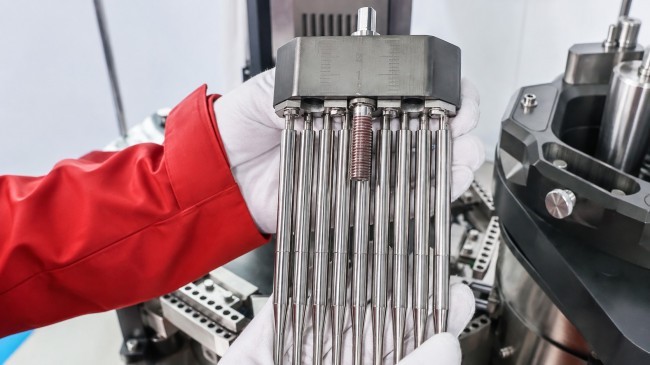
Конструкция оборудования может обеспечить эффективность переналадки, когда детали формата доступны и этапы замены повторяются.. Например, Автоматическая машина для наполнения капсул Ruida Packing NJP-1500D использует выдвижной держатель наполнительного стержня и модульные инструменты, предназначенные для поддержки замены пресс-формы примерно за 15 минуты. Фактическое время переналадки по-прежнему зависит от подготовки., требования к уборке, размер капсулы, опыт оператора, и процедуры проверки.
Целью не является кратчайший возможный переход. Это повторяемый процесс, который восстанавливает стабильную, приемлемое производство с меньшим количеством корректировок и меньшим количеством отказов при запуске.
Фиксируйте незначительные остановки и потерю скорости
Журналы событий машины, практичные коды остановки оператора, и обзоры смен должны различать кормление, продукт, материал, инспекция, вверх по течению, и последующие причины. Слишком большое количество категорий делает отчетность непоследовательной., в то время как широкие категории скрывают полезную информацию.
Сбалансируйте полную линию
Улучшения на уровне машин не всегда увеличивают товарную продукцию.. Машина для подсчета капсул-таблеток может подавать бутылки быстрее, чем укупорщик может их обработать.. Блистерная упаковочная машина может перегрузить Машина для упаковки в блистерную упаковку. Таблеточный пресс может производить стабильно, в то время как последующий пылеуловитель или металлодетектор ограничивают передачу..
Линейный анализ должен выявить фактическое ограничение и измерить уровень голода в верхнем течении реки., засор ниже по течению, использование буфера, и отклонить поток. Наиболее ценным улучшением часто является лучшая координация на интерфейсах машин, а не более высокая максимальная скорость одного устройства..
Защитите качество продукции
Проект OEE не должен ослаблять пределы проверок., удалить необходимые проверки, или сократить утвержденные элементы управления, чтобы повысить оценку. Рекомендации FDA по системам качества предусматривают постоянное улучшение в рамках более широкой системы знаний о процессах., ответственность за качество, и соответствие CGMP; эффективность не заменяет качество продукции.
Когда качество падает, сравнить тип дефекта, время, партия, партия материала, состояние машины, и результат проверки. Это отделяет выкройки, связанные с оборудованием, от материала., процесс, и проблемы с настройкой.
Анализируйте тенденции вместо отдельных оценок
Ежедневная оценка помогает управлять сменами, но технологические и инвестиционные решения требуют тенденций. Сравнить похожие продукты, форматы, размеры партии, и условия эксплуатации. Проверить доступность, производительность, и качество отдельно, поскольку стабильный итоговый балл может скрывать улучшение одного фактора и снижение другого..
OEE машины и OEE производственной линии — не одно и то же
OEE машины измеряет потери в пределах одного оборудования. Линия OEE измеряет приемлемую производительность подключенного процесса.
Блистерная машина может показать высокую OEE машины во время ожидания исходного продукта.. Картонирующая машина может фиксировать повторяющиеся остановки, вызванные несовместимыми упаковками, поступающими с предыдущей операции.. Каждая из нескольких машин может сообщать приемлемые результаты, в то время как вся линия остается ограниченной одним интерфейсом..
Не рассчитывайте OEE линии путем усреднения процентных значений OEE отдельных машин.. Измерьте линию относительно запланированного времени, определенная ставка, общий выпуск, и хороший результат. Данные на уровне машины затем объясняют, где произошла потеря линии..
Заключение
Общая эффективность оборудования в фармацевтическом производстве позволяет разделить производственные потери на доступность., производительность, и качество. Процент полезен только тогда, когда правила расчета остаются последовательными, а данные о потерях требуют расследования..
OEE способствует улучшению, когда команды сокращают время повторяющихся простоев, мелкие остановки, дисбаланс скорости, и дефектов без ослабления процесса или контроля качества. Возможности оборудования имеют значение, но материалы, методы, обслуживание, люди, и интеграция линий вместе определяют конечный результат.
Часто задаваемые вопросы
Требуется ли OEE согласно GMP??
Нет. OEE — это производственный KPI., не универсальное требование GMP или испытание при выпуске продукта. Компания решает, как использовать его в своей системе производительности и улучшения..
Что такое хороший показатель OEE для фармацевтического производства??
Не существует единой оценки для каждого процесса.. Тип продукта, размер партии, частота чистки, схема переключения, уровень автоматизации, и правила расчета влияют на результат. Согласованный внутренний базовый уровень более полезен, чем неподдерживаемая межотраслевая цель..
Следует ли включать время очистки и переналадки в OEE??
Это зависит от документированного определения планового времени производства.. Метод должен оставаться единообразным во всех сопоставимых отчетах.. Обязательные действия не следует удалять или сокращать просто ради увеличения балла..
Может ли OEE превысить 100%?
Правильно определенный OEE не должен превышать 100%. Более высокий результат обычно указывает на неправильную опорную скорость., временная граница, подсчет производства, или формула.
Всегда ли более быстрая машина улучшает OEE??
Нет. Более высокая скорость повышает производительность только тогда, когда процесс остается стабильным и подключенное оборудование может справиться с потоком.. Больше джемов, закупорка, отвергает, или простои могут снизить OEE линии, даже если одна машина работает быстрее.
Ссылки
- Iso 22400-1 и ИСО 22400-2, Ключевые показатели эффективности управления производственными операциями.
- Международный совет по гармонизации, Фармацевтическая система качества ICH Q10.
- НАС. Управление по контролю за продуктами и лекарствами, Системный подход к действующим правилам надлежащей производственной практики в фармацевтической отрасли.