Introdução
Você já se preocupou com a possibilidade de uma caixa acabada sair da linha sem o produto correto?, sem folheto de instruções ou com aba mal fechada? Em embalagens farmacêuticas, embalagens nutracêuticas, embalagens de alimentos e embalagens químicas diárias, um pequeno erro de embalagem pode criar retrabalho, reclamações ou riscos de qualidade do lote. É por isso que a detecção de máquinas de encadernação não é apenas uma opção técnica. É uma maneira prática de proteger cada embalagem antes que ela se torne um produto acabado.
Um bom automático máquina de encartuchamento não deve simplesmente abrir uma caixa e empurrar os produtos para dentro. Deve saber se o produto está pronto, se a quantidade está correta, se o folheto foi alimentado e dobrado, se a caixa é formada, e se a aba final está inserida corretamente. Quando estes sinais estão conectados com rejeição automática ou lógica de parada da máquina, a detecção fotoelétrica do olho ajuda a reduzir caixas vazias, problemas com folhetos faltando, carregamento de quantidade errada e má vedação da caixa.
Este artigo explica como a detecção fotoelétrica do olho funciona em uma máquina encartuchadora, desde a alimentação do material até a saída da caixa acabada. Em vez de listar os sensores um por um, concentra-se em questões reais de produção: como a detecção fotoelétrica do olho evita a falta de produtos na operação da máquina de encadernação, por que uma máquina de encadernação rejeita caixas com folheto ou produto faltando, e como a detecção de máquinas de embalagem reduz as caixas vazias antes que cheguem ao mercado.

Figura 1 Produtos da máquina de encadernação
Principais conclusões
- A detecção confiável da máquina de embalagem deve verificar o status do processo e o resultado final da embalagem, não apenas uma única posição no final da linha.
- Detecção fotoelétrica de olhos pode monitorar o fornecimento de material, quantidade do produto, estoque de folhetos, alimentação de folhetos, dobradura de folheto, formação de caixas, colocação do folheto na caixa e final inserção de retalho.
- A melhor lógica de rejeição depende do problema. A quantidade errada do produto pode ser rejeitada antecipadamente, uma caixa que não se forma deve parar a máquina, e uma caixa sem folheto pode ser rejeitada no ponto final.
- Para embalagem de blister, detecção de metais pode adicionar outra camada de confirmação, verificando se a folha de alumínio está dentro da caixa.
- Um prático sistema de inspeção de máquina de embalagem deve resolver problemas do comprador, como caixas vazias, folhetos faltando, caixas cheias demais, má formação da caixa e abas não fechadas.
1. Por que erros de embalagem se tornam um custo real de produção
1.1 Produtos faltantes não desperdiçam apenas caixas
Para um supervisor de produção , uma caixa rejeitada é fácil de ver. O custo oculto por trás disso geralmente é maior. Se uma caixa estiver faltando produtos ou um folheto, os operadores precisam parar, verificar, registro, retrabalhar ou descartar materiais. Na produção regulamentada, o problema também pode afetar a documentação do lote e a revisão final da qualidade.
É por isso que muitos compradores procuram a detecção de máquinas de embalagem antes de escolher um novo equipamento. Eles não estão apenas perguntando se a máquina pode funcionar rápido. Eles querem saber se a máquina pode detectar quantidade errada, falta de produtos e erros nos folhetos antes que as caixas defeituosas saiam da linha.
1.2 A detecção deve controlar o processo e o resultado final
Uma máquina de encadernação tem muitas etapas conectadas: alimentação, dobradura de folheto, sucção de caixa, formação de caixas, empurrando o produto, inserção do retalho e rejeição final. Se a inspeção acontecer apenas na saída final, a máquina pode já ter caixas desperdiçadas, folhetos e produtos antes que o defeito seja encontrado.
Um melhor sistema de inspeção de máquinas de embalagem combina detecção de processo e detecção de resultados. A detecção de processo verifica se a próxima ação deve acontecer. A detecção de resultados verifica se a ação esperada foi concluída. Esta é a lógica por trás da detecção ocular fotoelétrica para inspeção de folhetos e embalagens.

Figura 2 Produtos não qualificados da máquina de embalagem
2. Como Detecção fotoelétrica de olhos Funciona em um Cartilheiro Mainda
2.1 Olho fotoelétricos criar uma lógica de inspeção passo a passo
A detecção fotoelétrica do olho é usada para identificar se um produto, folheto ou caixa atingiu a posição necessária. Em uma máquina de encadernação horizontal, esses sinais estão vinculados ao PLC e ao sistema de controle de movimento, para que a máquina possa decidir se deseja alimentar, empurrar, parar, alarme ou rejeição.
Por exemplo, se o produto não estiver pronto, a máquina não deve continuar a alimentar caixas. Se a caixa não estiver formada, a máquina deve parar para evitar um emperramento mecânico. Se o folheto estiver faltando, mas a embalagem já tiver completado o ciclo, a caixa final deve ser rejeitada. O valor de um sistema de inspeção não é só ver o erro, mas respondendo corretamente.
2.2 Detecção e rejeição automática deveriam trabalhar juntos
A detecção por si só não é suficiente. Se a máquina encontrar uma condição anormal, mas ainda permitir que a caixa passe, o sensor não resolveu o problema de produção. Se cada pequeno erro causar um ponto final, a linha pode perder muita eficiência. A solução certa é combinar cada ponto de detecção com a ação correta.
Alguns problemas devem levar à rejeição automática, como detecção de produtos perdidos, quantidade errada, folheto faltando em uma caixa completa ou má inserção da aba. Alguns problemas devem parar a máquina, como falha na formação da caixa, porque empurrar produtos para uma caixa não formada pode danificar o produto ou o mecanismo. Esse equilíbrio é o que torna a detecção da máquina de embalagem útil na produção real.
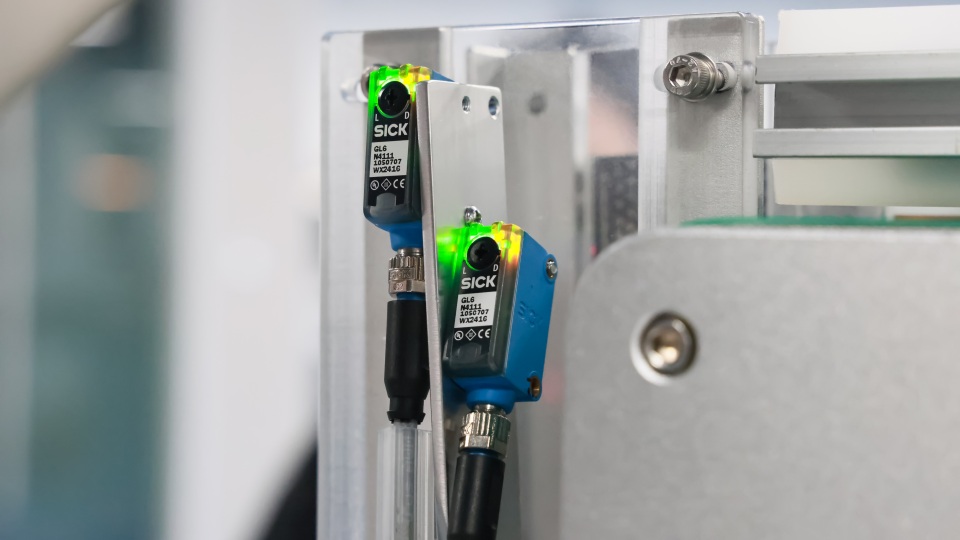
Figura 3 Detecção fotoelétrica de olho na máquina de encadernação
3. Detecção de alimentação de produto: Evitar transbordamento, Escassez e quantidade errada
3.1 Superior olho fotoelétrico no silo de alimentação
O silo de alimentação é onde os erros de embalagem podem começar. A parte superior olho fotoelétrico detecta se o silo atingiu uma condição completa. Quando o silo está cheio, produtos provenientes do equipamento conectado anteriormente não devem continuar entrando na área de embalagem. Eles podem ser rejeitados ou controlados pela linha a montante para evitar superacumulação.
Este olho fotoelétrico superior protege a estabilidade da alimentação antes do início da etapa de encadernação. Sem esse controle, excesso de produtos pode perturbar o ritmo alimentar.
3.2 Mais baixo olho fotoelétrico no silo de alimentação
O olho fotoelétrico inferior monitora se o nível do material atingiu a condição de recarga. Quando a lógica de detecção mostra que o silo precisa de mais produto, a linha conectada a montante pode continuar alimentando. Isso ajuda a manter o fornecimento do produto dentro de uma faixa utilizável, em vez de alternar entre muito cheio e muito vazio.
Junto, os olhos fotoelétricos superiores e inferiores tornam a alimentação do produto mais controlada. A alimentação estável é um pré-requisito para a operação contínua da máquina.
3.3 Detecção de material no local e quantidade
Depois que os produtos entram no transportador, a próxima pergunta é se o grupo de produtos atinge a quantidade definida, altura ou posição. O olho fotoelétrico de detecção de quantidade e material no local verifica se o produto está pronto antes de passar para a área de envio.
Se o produto estiver faltando, excessivo ou não na posição correta, todo o grupo de materiais deve ser rejeitado diretamente. Este é o prático nenhum produto sem caixa lógica que evita o desperdício de caixas vazias. Esse detecção de produto ausente a lógica é importante para embalagens blister, garrafas, saquetas, tubos e outros produtos que devem ser carregados em quantidade fixa. Também ajuda a explicar como a detecção da máquina de encartuchamento reduz caixas vazias na produção diária.
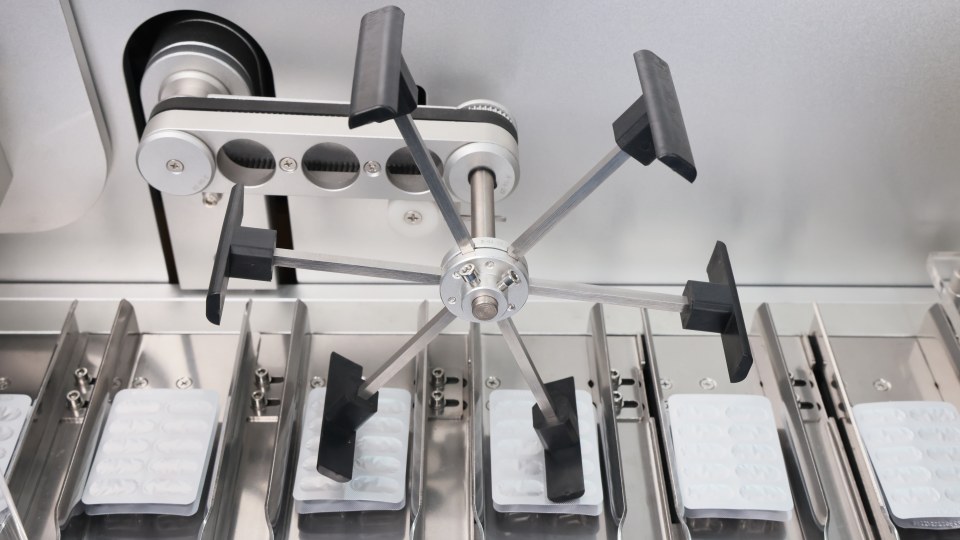
Figura 4 Detecção de material no local e quantidade
4. Detecção de folheto: Evite falta de manuais e problemas de dobramento
4.1 Detecção de baixo estoque de folhetos
Uma linha de embalagem pode funcionar mecanicamente bem, mas ainda assim produzir embalagens não conformes se o suprimento de folhetos de instruções for muito baixo. O olho fotoelétrico de detecção de estoque de folhetos verifica se há folhetos suficientes na máquina dobradora de folhetos. Quando o estoque de folhetos está baixo, o sistema lembra os operadores de adicionar manuais de instruções a tempo.
Esta parte de detecção de folheto é simples, mas valioso. Ajuda a evitar problemas de perda de folhetos antes que a estação de dobra fique sem papel e antes que caixas de papelão defeituosas sejam produzidas continuamente.
4.2 Detecção de alimentação de folhetos
O próximo ponto de inspeção verifica se o folheto de instruções é alimentado sem problemas. Um folheto pode não conseguir separar, escorregar, dobrar ou mover-se tarde. A detecção de alimentação de folhetos ajuda a confirmar se o papel foi liberado e transferido corretamente antes de dobrar.
Para compradores que perguntam como evitar a perda de folhetos na máquina de encadernação automática operação, este é um dos primeiros pontos de detecção a verificar. Se a alimentação de folhetos for instável, a rejeição posterior da caixa pode aumentar mesmo quando o lado de alimentação do produto está normal.
4.3 Folheto em posição detecção
Detecção de dobramento de folheto verifica se o folheto de instruções foi dobrado corretamente. Se esta posição detectar que não há folheto, mas o produto já chegou normalmente, a ação de alimentar e empurrar a caixa ainda pode continuar. O produto entra na caixa normalmente, e a embalagem completa é rejeitada no ponto de venda do produto acabado porque falta o folheto.
Esta lógica é diferente de simplesmente parar a máquina imediatamente, mas é útil em operação real. Evita a criação de atolamento na área de empurrar, ao mesmo tempo em que evita que uma caixa sem folheto se torne um produto acabado aceito.
4.4 Detecção de folhetos na embalagem
A detecção do folheto na embalagem confirma se o folheto entra na embalagem junto com o produto. Um folheto pode ficar preso antes da inserção se a transferência não for suave. Durante a inserção, o posicionamento correto ajuda a evitar que o folheto seja empurrado torto ou deixado fora da caixa.
Este ponto de inspeção é importante porque uma caixa acabada pode parecer normal por fora, mas ainda falta o folheto interno. Um sistema confiável de inspeção de caixas deve, portanto, verificar o resultado interno, não apenas a aparência externa da caixa.
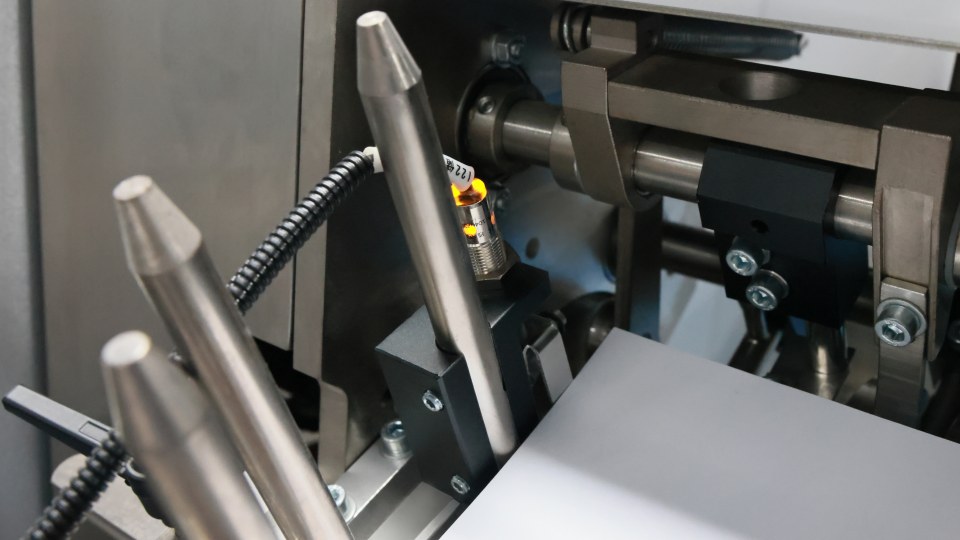
Figura 5 Detecção de estoque de folhetos
5. Detecção de formação e fechamento de caixas: Pare as caixas ruins antes do envio
5.1 Detecção de formação de caixa
A detecção de formação de caixa verifica se a caixa foi aberta e formada corretamente. Se a caixa não se levantar ou não se formar, a máquina cartonadora deve parar. Isso evita que a haste envie produtos para uma caixa não formada e evita danos aos produtos e às peças da máquina.
Este é um caso em que parar a máquina é melhor do que esperar rejeição automática mais tarde. Se a caixa não estiver formada, o próprio caminho mecânico pode se tornar inseguro para um impulso estável. A detecção de formação de caixa protege a próxima ação antes que ela aconteça.
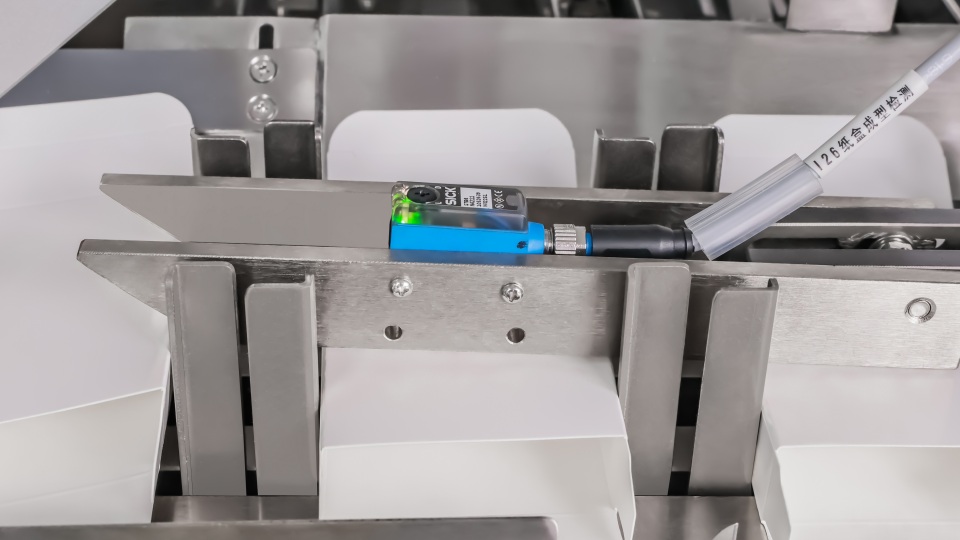
Figura 6 Detecção de formação de caixa
5.2 Finserção de volta e detecção de nível horizontal
Mesmo depois que o produto e o folheto entram na embalagem, a caixa finalizada ainda pode falhar na fase de fechamento. Dois olhos fotoelétricos são posicionados acima dos lados esquerdo e direito da saída do produto final para verificar se as linguetas ou abas da caixa estão inseridas corretamente.
Se algum dos lados não estiver bem inserido, a caixa pode ser rejeitada antes de chegar ao manuseio secundário ou envio. Esta inspeção ocular fotoelétrica para formação de caixas e inserção de abas ajuda a reduzir reclamações causadas por caixas abertas, abas soltas ou aparência ruim da prateleira.
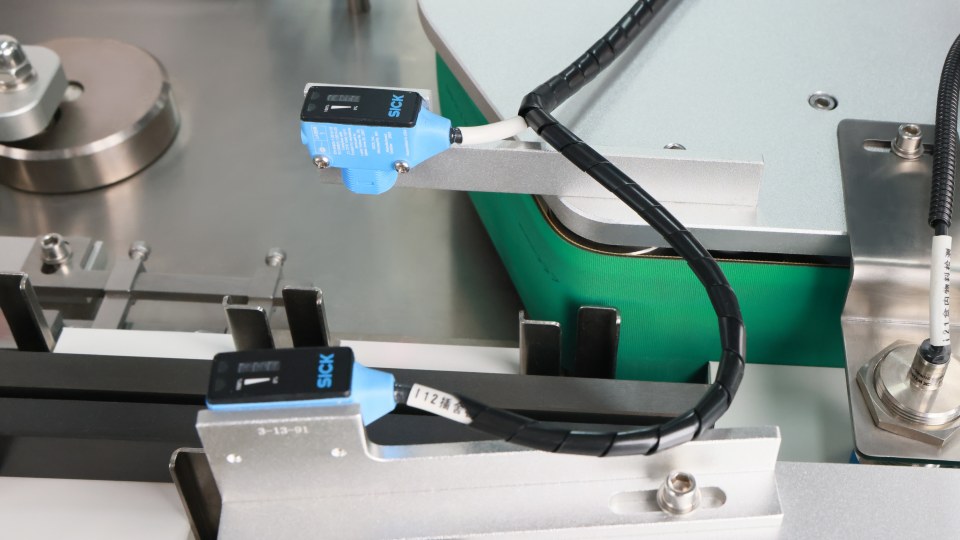
Figura 7 Inserção de flap e detecção de nível horizontal
6. Detecção de Metais: Confirme se as embalagens blister estão realmente dentro da caixa
6.1 Por que detecção de metais questões para embalagem de blister
Para embalagem de blister, detecção de metais pode verificar se a folha de alumínio está presente dentro da caixa. Se nenhum sinal de metal for detectado, o sistema pode julgar que pode não haver produto blister dentro da embalagem e rejeitá-lo.
Isso responde a uma questão prática: como a detecção de metais verifica blisters dentro de caixas. Não substitui todas as outras verificações do produto, mas adiciona uma camada de verificação útil quando o produto embalado contém folha de alumínio.
6.2 Quando detecção de metais deve ser combinado com outros pontos de inspeção
A detecção de metais não é adequada como único método para todos os produtos de embalagem. Garrafas, saquetas, tubos ou embalagens não metálicas podem exigir outra lógica de detecção. Por esta razão, a detecção de metais deve ser combinada com a detecção de quantidade de produto, detecção de folheto, detecção de formação de caixa e detecção de inserção de aba.
Um sistema confiável de inspeção de máquinas de embalagem deve corresponder ao formato do produto. Se a embalagem contiver blisters, detecção de metais pode ser valiosa. Se a embalagem contiver um frasco ou saqueta de plástico, a máquina deveria confiar mais na posição, quantidade, detecção de altura ou presença.
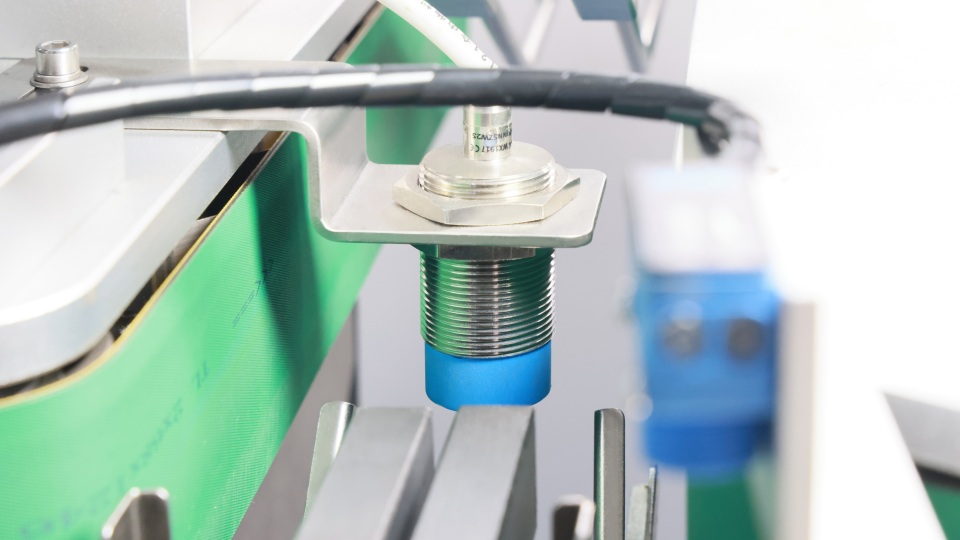
Figura 8 Detecção de metais
7. RQ-ZH-320W: UM Detecção de máquina de embalagem Opção para Linhas de Alta Velocidade
Para linhas de produção de alta velocidade, A máquina de encadernação horizontal Ruida Packing RQ-ZH-320W pode ser considerada quando pontos de detecção densos são necessários em todo o processo de encadernação. A máquina foi projetada para produtos farmacêuticos, suplementos de saúde, comida, equipamentos médicos e outros produtos que exigem embalagem rápida e precisa.
Sua lógica de inspeção abrange a alimentação de material, qualificação de quantidade de material, inspeção manual de instruções, manual de instruções detecção no local, detecção de posição de formação de caixa, inspeção da caixa de instruções, proteção de inserção de aba, detecção de nível horizontal de aba de caixa e detecção de metal. O objetivo é reduzir a falta de produtos, folheto faltando, carregamento errado, má formação da caixa e má inserção da aba antes que as caixas acabadas saiam da linha.
Este artigo não está dizendo que todas as linhas de produção precisam da mesma configuração de detecção. A melhor abordagem é começar pelo seu problema real: produtos faltando, erros de folheto, caixas vazias, caixas não formadas, má inserção da aba ou blisters faltando nas caixas. Em seguida, escolha um sistema de inspeção de máquina de embalagem que corresponda ao seu produto e à lógica de rejeição.
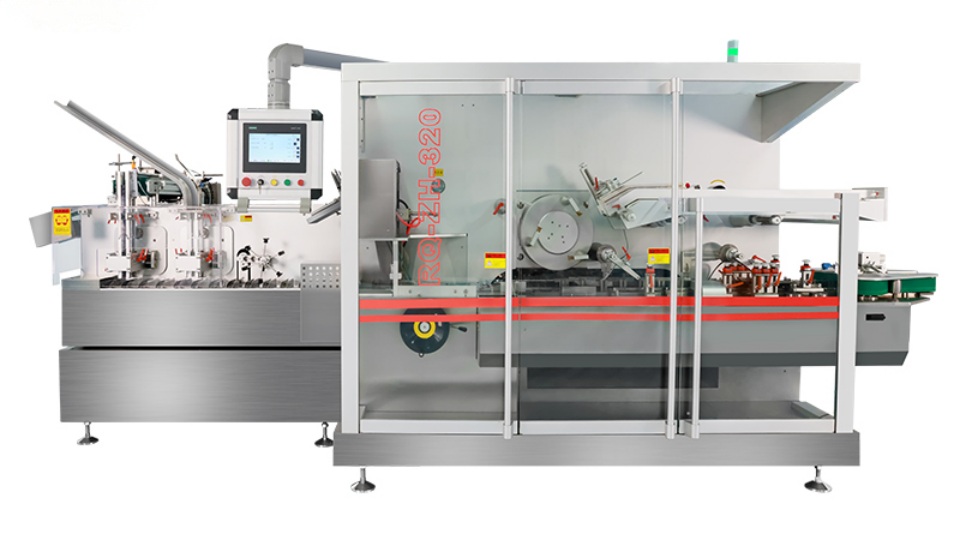
Figura 9 Máquina de encadernação horizontal RQ-ZH-320W
Perguntas frequentes
1. O que é detecção fotoelétrica de olho número máquina de cartonagem?
A detecção fotoelétrica do olho usa sensores para verificar se os produtos, folhetos ou caixas estão presentes nas posições exigidas. Em uma máquina cartonadora, esses sinais ajudam a controlar a alimentação, empurrando, formação de caixas, manuseio de folhetos, lógica de rejeição e parada da máquina.
2. Pode um máquina de encartuchamento parar caixas de alimentação quando não há produto?
Sim. Uma máquina de encadernação adequadamente projetada, nenhum produto, nenhuma função de embalagem pode evitar o desperdício de papelão. Isso ajuda a evitar desperdício de material.
3. O que acontece se o produto estiver presente, mas faltar o folheto?
Se o produto chegou normalmente, mas detecção de dobramento de folheto não encontra nenhum folheto, a máquina ainda pode completar o ciclo da caixa e rejeitar toda a caixa acabada na saída. Isso evita que uma embalagem sem folheto de instruções se torne um produto aceito.
4. Como é que um máquina de cartonagem detectar quantidade errada de produto?
Uma detecção de material no local ou quantidade olho fotoelétrico verifica se o grupo de produtos atinge a quantidade definida, altura ou posição. Se o produto estiver faltando, excessivo ou não no lugar, o grupo de materiais pode ser rejeitado diretamente.
5. Por que detecção de formação de caixa às vezes pare a máquina?
Se a caixa não ficar em pé ou não se formar corretamente, empurrar os produtos para frente pode danificá-los ou causar um emperramento mecânico. Nesse caso, detecção de formação de caixa deveria parar a máquina em vez de esperar pela rejeição final.
6. Por que são dois inserção de retalho detecção sensores usados na saída final?
Dois sensores podem verificar os lados esquerdo e direito da caixa acabada. Se a lingueta ou aba da caixa não estiver inserida corretamente, a caixa pode ser rejeitada para evitar má qualidade de vedação da caixa.
7. Quais informações devem ser preparadas antes de escolher um sistema de inspeção de máquina de embalagem?
Prepare seu tipo de produto, tamanho da caixa, tamanho do folheto e método de dobramento, quantidade necessária por caixa, método de alimentação, estilo de fechamento da caixa e requisitos de rejeição. Esses detalhes ajudam a determinar os pontos corretos de detecção da máquina de encadernação.
Referências
[1] Grupo Marchesini
https://www.marchesini.com/en/machines-lines/vision-systems-for-cartoners
[2] Uhlmann
https://www.uhlmann.de/en/products-and-solutions/cartoners
[3] Syntegon
https://www.syntegon.com/solutions/food/cartoning-machine
[4] HÁ
https://www.pharmaceuticalonline.com/doc/ima-a94-continuous-motion-horizontal-cartonin-0001