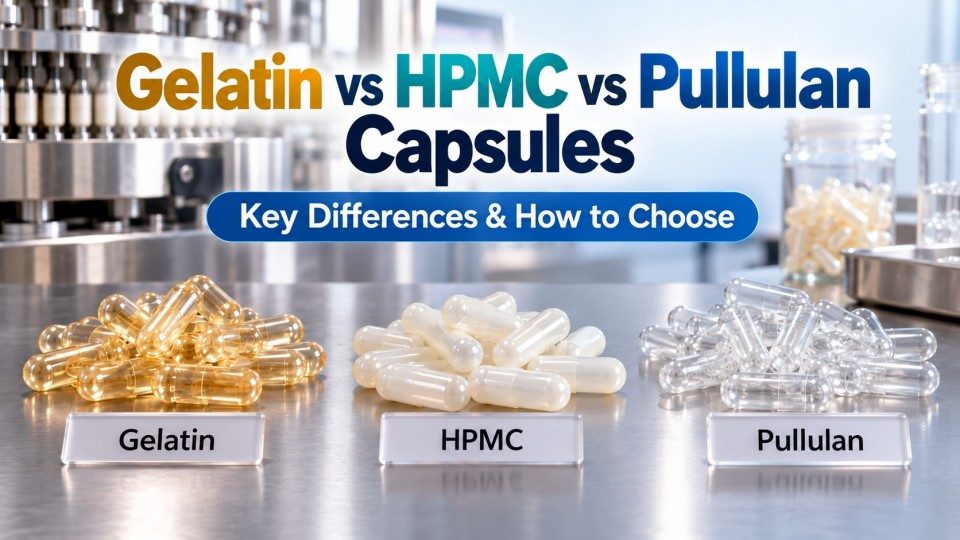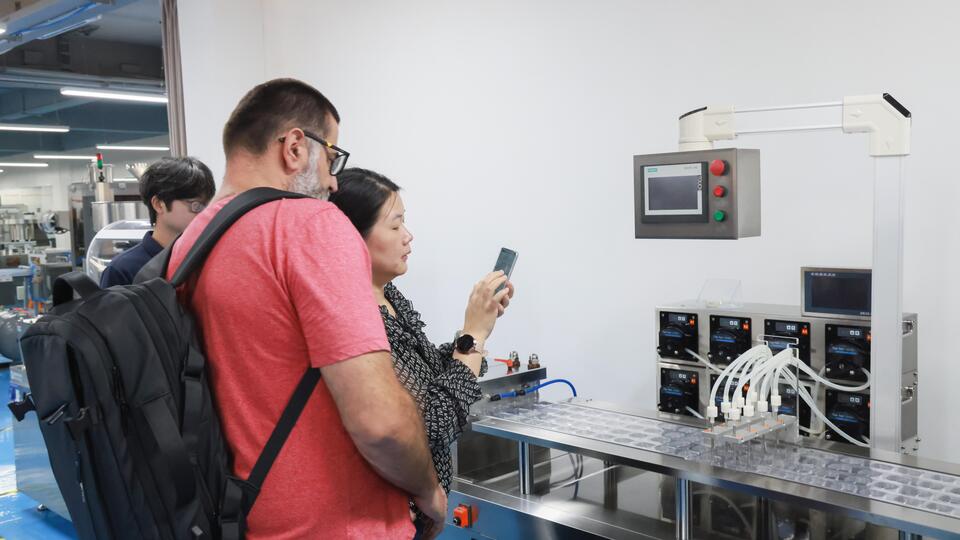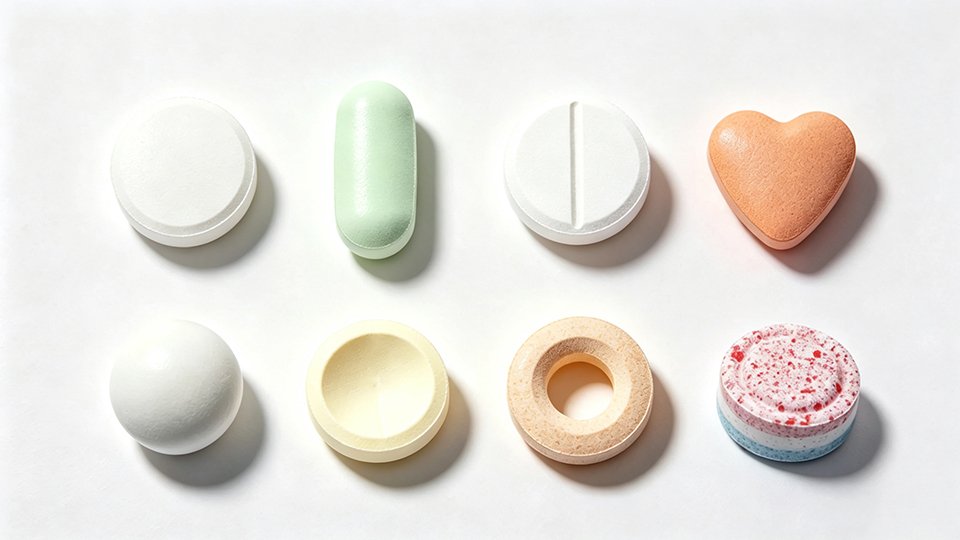
Контрактное фармацевтическое производство позволяет владельцу продукта передать выбранные разработки на аутсорсинг., производство, или упаковочную деятельность квалифицированному партнеру-производителю. Объем может варьироваться от создания устоявшейся формулы до поддержки передачи технологий., масштабирование процесса, коммерческие партии, и окончательная упаковка.
В этих проектах часто встречаются две модели обслуживания.: контрактная производственная организация, или директор по маркетингу, и контрактная организация по разработке и производству, или CDMO. Их обязанности часто пересекаются, но они обычно входят в проект на разных стадиях и обеспечивают разные уровни технической поддержки..
Успех любой модели зависит не только от имеющихся производственных мощностей.. Партнеру-производителю также необходимо подходящее оборудование., контролируемые переключения, повторяемые настройки процесса, эффективные процедуры очистки, системы контроля, и четкие обязанности по обеспечению качества.
Что такое фармацевтическое контрактное производство?
Контрактное фармацевтическое производство — это соглашение, при котором владелец продукта нанимает внешнее предприятие для выполнения определенных производственных или упаковочных операций.. Владелец продукта предоставляет требования к продукту., стандарты качества, целевой результат, и рыночные характеристики, пока партнер-производитель поставляет оборудование, персонал, производственные системы, и технические возможности, необходимые для завершения согласованной работы.
Объем варьируется в зависимости от проекта. Некоторые компании уже имеют стабильную рецептуру и налаженные параметры производства.. В основном им нужны дополнительные производственные мощности, квалифицированное оборудование, или доступ к форматам упаковки, которые недоступны на их собственном предприятии.
Другие проекты требуют более широкой поддержки, прежде чем можно будет начать коммерческое производство.. Это может включать корректировку рецептуры, разработка процесса, передача технологий, опытное производство, оптимизация параметров, проверочные партии, и масштабирование от меньшего процесса до полного производственного оборудования.
Упаковка также может составлять важную часть услуги контрактного производства.. В зависимости от продукта и объекта, партнер-производитель может справиться:
- Блистерная упаковка для таблеток и твердых капсул.
- Подсчет таблеток и капсул и розлив в бутылки
- Упаковка в саше или стик-пакет для порошков и гранул.
- Укупорка бутылок, индукционная герметизация, маркировка, и кодирование
- Картонирование, вставка листовки, инспекция, и автоматический отказ
Аутсорсинг производства не снимает с владельца продукта ответственности за качество.. Обеим сторонам необходимы четко определенные процедуры утверждения материалов., производственные записи, тестирование, отклонения, изменения процесса, выпуск продукта, жалобы, и напоминает. Эти обязанности обычно фиксируются в письменном соглашении о качестве до начала регулярного производства..
Для основных групп клиентов Ruida Packing, Контрактное фармацевтическое производство особенно актуально для твердых лекарственных препаратов для перорального применения и их упаковки.. Контрактное предприятие по производству планшетов, твердые капсулы, порошки, или гранулы часто должны поддерживать разные размеры партий, характеристики продукта, форматы инструментов, размеры контейнера, и спецификации упаковки для нескольких проектов клиентов. Это делает гибкость производства и совместимость оборудования центральными частями производственной модели..
CMO против CDMO: В чем разница?
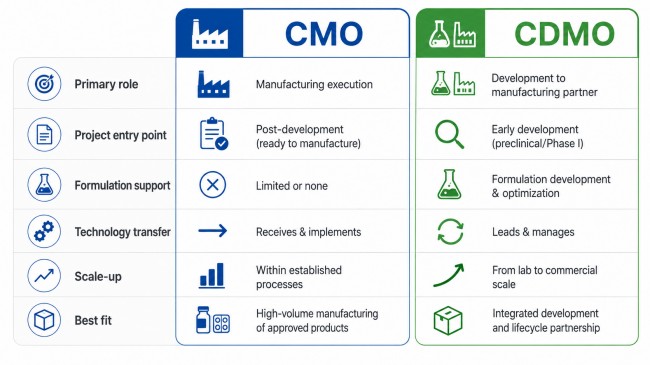
Директор по маркетингу в основном обеспечивает производственные мощности и выполнение производства.. Клиент обычно передает установленную формулу, утвержденные спецификации, и определенный процесс. Затем директор по маркетингу адаптирует проект к своему объекту., завершает согласованную производственную деятельность, записывает партию, и поставляет готовую продукцию согласно договору.
CDMO сочетает поддержку разработки с производством.. Он может присоединиться раньше, когда формула, метод производства, аналитический подход, или план расширения все еще нуждается в доработке. Затем тот же партнер может поддерживать пилотные партии., передача процесса, проверка, коммерческое производство, и упаковка.
Граница не абсолютна. Некоторые директора по маркетингу предоставляют поддержку в разработке или расширении масштабов., в то время как некоторые CDMO специализируются на ограниченном диапазоне лекарственных форм.. Подписанное соглашение и реальные возможности объекта имеют большее значение, чем название, используемое в его маркетинге..
| Сравнение | директор по маркетингу | CDMO |
| Основная роль | Производственные мощности и исполнение | Комплексная разработка и производство |
| Типичная точка входа | После того, как процесс в значительной степени определен | Во время формулирования, разработка, или масштабирование |
| Поддержка рецептур | Зависит от провайдера | Обычно включено |
| Передача технологий | Получает и применяет установленный процесс | Помогает оптимизировать и перенести процесс |
| Масштабирование | Переносит производство на имеющееся оборудование | Связывает разработку с коммерческим производством |
| Аналитическая поддержка | Зависит от объекта | Обычно более широкий |
| Лучше всего подходит | Определенный продукт, требующий мощности | Продукт, требующий непрерывности разработки |
Когда директор по маркетингу подойдет лучше
Директор по маркетингу часто подходит, когда у владельца продукта уже есть стабильная формула., установленные характеристики, и опытная техническая команда. Основная потребность – надежная мощность, последовательное исполнение, квалифицированное оборудование, или доступ к необходимому формату упаковки.
Он также может поддерживать зрелые продукты, которым требуется второй источник производства или дополнительная продукция в периоды высокого спроса..
Когда CDMO лучше подходит
CDMO более подходит, когда продукт все еще требует доработки., оптимизация процесса, аналитическая поддержка, опытное производство, или коммерческое масштабирование. Сохранение разработки и производства в рамках одной организации может сократить количество операций с поставщиками и сохранить техническую непрерывность..
Окончательный выбор должен отражать лекарственную форму., диапазон партии, целевой рынок, требование к упаковке, оборудование, и график проекта.
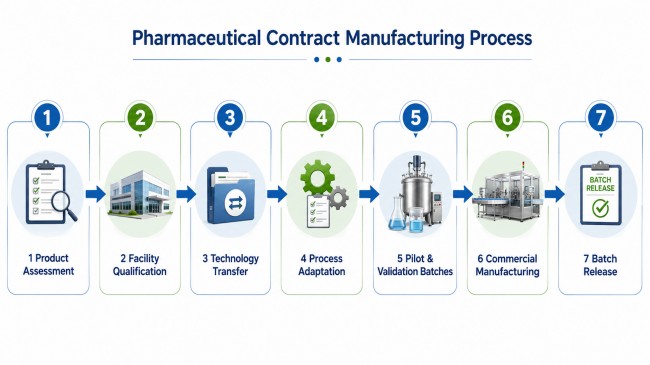
Как работает процесс фармацевтического контрактного производства?
Процесс начинается до того, как материалы поступают в производство.. Обе стороны сначала подтверждают, является ли проект, средство, оборудование, система качества, и график совпадают.
1. Оценка продукта и проекта
Партнер-производитель проверяет лекарственную форму., статус формулировки, характеристики материала, целевой размер партии, годовая потребность, требования рынка, и формат упаковки. Эта оценка определяет, соответствуют ли имеющиеся средства и оборудование продукту..
2. Соглашение о квалификации объекта и качестве
Владелец продукта оценивает систему качества, персонал, оборудование, управление очисткой, документация, история производства, и доступная мощность. В соглашении о качестве затем распределяются обязанности по материалам., производственные записи, тестирование, отклонения, изменения, выпускать решения, жалобы, и напоминает.
3. Передача технологий
Трансферный пакет может включать в себя основную формулу, инструкции по изготовлению, критические параметры процесса, аналитические методы, требования к уборке, характеристики, и детали упаковки.
Успешная передача требует от принимающей команды понимания, как ведут себя материалы и как процесс следует воспроизвести на различном оборудовании.. Одной отправки документов недостаточно..
4. Адаптация процессов и масштабирование
Настройки часто требуют корректировки, когда производство переходит от оборудования для разработки к коммерческому оборудованию.. Время смешивания, скорость подачи, сила сжатия, настройки дозирования капсул, условия покрытия, и параметры уплотнения могут меняться в зависимости от размера и конструкции оборудования..
Цель состоит в том, чтобы защитить важные характеристики продукта и одновременно создать повторяемый коммерческий процесс..
5. Пилотные и проверочные партии
Пилотные или инженерные партии проверяют переданный процесс, подтвердить настройки оборудования, оценить урожайность, и определить эксплуатационные пределы. Проект также может потребовать упаковки, уборка, или обработать проверочные партии перед повседневным производством.
6. Коммерческое производство и упаковка
Для пероральных твердых продуктов, коммерческое производство может включать подготовку материала, смешивание или грануляция, сжатие таблеток или заполнение капсул, покрытие, первичная упаковка, вторичная упаковка, инспекция, и завершение пакетной записи.
Последующий процесс зависит от окончательной упаковки. Блистерные упаковки, бутылки, саше, и стик-паки требуют разного кормления, уплотнение, инспекция, и организация картонной упаковки.
7. Пакетный выпуск и контроль изменений
Тестирование, рассмотрение документа, выпускать, хранилище, и отгрузка завершает партию. Последующие изменения в материалах, оборудование, оснастка, программное обеспечение, упаковка, или параметры процесса требуют формальной оценки, поскольку они могут повлиять на утвержденный процесс.
Какие требования к оборудованию важны для фармацевтического контрактного производства?
Контрактные производители часто используют несколько формул., спецификации заказчика, размеры партии, форматы инструментов, и типы пакетов. Их оборудование должно поддерживать этот вариант, не ослабляя контроль процесса..
Гибкие размеры партий и стабильный результат
Максимальная скорость — это только часть планирования мощности.. Предприятию также следует учитывать наименьшую практическую партию., стартовый убыток, устойчивость на низких скоростях, усилия по уборке, и полезный выходной диапазон.
Роторный таблеточный пресс должен стабильно работать в требуемом диапазоне скоростей.. Машина для наполнения капсул должна соответствовать размерам капсул., характеристики порошка, метод дозирования, и объем партии. Негабаритное оборудование может увеличить материальные потери, уборочные работы, и эксплуатационные расходы при небольших заказах.
Быстрые и контролируемые переключения
Многопрофильные предприятия заменяют планшетные инструменты, части для дозирования капсул, блистерные формы, направляющие для бутылок, подсчет каналов, и чаще упаковывать детали в картонные коробки.
Хорошая смена сочетает в себе скорость и контроль.. Операторам необходима четкая идентификация деталей, повторяемые настройки, проверка зазора на линии, и документальное одобрение до начала следующей партии. Более короткое время переналадки не имеет большого значения, если предыдущие этикетки, части, или настройки остаются на линии.
Очищаемость и контроль порошка
Оборудование должно иметь доступные части, контактирующие с продуктом., гладкие поверхности, ограниченные зоны удержания порошка, съемные компоненты подачи, и эффективный сбор пыли там, где это необходимо.
Конструкция из нержавеющей стали сама по себе не гарантирует легкой очистки.. Уплотнения, углы, винты, дозирующие части, и точки перегрузки влияют на сохранение остатков. Процедуры очистки также должны соответствовать продукту и риску, связанному со следующей партией..
Воспроизводимые параметры и производственные записи
Операторам необходимо контролировать и записывать скорость машины., наполняющий вес, сила сжатия, температура уплотнения, давление уплотнения, пределы отклонения, и порционные рецепты.
Системы ПЛК и HMI могут поддерживать управление рецептами., доступ пользователя, сигналы тревоги, и производственные записи. Функции данных должны соответствовать требованиям документации предприятия и целевым рынкам, а не добавляться как неподтвержденные заявления о соответствии..
Линейный контроль и автоматическая отбраковка
В зависимости от продукта и упаковки, линия может включать контроль веса, обнаружение недостающего продукта, проверка количества бутылок, проверка крышки или фольги, проверки кодирования, проверка этикетки, контрольное взвешивание, и автоматический отказ.
План проверки должен быть основан на рисках.. Целью является контроль дефектов, которые могут повлиять на качество продукции., прослеживаемость, или комплектность упаковки, не устанавливать каждый доступный модуль в каждой строке.
Гибкость упаковки
Разным клиентам могут потребоваться блистерные упаковки., бутылки с лекарствами, саше, палочки, этикетки, листовки, или коробки разных размеров. Поэтому упаковочную линию следует оценить на соответствие диапазону форматов., метод кормления, позиция кодирования, совместимость проверок, время переключения, и линейная интеграция.
| Продукт или процесс | Общее оборудование | Ключевые требования к контрактному производству |
| Таблетки | Миксер, гранулятор, ротационный таблеточный пресс, машина для нанесения покрытий | Гибкость инструментов, стабильные настройки, и доступная уборка |
| Твердые капсулы | Машина для наполнения капсул, капсульный полировщик | Изменение размера капсулы, постоянство дозирования, и контроль порошка |
| Блистерная упаковка | Блистерная упаковочная машина, визуальный осмотр, картонажная машина | Смена формата, контроль уплотнения, и обнаружение недостающего продукта |
| Упаковка бутылок | Линия подсчета таблеток и капсул, устройство для введения осушителя, укупорочное и герметизирующее оборудование | Точность подсчета, гибкость бутылки, и синхронизация линий |
| Пакетики и стик-пакеты | Машина для упаковки в саше или машина для упаковки в стик | Система дозирования, соответствующая материалу |
| Вторичная упаковка | Этикетировочное и картонажное оборудование | Точность кодирования, контроль листовок, и многоформатная обработка |
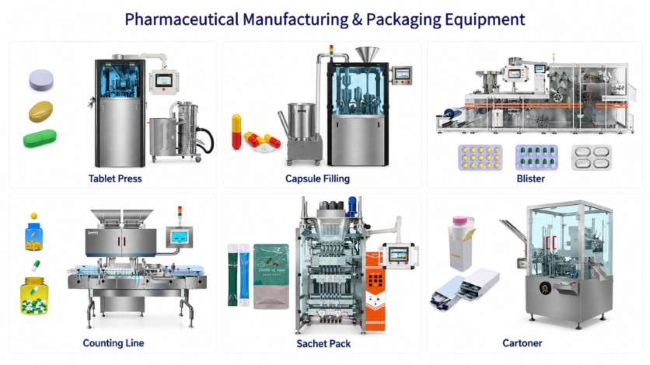
Ruida Packing поставляет таблеточный пресс, машина для наполнения твердых капсул, блистерная машина, машина для розлива таблеток или капсул , машина для упаковки в саше, и картонажное оборудование для фармацевтического производства и упаковочных проектов. Для объекта CMO или CDMO, Выбор оборудования следует начинать с лекарственной формы, диапазон партии, требование очистки, частота переключения, и спецификация пакета, а не только максимальный заявленный результат.
Как компаниям следует оценивать партнера по контрактному фармацевтическому производству?
Способному партнеру нужно больше, чем просто свободные производственные мощности. Его технический опыт, оборудование, система качества, документация, и общение — все это влияет на эффективность проекта.
Оценка должна охватывать:
- Опыт применения лекарственных форм: Знание типа продукта., материальное поведение, технологические риски, и способ упаковки.
- Качество и документация: Аудиты, обработка отклонений, контроль изменений, записи проверки, управление данными, и пакетная документация.
- Емкость и соответствие партии: Минимальный размер партии, доступные производственные слоты, возможность масштабирования, Время выполнения, и пространство для роста.
- Оборудование и упаковка подходят: Существующие машины, оснастка, системы контроля, диапазон форматов, и любые необходимые инвестиции.
- Коммуникабельность и ответственность: Владение проектом, частота отчетности, рабочий процесс утверждения, отклонение связи, и полномочия принятия решений.
Лучший партнер — не всегда самый крупный объект. У правильного директора по маркетингу или CDMO есть опыт работы с продуктом., масштаб производства, гибкость оборудования, контроль качества, и поддержка проекта, необходимая для конкретного задания.
Заключение
Контрактное фармацевтическое производство обеспечивает доступ к производственным мощностям, техническая поддержка, и упаковочные системы, не требуя от каждого владельца продукта построить комплексное предприятие..
Директор по маркетингу обычно подходит для известных продуктов, которые в основном нуждаются в надежном производстве.. CDMO поддерживает более широкий путь от разработки и передачи технологий до коммерческого производства.. В обеих моделях, успех зависит от четких обязанностей, контролируемый производственный процесс, и фармацевтическое оборудование выбран для реальной партии, уборка, переключение, инспекция, и требования к упаковке.
Часто задаваемые вопросы
Что такое фармацевтическое контрактное производство?
Это соглашение, при котором владелец продукта назначает определенные производственные, тестирование, или упаковку деятельности на внешнее квалифицированное предприятие. Обязанности документированы в соглашениях об обслуживании и качестве..
В чем основная разница между CMO и CDMO??
Директор по маркетингу в основном производит признанный продукт.. CDMO также поддерживает работу по формулированию, оптимизация процесса, передача технологий, аналитическая деятельность, и масштабирование. Фактические объемы услуг различаются у разных поставщиков..
Включает ли контрактное фармацевтическое производство упаковку??
Да. Услуги могут включать блистерную упаковку., Таблетка и капсула роилки, машина для упаковки в саше или машина для упаковки в стик, маркировка, кодирование, инспекция, и упаковка в картонные коробки, когда на предприятии имеется необходимое оборудование и утвержденные процедуры..
Кто несет ответственность за качество продукции?
Обе стороны сохраняют определенные обязанности. В соглашении о качестве должно быть указано, кто контролирует материалы., производство, тестирование, отклонения, изменения, выпускать, жалобы, и напоминает.
Какое оборудование необходимо для контрактного производства твердых лекарственных форм для перорального применения??
Для проекта может потребоваться оборудование для смешивания или грануляции., ротационный таблеточный пресс или машина для наполнения капсул, оборудование для нанесения покрытий, блистерные или бутылочные упаковочные системы, маркировка, инспекция, и картонажные машины. Конечная конфигурация зависит от лекарственной формы., размер партии, характеристики материала, и тип упаковки.
Ссылки
Европейская комиссия, ЕвдраЛекс Объем 4, Глава 7: Аутсорсинговая деятельность.