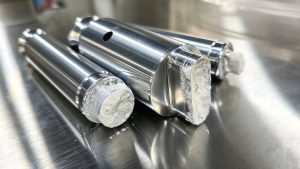
Ever wondered how two tablets with the same tablet formulation are shaped by tablet press differently?
A pharmaceutical tablet is not simply a result of compression, and the final tablet shape is the result of a surprisingly precise interaction between powder, давление, tablet punches, and the tablet press dies. In pharmaceutical and dietary supplement manufacturing, the tablet shape is not simply a design choice. It must also work with the tablet formulation, compression process, оснастка, и производственные требования. This guide explains how different types of tablet compression tooling forms different pharmaceutical tablet shapes, how the compression cycle works, and what manufacturers should know when installing special-shaped punches.

Основные выводы
- What a pharmaceutical tablet is and how it is manufactured
- Why manufacturers use different pill shapes for different products and requirements
- How punches, умирает, and tooling determine the final tablet shape
- How to install tablet punches and dies, with a focus on keyway alignment for special-shaped tooling
- How Ruida’s customized tablet tooling and machine configuration can support pharmaceutical and nutraceutical production
1. What Is a Tablet and How Is It Made?
Pharmaceutical Tablets Meaning
A tablet is a pharmaceutical solid oral dosage form made by compressing a powder or granule blend into a precise pill shape and size. In pharmacy, a compressed tablet is typically defined as a medication which may be circular, кольцевидный, concave or other shape.
A typical pharmaceutical tablet or dietary supplement tablet may contain an active ingredient together with excipients such as fillers, связующие, and lubricants. The exact composition of tablets depends on more on the enterprise’s commercial strategies.

The процесс изготовления планшета generally follows these stages:
- Формулировка: Blend the ingredients together and go through granulation
- Начинка: The tablet die cavity is filled with powder
- Pre-Compression/ Compression: The powder is pressed by upper and lower tablet punches into a solid oral tablet
- выброс: The finished compressed tablet is ejected from the die
- Покрытие: Tablets may be coated for stability, маскировка вкуса, or controlled release
How Tablet Compression Works Inside A Tablet Press
The basic tablet compression cycle is easier to understand as four steps.
Шаг 1: Порошковая начинка
The lower tablet punch moves downward, creating space inside the die cavity. Powder or granules are then fed into this space. The lower punch position controls the available fill volume, serving as a critical part of tablet weight control.
Шаг 2: Предварительное сжатие
Some rotary pill presses pre-compress the powder before main compression to remove the air in the powder and the dies. This helps improve the powder plasticity.
Шаг 3: Основное сжатие
The upper and lower punches move toward each other and apply the main force. Inside the die, powder particles rearrange and consolidate into a solid oral tablet.
This is the heart of tablet compression. The press supplies the force, but the tablet tooling determines where that force acts and what geometry the tablet receives.
Шаг 4: выброс
После сжатия, the compressed tablets will be ejected by lower punches and then move outward through discharge chute.
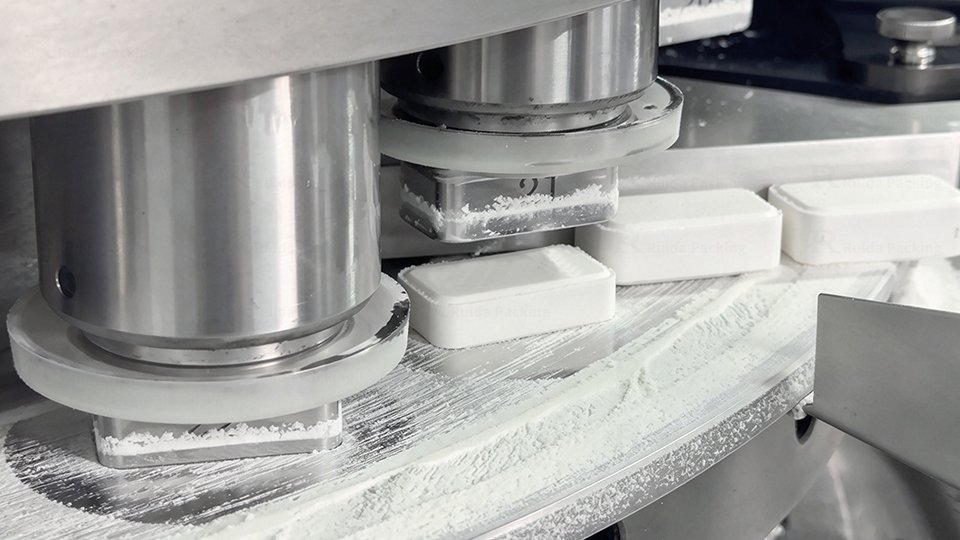
2. Tablet Shape Explained: Why Different Shapes Exist And How Are Tablets Shaped?
Why Are There Different Tablet Shapes?
Walk into a pharmacy and you will quickly notice that shapes of pills vary dramatically. Some are round, some are oval or oblong, and others are more unusual like heart- and dog-shape.
Why do manufacturers produce so many different shapes of pills?
Фактически, tablets shape is a result of a complex of factors. Different tablet shapes can affect swallowing, product identification, производство, and visual differentiation. Research has repeatedly shown that size and shape influence how people perceive and swallow an oral tablet. In one study, 151 participants were assessed for tablet and capsule swallowing, и 55.6% reported difficulties swallowing solid dosage forms.

Professor Alan Perkins of the University of Nottingham described swallowing tablets as, for many patients, “an unrecognised problem.” That makes the shape of a pill more than an aesthetic question.
Для производителей, different pill shapes can also help distinguish products, establish a strong brand image, and provide more surface area for embossing or identification.
What Determines The Tablet Shape?
Here is the key idea:
The tablet shape is primarily defined by the shape of the punch tips and the internal shape of the die cavity.
С одной стороны, the tablet press die endows the tablet with outline, то есть, is it round or other custom shapes? The upper and lower punch tips then determine the surface contour, including flat and concave faces.
This is why tablet compression tooling is so closely connected to tablet shape. A tablet press may provide the compression force, but the tooling gives that force a specific form.
Common Tablet Shapes
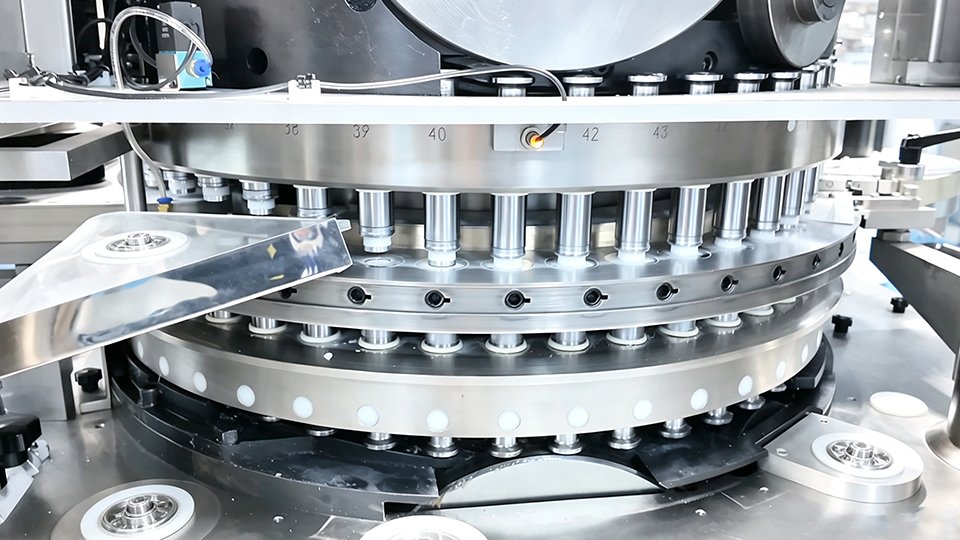
Common tablet shape types include round, овал, треугольный, scored, diamond, ring shapes, в форме сердца, and other special-shaped tablets.
Round tablets remain the most common tablet shapes because their geometry is relatively simple and compression forces can be distributed around the tablet efficiently.
Interestingly, а 2026 study involving 280 participants found that the acceptability of smaller tablet formulations reached 96.4%, while acceptability for a large round tablet was 67.2%. Shape should therefore be considered together with tablet size rather than treated as an isolated design choice.
3. Tablet Compression Tooling: Punches And Dies For Tablets
Так, what exactly is tablet press tooling?
A standard tooling set consists of three main parts:
Upper Punch + Lower Punch + Die
These punches and dies for tablets work together during compression.
When a pill press machine works, the upper punch moves downward into the die and applies pressure to the powder to from above. The lower punch supports the powder from leaking, controls the fill depth, and later pushes the finished tablet out of the die.
The different types of tooling mainly come from differences in punch geometry, die profile, tooling standard, and special features.
Common punch tooling types include:
- Flat punches
- Concave punches
- Bevel-edge punches
- Scored or lettered punches
- Special-shaped punches
- Multi-tip punches
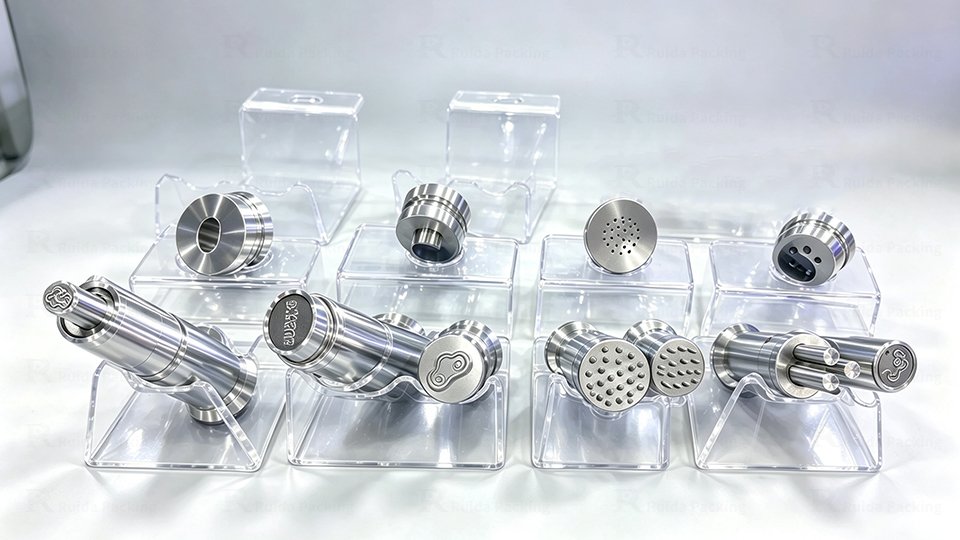
For everyday tablet production, flat punches and embossed punches are common punch tooling types. Flat punches have a flat face for simple tablet designs, while embossed punches add scores, letters, numbers, or logos directly during сжатие планшета. Bevel-edge punches can also be used to create a defined oral tablet edge and help reduce edge damage.
For more specific requirements, concave punches create curved tablet faces, while multi-tip punches allow several tablets to be compressed by one punch. Special-shaped punches are made for customized tablet shapes, such as heart, or triangular tablets, and are normally used with matching punches and dies for tablets.
4. How Different Tablet Press Tooling Forms Different Tablet Shapes
Б, ББ, & D Tooling: What Do They Have To Do With Tablets?
When we talk about tablet press tooling, Б, ББ, & D are never absent. This is also where tablet tooling types can easily be misunderstood.
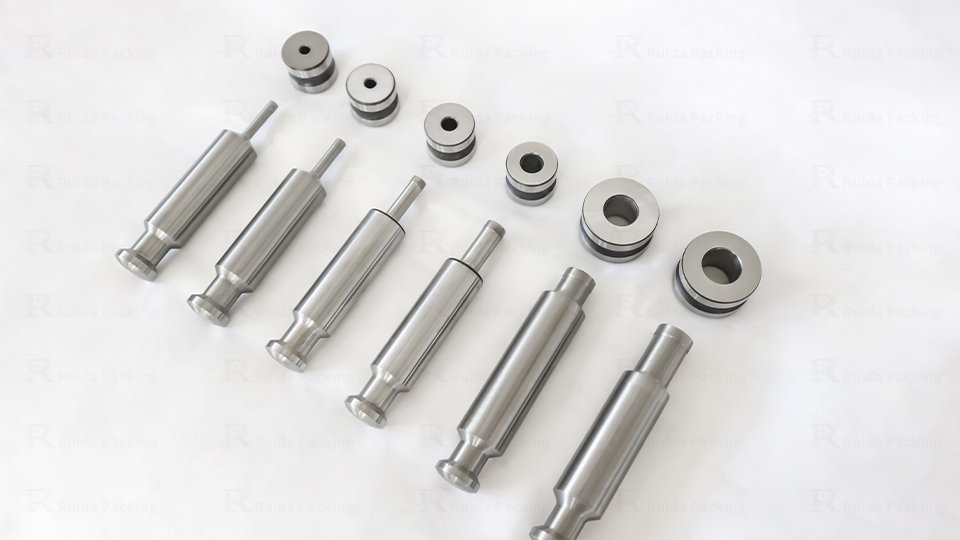
Б, ББ, and D are tooling configurations, not tablet shapes.
Б, ББ, and D refer to different tooling configurations used on tablet presses, with variations in punch and die dimensions. The selected configuration can affect the tablet size a press can produce, how many tooling stations the turret can accommodate, and the overall production setup.
Table 2-B, ББ, and D Tooling and their tablet diameter
| Tooling Configuration | Example Maximum Round Tablet Diameter |
|---|---|
| Д | 23.8 мм |
| Б | 17.5 мм |
| ББ | 16.0 мм |
Б, ББ, and D are different tooling configurations, mainly distinguished by punch and die dimensions. В общем, B and BB tooling are suited to smaller tablet sizes and can allow higher station density, while D tooling provides more room for larger tablets and longer dwell times.
But these codes do not define the tablet shape. A B or D tooling setup can be fitted with round, овал, продолговатый, or other compatible punch and die profiles. Проще говоря, B/BB/D refers to the tooling configuration, while the punch tip and die cavity create the tablet shape.
5. How Are Custom Shape Tablet Punches Aligned?
Good tablet press tooling installation starts with the basics, especially when special-shaped punches are installed. During installation, their orientation needs to match the die, not just their dimensions. Because these punches have a specific profile, they must enter the die cavity in the intended direction to form the required tablet correctly.
To make this possible, the punch is designed with a keyway, and the die has a corresponding positioning feature. During tablet compression tooling installation, the punch keyway should be aligned with the matching position on the die before the tooling is fixed in place. This keeps the upper and lower punches properly oriented during tablet manufacturing.
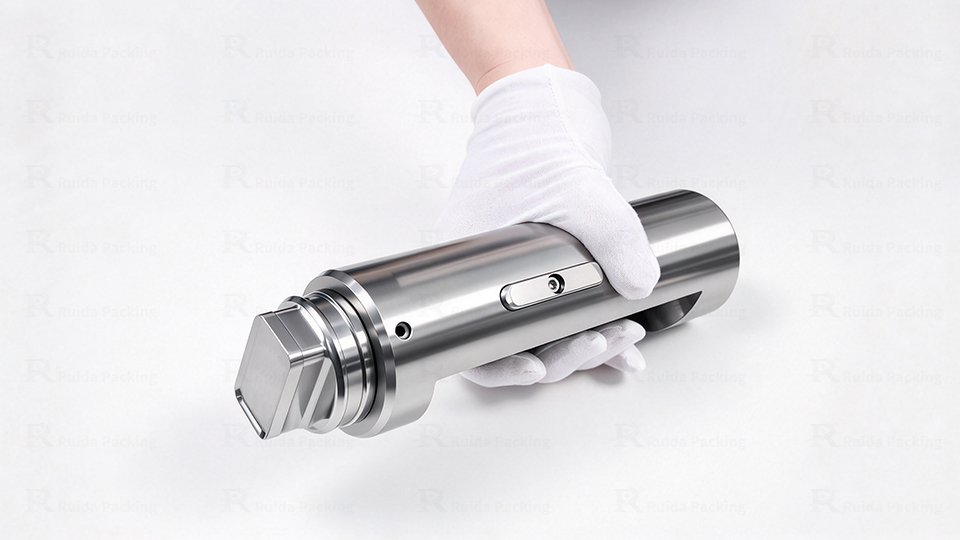
Correct keyway alignment allows the punch tips and die cavity to work together as designed, giving the tablet its intended profile and keeping the upper and lower sides consistent. This is especially important when producing custom-shaped tablets, where incorrect orientation can directly affect the final tablet shape
6. Tablet Press Tooling And Machine Support From Ruida
Руида упаковка, Guangdong Rich Packing Machinery Co., ООО, was founded in 2015 and now has more than 10 years of experience in pharmaceutical machinery manufacturing. More than 30% of its employees are part of the R&команда Д, supporting continuous equipment and tooling development.
Ruida has SGS and Dun & Bradstreet certification, and its machines are designed in accordance with relevant CE and cGMP requirements for pharmaceutical and nutraceutical manufacturing applications.
Tablet Press Tooling And Machine Support From Ruida
For manufacturers with specific tablet shape requirements, Ruida provides customized punch and die services based on tablet dimensions, profile, тиснение, и производственные требования.
Additional spare punches and dies can also be provided, giving production teams backup tooling for faster переналадки и обслуживание.
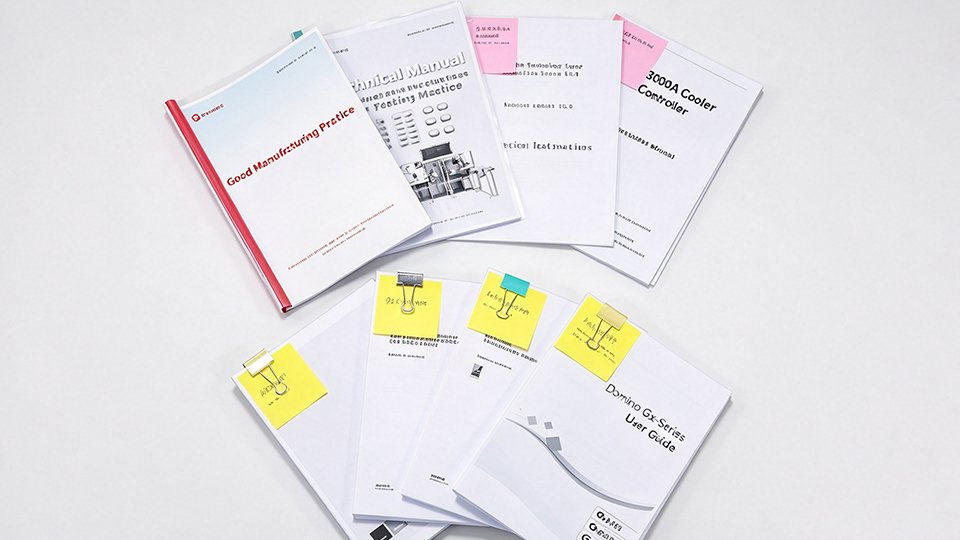
Ruida also provides one year of free replacement for core components according to its service terms. For international customers, key electrical components can be customized with brands such as Siemens, АББ, and Omron, which can make future обслуживание and replacement more convenient.
7. Заключение: Matching Tablet Shape With The Right Tooling
The right tablet shape starts with the right tooling. The die defines the tablet outline, while the punch profile shapes its surface during compression. Choosing suitable tablet compression tooling helps manufacturers achieve consistent tablet quality and production.
For custom tablets, the required punches and dies can be designed around the product’s size, форма, and production needs.
8. Часто задаваемые вопросы
Q1: What Is Tablet Compression Tooling?
Tablet compression tooling is the set of punches and dies used inside a tablet press to contain and compress powder into a specific tablet profile. A basic set includes an upper punch, lower punch, and die.
2 квартал: What Are The Most Common Tablet Shapes?
Common tablet shapes include round, овал, треугольный, в форме сердца, кольцевидный,и т. д.. Round and oval formats are widely used, while custom shapes may be selected for product identification, брендинг, or specific product requirements.
Q3: What Is A Biconcave Tablet And How Is It Shaped By The Punch?
The term biconcave tablet can be confusing. In conventional tablet compression, a tablet with outward-curved faces is normally called biconvex. It is produced using concave upper and lower punch faces. The concave punch profile creates convex surfaces on the finished tablet.
Q4: Can One Tablet Press Produce Different Tablet Shapes?
Да. A compatible tablet press can generally produce different shapes by changing the appropriate punches and dies for tablets. The new tooling must match the press specifications, die size, punch dimensions, and required tablet geometry.
Q5: Why Does The Keyway Need To Be Aligned When Installing Special-Shaped Punches?
Because a special-shaped punch cannot simply rotate inside the machine. Keyway alignment keeps the punch tip in the correct orientation relative to the die cavity.
9. Ссылки
[1] Фармакопея США (USP): 〈1245〉 Compaction Simulation
USP General Chapter 〈1245〉 Compaction Simulation
[2] НАС. Еда & Администрация лекарств: Dosage Form and Route of Administration
FDA Dosage Form and Route of Administration
[3] Hummler H., Stillhart C., et al.: Impact of Tablet Size and Shape on the Swallowability in Older Adults
ПабМед: Impact of Tablet Size and Shape on the Swallowability in Older Adults
[4] Investigation of the Intake Process of Different Tablets by Assessment of Swallowability and Palatability… 2026
ПабМед: Investigation of the Intake Process of Different Tablets