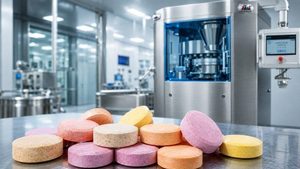
The процесс изготовления планшета превращает порошки и гранулы в готовые таблетки с контролируемым весом, сила, размер, появление, и стабильность. В фармацевтическом и нутрицевтическом производстве, Качество планшета строится на основе взаимосвязанных этапов: подготовка сырья, смешивание порошка таблеток, гранулирование таблеток или прямое прессование, сжатие планшета, покрытие таблетки, тестирование планшета, и окончательная упаковка таблеток.
Каждый этап влияет на следующий. Плохая сыпучесть порошка таблеток может привести к изменению веса таблеток.. Нестабильное сжатие планшета может привести к ограничению, прилипание, ламинирование, или слабая твердость таблетки. Твердость таблетки может повлиять распад таблетки, качество покрытия планшета, и поломка таблетки во время обращения. Таблетка, которая выходит из таблетпресса в хорошем состоянии, все равно нуждается в соответствующем покрытии и упаковке таблетки, чтобы оставаться стабильной перед использованием..
Большинство формул таблеток готовятся для прессования таблеток одним из трех способов.: прямое сжатие, влажная грануляция, или сухая грануляция. Правильный маршрут зависит от расхода порошка, сжимаемость, чувствительность к влаге, чувствительность к теплу, и требования к качеству готового планшета.
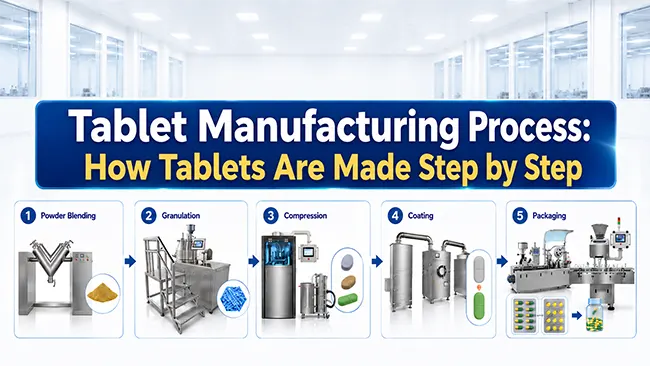
Каков процесс производства планшетов?
Процесс производства таблеток представляет собой контролируемую последовательность, используемую для изготовления прессованных таблеток из активных ингредиентов и вспомогательных веществ.. Активные ингредиенты обеспечивают предполагаемую функцию таблетки.. Вспомогательные вещества поддерживают текучесть порошка таблеток, склеивание планшетов, распад таблетки, характеристики покрытия таблетки, маскировка вкуса, появление, или стабильность при хранении.
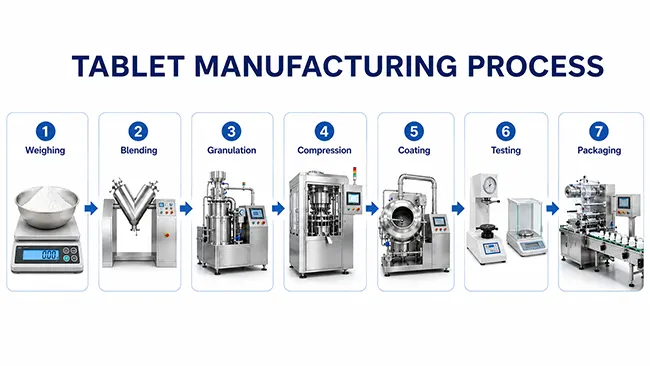
Обычный процесс производства таблеток включает взвешивание., фрезерование, смешивание порошка таблеток, гранулирование таблеток или прямое прессование, сжатие планшета, обнаружение металла, обеспыливание планшета, осмотр планшета, покрытие таблетки, тестирование планшета, и упаковка планшета. Некоторые формулы таблеток могут перейти от непосредственного смешивания к прессованию таблеток.. Другим требуется влажная или сухая грануляция, прежде чем они смогут надежно работать на таблеточном прессе..
| Этап изготовления планшета | Основная цель | Общее оборудование или пункт управления |
| Взвешивание и дозирование | Точно отмеряйте ингредиенты таблетки | Обработка материалов и контроль партий |
| Измельчение и смешивание таблетированного порошка | Контролируйте размер частиц и однородность смеси | Мельница, миксер, блендер |
| Гранулирование таблеток или прямое прессование | Улучшение текучести и сжимаемости порошка таблеток. | Мокрый гранулятор, сухой гранулятор, смесь прямого сжатия |
| Сжатие планшета | Формируйте таблетки под контролируемым усилием. | Таблеточный пресс |
| Очистка и проверка планшетов | Удалите пыль и проверьте видимые дефекты планшета. | Очиститель планшетов, инспекционный пункт |
| Покрытие таблетки | Добавьте защиту планшета, цвет, маскировка вкуса, или отпустить контроль | Машина для нанесения покрытия на таблетки |
| Упаковка планшета | Защитите таблетки и подготовьте готовые упаковки | Блистерная упаковочная машина, линия подсчета таблеток и линия розлива, картонажная машина |
Прямое сжатие, Мокрая грануляция, и сухая грануляция
Большинство рецептур таблеток попадают в таблеточный пресс по одному из трех маршрутов приготовления..
Прямое сжатие это кратчайший путь производства планшетов. Таблетированные порошки взвешивают, смешанный, смазанный, и прессуют без отдельного этапа гранулирования таблеток. Это экономит время и сокращает количество операций с оборудованием., но для этого требуется смесь порошков таблеток, которая уже хорошо течет и сжимается.. Если материал отделяется, мосты, палочки, или подает неравномерно, прямое сжатие может привести к изменению веса планшета или дефектам планшета..
Мокрая грануляция использует жидкое связующее или гранулирующий раствор для формирования более прочных и однородных гранул перед прессованием таблетки.. Его часто используют, когда порошки таблеток имеют плохую текучесть., плохая сжимаемость, или проблемы с единообразием контента. Процесс обычно включает в себя влажное смешивание., образование гранул, сушка, калибровка, смазка, и сжатие планшета.
Сухая грануляция использует механическое уплотнение вместо жидкости. Таблетированный порошок прессуют в ленты или пластинки., затем измельчают в гранулы перед прессованием таблеток. Этот способ полезен, когда формула таблетки чувствительна к влаге или теплу.. Это позволяет избежать добавления жидкости, но все же требуется контроль силы уплотнения, фрезерование, штрафы, и окончательный размер гранул.
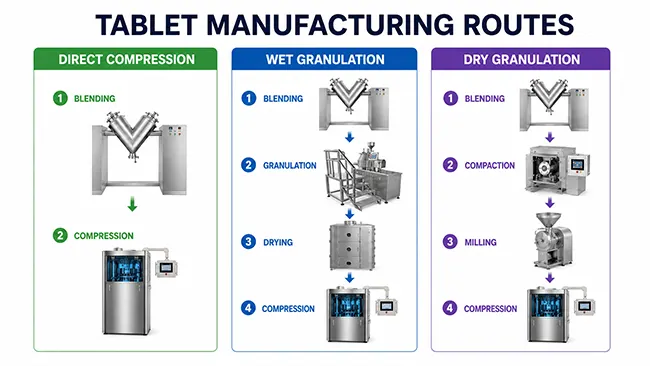
Выбор должен исходить из формулы таблетки., не только от предпочтений оборудования. Таблеточный пресс работает лучше, когда материал, поступающий в систему подачи, уже пригоден для прессования таблеток..
Шаг 1: Взвешивание сырья, Фрезерование, и смешивание порошков таблеток
Производство таблеток начинается с точного взвешивания и контролируемой подготовки материала.. Каждый активный ингредиент и вспомогательное вещество должны соответствовать формуле партии.. Ошибка на этом этапе может повлиять на однородность содержимого планшета., твердость таблетки, распад таблетки, растворение таблетки, или конечный выход таблетки.
Измельчение может использоваться, когда сырье имеет непостоянный размер частиц.. Однородный размер частиц может способствовать смешиванию порошка таблеток и прессованию таблеток., но чрезмерное измельчение может привести к слишком большим штрафам. Мелкие порошки могут образовывать пыль., течь плохо, или придерживаться ударов во время сжатия планшета. Целью является диапазон размеров частиц, обеспечивающий стабильное смешивание таблеток., кормление, и формирование таблеток.
Смешивание порошка таблеток распределяет активные ингредиенты и вспомогательные вещества по всей партии.. Этот шаг особенно важен, когда активный ингредиент используется в низком процентном соотношении.. Плохое смешивание порошка таблеток может привести к неоднородному содержанию таблеток.. Смазочные материалы часто добавляют ближе к концу смешивания, чтобы уменьшить трение во время сжатия и выталкивания таблетки., но чрезмерное смешивание со смазкой может ослабить склеивание таблеток..
Шаг 2: Гранулирование и сушка таблеток для улучшения текучести порошка
Грануляция таблеток превращает мелкие или сложные порошки в гранулы, которые можно подавать и сжимать более равномерно.. Он используется, когда прямое сжатие не подходит для формулы таблетки..
При влажной грануляции, порошок таблетки смешивают с раствором связующего вещества. Влажная масса образует гранулы., которые высушиваются и калибруются перед прессованием таблеток. Уровень влажности важен. Слишком много остаточной влаги может привести к прилипанию таблетки или проблемам со стабильностью.. Слишком мало влаги может сделать гранулы хрупкими и увеличить размер частиц..
В сухой грануляции, таблетированный порошок прессуется без жидкости. Валковое уплотнение — распространенный метод.. Уплотненный материал измельчается в гранулы., затем при необходимости смешивают с другими ингредиентами перед прессованием таблетки. Сухая грануляция может быть лучшим выбором для чувствительных к влаге или теплу таблетированных продуктов..
Гранулирование таблеток влияет не только на текучесть порошка.. Он может изменить твердость планшета, хрупкость таблетки, распад таблетки, растворение таблетки, и поведение покрытия таблеток. Твердые гранулы могут замедлить распад таблетки. Слишком большое количество частиц может привести к образованию пыли и прилипанию во время сжатия таблетки..
Шаг 3: Прессование таблеток на таблеточном прессе
Прессование таблетки — это этап, на котором приготовленная смесь превращается в таблетку.. Таблеточный пресс заполняет материал в матрицы., сжимает его ударами, и выбрасывает готовые таблетки.
В роторные таблеточные прессы, несколько станций штамповки и штамповки перемещаются вокруг башни. Пока башня вращается, машина заполняет, метры, предварительные компрессы, сжимает, и непрерывно выбрасывает таблетки. Такая конструкция распространена в производственных средах..
Важные настройки сжатия планшета включают глубину заполнения., вес планшета, сила предварительного сжатия, основная сила сжатия, толщина таблетки, скорость башни. Эти настройки влияют на твердость планшета., внешний вид планшета, изменение веса планшета, укупорка, ламинирование, прилипание, сбор, и сколы на краях планшета.
Многие проблемы со сжатием планшетов возникают на более ранних стадиях.. Плохой поток порошка таблеток может привести к неравномерному заполнению матрицы.. Слишком много штрафов может привести к залипанию. Слабые гранулы могут привести к хрупкости таблеток.. Таблеточный пресс может контролировать силу и скорость., но он не может полностью исправить нестабильную рецептуру или плохо приготовленную смесь таблеток..
Шаг 4: Тестирование планшета перед упаковкой
Прежде чем таблетки перейдут в окончательную упаковку таблеток, проверки качества помогают подтвердить, что производство таблеток остается в пределах ожидаемого диапазона.. Общие проверки включают вес планшета., толщина таблетки, твердость таблетки, хрупкость таблетки, внешний вид планшета, распад таблетки, и растворение таблетки.
Твердость таблетки показывает, выдержит ли таблетка обращение с ней., покрытие таблетки, и упаковка планшета. Хрупкость таблеток позволяет проверить, не теряют ли таблетки слишком много материала при истирании.. Распад таблетки проверяет, как таблетка распадается при определенных условиях.. Растворение таблетки проверяет, как активный ингредиент переходит в раствор с течением времени..
Тестирование планшетов помогает выявить отклонения в процессе. Если твердость таблетки изменилась, причина может быть в силе сжатия планшета, влажность гранул, размер частиц, или смазка. Если готовые таблетки создают слишком много пыли во время упаковки таблеток, Обеспыливание таблеток и контроль сжатия таблеток на входе требуют пересмотра.
Шаг 5: Покрытие таблетки для защиты и контроля высвобождения
Многие таблетки подвергаются таблеточному покрытию после сжатия таблетки.. Покрытие таблеток может улучшить внешний вид, маска вкус, уменьшить пыль, беречь от влаги и света, и поддержка контроля выпуска.
Пленочное покрытие таблеток широко используется, поскольку оно создает тонкий и однородный слой без увеличения веса таблетки.. Покрытие сахарных таблеток обеспечивает гладкую поверхность., глянцевая поверхность, но обычно занимает больше времени и добавляет больше веса. Энтеросолюбильное покрытие таблеток используется, когда таблетка должна противостоять желудочной кислоте и высвобождаться позже в условиях кишечника..
Качество покрытия таблетки зависит от ядра таблетки и процесса нанесения покрытия.. Слабая таблетка может расколоться внутри поддона для нанесения покрытия.. Пыльная поверхность таблетки может снизить адгезию покрытия.. Скорость распыления, температура воздуха на входе, вытяжной воздух, скорость панорамирования, раствор для покрытия, и условия сушки требуют контроля.
Машина для нанесения покрытия на таблетки должна соответствовать размеру партии., тип покрытия таблетки, требования к уборке, и производственная среда. Покрытие таблетки может повлиять на стабильность таблетки, умение обращаться, появление, и выпустить производительность.
Шаг 6: Упаковка таблеток в блистерах, Бутылки, или коробки
Упаковка таблеток защищает готовые таблетки после производства.. Лучший способ упаковки таблеток зависит от чувствительности таблеток., формат рынка, требование подсчета, барьерная потребность, и последующая обработка.
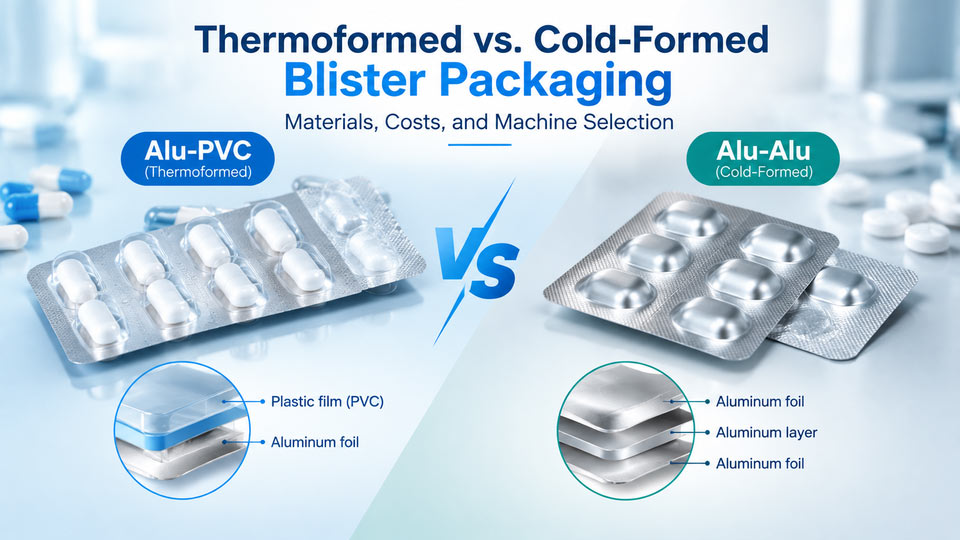
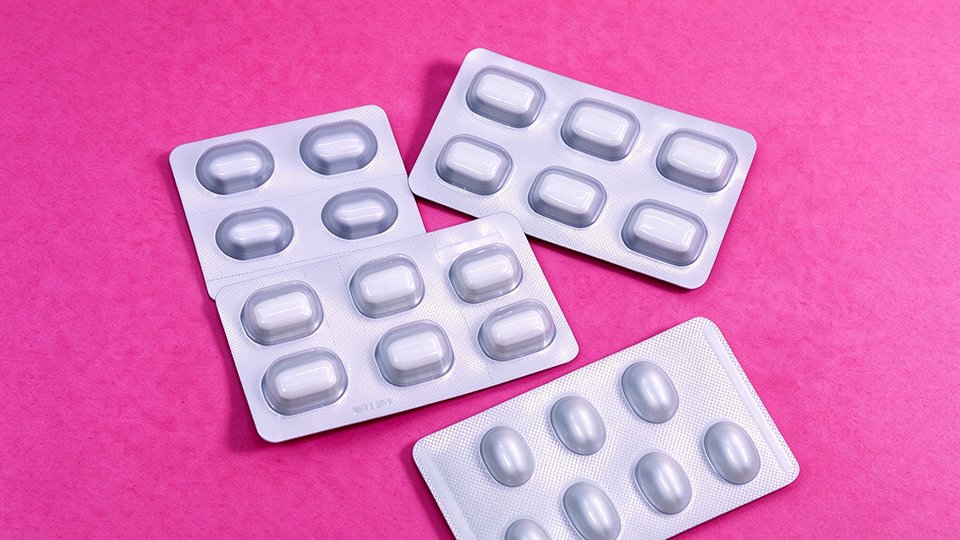
Блистерная упаковка запечатывает таблетки в отдельные полости.. Он может защитить каждую дозу таблетки и улучшить видимость., умение обращаться, и розничная презентация. ПВХ, ПВДХ, и блистерные материалы Alu-Alu могут быть выбраны в зависимости от потребностей и стоимости барьера для таблеток.. Блистерная упаковочная машина должна контролировать формование, таблетка для кормления, уплотнение, резка, кодирование, и осмотр.
Бутылочная упаковка обычна для таблеток, продаваемых поштучно.. Линия розлива таблеток и капсул может включать в себя разборку бутылок., электронный счет на планшете, контрольное взвешивание, введение осушителя, укупорка бутылки, индукционная герметизация, маркировка, и картонирование. Этот путь является общим для фармацевтических таблеток., добавки в таблетках, и нутрицевтические таблетки.
Картонирование часто используется после блистерной упаковки таблеток или упаковки бутылок с таблетками.. Картонирующая машина может выполнять ряд операций.: подача продукта, обнаружение продукта, листовка складная (1–4 раза), автоматическая подача картонных коробок, формирование картона, листовка и вставка продукта, кодирование, подворачивание лоскута, проверка и отказ, и разрядка. Когда покупатели планируют линию по упаковке таблеток, им следует смотреть на весь маршрут, а не судить каждую машину отдельно.
может выполнить ряд шагов: подача продукта, обнаружение продукта, листовка складная (1–4 раза), автоматическая подача картонных коробок, формирование картона, листовка и вставка продукта, кодирование, заправка пыльника, заправка основного клапана, проверка и отказ, и разрядка.
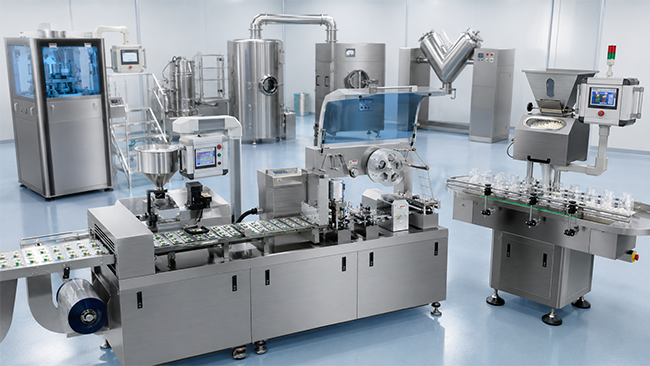
Ruida Packing поддерживает проекты по производству и упаковке таблеток, помогая покупателям подобрать таблетировочные прессы., Таблетовые машины для покрытия, блистерные упаковочные машины, Линии упаковки бутылочек с таблетками, и картонажное оборудование в формат продукта, цель вывода, и потребности в линейном подключении.
Контрольный список оборудования для производства планшетов
Полный план оборудования для планшетов должен начинаться с планшетного продукта и готового формата упаковки..
Производственные группы должны проверить:
- Нужна ли формула таблетки прямого сжатия?, влажная грануляция, или сухая грануляция?
- Какой размер планшета, форма, толщина, и твердость нужна?
- Нужно ли планшету пленочное покрытие, сахарное покрытие, или кишечнорастворимое покрытие?
- Чувствителен ли планшет к влаге?, свет, нагревать, истирание, или пыль?
- Будет ли готовый планшетный продукт использовать блистерную упаковку?, упаковка бутылки, или оба?
- Требуется ли линия по производству таблеток в обеспыливании таблеток?, инспекция, кодирование, маркировка, или картонирование?
- Какова необходимая мощность для всей линейки планшетов?, не только для одной машины?
- Как часто будет меняться линия между размерами таблеток или форматами упаковки??
Мощная линия по производству таблеток обеспечивает бесперебойную работу с таблетированным порошком., сжатие планшета, покрытие таблетки, тестирование планшета, и упаковка планшета стабильна как один взаимосвязанный процесс.
Заключение
The процесс изготовления планшета ссылки подготовка материала, формирование таблеток, отделка, тестирование, и упаковка. Прямое прессование может быть эффективным, если подходит смесь порошков таблеток.. Мокрая грануляция может улучшить текучесть и сжимаемость таблеток сложной рецептуры.. Сухая грануляция может помочь, когда материалы таблеток чувствительны к влаге или теплу..
Каждый этап влияет на следующий. Смешивание порошка таблеток влияет на грануляцию таблеток. Гранулирование таблеток влияет на сжатие таблеток. Сжатие таблеток влияет на их твердость и дезинтеграцию.. Покрытие планшета влияет на защиту и внешний вид. Упаковка планшета защищает готовый планшет до тех пор, пока он не попадет к пользователю..
Для покупателей продукции и упаковки, лучшая линейка планшетов построена на планшетах, не только вокруг скорости машины. Пресс -машины планшета, Таблетовые машины для покрытия, блистерные упаковочные машины, Линии упаковки бутылочек с таблетками, и картонажные машины работают лучше всего, когда они выбраны с учетом одинаковых требований к качеству таблеток и готовой упаковке..
Часто задаваемые вопросы
Каков процесс производства планшетов?
Процесс производства таблеток — это контролируемая последовательность действий, используемая для превращения порошков или гранул в готовые таблетки.. Обычно включает в себя подготовку материала, смешивание порошка таблеток, гранулирование таблеток или прямое прессование, сжатие планшета, покрытие таблетки, тестирование планшета, и упаковка планшета.
Почему грануляцию используют перед прессованием таблеток?
Гранулирование таблеток используется, когда порошки недостаточно текут или сжимаются достаточно хорошо для стабильного производства таблеток.. Это может улучшить поток, уменьшить сегрегацию, поддержка прочности планшета, и сделать сжатие планшета более последовательным.
Какое оборудование используется при производстве планшетов?
Обычное оборудование для производства таблеток включает мельницы., миксеры, мокрые грануляторы, сухие грануляторы, Пресс -машины планшета, таблетки для обеспыливания, Таблетовые машины для покрытия, блистерные упаковочные машины, линии подсчета таблеток и розлива в бутылки, и картонажные машины.
Что делает таблеточный пресс?
Таблеточный пресс заполняет порошком или гранулами матрицы и прессует материал в таблетки с помощью пуансонов.. Он контролирует вес планшета, толщина таблетки, твердость таблетки, и скорость вывода планшета.
Ссылки
FDA. Проверка процесса: Общие принципы и практика.
https://www.fda.gov/files/drugs/published/Process-Validation–Общие принципы и практика.pdf Шанмугам С. Методы и технологии грануляции: Последние достижения.
https://pmc.ncbi.nlm.nih.gov/articles/PMC4401168/