Farmasötik sözleşmeli üretim, ürün sahibinin seçilen geliştirmeyi dış kaynaklardan sağlamasına olanak tanır, üretme, veya paketleme faaliyetlerini nitelikli bir üretim ortağına. Kapsam, yerleşik bir formül üretmekten teknoloji transferini desteklemeye kadar değişebilir., süreç büyütme, ticari partiler, ve son paketleme.
Bu projelerde iki hizmet modeli sıklıkla karşımıza çıkıyor: sözleşmeli üretim organizasyonu, veya CMO, ve sözleşme geliştirme ve üretim organizasyonu, veya CDMO. Sorumlulukları sıklıkla örtüşüyor, ancak normalde bir projeye farklı aşamalarda girerler ve farklı düzeylerde teknik destek sağlarlar.
Her iki modelin de başarısı mevcut üretim kapasitesinden daha fazlasına bağlıdır. Üretim ortağının da uygun ekipmana ihtiyacı var, kontrollü geçişler, tekrarlanabilir proses ayarları, etkili temizlik prosedürleri, muayene sistemleri, ve net kalite sorumlulukları.
Farmasötik Fason Üretim Nedir??
Fason farmasötik üretim, bir ürün sahibinin tanımlanmış üretim veya paketleme faaliyetlerini tamamlamak için harici bir tesis kiraladığı bir düzenlemedir.. Ürün sahibi ürün gereksinimlerini sağlar, kalite standartları, hedef çıktı, ve pazar spesifikasyonları, imalat ortağı tesisleri tedarik ederken, personel, üretim sistemleri, ve kararlaştırılan işi tamamlamak için gereken teknik yetenekler.
Kapsam projeler arasında farklılık gösterir. Bazı şirketlerin zaten istikrarlı bir formülasyonu ve yerleşik üretim parametreleri var. Esas olarak ek üretim kapasitesine ihtiyaçları var, nitelikli ekipman, veya kendi tesislerinde bulunmayan ambalaj formatlarına erişim.
Diğer projeler ticari üretimin başlayabilmesi için daha geniş bir desteğe ihtiyaç duyuyor. Bu, formülasyon ayarlamasını içerebilir, süreç geliştirme, teknoloji transferi, pilot üretim, parametre optimizasyonu, doğrulama grupları, ve daha küçük bir süreçten tam üretim ekipmanına ölçek büyütme.
Ambalaj aynı zamanda fason üretim hizmetinin önemli bir bölümünü de oluşturabilir. Ürüne ve tesise bağlı olarak, üretim ortağı halledebilir:
- Tabletler ve sert kapsüller için kabarcıklı ambalaj
- Tablet ve kapsül sayımı ve şişeleme
- Tozlar ve granüller için poşet veya çubuk paket ambalajı
- Şişe kapatma, indüksiyon sızdırmazlık, etiketleme, ve kodlama
- Kartonlama, broşür ekleme, denetleme, ve otomatik reddetme
Üretimin dış kaynak kullanımı, ürün sahibinin kalite sorumluluklarını ortadan kaldırmaz. Her iki tarafın da malzeme onayı için açıkça tanımlanmış prosedürlere ihtiyacı var, üretim kayıtları, test, sapmalar, süreç değişiklikleri, ürün sürümü, şikayetler, ve hatırlıyor. Bu sorumluluklar normalde normal üretim başlamadan önce yazılı bir kalite sözleşmesine kaydedilir..
Ruida Packaging'in ana müşteri grupları için, fason farmasötik üretim özellikle oral katı dozaj ürünleri ve bunların ambalajlarıyla ilgilidir. Tablet üreten sözleşmeli tesis, sert kapsüller, tozlar, veya granüllerin sıklıkla farklı parti boyutlarını desteklemesi gerekir, ürün özellikleri, takım formatları, konteyner boyutları, ve birden fazla müşteri projesindeki ambalaj spesifikasyonları. Bu, üretim esnekliğini ve ekipman uyumluluğunu üretim modelinin merkezi parçaları haline getirir.
CMO ve CDMO: Fark Nedir??
Bir CMO esas olarak üretim kapasitesi ve üretimin yürütülmesini sağlar. Müşteri normalde belirlenmiş bir formülü aktarır, onaylanmış spesifikasyonlar, ve tanımlanmış bir süreç. CMO daha sonra projeyi kendi tesisine uyarlar, Kararlaştırılan üretim faaliyetlerini tamamlar, partiyi kaydeder, ve bitmiş ürünü sözleşmeye uygun olarak teslim eder.
CDMO, geliştirme desteğini üretimle birleştirir. Daha erken katılabilir, formül ne zaman, üretim yöntemi, analitik yaklaşım, veya ölçek büyütme planının hâlâ üzerinde çalışılması gerekiyor. Aynı ortak daha sonra pilot grupları destekleyebilir, süreç aktarımı, doğrulama, ticari üretim, ve paketleme.
Sınır mutlak değil. Bazı CMO'lar geliştirme veya ölçek büyütme desteği sağlar, bazı CDMO'lar sınırlı sayıda dozaj formu konusunda uzmanlaşırken. İmzalanan anlaşma ve tesisin gerçek yetenekleri, pazarlamada kullanılan isimden daha önemlidir.
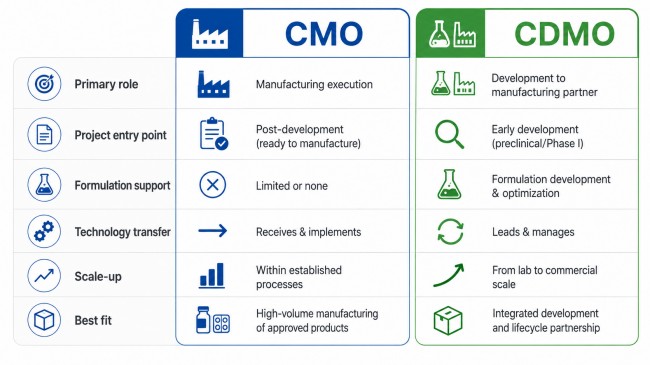
| Karşılaştırmak | CMO | CDMO |
| Birincil rol | Üretim kapasitesi ve uygulama | Entegre geliştirme ve üretim |
| Tipik giriş noktası | Süreç büyük ölçüde tanımlandıktan sonra | Formülasyon sırasında, gelişim, veya ölçek büyütme |
| Formülasyon desteği | Sağlayıcıya bağlıdır | Yaygın olarak dahil |
| Teknoloji transferi | Yerleşik bir süreci alır ve uygular | Süreci optimize etmeye ve aktarmaya yardımcı olur |
| Ölçek büyütme | Üretimi mevcut ekipmanlara taşır | Geliştirmeyi ticari üretimle birleştirir |
| Analitik destek | Tesise göre değişir | Genellikle daha geniş |
| En uygun | Kapasite gerektiren tanımlanmış bir ürün | Geliştirme sürekliliği gerektiren bir ürün |
Bir CMO Daha Uygun Olduğunda
Ürün sahibinin halihazırda sabit bir formülü varsa CMO genellikle uygundur, belirlenmiş spesifikasyonlar, ve deneyimli bir teknik ekip. Temel ihtiyaç güvenilir kapasitedir, tutarlı yürütme, nitelikli ekipman, veya gerekli ambalaj formatına erişim.
Ayrıca talebin yüksek olduğu dönemlerde ikinci bir üretim kaynağına veya ek üretime ihtiyaç duyan olgunlaşmış ürünleri de destekleyebilir..
CDMO Daha Uygun Olduğunda
Ürünün hala formülasyon çalışmasına ihtiyacı olduğunda CDMO daha uygundur, süreç optimizasyonu, analitik destek, pilot üretim, veya ticari ölçek büyütme. Geliştirme ve üretimi tek bir kuruluşta tutmak tedarikçi devirlerini azaltabilir ve teknik sürekliliği koruyabilir.
Nihai seçim dozaj formunu yansıtmalıdır, toplu aralığı, hedef pazar, paketleme gereksinimi, teçhizat, ve proje takvimi.
İlaç Fason Üretim Süreci Nasıl İşler??
Süreç, malzemeler üretime girmeden önce başlar. Her iki taraf da öncelikle projenin gerçekleşip gerçekleşmediğini teyit eder., tesis, teçhizat, kalite sistemi, ve program birbirine uygun.
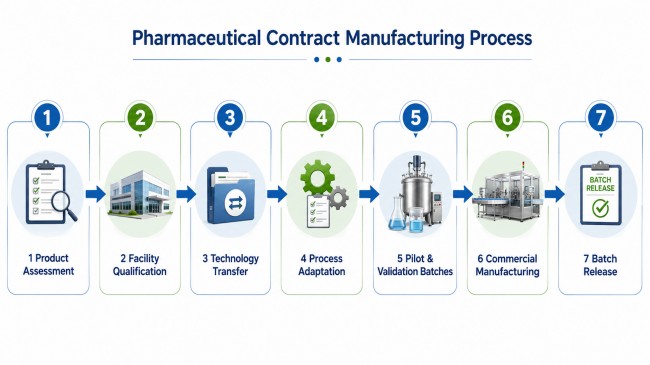
1. Ürün ve Proje Değerlendirmesi
Üretim ortağı dozaj formunu inceler, formülasyon durumu, malzeme özellikleri, hedef parti boyutu, yıllık talep, pazar gereksinimleri, ve paketleme formatı. Bu değerlendirme, mevcut tesis ve ekipmanın ürünle eşleşip eşleşmediğini tanımlar.
2. Tesis Kalifikasyonu ve Kalite Sözleşmesi
Ürün sahibi kalite sistemini değerlendirir, personel, teçhizat, temizlik kontrolleri, dokümantasyon, üretim geçmişi, ve kullanılabilir kapasite. Kalite sözleşmesi daha sonra malzemelere ilişkin sorumlulukları belirler, üretim kayıtları, test, sapmalar, değişiklikler, serbest bırakma kararları, şikayetler, ve hatırlıyor.
3. Teknoloji transferi
Transfer paketi ana formülü içerebilir, imalat talimatları, kritik süreç parametreleri, analitik yöntemler, temizlik gereksinimleri, özellikler, ve paketleme detayları.
Başarılı bir aktarım, alıcı ekibin malzemelerin nasıl davrandığını ve sürecin farklı ekipmanlarda nasıl çoğaltılması gerektiğini anlamasını gerektirir.. Yalnızca belge göndermek yeterli değildir.
4. Süreç Uyarlaması ve Ölçek Büyütme
Üretim, geliştirme ekipmanından ticari makinelere geçtiğinde ayarların sıklıkla ayarlanması gerekir. Karıştırma süresi, besleyici hızı, sıkıştırma kuvveti, kapsül dozaj ayarları, kaplama koşulları, ve sızdırmazlık parametreleri ekipman boyutuna ve tasarımına göre değişebilir.
Amaç, tekrarlanabilir bir ticari süreç oluştururken kritik ürün özelliklerini korumaktır..
5. Pilot ve Doğrulama Grupları
Pilot veya mühendislik grupları aktarılan süreci test eder, ekipman ayarlarını onayla, verimi değerlendirmek, ve çalışma sınırlarını tanımlayın. Proje ayrıca paketleme gerektirebilir, temizlik, veya rutin üretim öncesinde proses doğrulama serileri.
6. Ticari Üretim ve Paketleme
Oral katı ürünler için, ticari üretim malzeme hazırlığını içerebilir, karıştırma veya granülasyon, tablet sıkıştırma veya kapsül doldurma, kaplama, birincil ambalaj, ikincil paketleme, denetleme, ve toplu kayıt tamamlama.
Aşağı akış süreci son pakete bağlıdır. Blister paketleri, şişe, poşet, ve çubuk paketleri farklı besleme gerektirir, sızlanma, denetleme, ve kartonlama düzenlemeleri.
7. Toplu Serbest Bırakma ve Değişiklik Kontrolü
Test, belge incelemesi, serbest bırakmak, depolamak, ve sevkiyat partiyi tamamlar. Malzemelerde daha sonra yapılan değişiklikler, teçhizat, takımlama, yazılım, ambalajlama, veya süreç ayarları, onaylanan süreci etkileyebileceğinden resmi değerlendirme gerektirir.
Farmasötik Fason Üretimde Hangi Ekipman Gereksinimleri Önemlidir??
Sözleşmeli üreticiler genellikle birkaç formül kullanır, müşteri özellikleri, parti boyutları, takım formatları, ve paket türleri. Ekipmanları süreç kontrolünü zayıflatmadan bu değişimi desteklemelidir.
Esnek Parti Boyutları ve Kararlı Çıktı
Maksimum hız, kapasite planlamasının yalnızca bir parçasıdır. Tesis ayrıca en küçük pratik partiyi de dikkate almalıdır., başlatma kaybı, düşük hızda stabilite, temizleme çabası, ve kullanılabilir çıkış aralığı.
Döner tablet presi gerekli hız aralığında tutarlı bir şekilde çalışmalıdır. Bir kapsül dolum makinesi kapsül boyutlarına uygun olmalıdır, toz özellikleri, dozaj yöntemi, ve parti hacmi. Büyük boyutlu ekipmanlar malzeme kaybını artırabilir, temizlik işi, ve küçük siparişlerde işletme maliyeti.
Hızlı ve Kontrollü Geçişler
Çoklu ürün tesisleri tablet araçlarının yerini alıyor, kapsül dozaj parçaları, kabarcık kalıpları, şişe kılavuzları, kanalları sayma, ve formatlı parçaları daha sık kartonlama.
İyi bir geçiş, hızı kontrolle birleştirir. Operatörlerin net parça tanımlamasına ihtiyacı var, tekrarlanabilir ayarlar, hat temizliği kontrolleri, ve bir sonraki parti başlamadan önce belgelenmiş onay. Önceki etiketlerin kullanılması durumunda daha kısa geçiş süresinin çok az değeri vardır., parçalar, veya ayarlar hatta kalır.
Temizlenebilirlik ve Toz Kontrolü
Ekipman, erişilebilir ürünle temas eden parçalar sağlamalıdır, pürüzsüz yüzeyler, sınırlı toz tutma alanları, çıkarılabilir besleme bileşenleri, ve gerektiğinde etkili toz toplama.
Paslanmaz çelik yapı tek başına kolay temizliği garanti etmez. Mühürler, köşeler, vidalar, dozaj parçaları, ve transfer noktalarının tümü kalıntı tutulmasını etkiler. Temizleme prosedürleri aynı zamanda ürüne ve sonraki partiyle ilişkili risklere de uygun olmalıdır..
Tekrarlanabilir Parametreler ve Üretim Kayıtları
Operatörlerin makine hızını kontrol etmesi ve kaydetmesi gerekir, ağırlığı doldur, sıkıştırma kuvveti, sızdırmazlık sıcaklığı, sızdırmazlık basıncı, reddetme limitleri, ve toplu tarifler.
PLC ve HMI sistemleri reçete yönetimini destekleyebilir, kullanıcı erişimi, alarmlar, ve üretim kayıtları. Veri fonksiyonları, desteklenmeyen uyumluluk iddiaları olarak eklenmek yerine tesisin dokümantasyon gereksinimlerine ve hedef pazarlara uygun olmalıdır..
Hat İçi Denetim ve Otomatik Reddetme
Ürüne ve pakete bağlı olarak, bir satır ağırlık izlemeyi içerebilir, eksik ürün tespiti, şişe sayımı doğrulaması, kapak veya folyo muayenesi, kodlama kontrolleri, etiket denetimi, kontrol tartımı, ve otomatik reddetme.
Denetim planı risk bazlı olmalıdır. Amaç, ürün kalitesini etkileyebilecek kusurları kontrol etmektir., izlenebilirlik, veya paketin bütünlüğü, mevcut her modülü her hatta kurmamak.
Paketleme Esnekliği
Farklı müşteriler kabarcıklı paketlere ihtiyaç duyabilir, ilaç şişeleri, poşet, sopa paketleri, etiketler, broşürler, veya çeşitli boyutlarda kartonlar. Bu nedenle paketleme hattı format aralığı açısından değerlendirilmelidir, besleme yöntemi, kodlama konumu, muayene uyumluluğu, değişim süresi, ve hat entegrasyonu.
| Ürün veya Süreç | Ortak Ekipman | Anahtar Sözleşmeli Üretim Gereksinimi |
| Tabletler | Mikser, öğütücü, döner tablet presi, kaplama makinesi | Takım esnekliği, kararlı ayarlar, ve erişilebilir temizlik |
| Sert kapsüller | Kapsül dolum makinası, kapsül parlatıcı | Kapsül boyutu değişimi, dozaj tutarlılığı, ve toz kontrolü |
| Blister ambalaj | Blister Ambalaj Makinesi, görüş denetimi, kartonlama makinesi | Biçim değiştirme, mühür kontrolü, ve eksik ürün tespiti |
| Şişe ambalajı | Tablet ve kapsül sayma hattı, kurutucu, kapatma ve sızdırmazlık ekipmanları | Sayım doğruluğu, şişe esnekliği, ve hat senkronizasyonu |
| Poşetler ve çubuk paketleri | Poşet paketleme makinesi veya çubuk paketleme makinesi | Malzemeye uygun dozaj sistemi |
| İkincil paketleme | Etiketleme ve kartonlama ekipmanları | Kodlama doğruluğu, broşür kontrolü, ve çok formatlı kullanım |
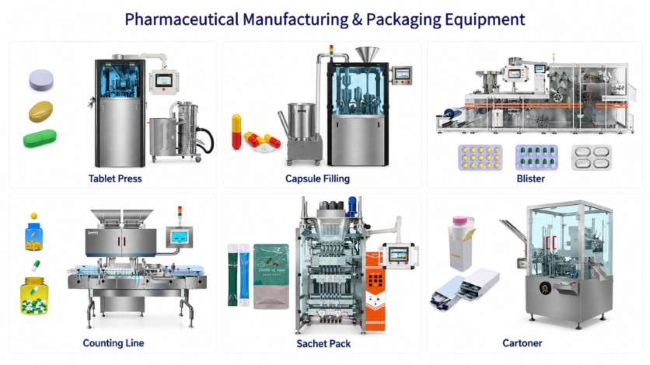
Ruida Ambalaj malzemeleri tablet presi, sert kapsül dolum makinası, kabarcık makinesi, tablet veya kapsül şişeleme makinesi , poşet paketleme makinesi, farmasötik üretim ve paketleme projelerine yönelik kartonlama ekipmanları. Bir CMO veya CDMO tesisi için, ekipman seçimi dozaj formuyla başlamalıdır, toplu aralığı, temizlik gereksinimi, geçiş frekansı, ve tek başına reklamı yapılan maksimum çıktı yerine paket spesifikasyonu.
Şirketler Fason İlaç Üretim Ortağını Nasıl Değerlendirmeli??
Yetenekli bir iş ortağının yedek üretim kapasitesinden daha fazlasına ihtiyacı vardır. Teknik deneyimi, teçhizat, kalite sistemi, dokümantasyon, ve iletişimin tümü proje performansını etkiler.
Değerlendirme şunları kapsamalıdır::
- Dozaj formu deneyimi: Ürün tipi hakkında bilgi, malzeme davranışı, süreç riskleri, ve paketleme yöntemi.
- Kalite ve dokümantasyon: Denetimler, sapma yönetimi, kontrolü değiştir, doğrulama kayıtları, veri yönetimi, ve toplu dokümantasyon.
- Kapasite ve parti uyumu: Minimum parti boyutu, mevcut üretim yuvaları, ölçek büyütme yeteneği, kurşun zamanı, ve büyüme için yer.
- Ekipman ve ambalaj uyumu: Mevcut makineler, takımlama, muayene sistemleri, biçim aralığı, ve gerekli yatırımlar.
- İletişim ve sorumluluk: Proje sahipliği, raporlama sıklığı, onay iş akışı, sapma iletişimi, ve karar yetkisi.
En iyi ortak her zaman en büyük tesis değildir. Doğru CMO veya CDMO ürün deneyimine sahiptir, üretim ölçeği, ekipman esnekliği, kalite kontrolleri, ve belirli bir görev için gereken proje desteği.
Çözüm
Farmasötik sözleşmeli üretim, üretim kapasitesine erişim sağlar, teknik destek, ve paketleme sistemleri, her ürün sahibinin komple bir tesis kurmasına gerek kalmadan.
Bir CMO genellikle güvenilir üretime ihtiyaç duyan yerleşik ürünlere uygundur.. CDMO, geliştirme ve teknoloji transferinden ticari üretime kadar daha geniş bir yolu destekler. Her iki modelde de, Başarı net sorumluluklara bağlıdır, kontrollü bir üretim süreci, Ve farmasötik ekipman gerçek parti için seçildi, temizlik, değişim, denetleme, ve paketleme gereksinimleri.
SSS
İlaç sözleşmeli üretim nedir?
Bir ürün sahibinin tanımlı bir üretimi görevlendirdiği bir düzenlemedir., test, veya harici nitelikli bir tesise paketleme faaliyetleri. Sorumluluklar hizmet ve kalite anlaşmalarında belgelenmiştir..
CMO ile CDMO arasındaki temel fark nedir??
Bir CMO esas olarak yerleşik bir ürün üretir. Bir CDMO aynı zamanda formülasyon çalışmasını da destekler, süreç optimizasyonu, teknoloji transferi, analitik faaliyetler, ve ölçek büyütme. Gerçek hizmet kapsamları sağlayıcılar arasında değişiklik gösterir.
Farmasötik fason üretim ambalajlamayı içeriyor mu??
Evet. Hizmetler, kabarcıklı ambalajı içerebilir, tablet ve kapsül şişeleme, poşet paketleme makinesi veya çubuk paketleme makinesi, etiketleme, kodlama, denetleme, Tesis gerekli ekipmana ve onaylanmış prosedürlere sahip olduğunda kartonlama ve kartonlama.
Ürün kalitesinden kim sorumludur??
Her iki taraf da tanımlanmış sorumlulukları elinde tutar. Kalite anlaşmasında malzemeleri kimin kontrol ettiğini belirtmelidir, üretme, test, sapmalar, değişiklikler, serbest bırakmak, şikayetler, ve hatırlıyor.
Oral katı dozaj sözleşmeli üretimi için hangi ekipmana ihtiyaç vardır??
Bir proje karıştırma veya granülasyon ekipmanı gerektirebilir, döner tablet presi veya kapsül dolum makinesi, kaplama ekipmanları, Blister veya şişe paketleme sistemleri, etiketleme, denetleme, ve karton makineler. Nihai konfigürasyon dozaj formuna bağlıdır, parti büyüklüğü, malzeme özellikleri, ve paket türü.
Referanslar
Avrupa Komisyonu, EudraLex Hacmi 4, Bölüm 7: Dışarıdan Sağlanan Faaliyetler.