La fabrication sous contrat pharmaceutique permet à un propriétaire de produit d'externaliser le développement sélectionné, production, ou activités d'emballage à un partenaire de fabrication qualifié. La portée peut aller de la production d’une formule établie au soutien au transfert de technologie., mise à l'échelle du processus, lots commerciaux, et emballage final.
Deux modèles de services apparaissent fréquemment dans ces projets: l'organisation de fabrication sous contrat, ou CMO, et l'organisation du développement et de la fabrication sous contrat, ou CDMO. Leurs responsabilités se chevauchent souvent, mais ils entrent normalement dans un projet à différentes étapes et fournissent différents niveaux de support technique.
Le succès de l’un ou l’autre modèle ne dépend pas seulement de la capacité de production disponible. Le partenaire fabricant a également besoin d’un équipement adapté, changements contrôlés, paramètres de processus reproductibles, procédures de nettoyage efficaces, systèmes d'inspection, et des responsabilités claires en matière de qualité.
Qu'est-ce que la fabrication sous contrat pharmaceutique?
La fabrication sous contrat pharmaceutique est un accord dans lequel un propriétaire de produit embauche une installation externe pour mener à bien des activités de fabrication ou de conditionnement définies.. Le propriétaire du produit fournit les exigences du produit, normes de qualité, sortie cible, et spécifications du marché, tandis que le partenaire fabricant fournit les installations, personnel, systèmes de production, et les capacités techniques nécessaires pour mener à bien les travaux convenus.
La portée varie selon les projets. Certaines entreprises disposent déjà d’une formulation stable et de paramètres de production établis. Ils ont surtout besoin de capacités de fabrication supplémentaires, équipement qualifié, ou accès à des formats d'emballage qui ne sont pas disponibles dans leur propre installation.
D'autres projets nécessitent un soutien plus large avant que la production commerciale puisse commencer. Cela peut inclure un ajustement de la formulation, développement de processus, transfert de technologie, production pilote, optimisation des paramètres, lots de validation, et passage d'un processus plus petit à un équipement de production complet.
L'emballage peut également constituer une partie importante du service de fabrication sous contrat.. En fonction du produit et de l'installation, le partenaire de fabrication peut gérer:
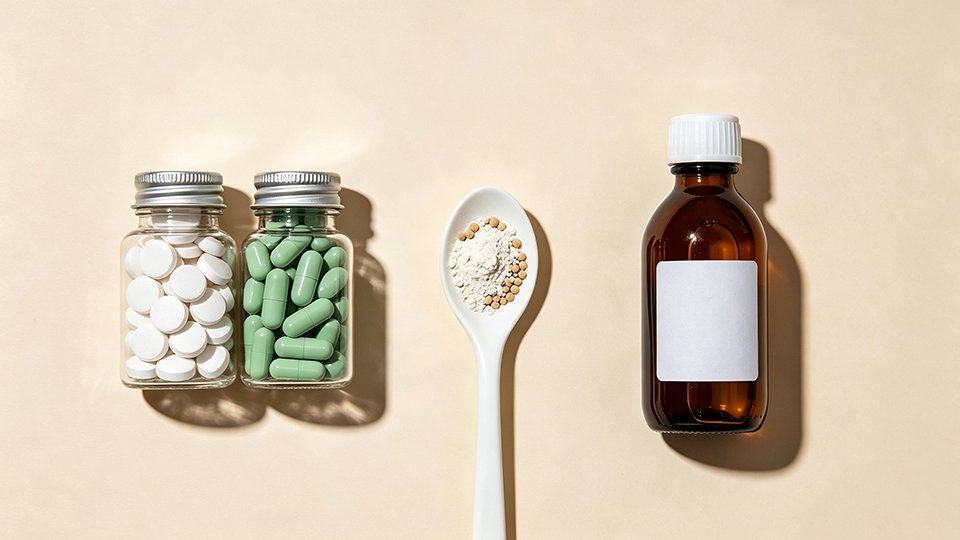
- Emballage blister pour comprimés et gélules
- Comptage et mise en bouteille de comprimés et de gélules
- Conditionnement en sachets ou en stick packs pour poudres et granulés
- Capsulage de bouteilles, scellage par induction, étiquetage, et codage
- Cartonnage, insertion de dépliant, inspection, et rejet automatique
L'externalisation de la production ne supprime pas les responsabilités du propriétaire du produit en matière de qualité.. Les deux parties ont besoin de procédures clairement définies pour l'approbation des matériaux., dossiers de fabrication, essai, écarts, changements de processus, sortie du produit, plaintes, et rappelle. Ces responsabilités sont normalement enregistrées dans un accord de qualité écrit avant le début de la production régulière..
Pour les principaux groupes de clients de Ruida Packing, la fabrication sous contrat pharmaceutique est particulièrement pertinente pour les produits à dose orale solide et leur emballage. Une usine sous contrat produisant des comprimés, gélules, poudres, ou les granulés doivent souvent prendre en charge différentes tailles de lots, caractéristiques du produit, formats d'outillage, tailles de conteneurs, et spécifications d'emballage pour plusieurs projets clients. Cela place la flexibilité de la production et la compatibilité des équipements au cœur du modèle de fabrication..
CMO contre CDMO: Quelle est la différence?
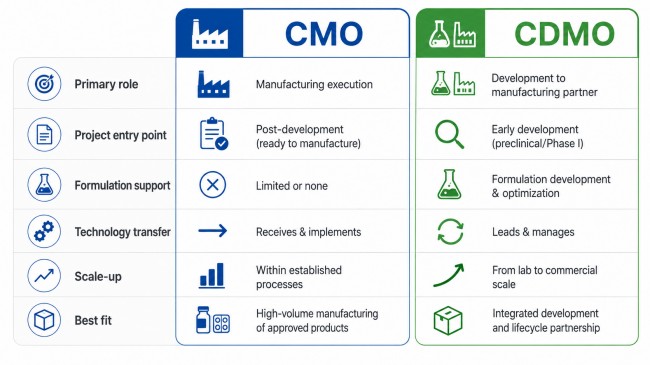
Un CMO fournit principalement la capacité de fabrication et l’exécution de la production. Le client transfère normalement une formule établie, spécifications approuvées, et un processus défini. Le CMO adapte ensuite le projet à son installation, achève les activités de production convenues, enregistre le lot, et livre le produit fini conformément au contrat.
Un CDMO combine support au développement et fabrication. Il peut rejoindre plus tôt, quand la formule, méthode de fabrication, approche analytique, ou le plan de mise à l'échelle doit encore être travaillé. Le même partenaire peut alors prendre en charge les lots pilotes, transfert de processus, validation, production commerciale, et emballage.
La frontière n'est pas absolue. Certains CMO fournissent un soutien au développement ou à la mise à l’échelle, tandis que certains CDMO se spécialisent dans une gamme limitée de formes galéniques. L’accord signé et les capacités réelles de l’installation comptent plus que le nom utilisé dans sa commercialisation..
| Comparaison | directeur marketing | CDMO |
| Rôle principal | Capacité de fabrication et exécution | Développement et fabrication intégrés |
| Point d'entrée typique | Une fois le processus largement défini | Pendant la formulation, développement, ou mise à l'échelle |
| Aide à la formulation | Cela dépend du fournisseur | Généralement inclus |
| Transfert de technologie | Reçoit et applique un processus établi | Aide à optimiser et à transférer le processus |
| Mise à l'échelle | Déplace la production sur les équipements disponibles | Relie le développement à la production commerciale |
| Support analytique | Varie selon l'établissement | Généralement plus large |
| Meilleur ajustement | Un produit défini qui a besoin de capacité | Un produit qui nécessite une continuité de développement |
Quand un CMO est la meilleure solution
Un CMO convient souvent lorsque le product Owner dispose déjà d’une formule stable, cahier des charges établi, et une équipe technique expérimentée. Le principal besoin est une capacité fiable, exécution cohérente, équipement qualifié, ou accès à un format d'emballage requis.
Il peut également prendre en charge les produits matures qui nécessitent une deuxième source de production ou une production supplémentaire pendant les périodes de forte demande..
Quand un CDMO est la meilleure solution
Un CDMO est plus adapté lorsque le produit nécessite encore un travail de formulation, optimisation des processus, support analytique, production pilote, ou mise à l'échelle commerciale. Garder le développement et la fabrication au sein d'une seule organisation peut réduire les transferts de fournisseurs et préserver la continuité technique..
Le choix final doit refléter la forme posologique, plage de lots, marché cible, exigence d'emballage, équipement, et le calendrier du projet.
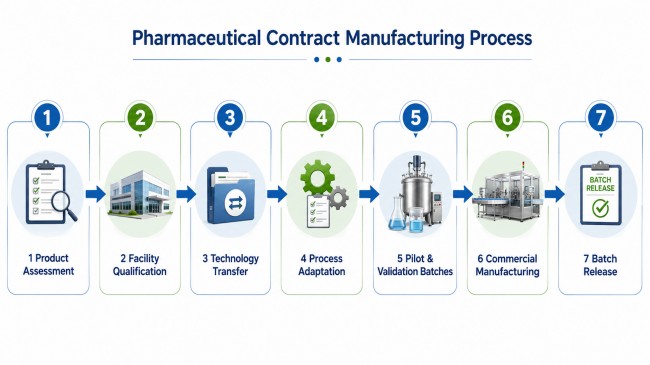
Comment fonctionne le processus de fabrication pharmaceutique sous contrat?
Le processus commence avant que les matériaux n'entrent en production. Les deux parties confirment d'abord si le projet, facilité, équipement, système de qualité, et les horaires s'accordent.
1. Évaluation du produit et du projet
Le partenaire fabricant examine la forme posologique, statut de formulation, caractéristiques des matériaux, taille de lot cible, demande annuelle, exigences du marché, et format d'emballage. Cette évaluation identifie si les installations et équipements disponibles correspondent au produit..
2. Accord de qualification et de qualité des installations
Le Product Owner évalue le système qualité, personnel, équipement, contrôles de nettoyage, documentation, historique de production, et capacité disponible. L'accord qualité attribue ensuite les responsabilités pour les matériaux, dossiers de production, essai, écarts, changements, décisions de libération, plaintes, et rappelle.
3. Transfert de technologie
Le forfait transfert peut inclure la formule maîtresse, instructions de fabrication, paramètres de processus critiques, méthodes analytiques, exigences de nettoyage, caractéristiques, et détails de l'emballage.
Un transfert réussi nécessite que l'équipe réceptrice comprenne comment les matériaux se comportent et comment le processus doit être reproduit sur différents équipements.. L’envoi de documents seul ne suffit pas.
4. Adaptation et mise à l’échelle des processus
Les paramètres doivent souvent être ajustés lorsque la production passe des équipements de développement aux machines commerciales. Temps de mélange, vitesse d'alimentation, force de compression, paramètres de dosage des capsules, conditions de revêtement, et les paramètres d'étanchéité peuvent changer en fonction de la taille et de la conception de l'équipement.
L'objectif est de protéger les caractéristiques critiques du produit tout en établissant un processus commercial reproductible..
5. Lots pilotes et de validation
Des lots pilotes ou d'ingénierie testent le processus transféré, confirmer les paramètres de l'équipement, évaluer le rendement, et identifier les limites de fonctionnement. Le projet peut également nécessiter un emballage, nettoyage, ou traiter les lots de validation avant la production de routine.
6. Fabrication commerciale et emballage
Pour les produits solides oraux, la production commerciale peut inclure la préparation du matériel, mélange ou granulation, compression de comprimés ou remplissage de gélules, revêtement, emballage primaire, emballage secondaire, inspection, et réalisation des enregistrements de lots.
Le processus en aval dépend du pack final. Blisters, bouteilles, sachets, et les packs de bâtonnets nécessitent une alimentation différente, scellage, inspection, et dispositions d'encartonnage.
7. Libération de lots et contrôle des modifications
Essai, examen des documents, libérer, stockage, et l'expédition complète le lot. Modifications ultérieures des matériaux, équipement, outillage, logiciel, conditionnement, ou les paramètres du processus nécessitent une évaluation formelle car ils peuvent affecter le processus approuvé.
Quelles exigences en matière d'équipement sont importantes pour la fabrication sous contrat de produits pharmaceutiques?
Les sous-traitants gèrent souvent plusieurs formules, spécifications du client, tailles de lots, formats d'outillage, et types de colis. Leurs équipements doivent supporter cette variation sans affaiblir le contrôle du procédé.
Tailles de lots flexibles et sortie stable
La vitesse maximale n’est qu’une partie de la planification de la capacité. L'établissement doit également prendre en compte le plus petit lot pratique, perte de démarrage, stabilité à basse vitesse, effort de nettoyage, et plage de sortie utilisable.
Une presse à comprimés rotative doit fonctionner de manière cohérente sur la plage de vitesse requise. Une machine de remplissage de gélules doit correspondre aux tailles de gélules, caractéristiques de la poudre, méthode de dosage, et le volume du lot. Un équipement surdimensionné peut augmenter les pertes matérielles, travaux de nettoyage, et coût d'exploitation sur les petites commandes.
Changements rapides et contrôlés
Les installations multi-produits remplacent les outils sur tablettes, pièces de dosage de capsules, moules blister, guides de bouteilles, compter les chaînes, et cartonnage de pièces au format plus fréquemment.
Un bon changement allie vitesse et contrôle. Les opérateurs ont besoin d’une identification claire des pièces, paramètres répétables, contrôles de dégagement, et approbation documentée avant le début du prochain lot. Un temps de changement plus court a peu de valeur si les étiquettes précédentes, parties, ou les paramètres restent en ligne.
Nettoyabilité et contrôle de la poudre
L'équipement doit fournir des pièces accessibles en contact avec le produit, surfaces lisses, zones de rétention de poudre limitées, composants d'alimentation amovibles, et une collecte efficace de la poussière si nécessaire.
La construction en acier inoxydable à elle seule ne garantit pas un nettoyage facile. Scellés, coins, vis, pièces de dosage, et les points de transfert influencent tous la rétention des résidus. Les procédures de nettoyage doivent également correspondre au produit et au risque associé au lot suivant.
Paramètres répétables et enregistrements de production
Les opérateurs doivent contrôler et enregistrer la vitesse de la machine, remplir le poids, force de compression, température de scellage, pression d'étanchéité, limites de rejet, et recettes par lots.
Les systèmes PLC et HMI peuvent prendre en charge la gestion des recettes, accès utilisateur, alarmes, et dossiers de production. Les fonctions de données doivent correspondre aux exigences de documentation de l'installation et aux marchés cibles plutôt que d'être ajoutées sous forme d'allégations de conformité non étayées..
Inspection en ligne et rejet automatique
Selon le produit et le colis, une ligne peut inclure un suivi du poids, détection de produit manquant, vérification du nombre de bouteilles, inspection du capuchon ou du film, contrôles de codage, inspection des étiquettes, contrôle pondéral, et rejet automatique.
Le plan d'inspection doit être basé sur les risques. Le but est de contrôler les défauts pouvant affecter la qualité du produit., traçabilité, ou l'exhaustivité du package, ne pas installer tous les modules disponibles sur chaque ligne.
Flexibilité de l'emballage
Différents clients peuvent avoir besoin de blisters, flacons de médicaments, sachets, paquets de bâtons, étiquettes, dépliants, ou cartons de plusieurs tailles. La ligne de conditionnement doit donc être évaluée pour la gamme de formats, méthode d'alimentation, position de codage, compatibilité des inspections, temps de changement, et intégration de lignes.
| Produit ou processus | Équipement commun | Exigence clé en matière de fabrication sous contrat |
| Comprimés | Mixer, granulateur, presse à comprimés rotative, machine de revêtement | Flexibilité de l'outillage, paramètres stables, et nettoyage accessible |
| Gélules dures | Machine de remplissage de gélules, polisseuse de capsules | Changement de taille de capsule, cohérence du dosage, et contrôle de la poudre |
| Emballage sous blister | Machine d'emballage sous blister, inspection visuelle, carton | Changement de format, contrôle des joints, et détection des produits manquants |
| Emballage de bouteille | Ligne de comptage de comprimés et de gélules, inséreur de dessicant, équipement de bouchage et de scellage | Précision du comptage, flexibilité de la bouteille, et synchronisation de ligne |
| Sachets et sticks | Machine à emballer des sachets ou machine à emballer des sticks | Un système de dosage adapté au matériau |
| Emballage secondaire | Matériel d'étiquetage et d'encartonnage | Précision du codage, contrôle des dépliants, et gestion multiformat |
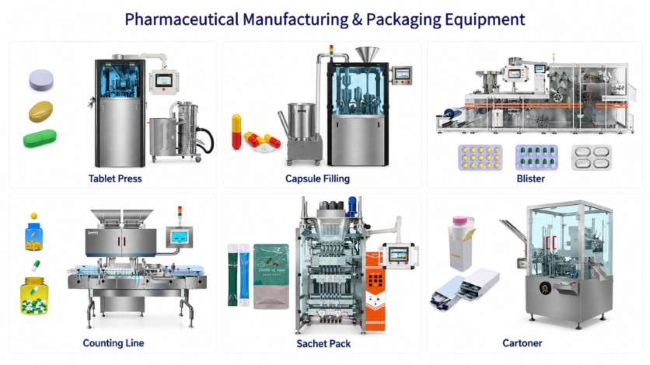
Ruida Packing fournit une presse à comprimés, machine de remplissage de capsules dures, machine à blister, machine d'embouteillage de comprimés ou de capsules , machine de conditionnement de sachets, et équipement d'encartonnage pour les projets de production et d'emballage pharmaceutiques. Pour une installation CMO ou CDMO, la sélection de l'équipement doit commencer par la forme posologique, plage de lots, exigence de nettoyage, fréquence de changement, et la spécification du package plutôt que la sortie maximale annoncée seule.
Comment les entreprises devraient-elles évaluer un partenaire de fabrication pharmaceutique sous contrat?
Un partenaire compétent a besoin de plus que de la capacité de production disponible. Son expérience technique, équipement, système de qualité, documentation, et la communication affectent tous la performance du projet.
L'évaluation devrait couvrir:
- Expérience sous forme posologique: Connaissance du type de produit, comportement du matériau, risques liés aux processus, et méthode d'emballage.
- Qualité et documentation: Vérifications, gestion des écarts, changer de contrôle, enregistrements de validation, gestion des données, et documentation des lots.
- Capacité et ajustement des lots: Taille minimale du lot, créneaux de production disponibles, capacité de mise à l'échelle, délai de mise en œuvre, et une marge de croissance.
- Ajustement de l’équipement et de l’emballage: Machines existantes, outillage, systèmes d'inspection, plage de formats, et tout investissement requis.
- Communication et responsabilité: Maîtrise d'ouvrage, fréquence des rapports, flux de travail d'approbation, communication de déviation, et pouvoir de décision.
Le meilleur partenaire n’est pas toujours la plus grande installation. Le bon CMO ou CDMO a l’expérience produit, échelle de production, flexibilité des équipements, contrôles de qualité, et le soutien au projet requis pour la mission spécifique.
Conclusion
La fabrication sous contrat pharmaceutique donne accès à la capacité de production, assistance technique, et des systèmes d'emballage sans exiger que chaque propriétaire de produit construise une installation complète.
Un CMO est généralement adapté aux produits établis qui nécessitent principalement une fabrication fiable. Un CDMO soutient un parcours plus large allant du développement et du transfert de technologie à la production commerciale.. Dans les deux modèles, le succès dépend de responsabilités claires, un processus de production contrôlé, et équipement pharmaceutique sélectionné pour le lot réel, nettoyage, passage, inspection, et exigences d'emballage.
FAQ
Qu'est-ce que la fabrication sous contrat pharmaceutique?
Il s'agit d'un arrangement dans lequel un propriétaire de produit attribue des tâches de fabrication définies, essai, ou activités d'emballage à une installation externe qualifiée. Les responsabilités sont documentées dans des accords de service et de qualité.
Quelle est la principale différence entre un CMO et un CDMO?
Une CMO fabrique principalement un produit établi. Un CDMO soutient également le travail de formulation, optimisation des processus, transfert de technologie, activités analytiques, et mise à l'échelle. L'étendue réelle des services varie selon les fournisseurs.
La fabrication pharmaceutique sous contrat inclut-elle l'emballage?
Oui. Les services peuvent inclure l’emballage sous blister, mise en bouteille de comprimés et de capsules, machine à emballer des sachets ou machine à emballer des bâtonnets, étiquetage, codage, inspection, et le cartonnage lorsque l'installation dispose de l'équipement requis et des procédures approuvées.
Qui est responsable de la qualité des produits?
Les deux parties conservent des responsabilités définies. L'accord de qualité doit indiquer qui contrôle les matériaux, production, essai, écarts, changements, libérer, plaintes, et rappelle.
Quel équipement est nécessaire pour la fabrication sous contrat de doses orales solides?
Un projet peut nécessiter des équipements de mélange ou de granulation, une presse à comprimés rotative ou une machine de remplissage de gélules, équipement de revêtement, systèmes d'emballage sous blister ou en bouteilles, étiquetage, inspection, et encartonneuses. La configuration finale dépend de la forme galénique, taille du lot, caractéristiques des matériaux, et le type de colis.
Références
Commission européenne, Volume EudraLex 4, Chapitre 7: Activités externalisées.