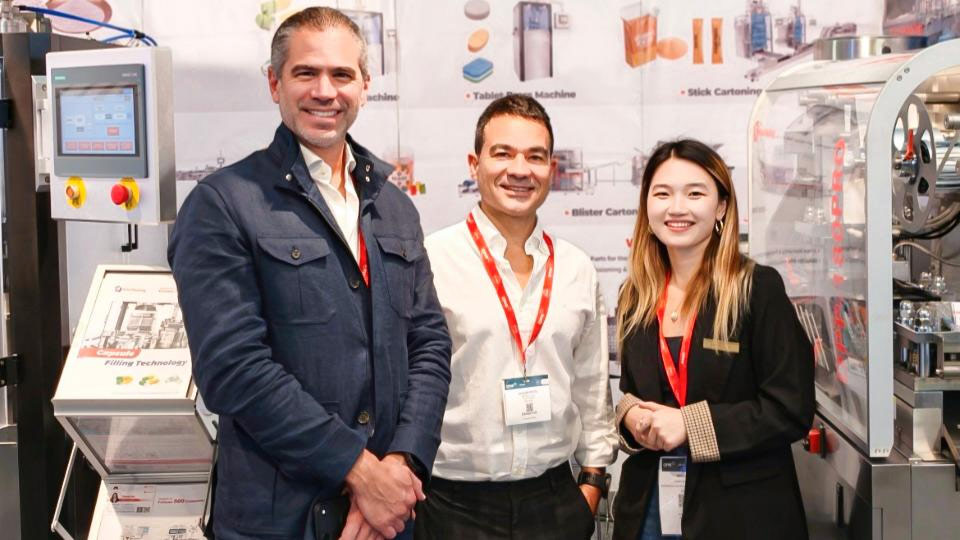
Don’t overlook any capsule. A defected capsule may tell you exactly where the machine goes wrong.
Đối với các nhà sản xuất dược phẩm và dinh dưỡng, whether the finished capsules complies with FDA cGMP counts on the filling powder, capsule shell, khuôn mẫu, machine design, and workshop environment. This guide covers four common capsule defects: shell damage, poor locking, rò rỉ bột, and powder sticking. It explains their causes and practical capsule defects and remedies. The key is to identify where a fault begins before changing machine parameters.

Bài học chính
- Understand how a capsule machine separates, lấp đầy, and locks shells.
- Diagnose damage by checking alignment, dụng cụ, sự sạch sẽ, and shell condition.
- Separate normal powder residue from excessive leakage and dust.
- Reduce sticking and jamming through powder testing and equipment selection.
1.Why Capsule Defects Occur: Capsule Filling Work Principle
Capsules are everywhere in modern society, and there’s hardly any person who hasn’t taken one ever. We know that hard capsule has a body and a cap, and is made by an máy đóng viên nang tự động or encapsulation machine, which separates shells, doses the bodies, and closes the caps. The capsule filling process, cho ăn, indexing, liều lượng, và khóa, involves such a complex web of interconnected factors that it means an issue at any stage can affect the quality of the finished capsules.
Common capsule defects include cracking, sự biến dạng, nhảy, incomplete closure, Sự rò rỉ, and inconsistent fill weight. Hard gelatin capsule defects or simply hard capsule defects may stem from shell handling, bột, or equipment. When reviewing possible defects in capsules, follow the capsule manufacturing process from feeding to locking. Consistent labels help separate defects in capsule filling from wider defects in capsule filling process and identify suitable capsule defects and remedies. Recheck the defects in capsule filling process after corrective action and record any impact on the capsule manufacturing process.
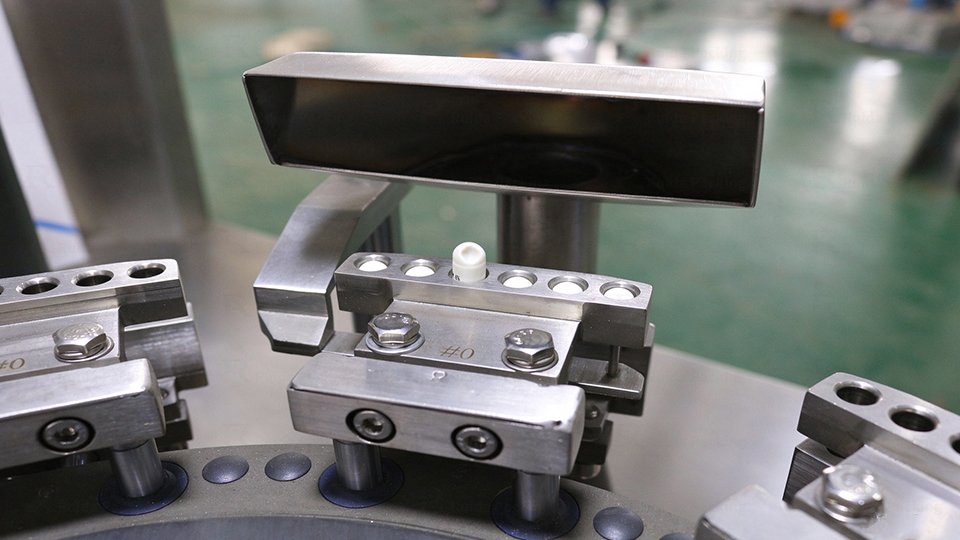
Researchers Juan Osorio and Fernando Muzzio found that powder flow properties were the “most predominant factors affecting” capsule fill weight and variability. A capsule filler cannot compensate for a blend that feeds inconsistently, so check powder attributes, tình trạng vỏ, and machine structure and equipment selection together.
2.Capsule Cracking, Sự biến dạng, and Jumping During Filling
Why Do Capsules Crack, Deform, or Jump?
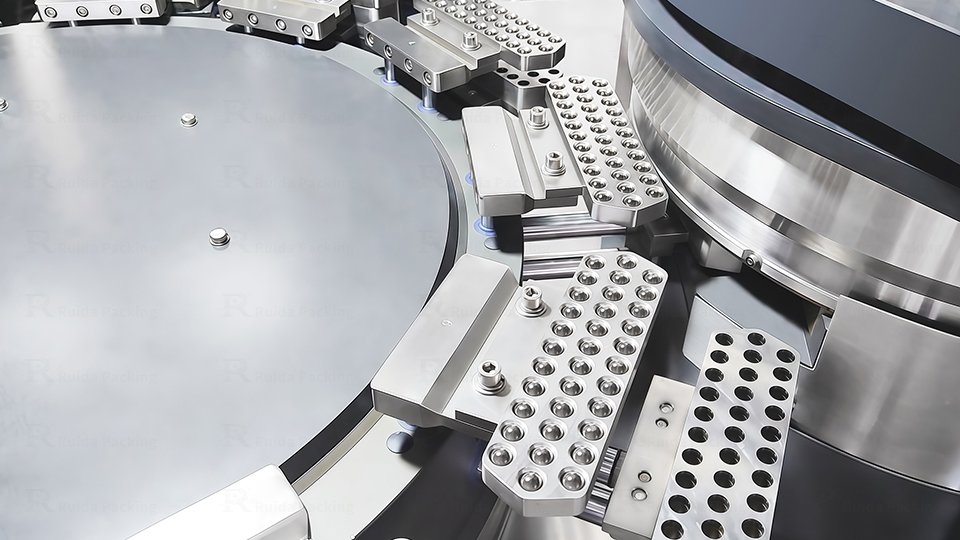
Misalignment commonly causes capsule cracking and deformation. If the capsule dispensing unit, upper mold, and lower mold are off-center, a shell may be pinched during operation. Kiểm tra capsule mold alignment after setup and size changes, and confirm capsule filling machine tooling compatibility for sizes #00 ĐẾN #5. Poor mold concentricity can also obstruct shell entry.
An inaccurate indexing box can cause capsule separation failure or capsule jumping during filling. Check station timing before altering fill settings. Powder residue can obstruct seating, while static electricity may make shells cling to surfaces or one another.
Shell storage matters too. Kontny and Mulski observed brittleness in empty gelatin capsules below 40% relative humidity under their study conditions. This is not a universal limit; check supplier instructions before blaming the machine.
These symptoms may be classified as hard shell capsule defects, capsule shell defects, capsule shell abnormalities, or capsule cracking. Correct setup can prevent repeat capsule manufacturing defects. Record whether damage first appears before tooling, during separation, or at transfer.
How to Prevent Capsule Damage and Jumping
Align the capsule dispensing unit, upper and lower molds with feeler gauge and calibration rods. Sau đó, confirm if mold sizes match the capsule size.
Some capsule filling machine with internal grooved pins can protect the capsule shell and greatly reduce the chance of capsule damage.
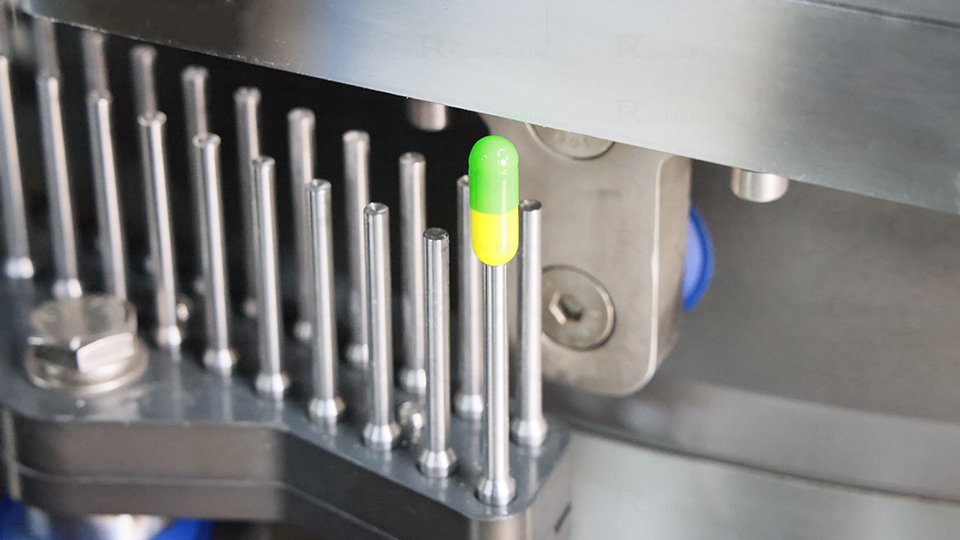
The indexing box accuracy is also important. Usually 100DS accuracy or above is best-suited.
After daily batch production, staffs must clean mold holes, ensuring there’s no powder residue inside them.
As for static electricity, three phase is a better option for the grounding can reduce the static electricity impact. Dù sao, it depends on the national standard. You can also equip a static eliminator if your power supply is not three-phase.
Inspect incoming shells for brittleness. These steps can help prevent capsule deformation during filling and capsule jumping during filling. Track capsule cracking and deformation, hard shell capsule defects, and capsule shell abnormalities separately. Record pinching before changing dosing settings.
3.Capsule Locking Failure and Incomplete Closure
What Causes Poor Capsule Locking?
Capsule locking failure occurs when the cap and body do not join fully. Causes include misalignment, unsuitable stroke or timing, powder on the joining surface, excessive fill height, or a distorted shell arriving at an angle.
These capsule locking and filling problems are common hard gelatin capsule filling defects. Although they may be described as defects of hard gelatin capsules or defects in hard gelatin capsules, the underlying cause may be timing, powder height, or shell position. Document capsule locking and filling problems by capsule size, and track hard gelatin capsule filling defects to their root cause rather than just recording the symptom. Record capsule locking failure separately from capsule cracking.
How to Improve Capsule Locking Reliability
Inspect cap-body alignment, fill height, and residue. Adjust pressure only within equipment instructions, then inspect finished capsules and complete required sampling. Compare results by product and size to make capsule defects and remedies specific to the cause.
If there’s powder residue inside the mold holes, then hollow pin design at locking station helps clean it away.
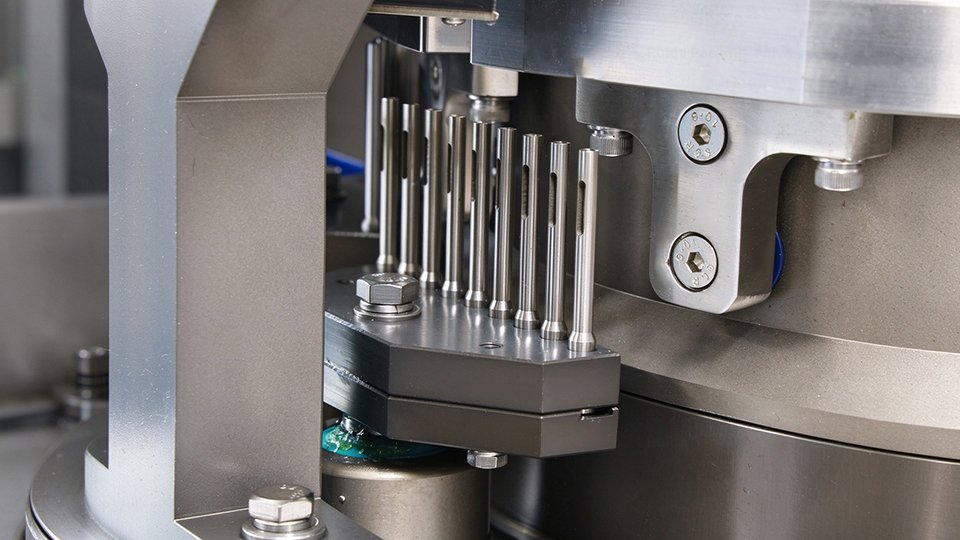
4.Excessive Powder Leakage and Dust Accumulation
Why Does Powder Leak from the Filling Station?
Some clearance between the dosing disc and copper plate may be part of the design, so trace residue is not automatically a fault. Excessive clearance, mặc, or poor assembly can increase powder leakage from capsule filling machine stations. Check capsule filling machine dosing disc clearance against the equipment specification.

Fine particles may pass through small gaps, but cohesion, độ ẩm, khả năng nén, and flowability also matter. Faulhammer and colleagues tested six powders and found a “clear correlation” between fill weight and particle size, air permeability, và khả năng nén. Investigate powder leakage from capsule filling machine stations with the formulation in mind. Temperature and humidity can affect clumping and static, but no single humidity threshold suits every blend.
How to Reduce Powder Leakage and Control Dust
To reduce powder leakage and dust buildup, follow these steps:
1. Inspect the dosing area. Check the dosing disc and copper plate for wear, and measure the clearance to ensure it meets the machine specifications.
2. Check the powder collection system. Make sure recovery ports are clear and collection bins are correctly positioned to collect powder residue.
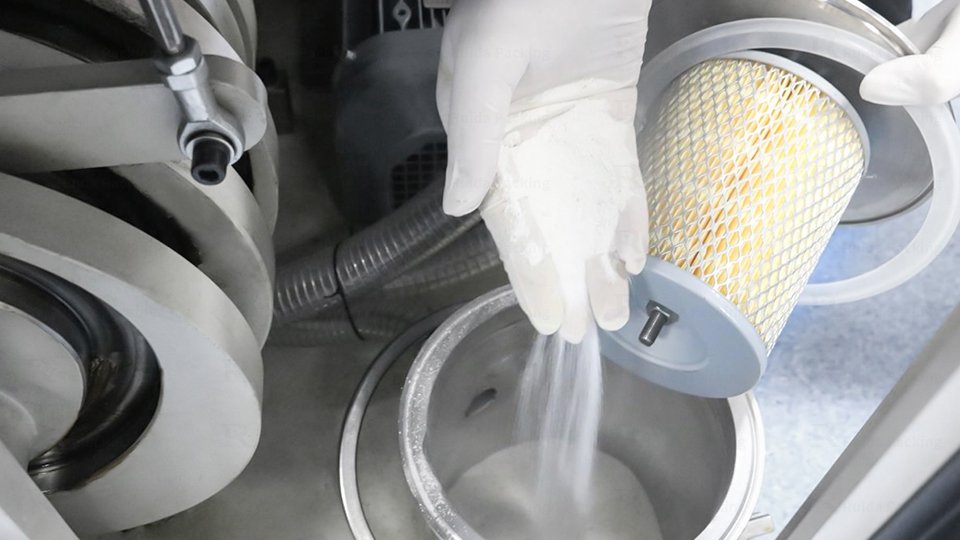
3. Verify vacuum pressure. If local dust extraction is installed, check that the vacuum pressure is enough for collecting the dust. Effective capsule filling machine dust extraction helps control airborne powder and maintain a clean working area.
4. Check the cleaning air system. For machines equipped with hollow locking pins, confirm that the air supply works correctly and helps remove powder residue.
FDA cGMP guidance says equipment should have an “appropriate design” for intended use, dọn dẹp, và bảo trì. Keep residue-prone parts accessible and document cleaning. The quality system must determine whether recovered powder can be reused. Record capsule manufacturing defects from powder leakage separately from other manufacturing defects of capsules.
5.Powder Sticking to Tamping Pins and Capsule Filling Machine Jamming
What Is Excessive Powder Stickiness?
Sticking is excessive when deposits affect dosing, prevent clean ejection, or trigger stops. Look for buildup over successive cycles, rising capsule fill weight variation, underfilled units, and capsule filling machine jamming. No single stickiness value suits every formulation.
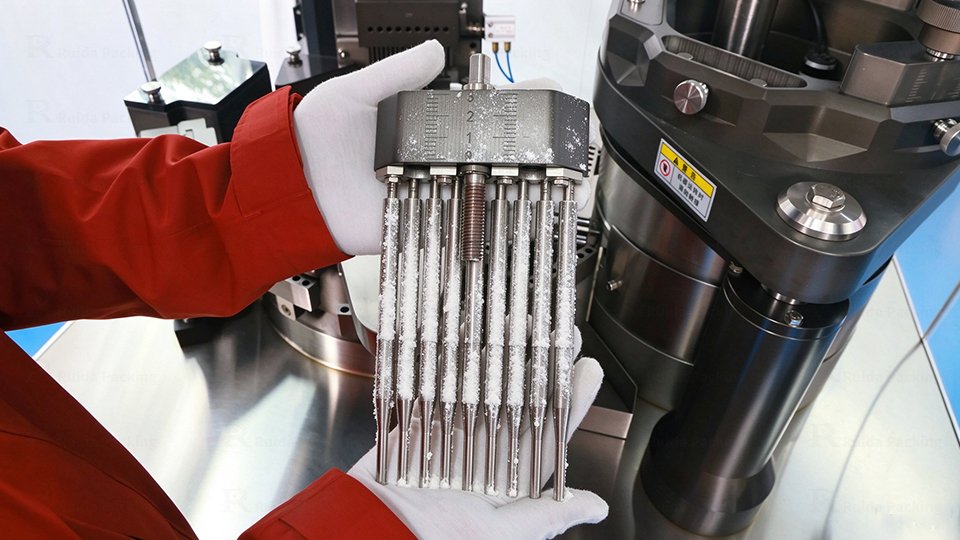
If suitability is uncertain, send a representative powder sample for a controlled trial and provide powder type, density if available, kích thước viên nang, and target fill weight. A second capsule filler machine trial can help distinguish material effects from the dosing principle.
Why Does Powder Stick to Tamping Pins?
Hygroscopic ingredients, fine particles, độ ẩm không phù hợp, worn surfaces, and deposits can cause uneven filling or stoppages. Research links fill weight to powder properties and process settings, so assess both.
How to Reduce Powder Sticking and Prevent Jamming
- Review surface finish. Electropolishing may reduce roughness. Evaluate PTFE, chrome, or ceramic coatings only after checking compatibility, mặc, dọn dẹp, and product-contact suitability.
- Control room conditions. QbD literature discusses 15-25°C and 35-65% RH for empty hard capsules, but these are not universal settings. Confirm any trial range against supplier and formulation data.
- Review the powder. Check particle size, độ ẩm, Tỉ trọng, và khả năng chảy; trial granulation or approved flow aids only where allowed.
- Match the filling principle. If a sticky blend runs inconsistently on an automatic capsule filling machine, trial another principle or semi-automatic option. A manual capsule filling machine is not automatically better; compare accuracy, repeatability, dọn dẹp, workload, and throughput using the same formulation.
A suitable capsule filler or encapsulation machine should handle the actual blend, not merely achieve the advertised speed. Machine structure and equipment selection are central to hard capsule manufacturing quality and the prevention of manufacturing defects in hard gelatin capsules. Verify hard capsule manufacturing quality during machine acceptance and after any major tooling or process change. Batch reports should distinguish manufacturing defects in hard gelatin capsules, manufacturing defects of hard gelatin capsules, and manufacturing defects of capsules only when evidence supports the category. Apply the same approach when documenting manufacturing defects of hard gelatin capsules in repeat batches.
6.A Practical Capsule Filling Machine Troubleshooting Workflow
- Identify the defect and the first station where it appears.
- Check shell condition and powder properties.
- Inspect tooling alignment, kích thước, sự sạch sẽ, and wear.
- Review the relevant settings.
- Change one variable at a time and run a controlled trial.
- Verify results and document corrective actions.
Cái này capsule filling machine troubleshooting workflow helps investigate capsule fill weight variation, capsule separation failure, and other defects in capsules without confusing cause and symptom.
7.Choosing the Right Capsule Filling Machine for Your Formulation
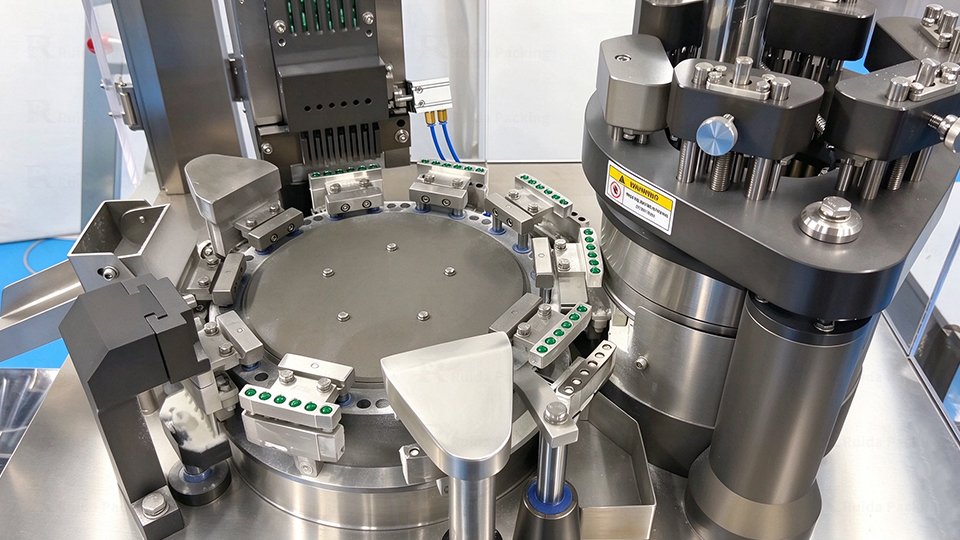
Kích thước viên nang, khả năng chảy của bột, target fill weight, đầu ra, and cleaning needs should shape equipment choice. When choosing a capsule machine or capsule filler machine, review the dosing principle, thay đổi bộ phận, kiểm soát bụi, tooling compatibility, và truy cập bảo trì. For difficult blends, representative powder trials are the clearest way to compare an automatic capsule filling machine with a semi-automatic alternative. Compare a capsule machine and a capsule filler machine against the same powder trial; this is more meaningful than comparing advertised speeds. A partially manual capsule filling machine may suit smaller batches, and a semi-automatic equipment comparison against fully auto model should use the same formulation and trial criteria. A second capsuling equipment comparison can then assess setup time, dọn dẹp, và độ lặp lại.
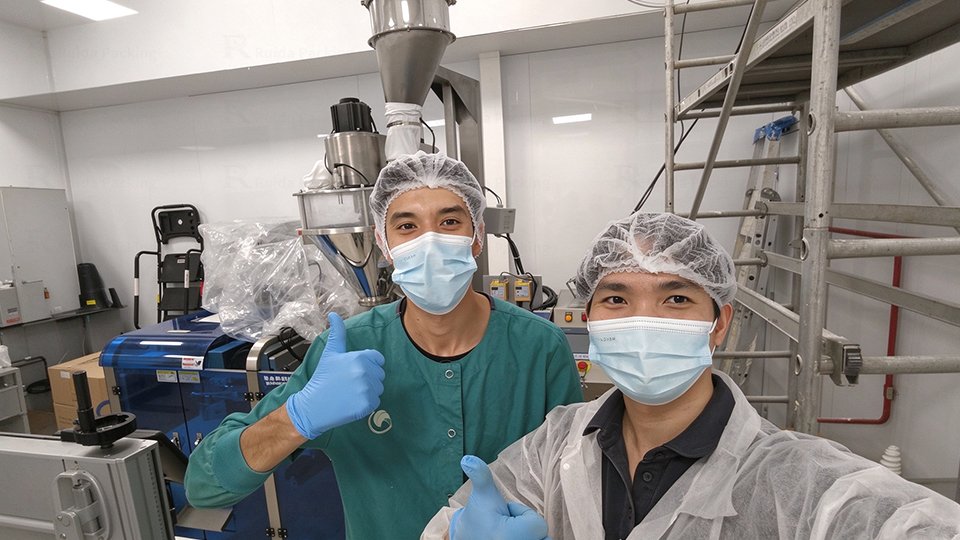
Ruida Packing offers both semi automatic capsule filler and fully auto capsule filling equipment and supports:
On-site installation and commissioning service
Operator training
Remote video or message consultation
Product-contact components can be specified in SUS 316L stainless steel. Review enclosure and safety features for the selected configuration. Electronic options may include 3-tiered password management system, dấu vết kiểm toán, chữ ký điện tử, or MES integration; 21 Phần CFR 11 applicability depends on the actual records and system configuration.
8.Phần kết luận
Capsule filling defects can arise from shell condition, hành vi bột, căn chỉnh, indexing, or dosing and locking settings. Start at the first station where the problem appears and test one cause at a time. This creates evidence-based capsule defects and remedies instead of temporary fixes, and helps teams compare capsule defects and remedies over time. Choose a semi-auto capsule machine or fully auto capsule filler machine that fits the formulation and verify performance through representative trials. A stable capsule filling process depends on repeatable settings and documented verification. For difficult powders, compare a second capsule making machine through a representative sample trial before confirming the equipment choice. The approach can reduce downtime and support consistent pharmaceutical and nutraceutical production.
Câu hỏi thường gặp
Q1: What Are the Most Common Capsule Filling Defects?
Common capsule filling defects include cracking, sự biến dạng, nhảy, khóa không đầy đủ, rò rỉ bột, dính vào, and fill-weight variation. These capsule defects may relate to shell quality, căn chỉnh, hành vi bột, or settings. Trace hard capsule defects to a specific station or material condition. For possible defects in capsules, inspect the shell, filling station, and locking operation.
Q2: Why Do Capsules Crack, Deform, or Jump During Filling?
Common causes include poor capsule mold alignment, incompatible tooling, indexing errors, cặn bột, tĩnh, and brittle shells. These may present as crack capsules when handling or alignment is poor. Check alignment and storage conditions before changing unrelated settings.
Q3: Why Do Capsules Fail to Lock Properly?
Capsule locking failure may come from cap-body misalignment, incorrect locking stroke or timing, excessive fill height, or powder on the joining surface. Inspect the locking station and verify finished closure.
Q4: What Causes Excessive Powder Leakage from a Capsule Filling Machine?
Excessive clearance, bộ phận bị mòn, assembly errors, and powder properties may contribute. Confirm capsule filling machine dosing disc clearance and assess whether local dust extraction is appropriate. Where fitted, verify capsule filling machine dust extraction during commissioning and after maintenance.
Q5: How Can Powder Sticking to Tamping Pins Be Reduced?
Review powder moisture and flowability, inspect pins for deposits or wear, and assess suitable surface finishing. If powder sticking to tamping pins continues, test a representative sample before changing the filling principle.