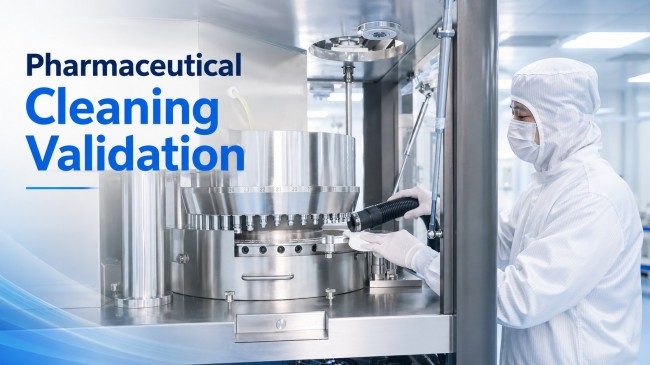
İlaç üretiminde, ekipmanın soyut anlamda "temiz" olması gerekmez; amaçlanan bir sonraki kullanım için yeterince temiz olması gerekir. Farmasötik temizlik doğrulaması Yerleşik bir temizleme prosedürünün ürün kalıntılarını tutarlı bir şekilde kontrol edebileceğine dair belgelenmiş kanıt sağlar, temizlik maddesi kalıntıları, ve tanımlanmış kabul kriterleri kapsamındaki diğer ilgili kontaminasyon riskleri.
Bu, en çok, ürünle temas eden ekipmanın partiler veya farklı ürünler arasında yeniden kullanıldığı durumlarda önemlidir.. Temiz görünen bir yüzey yine de gözle görülmeyen kalıntılar içerebilir., bir eser kalıntının tespit edilmesi otomatik olarak temizleme işleminin başarısız olduğu anlamına gelmez. Asıl soru, kalan kalıntının bilimsel olarak doğrulanmış sınırın altında olup olmadığı ve temizleme işleminin tutarlı bir şekilde bu sonuca ulaşıp ulaşamayacağıdır..
Bir ses ilaç endüstrisinde temizlik validasyonu bu nedenle dört elementi birbirine bağlar: uygun kabul kriterleri, tanımlanmış bir temizleme prosedürü, temsili örnekleme, ve bu kriterlerin karşılanıp karşılanmadığını güvenilir bir şekilde gösterebilen analitik sonuçlar.
Farmasötik Temizlik Doğrulaması Nedir ve Ne Kadar Temiz Yeterince Temizdir?
Farmasötik temizlik validasyonu, onaylanmış bir temizlik prosedürünün ekipmanı sürekli olarak amaçlanan kullanıma uygun hale getirdiğini göstermek için kullanılan belgelenmiş süreçtir.. DSÖ kılavuzu, temizleme yöntemi doğrulamasını benzer terimlerle açıklamaktadır: amaç, onaylanmış bir prosedürün amaçlanan amaca uygun temiz ekipman ürettiğine dair belgelenmiş kanıt sağlamaktır.
Önemli kelime sürekli olarak. Bir makinenin bir kez başarılı bir şekilde temizlenmesi, aynı prosedürün gelecekteki üretim çalıştırmalarından sonra da güvenilir bir şekilde çalışacağını garanti etmez. Doğrulama, tanımlanan temizleme yöntemini dikkate alır, ilgili ekipman ve yüzeyler, kalıntılar uzaklaştırılıyor, örnekleme yaklaşımı, analitik yöntem, ve sonucu değerlendirmek için kullanılan kabul kriterleri.
Peki ne işe yarar “yeterince temiz” aslında demek?
Bu genellikle kesinlikle hiçbir kalıntının mevcut olmadığının kanıtlanması anlamına gelmez.. Analitik yöntemler tanımlı tespit ve ölçüm yeteneklerine sahiptir, ve farmasötik temizlik kararları gerekçeli kabul kriterlerine dayanmaktadır. İlgili kalıntılar belirlenmiş limitler dahilinde kontrol edildiğinde ve sonuç uygun denetimle desteklendiğinde ekipman kabul edilebilir düzeyde temiz kabul edilir., örnekleme, ve test etme.
Görsel temizlik hala faydalıdır, ancak normalde tek kabul kriteri olarak hizmet edemez. Ürünle temas eden yüzey, az miktarda kalıntı kalırken temiz görünebilir. AB GMP Eki 15 bu nedenle, yalnızca görsel temizliğe güvenmenin genel olarak kabul edilemeyeceğini belirtirken, görsel incelemeyi temizlik doğrulamasının önemli bir parçası olarak ele alır.
İlgili üç terimi ayırmak da faydalıdır:
- Temizlik kalıntı ve kirletici maddelerin ekipmandan uzaklaştırılmasının fiziksel işlemidir.
- Temizleme doğrulaması belirli bir temizlik olayının tanımlanmış gereksinimleri karşılayıp karşılamadığını kontrol eder.
- Temizleme doğrulaması Tanımlanan temizleme işleminin tasarlandığı koşullar altında tutarlı bir şekilde performans gösterdiğine dair belgelenmiş kanıt oluşturur.
Bu ayrım, farmasötik temizlik validasyonunun neden bir makineyi yıkadıktan sonra incelemenin ötesine geçtiğini açıklıyor. Amaç, temizleme işleminin tekrarlanabilir olduğuna dair kanıt oluşturmaktır, ölçülebilir, ve ilgili ürün ve ekipmanlara uygun.
Kabul edilebilir sınırın tam olarak nerede ayarlanması gerektiği ayrı bir sorudur. Kalıntının türüne bağlıdır, sonraki ürün, ekipman treni, ve uygulanabilir risk değerlendirmesi. Bu faktörler, temizlik doğrulama kabul kriterlerinin temelini oluşturur ve daha sonra sağlık temelli limitleri ve izin verilen bulaşmayı incelediğimizde ele alınır..
Farmasötik Temizlik Validasyonu için GMP Neleri Gerektirir??
GMP her ürün veya makine için tek bir temizleme tarifi sağlamaz. Kontrollü olmayı gerektirir, belgelenmiş temizlik ve ekipmanın kabul edilemez kirlenme veya bulaşma riski olmadan yeniden kullanılabileceğini gösteren kanıtlar.
FDA 21 CFR 211.67 temizlik için yazılı prosedürler gerektirir, denetleme, temiz ekipmanın korunması, ve kayıtlar. AB GMP Eki 15 haklı aktarım limitlerini ele alır, numune alma yerleri, kabul kriterleri, ve analitik yöntemler. DSÖ rehberliği aynı zamanda risk temelli bir yaklaşımı da desteklemektedir, özellikle paylaşılan ekipmanlar için.
| Kaynak | Ana odak | Pratik anlam |
| FDA 21 CFR Parçası 211 | Temizlik prosedürleri, ekipman tasarımı, denetleme, kayıtlar | Temizlik tanımlanmalıdır, kontrol edildi, ve belgelenmiş |
| AB GMP Eki 15 | Doğrulama, sınırlar, örnekleme, analitik yöntemler | Temizleme etkinliğinin destekleyici kanıtlara ihtiyacı vardır |
| DSÖ rehberliği | Risk, Sağlık temelli maruz kalma sınırı (HBEL), doğrulama, yaşam döngüsü kontrolü | Strateji gerçek ürün ve bulaşma riskini yansıtmalıdır |
Önemli ayrım şu ki düzenleyiciler kontrol hedefini tanımlar; üretici özel temizleme prosedürünü gerekçelendiriyor, sınırlar, örnekleme planı, ve kendi prosesine yönelik test yöntemleri.
Ekipmanın Yeterince Temiz Olup Olmadığına Nasıl Karar Verirsiniz??
Kararın bir dizi olarak anlaşılması daha kolaydır:
Kalıntıyı tanımlayın → kabul edilebilir bir limit belirleyin → ekipmandan numune alın → kalıntıyı ölçün → sonucu limitle karşılaştırın.
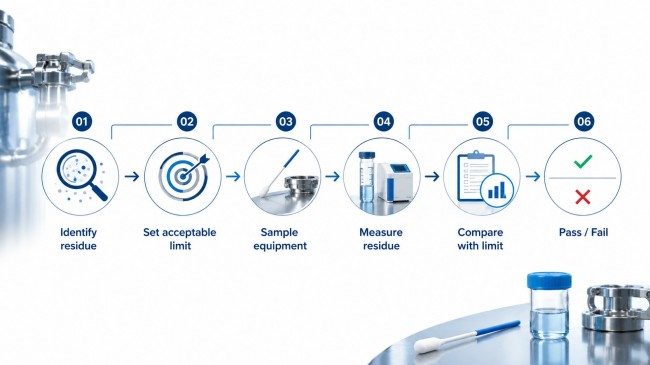
Sonuç, gerekçeli kabul kriterlerini karşılıyorsa ve temizleme prosedürü bu sonuca defalarca ulaşabiliyorsa, ekipmanın onaylanmış kullanım için yeterince temiz olması.
1. Neyin Kontrol Edilmesi Gerektiğini Tanımlayın
Önceki ürün genellikle birincil endişe kaynağıdır, ancak değerlendirme aynı zamanda temizlik maddesi kalıntılarını ve, ilgili olduğu yerde, mikrobiyolojik kirlenme. Görsel inceleme faydalıdır, ancak görsel olarak temiz bir yüzey yine de düşük düzeyde kalıntı içerebilir.
2. Kabul Kriterlerini Belirleyin
Ortak tesislerdeki ürün kalıntıları için, A sağlık temelli maruz kalma sınırı (HBEL) Önceki bir ürüne ne kadar maruz kalmanın kabul edilebilir olduğuna karar vermek için bilimsel temel sağlayabilir. A izin verilen günlük maruziyet (PDE) bu değerlendirmede kullanılan sağlık temelli değer türlerinden biridir.
Bu sağlık temelli değer daha sonra ilgili ürün dizisi ve ekipman dizisi için pratik bir aktarım sınırına dönüştürülür.. Bu genellikle şu şekilde ifade edilir: İzin Verilen Maksimum Aktarma (Sevimli) veya başka bir haklı aktarım sınırı.
İlişki:
Toksikolojik veriler → HBEL/PDE → izin verilen bulaşma → ekipman veya yüzey sınırı → test sonucu → Başarılı veya Kaldı
A Temizleme validasyonunda MACO hesaplaması bu nedenle her makine veya ürün için geçerli olan tek bir numara oluşturmaz. Sonuç, ilgili ürünlere ve kullanılan varsayımlara bağlıdır.. Bu aynı zamanda sabit bir tarihsel kuralın da nedenidir. 10 ppm otomatik olarak bilimsel olarak gerekçelendirilmiş bir risk değerlendirmesinin yerini almamalıdır.
3. Kanıtları Sınırlarla Karşılaştırın
| Kontrol etmek | Ana soru |
| Görsel inceleme | Tanımlanan denetim standardına göre gözle görülür kalıntı yok mu?? |
| Ürün kalıntı testi | Ölçülen bulaşma haklı sınırın altında mı? |
| Temizlik maddesi kalıntısı | Temizlik maddesi belirlenen sınırın altında mı?? |
| Mikrobiyolojik değerlendirme | Uygun olduğu yerde, Tanımlanan kriterler karşılanıyor mu?? |
| Yöntem yeteneği | Numune alma ve analiz, kalıntıyı gereken seviyede güvenilir bir şekilde tespit edebilir? |
"Algılanmadı" sonucu sıfır kalıntı anlamına gelmez. Bu, numune alma ve analitik yöntemin kapasitesinin üzerinde kalıntı tespit edilmediği anlamına gelir. Yeterince temiz, bu nedenle ölçülen, haklı durum – mükemmel temizlik iddiası değil.
Farmasötik Temizlik Validasyonu Adım Adım Nasıl Çalışır?
Pratik temizleme doğrulama protokolü bu kabul kriterlerini tekrarlanabilir bir çalışmaya dönüştürür.
Adım 1: Kapsamı ve En Kötü Durumu Tanımlayın
Ürünle temas eden ekipmanı tanımlayın, bunu paylaşan ürünler, ve en zorlu temizlik koşullarını yaratan kombinasyonlar. En kötü durum seçiminde birden fazla faktör dikkate alınmalıdır. Toksisite veya etki bulaşmanın sonucunu etkiler, zayıf çözünürlük veya zor temizlenebilirlik, kalıntının çıkarılmasının ne kadar zor olduğunu etkiler.
Bu nedenle en yüksek doza sahip ürün otomatik olarak en kötü temizlik durumu değildir.. Gerekçe her ikisini de yansıtmalıdır kalıntı kalması durumunda risk ve onu çıkarmanın zorluğu.
Adım 2: Temizleme Prosedürünü Tanımlayın
Prosedür, temizleme performansını etkileyen değişkenleri tanımlamalıdır., temizlik maddesi konsantrasyonu gibi, sıcaklık, temas süresi, durulama, sökme, kurutma, ve ilgili kirli veya temiz bekletme süreleri. Manuel temizlik aynı zamanda açık talimatlara da ihtiyaç duyar çünkü operatör tekniği değişiklik gösterebilir.
Adım 3: Numune Alma Yerlerini ve Yöntemlerini Seçin
Örnekleme anlamlı yerleri içermelidir, sadece ulaşılması kolay alanlar yerine özellikle temizlenmesi zor yüzeyler.
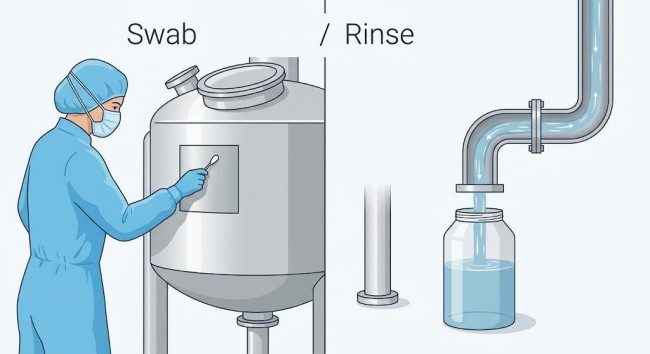
Swab örneklemesi erişilebilir bir yüzeyden konuma özgü sonuç verir. Durulama numunesi kapalı veya ulaşılması zor alanlar için kullanışlıdır ancak kalıntının tam olarak nerede bulunduğu hakkında daha az bilgi verir.
| Yöntem | Ana güç | Ana sınırlama |
| Swab örneklemesi | Doğrudan, konuma özgü sonuç | Erişilebilir yüzeylerle sınırlıdır |
| Durulama numunesi | Kapalı veya zor alanları kapsar | Daha az konuma özgü |
| Görsel inceleme | Hızlı ve kullanışlı | Düşük seviyeli kimyasal kalıntının miktarı belirlenemiyor |
Adım 4: Analitik Yöntemi Seçin
Yöntem kalıntıya ve kabul sınırına uygun olmalıdır.
HPLC çalışmanın belirli bir ilaç aktif maddesinin veya temizlik kalıntısının spesifik bir ölçümüne ihtiyacı olduğunda faydalıdır. İçindekiler toplam organik karbonu ölçer, böylece toplam organik kalıntının uygun bir gösterge olduğu durumlarda daha geniş, spesifik olmayan bir değerlendirmeyi destekleyebilir.
Doğru seçim gerekli spesifikliğe bağlıdır, hassasiyet, algılama yeteneği, ve kalıntının doğası - hangi yöntemin daha gelişmiş göründüğü değil.
Adım 5: Doğrulamayı Çalıştırın ve Sonuçları Değerlendirin
Onaylanmış temizleme prosedürünü tanımlanan koşullar altında gerçekleştirin, Planlanan örnekleri toplayın, ve sonuçları önceden tanımlanmış kriterlerle karşılaştırın. Başarısızlıklar, başarılı bir sonuç görünene kadar tekrar tekrar temizlenip yeniden test edilmek yerine araştırılmalıdır..
Orada Her temizlik doğrulama çalışmasında her zaman tam olarak üç başarılı çalışmanın kullanılması gerektiğine dair evrensel bir kural yoktur. AB GMP Eki 15 Risk değerlendirmesine ve kabul kriterlerinin karşılanmasına dayalı olarak uygun bir sayının belirlenmesi çağrısında bulunur.
Adım 6: Doğrulanmış Durumu Koruyun
Onaylandıktan sonra, ürünlerde ilgili değişiklikler, teçhizat, temizlik prosedürleri, veya çalışma koşulları, ek doğrulama veya yeniden doğrulamanın haklı olup olmadığını belirlemek için değişiklik kontrolü yoluyla değerlendirilmelidir..
Farmasötik Ekipman Tasarımı Farmasötik Temizlik Validasyonunu Nasıl Etkiler?
Temizleme prosedürü doğrulanmıştır, ancak ekipman tasarımı bunun ne kadar kolay gerçekleştirilebileceğini ve doğrulanabileceğini etkiler.
bir otomatik kapsül dolum makinası, hazne, dozaj bileşenleri, ve boşaltma yolunun pratik temizleme erişimine ihtiyacı vardır. A döner tablet pres makinesi erişilebilir besleyici ve sıkıştırma alanlarına ihtiyaç duyar. bir ilaç toz karıştırıcı, gemi, boşaltma alanı, mühürler, ve iç temas yüzeyleri temizlenebilirliği ve numune alma erişimini etkiler.
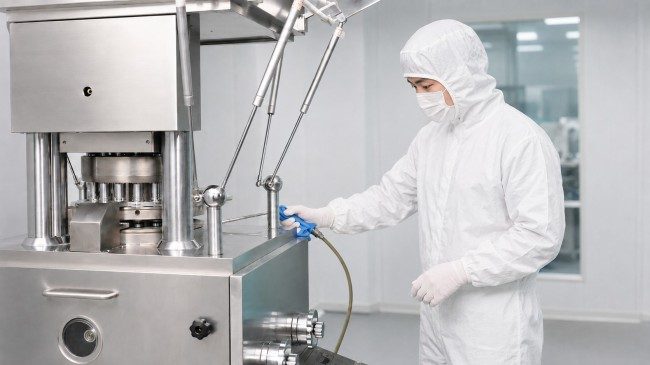
FDA ekipman gereksinimleri aynı prensibi desteklemektedir: ekipman temizlik ve bakımı kolaylaştıracak şekilde tasarlanmalı ve yerleştirilmelidir., ve ürünle temas eden yüzeyler ürün kalitesini olumsuz etkilememelidir.
Ruida Packaging'de çalışıyor, malzemeyle temas eden parçaların kullanımı 316paslanmaz çelik, diğer paslanmaz çelik alanlar kullanılırken 304 paslanmaz çelik. Erişilebilir ve çıkarılabilir ürünle temas eden yapılar rutin temizliği daha pratik hale getirebilir. Fakat, hiçbir paslanmaz çelik kalitesi veya makine tasarımı, temizleme işlemini otomatik olarak GMP uyumlu hale getirmez. Üreticinin hala kabul kriterleri oluşturması gerekiyor, temizlik prosedürleri, gerçek ürünler ve çalışma koşulları için doğrulama kanıtları.
Farmasötik Temizlik Validasyonu Hakkında Sıkça Sorulan Sorular
Temizlik doğrulaması ile temizlik doğrulaması arasındaki fark nedir??
Temizleme doğrulaması, bir temizleme işleminin tutarlı bir şekilde gerçekleştirildiğine dair kanıt oluşturur. Temizlik doğrulaması, belirli bir temizlik olayının veya rutin uygulamanın tanımlanmış gereksinimleri karşılayıp karşılamadığını kontrol eder.
Temizlik doğrulaması ne sıklıkla yapılmalıdır??
Tek bir evrensel aralık yoktur. Yeniden değerlendirme süreç riskine bağlıdır, değişiklikler, doğrulanmış durum, şirket prosedürleri, ve geçerli düzenleyici beklentiler.
Ardışık üç temizleme doğrulama çalışması her zaman gerekli midir??
Hayır. Bazı şirket programlarında üç çalıştırma kullanılır, ancak AB GMP Eki 15 evrensel sabit bir sayı yerine risk değerlendirmesine dayalı uygun bir sayının kullanılması çağrısında bulunur.
Swap numunesi almak, durulama numunesinden daha mı iyidir??
İkisi de evrensel olarak daha iyi değil. Swablama, konuma özgü yüzey verileri sağlar; durulama numunesi kapalı veya erişilmesi zor alanların değerlendirilmesine yardımcı olur. Ekipman ve kalıntı uygun stratejiyi belirler.
Hangi farmasötik ekipmanın temizlik onayına ihtiyacı var?
Ana odak noktası, etkisiz temizliğin kabul edilemez bulaşma veya kontaminasyon riski yaratabileceği ürünle temas eden ekipmanlardır.. Tam kapsam ürünlere bağlıdır, işlem, ekipman kullanımı, ve risk değerlendirmesi.
Bu yüzden, ne kadar temiz yeterince temiz? Farmasötik temizlik validasyonu bu soruyu net bir kanıt zinciriyle yanıtlıyor: ilgili kalıntıyı tanımlayın, bilimsel olarak gerekçelendirilmiş bir sınır oluşturmak, örnek temsili yüzeyler, kalıntıyı uygun bir yöntemle ölçün, ve temizleme prosedürünün kabul kriterlerini tutarlı bir şekilde karşıladığını gösterin.
İyi ekipman tasarımı temizliği ve numune almayı kolaylaştırır, Ancak Yeterince temiz olduğu, sonuçta görünümle değil, doğrulanmış temizleme süreci ve verileriyle kanıtlanır, malzeme seçimi, veya yalnızca makine tasarımı.
Referanslar
- BİZ. Federal Düzenlemelerin Elektronik Kodu. 21 CFR Parçası 211, Alt Bölüm D - Ekipman, §211.63 dahil, §211.65, ve §211.67.
- Avrupa Komisyonu. EudraLex Hacmi 4, Ek 15: Yeterlilik ve Doğrulama, Bölüm 10—Temizlik Doğrulaması.
- Dünya Sağlık Örgütü. TRS 1033, Ek 2: Temizlik Doğrulamasına Sağlığa Dayalı Maruz Kalma Limitlerini Dahil Ederken Dikkat Edilmesi Gereken Noktalar.
- Avrupa İlaç Ajansı. Ortak Tesislerde Farklı Tıbbi Ürünlerin Üretiminde Risk Belirlemede Kullanıma Yönelik Sağlık Temelli Maruziyet Limitlerinin Belirlenmesine İlişkin Kılavuz.
- BİZ. Gıda ve İlaç İdaresi. Temizleme Proseslerinin Validasyonu (7/93).