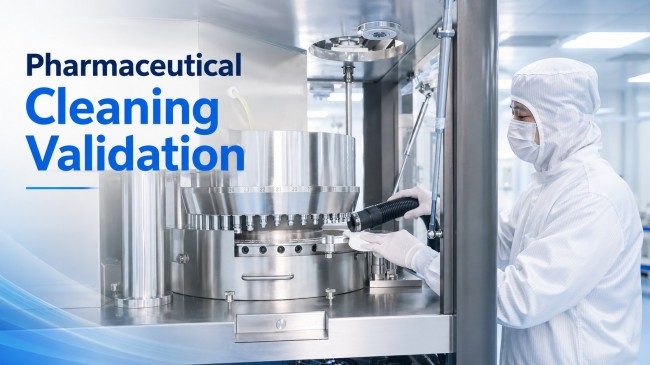
ในการผลิตยา, อุปกรณ์ไม่จำเป็นต้อง "สะอาด" ในเชิงนามธรรม แต่ต้องสะอาดเพียงพอสำหรับการใช้งานครั้งต่อไป. การตรวจสอบการทำความสะอาดยา ให้หลักฐานที่เป็นเอกสารว่าขั้นตอนการทำความสะอาดที่กำหนดไว้สามารถควบคุมสารตกค้างของผลิตภัณฑ์ได้อย่างสม่ำเสมอ, สารทำความสะอาดตกค้าง, และความเสี่ยงในการปนเปื้อนอื่นๆ ที่เกี่ยวข้องภายในเกณฑ์การยอมรับที่กำหนดไว้.
สิ่งนี้สำคัญที่สุดเมื่อมีการนำอุปกรณ์ที่สัมผัสกับผลิตภัณฑ์กลับมาใช้ซ้ำระหว่างแบทช์หรือผลิตภัณฑ์ที่แตกต่างกัน. พื้นผิวที่ดูสะอาดก็ยังมีสารตกค้างที่มองไม่เห็นได้, แม้ว่าการตรวจจับสิ่งตกค้างไม่ได้หมายความว่ากระบวนการทำความสะอาดล้มเหลวโดยอัตโนมัติ. คำถามที่แท้จริงคือสารตกค้างที่เหลืออยู่ต่ำกว่าขีดจำกัดตามหลักวิทยาศาสตร์หรือไม่ และกระบวนการทำความสะอาดสามารถบรรลุผลดังกล่าวอย่างสม่ำเสมอหรือไม่.
เสียง การตรวจสอบการทำความสะอาดในอุตสาหกรรมยา จึงเชื่อมโยงธาตุทั้ง 4 เข้าด้วยกัน: เกณฑ์การยอมรับที่เหมาะสม, ขั้นตอนการทำความสะอาดที่กำหนดไว้, การสุ่มตัวอย่างแบบตัวแทน, และผลการวิเคราะห์ที่สามารถแสดงได้อย่างน่าเชื่อถือว่าเป็นไปตามเกณฑ์เหล่านั้นหรือไม่.
การตรวจสอบการทำความสะอาดยาคืออะไร และความสะอาดเพียงพอแค่ไหน?
การตรวจสอบความถูกต้องในการทำความสะอาดยาเป็นกระบวนการที่ได้รับการจัดทำเป็นเอกสารซึ่งใช้เพื่อแสดงให้เห็นว่าขั้นตอนการทำความสะอาดที่ได้รับอนุมัติจะทำให้อุปกรณ์เหมาะสมกับการใช้งานตามวัตถุประสงค์อย่างสม่ำเสมอ. คำแนะนำของ WHO อธิบายการตรวจสอบความถูกต้องของวิธีการทำความสะอาดในลักษณะเดียวกัน: วัตถุประสงค์คือเพื่อแสดงหลักฐานที่เป็นเอกสารว่าขั้นตอนที่ได้รับอนุมัติจะผลิตอุปกรณ์สะอาดที่เหมาะสมกับวัตถุประสงค์ที่ตั้งใจไว้.
คำสำคัญก็คือ อย่างสม่ำเสมอ. การทำความสะอาดเครื่องจักรให้สำเร็จเพียงครั้งเดียวไม่ได้หมายความว่าขั้นตอนเดียวกันจะทำงานได้อย่างน่าเชื่อถือหลังจากดำเนินการผลิตในอนาคต. การตรวจสอบจะพิจารณาวิธีการทำความสะอาดที่กำหนดไว้, อุปกรณ์และพื้นผิวที่เกี่ยวข้อง, สารตกค้างจะถูกกำจัดออกไป, วิธีการสุ่มตัวอย่าง, วิธีการวิเคราะห์, และเกณฑ์การยอมรับที่ใช้ในการตัดสินผล.
แล้วได้อะไร “สะอาดพอ” หมายถึงจริงๆ?
โดยทั่วไปไม่ได้หมายถึงการพิสูจน์ว่าไม่มีสารตกค้างอย่างแน่นอน. วิธีการวิเคราะห์ได้กำหนดความสามารถในการตรวจจับและการหาปริมาณ, และการตัดสินใจเรื่องการทำความสะอาดยาจะขึ้นอยู่กับเกณฑ์การยอมรับที่สมเหตุสมผล. อุปกรณ์จะถือว่าสะอาดที่ยอมรับได้เมื่อมีการควบคุมสิ่งตกค้างที่เกี่ยวข้องภายในขีดจำกัดที่กำหนด และผลลัพธ์ได้รับการสนับสนุนจากการตรวจสอบที่เหมาะสม, การสุ่มตัวอย่าง, และการทดสอบ.
ความสะอาดของการมองเห็นยังคงมีประโยชน์, แต่โดยปกติแล้วไม่สามารถใช้เป็นเกณฑ์การยอมรับเพียงอย่างเดียวได้. พื้นผิวที่สัมผัสกับผลิตภัณฑ์อาจดูสะอาดในขณะที่ยังมีสารตกค้างอยู่เล็กน้อย. ภาคผนวก GMP ของสหภาพยุโรป 15 จึงถือว่าการตรวจสอบด้วยสายตาเป็นส่วนสำคัญของการตรวจสอบการทำความสะอาด โดยระบุว่าโดยทั่วไปไม่เป็นที่ยอมรับที่จะอาศัยความสะอาดของการมองเห็นเพียงอย่างเดียว.
นอกจากนี้ยังเป็นประโยชน์ในการแยกคำที่เกี่ยวข้องสามคำออกจากกัน:
- การทำความสะอาด เป็นกระบวนการทางกายภาพในการกำจัดสิ่งตกค้างและสิ่งปนเปื้อนออกจากอุปกรณ์.
- การตรวจสอบการทำความสะอาด ตรวจสอบว่ากิจกรรมการทำความสะอาดเฉพาะเป็นไปตามข้อกำหนดที่กำหนดไว้หรือไม่.
- การตรวจสอบการทำความสะอาด สร้างหลักฐานที่เป็นเอกสารว่ากระบวนการทำความสะอาดที่กำหนดไว้ดำเนินการอย่างสม่ำเสมอภายใต้สภาวะที่ได้รับการออกแบบ.
ความแตกต่างนี้อธิบายว่าทำไมการตรวจสอบการทำความสะอาดทางเภสัชกรรมจึงเป็นมากกว่าการตรวจสอบเครื่องจักรหลังการซัก. วัตถุประสงค์คือเพื่อสร้างหลักฐานว่ากระบวนการทำความสะอาดสามารถทำซ้ำได้, วัดได้, และเหมาะสมกับผลิตภัณฑ์และอุปกรณ์ที่เกี่ยวข้อง.
ตำแหน่งที่ควรกำหนดขีดจำกัดที่ยอมรับได้นั้นเป็นคำถามแยกต่างหาก. ขึ้นอยู่กับชนิดของสารตกค้าง, ผลิตภัณฑ์ถัดไป, รถไฟอุปกรณ์, และการประเมินความเสี่ยงที่เกี่ยวข้อง. ปัจจัยเหล่านี้เป็นพื้นฐานของเกณฑ์การยอมรับการตรวจสอบความถูกต้องของการทำความสะอาด และได้รับการแก้ไขในภายหลังเมื่อเราตรวจสอบขีดจำกัดด้านสุขภาพและการยกยอดที่อนุญาต.
GMP ต้องการอะไรในการตรวจสอบการทำความสะอาดยา?
GMP ไม่มีสูตรการทำความสะอาดสูตรเดียวสำหรับผลิตภัณฑ์หรือเครื่องจักรทุกเครื่อง. มันต้องมีการควบคุม, การทำความสะอาดที่เป็นเอกสารและหลักฐานว่าอุปกรณ์สามารถนำกลับมาใช้ใหม่ได้ โดยไม่มีการปนเปื้อนหรือความเสี่ยงในการพกพาที่ไม่สามารถยอมรับได้.
องค์การอาหารและยา 21 ซีเอฟอาร์ 211.67 ต้องมีขั้นตอนการทำความสะอาดเป็นลายลักษณ์อักษร, การตรวจสอบ, การป้องกันอุปกรณ์ที่สะอาด, และบันทึก. ภาคผนวก GMP ของสหภาพยุโรป 15 ระบุข้อจำกัดการยกยอดที่สมเหตุสมผล, สถานที่เก็บตัวอย่าง, เกณฑ์การยอมรับ, และวิธีการวิเคราะห์. คำแนะนำของ WHO ยังสนับสนุนแนวทางที่อิงตามความเสี่ยงด้วย, โดยเฉพาะสำหรับอุปกรณ์ที่ใช้ร่วมกัน.
| แหล่งที่มา | โฟกัสหลัก | ความหมายเชิงปฏิบัติ |
| องค์การอาหารและยา 21 ส่วนซีเอฟอาร์ 211 | ขั้นตอนการทำความสะอาด, การออกแบบอุปกรณ์, การตรวจสอบ, บันทึก | ต้องกำหนดการทำความสะอาด, ตรวจสอบแล้ว, และจัดทำเป็นเอกสาร |
| ภาคผนวก GMP ของสหภาพยุโรป 15 | การตรวจสอบ, ขีดจำกัด, การสุ่มตัวอย่าง, วิธีการวิเคราะห์ | ประสิทธิภาพในการทำความสะอาดจำเป็นต้องมีหลักฐานสนับสนุน |
| คำแนะนำของใคร | เสี่ยง, ขีดจำกัดการรับสัมผัสด้านสุขภาพ (เอชเบล), การตรวจสอบ, การควบคุมวงจรชีวิต | กลยุทธ์ควรสะท้อนถึงผลิตภัณฑ์ที่เกิดขึ้นจริงและความเสี่ยงในการขนย้าย |
ความแตกต่างที่สำคัญก็คือ หน่วยงานกำกับดูแลกำหนดวัตถุประสงค์การควบคุม; ผู้ผลิตจะปรับขั้นตอนการทำความสะอาดเฉพาะให้เหมาะสม, ขีดจำกัด, แผนการสุ่มตัวอย่าง, และวิธีทดสอบสำหรับกระบวนการของตัวเอง.
คุณจะตัดสินใจได้อย่างไรว่าอุปกรณ์สะอาดเพียงพอหรือไม่?
การตัดสินใจจะเข้าใจได้ง่ายขึ้นเป็นลำดับ:
ระบุสารตกค้าง → ตั้งค่าขีดจำกัดที่ยอมรับได้ → ตัวอย่างอุปกรณ์ → วัดสารตกค้าง → เปรียบเทียบผลลัพธ์กับขีดจำกัด.
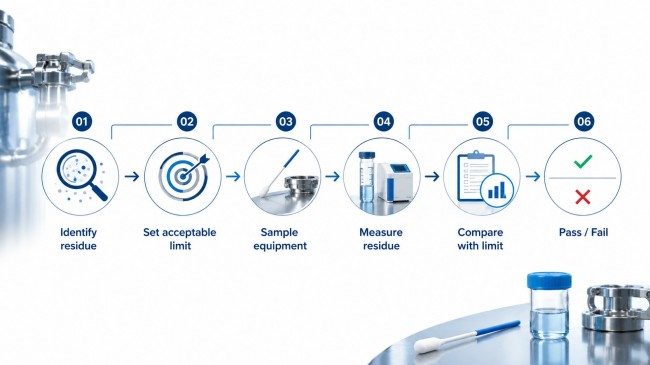
หากผลลัพธ์ตรงตามเกณฑ์การยอมรับที่สมเหตุสมผล และขั้นตอนการทำความสะอาดสามารถบรรลุผลลัพธ์นั้นซ้ำแล้วซ้ำเล่า, อุปกรณ์สะอาดเพียงพอสำหรับการใช้งานที่ได้รับการตรวจสอบ.
1. กำหนดสิ่งที่จำเป็นต้องได้รับการควบคุม
ผลิตภัณฑ์ก่อนหน้านี้มักเป็นปัญหาหลัก, แต่การประเมินยังสามารถรวมถึงสารตกค้างของสารทำความสะอาดและ, ที่เกี่ยวข้อง, การปนเปื้อนทางจุลชีววิทยา. การตรวจสอบด้วยสายตามีประโยชน์, แต่พื้นผิวที่สะอาดตายังคงมีสารตกค้างในระดับต่ำ.
2. กำหนดเกณฑ์การยอมรับ
สำหรับผลิตภัณฑ์ตกค้างในสถานประกอบการที่ใช้ร่วมกัน, อัน ขีดจำกัดการสัมผัสต่อสุขภาพ (เอชเบล) สามารถให้พื้นฐานทางวิทยาศาสตร์ในการตัดสินใจว่าจะยอมรับผลิตภัณฑ์ก่อนหน้านี้ได้มากน้อยเพียงใด. ก การสัมผัสรายวันที่ได้รับอนุญาต (สพป) เป็นคุณค่าทางสุขภาพประเภทหนึ่งที่ใช้ในการประเมินนี้.
จากนั้นค่าด้านสุขภาพนั้นจะถูกแปลเป็นขีดจำกัดการยกยอดในทางปฏิบัติสำหรับลำดับผลิตภัณฑ์และการฝึกอบรมอุปกรณ์ที่เกี่ยวข้อง. โดยทั่วไปจะแสดงเป็น ยอดยกยอดที่อนุญาตสูงสุด (น่ารัก) หรือขีดจำกัดการยกยอดอื่นๆ ที่สมเหตุสมผล.
ความสัมพันธ์นั้น:
ข้อมูลทางพิษวิทยา → HBEL/PDE → การพกพาที่อนุญาต → อุปกรณ์หรือขีดจำกัดพื้นผิว → ผลการทดสอบ → ผ่านหรือไม่ผ่าน
เอ การคำนวณ MACO ในการตรวจสอบการทำความสะอาด จึงไม่สร้างตัวเลขเดียวที่ใช้ได้กับทุกเครื่องจักรหรือผลิตภัณฑ์. ผลลัพธ์ขึ้นอยู่กับผลิตภัณฑ์ที่เกี่ยวข้องและสมมติฐานที่ใช้. ด้วยเหตุนี้จึงมีกฎเกณฑ์ทางประวัติศาสตร์ที่ตายตัวเช่น 10 ppm ไม่ควรแทนที่การประเมินความเสี่ยงตามหลักวิทยาศาสตร์โดยอัตโนมัติ.
3. เปรียบเทียบหลักฐานกับขีดจำกัด
| ตรวจสอบ | คำถามหลัก |
| การตรวจสายตา | ไม่มีสารตกค้างที่มองเห็นได้ภายใต้มาตรฐานการตรวจสอบที่กำหนด? |
| การทดสอบสารตกค้างของผลิตภัณฑ์ | มีการวัดยอดยกยอดต่ำกว่าขีดจำกัดอันสมควร? |
| สารทำความสะอาดตกค้าง | สารทำความสะอาดอยู่ต่ำกว่าขีดจำกัดที่กำหนดไว้หรือไม่? |
| การประเมินทางจุลชีววิทยา | ในกรณีที่เกี่ยวข้อง, เป็นไปตามเกณฑ์ที่กำหนด? |
| ความสามารถของวิธีการ | สามารถสุ่มตัวอย่างและวิเคราะห์ตรวจจับสารตกค้างในระดับที่ต้องการได้อย่างน่าเชื่อถือ? |
ผลของการ “ตรวจไม่พบ” ไม่ได้หมายความว่าสารตกค้างเป็นศูนย์. หมายความว่าตรวจไม่พบสารตกค้างเกินกว่าความสามารถของวิธีการสุ่มตัวอย่างและการวิเคราะห์. ความสะอาดเพียงพอจึงเป็นสิ่งที่วัดได้, สภาพที่สมเหตุสมผล—ไม่ใช่การกล่าวอ้างว่ามีความสะอาดสมบูรณ์แบบ.
การตรวจสอบการทำความสะอาดยาทำงานอย่างไรทีละขั้นตอน
การปฏิบัติ โปรโตคอลการตรวจสอบการทำความสะอาด เปลี่ยนเกณฑ์การยอมรับให้เป็นการศึกษาซ้ำ.
ขั้นตอน 1: กำหนดขอบเขตและกรณีที่เลวร้ายที่สุด
ระบุอุปกรณ์ที่สัมผัสกับผลิตภัณฑ์, สินค้าที่แบ่งปัน, และการผสมผสานที่สร้างสภาวะการทำความสะอาดที่มีความต้องการสูงสุด. การเลือกกรณีที่แย่ที่สุดควรพิจารณามากกว่าหนึ่งปัจจัย. ความเป็นพิษหรือความแรงส่งผลต่อผลที่ตามมาของการพกพา, ในขณะที่ความสามารถในการละลายต่ำหรือการทำความสะอาดยากจะส่งผลต่อความยากในการกำจัดสารตกค้าง.
ผลิตภัณฑ์ที่มีปริมาณสูงสุดจึงไม่ใช่กรณีการทำความสะอาดที่เลวร้ายที่สุดโดยอัตโนมัติ. เหตุผลควรสะท้อนถึงทั้งสองอย่าง เสี่ยงหากยังมีสารตกค้างและกำจัดออกได้ยาก.
ขั้นตอน 2: กำหนดขั้นตอนการทำความสะอาด
ขั้นตอนควรอธิบายตัวแปรที่ส่งผลต่อประสิทธิภาพการทำความสะอาด, เช่นความเข้มข้นของสารทำความสะอาด, อุณหภูมิ, เวลาติดต่อ, ล้าง, ถอดชิ้นส่วน, การอบแห้ง, และเวลาในการยึดเกาะที่สกปรกหรือสะอาดที่เกี่ยวข้อง. การทำความสะอาดด้วยตนเองยังต้องมีคำแนะนำที่ชัดเจน เนื่องจากเทคนิคของผู้ปฏิบัติงานอาจทำให้เกิดการเปลี่ยนแปลงได้.
ขั้นตอน 3: เลือกสถานที่และวิธีการเก็บตัวอย่าง
การสุ่มตัวอย่างควรรวมถึงสถานที่ที่มีความหมายด้วย, โดยเฉพาะพื้นผิวที่ทำความสะอาดยาก แทนที่จะเป็นเฉพาะบริเวณที่เข้าถึงได้ง่าย.
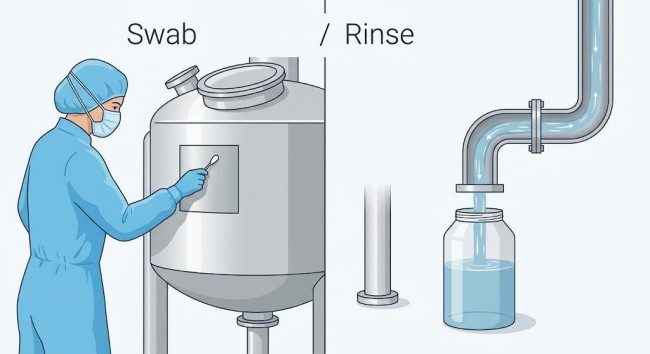
การสุ่มตัวอย่างไม้กวาด ให้ผลลัพธ์เฉพาะตำแหน่งจากพื้นผิวที่เข้าถึงได้. ล้างตัวอย่าง มีประโยชน์สำหรับพื้นที่ปิดหรือเข้าถึงยาก แต่ให้ข้อมูลน้อยลงเกี่ยวกับตำแหน่งของสารตกค้าง.
| วิธี | กำลังหลัก | ข้อจำกัดหลัก |
| การสุ่มตัวอย่างไม้กวาด | โดยตรง, ผลลัพธ์เฉพาะสถานที่ | จำกัดเฉพาะพื้นผิวที่เข้าถึงได้ |
| ล้างตัวอย่าง | ครอบคลุมพื้นที่ปิดหรือพื้นที่ที่ยากลำบาก | เฉพาะสถานที่น้อยลง |
| การตรวจสายตา | รวดเร็วและมีประโยชน์ | ไม่สามารถวัดปริมาณสารเคมีตกค้างในระดับต่ำได้ |
ขั้นตอน 4: เลือกวิธีการวิเคราะห์
วิธีการนี้ควรเหมาะสมกับปริมาณสารตกค้างและขีดจำกัดการยอมรับ.
HPLC มีประโยชน์เมื่อการศึกษาต้องการการวัดเฉพาะของ API เฉพาะหรือสารตกค้างในการทำความสะอาด. สารบัญ วัดปริมาณอินทรีย์คาร์บอนทั้งหมด, ดังนั้นจึงสามารถรองรับการประเมินที่ไม่เฉพาะเจาะจงในวงกว้างเมื่อสารตกค้างอินทรีย์ทั้งหมดเป็นตัวบ่งชี้ที่เหมาะสม.
ตัวเลือกที่ถูกต้องขึ้นอยู่กับความเฉพาะเจาะจงที่ต้องการ, ความไว, ความสามารถในการตรวจจับ, และธรรมชาติของสารตกค้าง ไม่ใช่อยู่ที่วิธีการใดที่ฟังดูล้ำหน้ากว่ากัน.
ขั้นตอน 5: เรียกใช้การตรวจสอบและประเมินผลลัพธ์
ปฏิบัติตามขั้นตอนการทำความสะอาดที่ได้รับอนุมัติภายใต้เงื่อนไขที่กำหนด, รวบรวมตัวอย่างที่วางแผนไว้, และเปรียบเทียบผลลัพธ์กับเกณฑ์ที่กำหนดไว้ล่วงหน้า. ควรตรวจสอบความล้มเหลวแทนที่จะทำความสะอาดและทดสอบซ้ำๆ จนกว่าผลลัพธ์จะผ่าน.
มี ไม่มีกฎสากลที่ว่าการศึกษาการตรวจสอบการทำความสะอาดทุกครั้งต้องใช้การทดสอบที่ประสบความสำเร็จสามครั้งเสมอ. ภาคผนวก GMP ของสหภาพยุโรป 15 เรียกร้องให้มีตัวเลขที่เหมาะสมตามการประเมินความเสี่ยงและความสำเร็จของเกณฑ์การยอมรับ.
ขั้นตอน 6: รักษาสถานะการตรวจสอบ
หลังจากได้รับอนุมัติแล้ว, การเปลี่ยนแปลงที่เกี่ยวข้องกับผลิตภัณฑ์, อุปกรณ์, ขั้นตอนการทำความสะอาด, หรือสภาพการปฏิบัติงานควรได้รับการประเมินผ่านการควบคุมการเปลี่ยนแปลงเพื่อพิจารณาว่าการทวนสอบหรือการตรวจสอบซ้ำเพิ่มเติมนั้นสมเหตุสมผลหรือไม่.
การออกแบบอุปกรณ์ทางเภสัชกรรมส่งผลต่อการตรวจสอบการทำความสะอาดยาอย่างไร
ขั้นตอนการทำความสะอาดเป็นสิ่งที่ได้รับการตรวจสอบแล้ว, แต่การออกแบบอุปกรณ์มีอิทธิพลต่อความง่ายในการดำเนินการและตรวจสอบ.
บน เครื่องบรรจุแคปซูลอัตโนมัติ, ถัง, ส่วนประกอบของการจ่ายยา, และเส้นทางระบายต้องเข้าถึงการทำความสะอาดได้จริง. ก เครื่องกดแท็บเล็ตแบบหมุน ต้องการพื้นที่ป้อนและการบีบอัดที่สามารถเข้าถึงได้. ในก เครื่องผสมผงยา, เรือ, พื้นที่จำหน่าย, แมวน้ำ, และพื้นผิวสัมผัสภายในส่งผลต่อความสะอาดและการเข้าถึงตัวอย่าง.
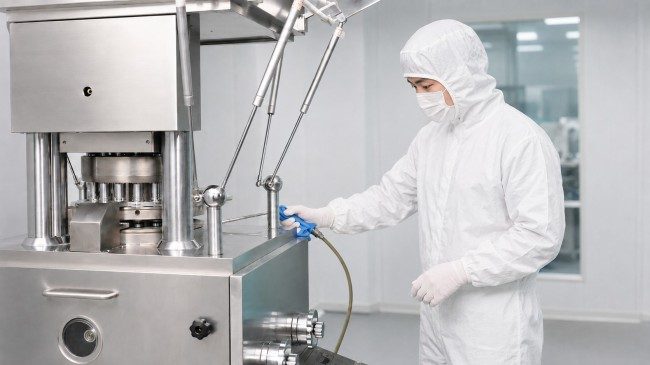
ข้อกำหนดของอุปกรณ์ของ FDA สนับสนุนหลักการเดียวกัน: อุปกรณ์ควรได้รับการออกแบบและจัดวางเพื่อความสะดวกในการทำความสะอาดและบำรุงรักษา, และพื้นผิวสัมผัสผลิตภัณฑ์ไม่ควรส่งผลเสียต่อคุณภาพของผลิตภัณฑ์.
ที่รุยดาแพ็คกิ้ง, การใช้ชิ้นส่วนที่สัมผัสกับวัสดุ 316แอล สแตนเลส, ในขณะที่พื้นที่สแตนเลสอื่นๆ ใช้ 304 สแตนเลส. โครงสร้างหน้าสัมผัสผลิตภัณฑ์ที่ถอดออกได้และเข้าถึงได้ช่วยให้การทำความสะอาดเป็นประจำมีประโยชน์มากขึ้น. อย่างไรก็ตาม, ไม่มีเกรดสแตนเลสหรือการออกแบบเครื่องจักรทำให้กระบวนการทำความสะอาดเป็นไปตามมาตรฐาน GMP โดยอัตโนมัติ. ผู้ผลิตยังคงต้องกำหนดเกณฑ์การยอมรับ, ขั้นตอนการทำความสะอาด, และหลักฐานการตรวจสอบผลิตภัณฑ์และสภาพการใช้งานจริง.
คำถามที่พบบ่อยเกี่ยวกับการตรวจสอบการทำความสะอาดยา
อะไรคือความแตกต่างระหว่างการตรวจสอบการทำความสะอาดและการตรวจสอบการทำความสะอาด?
การตรวจสอบการทำความสะอาดเป็นหลักฐานว่ากระบวนการทำความสะอาดดำเนินไปอย่างต่อเนื่อง. การตรวจสอบการทำความสะอาดจะตรวจสอบว่ากิจกรรมการทำความสะอาดเฉพาะหรือการใช้งานตามปกติเป็นไปตามข้อกำหนดที่กำหนดไว้หรือไม่.
ควรทำการตรวจสอบการทำความสะอาดบ่อยแค่ไหน?
ไม่มีช่วงเวลาสากลเดียว. การประเมินใหม่ขึ้นอยู่กับความเสี่ยงของกระบวนการ, การเปลี่ยนแปลง, สถานะที่ผ่านการตรวจสอบแล้ว, ขั้นตอนของบริษัท, และความคาดหวังด้านกฎระเบียบที่เกี่ยวข้อง.
จำเป็นต้องมีการตรวจสอบการทำความสะอาดติดต่อกันสามครั้งเสมอหรือไม่?
ไม่ มีการรันสามครั้งในบางโปรแกรมของบริษัท, แต่ภาคผนวก EU GMP 15 เรียกร้องให้มีหมายเลขที่เหมาะสมตามการประเมินความเสี่ยงแทนที่จะเป็นหมายเลขคงที่สากล.
การเก็บตัวอย่างแบบ Swab ดีกว่าการเก็บตัวอย่างแบบล้าง?
ไม่มีดีกว่าในระดับสากล. Swabbing ให้ข้อมูลพื้นผิวเฉพาะตำแหน่ง; การสุ่มตัวอย่างแบบล้างช่วยประเมินพื้นที่ปิดล้อมหรือเข้าถึงได้ยาก. อุปกรณ์และสารตกค้างเป็นตัวกำหนดกลยุทธ์ที่เหมาะสม.
อุปกรณ์ทางเภสัชกรรมใดบ้างที่ต้องมีการตรวจสอบการทำความสะอาด?
จุดสนใจหลักคืออุปกรณ์ที่สัมผัสกับผลิตภัณฑ์ซึ่งการทำความสะอาดที่ไม่มีประสิทธิภาพอาจก่อให้เกิดความเสี่ยงในการปนเปื้อนหรือขนย้ายที่ไม่สามารถยอมรับได้. ขอบเขตที่แน่นอนขึ้นอยู่กับผลิตภัณฑ์, กระบวนการ, การใช้อุปกรณ์, และการประเมินความเสี่ยง.
ดังนั้น, สะอาดแค่ไหนก็สะอาดพอ? การตรวจสอบความถูกต้องของการทำความสะอาดยาจะตอบคำถามดังกล่าวผ่านหลักฐานที่ชัดเจน: ระบุสารตกค้างที่เกี่ยวข้อง, สร้างขีดจำกัดที่สมเหตุสมผลทางวิทยาศาสตร์, พื้นผิวตัวแทนตัวอย่าง, วัดสารตกค้างด้วยวิธีที่เหมาะสม, และแสดงให้เห็นว่าขั้นตอนการทำความสะอาดสามารถผ่านเกณฑ์การยอมรับได้อย่างสม่ำเสมอ.
การออกแบบอุปกรณ์ที่ดีทำให้การทำความสะอาดและการสุ่มตัวอย่างง่ายขึ้น, แต่ ในที่สุดความสะอาดที่เพียงพอจะแสดงให้เห็นได้จากกระบวนการทำความสะอาดและข้อมูลของกระบวนการที่ผ่านการตรวจสอบแล้ว ไม่ใช่จากรูปลักษณ์ภายนอก, การเลือกใช้วัสดุ, หรือการออกแบบเครื่องจักรเพียงอย่างเดียว.
เอกสารอ้างอิง
- เรา. รหัสอิเล็กทรอนิกส์ของกฎระเบียบของรัฐบาลกลาง. 21 ส่วนซีเอฟอาร์ 211, ส่วนย่อย D—อุปกรณ์, รวมถึง§211.63, §211.65, และ §211.67.
- คณะกรรมาธิการยุโรป. ปริมาณ EudraLex 4, ภาคผนวก 15: คุณสมบัติและการตรวจสอบความถูกต้อง, ส่วนที่ 10—การตรวจสอบการทำความสะอาด.
- องค์การอนามัยโลก. ทีอาร์เอส 1033, ภาคผนวก 2: ประเด็นที่ต้องพิจารณาเมื่อรวมขีดจำกัดการสัมผัสด้านสุขภาพในการตรวจสอบความถูกต้องของการทำความสะอาด.
- สำนักงานยาแห่งยุโรป. แนวทางการกำหนดขีดจำกัดการสัมผัสด้านสุขภาพเพื่อใช้ในการระบุความเสี่ยงในการผลิตผลิตภัณฑ์ยาต่างๆ ในสถานประกอบการที่ใช้ร่วมกัน.
- เรา. สำนักงานคณะกรรมการอาหารและยา. การตรวจสอบความถูกต้องของกระบวนการทำความสะอาด (7/93).