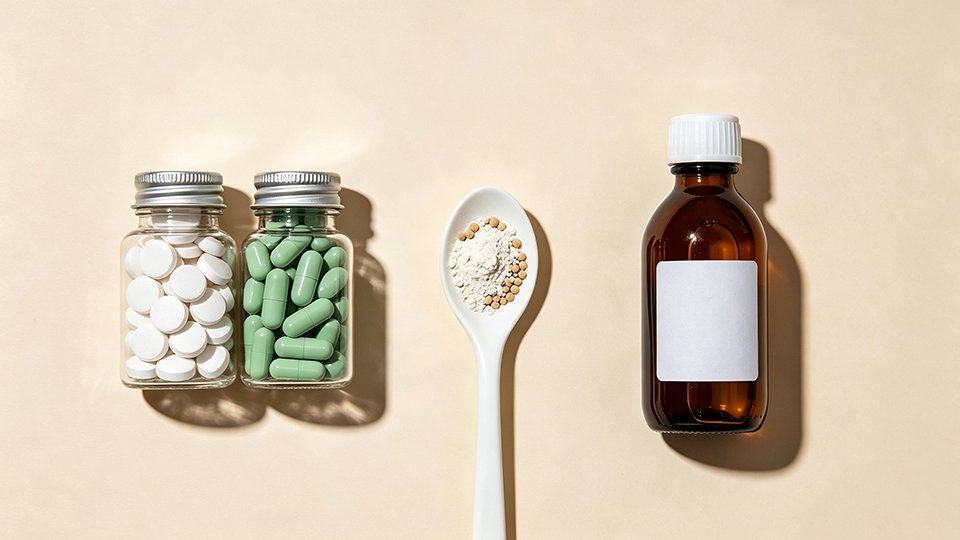
การผลิตตามสัญญาด้านเภสัชกรรมช่วยให้เจ้าของผลิตภัณฑ์สามารถจ้างบุคคลภายนอกในการพัฒนาที่เลือกได้, การผลิต, หรือกิจกรรมการบรรจุหีบห่อให้กับพันธมิตรการผลิตที่มีคุณสมบัติเหมาะสม. ขอบเขตอาจมีตั้งแต่การผลิตสูตรที่กำหนดไว้ไปจนถึงการสนับสนุนการถ่ายทอดเทคโนโลยี, การขยายขนาดกระบวนการ, ชุดเชิงพาณิชย์, และการบรรจุขั้นสุดท้าย.
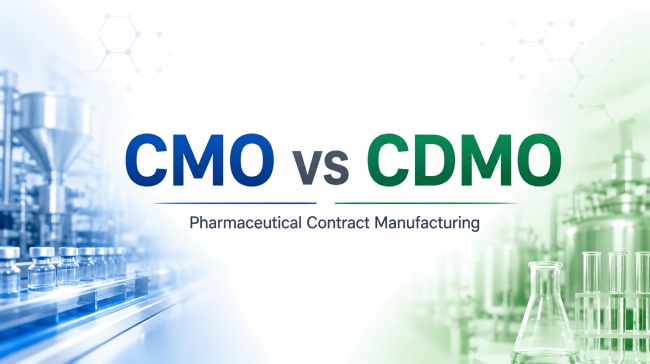
โมเดลบริการสองแบบปรากฏบ่อยครั้งในโครงการเหล่านี้: องค์กรการผลิตตามสัญญา, หรือซีเอ็มโอ, และองค์กรพัฒนาตามสัญญาและการผลิต, หรือซีดีเอ็มโอ. ความรับผิดชอบของพวกเขามักจะทับซ้อนกัน, แต่โดยปกติแล้วพวกเขาจะเข้าสู่โครงการในขั้นตอนที่แตกต่างกันและให้การสนับสนุนทางเทคนิคในระดับที่แตกต่างกัน.
ความสำเร็จของรุ่นใดรุ่นหนึ่งขึ้นอยู่กับกำลังการผลิตที่มากกว่าที่มีอยู่. พันธมิตรด้านการผลิตยังต้องการอุปกรณ์ที่เหมาะสมด้วย, การเปลี่ยนแปลงที่ควบคุม, การตั้งค่ากระบวนการที่ทำซ้ำได้, ขั้นตอนการทำความสะอาดที่มีประสิทธิภาพ, ระบบตรวจสอบ, และความรับผิดชอบด้านคุณภาพที่ชัดเจน.
การผลิตตามสัญญาด้านเภสัชกรรมคืออะไร?
การผลิตตามสัญญาด้านเภสัชกรรมคือการจัดเตรียมที่เจ้าของผลิตภัณฑ์ว่าจ้างโรงงานภายนอกเพื่อดำเนินกิจกรรมการผลิตหรือบรรจุภัณฑ์ที่กำหนดไว้ให้เสร็จสมบูรณ์. เจ้าของผลิตภัณฑ์จัดเตรียมข้อกำหนดของผลิตภัณฑ์, มาตรฐานคุณภาพ, เอาท์พุทเป้าหมาย, และข้อกำหนดของตลาด, ในขณะที่พันธมิตรการผลิตเป็นผู้จัดหาสิ่งอำนวยความสะดวก, บุคลากร, ระบบการผลิต, และความสามารถด้านเทคนิคที่จำเป็นในการทำงานตามที่ตกลงกันไว้.
ขอบเขตจะแตกต่างกันไปในแต่ละโครงการ. บางบริษัทมีสูตรผสมที่เสถียรและกำหนดพารามิเตอร์การผลิตอยู่แล้ว. พวกเขาต้องการกำลังการผลิตเพิ่มเติมเป็นหลัก, อุปกรณ์ที่ผ่านการรับรอง, หรือการเข้าถึงรูปแบบบรรจุภัณฑ์ที่ไม่มีในสถานประกอบการของตนเอง.
โครงการอื่นๆ ต้องการการสนับสนุนในวงกว้างก่อนที่จะเริ่มการผลิตเชิงพาณิชย์ได้. ซึ่งอาจรวมถึงการปรับสูตรผสมด้วย, การพัฒนากระบวนการ, การถ่ายทอดเทคโนโลยี, การผลิตนำร่อง, การเพิ่มประสิทธิภาพพารามิเตอร์, ชุดการตรวจสอบ, และขยายขนาดจากกระบวนการขนาดเล็กไปสู่อุปกรณ์การผลิตเต็มรูปแบบ.
บรรจุภัณฑ์ยังสามารถเป็นส่วนสำคัญของบริการการผลิตตามสัญญาได้อีกด้วย. ขึ้นอยู่กับผลิตภัณฑ์และสิ่งอำนวยความสะดวก, พันธมิตรการผลิตก็สามารถจัดการได้:
- บรรจุภัณฑ์พุพองสำหรับแท็บเล็ตและแคปซูลแข็ง
- การนับและบรรจุแท็บเล็ตและแคปซูล
- บรรจุภัณฑ์แบบซองหรือแบบแท่งสำหรับผงและเม็ด
- การปิดฝาขวด, การปิดผนึกแบบเหนี่ยวนำ, การติดฉลาก, และการเข้ารหัส
- การบรรจุหีบห่อ, การใส่ใบปลิว, การตรวจสอบ, และการปฏิเสธอัตโนมัติ
การจ้างบุคคลภายนอกในการผลิตไม่ได้ขจัดความรับผิดชอบด้านคุณภาพของเจ้าของผลิตภัณฑ์. ทั้งสองฝ่ายจำเป็นต้องมีขั้นตอนที่กำหนดไว้อย่างชัดเจนสำหรับการอนุมัติวัสดุ, บันทึกการผลิต, การทดสอบ, การเบี่ยงเบน, การเปลี่ยนแปลงกระบวนการ, การเปิดตัวผลิตภัณฑ์, ข้อร้องเรียน, และจำได้. โดยปกติความรับผิดชอบเหล่านี้จะถูกบันทึกไว้ในข้อตกลงด้านคุณภาพเป็นลายลักษณ์อักษรก่อนที่จะเริ่มการผลิตตามปกติ.
สำหรับกลุ่มลูกค้าหลักของ Ruida Packing, การผลิตตามสัญญาด้านเภสัชกรรมมีความเกี่ยวข้องอย่างยิ่งกับผลิตภัณฑ์ขนาดยาแข็งในช่องปากและบรรจุภัณฑ์. โรงงานรับจ้างผลิตแท็บเล็ต, แคปซูลแข็ง, ผง, หรือแกรนูลมักต้องรองรับขนาดแบตช์ที่แตกต่างกัน, ลักษณะผลิตภัณฑ์, รูปแบบเครื่องมือ, ขนาดภาชนะ, และข้อกำหนดบรรจุภัณฑ์ในโครงการของลูกค้าหลายราย. สิ่งนี้ทำให้ความยืดหยุ่นในการผลิตและความเข้ากันได้ของอุปกรณ์เป็นส่วนสำคัญของโมเดลการผลิต.
CMO กับ CDMO: ความแตกต่างคืออะไร?
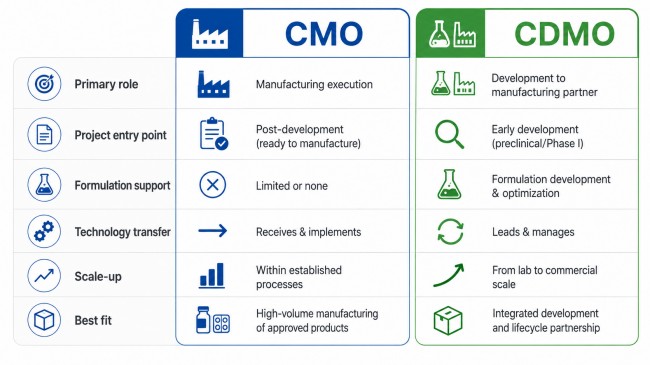
CMO ให้ความสำคัญกับกำลังการผลิตและการดำเนินการผลิตเป็นหลัก. โดยปกติแล้วลูกค้าจะโอนสูตรที่กำหนดไว้, ข้อกำหนดที่ได้รับอนุมัติ, และกระบวนการที่กำหนดไว้. จากนั้น CMO จะปรับโครงการให้เหมาะกับสถานที่ของตน, เสร็จสิ้นกิจกรรมการผลิตที่ตกลงกันไว้, บันทึกแบทช์, และส่งมอบผลิตภัณฑ์สำเร็จรูปตามสัญญา.
CDMO ผสมผสานการสนับสนุนการพัฒนาเข้ากับการผลิต. มันสามารถเข้าร่วมได้ก่อนหน้านี้, เมื่อได้สูตร, วิธีการผลิต, วิธีการวิเคราะห์, หรือแผนขยายขนาดยังต้องมีการปรับปรุง. คู่ค้ารายเดียวกันสามารถรองรับชุดนำร่องได้, การถ่ายโอนกระบวนการ, การตรวจสอบ, การผลิตเชิงพาณิชย์, และบรรจุภัณฑ์.
ขอบเขตนั้นไม่แน่นอน. CMO บางตัวให้การสนับสนุนการพัฒนาหรือการขยายขนาด, ในขณะที่ CDMO บางตัวมีความเชี่ยวชาญในรูปแบบขนาดยาที่จำกัด. ข้อตกลงที่ลงนามและความสามารถที่แท้จริงของโรงงานมีความสำคัญมากกว่าชื่อที่ใช้ในการตลาด.
| การเปรียบเทียบ | ซีเอ็มโอ | ซีดีเอ็มโอ |
| บทบาทหลัก | กำลังการผลิตและการดำเนินการ | การพัฒนาและการผลิตแบบครบวงจร |
| จุดเริ่มต้นทั่วไป | หลังจากที่ได้กำหนดกระบวนการไว้เป็นส่วนใหญ่แล้ว | ระหว่างการจัดทำ, การพัฒนา, หรือการขยายขนาด |
| การสนับสนุนการกำหนด | ขึ้นอยู่กับผู้ให้บริการ | รวมอยู่ด้วย |
| การถ่ายทอดเทคโนโลยี | รับและใช้กระบวนการที่กำหนดไว้ | ช่วยเพิ่มประสิทธิภาพและถ่ายโอนกระบวนการ |
| ขยายขนาด | ย้ายการผลิตไปยังอุปกรณ์ที่มีอยู่ | เชื่อมโยงการพัฒนากับการผลิตเชิงพาณิชย์ |
| การสนับสนุนเชิงวิเคราะห์ | แตกต่างกันไปตามสิ่งอำนวยความสะดวก | มักจะกว้างกว่า |
| เหมาะสมที่สุด | ผลิตภัณฑ์ที่กำหนดซึ่งต้องการกำลังการผลิต | เป็นผลิตภัณฑ์ที่ต้องการการพัฒนาอย่างต่อเนื่อง |
เมื่อ CMO เหมาะสมกว่า
CMO มักจะเหมาะสมเมื่อเจ้าของผลิตภัณฑ์มีสูตรที่เสถียรอยู่แล้ว, ข้อกำหนดที่กำหนดไว้, และทีมงานด้านเทคนิคที่มีประสบการณ์. ความต้องการหลักคือกำลังการผลิตที่เชื่อถือได้, การดำเนินการที่สอดคล้องกัน, อุปกรณ์ที่ผ่านการรับรอง, หรือเข้าถึงรูปแบบบรรจุภัณฑ์ที่ต้องการ.
นอกจากนี้ยังสามารถรองรับผลิตภัณฑ์ที่สมบูรณ์ซึ่งต้องการแหล่งการผลิตที่สองหรือผลผลิตเพิ่มเติมในช่วงที่มีความต้องการสูง.
เมื่อ CDMO เหมาะสมกว่า
CDMO จะเหมาะสมกว่าเมื่อผลิตภัณฑ์ยังต้องการงานผสมสูตร, การเพิ่มประสิทธิภาพกระบวนการ, การสนับสนุนเชิงวิเคราะห์, การผลิตนำร่อง, หรือการขยายขนาดเชิงพาณิชย์. การรักษาการพัฒนาและการผลิตภายในองค์กรเดียวสามารถลดการส่งมอบซัพพลายเออร์และรักษาความต่อเนื่องทางเทคนิคได้.
ตัวเลือกสุดท้ายควรสะท้อนถึงรูปแบบของยา, ช่วงแบทช์, ตลาดเป้าหมาย, ความต้องการบรรจุภัณฑ์, อุปกรณ์, และกำหนดการโครงการ.
กระบวนการผลิตตามสัญญายาทำงานอย่างไร?
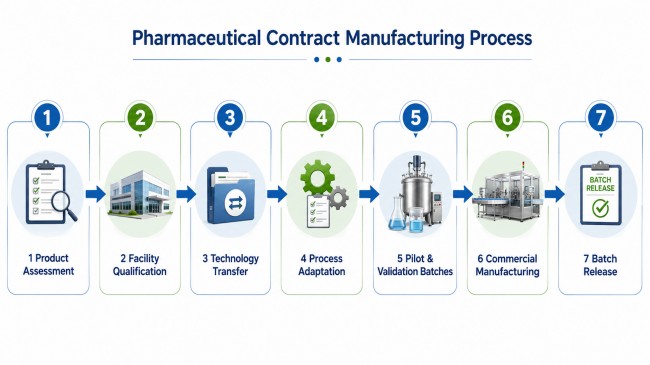
กระบวนการเริ่มต้นก่อนที่วัสดุจะเข้าสู่การผลิต. ทั้งสองฝ่ายยืนยันก่อนว่าโครงการ, สิ่งอำนวยความสะดวก, อุปกรณ์, ระบบคุณภาพ, และกำหนดการที่ลงตัวกัน.
1. การประเมินผลิตภัณฑ์และโครงการ
พันธมิตรผู้ผลิตตรวจสอบรูปแบบขนาดยา, สถานะการกำหนด, ลักษณะของวัสดุ, ขนาดชุดเป้าหมาย, ความต้องการประจำปี, ความต้องการของตลาด, และรูปแบบบรรจุภัณฑ์. การประเมินนี้ระบุว่าสิ่งอำนวยความสะดวกและอุปกรณ์ที่พร้อมใช้งานตรงกับผลิตภัณฑ์หรือไม่.
2. ข้อตกลงคุณสมบัติและคุณภาพสิ่งอำนวยความสะดวก
เจ้าของผลิตภัณฑ์ประเมินระบบคุณภาพ, บุคลากร, อุปกรณ์, การควบคุมการทำความสะอาด, เอกสารประกอบ, ประวัติการผลิต, และความจุที่มีอยู่. ข้อตกลงด้านคุณภาพจะกำหนดความรับผิดชอบสำหรับวัสดุ, บันทึกการผลิต, การทดสอบ, การเบี่ยงเบน, การเปลี่ยนแปลง, ปล่อยการตัดสินใจ, ข้อร้องเรียน, และจำได้.
3. การถ่ายทอดเทคโนโลยี
แพ็คเกจการโอนสามารถรวมสูตรหลักได้, คำแนะนำการผลิต, พารามิเตอร์กระบวนการที่สำคัญ, วิธีการวิเคราะห์, ข้อกำหนดในการทำความสะอาด, ข้อกำหนด, และรายละเอียดบรรจุภัณฑ์.
การขนย้ายที่ประสบความสำเร็จต้องการให้ทีมรับเข้าใจว่าวัสดุมีพฤติกรรมอย่างไร และควรทำซ้ำกระบวนการบนอุปกรณ์ต่างๆ อย่างไร. ส่งเอกสารอย่างเดียวไม่พอ.
4. การปรับกระบวนการและการขยายขนาด
การตั้งค่ามักต้องมีการปรับเปลี่ยนเมื่อการผลิตย้ายจากอุปกรณ์สำหรับการพัฒนาไปเป็นเครื่องจักรเชิงพาณิชย์. เวลาผสม, ความเร็วป้อน, แรงอัด, การตั้งค่าการให้ยาแคปซูล, สภาพการเคลือบ, และพารามิเตอร์การปิดผนึกสามารถเปลี่ยนแปลงได้ตามขนาดและการออกแบบของอุปกรณ์.
วัตถุประสงค์คือเพื่อปกป้องคุณลักษณะที่สำคัญของผลิตภัณฑ์ในขณะเดียวกันก็สร้างกระบวนการเชิงพาณิชย์ที่สามารถทำซ้ำได้.
5. ชุดนำร่องและการตรวจสอบความถูกต้อง
กลุ่มนักบินหรือกลุ่มวิศวกรจะทดสอบกระบวนการถ่ายโอน, ยืนยันการตั้งค่าอุปกรณ์, ประเมินผลผลิต, และระบุขีดจำกัดการดำเนินงาน. โครงการอาจต้องการบรรจุภัณฑ์ด้วย, ทำความสะอาด, หรือชุดการตรวจสอบกระบวนการก่อนการผลิตตามปกติ.
6. การผลิตเชิงพาณิชย์และบรรจุภัณฑ์
สำหรับผลิตภัณฑ์ที่เป็นของแข็งในช่องปาก, การผลิตเชิงพาณิชย์อาจรวมถึงการเตรียมวัสดุ, การผสมหรือการแกรนูล, การบีบอัดแท็บเล็ตหรือการเติมแคปซูล, การเคลือบ, บรรจุภัณฑ์หลัก, บรรจุภัณฑ์รอง, การตรวจสอบ, และการเสร็จสิ้นการบันทึกแบทช์.
กระบวนการดาวน์สตรีมขึ้นอยู่กับแพ็คสุดท้าย. แพ็คตุ่ม, ขวด, ซอง, และแพ็คแบบแท่งต้องการการป้อนที่แตกต่างกัน, การปิดผนึก, การตรวจสอบ, และการจัดกล่องใส่กล่อง.
7. การปล่อยแบทช์และการควบคุมการเปลี่ยนแปลง
การทดสอบ, การตรวจสอบเอกสาร, ปล่อย, พื้นที่จัดเก็บ, และจัดส่งให้ครบชุด. การเปลี่ยนแปลงวัสดุในภายหลัง, อุปกรณ์, เครื่องมือ, ซอฟต์แวร์, บรรจุภัณฑ์, หรือการตั้งค่ากระบวนการจำเป็นต้องมีการประเมินอย่างเป็นทางการเนื่องจากอาจส่งผลต่อกระบวนการที่ได้รับอนุมัติ.
ข้อกำหนดของอุปกรณ์มีความสำคัญอย่างไรสำหรับการผลิตตามสัญญาด้านเภสัชกรรม?
ผู้ผลิตตามสัญญามักจะจัดการหลายสูตร, ข้อกำหนดของลูกค้า, ขนาดชุด, รูปแบบเครื่องมือ, และประเภทแพ็คเกจ. อุปกรณ์ของพวกเขาต้องรองรับการเปลี่ยนแปลงนี้โดยไม่ทำให้การควบคุมกระบวนการลดลง.
ขนาดแบตช์ที่ยืดหยุ่นและเอาต์พุตที่เสถียร
ความเร็วสูงสุดเป็นเพียงส่วนหนึ่งของการวางแผนกำลังการผลิตเท่านั้น. สิ่งอำนวยความสะดวกควรพิจารณาชุดการใช้งานจริงที่เล็กที่สุดด้วย, การสูญเสียการเริ่มต้น, เสถียรภาพที่ความเร็วต่ำ, ความพยายามในการทำความสะอาด, และช่วงเอาท์พุตที่ใช้งานได้.
เครื่องอัดยาเม็ดแบบหมุนควรทำงานอย่างสม่ำเสมอในช่วงความเร็วที่ต้องการ. เครื่องบรรจุแคปซูลควรตรงกับขนาดแคปซูล, ลักษณะผง, วิธีการจ่ายยา, และปริมาณแบทช์. อุปกรณ์ขนาดใหญ่สามารถเพิ่มการสูญเสียวัสดุได้, งานทำความสะอาด, และต้นทุนการดำเนินงานสำหรับคำสั่งซื้อขนาดเล็ก.
การเปลี่ยนแปลงที่รวดเร็วและควบคุมได้
สิ่งอำนวยความสะดวกหลายผลิตภัณฑ์มาแทนที่เครื่องมือแท็บเล็ต, ชิ้นส่วนยาแคปซูล, แม่พิมพ์ตุ่ม, คู่มือขวด, การนับช่อง, และการจัดรูปแบบการบรรจุชิ้นส่วนบ่อยขึ้น.
การเปลี่ยนแปลงที่ดีผสมผสานความเร็วเข้ากับการควบคุม. ผู้ปฏิบัติงานจำเป็นต้องมีการระบุชิ้นส่วนที่ชัดเจน, การตั้งค่าที่ทำซ้ำได้, การตรวจสอบระยะห่างบรรทัด, และการอนุมัติเป็นเอกสารก่อนเริ่มชุดถัดไป. เวลาเปลี่ยนที่สั้นกว่าจะมีค่าน้อยหากป้ายกำกับก่อนหน้า, ชิ้นส่วน, หรือการตั้งค่ายังคงอยู่ในบรรทัด.
ความสามารถในการทำความสะอาดและการควบคุมผง
อุปกรณ์ควรจัดให้มีชิ้นส่วนที่สัมผัสกับผลิตภัณฑ์ซึ่งสามารถเข้าถึงได้, พื้นผิวเรียบ, พื้นที่กักเก็บผงมีจำกัด, ส่วนประกอบการป้อนที่ถอดออกได้, และการเก็บฝุ่นอย่างมีประสิทธิภาพเมื่อจำเป็น.
โครงสร้างสแตนเลสเพียงอย่างเดียวไม่ได้รับประกันว่าทำความสะอาดง่าย. ซีล, มุม, สกรู, ส่วนการจ่ายยา, และจุดถ่ายโอนล้วนส่งผลต่อการกักเก็บสารตกค้าง. ขั้นตอนการทำความสะอาดจะต้องตรงกับผลิตภัณฑ์และความเสี่ยงที่เกี่ยวข้องกับชุดต่อไปนี้.
พารามิเตอร์ที่ทำซ้ำได้และบันทึกการผลิต
ผู้ปฏิบัติงานจำเป็นต้องควบคุมและบันทึกความเร็วของเครื่องจักร, เติมน้ำหนัก, แรงอัด, อุณหภูมิการปิดผนึก, ความดันการปิดผนึก, ขีดจำกัดการปฏิเสธ, และสูตรชุด.
ระบบ PLC และ HMI สามารถรองรับการจัดการสูตรได้, การเข้าถึงของผู้ใช้, สัญญาณเตือน, และบันทึกการผลิต. ฟังก์ชันข้อมูลควรตรงกับข้อกำหนดด้านเอกสารของสถานที่และตลาดเป้าหมาย แทนที่จะเพิ่มเป็นการอ้างการปฏิบัติตามข้อกำหนดที่ไม่ได้รับการสนับสนุน.
การตรวจสอบในสายการผลิตและการปฏิเสธอัตโนมัติ
ขึ้นอยู่กับสินค้าและแพ็คเกจ, บรรทัดอาจรวมถึงการตรวจสอบน้ำหนัก, การตรวจจับผลิตภัณฑ์สูญหาย, การตรวจสอบจำนวนขวด, การตรวจสอบฝาหรือฟอยล์, การตรวจสอบการเข้ารหัส, การตรวจสอบฉลาก, การตรวจสอบน้ำหนัก, และการปฏิเสธอัตโนมัติ.
แผนการตรวจสอบควรเป็นไปตามความเสี่ยง. มีวัตถุประสงค์เพื่อควบคุมข้อบกพร่องที่อาจส่งผลต่อคุณภาพของผลิตภัณฑ์, การตรวจสอบย้อนกลับ, หรือความสมบูรณ์ของแพ็คเกจ, ไม่ต้องติดตั้งทุกโมดูลที่มีอยู่ในทุกบรรทัด.
ความยืดหยุ่นของบรรจุภัณฑ์
ลูกค้าแต่ละรายอาจต้องการบรรจุภัณฑ์พลาสติก, ขวดยา, ซอง, แพ็คติด, ฉลาก, แผ่นพับ, หรือกล่องหลายขนาด. ดังนั้นควรประเมินสายการบรรจุสำหรับช่วงรูปแบบ, วิธีการให้อาหาร, ตำแหน่งการเข้ารหัส, ความเข้ากันได้ของการตรวจสอบ, เวลาการเปลี่ยนแปลง, และการรวมสาย.
| สินค้าหรือกระบวนการ | อุปกรณ์ทั่วไป | ข้อกำหนดการผลิตตามสัญญาที่สำคัญ |
| แท็บเล็ต | มิกเซอร์, เครื่องบดย่อย, กดแท็บเล็ตแบบหมุน, เครื่องเคลือบ | ความยืดหยุ่นของเครื่องมือ, การตั้งค่าที่มั่นคง, และการทำความสะอาดที่เข้าถึงได้ |
| แคปซูลแข็ง | เครื่องบรรจุแคปซูล, เครื่องขัดแคปซูล | การเปลี่ยนแปลงขนาดแคปซูล, ความสม่ำเสมอในการให้ยา, และการควบคุมแป้ง |
| บรรจุภัณฑ์แบบพุพอง | เครื่องบรรจุตุ่ม, การตรวจสอบการมองเห็น, เครื่องบรรจุกล่อง | การเปลี่ยนรูปแบบ, การควบคุมการปิดผนึก, และการตรวจจับสินค้าสูญหาย |
| บรรจุภัณฑ์ขวด | สายการนับแท็บเล็ตและแคปซูล, เครื่องแทรกสารดูดซับ, อุปกรณ์ปิดฝาและปิดผนึก | นับความแม่นยำ, ความยืดหยุ่นของขวด, และการซิงโครไนซ์สาย |
| ซองและแพ็คสติ๊ก | เครื่องแพ็คซองหรือเครื่องแพ็คแบบแท่ง | ระบบจ่ายสารที่ตรงกับวัสดุ |
| บรรจุภัณฑ์รอง | อุปกรณ์ติดฉลากและบรรจุกล่อง | ความแม่นยำในการเข้ารหัส, การควบคุมใบปลิว, และการจัดการหลายรูปแบบ |
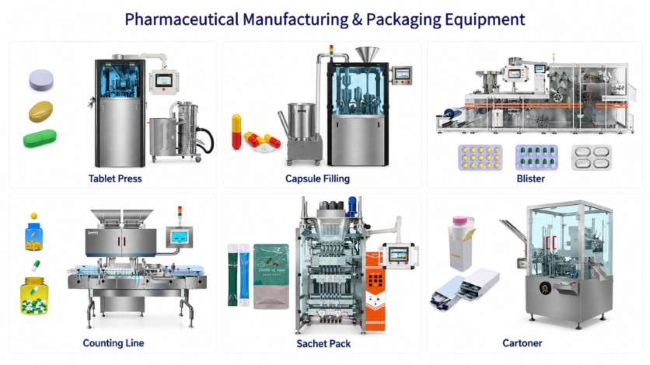
Ruida Packing อุปกรณ์กดแท็บเล็ต, เครื่องบรรจุแคปซูลชนิดแข็ง, เครื่องตุ่ม, เครื่องบรรจุขวดแบบแท็บเล็ตหรือแคปซูล , เครื่องบรรจุซอง, และอุปกรณ์บรรจุกล่องสำหรับโครงการผลิตยาและบรรจุภัณฑ์. สำหรับโรงงาน CMO หรือ CDMO, การเลือกอุปกรณ์ควรเริ่มต้นด้วยรูปแบบขนาดยา, ช่วงแบทช์, ความต้องการในการทำความสะอาด, ความถี่ในการเปลี่ยนแปลง, และข้อกำหนดของแพ็คเกจแทนที่จะเป็นผลลัพธ์ที่โฆษณาสูงสุดเพียงอย่างเดียว.
บริษัทต่างๆ ควรประเมินคู่ค้าด้านการผลิตตามสัญญาด้านเภสัชกรรมอย่างไร?
พันธมิตรที่มีความสามารถต้องการมากกว่ากำลังการผลิตสำรอง. ประสบการณ์ทางเทคนิคของมัน, อุปกรณ์, ระบบคุณภาพ, เอกสารประกอบ, และการสื่อสารล้วนส่งผลต่อประสิทธิภาพของโครงการ.
การประเมินควรครอบคลุม:
- ประสบการณ์ในรูปแบบยา: มีความรู้เกี่ยวกับประเภทสินค้า, พฤติกรรมทางวัตถุ, ความเสี่ยงในกระบวนการ, และวิธีการบรรจุภัณฑ์.
- คุณภาพและเอกสารประกอบ: การตรวจสอบ, การจัดการความเบี่ยงเบน, การควบคุมการเปลี่ยนแปลง, บันทึกการตรวจสอบ, การจัดการข้อมูล, และเอกสารชุด.
- ความจุและขนาดที่พอดี: ขนาดชุดขั้นต่ำ, ช่องการผลิตที่มีอยู่, ความสามารถในการขยายขนาด, เวลานำ, และมีพื้นที่สำหรับการเติบโต.
- อุปกรณ์และบรรจุภัณฑ์พอดี: เครื่องจักรที่มีอยู่, เครื่องมือ, ระบบตรวจสอบ, ช่วงรูปแบบ, และการลงทุนที่จำเป็นใดๆ.
- การสื่อสารและความรับผิดชอบ: ความเป็นเจ้าของโครงการ, ความถี่ในการรายงาน, ขั้นตอนการอนุมัติ, การสื่อสารเบี่ยงเบน, และอำนาจการตัดสินใจ.
พันธมิตรที่ดีที่สุดไม่ใช่สิ่งอำนวยความสะดวกที่ใหญ่ที่สุดเสมอไป. CMO หรือ CDMO ที่เหมาะสมมีประสบการณ์ด้านผลิตภัณฑ์, ขนาดการผลิต, ความยืดหยุ่นของอุปกรณ์, การควบคุมคุณภาพ, และการสนับสนุนโครงการที่จำเป็นสำหรับการมอบหมายงานเฉพาะ.
บทสรุป
การผลิตตามสัญญาด้านเภสัชกรรมช่วยให้สามารถเข้าถึงกำลังการผลิตได้, การสนับสนุนด้านเทคนิค, และระบบบรรจุภัณฑ์โดยไม่จำเป็นต้องให้เจ้าของผลิตภัณฑ์ทุกคนสร้างโรงงานที่สมบูรณ์.
โดยทั่วไป CMO จะเหมาะสมกับผลิตภัณฑ์ที่สร้างขึ้นซึ่งส่วนใหญ่ต้องการการผลิตที่เชื่อถือได้. CDMO สนับสนุนเส้นทางที่กว้างขึ้นตั้งแต่การพัฒนาและการถ่ายทอดเทคโนโลยีไปจนถึงการผลิตเชิงพาณิชย์. ในทั้งสองรุ่น, ความสำเร็จขึ้นอยู่กับความรับผิดชอบที่ชัดเจน, กระบวนการผลิตที่มีการควบคุม, และ อุปกรณ์ยา คัดสรรมาเพื่อชุดจริง, ทำความสะอาด, การเปลี่ยนแปลง, การตรวจสอบ, และข้อกำหนดด้านบรรจุภัณฑ์.
คำถามที่พบบ่อย
การผลิตตามสัญญาด้านเภสัชกรรมคืออะไร?
เป็นข้อตกลงที่เจ้าของผลิตภัณฑ์มอบหมายการผลิตที่กำหนดไว้, การทดสอบ, หรือกิจกรรมการบรรจุหีบห่อไปยังโรงงานที่ผ่านการรับรองภายนอก. ความรับผิดชอบได้รับการบันทึกไว้ในข้อตกลงการบริการและคุณภาพ.
อะไรคือความแตกต่างที่สำคัญระหว่าง CMO และ CDMO?
CMO ส่วนใหญ่จะผลิตผลิตภัณฑ์ที่เป็นที่ยอมรับ. CDMO ยังสนับสนุนงานการกำหนดสูตรอีกด้วย, การเพิ่มประสิทธิภาพกระบวนการ, การถ่ายทอดเทคโนโลยี, กิจกรรมการวิเคราะห์, และการขยายขนาด. ขอบเขตการบริการจริงจะแตกต่างกันไประหว่างผู้ให้บริการ.
สัญญาจ้างผลิตยารวมถึงบรรจุภัณฑ์ด้วยหรือไม่?
ใช่. บริการต่างๆ อาจรวมถึงบรรจุภัณฑ์พุพอง, การบรรจุขวดแท็บเล็ตและแคปซูล, เครื่องแพ็คซองหรือเครื่องแพ็คแบบแท่ง, การติดฉลาก, การเข้ารหัส, การตรวจสอบ, และการบรรจุลงกล่องเมื่อโรงงานมีอุปกรณ์ที่จำเป็นและขั้นตอนที่ได้รับอนุมัติ.
ใครเป็นผู้รับผิดชอบคุณภาพสินค้า?
ทั้งสองฝ่ายยังคงมีความรับผิดชอบที่กำหนดไว้. ข้อตกลงด้านคุณภาพควรระบุว่าใครเป็นผู้ควบคุมวัสดุ, การผลิต, การทดสอบ, การเบี่ยงเบน, การเปลี่ยนแปลง, ปล่อย, ข้อร้องเรียน, และจำได้.
อุปกรณ์ใดที่จำเป็นสำหรับการผลิตตามสัญญาปริมาณของแข็งทางปาก?
โครงการอาจต้องใช้อุปกรณ์ผสมหรือทำเป็นเม็ด, เครื่องอัดเม็ดยาแบบหมุนหรือเครื่องบรรจุแคปซูล, อุปกรณ์เคลือบ, ระบบบรรจุภัณฑ์พุพองหรือขวด, การติดฉลาก, การตรวจสอบ, และเครื่องแพ็คกล่อง. การกำหนดค่าขั้นสุดท้ายขึ้นอยู่กับรูปแบบของยา, ขนาดชุด, ลักษณะของวัสดุ, และประเภทแพ็คเกจ.
เอกสารอ้างอิง
คณะกรรมาธิการยุโรป, ปริมาณ EudraLex 4, บท 7: กิจกรรมเอาท์ซอร์ส.