
خط بسته بندی دارویی یک سیستم یکپارچه از ماشین های متصل است که محصولات دارویی را از طریق تغذیه بسته بندی می کند., شمارش یا دوز, بسته بندی اولیه, بازرسی, سریال سازی, بسته بندی ثانویه, و جمع آوری داده ها. برای اشکال خوراکی جامد مانند قرص و کپسول, پیکربندی خط عمدتاً به فرمت بسته بندی بستگی دارد - بلستر, بطری, بسته چوبی, یا کیسه و بر روی ظرفیت تولید, سطح اتوماسیون, و الزامات نظارتی.
این راهنما توضیح می دهد که یک خط بسته بندی دارویی شامل چه مواردی است, چگونه کار می کند, تفاوت آن با یک دستگاه بسته بندی مستقل, و چگونه سازندگان می توانند تجهیزات را برای تولید مطابق با GMP ارزیابی کنند.
خط بسته بندی دارویی چیست؟?
یک خط بسته بندی دارویی ترکیبی از حمل و نقل محصول است, بسته بندی, بازرسی, و عملیات پایین دستی در یک مجموعه تولید متصل. به جای اینکه هر دستگاه را به طور مستقل کار کنید, یک خط یکپارچه انتقال مواد را مدیریت می کند, کنترل ماشین, بازرسی, سریال سازی, و داده های تولید در سراسر گردش کار بسته بندی.
بسته بندی دارویی باید بیشتر از قرار دادن محصولات در ظروف انجام دهد. باید از محصول محافظت کند, اطلاعات شناسایی و برچسب گذاری را حفظ کنید, پشتیبانی از قابلیت ردیابی, کاهش خطرات آلودگی, و الزامات کیفی قابل اجرا را برآورده کند. یک خط بسته بندی دارویی معمولی ممکن است شامل:
- سیستم های تغذیه و جابجایی محصول
- شمارش, دوز, یا تجهیزات بارگیری محصول
- تجهیزات بسته بندی اولیه
- سیستم های بازرسی و رد
- برچسب زدن, سریال سازی, و سیستم های تجمیع
- تجهیزات بسته بندی ثانویه
- توابع مدیریت داده و قابلیت ردیابی
پیکربندی دقیق به فرمت بسته بندی بستگی دارد, ویژگی های محصول, سرعت تولید, اندازه دسته, الزامات تغییر, و مقررات بازار. قرص و کپسول, به عنوان مثال, را می توان در تاول یا بطری بسته بندی کرد, اما تجهیزات انتخاب شده برای هر فرمت متفاوت است.
ماشین بسته بندی دارویی در مقابل خط بسته بندی دارویی
یک ماشین بسته بندی و یک خط بسته بندی دارویی سطوح مختلف یکپارچه سازی سیستم را نشان می دهند. یک دستگاه بسته بندی یک عملکرد بسته بندی اختصاصی را انجام می دهد. یک خط بسته بندی چندین ماشین را در یک سیستم تولید هماهنگ ادغام می کند.
| جنبه | ماشین بسته بندی | خط بسته بندی دارویی |
| تابع | یک عملیات بسته بندی خاص را انجام می دهد | چندین فرآیند بسته بندی را به هم متصل می کند |
| عملیات | معمولاً به عنوان تجهیزات مستقل کار می کند | چندین ماشین به عنوان یک سیستم هماهنگ عمل می کنند |
| انتقال مواد | ممکن است نیاز به انتقال دستی یا نیمه دستی داشته باشد | از تغذیه یکپارچه استفاده می کند, انتقال, و سیستم های به هم پیوسته |
| کنترل کنید | بر روی عملکرد ماشین فردی تمرکز می کند | اطلاعات عملیات و تولید ماشین را هماهنگ می کند |
| کاربرد | مناسب برای کارهای بسته بندی خاص | مناسب برای گردش کار بسته بندی کامل |
به عنوان مثال, بوها دستگاه بسته بندی تاول زده می تواند شکل دهی را انجام دهد, بارگیری محصول, آب بندی, کد نویسی, و برش. هنگامی که با تجهیزات تغذیه ادغام می شود, سیستم های بازرسی, بوها دستگاه کارتن سازی, برچسب زدن, سریال سازی, و بسته بندی کیس, بخشی از یک خط بسته بندی دارویی یکپارچه می شود.
کدام ماشین ها یک خط بسته بندی دارویی را تشکیل می دهند?
یک خط بسته بندی دارویی معمولاً شامل چندین دسته تجهیزات است که از بارگیری محصول تا خروجی بسته بندی نهایی با هم کار می کنند.. پیکربندی دقیق بسته به نوع محصول متفاوت است, فرمت بسته بندی, ظرفیت تولید, و الزامات نظارتی.
| مرحله بسته بندی | تجهیزات مشترک | هدف اصلی |
| رسیدگی به محصول | سیستم تغذیه, نوار نقاله, مرتب کننده, واحد جهت یابی | محصولات را به آرامی بین فرآیندها انتقال دهید |
| شمارش, دوز, پر کردن | شمارنده تبلت, شمارنده کپسول, سیستم دوز, لودر محصول | محصولات را با دقت در بسته ها بارگیری کنید |
| بسته بندی اولیه | دستگاه بسته بندی تاول, خط بسته بندی بطری, دستگاه چوب / ساشه | محافظت فوری از محصول را ارائه دهید |
| بازرسی | سیستم بازرسی بینایی, چکویچر, فلزیاب, سیستم رد | کیفیت بسته بندی را بررسی کنید و عیوب را برطرف کنید |
| سریال سازی | کد نویسی, برچسب زدن, تجمع, مسیر & ردیابی | شناسایی محصول و قابلیت ردیابی را ارائه دهید |
| بسته بندی ثانویه | دستگاه کارتن سازی, بسته بندی کیس, بسته بندی کوچک, پالت ساز | محصولات را برای توزیع آماده کنید |

سیستم های تغذیه و جابجایی محصول
تغذیه محصول اولین مرحله از بسیاری است خطوط بسته بندی دارویی. سیستم های تغذیه تضمین می کند که قرص, کپسول ها, یا سایر محصولات با نرخ ثابت و کنترل شده وارد تجهیزات پایین دستی می شوند. اجزای متداول شامل قیف ها هستند, فیدرهای ارتعاشی, آسانسورها, نوار نقاله ها, به نوعی, واحدهای جهت گیری, و مکانیسم های انتقال.
جابجایی پایدار محصول مهم است زیرا تغذیه نامنظم می تواند بر شمارش تأثیر بگذارد, دوز, پر کردن, بارگذاری تاول, و کارایی خط. برای محصولات با دوز خوراکی جامد, سیستم های تغذیه باید با توجه به اندازه محصول طراحی شوند, شکل, وزن, گرد و غبار, شکنندگی, ایستا, و حساسیت به رطوبت.
شمارش, دوز, و تجهیزات بارگیری محصول
بعد از تغذیه, محصولات به تجهیزاتی منتقل می شوند که مسئول بارگیری آنها در قالب بسته انتخابی هستند. عبارت صحیح بستگی به قالب دارد:
- بسته بندی بطری: شمارش قرص یا کپسول قبل از پر کردن بطری
- بسته بندی تاول: بارگیری محصول در حفره های تاول
- بسته بندی استیک یا ساشه: دوز یا پر کردن بسته های انعطاف پذیر
این تمایز اهمیت دارد زیرا خط بطری است, خط تاول, و خط چوب / ساشه از یک اصل بارگیری استفاده نمی کند. بوها دستگاه شمارش قرص یا دستگاه شمارش کپسول برای بسته بندی بطری مرکزی است, در حالی که بسته بندی تاول به بارگذاری کنترل شده محصول در حفره های تشکیل شده بستگی دارد.
تجهیزات بسته بندی اولیه
بسته بندی اولیه مرحله ای است که محصولات دارویی اولین بسته محافظ خود را دریافت می کنند. این مرحله مستقیماً بر حفاظت محصول تأثیر می گذارد, شرایط نگهداری, و مدیریت کاربر. فرمتهای رایج بستهبندی اولیه شامل بستهبندی تاولی است, بسته بندی بطری, و چوب یا بسته بندی کیسه ای.
دستگاه بسته بندی تاول زده شده
دستگاه بسته بندی تاول حفره هایی را تشکیل می دهد, محصولات را بارگیری می کند, مواد بسته بندی را مهر و موم می کند, کدها, سوراخ می کند, و بسته های تاول تمام شده را برش می دهد. از برنامه های رایج می توان به تبلت ها اشاره کرد, کپسول ها, نرم ژل ها, مواد جویدنی, و سایر اشکال دوز خوراکی جامد.
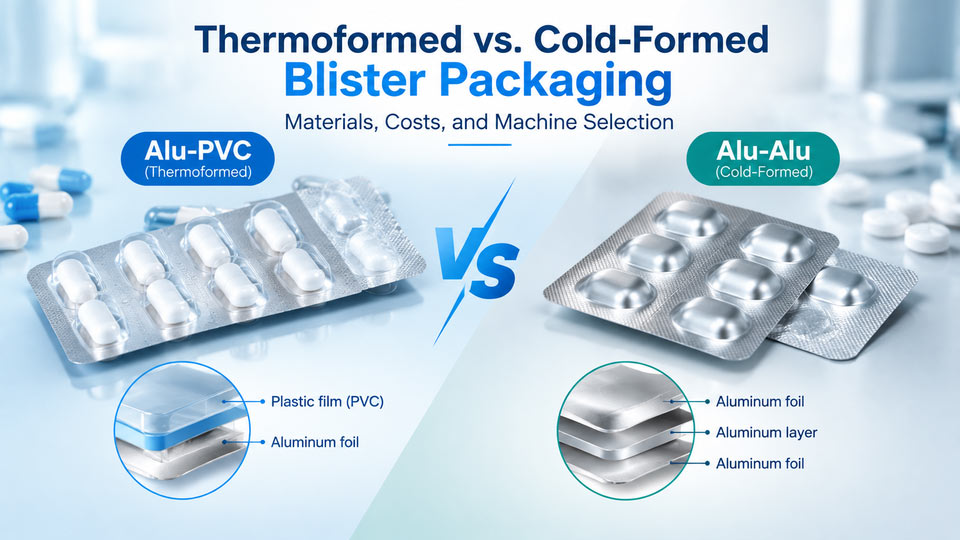
ترکیبات متداول مواد عبارتند از Alu/PVC, هلهله / ماست, PVC/PVDC, و PVC/PE/PVDC. بسته بندی تاول به طور گسترده مورد استفاده قرار می گیرد زیرا محافظت از محصول فردی را فراهم می کند و از شناسایی دوز واحد پشتیبانی می کند.
سیستم بسته بندی بطری
خط بسته بندی بطری معمولاً برای قرص ها و کپسول هایی که نیاز به بسته بندی ظروف دارند استفاده می شود.. یک فرآیند بسته بندی معمولی بطری ممکن است شامل شمارش قرص یا کپسول باشد, پر کردن بطری, جاگذاری خشک کن یا پنبه, دربندی, آب بندی القایی, برچسب زدن, بازرسی, سریال سازی, و کارتن سازی.
برخلاف سیستم های پرکننده مایع, بسته بندی بطری دوز خوراکی جامد بر شمارش دقیق تمرکز دارد, پر کردن کنترل شده, و جابجایی قابل اعتماد کانتینر.
ماشین آلات بسته بندی استیک و ساشه
دستگاههای بستهبندی استیک و دستگاههای بستهبندی ساشه برای قالبهای بستهبندی تک دوز انعطافپذیر استفاده میشوند.. آنها معمولاً روی پودرها اعمال می شوند, گرانول, گلوله ها, و محصولاتی که به بسته های فردی قابل حمل نیاز دارند. این سیستم ها دوز را ترکیب می کنند, پر کردن, آب بندی, کد نویسی, سوراخ کردن, و فرآیندهای برش.
تجهیزات بازرسی و کنترل کیفیت
سیستم های بازرسی به تولیدکنندگان کمک می کند تا شرایط بسته بندی را نظارت کنند و محصولاتی را که الزامات از پیش تعریف شده را برآورده نمی کنند، شناسایی کنند. تجهیزات بازرسی رایج شامل:
- سیستم بازرسی بینایی برای اطلاعات چاپی, قرار دادن برچسب, ظاهر بسته, اجزای گم شده, بارکد, QR, و تایید DataMatrix
- چکوزنگر برای تأیید وزن بستهبندی و تشخیص اجزای گمشده
- فلزیاب یا سیستم اشعه ایکس در صورت لزوم
- سیستم بازرسی چاپ و لیبل
- سیستم رد خودکار برای حذف محصولات ناسازگار از جریان تولید
بازرسی می تواند در چند مرحله یکپارچه شود, مانند پس از بسته بندی اولیه, پس از برچسب زدن, بعد از کارتن سازی, یا قبل از بسته بندی کیس. استراتژی بازرسی صحیح به ریسک محصول بستگی دارد, قالب بسته, سرعت خط, و الزامات نظارتی.
برچسب زدن, سریال سازی, و تجمیع
خطوط بسته بندی دارویی مدرن به طور فزاینده ای شامل برچسب زدن می شود, سریال سازی, و توابع تجمع. سریال سازی اطلاعات شناسایی منحصر به فردی را برای بسته های فردی فراهم می کند. تجمع، روابط والدین و فرزندی را بین بسته های تاول ایجاد می کند, کارتن ها, موارد, و پالت ها برای پشتیبانی از سریال سازی و ردیابی & الزامات ردیابی.
بسته به مقررات بازار و طراحی خط, سریال سازی و تجمیع ممکن است در مراحل مختلف فرآیند بسته بندی ادغام شوند. این توابع از شناسایی محصول پشتیبانی می کنند, احراز هویت, مدیریت فراخوان, و گزارشات نظارتی.
تجهیزات بسته بندی ثانویه
پس از بسته بندی اولیه و بازرسی, محصولات به تجهیزات بسته بندی ثانویه منتقل می شوند. این مرحله ممکن است شامل کارتن سازی باشد, درج جزوه, برچسب زدن, سریال سازی, بسته بندی کیس, بسته بندی کوچک, و پالت سازی.
دستگاه کارتنسازی بهطور خودکار بستههای اولیه را درون کارتن بارگذاری میکند و ممکن است کارتنسازی را انجام دهد, بارگیری محصول, درج جزوه, کد نویسی, سریال سازی, بسته شدن کارتن, و پردازش اطلاعات دسته ای. سپس یک بسته بندی کیس کارتن ها را برای نگهداری آماده می کند, حمل و نقل, و توزیع.
مدیریت داده ها و قابلیت ردیابی
توابع مدیریت داده، کنترل ماشین را به هم متصل می کند, نتایج بازرسی, سوابق سریال سازی, و گزارش تولید. این توابع به سازندگان کمک می کند تا سوابق دسته ای را حفظ کنند, از مسیرهای حسابرسی پشتیبانی کنید, و دید را در سراسر خط بسته بندی بهبود می بخشد.
خط بسته بندی دارویی چگونه کار می کند?
یک خط بسته بندی دارویی با اتصال چندین ماشین و فرآیند به یک گردش کار هماهنگ کار می کند. هر مرحله عملکرد خاصی را انجام می دهد, در حالی که سیستم کامل انتقال محصول را مدیریت می کند, عملیات بسته بندی, بازرسی, و جمع آوری داده ها.
یک گردش کار معمولی ممکن است شامل باشد:
- تغذیه و آماده سازی محصول
- شمارش, دوز, یا بارگیری محصول
- بسته بندی اولیه
- بازرسی در حین فرآیند
- برچسب زدن, سریال سازی, و تجمیع
- کارتن سازی و درج بروشور
- بسته بندی کیس و پالت سازی
- خروجی محصول نهایی

بسته به طراحی خط و مقررات بازار، بازرسی و سریال سازی ممکن است در چند مرحله یکپارچه شود. گردش کار نباید به عنوان یک توالی خطی ثابت برای هر محصول در نظر گرفته شود.
تغذیه و آماده سازی محصول
فرآیند بسته بندی زمانی آغاز می شود که محصولات دارویی از طریق تجهیزات تغذیه وارد سیستم بسته بندی می شوند. هدف از این مرحله تامین محصول پایدار برای ماشین آلات پایین دستی است.
شمارش, دوز, یا بارگیری محصول
بعد از تغذیه, محصولات به تجهیزاتی منتقل می شوند که مسئول بارگیری آنها در قالب بسته انتخابی هستند. به عنوان مثال می توان به شمارش قرص و کپسول قبل از بسته بندی بطری اشاره کرد, بارگیری محصول در حفره های تاول, و دوز یا پر کردن برای بسته بندی استیک و ساشه.
بسته بندی اولیه
بسته بندی اولیه اولین لایه محافظ برای محصولات دارویی را فراهم می کند و به طور مستقیم با محصول تماس می گیرد. فرآیندهای رایج شامل بسته بندی تاول است, بسته بندی بطری, و بسته بندی چوبی یا ساشه ای.
بازرسی, سریال سازی, و قابلیت ردیابی
خطوط بسته بندی دارویی مدرن به طور فزاینده ای شامل عملکردهای بازرسی و ردیابی می شود. سیستمهای سریالسازی اطلاعات شناسایی منحصربهفردی را برای بستههای جداگانه ارائه میکنند و از الزامات ردیابی محصول پشتیبانی میکنند. بسته به مقررات بازار و طراحی خط, توابع سریال سازی و تجمع ممکن است در تاول ادغام شوند, کارتن, مورد, یا سطح پالت.
بسته بندی ثانویه و حمل و نقل محصول نهایی
پس از بسته بندی اولیه و بازرسی, محصولات به تجهیزات بسته بندی ثانویه منتقل می شوند. این مرحله ممکن است شامل کارتن سازی باشد, بسته بندی کیس, برچسب زدن, درج جزوه, سریال سازی, و انتقال محصول برای ذخیره سازی یا توزیع.
انواع خطوط بسته بندی دارویی
خطوط بسته بندی دارویی را می توان بر اساس نوع محصول و فرمت بسته بندی طبقه بندی کرد. این دو دیدگاه باید به طور جداگانه در نظر گرفته شوند زیرا یک محصول ممکن است بسته به نیازهای تولید از راه حل های بسته بندی متفاوتی استفاده کند..
خطوط بسته بندی دارویی بر اساس نوع محصول
خطوط بسته بندی دوز خوراکی جامد
اشکال خوراکی جامد, از جمله قرص و کپسول, از رایج ترین کاربردهای خطوط بسته بندی دارویی هستند. اگرچه قرص ها و کپسول ها ویژگی های فیزیکی متفاوتی دارند, آنها اغلب گردش کار بسته بندی مشابهی را به اشتراک می گذارند. پیکربندی نهایی تجهیزات عمدتاً به قالب بسته بندی بستگی دارد, سرعت تولید, الزامات رسیدگی به محصول, اندازه دسته, فرکانس تغییر, و انتظارات نظارتی.
تجهیزات معمولی ممکن است شامل سیستم های تغذیه باشد, تجهیزات شمارش یا بارگیری محصول, ماشین آلات بسته بندی تاول, سیستم های بسته بندی بطری, سیستم های بازرسی و رد, سیستم های برچسب گذاری و سریال سازی, ماشین آلات کارتن سازی, و بسته بندی های کیس.
خطوط بسته بندی پودر و گرانول
محصولات پودری و گرانول ممکن است به محلول های پرکننده تخصصی و بسته بندی انعطاف پذیر نیاز داشته باشند. تجهیزات رایج شامل سیستم های پر کردن پودر می باشد, سیستم های دوز گرانول, ماشین آلات بسته بندی چوب, ماشین آلات بسته بندی ساشه, چک وزنه ها, و ماشین آلات کارتن سازی.
خطوط بسته بندی دارویی با فرمت بسته بندی
خط بسته بندی تاول
بسته بندی بلیستر یک روش معمول بسته بندی اولیه برای قرص ها و کپسول ها است. فرآیندهای معمولی شامل تشکیل حفره های بسته بندی است, تغذیه محصول, بارگیری محصول, آب بندی, کد نویسی, سوراخ کردن, برش دادن, بازرسی, سریال سازی, و کارتن سازی.
خط بسته بندی بطری
خطوط بسته بندی بطری برای محصولات بسته بندی شده در ظروف طراحی شده است. یک فرآیند معمولی شامل شمارش است, پر کردن بطری, جاگذاری خشک کن یا پنبه, دربندی, آب بندی القایی, برچسب زدن, بازرسی, سریال سازی, و کارتن سازی.

خط بسته بندی استیک و ساشه
خطوط بسته بندی استیک و ساشه برای قالب های بسته بندی انعطاف پذیر تک دوز استفاده می شود. آنها معمولاً روی پودرها اعمال می شوند, گرانول, گلوله ها, و محصولاتی که نیاز به بسته های فردی مناسب دارند.
اتوماسیون, انطباق, و الزامات دیجیتال
خطوط بسته بندی دارویی مدرن تجهیزات مکانیکی را با اتوماسیون ترکیب می کنند, نظارت دیجیتال, و توابع پشتیبانی نظارتی.
اتوماسیون در خطوط بسته بندی دارویی
فن آوری های اتوماسیون مهم عبارتند از:
- کنترل PLC: کنترلکنندههای منطقی قابل برنامهریزی عملکرد ماشین را هماهنگ میکنند, اینترلاک ها, دستور العمل ها, آلارم ها, و ارتباط بین تجهیزات.
- نظارت اسکادا: سیستم های اسکادا نظارت بر تولید را فراهم می کنند, روندها, آلارم ها, و اطلاعات عملیاتی.
- بازرسی بینایی: سیستمهای بینایی ماشین از بررسی خودکار کیفیت بستهبندی پشتیبانی میکنند.
- سریال سازی و پیگیری & ردیابی: سیستم های سریال سازی شناسایی محصول و پشتیبانی از الزامات قابلیت ردیابی را در بازارهای مختلف فراهم می کنند.
- نظارت OEE: نظارت بر اثربخشی کلی تجهیزات به تولیدکنندگان کمک می کند تا عملکرد تولید را ارزیابی کنند.
سیستمهای بستهبندی پیشرفته نیز ممکن است اطلاعات را با سیستمهای تولیدی سطح بالاتر مانند MES مبادله کنند, ERP, یا سیستم های مدیریت انبار.
الزامات انطباق و اعتبارسنجی GMP
خطوط بسته بندی دارویی باید مطابق با الزامات کیفی قابل اجرا طراحی و راه اندازی شوند. ملاحظات مهم عبارتند از طراحی تجهیزات مطابق با GMP, تمیز کردن آسان, انتخاب مناسب مواد تماس با محصول, کنترل محصول, و خطرات آلودگی را کاهش داد.
فعالیت های اعتبارسنجی ممکن است شامل تست پذیرش کارخانه باشد (چربی), تست پذیرش سایت (SAT), صلاحیت طراحی (دی کیو), صلاحیت نصب (IQ), صلاحیت عملیاتی (OQ), و صلاحیت عملکرد (پی کیو).
یکپارچگی داده ها و اسناد
پروژه های بسته بندی دارویی مدرن ممکن است نیاز به دسترسی کنترل شده کاربر داشته باشند, مسیرهای حسابرسی, سوابق تولید, مستندات فنی, سوابق الکترونیکی, و امضای الکترونیکی. بسته به نیاز بازار, سیستم ها ممکن است نیاز به حمایت از اصولی مانند 21 قسمت CFR 11, ضمیمه GMP اتحادیه اروپا 11, و ALCOA+.
برای پروژه های خط بسته بندی دارویی, این همچنین به این معنی است که پشتیبانی اسناد باید به عنوان بخشی از محدوده تجهیزات در نظر گرفته شود. Ruida Packing میتواند اسناد FAT/SAT و پشتیبانی DQ/IQ/OQ/PQ را برای کمک به تولیدکنندگان در تکمیل صلاحیت تجهیزات و مستندات پروژه ارائه دهد..
عوامل کلیدی هنگام انتخاب خط بسته بندی دارویی
انتخاب خط بسته بندی دارویی مناسب نیاز به ارزیابی نیازهای محصول دارد, اهداف تولید, نیازهای اتوماسیون, الزامات انطباق, و ملاحظات عملیاتی بلند مدت.
نوع و مشخصات محصول
تولیدکنندگان باید فرم محصول را ارزیابی کنند, ویژگی های فیزیکی, الزامات رسیدگی, فرم دوز, اندازه, شکل, وزن, گرد و غبار, شکنندگی, ایستا, حساسیت به رطوبت, و نیازهای مهاری.
فرمت بسته بندی
فرمت های رایج شامل بسته بندی تاول زده می شود, بسته بندی بطری, بسته بندی چوبی, بسته بندی کیسه ای, بسته بندی نواری, و بسته بندی کیسه ای.
ظرفیت تولید
عوامل مهم شامل خروجی مورد نیاز است, برنامه تولید, اندازه دسته, فرکانس تغییر, هدف OEE, و برنامه های توسعه آینده.
سطح اتوماسیون
سطح اتوماسیون باید ارتباطات ماشینی را در نظر بگیرد, انتقال مواد, جمع آوری داده ها, الزامات بازرسی, ادغام سریال سازی, و اتصال MES/ERP.
اعتبار سنجی و پشتیبانی اسناد
قابلیت های مهم تامین کننده شامل مستندسازی تجهیزات است, پشتیبانی از FAT/SAT, کمک اعتبارسنجی GMP, پشتیبانی از DQ/IQ/OQ/PQ, آموزش, قطعات یدکی, و خدمات پس از فروش.
کل هزینه مالکیت
سرمایه گذاری خط بسته بندی دارویی بیش از خرید تجهیزات را شامل می شود. سرمایه گذاری تجهیزات را در نظر بگیرید, ابزار و تعویض قطعات, نصب و راه اندازی, اعتبار سنجی, مستندات, آموزش, قطعات یدکی, تعمیر و نگهداری, آب و برق, تغییر, انطباق, و خرابی.
نتیجهگیری
ارزش یک خط بسته بندی دارویی از نحوه کار ماشین های جداگانه آن به عنوان یک سیستم ناشی می شود. این یک سیستم هماهنگ است که در آن تجهیزات انتخاب می شود, جریان فرآیند, سطح اتوماسیون, استراتژی بازرسی, سریال سازی, و الزامات انطباق با هم کار می کنند.
برای محصولات با دوز خوراکی جامد, پیکربندی خط مناسب به بسته بندی محصول در تاول بستگی دارد, بطری ها, بسته های چوبی, یا کیسه ها. تولیدکنندگان باید ویژگی های محصول را ارزیابی کنند, فرمت بسته بندی, ظرفیت تولید, نیازهای اتوماسیون, الزامات اعتبار سنجی, و هزینه کل مالکیت قبل از انتخاب تجهیزات.
برای تولیدکنندگانی که یک خط بسته بندی دوز خوراکی جامد را برنامه ریزی می کنند, بسته بندی رویدا می تواند به ارزیابی ویژگی های محصول کمک کند, فرمت بسته بندی, ظرفیت, اتوماسیون, و الزامات انطباق.
سوالات متداول
خط بسته بندی دارویی چیست؟?
خط بسته بندی دارویی یک سیستم یکپارچه است که چندین ماشین و فرآیند را برای تغذیه به هم متصل می کند., شمارش, دوز, یا پر کردن, بسته بندی اولیه, بازرسی, سریال سازی, و بسته بندی ثانویه.
کدام ماشین ها یک خط بسته بندی دارویی را تشکیل می دهند?
یک خط بسته بندی دارویی ممکن است شامل سیستم های تغذیه باشد, تجهیزات شمارش, ماشین آلات بسته بندی تاول, سیستم های بسته بندی بطری, ماشین آلات بسته بندی چوب یا ساشه, سیستم های بازرسی, سیستم های برچسب گذاری و سریال سازی, ماشین آلات کارتن سازی, و بسته بندی های کیس بسته به نیاز محصول.
خط بسته بندی چه تفاوتی با دستگاه بسته بندی مستقل دارد؟?
یک دستگاه بسته بندی یک عملیات بسته بندی خاص را انجام می دهد, در حالی که یک خط بسته بندی دارویی چندین ماشین را در یک سیستم تولید هماهنگ ادغام می کند.
خط بسته بندی اتوماتیک دارویی چگونه کار می کند؟?
یک خط بسته بندی اتوماتیک دارویی، تغذیه محصول را هماهنگ می کند, شمارش یا دوز, بسته بندی اولیه, بازرسی, سریال سازی, و بسته بندی ثانویه از طریق سیستم های کنترل یکپارچه مانند PLC و SCADA.
قبل از انتخاب خط بسته بندی دارویی چه چیزی را باید ارزیابی کنم?
انتخاب بستگی به نوع محصول دارد, فرمت بسته بندی, ظرفیت تولید, سطح اتوماسیون, الزامات اعتبار سنجی, پشتیبانی مستندات, و هزینه کل مالکیت.
سریال سازی در بسته بندی دارویی چیست؟?
سریال سازی اطلاعات شناسایی منحصر به فرد را به بسته های فردی اختصاص می دهد و از مسیر پشتیبانی می کند & ردیابی, تجمع, احراز هویت, مدیریت فراخوان, و گزارشات نظارتی.
چه اعتباری برای خط بسته بندی دارویی لازم است?
اعتبارسنجی ممکن است شامل FAT باشد, SAT, دی کیو, IQ, OQ, و PQ, بسته به محدوده پروژه, خطر, و الزامات نظارتی.
مراجع
1. ایالات متحده. FDA - سیستم های بسته بندی ظروف برای بسته بندی داروهای انسانی و بیولوژیک
2. ایالات متحده. FDA - 21 قسمت CFR 11 سوابق الکترونیکی; امضاهای الکترونیکی
3. کمیسیون اروپا - ضمیمه GMP اتحادیه اروپا 11: سیستم های کامپیوتری