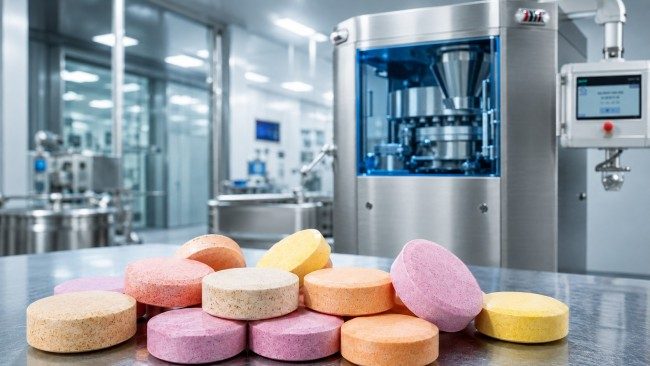
الأقراص القابلة للمضغ هي أقراص صلبة مصممة للمضغ قبل البلع. وهي تستخدم عادة للفيتامينات, المعادن, مضادات الحموضة, المكملات الغذائية, ومنتجات صيدلانية مختارة. تشمل الأمثلة المألوفة أقراص فيتامين سي القابلة للمضغ, أقراص مضغ الكالسيوم, والفيتامينات المتعددة القابلة للمضغ.
على الرغم من أنه يمكن إنتاج الأقراص القابلة للمضغ باستخدام الكثير من نفس معدات تصنيع الأقراص المستخدمة في الأقراص التقليدية, متطلبات المنتج مختلفة. لأن القرص يمضغ ويبقى في الفم لفترة أطول, ذوق, نَسِيج, ملمس الفم, حجم الجهاز اللوحي, وتصبح قابلية المضغ أكثر أهمية. في نفس الوقت, لا تزال الأجهزة اللوحية بحاجة إلى قوة كافية لتحمل الضغط, إزالة الغبار, التعبئة والتغليف, شحن, والتعامل معها.
تؤثر هذه المتطلبات على عملية الإنتاج بأكملها. يحتاج المصنعون إلى النظر في الصياغة, سواء الضغط المباشر أو التحبيب هو أكثر ملاءمة, كيف يتصرف المزيج أثناء ضغط الجهاز اللوحي, ما هي سمات الجودة التي يجب التحكم فيها, وما إذا كان تغليف الفقاعة أو الزجاجة أكثر ملاءمة.
يشرح هذا الدليل تركيبة الأقراص القابلة للمضغ, تصنيع, معدات الإنتاج, اعتبارات الجودة, والتعبئة والتغليف في تدفق إنتاج كامل واحد.
1. ما الذي يجعل الأقراص القابلة للمضغ مختلفة؟?
الفرق الرئيسي بين أقراص للمضغ وأقراص عادية هي الطريقة التي من المفترض أن تؤخذ بها.
عادةً ما يتم ابتلاع القرص التقليدي بالكامل ثم يتفكك بعد وصوله إلى الجهاز الهضمي. تم تصميم القرص القابل للمضغ ليتم مضغه إلى جزيئات أصغر قبل البلع. بسبب هذا, يختبر المستخدم طعم الجهاز اللوحي مباشرة, نَسِيج, صلابة, والطعم.
وهذا يغير ما يحتاج المصنعون إلى مراعاته أثناء الصياغة والإنتاج.
على سبيل المثال, يمكن أن يكون للقرص التقليدي طعم غير سار بالكاد يمكن ملاحظته إذا تم ابتلاعه بسرعة. يمكن أن يصبح نفس الطعم مشكلة كبيرة في الأقراص القابلة للمضغ لأن المادة تبقى في الفم أثناء مضغها. المحليات, النكهات, الحشو, المجلدات, ولذلك تحتاج السواغات الأخرى إلى العمل معًا لإنتاج طعم وملمس مقبولين مع الاستمرار في دعم ضغط الأقراص الموثوق به.
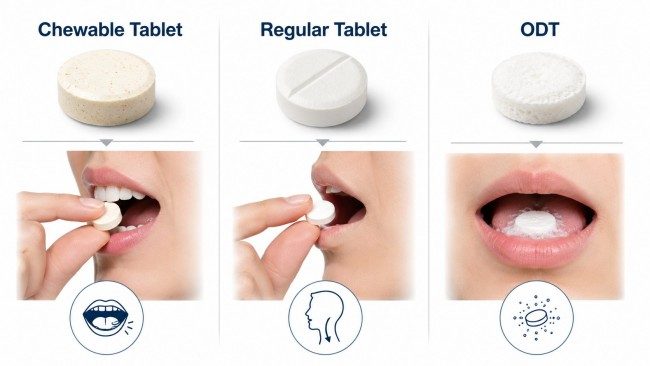
الأقراص القابلة للمضغ مقابل الأقراص العادية مقابل ODTs
تختلف الأقراص القابلة للمضغ أيضًا عن الأقراص القابلة للتحلل عن طريق الفم, تسمى عادة ODTs.
تم تصميم ODT لتتفكك بسرعة في الفم مع القليل من المضغ أو بدون مضغ. يتم مضغ القرص القابل للمضغ عمداً قبل بلعه. قرص تقليدي, بالمقارنة, عادة ما يتم ابتلاعها سليمة.
| نوع الجهاز اللوحي | كيف يتم تناوله عادة | التركيز على المنتج الرئيسي |
| قرص قابل للمضغ | يمضغ قبل البلع | ذوق, ملمس الفم, قابلية المضغ, قوة |
| قرص عادي | ابتلع كله | قوة, التفكك, الافراج المقصود |
| ODT | يتحلل بسرعة في الفم | تفكك سريع وإدارة سهلة |
تؤثر هذه الاختلافات أيضًا على حجم الجهاز اللوحي وشكله. غالبًا ما تكون الأقراص القابلة للمضغ كبيرة بما يكفي لحمل الفيتامينات, المعادن, مضادات الحموضة, أو غيرها من المكونات, لذلك يجب أن يظل تصميم الأدوات وأبعاد الأجهزة اللوحية مريحًا للمضغ وكذلك عمليًا للإنتاج.
يجب أن يحقق الجهاز اللوحي أيضًا توازنًا بين القوة وقابلية المضغ. يحتاج إلى البقاء على قيد الحياة عند التفريغ من مكبس أقراص, إزالة الغبار, تقتيش, التعبئة والتغليف, ينقل, والتعامل العادي دون الكسر المفرط. في نفس الوقت, إن جعل القرص صلبًا دون داعٍ يمكن أن يجعل مضغه أقل متعة.
ولهذا السبب لا يمكن أن يركز تطوير الأقراص القابلة للمضغ على المذاق أو الضغط فقط. يجب أن تدعم التركيبة تجربة تناول الطعام المقصودة وأداء التصنيع المستقر.
2. تطبيقات وأمثلة على الأقراص القابلة للمضغ الشائعة
الأقراص القابلة للمضغ شائعة في المنتجات التي تتميز بسهولة تناولها, ذوق, أو أن كتلة الجهاز اللوحي الكبيرة نسبيًا مهمة.
منتجات الفيتامينات والمعادن هي الأمثلة الأكثر شيوعًا. وتشمل هذه أقراص فيتامين سي القابلة للمضغ, الفيتامينات المتعددة القابلة للمضغ, أقراص مضغ الكالسيوم, مضغ المغنيسيوم, وغيرها من المنتجات الغذائية. يمكن للتركيبات الغنية بالمعادن أن تخلق طباشيريًا, معدني, أو أحاسيس مريرة, لذلك غالبًا ما يصبح الطعم والملمس أهدافًا مهمة للصياغة.
تعتبر الأقراص القابلة للمضغ المضادة للحموضة تطبيقًا آخر مثبتًا. يمكن أن تحتوي على مستويات عالية نسبيًا من المكونات المعدنية وهي مصممة بحيث يتم مضغها قبل البلع.
تستخدم المنتجات الصيدلانية المختارة أيضًا أشكالًا قابلة للمضغ, بما في ذلك المنتجات المخصصة للمستخدمين الذين يجدون صعوبة في بلع الأقراص التقليدية. تتطلب منتجات الأطفال اهتمامًا خاصًا بالجرعة, حجم الجهاز اللوحي, اختيار سواغ, وتعليمات الاستخدام بدلاً من مجرد تقليص منتج للبالغين.
تُستخدم الأشكال القابلة للمضغ أيضًا في المنتجات الغذائية والبيطرية. كل تطبيق له استساغة خاصة به, جرعة, استقرار, ومتطلبات التصنيع, وهذا هو السبب في عدم وجود تركيبة قياسية واحدة من الأقراص القابلة للمضغ.
3. كيف يتم صياغة قرص للمضغ?
يجب أن تعمل تركيبة الأقراص القابلة للمضغ كقرص مضغوط ومنتج يتم مضغه عمدًا. العنصر النشط, سواغ, نظام الذوق, خصائص الجسيمات, وطريق التصنيع كلها تؤثر على النتيجة النهائية.
العنصر النشط والجرعة
العنصر النشط المطلوب والجرعة تأتي أولا. جرعة عالية من المعادن, النشطة المريرة بقوة, مواد حساسة للرطوبة, والمكونات ذات الجرعات المنخفضة يمكن أن تخلق مشاكل صياغة مختلفة جدًا.
تؤثر الجرعة أيضًا على حجم الجهاز اللوحي, والقرص الذي يسهل ضغطه لا يكون مريحًا للمضغ تلقائيًا.
السواغات الوظيفية
يمكن أن تحتوي الأقراص القابلة للمضغ على مواد حشو أو مواد مخففة, المجلدات, مواد التشحيم, رقصة مزلقة, المفككات, المحليات, النكهات, وسواغات أخرى.
تساعد الحشوات في بناء كتلة الجهاز اللوحي ويمكن أن تؤثر على الملمس. المجلدات تدعم ترابط الجسيمات. تعمل مواد التشحيم على تقليل الاحتكاك أثناء الضغط والقذف. يمكن أن تعمل الطائرات الشراعية على تحسين تدفق المسحوق, بينما يتم استخدام المواد المتفككة عندما يتطلب ذلك تصميم المنتج.
لا تزال التركيبة بحاجة إلى تدفق مناسب وقابلية للضغط بحيث يمكن للمزيج أن يملأ تجويف القالب باستمرار ويشكل أقراصًا دون عيوب مفرطة.
التذوق و الشعور بالفم
يعد الطعم أحد أكبر الاختلافات بين تركيبة الأقراص القابلة للمضغ والتقليدية.
ويشيع استخدام المحليات والنكهات لأن المادة تبقى في الفم أثناء مضغها. غالبًا ما يتم اختيار البوليولات مثل المانيتول لأنها يمكن أن تساهم في الحصول على كمية كبيرة من الطعام وإحساس أكثر متعة بالفم.
عندما يكون العنصر النشط مريرًا بشدة أو غير سار, النكهة وحدها قد لا تكون كافية. يمكن أن تشمل أساليب إخفاء الذوق الطلاء, الكبسلة الدقيقة, أو غيرها من استراتيجيات الصياغة, بشرط أن تظل متوافقة مع بقية عملية التصنيع.
حجم الجسيمات مهم أيضا. يمكن للجسيمات الخشنة أو التي يتم التحكم فيها بشكل سيئ أن تخلق إحساسًا بالرمل, في حين أن الاختلافات الكبيرة في حجم الجسيمات أو كثافتها يمكن أن تزيد من خطر الفصل أثناء المزج والنقل.
4. سمات الجودة الهامة للأقراص القابلة للمضغ
يجب أن تظل الأقراص القابلة للمضغ موثوقة ميكانيكيًا أثناء الإنتاج والتعبئة بينما تكون أيضًا مقبولة للمضغ. ولذلك ينظر تقييم الجودة إلى عدة سمات معًا.
| سمة الجودة | لماذا يهم؟ |
| وزن الجهاز اللوحي واتساق المحتوى | يدعم التركيب والجرعة المتسقة |
| صلابة / قوة الكسر | يشير إلى القوة الميكانيكية ويمكن أن يؤثر على قابلية المضغ |
| قابلية التفتت | يظهر مقاومة للتآكل والكسر |
| الحجم والسمك | تؤثر على التعامل, التعبئة والتغليف, والمضغ |
| التفكك | يساعد على وصف كيفية شكل جرعة ينهار |
| الحل | يقيم إطلاق العنصر النشط |
| التذوق والشعور بالفم | تؤثر بشكل مباشر على تجربة المستخدم |
| مظهر | يساعد على تحديد العيوب الجسدية |
الصلابة مهمة, لكن القرص الأكثر صلابة ليس تلقائيًا قرصًا أفضل للمضغ. إذا كانت القوة منخفضة جدًا, يمكن للأقراص أن تتشقق أو تنكسر أثناء إزالة الغبار, نقل, التعبئة والتغليف, والنقل. إذا كانت مرتفعة دون داع, يمكن أن يصبح المضغ مزعجًا.
توفر القابلية للتفتيت وجهة نظر ثانية للمتانة الجسدية, بينما يساعد التفكك والذوبان في التأكد من أن شكل الجرعة يعمل على النحو المنشود. وتعتمد الأهداف المناسبة على التركيبة ومواصفات المنتج وليس على قيمة عالمية واحدة.
5. تصنيع الأقراص القابلة للمضغ: خطوة بخطوة
بمجرد تحديد مسار الصياغة والعملية, يتبع تصنيع الأقراص القابلة للمضغ تسلسلًا مشابهًا للأقراص المضغوطة الأخرى.
خطوة 1: تحضير المواد الخام
يتم توزيع المواد الخام وفقًا لصيغة الدفعة. اعتمادا على حالتهم, يمكن غربلة المساحيق أو طحنها لتكسير التكتلات والحصول على توزيع أكثر ملاءمة لحجم الجسيمات للمزج والتغذية.
خطوة 2: امزجي المكونات
يتم خلط المكونات النشطة والسواغات لتحقيق التوزيع المطلوب. تحميل الخلاط, وقت الخلط, حجم الجسيمات, كثافة, وترتيب الإضافة يمكن أن يؤثر على التوحيد والتدفق.
تتم إضافة مواد التشحيم عادة خلال مرحلة مزج لاحقة لأن التشحيم المفرط يمكن أن يقلل من ترابط الجسيمات ويغير خصائص القرص.
خطوة 3: استخدم الضغط المباشر أو التحبيب
يمكن أن ينتقل مزيج الضغط المباشر إلى التشحيم النهائي وضغط الأقراص دون خطوة تحبيب منفصلة.
عندما يكون التحبيب مطلوبًا, يمكن أن يشمل المسار التحبيب الرطب أو التحبيب الجاف, التجفيف حيثما ينطبق ذلك, الطحن أو التحجيم, والمزج النهائي. والغرض من ذلك هو إنشاء مادة تتغذى وتضغط بشكل أكثر موثوقية.
خطوة 4: ضغط المزيج على قرص دوار
يتم نقل الخليط النهائي إلى الصحافة قرص دوار. يقوم نظام التغذية بتوزيع المواد في تجاويف القالب, بينما يحدد موضع الثقب السفلي عمق تعبئة القالب المتوفر وبالتالي يؤثر على وزن الجهاز اللوحي.
ثم يمر القالب المملوء من خلال الضغط. يمكن استخدام الضغط المسبق عند الحاجة لإزالة جزء من الهواء المحبوس وتشكيل ضغط أولي قبل الضغط الرئيسي. يشكل الضغط الرئيسي القرص النهائي, ثم تقوم اللكمة السفلية برفعها للطرد.
الإعدادات المطلوبة تعتمد على الصيغة, أبعاد الجهاز اللوحي, الأدوات, الوزن المستهدف, سرعة الصحافة, ظروف التغذية, وسلوك المسحوق. لا ينبغي التعامل مع قوة الضغط وحدها على أنها المتحكم الوحيد في صلابة القرص أو قابليته للمضغ.
خطوة 5: الغبار, فحص, والعينة
بعد الطرد, تمر الأقراص عادةً عبر أداة إزالة الغبار لإزالة المسحوق السائب. اعتمادا على الخط ونظام الجودة, يمكن أن تشمل الخطوات النهائية أيضًا الكشف عن المعادن وأخذ العينات أثناء العملية.
يمكن أن تشير مشاكل الضغط الشائعة إلى أسباب مختلفة:
| مشكلة | عوامل للتحقيق |
| الالتصاق أو الانتقاء | رطوبة الصيغة, تشحيم, سطح الأدوات, درجة حرارة |
| اختلاف الوزن | تدفق المسحوق, الفصل, ظروف التغذية, الحشوة, سرعة الصحافة |
| التقطيع أو السد | الهواء المحبوس, الترابط, ملف تعريف الضغط, الأدوات |
| صلابة مفرطة | القدرة على الضغط, ظروف الضغط, أبعاد الجهاز اللوحي |
| طرد صعب | تشحيم, احتكاك جدار القالب, حالة الأدوات |
هذه مشاكل متعددة العوامل. إعدادات الآلة, خصائص الصياغة, الحالة المادية, ويجب فحص الأدوات معًا.
6. ما هي المعدات المستخدمة في تصنيع الأقراص القابلة للمضغ؟?
تعتمد المعدات الدقيقة على ما إذا كان المنتج يستخدم الضغط المباشر أو التحبيب, ولكن يمكن أن يشمل الخط النموذجي:
| المعدات | الدور الرئيسي |
| الغربال أو مطحنة | تحضير المسحوق وتفكيكه |
| خلاط مسحوق | مزيج المكونات النشطة والسواغات |
| المحبب | شكل حبيبات عند الحاجة |
| مجفف ومطحنة التحجيم | قم بمعالجة الحبيبات الرطبة قبل الخلط النهائي |
| مكبس أقراص دوار | ضغط المزيج النهائي في أقراص |
| مزيل الغبار عن التابلت | إزالة مسحوق السطح السائب |
| كاشف المعادن | كشف التلوث المعدني عند تضمينه في الخط |
| آلة تغليف الفقاعات | حزمة أقراص في تجاويف نفطة |
| خط عد الأجهزة اللوحية | عد واملأ الأقراص في زجاجات |
| ماكينة تغليف كرتوني | تحميل العبوات النهائية في علب كرتون |

إن مكبس الأقراص الدوارة هو الجهاز المركزي في مرحلة ضغط الأقراص. يعتمد اختيار الماكينة على قطر الجهاز اللوحي وشكله, الأدوات, خصائص المسحوق, السعة الإنتاجية, والأتمتة المطلوبة.
لا تحتاج الأقراص القابلة للمضغ إلى فئة خاصة من مكبس الأقراص لأنها ببساطة قابلة للمضغ. ما يهم هو ما إذا كان الجهاز, الأدوات, نظام التغذية, ويتوافق نطاق التشغيل مع التركيبة وتصميم الجهاز اللوحي.
للحصول على خط إنتاج كامل, رويدا للتعبئة والتغليف يمكن توصيل ضغط الجهاز اللوحي بتغليف نفطة المصب, العد اللوحي, التعامل مع الزجاجة, ومعدات التغليف الكرتوني حسب تنسيق التغليف المطلوب.
7. حلول تغليف الأقراص القابلة للمضغ
عادةً ما يتم تعبئة الأقراص القابلة للمضغ في عبوات أو زجاجات. الخيار الأفضل يعتمد على حساسية الرطوبة والأكسجين, أبعاد الجهاز اللوحي, عدد الوحدات, تنسيق السوق, والأداء الحاجز المطلوب.
التغليف بالبثور
تقوم العبوات المضغوطة بفصل الأقراص في تجاويف فردية وتكون مفيدة عندما يكون تقديم جرعة وحدة أو فصل القرص الفردي أمرًا مهمًا.
يعتمد أداء الحاجز على هيكل التغليف الكامل. بثور على أساس PVC, الهياكل البلاستيكية ذات الحاجز العالي, و عبوات Alu-Alu ذات الشكل البارد لا توفر نفس المستوى من الحماية.
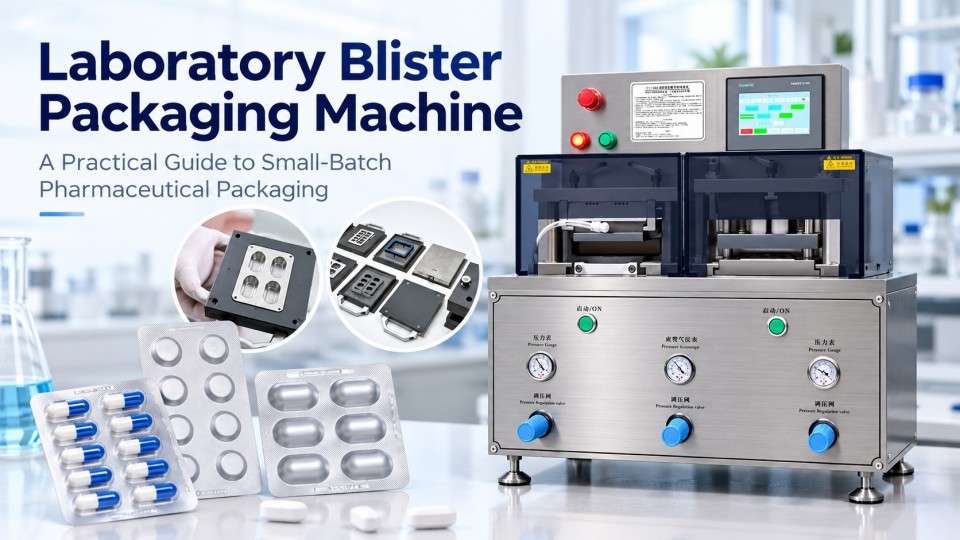
تقوم آلة تعبئة الفقاعة بتشكيل العبوة وإغلاقها, لكن الحاجز نفسه يأتي من المواد المختارة وجودة الختم.
عندما تكون هناك حاجة للتغليف الثانوي, يمكن أن تستمر صفائح البثرة النهائية في آلة التغليف الكرتوني.
تغليف الزجاجة
تعتبر تعبئة الزجاجات شائعة بالنسبة للفيتامينات القابلة للمضغ, المعادن, والمنتجات الغذائية تباع بأعداد أكبر.
يمكن أن يشمل خط العد الآلي وتعبئة الزجاجات الآلي النموذجي:
فك رموز الزجاجة ← عد/تعبئة الأقراص ← تدقيق الوزن ← إدخال المجفف ← إدخال القطن ← السد ← الختم التعريفي ← وضع العلامات ← الترميز/الفحص
ليس كل منتج يحتاج إلى كل خطوة. المجففات, على سبيل المثال, يجب أن يتم اختياره وفقًا لحساسية رطوبة المنتج وتصميم العبوة الكاملة.

نفطة أو زجاجة?
| صحة | بثرة | زجاجة |
| عرض الجرعة | تجاويف فردية | أقراص متعددة لكل حاوية |
| أعداد كبيرة من الأجهزة اللوحية | أقل ملاءمة في كثير من الحالات | عملي في كثير من الأحيان |
| فصل الجهاز اللوحي الفردي | ميزة قوية | حاوية مشتركة |
| أداء الحاجز | يعتمد على هيكل نفطة | يعتمد على الزجاجة, إنهاء, وختم |
ولذلك ينبغي النظر في التعبئة والتغليف في وقت مبكر من التخطيط الخطي. يحتاج القرص الكبير القابل للمضغ الذي يُباع في زجاجة تحتوي على 90 قطعة إلى عملية تغليف مختلفة تمامًا عن المنتج المعبأ في تجاويف نفطة فردية.
خاتمة
تجمع الأقراص القابلة للمضغ بين مزايا أشكال الجرعات الصلبة المضغوطة ومتطلبات الذوق الإضافية, ملمس الفم, حجم الجهاز اللوحي, والمضغ.
أفضل طريق للتصنيع يبدأ بالتركيبة. تحدد خصائص المواد ما إذا كان الضغط المباشر أو التحبيب أكثر ملاءمة, يجب أن تتطابق مكبس الجهاز اللوحي مع تصميم المزيج والجهاز اللوحي, تؤكد اختبارات الجودة أداء المنتج النهائي, ويجب أن يوفر شكل العبوة الحماية والعرض المطلوبين.
ولذلك تم بناء خط إنتاج الأقراص القابلة للمضغ المستقر عن طريق توصيل التركيبة, ضغط, ضبط الجودة, والتعبئة والتغليف بدلاً من تحسين أي خطوة منفردة.
الأسئلة المتداولة حول الأقراص القابلة للمضغ
1.ما هو قرص مضغ?
القرص المضغ هو قرص فموي صلب مصمم ليتم مضغه قبل البلع. تركيبته تحتاج إلى النظر في الذوق, ملمس الفم, نَسِيج, القوة الميكانيكية, وقابلية المضغ بالإضافة إلى متطلبات تصنيع الأقراص العادية.
2.كيف يتم تصنيع الأقراص القابلة للمضغ؟?
تتضمن العملية النموذجية إعداد المواد الخام, مزج, الضغط المباشر أو التحبيب عند الحاجة, تصنيع التابلت, إزالة الغبار, تقتيش, والتغليف النهائي للنفطة أو الزجاجة.
3.ما هي المكونات المستخدمة في تحضير الأقراص القابلة للمضغ؟?
يمكن أن تشتمل التركيبات النموذجية على مكونات نشطة, الحشو, المجلدات, مواد التشحيم, رقصة مزلقة, المفككات, المحليات, النكهات, وسواغات أخرى. التركيبة الدقيقة تعتمد على الجرعة, ذوق, خصائص المواد, ومتطلبات المنتج.
4.لماذا تلتصق الأقراص القابلة للمضغ بثقوب الضغط على الأقراص؟?
تشمل الأسباب المحتملة رطوبة التركيبة, المكونات اللزجة, عدم كفاية التشحيم, حالة الأدوات, درجة حرارة المنتج, وظروف الضغط. يجب تحديد السبب الأساسي قبل تغيير إعدادات الجهاز.
5.ما هي سمات الجودة المهمة للأقراص القابلة للمضغ?
تشمل السمات الشائعة وزن الجهاز اللوحي, اتساق المحتوى, أبعاد, صلابة أو قوة الكسر, القابلية للتفتيت, التفكك, الحل, مظهر, ذوق, ملمس الفم, والمضغ.
6.ما هي المعدات اللازمة لتصنيع أقراص المضغ؟?
يمكن أن يشتمل الخط على معدات تحضير المسحوق, خلاط, معدات التحبيب والتجفيف الاختيارية, آلة ضغط الأقراص الدوارة, مزيل الغبار, كاشف المعادن, وآلة نفطة الأقراص أو خط تعبئة الأقراص اللوحية.
7.ما هي العبوة المناسبة للأقراص القابلة للمضغ؟?
يتم استخدام كل من عبوات الفقاعة والزجاجات على نطاق واسع. يعتمد الاختيار على حجم الجهاز اللوحي, عدد, متطلبات الحاجز, احتياجات جرعة الوحدة, ظروف التخزين, وشكل السوق.
المراجع
1. ادارة الاغذية والعقاقير – اعتبارات سمة الجودة للأقراص القابلة للمضغ: إرشادات للصناعة
2. ادارة الاغذية والعقاقير / مواصفات ICH Q6A
3. التكنولوجيا الصيدلانية – أقراص مضغ: مراجعة اعتبارات الصياغة
4. أبحاث PMC – دراسة قابلية الأقراص والتحبيب الرطب