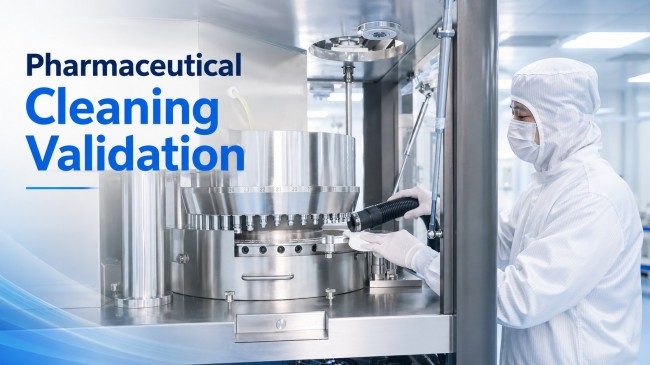
في تصنيع الأدوية, لا يلزم أن تكون المعدات "نظيفة" بالمعنى المجرد، بل يجب أن تكون نظيفة بدرجة كافية للاستخدام التالي المقصود. التحقق من صحة التنظيف الدوائي يقدم دليلاً موثقًا على أن إجراء التنظيف المعمول به يمكنه التحكم باستمرار في بقايا المنتج, بقايا عامل التنظيف, ومخاطر التلوث الأخرى ذات الصلة ضمن معايير القبول المحددة.
يكون هذا الأمر أكثر أهمية عند إعادة استخدام معدات الاتصال بالمنتج بين الدفعات أو المنتجات المختلفة. من الممكن أن يحتوي السطح الذي يبدو نظيفًا على بقايا غير مرئية, في حين أن اكتشاف بقايا أثر لا يعني تلقائيًا أن عملية التنظيف قد فشلت. والسؤال الحقيقي هو ما إذا كانت البقايا المتبقية أقل من الحد المسموح به علميا وما إذا كانت عملية التنظيف قادرة على تحقيق تلك النتيجة باستمرار.
صوت التحقق من صحة التنظيف في صناعة الأدوية وبالتالي يربط أربعة عناصر: معايير القبول المناسبة, إجراء تنظيف محدد, أخذ العينات التمثيلية, والنتائج التحليلية التي يمكن أن تظهر بشكل موثوق ما إذا كان قد تم استيفاء هذه المعايير.
ما هو التحقق من صحة التنظيف الدوائي - وما مدى نظافة النظافة بما فيه الكفاية?
التحقق من صحة التنظيف الدوائي هو العملية الموثقة المستخدمة لإثبات أن إجراء التنظيف المعتمد يترك دائمًا المعدات مناسبة للاستخدام المقصود منها. تصف إرشادات منظمة الصحة العالمية التحقق من صحة طريقة التنظيف بعبارات مماثلة: الهدف هو تقديم دليل موثق على أن الإجراء المعتمد ينتج معدات نظيفة مناسبة للغرض المقصود منه.
الكلمة المهمة هي باستمرار. إن تنظيف الآلة بنجاح مرة واحدة لا يعني أن نفس الإجراء سيعمل بشكل موثوق بعد تشغيل الإنتاج في المستقبل. يأخذ التحقق من الصحة في الاعتبار طريقة التنظيف المحددة, المعدات والأسطح المعنية, تتم إزالة المخلفات, نهج أخذ العينات, الطريقة التحليلية, ومعايير القبول المستخدمة للحكم على النتيجة.
فماذا يفعل ”نظيفة بما فيه الكفاية“ يعني في الواقع?
وهذا لا يعني عمومًا إثبات عدم وجود أي بقايا على الإطلاق. وقد حددت الأساليب التحليلية قدرات الكشف والقياس الكمي, وتستند قرارات التنظيف الصيدلانية إلى معايير القبول المبررة. تعتبر المعدات نظيفة بشكل مقبول عندما يتم التحكم في المخلفات ذات الصلة ضمن الحدود المقررة ويتم دعم النتيجة عن طريق الفحص المناسب, أخذ العينات, والاختبار.
النظافة البصرية لا تزال مفيدة, ولكنها لا يمكن أن تكون عادة بمثابة معيار القبول الوحيد. يمكن أن يبدو السطح الملامس للمنتج نظيفًا بينما تبقى كميات صغيرة من البقايا. ملحق برنامج الرصد العالمي للاتحاد الأوروبي 15 لذلك، يتعامل مع الفحص البصري باعتباره جزءًا مهمًا من التحقق من صحة التنظيف مع الإشارة إلى أنه من غير المقبول بشكل عام الاعتماد على النظافة البصرية وحدها.
ومن المفيد أيضًا الفصل بين ثلاثة مصطلحات مترابطة:
- تنظيف هي العملية الفيزيائية لإزالة المخلفات والملوثات من المعدات.
- التحقق من التنظيف يتحقق مما إذا كان حدث تنظيف معين يلبي المتطلبات المحددة.
- التحقق من صحة التنظيف يقدم أدلة موثقة على أن عملية التنظيف المحددة تتم بشكل متسق في ظل الظروف التي تم تصميمها من أجلها.
يفسر هذا التمييز سبب تجاوز التحقق من صحة التنظيف الدوائي إلى ما هو أبعد من فحص الآلة بعد الغسيل. الهدف هو بناء دليل على أن عملية التنظيف قابلة للتكرار, قابلة للقياس, ومناسبة للمنتجات والمعدات المعنية.
بالضبط أين يجب تعيين الحد المقبول هو سؤال منفصل. ذلك يعتمد على نوع البقايا, المنتج التالي, قطار المعدات, وتقييم المخاطر المطبقة. تشكل هذه العوامل الأساس لمعايير قبول التحقق من صحة التنظيف ويتم تناولها لاحقًا عندما نفحص الحدود الصحية والمرحل المسموح به.
ما الذي يتطلبه برنامج الرصد العالمي (GMP) للتحقق من صحة التنظيف الدوائي؟?
لا توفر GMP وصفة تنظيف واحدة لكل منتج أو آلة. يتطلب السيطرة عليها, التنظيف الموثق والأدلة على أنه يمكن إعادة استخدام المعدات دون تلوث غير مقبول أو خطر الترحيل.
ادارة الاغذية والعقاقير 21 CFR 211.67 يتطلب إجراءات مكتوبة للتنظيف, تقتيش, حماية المعدات النظيفة, والسجلات. ملحق برنامج الرصد العالمي للاتحاد الأوروبي 15 يعالج حدود الترحيل المبررة, مواقع أخذ العينات, معايير القبول, والأساليب التحليلية. وتدعم إرشادات منظمة الصحة العالمية أيضًا النهج القائم على المخاطر, وخاصة بالنسبة للمعدات المشتركة.
| مصدر | التركيز الرئيسي | معنى عملي |
| ادارة الاغذية والعقاقير 21 جزء CFR 211 | إجراءات التنظيف, تصميم المعدات, تقتيش, السجلات | يجب تحديد التنظيف, فحص, وموثقة |
| ملحق برنامج الرصد العالمي للاتحاد الأوروبي 15 | تصديق, حدود, أخذ العينات, الأساليب التحليلية | فعالية التنظيف تحتاج إلى أدلة داعمة |
| توجيهات منظمة الصحة العالمية | مخاطرة, حد التعرض القائم على الصحة (HBEL), تَحَقّق, التحكم في دورة الحياة | يجب أن تعكس الإستراتيجية المنتج الفعلي ومخاطر الترحيل |
الفرق المهم هو ذلك يحدد المنظمون هدف الرقابة; تبرر الشركة المصنعة إجراء التنظيف المحدد, حدود, خطة أخذ العينات, وطرق الاختبار للعملية الخاصة بها.
كيف يمكنك أن تقرر ما إذا كانت المعدات نظيفة بما فيه الكفاية؟?
من الأسهل فهم القرار كتسلسل:
تحديد البقايا ← تعيين حد مقبول ← أخذ عينات من المعدات ← قياس البقايا ← مقارنة النتيجة مع الحد.
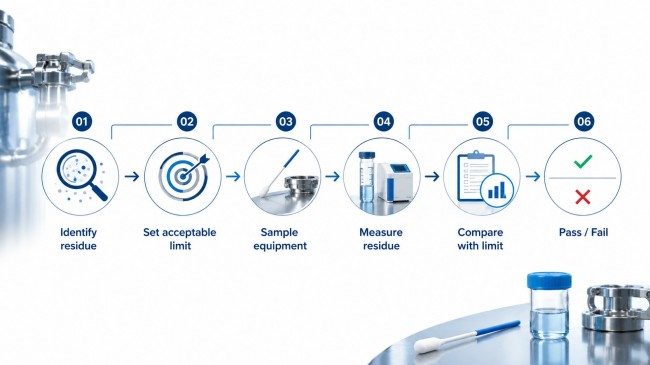
إذا كانت النتيجة تفي بمعايير القبول المبررة ويمكن لإجراء التنظيف تحقيق هذه النتيجة بشكل متكرر, المعدات نظيفة بما يكفي للاستخدام المعتمد.
1. تحديد ما يجب السيطرة عليه
عادة ما يكون المنتج السابق هو الشاغل الرئيسي, ولكن يمكن أن يشمل التقييم أيضًا بقايا عوامل التنظيف و, حيثما كان ذلك مناسبا, التلوث الميكروبيولوجي. الفحص البصري مفيد, لكن السطح النظيف بصريًا لا يزال من الممكن أن يحتوي على بقايا منخفضة المستوى.
2. قم بتعيين معايير القبول
لبقايا المنتج في المرافق المشتركة, أ حد التعرض القائم على الصحة (HBEL) يمكن أن يوفر الأساس العلمي لتحديد مقدار التعرض المقبول لمنتج سابق. أ التعرض اليومي المسموح به (PDE) هو أحد أنواع القيمة الصحية المستخدمة في هذا التقييم.
يتم بعد ذلك ترجمة هذه القيمة المستندة إلى الصحة إلى حد ترحيل عملي لتسلسل المنتج ومجموعة المعدات ذات الصلة. يتم التعبير عن هذا عادة كـ أ الحد الأقصى المسموح به للترحيل (لطيف) أو حد ترحيل مبرر آخر.
العلاقة هي:
البيانات السمية ← HBEL/PDE ← المرحل المسموح به ← المعدات أو الحد السطحي ← نتيجة الاختبار ← النجاح أو الفشل
أ حساب MACO في التحقق من صحة التنظيف ولذلك لا يتم إنشاء رقم واحد يصلح لكل جهاز أو منتج. تعتمد النتيجة على المنتجات المعنية والافتراضات المستخدمة. ولهذا السبب أيضًا قاعدة تاريخية ثابتة مثل 10 لا ينبغي أن تحل جزء من المليون محل تقييم المخاطر المبرر علميا تلقائيا.
3. قارن الأدلة بالحدود
| يفحص | السؤال الرئيسي |
| التفتيش البصري | هل البقايا المرئية غائبة بموجب معيار الفحص المحدد? |
| اختبار بقايا المنتج | ويتم قياس المرحل تحت الحد المبرر? |
| بقايا عامل التنظيف | هل عامل التنظيف أقل من الحد المقرر? |
| التقييم الميكروبيولوجي | حيثما ينطبق ذلك, هل تم استيفاء المعايير المحددة? |
| قدرة الطريقة | يمكن أخذ العينات والتحليل الكشف بشكل موثوق عن البقايا عند المستوى المطلوب? |
نتيجة "لم يتم الكشف عنها" لا تعني صفر بقايا. وهذا يعني أنه لم يتم الكشف عن البقايا فوق قدرة طريقة أخذ العينات والتحليل. لذلك فإن النظافة الكافية تعتبر مقياسًا, حالة مبررة - وليس ادعاء بالنظافة الكاملة.
كيف يعمل التحقق من صحة التنظيف الدوائي خطوة بخطوة
عملي بروتوكول التحقق من التنظيف يحول معايير القبول تلك إلى دراسة قابلة للتكرار.
خطوة 1: تحديد النطاق والحالة الأسوأ
التعرف على معدات الاتصال بالمنتج, المنتجات التي تشاركه, والمجموعات التي تخلق ظروف التنظيف الأكثر تطلبًا. يجب أن يأخذ اختيار الحالة الأسوأ بعين الاعتبار أكثر من عامل واحد. تؤثر السمية أو الفاعلية على نتيجة المرحل, بينما يؤثر ضعف قابلية الذوبان أو صعوبة التنظيف على مدى صعوبة إزالة البقايا.
وبالتالي فإن المنتج الذي يحتوي على أعلى جرعة لا يعتبر تلقائيًا أسوأ حالة تنظيف. وينبغي أن يعكس الأساس المنطقي كلا الأمرين خطر إذا بقيت بقايا وصعوبة إزالتها.
خطوة 2: تحديد إجراء التنظيف
يجب أن يصف الإجراء المتغيرات التي تؤثر على أداء التنظيف, مثل تركيز عامل التنظيف, درجة حرارة, وقت الاتصال, الشطف, التفكيك, تجفيف, وأوقات الانتظار القذرة أو النظيفة ذات الصلة. يحتاج التنظيف اليدوي أيضًا إلى تعليمات واضحة لأن تقنية المشغل يمكن أن تؤدي إلى اختلافات.
خطوة 3: اختر مواقع وطرق أخذ العينات
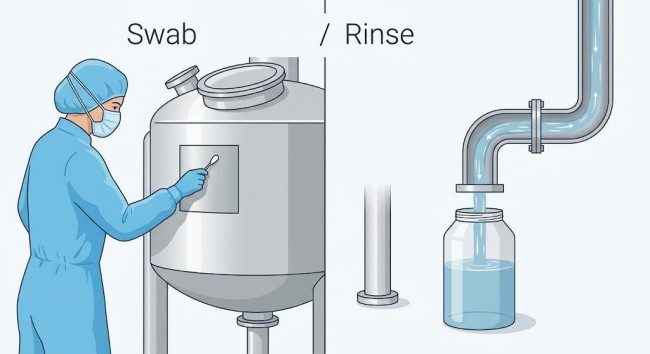
وينبغي أن تشمل أخذ العينات مواقع ذات معنى, وخاصة الأسطح التي يصعب تنظيفها بدلاً من المناطق التي يسهل الوصول إليها فقط.
أخذ العينات المسحة يعطي نتيجة خاصة بالموقع من سطح يمكن الوصول إليه. شطف العينات مفيد للمناطق المغلقة أو التي يصعب الوصول إليها ولكنه يوفر معلومات أقل حول مكان وجود البقايا بالضبط.
| طريقة | القوة الرئيسية | القيد الرئيسي |
| أخذ العينات المسحة | مباشر, نتيجة خاصة بالموقع | يقتصر على الأسطح التي يمكن الوصول إليها |
| شطف العينات | يغطي المناطق المغلقة أو الصعبة | أقل تحديدًا للموقع |
| التفتيش البصري | سريع ومفيد | لا يمكن تحديد كمية المخلفات الكيميائية ذات المستوى المنخفض |
خطوة 4: حدد الطريقة التحليلية
يجب أن تتناسب الطريقة مع البقايا وحد القبول.
HPLC يكون مفيدًا عندما تحتاج الدراسة إلى قياس محدد لواجهة برمجة التطبيقات (API) معينة أو بقايا التنظيف. جدول المحتويات يقيس إجمالي الكربون العضوي, لذلك يمكن أن يدعم تقييمًا غير محدد أوسع عندما يكون إجمالي المخلفات العضوية مؤشرًا مناسبًا.
الاختيار الصحيح يعتمد على الخصوصية المطلوبة, حساسية, القدرة على الكشف, وطبيعة البقايا، وليس الطريقة التي تبدو أكثر تقدمًا.
خطوة 5: قم بتشغيل التحقق من الصحة وتقييم النتائج
قم بتنفيذ إجراء التنظيف المعتمد وفقًا للشروط المحددة, جمع العينات المخطط لها, ومقارنة النتائج بالمعايير المحددة مسبقا. يجب التحقيق في حالات الفشل بدلاً من تنظيفها وإعادة اختبارها بشكل متكرر حتى تظهر نتيجة ناجحة.
هنالك لا توجد قاعدة عالمية مفادها أن كل دراسة للتحقق من صحة التنظيف يجب أن تستخدم دائمًا ثلاث عمليات تشغيل ناجحة بالضبط. ملحق برنامج الرصد العالمي للاتحاد الأوروبي 15 يدعو إلى العدد المناسب بناءً على تقييم المخاطر وتحقيق معايير القبول.
خطوة 6: الحفاظ على حالة التحقق من الصحة
بعد الموافقة, التغييرات ذات الصلة على المنتجات, معدات, إجراءات التنظيف, أو يجب تقييم ظروف التشغيل من خلال التحكم في التغيير لتحديد ما إذا كان هناك ما يبرر التحقق الإضافي أو إعادة التحقق.
كيف يؤثر تصميم المعدات الصيدلانية على التحقق من صحة التنظيف الدوائي
إجراء التنظيف هو ما تم التحقق من صحته, لكن تصميم المعدات يؤثر على مدى سهولة تنفيذها والتحقق منها.
على آلة تعبئة الكبسولات الأوتوماتيكية, القادوس, مكونات الجرعات, ويحتاج مسار التفريغ إلى الوصول إلى التنظيف العملي. أ ماكينة كبس الأقراص الدوارة يحتاج إلى مناطق تغذية وضغط يمكن الوصول إليها. في أ خلاط مسحوق الصيدلانية, السفينة, منطقة التفريغ, الأختام, وتؤثر أسطح التلامس الداخلية على إمكانية التنظيف والوصول إلى العينات.
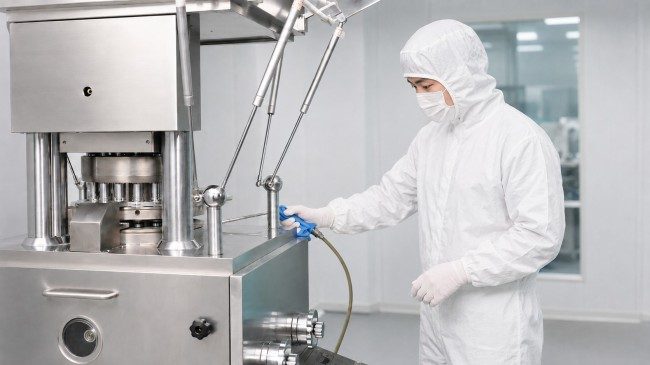
تدعم متطلبات معدات إدارة الغذاء والدواء نفس المبدأ: يجب تصميم المعدات وتحديد موقعها لتسهيل التنظيف والصيانة, ويجب ألا تؤثر الأسطح الملامسة للمنتج سلبًا على جودة المنتج.
في رويدا للتعبئة, استخدام أجزاء الاتصال المادية 316L الفولاذ المقاوم للصدأ, بينما تستخدم مناطق أخرى من الفولاذ المقاوم للصدأ 304 الفولاذ المقاوم للصدأ. يمكن لهياكل الاتصال بالمنتج التي يمكن الوصول إليها والقابلة للإزالة أن تجعل التنظيف الروتيني أكثر عملية. لكن, لا يوجد تصميم من الفولاذ المقاوم للصدأ أو تصميم الماكينة يجعل عملية التنظيف متوافقة مع GMP تلقائيًا. لا تزال الشركة المصنعة بحاجة إلى وضع معايير القبول, إجراءات التنظيف, وأدلة التحقق من صحة المنتجات الفعلية وظروف التشغيل.
الأسئلة المتداولة حول التحقق من صحة التنظيف الدوائي
ما هو الفرق بين التحقق من صحة التنظيف والتحقق من التنظيف?
يثبت التحقق من صحة التنظيف دليلاً على أن عملية التنظيف تتم بشكل متسق. يتحقق التحقق من التنظيف مما إذا كان حدث تنظيف محدد أو تطبيق روتيني يلبي المتطلبات المحددة.
كم مرة يجب إجراء التحقق من صحة التنظيف?
لا يوجد فاصل عالمي واحد. تعتمد إعادة التقييم على مخاطر العملية, التغييرات, الحالة المصادق عليها, إجراءات الشركة, والتوقعات التنظيمية المعمول بها.
هل يلزم دائمًا إجراء ثلاث عمليات التحقق من صحة التنظيف المتتالية?
لا، يتم استخدام ثلاثة أشواط في بعض برامج الشركة, ولكن مرفق الاتحاد الأوروبي GMP 15 يدعو إلى رقم مناسب بناءً على تقييم المخاطر بدلاً من رقم ثابت عالمي.
هل أخذ العينات بالمسحة أفضل من أخذ العينات بالشطف؟?
ولا يوجد أي منهما أفضل على المستوى العالمي. المسح يعطي بيانات سطحية خاصة بالموقع; يساعد أخذ عينات الشطف على تقييم المناطق المغلقة أو التي يصعب الوصول إليها. تحدد المعدات والمخلفات الإستراتيجية المناسبة.
ما هي المعدات الصيدلانية التي تحتاج إلى التحقق من صحة التنظيف?
ينصب التركيز الرئيسي على معدات الاتصال بالمنتج حيث يمكن أن يؤدي التنظيف غير الفعال إلى حدوث مخاطر ترحيل أو تلوث غير مقبولة. النطاق الدقيق يعتمد على المنتجات, عملية, استخدام المعدات, وتقييم المخاطر.
لذا, كيف نظيفة نظيفة بما فيه الكفاية? يجيب التحقق من صحة التنظيف الدوائي على هذا السؤال من خلال سلسلة واضحة من الأدلة: تحديد البقايا ذات الصلة, وضع حد مبرر علميا, عينة من الأسطح التمثيلية, قياس البقايا بطريقة مناسبة, وإظهار أن إجراء التنظيف يمكن أن يفي بمعايير القبول باستمرار.
التصميم الجيد للمعدات يجعل عملية التنظيف وأخذ العينات أسهل, لكن يتم إثبات النظافة الكافية في النهاية من خلال عملية التنظيف المعتمدة وبياناتها، وليس من خلال المظهر, اختيار المواد, أو تصميم الآلة وحدها.
المراجع
- نحن. القانون الإلكتروني للوائح الفيدرالية. 21 جزء CFR 211, الجزء الفرعي د - المعدات, بما في ذلك §211.63, §211.65, و §211.67.
- المفوضية الأوروبية. حجم يودراليكس 4, الملحق 15: التأهيل والتحقق من الصحة, القسم 10 — التحقق من صحة التنظيف.
- منظمة الصحة العالمية. TRS 1033, الملحق 2: النقاط التي يجب مراعاتها عند تضمين حدود التعرض المستندة إلى الصحة في التحقق من صحة التنظيف.
- وكالة الأدوية الأوروبية. المبادئ التوجيهية بشأن تحديد حدود التعرض على أساس صحي لاستخدامها في تحديد المخاطر في تصنيع المنتجات الطبية المختلفة في المرافق المشتركة.
- نحن. إدارة الغذاء والدواء. التحقق من صحة عمليات التنظيف (7/93).