چرا می توان همان ماده دارویی فعال را به عنوان یک قرص عرضه کرد, کپسول, مایع, یا تزریق? پاسخ به عواملی مانند ثبات محصول بستگی دارد, کنترل کمیت, ویژگی های انتشار, استفاده مورد نظر, و مسیر اداره.
برای تولید کنندگان, فرم دوز انتخاب شده روند تولید را شکل می دهد. قرص ها نیاز به آماده سازی و فشرده سازی پودر مناسب دارند, کپسول ها نیاز به پر کردن و بسته شدن دقیق دارند, و مایعات شامل شرایط مختلف اختلاط و پر شدن هستند. محصول نهایی نیز باید با توجه به حساسیت آن به رطوبت بسته بندی شود, اکسیژن, نور, نشتی, و آسیب فیزیکی.
این راهنما اشکال اصلی دوز دارویی را معرفی می کند و توضیح می دهد که چگونه بر فرآیندهای تولید تأثیر می گذارد., انتخاب تجهیزات, و الزامات بسته بندی.
1. فرم های دارویی چیست؟?
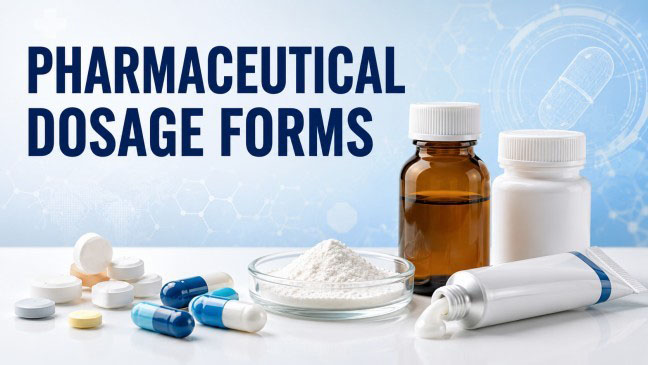
فرم دارویی، شکل فیزیکی است که در آن یک محصول دارویی تولید و عرضه می شود.. نمونه های رایج عبارتند از تبلت, کپسول ها, پودرها, راه حل ها, تعلیق ها, کرم ها, و تزریقات. فرم انتخاب شده از ساخت پشتیبانی می کند, ذخیره سازی, کنترل کمیت, و روش استفاده مورد نظر.
چندین اصطلاح مرتبط اغلب اشتباه گرفته می شوند:
| مدت | معنی | مثال |
| ماده فعال دارویی (API) | جزء فعال اولیه در یک محصول دارویی | استامینوفن |
| دوز | مقدار مشخص شده در یک زمان یا در یک دوره تعریف شده استفاده می شود | 500 میلی گرم |
| فرمولاسیون | ترکیب طراحی شده از API و سایر مواد تشکیل دهنده | API, پرکننده, کلاسور, و تجزیه کننده |
| فرم دوز | شکل فیزیکی تمام شده محصول | قرص روکش شده با فیلم |
| مسیر اداره | روش مورد نظر استفاده از محصول | تجویز خوراکی |
اکثر محصولات دارویی تمام شده حاوی یک یا چند API همراه با مواد کمکی هستند. بسته به فرمولاسیون, مواد کمکی ممکن است جریان مواد را بهبود بخشند, پشتیبانی از فشرده سازی تبلت, حفظ ثبات محصول, کمک به تجزیه, طعم ناخوشایند را بپوشانید, یا ویژگی های رهاسازی مواد را تنظیم کنید.
شکل دوز و مسیر مصرف مرتبط هستند اما مفهوم یکسانی ندارند. یک قرص و یک محلول خوراکی ممکن است هر دو برای استفاده خوراکی در نظر گرفته شوند, با این حال آنها نیاز به فرمولاسیون متفاوتی دارند, روش های تولید, کنترل های فرآیند, و سیستم های بسته بندی. محصولات موجود در یک دسته ممکن است فرآیندهای مختلفی را نیز دنبال کنند. به عنوان مثال, فرمول یک قرص ممکن است برای فشرده سازی مستقیم مناسب باشد, در حالی که دیگری ممکن است نیاز به دانه بندی یا پوشش داشته باشد.
بنابراین تولیدکنندگان باید شکل دوز را تعریف کنند, خواص مواد, مقدار هدف, ملاحظات ثبات, و بسته مورد نظر قبل از انتخاب تجهیزات تولید. تجهیزات باید با فرمولاسیون و فرآیند مطابقت داشته باشند به جای اینکه انتظار داشته باشیم مشخصات مواد نامناسب یا مشخصات بسته بندی را اصلاح کنند..
2. انواع اصلی فرم های دارویی چیست؟?
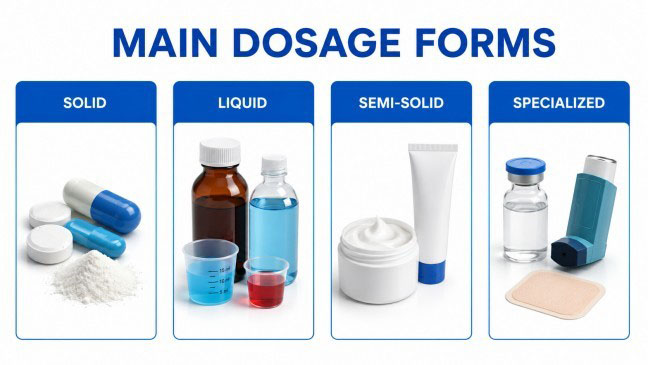
اشکال دارویی را می توان بر اساس وضعیت فیزیکی گروه بندی کرد, ویژگی های انتشار, یا مسیر تجویز. این سیستم ها همپوشانی دارند, بنابراین یک محصول ممکن است به بیش از یک گروه تعلق داشته باشد.
| گروه اصلی | نمونه های رایج | تمرکز تولید معمولی | بسته مشترک |
| جامد | قرص, کپسول ها, پودرها, گرانول | جریان, مخلوط کردن, فشرده سازی یا پر کردن | تاول, بطری ها, ساشه ها |
| مایع | راه حل, تعلیق ها, امولسیون ها, شربت ها | مخلوط کردن, یکنواختی, ویسکوزیته و پر شدن | بطری ها یا ظروف واحد |
| نیمه جامد | کرم ها, پمادها, ژل ها, رب ها | مخلوط کردن, همگن شدن و ویسکوزیته | لوله ها, پمپ ها یا شیشه ها |
| تخصصی | تزریقات, محصولات استنشاقی, تکه ها, شیاف ها | پردازش و کنترل های خاص محصول | ویال ها, آمپول ها, دستگاه ها یا بسته های مهر و موم شده |
2.1 فرم های دوز جامد
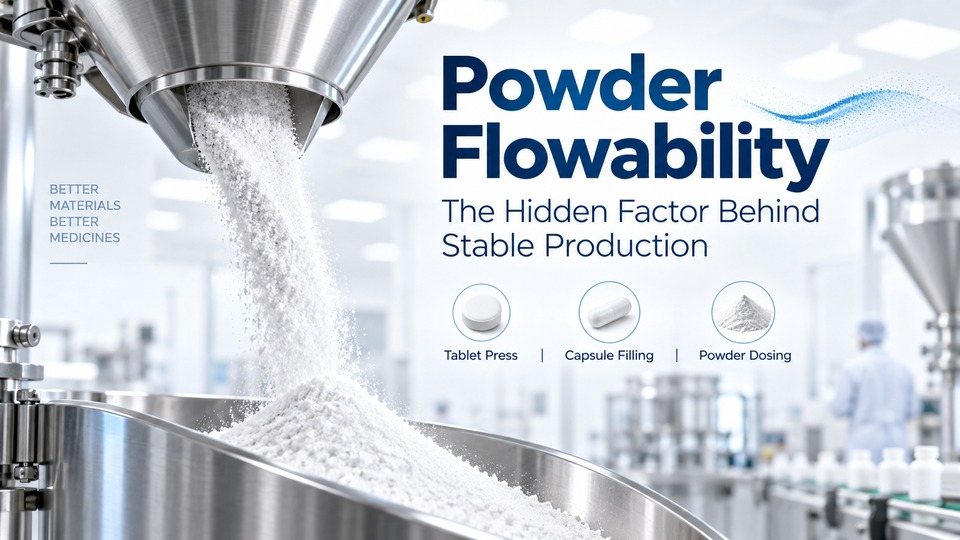
قرصها با فشرده سازی پودر یا مخلوط گرانول آماده شده به شکلی مشخص ساخته می شوند. فرمت های رایج شامل تبلت های معمولی است, قرص های جویدنی, قرص های جوشان, قرص های متلاشی کننده خوراکی, و تبلت های با انتشار اصلاح شده. رفتار ساخت آنها به جریان پودر بستگی دارد, اندازه ذرات, سطح رطوبت, تراکم پذیری, روانکاری, و طراحی ابزار.
کپسولها شامل کپسول های سخت دو تکه است, کپسول های نرم, و کپسول های سخت پر از مایع. کپسول های سخت ممکن است حاوی پودر باشند, گرانول, گلوله ها, یا قرص های کوچک. کپسول های سخت پر شده با مایع به مواد پرکننده سازگار و فرآیند بسته شدن یا آب بندی پوسته مناسب نیاز دارند.. کپسول های نرم از روش شکل دهی و پر کردن متفاوتی پیروی می کنند و معمولاً از تجهیزات اختصاصی استفاده می کنند.
پودر و گرانول ممکن است در ظروف چند منظوره عرضه شود یا به ساشه های جداگانه و بسته های چوبی تقسیم شود. تولید آنها نیازمند توجه به یکنواختی ترکیب است, جداسازی, گرد و غبار, رفتار اندازه گیری, و تأثیر رطوبت در هنگام پر کردن و ذخیره سازی.
2.2 اشکال دوز مایع
اشکال مایع شامل محلول ها می باشد, تعلیق ها, امولسیون ها, و شربت ها. محلول ها حاوی مواد محلول هستند, سوسپانسیون ها حاوی ذرات جامد پراکنده هستند, و امولسیون ها حاوی فازهای مایع جداگانه هستند.
ملاحظات ساخت شامل سفارش اختلاط است, درجه حرارت, فیلتراسیون در صورت لزوم, ویسکوزیته, فوم, و شرایط پر کردن. سوسپانسیون ها و امولسیون ها همچنین به کنترل هایی نیاز دارند که به ته نشینی یا جداسازی فاز در طول پردازش می پردازند.
2.3 فرم های دارویی نیمه جامد و تخصصی
کرم ها, پمادها, ژل ها, و خمیرها اشکال نیمه جامد هستند که معمولاً در لوله ها بسته بندی می شوند, پمپ ها, یا کوزه ها. ویسکوزیته آنها بر اختلاط تأثیر می گذارد, انتقال, پر کردن, و انتخاب ظرف.
سایر اشکال دارویی شامل تزریق است, محصولات استنشاقی, چسب های ترانس پوستی, و شیاف. نیاز آنها به طور قابل توجهی با جامدات خوراکی معمولی متفاوت است و باید در چارچوب توسعه مربوطه ارزیابی شوند.
3. فرم های دارویی مختلف چگونه تولید می شوند?
اکثر فرآیندهای تولید با دریافت مواد آغاز می شوند, شناسایی, توزیع, و آماده سازی کنترل شده. مراحل بعدی به شکل دوز و مشخصات محصول بستگی دارد.
3.1 تولید تبلت
یک فرآیند معمولی تبلت شامل:
توزیع → الک یا آسیاب → مخلوط کردن → دانه بندی در صورت نیاز → خشک کردن → روانکاری → فشرده سازی → پوشش اختیاری → بازرسی → بسته بندی
هر فرمولی نیاز به دانه بندی ندارد. فشردهسازی مستقیم از ترکیبی استفاده میکند که از قبل رفتار جریان و فشردهسازی مناسبی دارد. دانه بندی مرطوب قبل از خشک شدن و اندازه گیری، یک چسب مایع را معرفی می کند, در حالی که دانه بندی خشک فرآیندی است که با فشرده سازی مکانیکی مواد پودری تحت فشار بالا بدون افزودن مایع، گرانول ها را تشکیل می دهد.. مسیر انتخاب شده باید از مطالعات فرمولاسیون و آزمایشات تولید باشد.
در طول فشرده سازی, بوها دستگاه پرس قرص قالب ها را پر می کند, مواد را فشرده می کند, و قرص های تشکیل شده را خارج می کند. عمق پر و عملکرد فیدر عمدتاً بر وزن تبلت تأثیر می گذارد, در حالی که نیروی فشار بر ضخامت و سختی تأثیر می گذارد. سرعت برجک زمان پر شدن و زمان ماندن فشرده سازی را تغییر می دهد, و ابزار فرسوده یا نامناسب ممکن است باعث نقص هایی مانند چسبندگی شود, دربندی, یا آسیب لبه. سپس ممکن است پوشش برای ظاهر اعمال شود, پوشاندن طعم, حفاظت از محیط زیست, یا طراحی با انتشار اصلاح شده.
3.2 تولید کپسول
برای کپسول های سخت دو تکه, دنباله اصلی است:
تغذیه کپسول خالی ← جهت ← جداسازی کلاهک و بدن ← پر کردن → رد کردن ← بستن ← خروج ← پرداخت ← بازرسی
بوها دستگاه پر کردن کپسول باید با اندازه کپسول و مواد پر کننده مطابقت داشته باشد. پودرها, گرانول, گلوله ها, و مایعات از ترتیبات دوز متفاوتی استفاده می کنند. جریان مواد, چگالی ظاهری, محدوده وزن پر, وضعیت پوسته, و کیفیت بسته شدن در هنگام توسعه فرآیند مهم هستند. پولیش و بازرسی کپسول معمولاً قبل از بسته بندی تاول یا بطری قرار می گیرد.
3.3 بسته بندی پودر و گرانول
محصولات پودر و گرانول مخلوط شده و به یک سیستم دوز مناسب منتقل می شوند. مارپیچ معمولا برای بسیاری از پودرها استفاده می شود, در حالی که فنجان های حجمی یا سایر فیدرها ممکن است برای گرانول های جریان آزاد مناسب باشند. بوها دستگاه بسته بندی ساشه می تواند بسته را از فیلم رول تشکیل دهد, محصول را متر کنید, بسته را مهر و موم کنید, و واحدهای تمام شده را برش داده یا جدا کنید.
3.4 پردازش مایع و نیمه جامد
تولید مایع و نیمه جامد ممکن است شامل مخلوط کردن باشد, گرمایش یا سرمایش, همگن سازی, فیلتراسیون, هوازدایی, برگزاری, پر کردن, و بسته شدن. توالی واقعی به فرمول بستگی دارد. مواد تماس با تجهیزات, روش های انتقال, مکانیزم پر کردن, و روش تمیز کردن باید بر اساس ویسکوزیته انتخاب شود, تمایل به کف کردن, محتوای ذرات, و کنترل های بهداشتی مورد نیاز.
4. چگونه اشکال دارویی بر الزامات بسته بندی تأثیر می گذارد?
بسته بندی بخشی از سیستم محصول است, یک مرحله تزئینی پس از ساخت اضافه نمی شود. طراحی آن باید فرم دوز را منعکس کند, فرمولاسیون, اطلاعات ثبات, شرایط حمل و نقل, و بازار مورد نظر.
بسته بندی اولیه مستقیماً حاوی محصول است, مانند حفره تاول, بطری, ساشه, لوله, یا ویال. بسته بندی ثانویه شامل اقلامی مانند کارتن می باشد, برچسب ها, و جزوات. بسته بندی سوم از ذخیره سازی و حمل و نقل از طریق کیس پشتیبانی می کند, تقسیم کننده ها, و پالت ها.
| فرم دوز | بسته اولیه مشترک | ملاحظات اصلی | تجهیزات مرتبط |
| قرصها | تاول یا بطری | رطوبت, نور, سایش و تعداد واحد | دستگاه تاول زنی قرص یا خط شمارش قرص |
| کپسول های سخت | تاول یا بطری | رطوبت, وضعیت پوسته و تعداد واحد | دستگاه تاول کپسول یا خط شمارش کپسول |
| پودر و گرانول | ساشه ها, میله ها, کیسه ها یا بطری ها | رطوبت, وضعیت اندازه گیری و آب بندی | دستگاه بسته بندی ساشه یا دستگاه بسته بندی کیسه ای از پیش ساخته شده |
| مایعات | بطری یا ظروف جداگانه | نشتی, سازگاری و حجم پر | دستگاه پرکن مایعات |
| نیمه جامد | لوله ها, پمپ ها یا شیشه ها | ویسکوزیته, نشت و تماس با محصول | لوله, تجهیزات پر کردن پمپ یا شیشه |
| محصولات استریل | ویال ها, آمپول ها یا سیستم های از پیش پر شده | یکپارچگی بسته شدن ظروف و کنترل های تخصصی | خط پر کردن و بسته شدن محصول خاص |
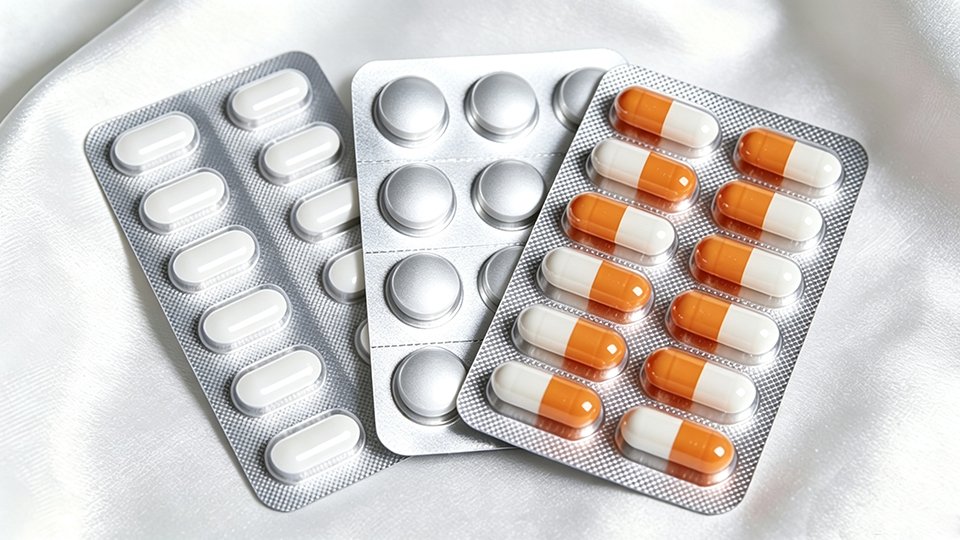
برای قرص و کپسول, تاول ها واحدهای جداگانه را در حفره های جداگانه بسته بندی می کنند. بوها دستگاه بسته بندی تاول زده حفره ها را تشکیل می دهد یا تغذیه می کند, محصول را بارگیری می کند, مواد درپوش را مهر و موم می کند, وب را کد می کند, و بسته های نهایی را برش می دهد. ساختار مانع باید از داده های محصول انتخاب شود; یک تاول PVC استاندارد و یک تاول آلومینیومی شکل سرد مشخصات محافظتی یکسانی را ارائه نمی دهند.
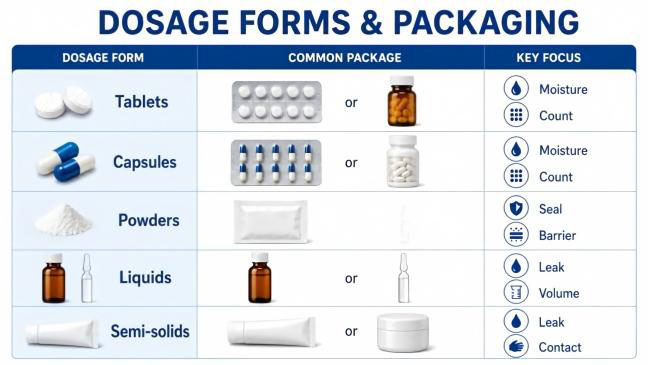
بطری ها اغلب برای بسته های قرص و کپسول با تعداد بالاتر انتخاب می شوند. معمولی خط شمارش خودکار تبلت و کپسول اتصال بطری unscrambling, شمارش, درج خشک کن اختیاری, دربندی, آب بندی القایی, برچسب زدن. بسته شدن, آستر, خشک کننده, و مواد بطری باید به عنوان بخشی از یک سیستم بسته بندی در نظر گرفته شود.
ساشه ها و بسته های چوبی برای مقادیر اندازه گیری شده پودرها و گرانول ها رایج هستند. ساختار فیلم, دمای مهر و موم, فشار آب بندی, گرد و غبار محصول, طراحی اشک, و هوای باقیمانده می تواند بر عملکرد بسته تأثیر بگذارد. بسته های ثانویه ممکن است سپس به a منتقل شوند دستگاه کارتن سازی برای کارتن سازی, درج محصول, جابجایی بروشور, کد نویسی, و بازرسی.
هیچ قالب بسته بندی به طور خودکار برای هر محصولی در همان گروه دوز مناسب نیست. انتخاب بسته باید توسط کار سازگاری پشتیبانی شود, تست بسته, و مطالعات پایداری. برای مقایسه فرمت گسترده تر, این راهنما را ببینید انواع بسته بندی دارویی.
5. نحوه انتخاب تجهیزات تولید و بسته بندی دارویی
انتخاب تجهیزات باید با اطلاعات محصول و فرآیند شروع شود تا مدل ماشین. معمولاً مشخصات تجهیزات مفید را پوشش می دهد:
- ویژگی های مواد: جریان پودر, چگالی ظاهری, اندازه ذرات, حساسیت به رطوبت, ویسکوزیته, فوم, یا چسبندگی.
- قالب محصول: قطر و شکل قرص, اندازه کپسول, محدوده پر کردن, تعداد بطری, ابعاد ساشه, یا چیدمان تاول.
- خروجی مورد نیاز: اندازه دسته, هدف ساعتی, الگوی شیفت, تغییرات برنامه ریزی شده, و گسترش مورد انتظار.
- کنترل های فرآیند: نظارت بر وزن یا شمارش, منطق رد, تشخیص فلز, کد نویسی, و ثبت داده ها.
- تمیز کردن و تغییر: دسترسی بخش تماس, روش تمیز کردن, جایگزینی قالب-قطعه, و کنترل محصول متقابل.
- اتصال خط: خروجی بالادست, سرعت پایین دست, بافر کردن, طرح نوار نقاله, و ارتباط بین ماشین ها.
تنظیمات معمولی شامل:
| محصول و بسته بندی | نمونه پیکربندی خط |
| بسته بلستر قرص | پرس تبلت ← گردگیر تبلت ← فلزیاب ← دستگاه تاول ← کارتن گیر |
| بطری کپسول | پرکننده کپسول ← پولیش کپسول ← دستگاه شمارش و پرکن کپسول ← درپوش ← سیلر القایی → لیبلر |
| کیسه پودر | دستگاه مخلوط کن → فیدر → بسته بندی چوب(یا دستگاه بسته بندی ساشه) ← چك وزن ← كارتونر |
سرعت نامی یک ماشین، خروجی خط کامل را مشخص نمی کند. تغذیه محصول, بازرسی, متوقف می شود, تغییر, و ظرفیت پایین دستی نیز بر تولید واقعی تأثیر می گذارد. وقتی چند مرحله به هم وصل می شوند, یک خط یکپارچه دارویی باید حول یک تعادل خط واقع بینانه و طرح کارخانه موجود برنامه ریزی شود.
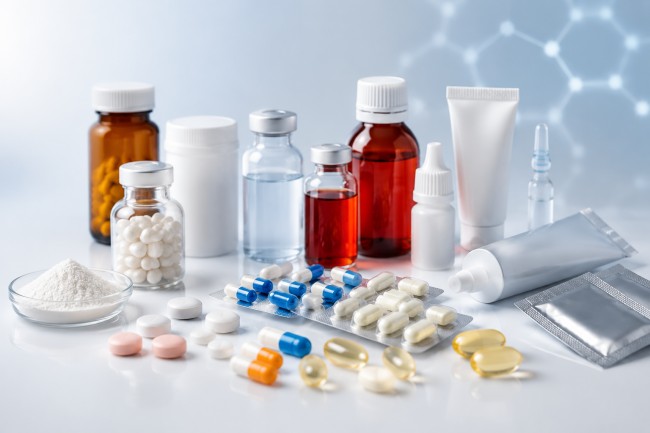
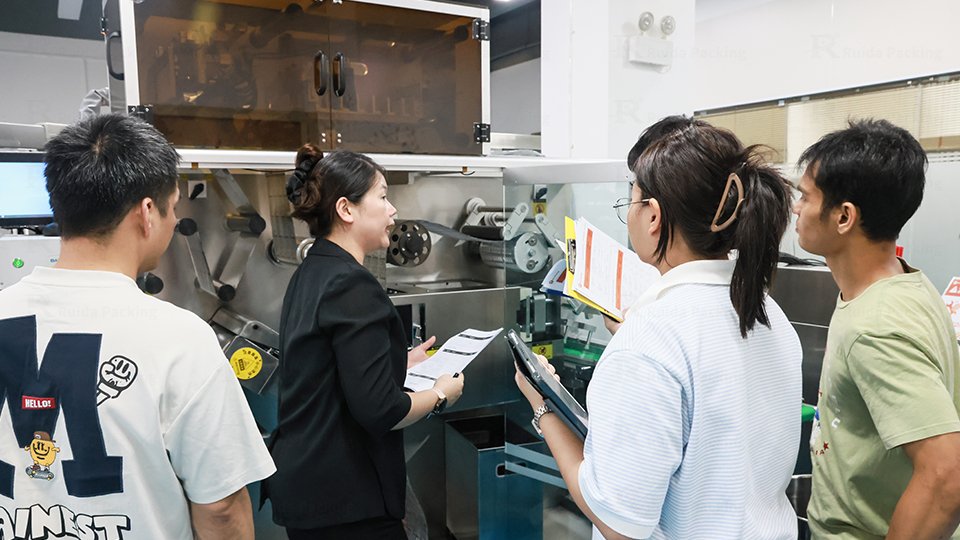
بسته بندی رویدا پرس های تبلت را فراهم می کند, دستگاه های پرکن کپسول, دستگاه های تاول زنی, خطوط شماری, و تجهیزات کارتن سازی برای پروژه های تولید و بسته بندی با دوز جامد. بر اساس فرمت محصول, خروجی هدف, و چیدمان کارخانه, تیم می تواند به پیکربندی ماشین های فردی یا یک خط تولید یکپارچه کمک کند.
6. کنترل کیفیت فرم دوز دارویی و ملاحظات GMP
کنترل های کیفیت به فرم دوز و مشخصات محصول تایید شده بستگی دارد. بررسی قرص ممکن است شامل تغییرات وزن باشد, ضخامت, سختی, شکنندگی, تجزیه, و انحلال در صورت لزوم. کنترل کپسول ممکن است وزن پر را پوشش دهد, بسته شدن پوسته, ظاهر, و فروپاشی. کنترل مایع و نیمه جامد می تواند شامل مقدار پر شود, یکنواختی, ویسکوزیته, و بسته شدن ظروف.
چکهای بستهبندی ممکن است شامل تعداد یا تعداد پر شود, وضعیت مهر و موم, نشتی, چاپ اطلاعات, تایید برچسب, و عملکرد رد. این چک ها باید با روش های کتبی پشتیبانی شوند, معیارهای پذیرش تعریف شده, پرسنل آموزش دیده, تعمیر و نگهداری, کالیبراسیون, و بررسی مستند.
برنامه ریزی GMP فراتر از دستگاه است. شرایط تسهیلات, کنترل مواد, تمیز کردن, اعتبار سنجی فرآیند, نظارت بر کیفیت, و سوابق تولید همگی به عملکرد ثابت کمک می کنند. تجهیزات می توانند فرآیند مورد نیاز را پشتیبانی کنند, اما وضعیت نظارتی به سیستم کامل تولید و کیفیت مورد استفاده در تاسیسات بستگی دارد.
7. فرم های دارویی: سوالات متداول
اشکال دارویی اصلی کدامند؟?
گروه های گسترده جامد هستند, مایع, نیمه جامد, و اشکال دارویی تخصصی. قرص, کپسول ها, پودرها, راه حل ها, تعلیق ها, کرم ها, تزریقات, و محصولات استنشاقی نمونه های رایج هستند. طبقه بندی همچنین ممکن است مسیر تجویز و ویژگی های انتشار را در نظر بگیرد.
تفاوت بین دوز و شکل دوز چیست؟?
دوز مقدار مشخصی است که در یک زمان یا در یک دوره معین استفاده می شود. فرم دوز محصول فیزیکی است, مانند تبلت, کپسول, راه حل, یا خامه, که آن مقدار را حمل می کند.
آیا قرص ها و کپسول ها بر روی یک تجهیزات تولید می شوند?
خیر. قرص ها از فشرده سازی بر روی پرس تبلت تشکیل می شوند. کپسول های سخت دو تکه جدا می شوند, پر شده است, و روی دستگاه پرکن کپسول بسته شد. آنها ممکن است بعداً از تجهیزات بسته بندی تاول یا بطری مشابه استفاده کنند اگر اندازه و ویژگی های جابجایی آنها با خط انتخابی سازگار باشد..
کدام فرمت های بسته بندی معمولاً برای اشکال دوز جامد استفاده می شود?
قرص ها و کپسول های سخت معمولاً در تاول ها یا بطری ها بسته بندی می شوند. پودرها و گرانول ها ممکن است از ساشه استفاده کنند, بسته های چوبی, کیسه ها, یا بطری ها. انتخاب نهایی به ویژگی های محصول بستگی دارد, مقدار بسته, الزامات مانع, و داده های پایداری.
چه اطلاعاتی قبل از انتخاب تجهیزات مورد نیاز است?
تولیدکنندگان باید جزئیات مربوط به مواد را آماده کنند, فرم دوز, ابعاد, مقدار هدف, خروجی, فرمت بسته بندی, فضای کارخانه, آب و برق, رویکرد تمیز کردن, و مدارک مورد نیاز. همچنین ممکن است به نمونه ها و آزمایش ها نیاز باشد.
نتیجه گیری: تطبیق فرم های دارویی دارویی با ساخت و بسته بندی
اشکال دارویی فرمولاسیون را به هم متصل می کنند, تولید, کنترل کیفیت, و بسته بندی. یک تبلت, کپسول, پودر, یا مایع رفتار مواد متفاوتی را نشان می دهد و بنابراین به مسیر تولید متفاوتی نیاز دارد. سپس بسته بندی باید حول مشخصات پایداری محصول انتخاب شود, رسیدگی به نیازها, و شرایط توزیع مورد نظر.
قبل از پیکربندی یک خط, تولیدکنندگان باید ابتدا محصول و بسته بندی را تعریف کنند, سپس هر پردازش را مطابقت دهید, پر کردن, بازرسی, و مرحله بسته بندی به آن الزامات. این رویکرد مشخصات تجهیزات واضح تری را ایجاد می کند و تغییرات قابل اجتناب را در طول توسعه پروژه کاهش می دهد.
مراجع