Η κατασκευή φαρμακευτικών συμβολαίων επιτρέπει σε έναν ιδιοκτήτη προϊόντος να αναθέτει σε τρίτους επιλεγμένη ανάπτυξη, παραγωγή, ή δραστηριότητες συσκευασίας σε εξειδικευμένο συνεργάτη κατασκευής. Το πεδίο εφαρμογής μπορεί να κυμαίνεται από την παραγωγή μιας καθιερωμένης φόρμουλας έως την υποστήριξη της μεταφοράς τεχνολογίας, κλιμάκωση της διαδικασίας, εμπορικές παρτίδες, και τελική συσκευασία.
Δύο μοντέλα υπηρεσιών εμφανίζονται συχνά σε αυτά τα έργα: ο οργανισμός κατασκευής συμβολαίων, ή ΚΟΑ, και ο οργανισμός ανάπτυξης και κατασκευής συμβάσεων, ή CDMO. Οι ευθύνες τους συχνά αλληλεπικαλύπτονται, αλλά συνήθως εισέρχονται σε ένα έργο σε διαφορετικά στάδια και παρέχουν διαφορετικά επίπεδα τεχνικής υποστήριξης.
Η επιτυχία οποιουδήποτε μοντέλου εξαρτάται από περισσότερο από τη διαθέσιμη παραγωγική ικανότητα. Ο κατασκευαστής συνεργάτης χρειάζεται επίσης κατάλληλο εξοπλισμό, ελεγχόμενες αλλαγές, επαναλαμβανόμενες ρυθμίσεις διαδικασίας, αποτελεσματικές διαδικασίες καθαρισμού, συστήματα επιθεώρησης, και σαφείς ευθύνες ποιότητας.
Τι είναι η Φαρμακευτική Συμβολαιακή Παραγωγή?
Η κατασκευή φαρμακευτικών συμβολαίων είναι μια ρύθμιση στην οποία ένας ιδιοκτήτης προϊόντος προσλαμβάνει μια εξωτερική εγκατάσταση για να ολοκληρώσει καθορισμένες δραστηριότητες παραγωγής ή συσκευασίας. Ο ιδιοκτήτης του προϊόντος παρέχει τις απαιτήσεις του προϊόντος, πρότυπα ποιότητας, στόχος εξόδου, και τις προδιαγραφές της αγοράς, ενώ ο κατασκευαστής εταίρος προμηθεύει τις εγκαταστάσεις, προσωπικό, συστήματα παραγωγής, και τις τεχνικές δυνατότητες που απαιτούνται για την ολοκλήρωση του συμφωνηθέντος έργου.
Το πεδίο εφαρμογής ποικίλλει μεταξύ των έργων. Ορισμένες εταιρείες έχουν ήδη σταθερή σύνθεση και καθιερωμένες παραμέτρους παραγωγής. Χρειάζονται κυρίως πρόσθετη παραγωγική ικανότητα, εξειδικευμένο εξοπλισμό, ή πρόσβαση σε μορφές συσκευασίας που δεν είναι διαθέσιμες στις δικές τους εγκαταστάσεις.
Άλλα έργα απαιτούν ευρύτερη υποστήριξη πριν ξεκινήσει η εμπορική παραγωγή. Αυτό μπορεί να περιλαμβάνει προσαρμογή σκευάσματος, ανάπτυξη διαδικασίας, μεταφορά τεχνολογίας, πιλοτική παραγωγή, βελτιστοποίηση παραμέτρων, παρτίδες επικύρωσης, και κλιμάκωση από μια μικρότερη διαδικασία σε πλήρη εξοπλισμό παραγωγής.
Η συσκευασία μπορεί επίσης να αποτελέσει σημαντικό μέρος της υπηρεσίας συμβατικής κατασκευής. Ανάλογα με το προϊόν και την εγκατάσταση, ο κατασκευαστής συνεργάτης μπορεί να χειριστεί:
- Συσκευασία blister για δισκία και σκληρές κάψουλες
- Μέτρηση και εμφιάλωση ταμπλετών και κάψουλων
- Συσκευασία φακελλίσκων ή στικ για σκόνες και κόκκους
- Πώμα μπουκαλιού, σφράγιση επαγωγής, τιτλοφόρηση, και κωδικοποίηση
- Χαρτοκιβώτια, εισαγωγή φυλλαδίου, επιθεώρηση, και αυτόματη απόρριψη
Η εξωτερική ανάθεση της παραγωγής δεν αίρει τις ευθύνες ποιότητας του κατόχου του προϊόντος. Και τα δύο μέρη χρειάζονται σαφώς καθορισμένες διαδικασίες για την έγκριση υλικού, εγγραφές κατασκευής, δοκιμή, αποκλίσεις, αλλαγές διαδικασίας, απελευθέρωση προϊόντος, παράπονα, και ανακαλεί. Αυτές οι ευθύνες καταγράφονται συνήθως σε γραπτή συμφωνία ποιότητας πριν από την έναρξη της τακτικής παραγωγής.
Για τις κύριες ομάδες πελατών της Ruida Packing, Η παρασκευή φαρμακευτικών συμβολαίων είναι ιδιαίτερα σημαντική για τα προϊόντα στερεάς δόσης από το στόμα και τη συσκευασία τους. Συμβατική εγκατάσταση παραγωγής tablet, σκληρές κάψουλες, σκόνες, ή οι κόκκοι συχνά χρειάζεται να υποστηρίζουν διαφορετικά μεγέθη παρτίδων, χαρακτηριστικά του προϊόντος, μορφές εργαλείων, μεγέθη δοχείων, και προδιαγραφές συσκευασίας σε έργα πολλών πελατών. Αυτό καθιστά την ευελιξία παραγωγής και τη συμβατότητα εξοπλισμού κεντρικά μέρη του μοντέλου κατασκευής.
CMO εναντίον CDMO: Ποια είναι η διαφορά?
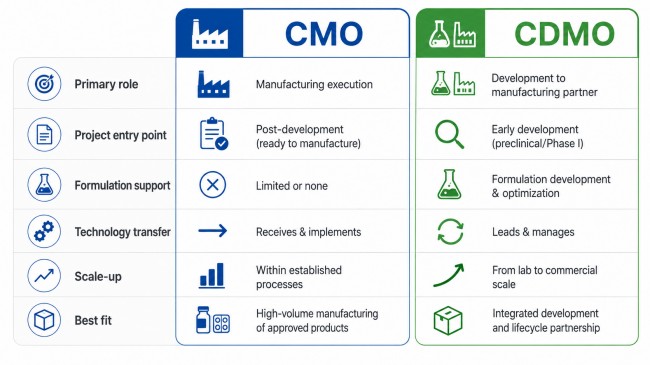
Μια ΚΟΑ παρέχει κυρίως παραγωγική ικανότητα και εκτέλεση παραγωγής. Ο πελάτης συνήθως μεταφέρει έναν καθιερωμένο τύπο, εγκεκριμένες προδιαγραφές, και μια καθορισμένη διαδικασία. Στη συνέχεια, ο ΚΟΑ προσαρμόζει το έργο στις εγκαταστάσεις του, ολοκληρώνει τις συμφωνημένες παραγωγικές δραστηριότητες, καταγράφει την παρτίδα, και παραδίδει το τελικό προϊόν σύμφωνα με τη σύμβαση.
Ένα CDMO συνδυάζει την υποστήριξη ανάπτυξης με την κατασκευή. Μπορεί να ενταχθεί νωρίτερα, όταν ο τύπος, μέθοδο παραγωγής, αναλυτική προσέγγιση, ή σχέδιο κλιμάκωσης χρειάζεται ακόμα δουλειά. Ο ίδιος συνεργάτης μπορεί στη συνέχεια να υποστηρίξει πιλοτικές παρτίδες, μεταφορά διαδικασίας, νομιμοποίηση, εμπορική παραγωγή, και συσκευασία.
Το όριο δεν είναι απόλυτο. Ορισμένοι ΚΟΑ παρέχουν υποστήριξη ανάπτυξης ή κλιμάκωσης, ενώ ορισμένα CDMO ειδικεύονται σε περιορισμένο φάσμα μορφών δοσολογίας. Η υπογεγραμμένη συμφωνία και οι πραγματικές δυνατότητες της εγκατάστασης έχουν μεγαλύτερη σημασία από το όνομα που χρησιμοποιείται στο μάρκετινγκ.
| Σύγκριση | ΚΟΑ | CDMO |
| Πρωταρχικός ρόλος | Κατασκευαστική ικανότητα και εκτέλεση | Ολοκληρωμένη ανάπτυξη και κατασκευή |
| Τυπικό σημείο εισόδου | Αφού οριστεί σε μεγάλο βαθμό η διαδικασία | Κατά τη διάρκεια της σύνθεσης, ανάπτυξη, ή κλιμάκωση |
| Υποστήριξη σκευάσματος | Εξαρτάται από τον πάροχο | Περιλαμβάνεται συνήθως |
| Μεταφορά τεχνολογίας | Λαμβάνει και εφαρμόζει μια καθιερωμένη διαδικασία | Βοηθά στη βελτιστοποίηση και τη μεταφορά της διαδικασίας |
| Κλιμάκωση | Μετακινεί την παραγωγή σε διαθέσιμο εξοπλισμό | Συνδέει την ανάπτυξη με την εμπορική παραγωγή |
| Αναλυτική υποστήριξη | Διαφέρει ανάλογα με την εγκατάσταση | Συνήθως ευρύτερο |
| Καλύτερη εφαρμογή | Ένα καθορισμένο προϊόν που χρειάζεται χωρητικότητα | Ένα προϊόν που χρειάζεται αναπτυξιακή συνέχεια |
Όταν ένας CMO ταιριάζει καλύτερα
Μια ΚΟΑ είναι συχνά κατάλληλη όταν ο ιδιοκτήτης του προϊόντος έχει ήδη μια σταθερή φόρμουλα, καθορισμένες προδιαγραφές, και έμπειρο τεχνικό τιμ. Η κύρια ανάγκη είναι αξιόπιστη χωρητικότητα, συνεπής εκτέλεση, εξειδικευμένο εξοπλισμό, ή πρόσβαση σε μια απαιτούμενη μορφή συσκευασίας.
Μπορεί επίσης να υποστηρίξει ώριμα προϊόντα που χρειάζονται μια δεύτερη πηγή παραγωγής ή πρόσθετη παραγωγή σε περιόδους υψηλής ζήτησης.
Όταν ένα CDMO ταιριάζει καλύτερα
Ένα CDMO είναι πιο κατάλληλο όταν το προϊόν χρειάζεται ακόμη εργασία στη σύνθεση, βελτιστοποίηση διαδικασίας, αναλυτική υποστήριξη, πιλοτική παραγωγή, ή εμπορική κλίμακα. Η διατήρηση της ανάπτυξης και της κατασκευής σε έναν οργανισμό μπορεί να μειώσει τις μεταβιβάσεις προμηθευτών και να διατηρήσει την τεχνική συνέχεια.
Η τελική επιλογή πρέπει να αντικατοπτρίζει τη μορφή δοσολογίας, εύρος παρτίδας, αγορά-στόχος, απαίτηση συσκευασίας, εξοπλισμός, και το χρονοδιάγραμμα του έργου.
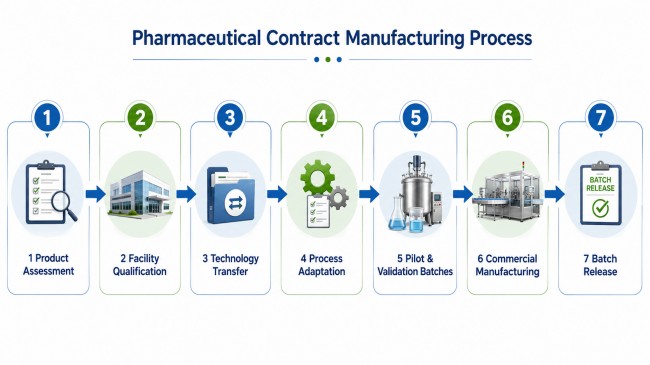
Πώς λειτουργεί η Διαδικασία Παραγωγής Φαρμακευτικών Συμβάσεων?
Η διαδικασία ξεκινά πριν τα υλικά εισέλθουν στην παραγωγή. Και τα δύο μέρη επιβεβαιώνουν πρώτα αν το έργο, ευκολία, εξοπλισμός, σύστημα ποιότητας, και το πρόγραμμα ταιριάζουν μεταξύ τους.
1. Αξιολόγηση Προϊόντος και Έργου
Ο συνεργάτης παραγωγής εξετάζει τη δοσολογική μορφή, κατάσταση του σκευάσματος, χαρακτηριστικά υλικού, μέγεθος παρτίδας στόχου, ετήσια ζήτηση, απαιτήσεις της αγοράς, και μορφή συσκευασίας. Αυτή η αξιολόγηση προσδιορίζει εάν οι διαθέσιμες εγκαταστάσεις και εξοπλισμός ταιριάζουν με το προϊόν.
2. Συμφωνία Προσόντων Εγκαταστάσεων και Ποιότητας
Ο ιδιοκτήτης του προϊόντος αξιολογεί το σύστημα ποιότητας, προσωπικό, εξοπλισμός, χειριστήρια καθαρισμού, απόδειξη με έγγραφα, ιστορία παραγωγής, και διαθέσιμη χωρητικότητα. Στη συνέχεια, η συμφωνία ποιότητας αναθέτει ευθύνες για τα υλικά, αρχεία παραγωγής, δοκιμή, αποκλίσεις, αλλαγές, απελευθέρωση αποφάσεων, παράπονα, και ανακαλεί.
3. Μεταφορά Τεχνολογίας
Το πακέτο μεταφοράς μπορεί να περιλαμβάνει τον κύριο τύπο, οδηγίες κατασκευής, κρίσιμες παραμέτρους διεργασίας, αναλυτικές μεθόδους, απαιτήσεις καθαρισμού, προδιαγραφές, και λεπτομέρειες συσκευασίας.
Μια επιτυχημένη μεταφορά απαιτεί από την ομάδα παραλαβής να κατανοήσει πώς συμπεριφέρονται τα υλικά και πώς πρέπει να αναπαραχθεί η διαδικασία σε διαφορετικό εξοπλισμό. Η αποστολή εγγράφων από μόνη της δεν αρκεί.
4. Προσαρμογή Διαδικασιών και Κλιμάκωση
Οι ρυθμίσεις χρειάζονται συχνά προσαρμογή όταν η παραγωγή μετακινείται από τον εξοπλισμό ανάπτυξης στα εμπορικά μηχανήματα. Χρόνος ανάμειξης, ταχύτητα τροφοδότη, δύναμη συμπίεσης, ρυθμίσεις δοσολογίας κάψουλας, συνθήκες επίστρωσης, και οι παράμετροι στεγανοποίησης μπορούν να αλλάξουν ανάλογα με το μέγεθος και το σχεδιασμό του εξοπλισμού.
Ο στόχος είναι η προστασία των κρίσιμων χαρακτηριστικών του προϊόντος καθιερώνοντας μια επαναλαμβανόμενη εμπορική διαδικασία.
5. Πιλοτικές παρτίδες και επικύρωση
Πιλοτικές παρτίδες ή παρτίδες μηχανικής δοκιμάζουν τη μεταφερόμενη διαδικασία, επιβεβαιώστε τις ρυθμίσεις του εξοπλισμού, αξιολογήσει την απόδοση, και να προσδιορίσει τα όρια λειτουργίας. Το έργο μπορεί επίσης να απαιτεί συσκευασία, καθάρισμα, ή παρτίδες επικύρωσης διεργασιών πριν από τη συνήθη παραγωγή.
6. Εμπορική Βιομηχανία και Συσκευασία
Για στερεά προϊόντα από το στόμα, Η εμπορική παραγωγή μπορεί να περιλαμβάνει προετοιμασία υλικού, ανάμειξη ή κοκκοποίηση, συμπίεση δισκίου ή πλήρωση κάψουλας, επένδυση, πρωταρχική συσκευασία, δευτερεύουσα συσκευασία, επιθεώρηση, και ολοκλήρωση αρχείου παρτίδας.
Η κατάντη διαδικασία εξαρτάται από το τελικό πακέτο. Συσκευασίες blister, φιάλες, φακελάκια, και τα πακέτα ραβδιών απαιτούν διαφορετική τροφοδοσία, σφράγιση, επιθεώρηση, και ρυθμίσεις χαρτοκιβωτίων.
7. Έλεγχος απελευθέρωσης παρτίδας και αλλαγής
Δοκιμές, αναθεώρηση εγγράφου, ελευθέρωση, αποθήκευση, και η αποστολή ολοκληρώνει την παρτίδα. Μεταγενέστερες αλλαγές στα υλικά, εξοπλισμός, εργαλεία, λογισμικό, συσκευασία, ή οι ρυθμίσεις διαδικασίας απαιτούν επίσημη αξιολόγηση επειδή μπορούν να επηρεάσουν την εγκεκριμένη διαδικασία.
Ποιες είναι οι απαιτήσεις εξοπλισμού που έχουν σημασία για την κατασκευή φαρμακευτικών συμβολαίων?
Οι συμβασιούχοι κατασκευαστές συχνά χειρίζονται διάφορους τύπους, προδιαγραφές πελατών, μεγέθη παρτίδων, μορφές εργαλείων, και τύπους συσκευασίας. Ο εξοπλισμός τους πρέπει να υποστηρίζει αυτή την παραλλαγή χωρίς να εξασθενεί ο έλεγχος της διαδικασίας.
Ευέλικτα μεγέθη παρτίδας και σταθερή έξοδος
Η μέγιστη ταχύτητα είναι μόνο ένα μέρος του σχεδιασμού χωρητικότητας. Η εγκατάσταση θα πρέπει επίσης να εξετάσει τη μικρότερη πρακτική παρτίδα, απώλεια εκκίνησης, σταθερότητα σε χαμηλή ταχύτητα, προσπάθεια καθαρισμού, και χρησιμοποιήσιμο εύρος εξόδου.
Μια περιστροφική πρέσα ταμπλέτας θα πρέπει να λειτουργεί με συνέπεια στο απαιτούμενο εύρος στροφών. Μια μηχανή πλήρωσης κάψουλας πρέπει να ταιριάζει με τα μεγέθη της κάψουλας, χαρακτηριστικά σκόνης, μέθοδος δοσολογίας, και όγκος παρτίδας. Ο υπερμεγέθης εξοπλισμός μπορεί να αυξήσει την απώλεια υλικού, εργασίες καθαρισμού, και λειτουργικό κόστος σε μικρές παραγγελίες.
Γρήγορες και ελεγχόμενες αλλαγές
Οι εγκαταστάσεις πολλών προϊόντων αντικαθιστούν τα εργαλεία tablet, εξαρτήματα δοσολογίας κάψουλας, καλούπια με φουσκάλες, οδηγούς μπουκαλιών, καταμέτρηση καναλιών, και χάρτινη συσκευασία εξαρτημάτων πιο συχνά.
Μια καλή αλλαγή συνδυάζει την ταχύτητα με τον έλεγχο. Οι χειριστές χρειάζονται σαφή αναγνώριση εξαρτημάτων, επαναλαμβανόμενες ρυθμίσεις, έλεγχοι εκκαθάρισης γραμμής, και τεκμηριωμένη έγκριση πριν από την έναρξη της επόμενης παρτίδας. Ο μικρότερος χρόνος μετάβασης έχει μικρή αξία σε σχέση με τις προηγούμενες ετικέτες, εξαρτήματα, ή οι ρυθμίσεις παραμένουν στη γραμμή.
Καθαριότητα και έλεγχος σκόνης
Ο εξοπλισμός πρέπει να παρέχει προσβάσιμα εξαρτήματα επαφής με το προϊόν, λείες επιφάνειες, περιορισμένες περιοχές κατακράτησης σκόνης, αφαιρούμενα εξαρτήματα τροφοδοσίας, και αποτελεσματική συλλογή σκόνης όπου απαιτείται.
Η κατασκευή από ανοξείδωτο χάλυβα από μόνη της δεν εγγυάται εύκολο καθάρισμα. Σφραγίδες, γωνίες, βίδες, δοσομετρικά μέρη, και τα σημεία μεταφοράς επηρεάζουν όλα τη διατήρηση των υπολειμμάτων. Οι διαδικασίες καθαρισμού πρέπει επίσης να ταιριάζουν με το προϊόν και τον κίνδυνο που σχετίζεται με την επόμενη παρτίδα.
Επαναλαμβανόμενες Παράμετροι και Εγγραφές Παραγωγής
Οι χειριστές πρέπει να ελέγχουν και να καταγράφουν την ταχύτητα της μηχανής, γεμίστε το βάρος, δύναμη συμπίεσης, θερμοκρασία σφράγισης, πίεση στεγανοποίησης, όρια απόρριψης, και συνταγές παρτίδας.
Τα συστήματα PLC και HMI μπορούν να υποστηρίξουν τη διαχείριση συνταγών, πρόσβαση χρήστη, συναγερμός, και τα αρχεία παραγωγής. Οι συναρτήσεις δεδομένων θα πρέπει να ταιριάζουν με τις απαιτήσεις τεκμηρίωσης της εγκατάστασης και τις αγορές-στόχους αντί να προστίθενται ως μη υποστηριζόμενες αξιώσεις συμμόρφωσης.
In-Line Επιθεώρηση και Αυτόματη Απόρριψη
Ανάλογα με το προϊόν και τη συσκευασία, μια γραμμή μπορεί να περιλαμβάνει παρακολούθηση βάρους, εντοπισμός προϊόντων που λείπουν, επαλήθευση αριθμού φιαλών, επιθεώρηση καπακιού ή φύλλου, έλεγχοι κωδικοποίησης, επιθεώρηση ετικέτας, έλεγχος ζύγισης, και αυτόματη απόρριψη.
Το σχέδιο επιθεώρησης πρέπει να βασίζεται στον κίνδυνο. Σκοπός είναι ο έλεγχος ελαττωμάτων που μπορούν να επηρεάσουν την ποιότητα του προϊόντος, ιχνηλασιμότητα, ή πληρότητα συσκευασίας, να μην εγκαταστήσετε κάθε διαθέσιμη ενότητα σε κάθε γραμμή.
Ευελιξία συσκευασίας
Διαφορετικοί πελάτες μπορεί να απαιτήσουν συσκευασίες blister, φιάλες φαρμάκων, φακελάκια, πακέτα ραβδιών, ετικέτες, φυλλάδια, ή χαρτοκιβώτια σε διάφορα μεγέθη. Επομένως, η γραμμή συσκευασίας θα πρέπει να αξιολογηθεί ως προς το εύρος της μορφής, μέθοδος σίτισης, θέση κωδικοποίησης, συμβατότητα επιθεώρησης, χρόνος μετάβασης, και ενσωμάτωση γραμμής.
| Προϊόν ή Διαδικασία | Κοινός Εξοπλισμός | Απαίτηση βασικής σύμβασης κατασκευής |
| Δισκία | Αναμικτής, κοκκοποιητής, περιστροφική πρέσα ταμπλετών, μηχανή επίστρωσης | Ευελιξία εργαλείων, σταθερές ρυθμίσεις, και προσβάσιμο καθάρισμα |
| Σκληρές κάψουλες | Μηχανή πλήρωσης καψουλών, γυαλιστικό καψουλών | Αλλαγή μεγέθους κάψουλας, δοσολογική συνέπεια, και έλεγχος σκόνης |
| Συσκευασία blister | Μηχανή συσκευασίας blister, επιθεώρηση όρασης, μηχάνημα χαρτοκιβωτίου | Αλλαγή μορφής, έλεγχος σφραγίδας, και εντοπισμός προϊόντων που λείπουν |
| Συσκευασία μπουκαλιών | Γραμμή μέτρησης δισκίων και καψουλών, αποξηραμένος εισερχόμενος, εξοπλισμός κάλυψης και σφράγισης | Ακρίβεια μέτρησης, ευελιξία μπουκαλιού, και συγχρονισμός γραμμών |
| Φακελάκια και πακέτα ραβδιών | Μηχανή συσκευασίας φακελίσκων ή μηχάνημα συσκευασίας ραβδιών | Σύστημα δοσομέτρησης προσαρμοσμένο στο υλικό |
| Δευτερεύουσα συσκευασία | Εξοπλισμός επισήμανσης και χαρτοκιβωτίου | Ακρίβεια κωδικοποίησης, έλεγχος φυλλαδίου, και χειρισμός πολλαπλών μορφών |
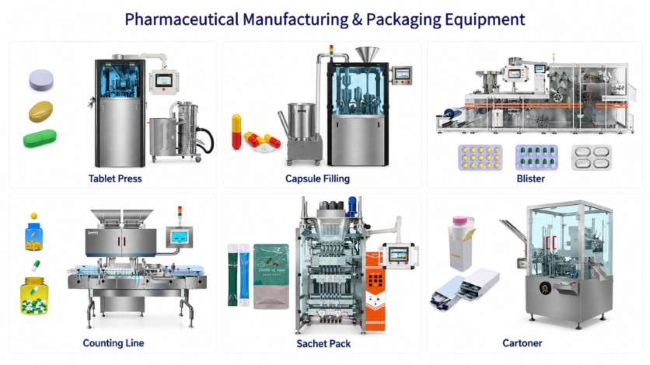
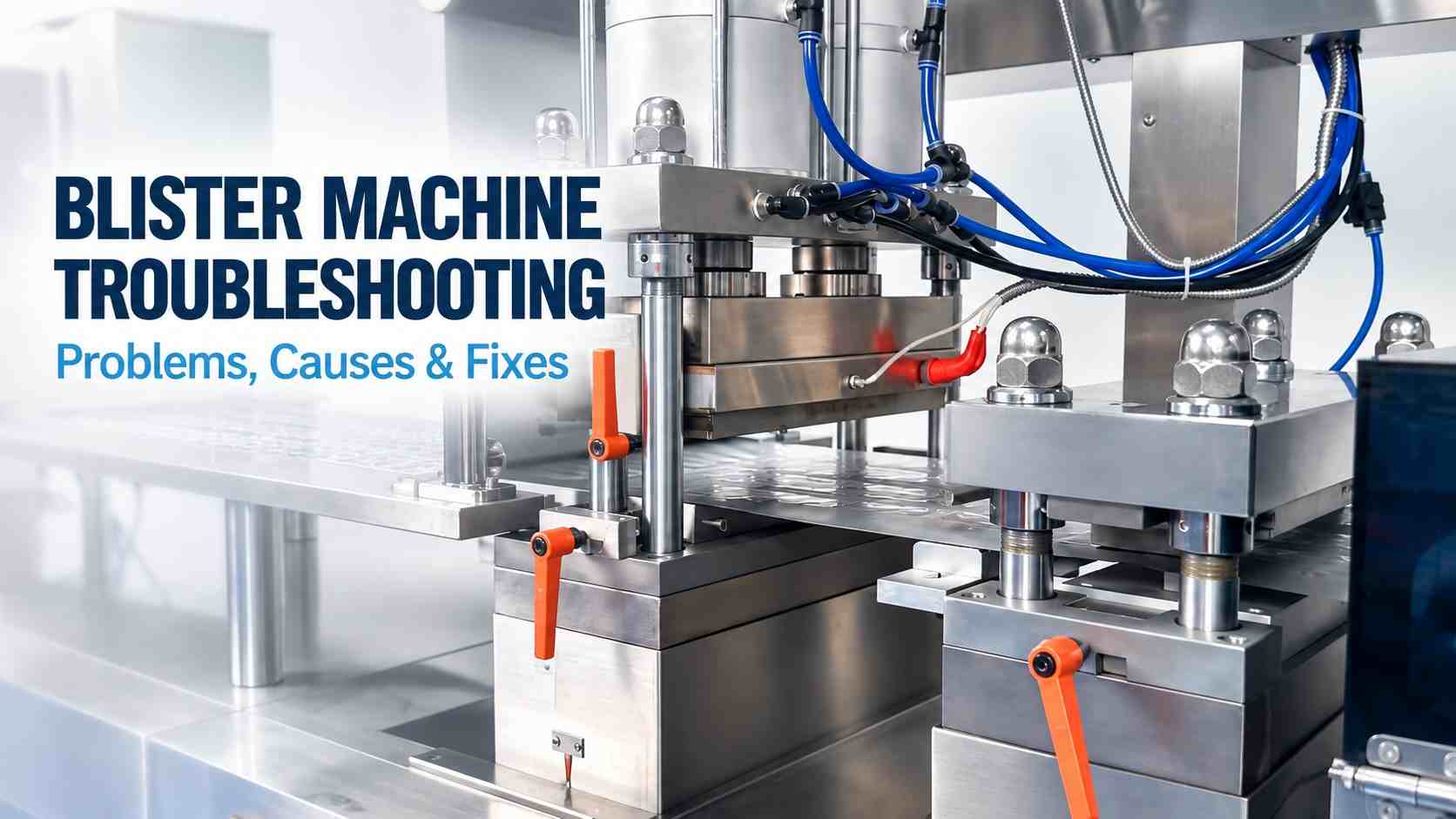
Προμήθειες Ruida Packing πρέσα tablet, μηχανή πλήρωσης σκληρών καψουλών, μηχανή φυσαλίδων, μηχανή εμφιάλωσης δισκίων ή κάψουλας , μηχανή συσκευασίας φακελλίσκων, και εξοπλισμός χαρτοκιβωτίων για έργα φαρμακευτικής παραγωγής και συσκευασίας. Για μια εγκατάσταση CMO ή CDMO, Η επιλογή του εξοπλισμού πρέπει να ξεκινά με τη δοσολογική μορφή, εύρος παρτίδας, απαίτηση καθαρισμού, συχνότητα αλλαγής, και τις προδιαγραφές συσκευασίας και όχι μόνο τη μέγιστη διαφημιζόμενη απόδοση.
Πώς πρέπει οι εταιρείες να αξιολογούν έναν εταίρο κατασκευής φαρμακευτικών συμβολαίων?
Ένας ικανός συνεργάτης χρειάζεται περισσότερα από την πλεονάζουσα παραγωγική ικανότητα. Η τεχνική του εμπειρία, εξοπλισμός, σύστημα ποιότητας, απόδειξη με έγγραφα, και η επικοινωνία όλα επηρεάζουν την απόδοση του έργου.
Η αξιολόγηση πρέπει να καλύπτει:
- Εμπειρία δοσολογικής μορφής: Γνώση του τύπου προϊόντος, υλική συμπεριφορά, κινδύνους διαδικασίας, και μέθοδος συσκευασίας.
- Ποιότητα και τεκμηρίωση: Έλεγχοι, χειρισμός απόκλισης, αλλαγή ελέγχου, εγγραφές επικύρωσης, διαχείριση δεδομένων, και τεκμηρίωση παρτίδας.
- Χωρητικότητα και εφαρμογή παρτίδας: Ελάχιστο μέγεθος παρτίδας, διαθέσιμες θέσεις παραγωγής, ικανότητα κλιμάκωσης, χρόνος παράδοσης, και περιθώριο ανάπτυξης.
- Εφαρμογή εξοπλισμού και συσκευασίας: Υπάρχουσες μηχανές, εργαλεία, συστήματα επιθεώρησης, εύρος μορφής, και κάθε απαιτούμενη επένδυση.
- Επικοινωνία και υπευθυνότητα: Ιδιοκτησία έργου, συχνότητα αναφοράς, ροή εργασιών έγκρισης, επικοινωνία απόκλισης, και αρχή λήψης αποφάσεων.
Ο καλύτερος συνεργάτης δεν είναι πάντα η μεγαλύτερη εγκατάσταση. Ο σωστός CMO ή CDMO έχει την εμπειρία του προϊόντος, κλίμακα παραγωγής, ευελιξία εξοπλισμού, ποιοτικούς ελέγχους, και υποστήριξη έργου που απαιτείται για τη συγκεκριμένη εργασία.
Σύναψη
Η παραγωγή φαρμακευτικών συμβολαίων παρέχει πρόσβαση στην παραγωγική ικανότητα, τεχνική υποστήριξη, και συστήματα συσκευασίας χωρίς να απαιτείται από κάθε ιδιοκτήτη προϊόντος να κατασκευάσει μια πλήρη εγκατάσταση.
Μια ΚΟΑ είναι γενικά κατάλληλη για καθιερωμένα προϊόντα που χρειάζονται κυρίως αξιόπιστη κατασκευή. Ένα CDMO υποστηρίζει μια ευρύτερη διαδρομή από την ανάπτυξη και τη μεταφορά τεχνολογίας στην εμπορική παραγωγή. Και στα δύο μοντέλα, Η επιτυχία εξαρτάται από ξεκάθαρες ευθύνες, ελεγχόμενη παραγωγική διαδικασία, και φαρμακευτικός εξοπλισμός επιλεγεί για την πραγματική παρτίδα, καθάρισμα, μετάβαση, επιθεώρηση, και απαιτήσεις συσκευασίας.
Συχνές ερωτήσεις
Τι είναι η παραγωγή φαρμακευτικών συμβολαίων?
Είναι μια ρύθμιση στην οποία ένας ιδιοκτήτης προϊόντος αναθέτει καθορισμένη παραγωγή, δοκιμή, ή δραστηριότητες συσκευασίας σε εξωτερική ειδική εγκατάσταση. Οι ευθύνες τεκμηριώνονται σε συμφωνίες εξυπηρέτησης και ποιότητας.
Ποια είναι η κύρια διαφορά μεταξύ ενός CMO και ενός CDMO?
Ένας ΚΟΑ κατασκευάζει κυρίως ένα καθιερωμένο προϊόν. Ένα CDMO υποστηρίζει επίσης την εργασία διαμόρφωσης, βελτιστοποίηση διαδικασίας, μεταφορά τεχνολογίας, αναλυτικές δραστηριότητες, και κλιμάκωση. Το πραγματικό εύρος υπηρεσιών διαφέρει μεταξύ παρόχων.
Η παραγωγή φαρμακευτικών συμβάσεων περιλαμβάνει συσκευασία;?
Ναί. Οι υπηρεσίες μπορεί να περιλαμβάνουν συσκευασία blister, εμφιάλωση δισκίου και κάψουλας, μηχάνημα συσκευασίας φακελίσκων ή μηχάνημα συσκευασίας ραβδιών, τιτλοφόρηση, κωδικοποίηση, επιθεώρηση, και χαρτοκιβώτιο όταν η εγκατάσταση διαθέτει τον απαιτούμενο εξοπλισμό και τις εγκεκριμένες διαδικασίες.
Ποιος είναι υπεύθυνος για την ποιότητα των προϊόντων?
Και τα δύο μέρη διατηρούν καθορισμένες ευθύνες. Η συμφωνία ποιότητας θα πρέπει να αναφέρει ποιος ελέγχει τα υλικά, παραγωγή, δοκιμή, αποκλίσεις, αλλαγές, ελευθέρωση, παράπονα, και ανακαλεί.
Ποιος εξοπλισμός απαιτείται για την από του στόματος παρασκευή στερεών δόσεων?
Ένα έργο μπορεί να απαιτεί εξοπλισμό ανάμειξης ή κοκκοποίησης, μια περιστροφική πρέσα δισκίων ή μηχανή πλήρωσης κάψουλας, εξοπλισμός επίστρωσης, συστήματα συσκευασίας blister ή μπουκαλιών, τιτλοφόρηση, επιθεώρηση, και μηχανές χαρτοκιβωτίου. Η τελική διαμόρφωση εξαρτάται από τη δοσολογική μορφή, μέγεθος παρτίδας, χαρακτηριστικά υλικού, και τον τύπο συσκευασίας.
Αναφορές
Ευρωπαϊκή Επιτροπή, Τόμος EudraLex 4, Κεφάλαιο 7: Εξωτερικές Δραστηριότητες.