قوانغتشو, الصين | يوليو 10, 2026
رحبت Ruida Packing مؤخرًا بعملاء من روسيا لإجراء تقييم للآلات في الموقع والاستشارة الفنية. العملاء هم شركة تصنيع أغذية مغذية وظيفية مقرها روسيا, متخصصة في أقراص المكملات عالية الكثافة, بما في ذلك المستخلصات العشبية, المجمعات المعدنية, والتركيبات القائمة على الألياف. مع تزايد الطلب على المدمجة, تنسيقات المكملات الثابتة على الرف في السوق الروسية, كان العميل يبحث عن مكبس أقراص جديد يمكنه التعامل بشكل موثوق مع المواد ذات قابلية التدفق الضعيفة وخصائص يصعب تشكيلها. كانت هذه المشكلات هي المشكلات الرئيسية في جميع أنحاء خط الإنتاج, تسبب عدم الاتساق وزن الجهاز اللوحي والأدوات المتكررة الشائكة.
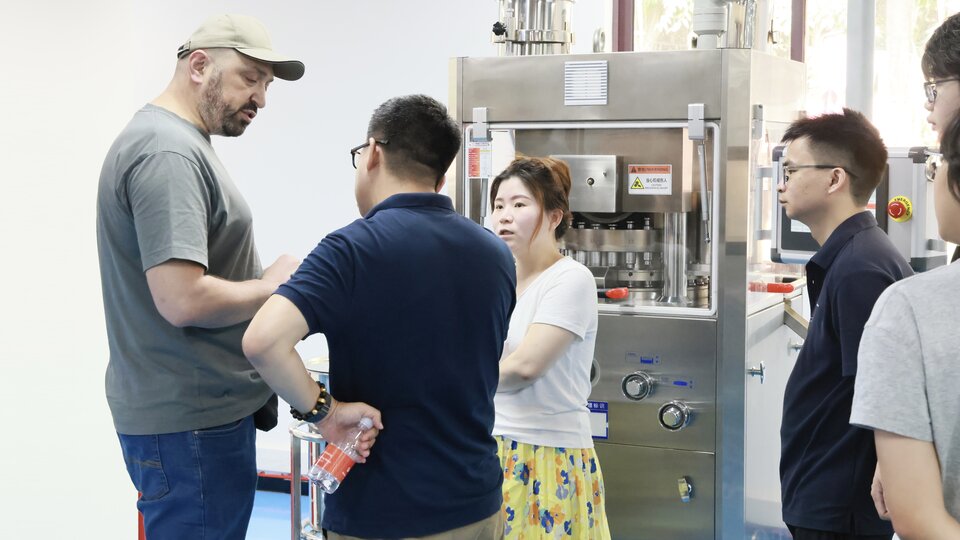
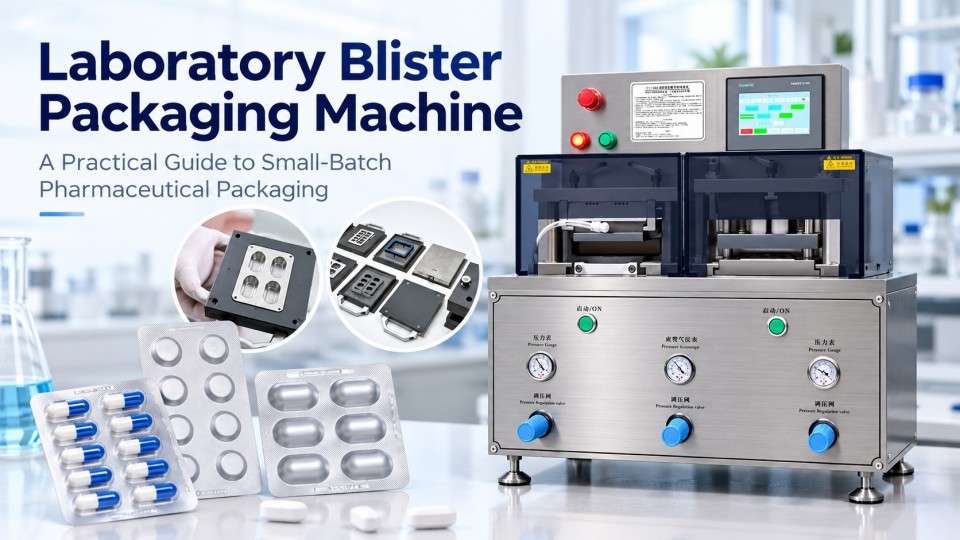
شكل 1. مدير المبيعات إيمي يناقش تشكيل الحلول مع العميل الروسي خلال الزيارة الميدانية.
كما قدمت إيمي, لدينا ZP-27D الصحافة قرص دوار تم تصميمه للأدوية عالية الإنتاج, المغذيات, وإنتاج الأقراص الغذائية. أنها تستوعب مجموعة واسعة من الصيغ, من الحبيبات المتدفقة بحرية إلى المساحيق المتماسكة الصعبة والمركزات العشبية التي تميل إلى حبس الهواء أو فصله أثناء الضغط التقليدي. لحل مخاوف العميل, إيمي اقترحت 3 حلول عملية.
أولاً, ال نظام الضغط المزدوج: ما قبل الصحافة + الصحافة الرئيسية للإخلاء الجوي وتوحيد الكثافة. إن التحدي الأساسي الذي يواجه المواد ذات التدفق الضعيف هو الهواء المحبوس. عندما تدخل المساحيق ذات المحتوى الدقيق العالي أو الأشكال الجزيئية غير المنتظمة إلى تجويف القالب, تصبح الجيوب الهوائية مدمجة, يؤدي إلى السد, التصفيح, أو اختلاف الوزن بعد الضغط. يعالج ZP-27D هذا الأمر على المستوى الميكانيكي من خلال بنية الضغط المزدوج.
في مرحلة ما قبل الصحافة, تنزل اللكمة العلوية لتطبيق قوة لطيفة, الذي يقوم بإخلاء الهواء المحصور تدريجياً من المسحوق ومحاذاة الجزيئات في مصفوفة أكثر تجانساً. بحلول الوقت الذي يدور فيه البرج إلى موضع الضغط الرئيسي, لقد تم بالفعل تكثيف المادة وتفريغها من الغاز, السماح لأسطوانة الضغط الرئيسية بتطبيق القوة الكاملة دون التعرض لخطر إطلاق الهواء المفاجئ الذي يسبب الكسور أو تقلب الوزن. تصل قوة الضغط القصوى لـ ZP-27D 120 كيلوغرام, توفير الحمل وافرة لتركيبات عالية الكثافة.
ثم سأل العميل عن نوع وحدة التغذية المرفقة بالجهاز, "هل يساعد هذا في تحسين تغذية المواد."?أجابت إيمي بشكل إيجابي بأن ZP-27D يمكنه تجهيز أي منهما المغذية القسرية لتحسين تدفق المواد.
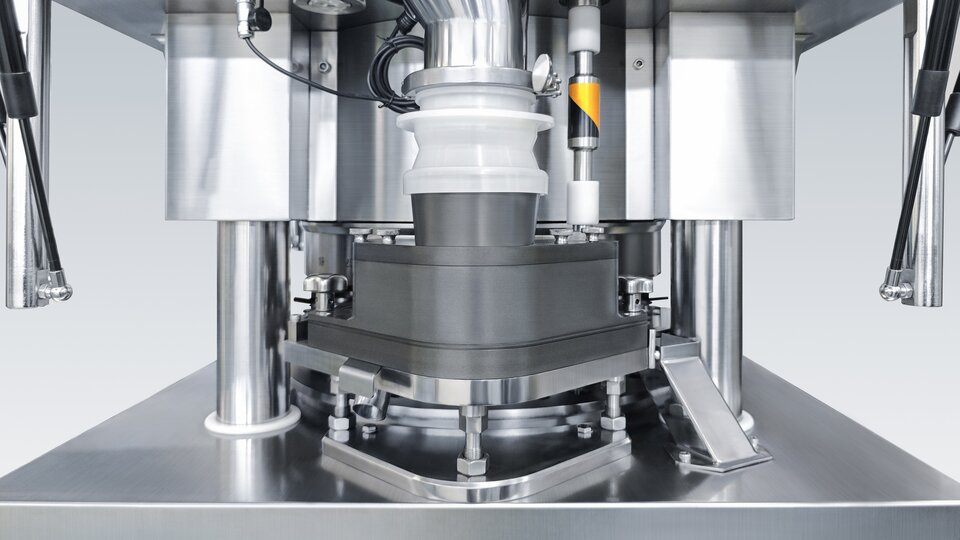
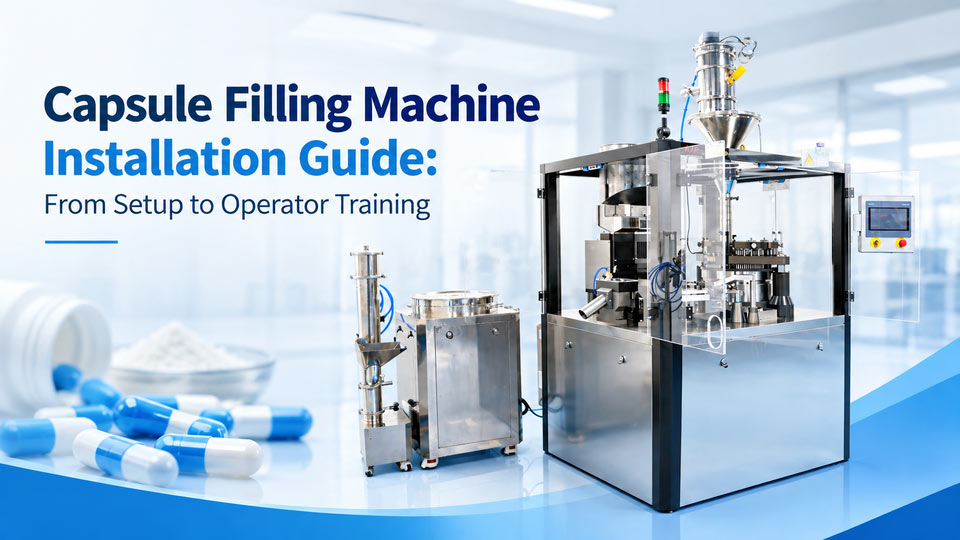
شكل 2. وحدة تغذية قسرية من النوع المغلق مع دافعة دوارة لتعزيز تدفق المسحوق, ودقة الضغط على الجهاز اللوحي.
بالمقارنة مع وحدة التغذية الشبكية العادية, تستخدم وحدة التغذية القسرية آلية المكره الدوارة التي تدفع المواد الخام وتخلطها بشكل فعال لتحسين قابلية التدفق ومنع التكتل.
تقدم Ruida تكوينين لوحدة التغذية:
- وحدة التغذية القسرية من النوع المفتوح: مناسبة للمواد التي تتدفق بحرية أو متماسكة إلى حد ما; يوفر الوصول البصري للتنظيف والفحص السريع.
- التغذية القسرية من النوع المغلق: مصممة للفعالية العالية, يتأكسد بسهولة, أو مواد شديدة التماسك تتطلب بيئة مغلقة. تتميز النسخة المغلقة بقادوس ذو سعة أكبر يحتوي على مواد أكثر بكثير من التصميمات المفتوحة.
أخيرا, سلط العميل الروسي الضوء على المخاوف بشأن التصاق سطح الثقب, مشكلة متكررة مع المستخلصات العشبية اللزجة أو الخلطات عالية السكر. يمكن أن تؤدي المواد المتبقية بعد الطرد إلى عيوب السطح وضغط الضغط غير المتساوي, غالبًا ما يتطلب توقف الماكينة للتنظيف.
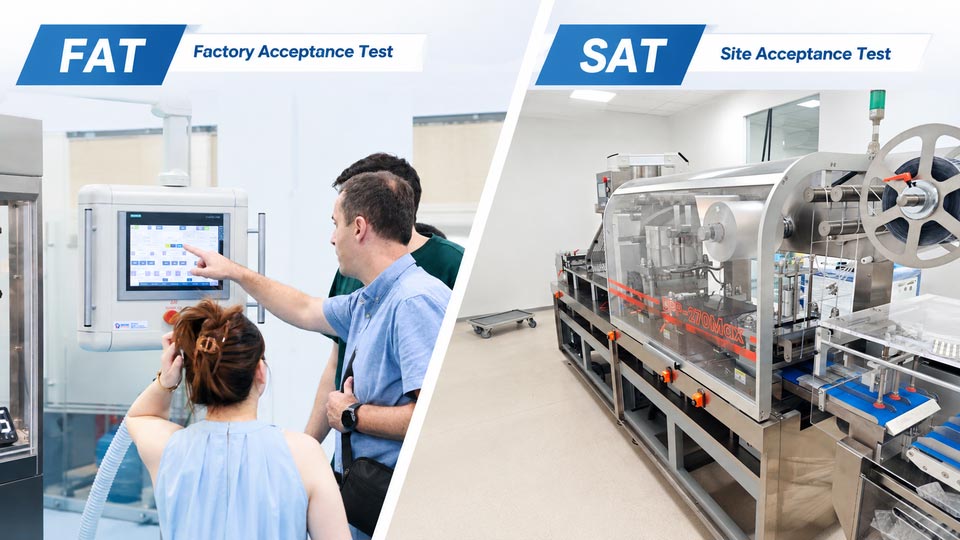
اقترحت إيمي أن توفر Ruida مجموعات مثقوبة وقوالب قابلة للتخصيص بالكامل لتتناسب مع متطلبات الصياغة المختلفة. للتطبيقات المضادة للالتصاق, يمكن تجهيز اللكمات بمادة بولي تترافلوروإيثيلين (بتف) على الأسطح لكمة; انظر لكمة السطح المستديرة والأبيض في الصف الثاني من الشكل 3. تعمل طبقة PTFE على تقليل احتكاك السطح والالتصاق, السماح للمواد اللزجة بالإفراج بشكل نظيف دون تراكم البقايا. يعمل هذا التخصيص البسيط والفعال على إطالة عمر الأدوات, يقلل من وقت التوقف عن التنظيف, ويحافظ على جودة تشطيب السطح عبر فترات طويلة.
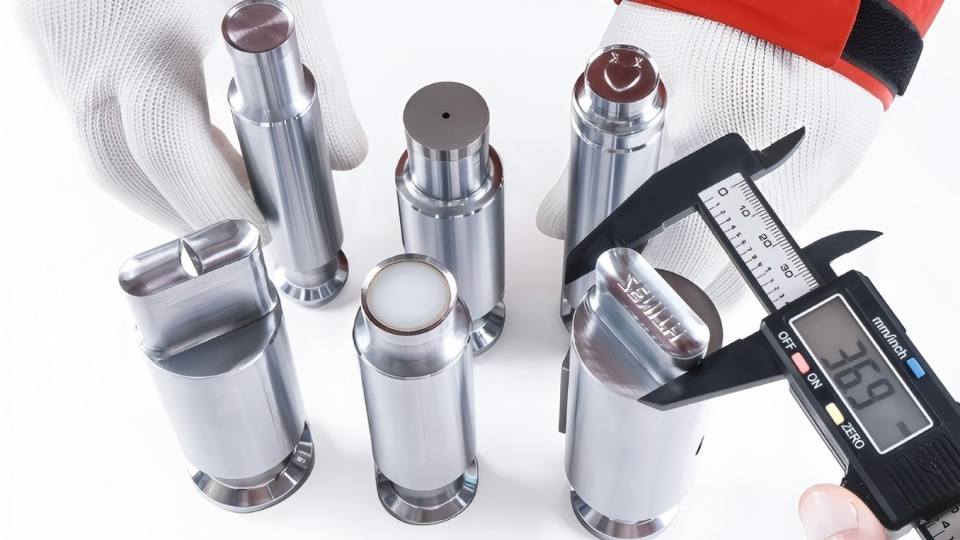
شكل 3. مجموعة مختارة من اللكمات القابلة للتخصيص لـ ZP-27D, مصنوع من الفولاذ المحمل GCR15 لتعزيز الصلابة ومقاومة التآكل, وتلبية معايير ISO.
ما وراء الأدوات المطلية بـ PTFE, يوفر ZP-27D المرونة اللازمة لاستيعاب مجموعة واسعة من أشكال وأحجام الأجهزة اللوحية:
- الحد الأقصى لقطر الجهاز اللوحي: 25 مم (مناسبة للمكملات الغذائية كبيرة الحجم والأقراص البيطرية)
- أقصى عمق للتعبئة: 35 مم (مما يسمح بكميات تعبئة عالية حتى مع المواد ذات الكثافة المنخفضة)
- الحد الأقصى لسمك الجهاز اللوحي: 17 مم (تمكين سميكة, تصميمات لوحية متعددة الطبقات أو مستدامة الإصدار)
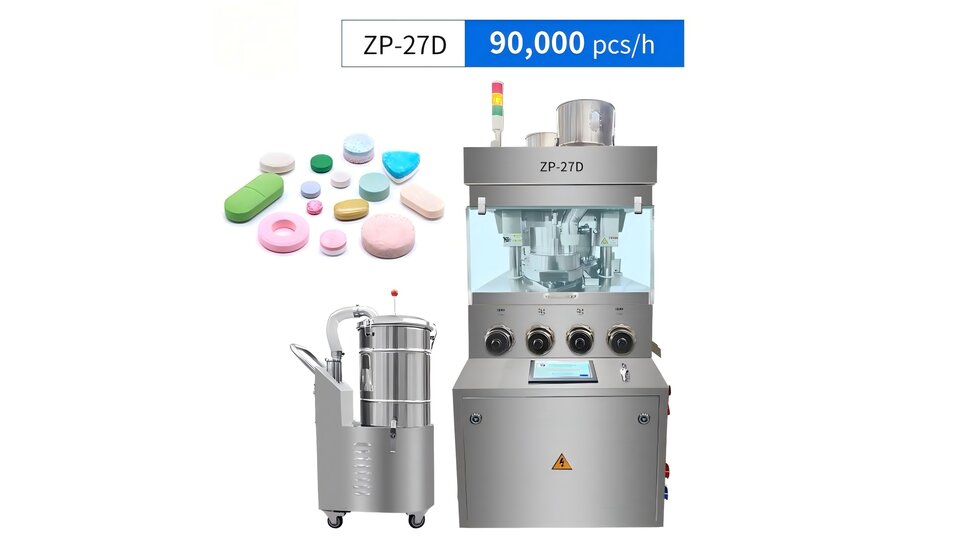
شكل 4. معتمد وفقًا لمعايير CE وcGMP, يعتبر ZP-27D مناسبًا تمامًا لإنتاج الأدوية والمكملات الغذائية. تتميز الماكينة بأسطح ناعمة من الفولاذ المقاوم للصدأ وقواديس ومغذيات سريعة التحرير لسهولة التنظيف.
من خلال تقييم الآلات في الموقع, كان العميل الروسي أكثر إعجابًا بوحدة التغذية القسرية من النوع المغلق وخيارات ثقب PTFE القابلة للتخصيص, واكتسبت فهمًا شاملاً لكيفية تعامل مكبس الأقراص الدوارة ZP-27D من Ruida Packing مع تحديات التشكيل.
حصل نظام الضغط المزدوج أيضًا على تقدير إيجابي, لا سيما فكرة أن الضغط المسبق يمكن أن يحل بالفعل مشكلات الحد الأقصى دون الحاجة إلى سرعات إنتاج أبطأ. وأشار الفريق الروسي إلى أنهم اعتبروا سابقًا أن المطابع الأبطأ ذات المحطة الواحدة هي الحل الوحيد, لكن قدرة ZP-27D التي تبلغ 90.000 قرص في الساعة بالإضافة إلى الضغط المزدوج أثبتت أن السرعة والجودة لا يتعارضان.
لرويدا التعبئة, وأكدت الزيارة من جديد التزامها بتقديم خدمات ذكية, مرن, وحلول ضغط سهلة الصيانة للمغذيات, الغذاء الوظيفي, مستخلص عشبي, والصناعات الدوائية, تحويل تحديات الصياغة إلى مزايا إنتاجية.
موقع إلكتروني: https://ruidapacking.com/
البريد الإلكتروني: ceo@ruidapacking.com
واتس اب: +86 15817128250