Nguồn: Pixabay
Ngành bao bì dược phẩm đối mặt với vô số thách thức do tính chất nhạy cảm của sản phẩm. Bao bì kém có thể có hậu quả thảm khốc, dẫn đến sự thay đổi hóa học của sản phẩm, làm cho nó không hiệu quả và làm tổn hại đến hiệu quả của nó. Bài tiểu luận này sẽ khám phá sáu thách thức mà bao bì dược phẩm phải đối mặt.
Để đảm bảo tính an toàn và hiệu quả của sản phẩm dược phẩm, điều cần thiết là phải vượt qua những thách thức này khi sử dụng máy đóng gói thuốc, máy làm đầy viên nang, máy ép viên máy móc, Và bao bì thứ cấp thuốc giải pháp.
Bao bì chống trẻ em
Nguồn: Cổ phần
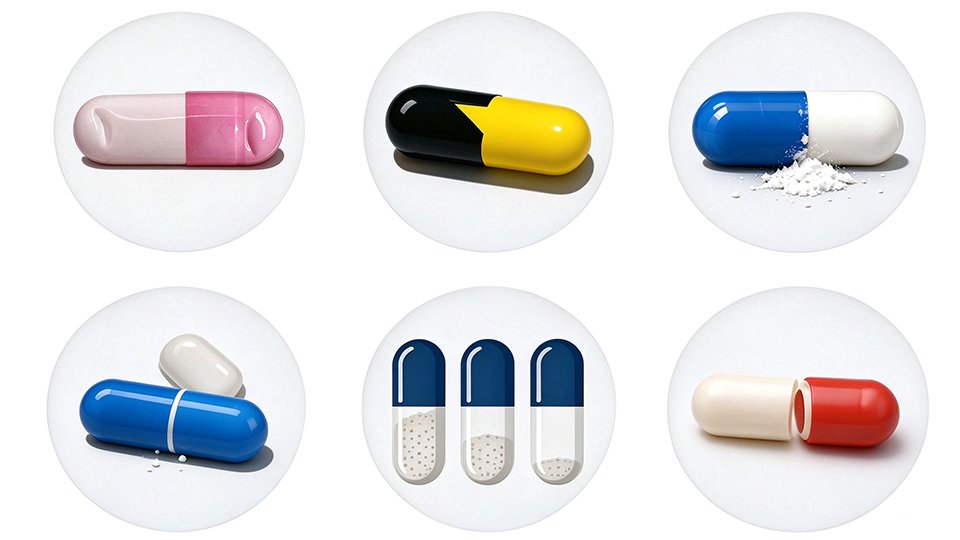
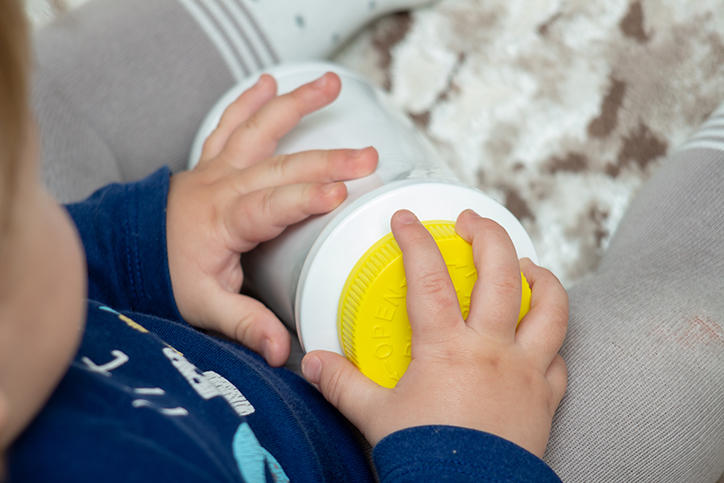
Bao bì chống trẻ em được thiết kế để giúp bảo vệ trẻ khỏi những nguy hiểm vô tình nuốt phải vật phẩm nguy hiểm, như một số đơn thuốc và thuốc không kê đơn (OTC) thuốc men. Nó được thiết kế theo cách mà trẻ nhỏ khó mở hoặc tiếp cận được., trong khi vẫn đủ dễ dàng để người lớn sử dụng. Ví dụ về các sản phẩm có sẵn OTC và yêu cầu đóng gói C-R bao gồm acetaminophen, aspirin, diphenhydramin, ibuprofen, thuốc có chứa sắt và thực phẩm bổ sung, imidazolin, metyl salicylat, nước súc miệng, naproxen, và chuyển đổi thuốc OTC.
Thách thức của việc cung cấp bao bì chống trẻ em nhằm bảo vệ trẻ em khỏi tiếp cận các loại thuốc có khả năng gây nguy hiểm là một thách thức có thể vượt qua được bằng thiết kế chu đáo. Các nhà sản xuất có thể thực hiện các tab dễ mở và bao gồm hướng dẫn sử dụng rõ ràng đúng cách như sử dụng hướng dẫn bằng văn bản trên nhãn, cũng như xem xét các phương pháp khác như tăng kích thước bao bì.
Ngoài ra, các công ty nên đảm bảo bao bì của họ được phù hợp với quy định bằng cách tiến hành các bài kiểm tra định kỳ với trẻ em, và xem xét việc đóng gói theo đơn vị liều lượng để khiến bàn tay trẻ khó mở hơn.
Bằng cách thực hiện các bước này, các nhà sản xuất có thể đảm bảo rằng họ đang cung cấp bao bì an toàn và hiệu quả, đặt sự an toàn của trẻ em lên hàng đầu.
Bảo quản và kiểm soát nhiệt độ
Nguồn: Reewungjunerr
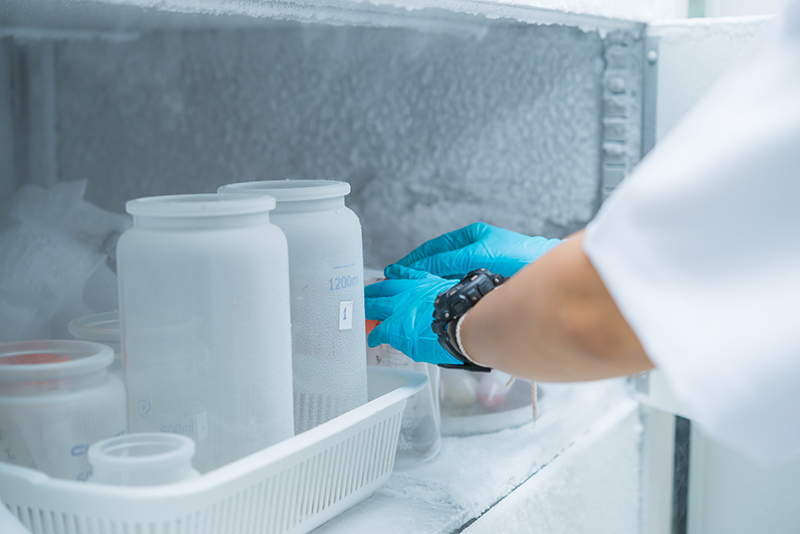
Thứ hai, Ngành dược phẩm đối mặt với thách thức kiểm soát và duy trì nhiệt độ sản phẩm của mình trong quá trình bảo quản. Nhiệt độ là yếu tố chính trong vấn đề này, không chỉ trong kho dược phẩm mà còn trong quá trình vận chuyển. Vắc-xin, đặc biệt, nhạy cảm với nhiệt và yêu cầu một phạm vi nhiệt độ cụ thể, đó là lý do tại sao tủ lạnh cấp y tế là khoản đầu tư phù hợp để bảo quản vắc xin.
Thuốc ở dạng dung dịch có cấu tạo khác nhau và do đó có phạm vi nhiệt độ khác nhau. Vì thế, điều quan trọng là phải tuân theo các hướng dẫn do quy trình sản xuất đặt ra để đảm bảo chất lượng tối đa của dược phẩm. Để đảm bảo chất lượng sản phẩm được duy trì, hệ thống lưu trữ tiên tiến, chẳng hạn như kho được kiểm soát nhiệt độ và bao bì được kiểm soát nhiệt độ, phải được tuyển dụng.
Bao bì được kiểm soát nhiệt độ rất cần thiết cho nhiều ngành công nghiệp đòi hỏi vận chuyển và lưu trữ hàng hóa nhạy cảm với nhiệt độ. Có rất nhiều loại giải pháp đóng gói kiểm soát nhiệt độ sẵn sàng để đảm bảo hàng hóa đến nơi an toàn và ở tình trạng tương tự như khi chúng rời đi. Điều này có thể bao gồm các hộp vận chuyển cách nhiệt, container vận chuyển được kiểm soát nhiệt độ, phương tiện vận tải đông lạnh, và vật liệu đóng gói nhiệt như bọc bong bóng, xốp, và tạo bọt tại chỗ. Ngoài ra, các mặt hàng nhạy cảm với nhiệt độ có thể yêu cầu sử dụng thiết bị theo dõi nhiệt độ, gói lạnh, và đá khô để đảm bảo sản phẩm luôn ở nhiệt độ mong muốn trong quá trình vận chuyển.
Tất cả các giải pháp này giúp đảm bảo hàng hóa được vận chuyển và bảo quản trong điều kiện nhiệt độ thích hợp và đảm bảo rằng sản phẩm đến nơi trong tình trạng như lúc xuất xưởng.
Bảo vệ sản phẩm
Nguồn: giải nén
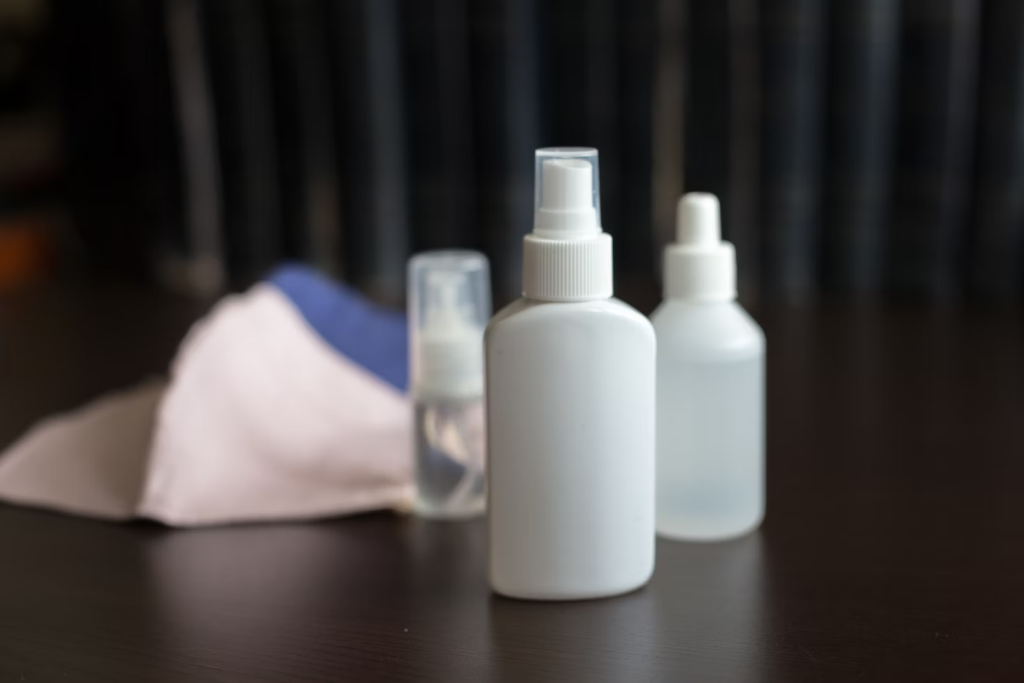
Thách thức thứ ba mà ngành dược phẩm phải đối mặt là bảo vệ sản phẩm. Để đảm bảo sản phẩm không bị hư hỏng trong quá trình vận chuyển, các công ty dược phẩm phải đầu tư vào thiết kế và vật liệu đóng gói phù hợp để bảo vệ sản phẩm của họ. Điều này sẽ giúp ngăn ngừa mọi hư hỏng tiềm ẩn trong quá trình vận chuyển và giúp đảm bảo rằng sản phẩm đến nơi an toàn và chắc chắn.. Giải pháp đóng gói bảo vệ có thể bao gồm những thứ như bao bì bên ngoài chắc chắn, đệm và đệm bổ sung, và vật liệu chống ẩm.
Bằng cách thực hiện bước bổ sung này, các công ty có thể yên tâm rằng các mặt hàng của họ sẽ đến nơi trong tình trạng tốt nhất có thể.
Tuân thủ quy định
Nguồn: Cổ phần
Làm thế nào để luôn cập nhật việc tuân thủ quy định là một thách thức lớn đối với người vận hành máy đóng gói y tế, máy làm đầy viên nang, bao bì thứ cấp thuốc, và máy ép viên. Ngành dược phẩm đang rất khắt khe, yêu cầu không chỉ chất lượng sản phẩm nhưng cũng đóng gói và dán nhãn thích hợp để ngăn ngừa ô nhiễm, sự giả mạo, và thông tin không chính xác.
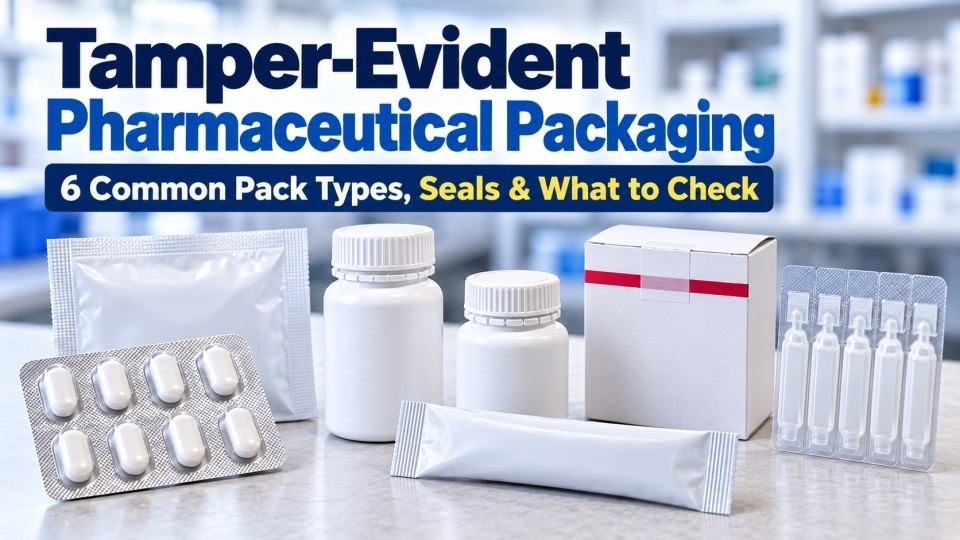
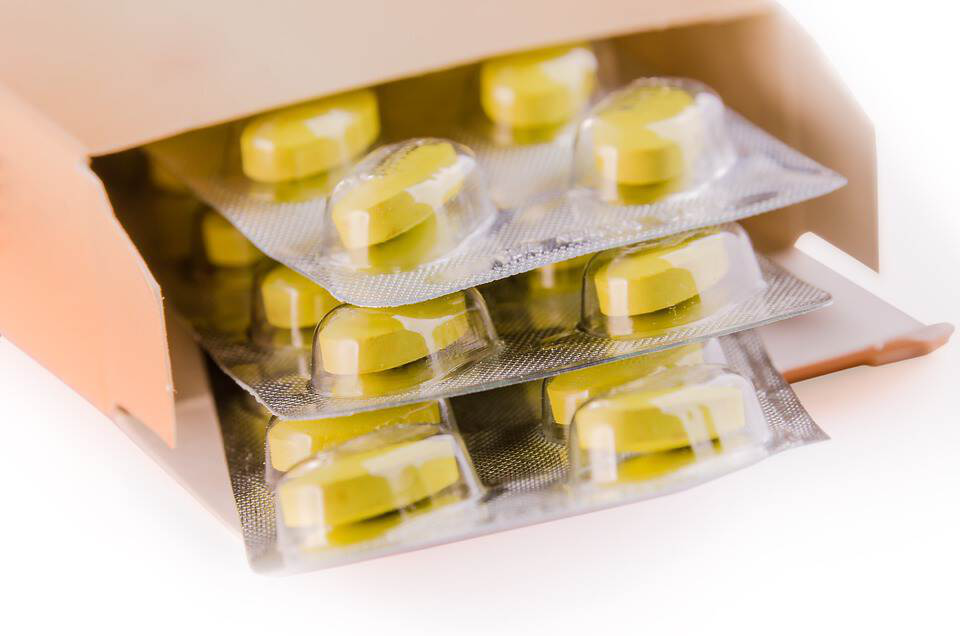
Để làm cho quá trình hiệu quả hơn, Các công ty nên hướng tới việc giải quyết những thách thức chính liên quan đến thiết kế và thực hiện bao bì. Thông số kỹ thuật chống giả mạo là cần thiết sau thảm kịch Tylenol và bao gồm các tính năng như đóng gói dạng vỉ, màng co lại, lót HIS, và băng niêm phong. Quy định về nhãn nhiều lớp cũng rất chi tiết và phải có tên sản phẩm, thành phần, mục đích sử dụng, hướng dẫn bảo quản, ngày hết hạn, bảng thông tin về thuốc, hướng dẫn liều lượng, cảnh báo hoặc tác dụng phụ, và thông tin dị ứng. Nó là điều cần thiết để đảm bảo ghi nhãn phù hợp và tránh thu hồi tốn kém có thể xảy ra do thông tin không chính xác. Cuối cùng, các quốc gia và khu vực khác nhau có thể sửa đổi các tiêu chuẩn dược điển của Tổ chức Y tế Thế giới, điều đó có nghĩa là các sản phẩm dược phẩm có thể yêu cầu nhiều nhãn hoặc loại bao bì tùy thuộc vào điểm đến của chúng.
Vật liệu đóng gói
Nguồn: Pexel
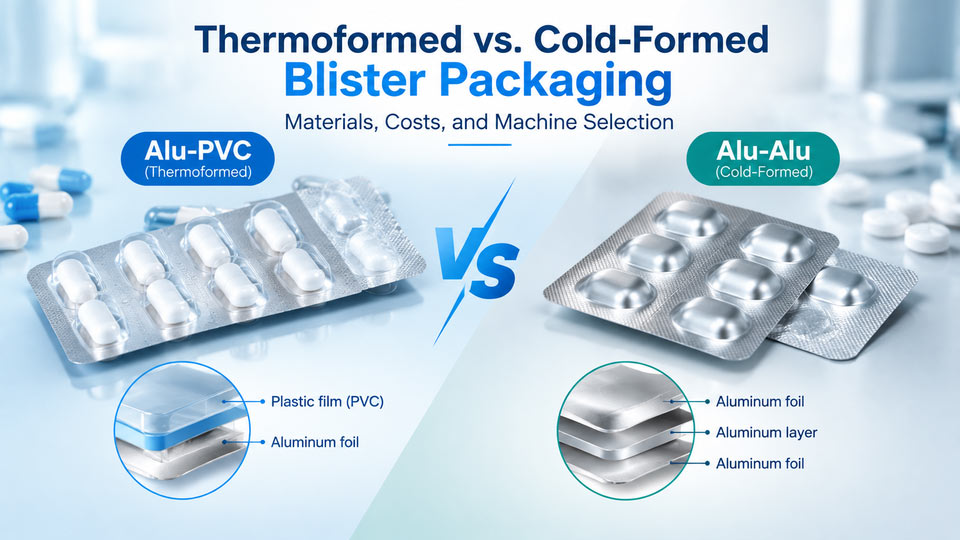
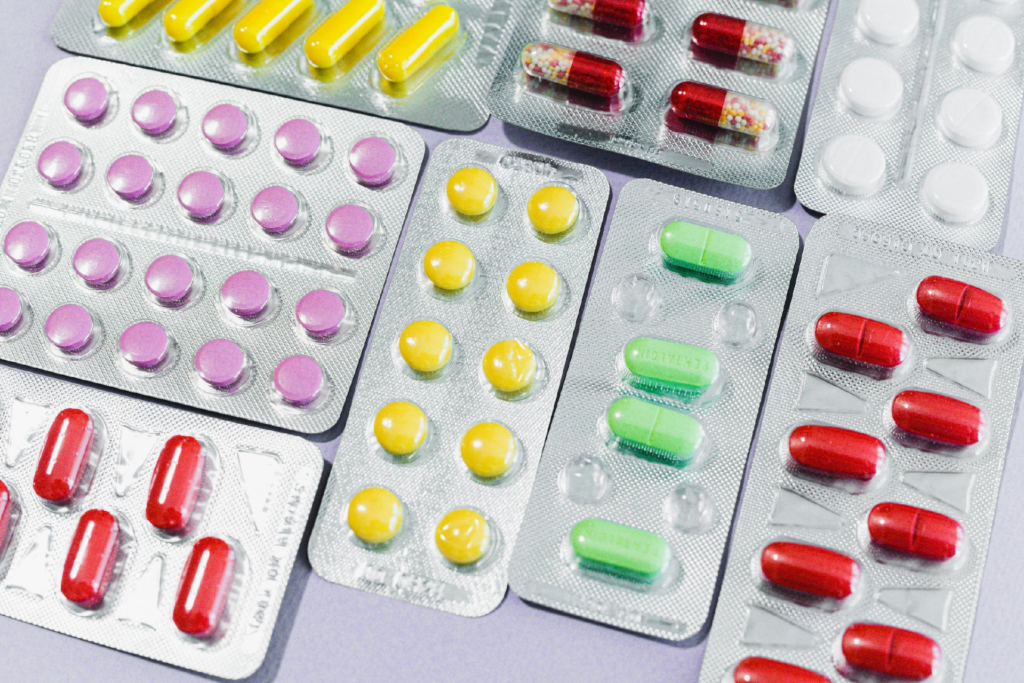
Bao bì thuốc là một lĩnh vực không ngừng phát triển, với các vật liệu mới đang được phát triển để đáp ứng nhu cầu của ngành dược phẩm. Thủy tinh và nhựa là những vật liệu phổ biến nhất được sử dụng để đóng gói thuốc, nhưng việc lựa chọn vật liệu được quyết định bởi nhiều yếu tố, chẳng hạn như đảm bảo bảo vệ khỏi ô nhiễm, tạo điều kiện thuận lợi cho việc cung cấp thuốc thông qua thuốc xịt, thuốc tiêm, và vỉ thuốc, và giảm tác động môi trường của ngành công nghiệp.
Để kết thúc này, vật liệu bền vững hơn chẳng hạn như giấy, bìa cứng, nhựa thực vật, thủy tinh, kim loại, và các thùng chứa có thể tái sử dụng hoặc tái chế khác đang được xem xét. Ngoài ra, chất kết dính phân hủy sinh học, nhãn, và mực cũng phải được tính đến giảm thêm dấu chân môi trường.
Điều cần thiết là phải đảm bảo rằng sức khỏe và sự an toàn của người tiêu dùng không bị tổn hại trong khi nỗ lực tạo ra giải pháp đóng gói bền vững hơn cho ngành dược phẩm. Với sự xuất hiện của các loại thuốc cải tiến và thời đại mới, điều quan trọng là phải tính đến xung đột tiềm ẩn giữa phối hợp thuốc và vật liệu đóng gói. Ví dụ, một số sự kết hợp thuốc có thể làm bong tróc bao bì thủy tinh, hoặc dầu silicon dùng trong ống tiêm nạp sẵn có thể làm xáo trộn thành phần của phức hợp protein.
Bằng cách áp dụng cách tiếp cận toàn diện để đạt được sự bền vững, chúng tôi có thể đảm bảo rằng sức khỏe và sự an toàn của người tiêu dùng không bị tổn hại và tác động đến môi trường của ngành này được giảm thiểu.
Kiểm soát và đảm bảo chất lượng
Nguồn: Pixabay
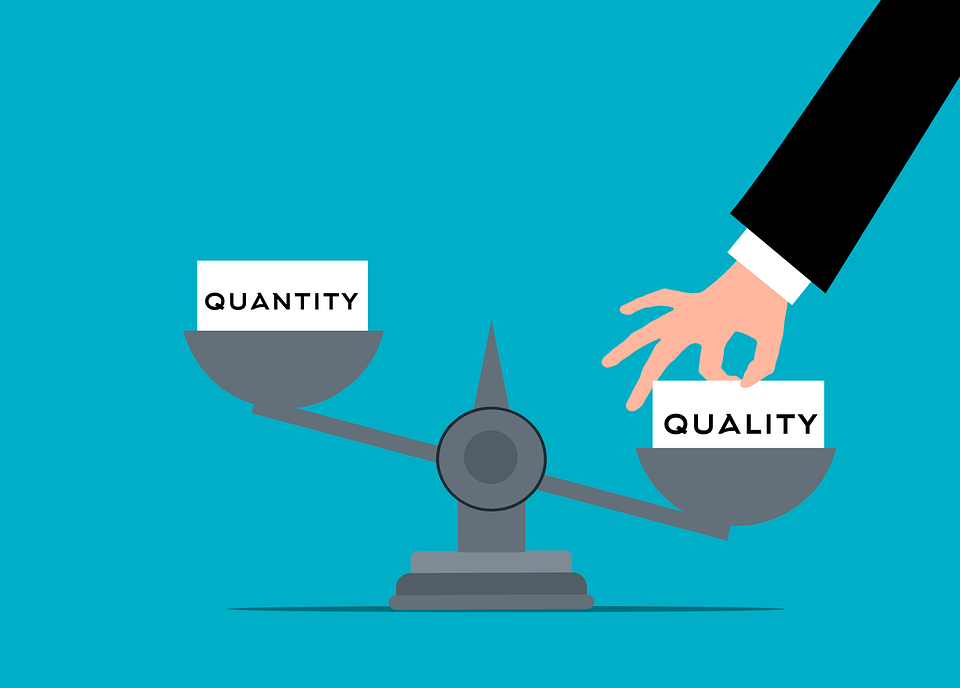
Kiểm soát và đảm bảo chất lượng là những thách thức lớn đối với bao bì thuốc. Để đảm bảo tiêu chuẩn cao nhất, điều cần thiết là sử dụng các phương pháp thử nghiệm đáng tin cậy như hình ảnh và quang phổ độ phân giải cao để phát hiện bất kỳ khiếm khuyết tiềm ẩn nào. Ngoài ra, Một đội ngũ đảm bảo chất lượng chuyên dụng cần được thành lập để tiến hành kiểm tra thường xuyên từng lô thuốc trước khi chúng được vận chuyển.
Hơn nữa, hồ sơ tỉ mỉ phải được lưu giữ ở mọi giai đoạn của quá trình đóng gói, để mọi sự khác biệt có thể nhanh chóng được xác định và khắc phục. Để đáp ứng được những yêu cầu cần thiết, túi bao bì y tế phải có một số tính chất cơ học để bảo vệ sản phẩm, cũng như hiệu suất rào cản để tránh độ ẩm, hơi nước, khí đốt, ánh sáng, hương thơm, mùi, nhiệt, vân vân.
Ngoài ra, an toàn là điều quan trọng nhất, vì vậy độc tính của vật liệu đóng gói phải được giữ ở mức tối thiểu, và nó phải không bị ăn mòn và có khả năng chống côn trùng, chống sâu bướm, và đặc tính chống chuột. Nó cũng phải phù hợp để xử lý và dễ cơ giới hóa, tự động hóa cho sản xuất công nghiệp quy mô lớn., cũng như tiết kiệm và thân thiện với môi trường.
Cuối cùng, để quản lý chất lượng hiệu quả, Doanh nghiệp sản xuất bao bì dược phẩm phải được trang bị một bộ phận quản lý chất lượng, được điều hành bởi người phụ trách, và được bố trí nhân viên phù hợp với các nguồn lực và thiết bị phù hợp.
Phần kết luận
Nguồn: Pixabay
Tóm lại, Ngành bao bì dược phẩm phải đối mặt với nhiều thách thức khác nhau để đảm bảo tính an toàn và hiệu quả của sản phẩm. Những thách thức này bao gồm bao bì chống trẻ em, kiểm soát nhiệt độ, bảo vệ sản phẩm, tuân thủ quy định, vật liệu đóng gói, và kiểm soát và đảm bảo chất lượng.
Bằng cách giải quyết từng thách thức một cách chu đáo và toàn diện, nhà sản xuất có thể đảm bảo sản phẩm của họ vẫn an toàn và hiệu quả, trong khi đó cũng giảm tác động môi trường của họ. Bằng cách đầu tư vào hệ thống lưu trữ tiên tiến, giải pháp đóng gói bảo vệ, và vật liệu thân thiện với môi trường, các công ty có thể yên tâm rằng sản phẩm của họ sẽ đến trong tình trạng hoàn hảo và đáp ứng mọi yêu cầu quy định.