Fonte: Pixabay
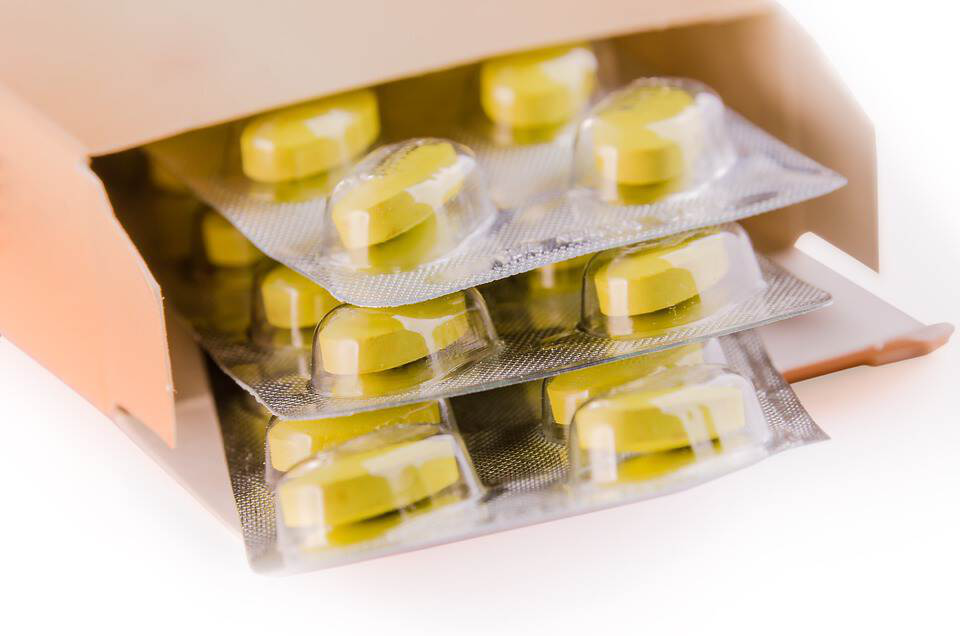
A indústria de embalagens farmacêuticas enfrenta uma infinidade de desafios devido à natureza sensível dos seus produtos. Embalagem inadequada pode ter consequências terríveis, resultando em alterações químicas no produto, tornando-o ineficaz e comprometendo sua eficácia. Este ensaio explorará seis desafios enfrentados pelas embalagens farmacêuticas.
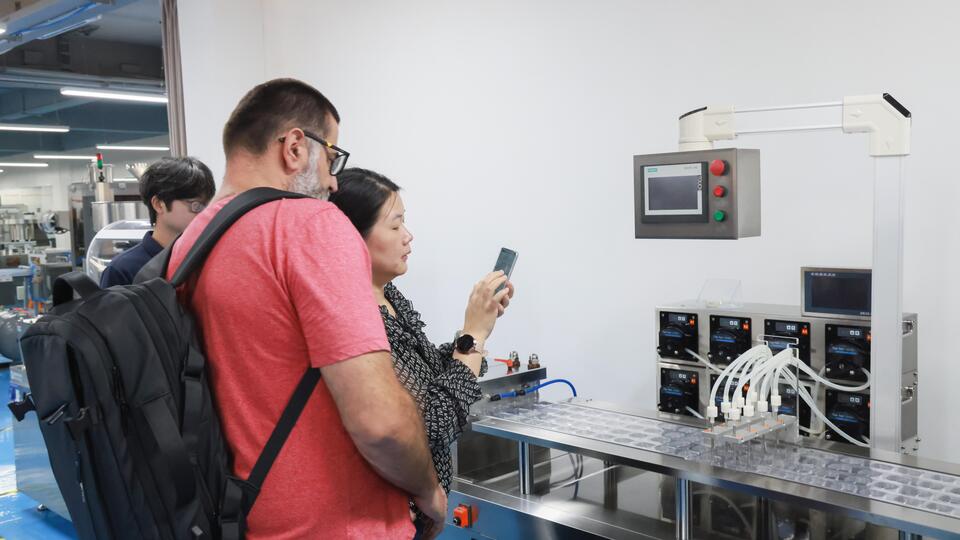
Para garantir a segurança e eficácia dos produtos farmacêuticos, é essencial superar esses desafios ao usar máquinas de embalagem de medicamentos, máquinas de enchimento de cápsulas, prensa para comprimidos máquinas, e embalagem secundária de medicamentos soluções.
Embalagem resistente a crianças

Fonte: Estoque
Embalagem resistente a crianças foi projetado para ajudar proteger as crianças dos perigos de ingestão acidental de itens perigosos, como certos medicamentos prescritos e vendidos sem receita (OTC) medicamentos. Ele foi projetado de forma que seja difícil para as crianças abrirem ou terem acesso a, enquanto ainda sendo fácil o suficiente para adultos usarem. Exemplos de produtos disponíveis sem receita médica e que exigem embalagem CR incluem paracetamol, aspirina, difenidramina, ibuprofeno, medicamentos contendo ferro e suplementos dietéticos, imidazolinas, salicilato de metila, enxaguatório bucal, naproxeno, e OTC trocam medicamentos.
O desafio de fornecer embalagens resistentes às crianças, a fim de proteger as crianças do acesso a medicamentos potencialmente perigosos, pode ser superado com design inteligente. Os fabricantes podem implementar abas fáceis de abrir e incluir instruções claras sobre o uso adequado como usar instruções de texto em rótulos, bem como considerar outros métodos, como aumentar o tamanho da embalagem.
Adicionalmente, as empresas devem garantir que suas embalagens sejam em conformidade com os regulamentos realizando testes de rotina com crianças, e considerar embalagens de dose unitária para dificultar a abertura das mãos jovens.
Ao seguir estes passos, os fabricantes podem garantir que estão fornecendo embalagens seguras e eficazes que colocam a segurança das crianças em primeiro plano.
Armazenamento e controle de temperatura

Fonte: Reewungjunerr
Segundo, a indústria farmacêutica enfrenta o desafio de controlar e manter a temperatura de seus produtos durante o armazenamento. A temperatura é o principal fator nesse sentido, não apenas no armazenamento da farmácia, mas também durante o trânsito. Vacinas, em particular, são sensíveis ao calor e requerem uma faixa de temperatura específica, é por isso que os refrigeradores de uso médico são um investimento adequado para armazenamento de vacinas.
Os medicamentos em forma de solução têm uma composição diferente e, portanto, uma faixa de temperatura diferente.. Portanto, é importante seguir as diretrizes estabelecidas pelo processo de fabricação para garantir a máxima qualidade dos produtos farmacêuticos. Para garantir que a qualidade do produto seja mantida, sistemas de armazenamento avançados, como armazéns com temperatura controlada e embalagens com temperatura controlada, deve ser empregado.
Embalagem com temperatura controlada é essencial para muitas indústrias que exigem o transporte e armazenamento de mercadorias sensíveis à temperatura. Há uma variedade de soluções de embalagem com temperatura controlada disponível para garantir que as mercadorias cheguem com segurança e nas mesmas condições em que saíram. Isso pode incluir caixas de remessa isoladas, contêineres de transporte com temperatura controlada, veículos de transporte refrigerados, e materiais de embalagem térmica, como plástico bolha, isopor, e espuma no lugar. Adicionalmente, itens sensíveis à temperatura podem exigir o uso de dispositivos de monitoramento de temperatura, compressas frias, e gelo seco para garantir que os produtos permaneçam na temperatura desejada durante o transporte.
Todas estas soluções ajudam a garantir que as mercadorias são transportadas e armazenadas nas condições de temperatura adequadas e a garantir que os produtos chegam nas mesmas condições em que saíram..
Proteção do produto

Fonte: Desembaçar
O terceiro desafio que a indústria farmacêutica enfrenta é proteção do produto. Para garantir que os produtos não sejam danificados durante o transporte, as empresas farmacêuticas devem investir em designs e materiais de embalagens apropriados para proteger seus produtos. Isto ajudará a evitar quaisquer danos potenciais durante o transporte e a garantir que os produtos cheguem com segurança.. Soluções de embalagens protetoras pode incluir coisas como embalagens externas robustas, acolchoamento e amortecimento adicionais, e materiais resistentes à umidade.
Ao dar esse passo extra, as empresas podem ter certeza de que seus itens chegarão ao destino nas melhores condições possíveis.
Conformidade regulatória

Fonte: Estoque
Como se manter atualizado com a conformidade regulatória é um grande desafio para operadores de máquinas de embalagens médicas, máquinas de enchimento de cápsulas, embalagem secundária de medicamentos, e prensas para comprimidos. A indústria farmacêutica é exigente, exigindo não só qualidade do produto mas também embalagem e rotulagem adequadas para evitar contaminação, adulteração, e informações incorretas.
Para tornar o processo mais eficiente, as empresas devem ter como objetivo enfrentar os principais desafios relacionados com design e implementação de embalagens. As especificações anti-adulteração são essenciais após a tragédia do Tylenol e incluem recursos como embalagens blister, envoltório retrátil, SEUS forros, e selos de fita. Os regulamentos de rótulos multicamadas também são altamente detalhados e devem incluir o nome do produto, ingredientes, uso pretendido, instruções de armazenamento, data de validade, tabela de fatos sobre drogas, instruções de dosagem, avisos ou efeitos colaterais, e informações sobre alergia. É essencial garantir uma rotulagem adequada e evitar recalls dispendiosos que pode ocorrer devido a informações incorretas. Finalmente, diferentes países e regiões podem modificar os padrões da farmacopeia da Organização Mundial da Saúde, o que significa que os produtos farmacêuticos podem exigir vários rótulos ou tipos de embalagens, dependendo do seu destino.
Materiais de embalagem

Fonte: Pexel
As embalagens para medicamentos são um campo em constante evolução, com novos materiais sendo desenvolvidos para atender às necessidades da indústria farmacêutica. Vidro e plástico são os materiais mais comuns usados para embalagens de medicamentos, mas a escolha dos materiais é determinada por uma variedade de fatores, como garantir proteção contra contaminação, facilitando a entrega de medicamentos através de sprays, injetáveis, e embalagens blister, e reduzindo o impacto ambiental da indústria.
Para este fim, materiais mais sustentáveis como papel, cartão, plásticos à base de plantas, vidro, metal, e outros recipientes reutilizáveis ou recicláveis estão sendo considerados. Além disso, adesivos biodegradáveis, rótulos, e tintas também devem ser levadas em conta para reduzir ainda mais a pegada ambiental.
É essencial garantir que o saúde e segurança dos consumidores não são comprometidos enquanto se esforça para criar uma solução de embalagem mais sustentável para a indústria farmacêutica. Com o surgimento de medicamentos inovadores e da nova era, é importante levar em conta o conflitos potenciais entre combinações de medicamentos e materiais de embalagem. Por exemplo, certas combinações de medicamentos podem causar lascas nas embalagens de vidro, ou óleo de silicone usado em seringas pré-cheias pode perturbar a composição dos complexos proteicos.
Ao adotar uma abordagem holística para a sustentabilidade, podemos garantir que a saúde e a segurança dos consumidores não sejam comprometidas e que o impacto ambiental da indústria seja reduzido.
Controle e Garantia de Qualidade

Fonte: Pixabay
Controle e garantia de qualidade são grandes desafios para embalagens de medicamentos. Para garantir os mais altos padrões, é essencial empregar métodos de teste confiáveis, como imagens de alta resolução e espectroscopia para detectar possíveis defeitos. Além disso, a equipe dedicada de garantia de qualidade deve ser estabelecida a realização de inspeções regulares de cada lote de medicamentos antes de serem enviados.
Além disso, registros meticulosos devem ser mantidos em todas as etapas do processo de embalagem, para que quaisquer discrepâncias possam ser rapidamente identificadas e corrigidas. Para atender aos requisitos necessários, sacos para embalagens médicas devem possuir certas propriedades mecânicas para proteger o produto, bem como desempenho de barreira para impedir a entrada de umidade, vapor de água, gás, luz, aroma, odor, aquecer, etc..
Adicionalmente, segurança é de suma importância, portanto, a toxicidade do material de embalagem deve ser mantido ao mínimo, e deve ser não corrosivo e ter anti-insetos, anti-traça, e propriedades anti-rato. Também deve ser adequado para processamento e fácil de mecanizar e automatizar para produção industrial em grande escala., além de ser econômico e ecologicamente correto.
Finalmente, para uma gestão de qualidade eficaz, a empresa de fabricação de materiais de embalagem farmacêutica deve estar equipada com um departamento de gestão de qualidade, administrado pelo responsável, e composta por pessoal adequado com os recursos e equipamentos adequados.
Conclusão

Fonte: Pixabay
Para concluir, a indústria de embalagens farmacêuticas enfrenta diversos desafios para garantir a segurança e eficácia de seus produtos. Esses desafios incluem embalagens resistentes a crianças, controle de temperatura, proteção do produto, conformidade regulatória, materiais de embalagem, e controle e garantia de qualidade.
Ao abordar cada desafio de maneira cuidadosa e abrangente, os fabricantes podem garantir que seus produtos permanecer seguro e eficaz, enquanto também reduzindo seu impacto ambiental. Investindo em sistemas de armazenamento avançados, soluções de embalagens protetoras, e materiais ecológicos, as empresas podem ter certeza de que seus produtos chegarão em perfeitas condições e atenderão a todos os requisitos regulamentares.