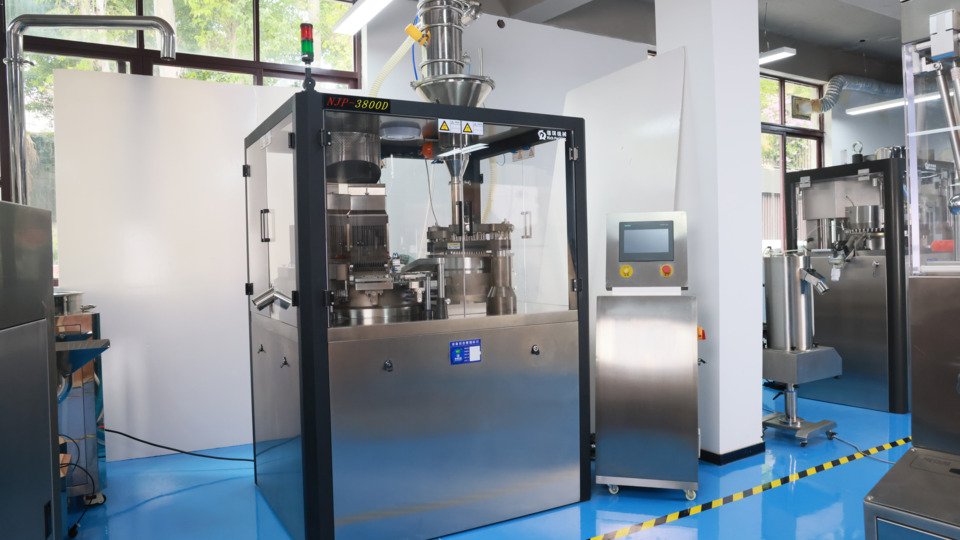
ALT: Máy đóng gói viên nang Ruida
Trên sàn sản xuất dược phẩm, đội bảo trì nhanh chóng biết rằng tình trạng thiết bị không tuân theo bất kỳ lịch cố định nào. MỘT máy đóng viên nang chạy bột thảo dược mài mòn có thể cần dịch vụ chỉ sau một vài chiến dịch, trong khi các công thức chảy tự do khác có thể tồn tại trong quá trình sản xuất lâu hơn trước khi xuất hiện tình trạng hao mòn.
Người vận hành thường nhận những thay đổi sớm như tách viên nang do dự, thu gom bột xung quanh trạm định lượng, hút chân không chậm hơn, hoặc khóa viên nang không nhất quán. Những dấu hiệu này thường xuất hiện trong quá trình kiểm tra hàng loạt, đổi ca, hoặc vệ sinh—không phải trong thời gian bảo trì theo lịch trình.
Trong sản xuất được kiểm soát bởi GMP, bảo trì không chỉ giới hạn ở việc thay thế các bộ phận bị mòn. Thực hành vệ sinh, thói quen bôi trơn, kiểm tra thành phần, và xác minh sau bảo trì đều góp phần nâng cao chất lượng sản phẩm và tính nhất quán của quy trình.
Hướng dẫn này kiểm tra bảo trì máy làm viên nang dưới góc độ của người quản lý sản xuất, kỹ thuật viên bảo trì, Nhân viên QA, và các nhóm xác nhận. Dựa trên những quan sát chung ở tầng cửa hàng, nó vạch ra khi thực sự cần bảo trì, thành phần nào đáng được quan tâm nhất, và các yêu cầu của GMP ảnh hưởng như thế nào đến hoạt động bảo trì sau khi hoàn thành công việc bảo trì.
Các triệu chứng vận hành chỉ ra Bảo trì máy làm viên nang là bắt buộc
Hầu hết bảo trì máy làm viên nang các hoạt động không được kích hoạt bởi lịch trình. Thay vì, người vận hành thường phát hiện những thay đổi nhỏ về hiệu suất trong quá trình sản xuất thường lệ trước khi xảy ra lỗi lớn. Trên một tốc độ cao máy đóng viên nang, các triệu chứng ban đầu thường xuất hiện dưới dạng thay đổi cân nặng, vấn đề tách viên nang, rò rỉ bột, tiếng ồn bất thường, hoặc sự chuyển giao viên nang không ổn định.
Việc xác định sớm các dấu hiệu cảnh báo này cho phép các nhóm bảo trì thực hiện các mục tiêu bảo trì máy làm viên nang, giảm thời gian ngừng hoạt động ngoài kế hoạch, bảo vệ chất lượng lô, và hỗ trợ tuân thủ GMP.
| triệu chứng | Những gì người vận hành quan sát | Trọng tâm bảo trì có thể |
| Điền vào biến thể trọng lượng | Trọng lượng viên nang trôi ra ngoài giới hạn bình thường | Chân cắm, đĩa định lượng, dòng bột |
| Vấn đề tách viên nang | Viên nang không mở được liên tục | Hệ thống chân không, tấm ngăn cách |
| Rò rỉ bột | Bột xung quanh trạm định lượng | Vòng đệm, mòn khuôn, giải phóng mặt bằng thành phần |
| Tiếng ồn quá mức | Độ ồn tăng cao trong quá trình vận hành | Vòng bi, ổ đĩa xích, bôi trơn |
| Viên nang bay | Viên nang bị trả lại hoặc nạp sai | Áp suất chân không, căn chỉnh khuôn |
| Tỷ lệ từ chối tăng | Nhiều viên nang không được kiểm tra | Nhiều chất độn viên nang thành phần |
Điền vào biến thể trọng lượng
Sự thay đổi trọng lượng lấp đầy là một trong những chỉ số phổ biến nhất cho thấy bảo trì máy làm viên nang có thể được yêu cầu. Trong quá trình kiểm tra định kỳ trong quá trình, người vận hành có thể nhận thấy trọng lượng viên nang đang dần rời xa mục tiêu sản xuất đã thiết lập.
Trên một máy đóng viên nang, tình trạng này thường liên quan đến hiện tượng mòn chốt nén, suy giảm đĩa định lượng, dòng bột không nhất quán, hoặc trôi dạt căn chỉnh khuôn. Nếu không sửa, sự thay đổi trọng lượng có thể làm tăng tỷ lệ loại bỏ và tạo ra mối lo ngại về việc tuân thủ GMP trong quá trình đánh giá lô.
Vấn đề tách viên nang
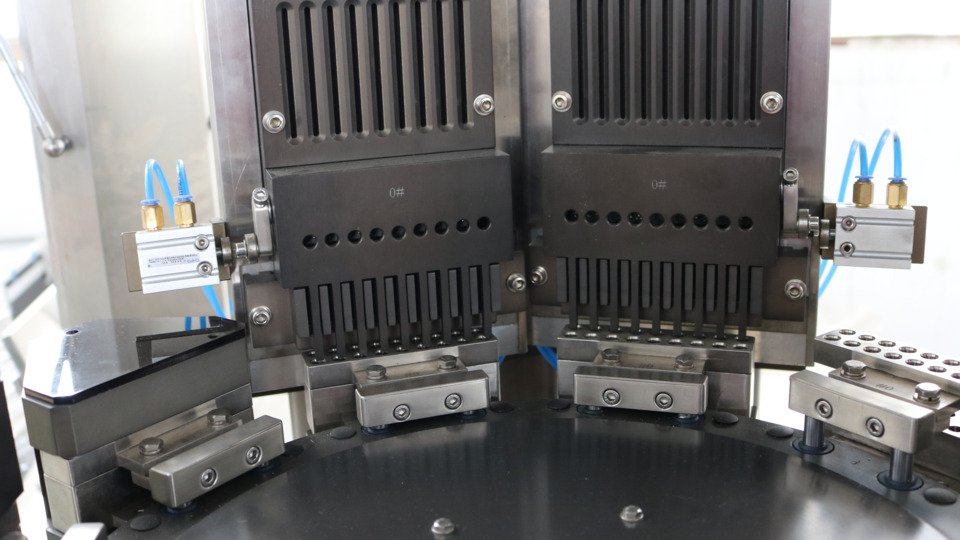
Các vấn đề về tách viên nang thường cho thấy các vấn đề về hệ thống chân không đang phát triển trong một chất độn viên nang. Người vận hành có thể quan sát các viên nang còn lại được kết nối một phần, mở viên nang bị trì hoãn, hoặc các trạm trống thỉnh thoảng trong quá trình sản xuất.
Nguyên nhân phổ biến bao gồm vòi phun chân không bị chặn, áp suất chân không không ổn định, con dấu bị mòn, hoặc tấm ngăn cách bị lệch. Điều tra sớm giúp ngăn chặn tình trạng gián đoạn sản xuất lớn hơn và giảm khả năng xảy ra trường hợp khẩn cấp bảo trì máy làm viên nang.
Rò rỉ bột xung quanh khu vực định lượng
Rò rỉ bột thường phát triển dần dần và thường được phát hiện trong quá trình vệ sinh định kỳ hoặc dọn dẹp đường dây. Sự tích tụ bột mịn xung quanh trạm định lượng có thể cho thấy vòng đệm bị mòn, giải phóng mặt bằng đĩa đồng quá mức, đĩa định lượng bị sai lệch, hoặc mòn khuôn.
Bởi vì rò rỉ bột ảnh hưởng đến cả năng suất sản phẩm và yêu cầu về độ sạch của GMP, nó thường được coi là ưu tiên cao bảo trì máy làm viên nang vấn đề.
Tiếng ồn và độ rung quá mức
Những thay đổi về tiếng ồn khi vận hành có thể đưa ra cảnh báo sớm rằng các bộ phận cơ khí cần được chú ý. Nhiều nhóm bảo trì bắt đầu điều tra khi mức độ tiếng ồn vượt quá điều kiện hoạt động bình thường hoặc khi độ rung trở nên đáng chú ý trong quá trình sản xuất tốc độ cao..
Vòng bi, ổ đĩa xích, hệ thống cam, ray dẫn hướng, và các điểm bôi trơn là khu vực kiểm tra chung trên máy đóng viên nang. Giải quyết sớm những vấn đề này giúp ngăn ngừa hư hỏng thứ cấp và kéo dài tuổi thọ của thiết bị.
Capsule bay và chuyển không ổn định
Bay viên nang là một triệu chứng khác thường xuyên gây ra bảo trì máy làm viên nang. Người vận hành có thể nhận thấy viên nang nảy ra khỏi đường truyền, hạ cánh không chính xác vào lỗ khuôn, hoặc trở nên không ổn định ở tốc độ sản xuất cao hơn.
Hành vi này thường liên quan đến sự mất cân bằng chân không, mòn khuôn, vấn đề căn chỉnh tấm tách, hoặc ô nhiễm trong các kênh chuyển viên nang. Việc khắc phục các tình trạng này sẽ cải thiện độ ổn định khi xử lý viên nang và giảm thất thoát sản phẩm.
ALT: Trạm pha chế viên nang
Cách giải quyết các vấn đề thường gặp về máy làm đầy viên nang
Sau khi xác định các triệu chứng vận hành trên một máy đóng viên nang, nhóm bảo trì tập trung vào việc xác định nguyên nhân gốc rễ và áp dụng các hành động khắc phục để duy trì Tuân thủ GMP. Mỗi sự can thiệp được ghi lại trong hồ sơ bảo trì viên nang để đảm bảo khả năng truy xuất nguồn gốc và giảm sự biến đổi theo lô.
| Triệu chứng sản xuất | Nguyên nhân có thể xảy ra | Hành động bảo trì được đề xuất |
| Điền vào biến thể trọng lượng | Chân cắm bị mòn, mòn đĩa định lượng, sự mất ổn định dòng chảy bột | Kiểm tra hệ thống định lượng, thay thế linh kiện bị mòn, hiệu chỉnh lại thông số máy |
| Vấn đề tách viên nang | tắc nghẽn chân không, áp suất chân không không ổn định, tấm ngăn cách bị lệch | Làm sạch vòi phun chân không, kiểm tra đường ống, điều chỉnh vị trí tấm ngăn cách |
| Rò rỉ bột | Vòng đệm bị mòn, giải phóng mặt bằng đĩa đồng quá mức, đĩa định lượng bị sai lệch | Thay thế vòng đệm, điều chỉnh khe hở đĩa đồng, kiểm tra độ mòn của khuôn |
| Độ rung hoặc tiếng ồn quá mức | Mang mang, các vấn đề về truyền động xích, bôi trơn không đủ | Kiểm tra hệ thống truyền động, bôi trơn các bộ phận chuyển động, thay thế linh kiện bị hư hỏng |
| Viên nang bay | Mất cân bằng chân không, mòn khuôn, ô nhiễm chuyển viên nang | Điều chỉnh áp suất chân không, kênh truyền tải sạch, xác minh tình trạng khuôn |
Sửa lỗi thay đổi trọng lượng điền
Trọng lượng viên nang không ổn định là một trong những vấn đề thường gặp nhất. Các kỹ thuật viên trên máy đóng viên nang thanh tra:
- Chân cắm: Kiểm tra bề mặt không bằng phẳng hoặc xói mòn đầu. Các chốt bị mòn được thay thế để khôi phục lực nén ổn định.
- Đĩa định lượng: Kiểm tra đĩa xem có cặn bột hoặc rãnh không. Đánh bóng nhẹ có thể khôi phục dòng bột; đĩa bị mòn nghiêm trọng được thay thế. Vì sản phẩm thảo dược, duy trì độ lệch trọng lượng ± 3%; để xác nhận công thức dược phẩm, kiểm soát chặt chẽ hơn ở mức ± 2%.
- Dòng bột: Màn hình để bắc cầu hoặc dính. Điều chỉnh tốc độ nạp, phễu rung, hoặc tốc độ khuấy để đảm bảo phân phối bột đều.
- Căn chỉnh khuôn: Khuôn không thẳng hàng làm giảm độ chính xác của việc định lượng. Điều chỉnh tấm khuôn và xác minh chỗ ngồi của viên nang.
- Cài đặt thông số máy: Xác nhận tốc độ, độ sâu xáo trộn, và khối lượng định lượng phù hợp với công thức đã được xác thực. Điều chỉnh tài liệu để hỗ trợ Tuân thủ GMP.
Khôi phục hiệu suất chân không
Các vấn đề về tách viên nang thường xảy ra do lỗi hệ thống chân không. Người vận hành trên một máy đóng viên nang:
- Làm sạch vòi phun chân không: Loại bỏ cặn bột bằng chổi hoặc khí nén.
- Xóa tắc nghẽn: Kiểm tra đường ống và kết nối xem có vật cản không.
- Kiểm tra hiệu suất bơm chân không: Đảm bảo áp suất và tốc độ dòng chảy thích hợp.
- Căn chỉnh tấm tách: Điều chỉnh các tấm để duy trì độ chính xác của việc lấy viên nang.
- Giám sát trong quá trình chạy hàng loạt: Những điều chỉnh nhỏ trước khi ngừng sản xuất có thể ngăn chặn thời gian ngừng hoạt động lớn hơn.
Loại bỏ rò rỉ bột
Rò rỉ bột ảnh hưởng đến cả chất lượng sản phẩm và Tuân thủ GMP. Các nhà khai thác tập trung vào:
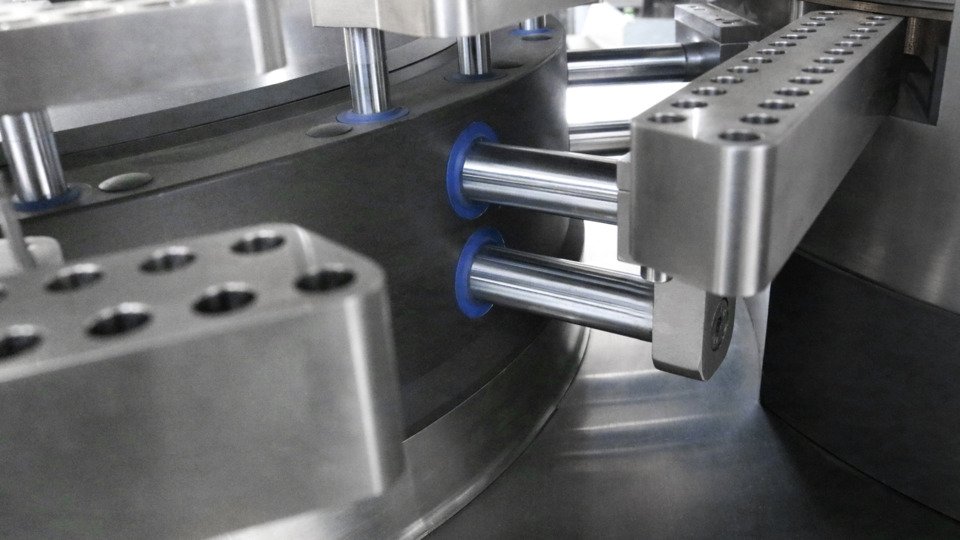
- Nhẫn kín: Kiểm tra các vết nứt, cứng lại, hoặc khoảng trống. Thay nhẫn bị mòn.
- Căn chỉnh đĩa định lượng: Xác nhận đĩa ngồi phẳng và xoay trơn tru.
- Giải phóng mặt bằng đĩa đồng: Duy trì ~0,06 mm giữa các thành phần định lượng, điều chỉnh khi cần thiết cho đặc tính bột.
- Khuôn mòn: Kiểm tra các lỗ sâu răng và thay thế các khuôn bị mòn.
- Tích lũy bột: Loại bỏ cặn từ các rãnh ẩn, chân cắm, và kênh cấp dữ liệu.
Giải quyết tiếng ồn và độ rung
Rung động hoặc tiếng ồn quá mức thường cho thấy sự hao mòn cơ học. Trên một chất độn viên nang, đội bảo trì kiểm tra:
- Vòng bi và bộ truyền động xích: Bôi trơn bằng mỡ thực phẩm, thay thế vòng bi bị hư hỏng.
- Hệ thống cam và ray dẫn hướng: Kiểm tra độ mòn hoặc độ lệch. Áp dụng bôi trơn mục tiêu.
- Điểm bôi trơn: Điều chỉnh ứng dụng dầu mỡ dựa trên phản hồi từ người vận hành.
Ngăn chặn viên nang bay
Ở tốc độ sản xuất cao, viên nang có thể nhảy hoặc cho ăn sai. Các bước bảo trì bao gồm:
- Điều chỉnh áp suất chân không: Tinh chỉnh lực hút để đảm bảo viên nang được chọn một cách nhất quán.
- Kiểm tra tình trạng khuôn: Kiểm tra các vết nứt, mảnh vụn, hoặc các cạnh bị mòn ảnh hưởng đến vị trí viên nang.
- Sắp xếp lại tấm ngăn cách: Đảm bảo khoảng cách thích hợp để chuyển viên nang.
- Đường dẫn chuyển viên nang sạch: Loại bỏ bột hoặc các hạt lạ dọc theo đường ray và băng tải.
- Xác minh cài đặt kích thước viên nang: Xác nhận rằng các thông số định lượng phù hợp với kích thước viên nang để tránh nạp nhầm.
ALT: Kiểm tra vòng đệm thường xuyên hơn
Thực hành vệ sinh để đảm bảo tuân thủ GMP
Khi vấn đề sản xuất đã được khắc phục, duy trì sự ổn định lâu dài phụ thuộc rất nhiều vào kỷ luật vệ sinh. Trong môi trường được quản lý bởi GMP, làm sạch không chỉ là yêu cầu vệ sinh mà còn là hoạt động bảo trì phòng ngừa. Tích tụ bột dư, nguy cơ lây nhiễm chéo, và sự hao mòn của các thành phần ẩn thường được xác định trong quá trình vệ sinh định kỳ.
Làm sạch các bộ phận tiếp xúc của sản phẩm bằng cồn hàng ngày
Người vận hành áp dụng cồn cấp thực phẩm cho mọi bộ phận của chất độn viên nang tiếp xúc với viên nang hoặc bột, bao gồm cả chân cắm, đĩa định lượng, và tấm cạp. Phần còn lại được lau hoặc phun đi, và các bề mặt được chải để đảm bảo không còn cặn tích tụ. Vệ sinh hàng ngày ngăn chặn sự tích tụ nhỏ trở thành tắc nghẽn sản xuất và hỗ trợ dòng chảy viên nang ổn định. Ghi lại từng chu trình làm sạch trong nhật ký bảo trì giúp duy trì sự tuân thủ GMP và cung cấp bằng chứng về Thực hành sản xuất tốt theo tiêu chuẩn dược phẩm (cGMP) thực tiễn kiểm toán Hoa Kỳ.
Làm sạch lỗ khuôn và rãnh ẩn
Lỗ khuôn, vòi phun chân không, và các rãnh hẹp bẫy bột mịn có thể làm thay đổi độ chính xác của liều lượng. Người vận hành kiểm tra các khu vực này vào cuối mỗi đợt, sử dụng bàn chải và khí nén để làm sạch cặn. Đối với bột đặc biệt dính hoặc mài mòn, dọn dẹp thêm được lên kế hoạch trong thời gian nghỉ giữa ca. Cách tiếp cận này duy trì sự phân tách viên nang nhất quán, giảm nguy cơ lây nhiễm chéo, và được đăng nhập dưới bảo trì máy làm viên nang thủ tục, hỗ trợ tuân thủ cả GMP và cGMP.
Tháo gỡ để chuyển đổi hàng loạt
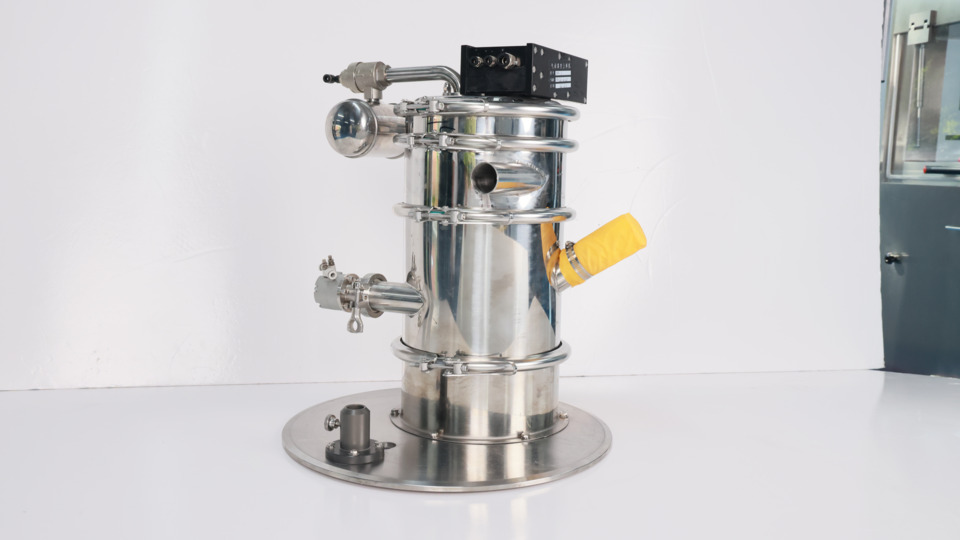
Trong quá trình chuyển đổi hàng loạt, người vận hành tháo rời một phần máy đóng viên nang để truy cập máy xúc chân không, nhẫn niêm phong, và chân cắm. Mỗi bộ phận được làm sạch, được kiểm tra độ mòn, và thay thế nếu cần thiết. Các cơ sở xử lý bột có tính ăn mòn hoặc bụi cao lên lịch vệ sinh và kiểm tra bổ sung. Việc ghi lại các biện pháp can thiệp này đảm bảo rằng chất độn viên nang đáp ứng tiêu chuẩn GMP quốc tế và tuân thủ yêu cầu cGMP của FDA dành cho thị trường Hoa Kỳ. Quy trình làm sạch chi tiết giúp ngăn ngừa lây nhiễm chéo, duy trì trọng lượng viên nang nhất quán, và giảm khả năng bị từ chối hàng loạt hoặc thời gian ngừng hoạt động ngoài dự kiến.
ALT: Máy nạp bột chân không
Phần kết luận
Hiệu quả bảo trì máy làm viên nang được điều khiển bởi tình trạng thiết bị chứ không phải là khoảng thời gian phục vụ cố định. Các triệu chứng ban đầu như thay đổi cân nặng, vấn đề tách viên nang, rò rỉ bột, tiếng ồn bất thường, và việc bay bằng con nhộng thường là dấu hiệu đầu tiên cho thấy cần phải bảo trì. Bằng cách xác định sớm những dấu hiệu cảnh báo này, đội bảo trì có thể giải quyết các nguyên nhân gốc rễ trước khi chúng ảnh hưởng đến chất lượng sản phẩm hoặc hiệu quả sản xuất.
Vệ sinh thường xuyên, bôi trơn thích hợp, kiểm tra thành phần kịp thời, và các hành động khắc phục được ghi lại giúp duy trì máy đóng viên nang hoạt động đáng tin cậy theo yêu cầu của GMP.
Bằng cách kết hợp bảo trì dựa trên điều kiện, Vệ sinh đạt tiêu chuẩn GMP, bôi trơn thích hợp, và trình độ chuyên môn sau bảo trì, các nhà sản xuất có thể cải thiện độ tin cậy của máy làm viên nang, giảm thời gian ngừng hoạt động, và duy trì chất lượng viên nang ổn định trong suốt quá trình sản xuất lâu dài.
Câu hỏi thường gặp
Q1: Bao lâu nên bảo trì máy làm viên nang?
Tần suất bảo trì phụ thuộc vào khối lượng sản xuất và hoạt động của nguyên vật liệu thay vì lịch cố định. Trong hầu hết các dây chuyền sản xuất GMP, Việc vệ sinh hàng ngày được thực hiện sau mỗi đợt đổi ca hoặc đổi ca, đặc biệt là trên các bộ phận tiếp xúc với sản phẩm của máy đóng viên nang. Việc bôi trơn thường được thực hiện 2-3 tháng một lần, nhưng hoạt động tải cao có thể yêu cầu khoảng thời gian ngắn hơn. Cách tiếp cận dựa trên điều kiện thực tế hơn việc lập kế hoạch cứng nhắc.
Q2: Nguyên nhân phổ biến nhất gây rò rỉ bột là gì?
Rò rỉ bột thường xuất phát từ ba khu vực: vòng đệm bị mòn, khe hở không chính xác giữa đĩa đồng và tấm định lượng, hoặc bụi tích tụ bên trong hệ thống khuôn. Khoảng cách tiêu chuẩn thường ở khoảng 0.06 mm, nhưng đặc tính dòng nguyên liệu có thể yêu cầu điều chỉnh. Khi rò rỉ tăng, kỹ thuật viên thường kiểm tra vòng đệm màu xanh trước tiên, sau đó kiểm tra căn chỉnh liều lượng trên chất độn viên nang trước khi điều chỉnh khoảng cách cơ học.
Q3: Những thành phần nào cần được chú ý nhiều nhất trong quá trình bảo trì?
Các bộ phận có độ mài mòn cao bao gồm chốt nén, tấm cạo, vòi phun chân không, và vòng đệm. Những bộ phận này thường xuyên phải chịu ma sát và mài mòn bột. Trên một máy đóng viên nang, mặc không tuân theo một dòng thời gian nghiêm ngặt; thay vì, người vận hành tìm kiếm các dấu hiệu như khó tách viên nang, liều lượng không đồng đều, hoặc mài mòn bề mặt nhìn thấy được. Các chỉ số này được sử dụng để quyết định thời điểm thay thế.
Q4: Bao lâu nên vệ sinh hệ thống chân không và khoang khuôn một cách thường xuyên?
Hệ thống chân không và lỗ khuôn cần được vệ sinh sau mỗi mẻ sản xuất. Bột mịn có xu hướng tích tụ trong các hốc nhỏ, có thể ảnh hưởng đến độ chính xác của việc tách và làm đầy viên nang. Khí nén, làm sạch rượu, và bàn chải mềm thường được sử dụng. Trong một số môi trường sản xuất, đặc biệt là với các vật liệu ăn mòn, việc vệ sinh được thực hiện mỗi khi đổi ca cho chất độn viên nang.
Tham khảo
- CHÚNG TA. Cục Quản lý Thực phẩm và Dược phẩm (FDA). Thực hành sản xuất tốt hiện nay (CGMP) Quy định. Có sẵn tại: https://www.fda.gov/drugs/pharmaceutical-quality-resources/current-good-manufacturing-practice-cgmp-regulations
- Tổ chức Y tế Thế giới (AI). Thực hành sản xuất tốt của WHO đối với các sản phẩm dược phẩm. Có sẵn tại: https://www.who.int/teams/health-product-and-policy-standards/standards-and-specutions/gmp
- Đề án hợp tác thanh tra dược phẩm (PIC/S). Hướng dẫn thực hành tốt sản xuất thuốc. Có sẵn tại: https://piccheme.org/en/publications
- Ủy ban Châu Âu. Khối lượng EudraLex 4: Hướng dẫn của EU về Thực hành Sản xuất Tốt. Có sẵn tại: https://health.ec.europa.eu/medicinal-products/eudralex/eudralex-volume-4_en
- Hiệp hội Kỹ thuật Dược phẩm Quốc tế (ISPE). Hướng dẫn vận hành và chứng nhận. Có sẵn tại: https://ispe.org/publications/guide-documents
- Quốc tế ASTM. Hướng dẫn Tiêu chuẩn về Chứng nhận Thiết bị Dược phẩm. Có sẵn tại: https://www.astm.org