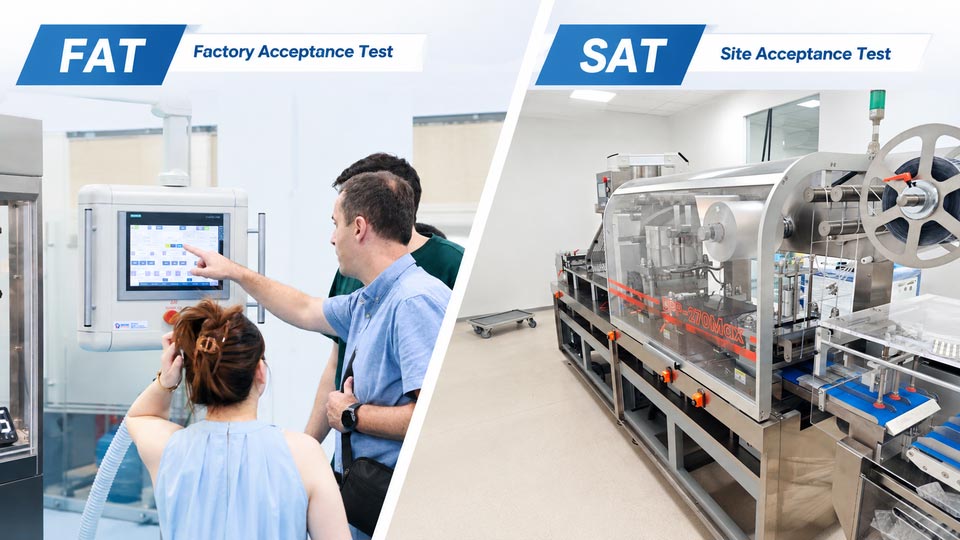
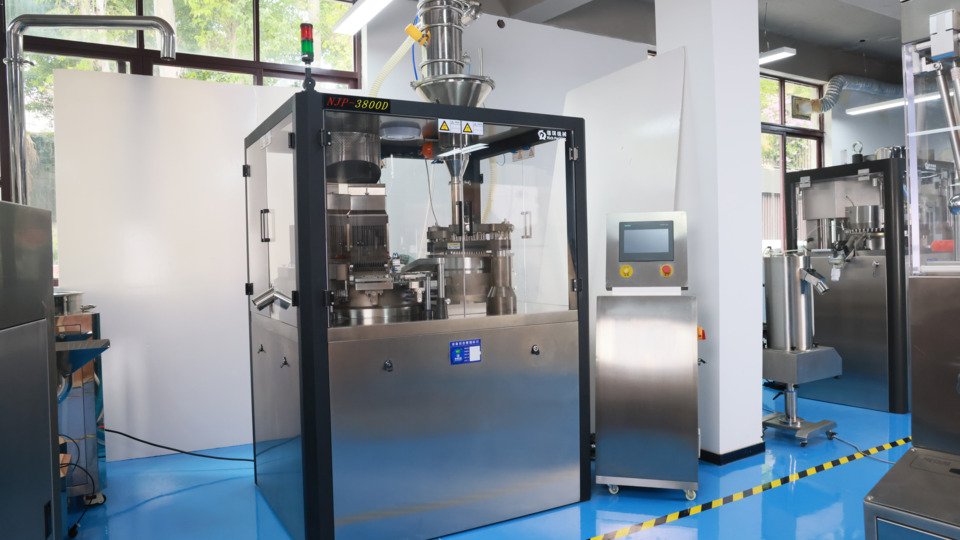
ALTA: Máquina llenadora de cápsulas Ruida Packing
En plantas de producción farmacéutica, Los equipos de mantenimiento aprenden rápidamente que el estado del equipo no sigue ningún calendario fijo.. A máquina llenadora de cápsulas El uso de polvos de hierbas abrasivos puede necesitar servicio después de solo unas pocas campañas., mientras que otras formulaciones de flujo libre pueden permanecer en producción mucho más tiempo antes de que aparezca el desgaste..
Los operadores generalmente detectan cambios tempranos, como separación de cápsulas vacilación, Recolección de polvo alrededor de la estación de dosificación., recogida de vacío más lenta, o bloqueo inconsistente de la cápsula. Estos signos suelen aparecer durante las comprobaciones de lotes., cambios de turno, o limpieza, no durante las ventanas de mantenimiento programadas.
En producción controlada por GMP, El mantenimiento no se limita a reemplazar piezas desgastadas. Prácticas de limpieza, rutinas de lubricación, inspecciones de componentes, y la verificación posterior al mantenimiento contribuyen a la calidad del producto y a la coherencia del proceso..
Esta guía examina mantenimiento de la máquina llenadora de cápsulas desde la perspectiva de los directores de producción, tecnicos de mantenimiento, personal de control de calidad, y equipos de validación. Basándose en observaciones comunes en el taller, Describe cuándo es realmente necesario el mantenimiento., qué componentes merecen la mayor atención, y cómo los requisitos de GMP influyen en las actividades de mantenimiento una vez finalizados los trabajos de servicio..
Síntomas operativos que indican Mantenimiento de la máquina llenadora de cápsulas Se requiere
Mayoría mantenimiento de la máquina llenadora de cápsulas Las actividades no se activan mediante un cronograma de calendario.. En cambio, Los operadores generalmente detectan pequeños cambios de rendimiento durante la producción de rutina antes de que ocurra una falla importante.. en un de alta velocidad máquina llenadora de cápsulas, Los primeros síntomas a menudo aparecen como una variación del peso de llenado., problemas de separación de cápsulas, fuga de polvo, ruido anormal, o inestabilidad de la transferencia de la cápsula.
La identificación temprana de estas señales de advertencia permite a los equipos de mantenimiento realizar tareas específicas. mantenimiento de la máquina llenadora de cápsulas, reducir el tiempo de inactividad no planificado, protegiendo la calidad del lote, y respaldar el cumplimiento de GMP.
| Síntoma | Lo que observan los operadores | Posible enfoque de mantenimiento |
| Variación del peso del relleno | Los pesos de las cápsulas se salen de los límites normales | Pasadores de apisonamiento, disco dosificador, flujo de polvo |
| Problemas de separación de cápsulas | Las cápsulas no se abren constantemente | Sistema de vacío, placa de separación |
| Fuga de polvo | Polvo alrededor de la estación de dosificación | Anillos de sello, desgaste del molde, liquidación de componentes |
| Ruido excesivo | El nivel de ruido aumenta durante el funcionamiento. | Aspectos, transmisiones por cadena, lubricación |
| Vuelo en cápsula | Las cápsulas rebotan o se atascan | Presión de vacío, alineación del molde |
| Tasa de rechazo creciente | Más cápsulas no pasan la inspección | Múltiple llenadora de cápsulas componentes |
Variación del peso del relleno
La variación del peso de llenado es uno de los indicadores más comunes que mantenimiento de la máquina llenadora de cápsulas puede ser necesario. Durante los controles rutinarios durante el proceso, Los operadores pueden notar que los pesos de las cápsulas se alejan gradualmente de los objetivos de producción establecidos..
en un máquina llenadora de cápsulas, Esta condición a menudo se asocia con el desgaste del pasador de apisonamiento., deterioro del disco dosificador, flujo de polvo inconsistente, o desviación de la alineación del molde. Si no se corrige, La variación de peso puede aumentar las tasas de rechazo y crear preocupaciones sobre el cumplimiento de las GMP durante la revisión del lote..
Problemas de separación de cápsulas
Los problemas de separación de cápsulas frecuentemente indican que se están desarrollando problemas en el sistema de vacío dentro de un llenadora de cápsulas. Los operadores pueden observar cápsulas que permanecen parcialmente conectadas., apertura retrasada de la cápsula, o estaciones vacías ocasionales durante la producción.
Las causas comunes incluyen boquillas de aspiración bloqueadas., presión de vacío inestable, sellos desgastados, o desalineación de la placa de separación. La investigación temprana ayuda a prevenir interrupciones mayores en la producción y reduce la probabilidad de una emergencia. mantenimiento de la máquina llenadora de cápsulas.
Fuga de polvo alrededor del área de dosificación
Las fugas de polvo a menudo se desarrollan gradualmente y comúnmente se detectan durante las actividades de limpieza de rutina o de limpieza de líneas.. La acumulación de polvo fino alrededor de la estación de dosificación puede indicar anillos de sellado desgastados., holgura excesiva del disco de cobre, desalineación del disco dosificador, o desgaste del molde.
Porque las fugas de polvo afectan tanto el rendimiento del producto como los requisitos de limpieza GMP, generalmente se trata como una prioridad alta mantenimiento de la máquina llenadora de cápsulas asunto.
Ruido y vibración excesivos
Los cambios en el ruido de funcionamiento pueden proporcionar una advertencia temprana de que los componentes mecánicos requieren atención.. Muchos equipos de mantenimiento comienzan a investigar cuando los niveles de ruido exceden las condiciones normales de funcionamiento o cuando la vibración se vuelve perceptible durante la producción a alta velocidad..
Aspectos, transmisiones por cadena, sistemas de levas, rieles guía, y los puntos de lubricación son áreas de inspección comunes en un máquina llenadora de cápsulas. Abordar estos problemas a tiempo ayuda a prevenir daños secundarios y prolonga la vida útil del equipo..
Inestabilidad de transferencia y vuelo de cápsulas
El vuelo de cápsulas es otro síntoma que frecuentemente desencadena mantenimiento de la máquina llenadora de cápsulas. Los operadores pueden notar cápsulas rebotando en las rutas de transferencia, aterrizar incorrectamente en los agujeros del molde, o volverse inestable a velocidades de producción más altas.
Este comportamiento suele estar relacionado con el desequilibrio del vacío., desgaste del molde, Problemas de alineación de la placa de separación., o contaminación dentro de los canales de transferencia de cápsulas. La corrección de estas condiciones mejora la estabilidad en el manejo de las cápsulas y reduce la pérdida de producto..
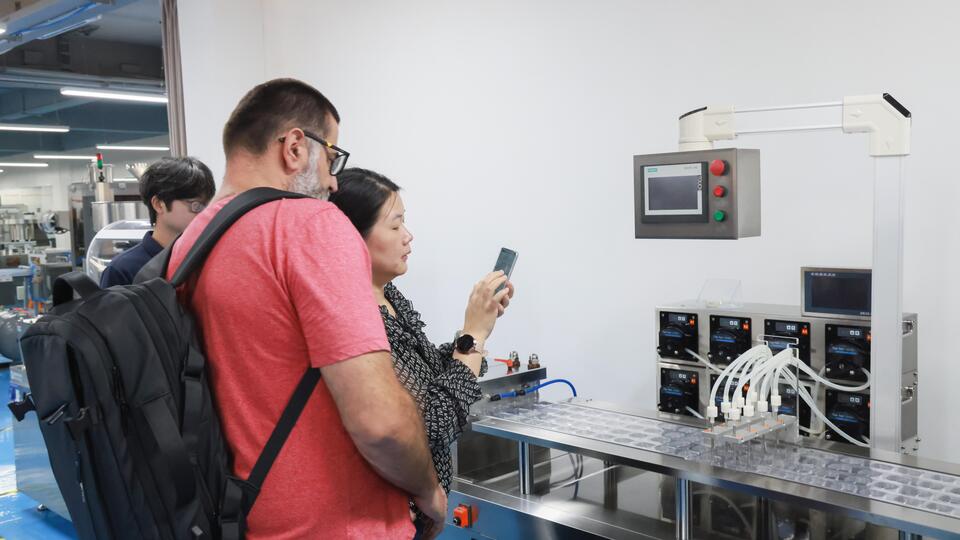
ALTA: Estación dispensadora de cápsulas
Cómo resolver problemas comunes de las máquinas llenadoras de cápsulas
Después de identificar síntomas operativos en un máquina llenadora de cápsulas, Los equipos de mantenimiento se centran en localizar las causas fundamentales y aplicar acciones correctivas para mantener Cumplimiento de las GMP. Cada intervención se registra en el registros de mantenimiento del llenador de cápsulas para garantizar la trazabilidad y reducir la variación de lotes.
| Síntoma de producción | Causa probable | Acción de mantenimiento recomendada |
| Variación del peso del relleno | Pasadores desgastados, desgaste del disco dosificador, inestabilidad del flujo de polvo | Inspeccionar el sistema de dosificación., reemplazar componentes desgastados, recalibrar los parámetros de la máquina |
| Problemas de separación de cápsulas | Bloqueo de vacío, presión de vacío inestable, desalineación de la placa de separación | Limpiar las boquillas de aspiración, inspeccionar tuberías, ajustar la posición de la placa de separación |
| Fuga de polvo | Desgaste del anillo de sellado, holgura excesiva del disco de cobre, desalineación del disco dosificador | Reemplace los anillos de sello, ajustar la holgura del disco de cobre, inspeccionar el desgaste del molde |
| Vibración o ruido excesivos | Desgaste de rodamientos, problemas de transmisión por cadena, lubricación insuficiente | Inspeccionar el sistema de transmisión, lubricar las piezas móviles, reemplazar componentes dañados |
| Vuelo en cápsula | Desequilibrio del vacío, desgaste del molde, contaminación por transferencia de cápsulas | Ajustar la presión de vacío, canales de transferencia limpios, verificar la condición del molde |
Corrección de la variación del peso de llenado
El peso inestable de la cápsula es uno de los problemas más frecuentes. Técnicos en un máquina llenadora de cápsulas inspeccionar:
- Pasadores de apisonamiento: Compruebe si hay superficies irregulares o erosión en la punta.. Los pasadores desgastados se reemplazan para restaurar una fuerza de apisonamiento constante..
- Discos dosificadores: Examine los discos en busca de residuos de polvo o ranuras.. El pulido ligero puede restaurar el flujo del polvo; Se reemplazan los discos muy desgastados.. Para productos herbarios, mantener una desviación de peso de ±3%; para validado formulaciones farmaceuticas, el control es más estricto a ±2%.
- Flujo de polvo: Monitorear para detectar puentes o adherencias. Ajustar la velocidad de avance, vibración de la tolva, o velocidad del agitador para garantizar una entrega uniforme del polvo.
- Alineación del molde: Los moldes desalineados reducen la precisión de la dosificación. Ajuste las placas del molde y verifique el asiento de la cápsula..
- Configuración de parámetros de la máquina: Confirmar velocidad, profundidad de apisonamiento, y los volúmenes de dosificación coinciden con las recetas validadas. Ajustes de documentos para soportar Cumplimiento de las GMP.
Restauración del rendimiento del vacío
Los problemas de separación de cápsulas a menudo se deben a fallas en el sistema de vacío. Operadores en un máquina llenadora de cápsulas:
- Boquillas de aspiración limpias: Elimine la acumulación de polvo con cepillos o aire comprimido..
- Borrar bloqueos: Inspeccionar tuberías y conexiones en busca de obstrucciones..
- Verifique el rendimiento de la bomba de vacío: Garantizar la presión y los caudales adecuados.
- Alinear placas de separación: Ajuste las placas para mantener la precisión de recogida de la cápsula..
- Monitorear durante las ejecuciones por lotes: Pequeños ajustes antes de que se detenga la producción pueden evitar tiempos de inactividad mayores.
Eliminación de fugas de polvo
La fuga de polvo afecta tanto a la calidad del producto como Cumplimiento de las GMP. Los operadores se centran en:
- Anillos de sello: Inspeccionar en busca de grietas, endurecimiento, o lagunas. Reemplace los anillos desgastados.
- Alineación del disco de dosificación: Confirme que los discos queden al ras y giren suavemente.
- Liquidación del disco de cobre: Mantenga ~0,06 mm entre los componentes de dosificación, ajustar según sea necesario para las características del polvo.
- Desgaste del molde: Inspeccionar cavidades y reemplazar moldes desgastados..
- Acumulación de polvo: Elimina residuos de ranuras ocultas., pasadores de apisonamiento, y canales de alimentación.
Resolución de ruido y vibración
La vibración o el ruido excesivos a menudo indican desgaste mecánico.. en un llenadora de cápsulas, control de equipos de mantenimiento:
- Rodamientos y transmisiones por cadena: Lubricar con grasa de calidad alimentaria., reemplazar rodamientos dañados.
- Sistemas de levas y rieles guía: Inspeccione si hay desgaste o desalineación.. Aplicar lubricación específica.
- Puntos de lubricación: Ajuste la aplicación de grasa según los comentarios de los operadores..
Prevención del vuelo de cápsulas
A altas velocidades de producción, las cápsulas pueden saltar o atascarse. Los pasos de mantenimiento incluyen:
- Ajustar la presión de vacío: Ajuste la succión para garantizar que las cápsulas se recojan de manera consistente.
- Inspeccionar la condición del molde: comprobar si hay grietas, escombros, o bordes desgastados que afectan la colocación de la cápsula.
- Realinear las placas de separación: Asegúrese de que haya un espacio adecuado para la transferencia de cápsulas..
- Rutas de transferencia de cápsulas limpias: Elimina polvo o partículas extrañas a lo largo de rieles y transportadores..
- Verificar la configuración del tamaño de la cápsula: Confirme que los parámetros de dosificación coincidan con las dimensiones de la cápsula para evitar atascos.
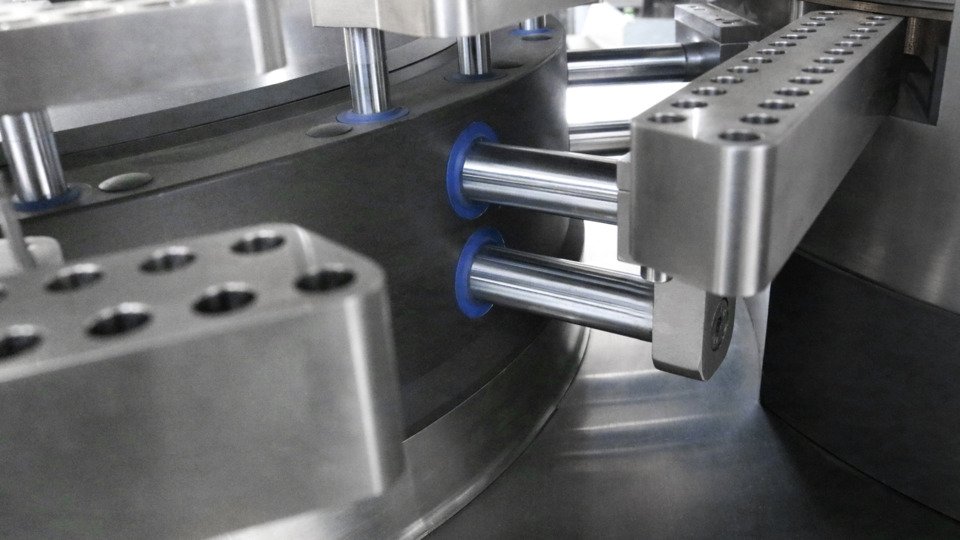
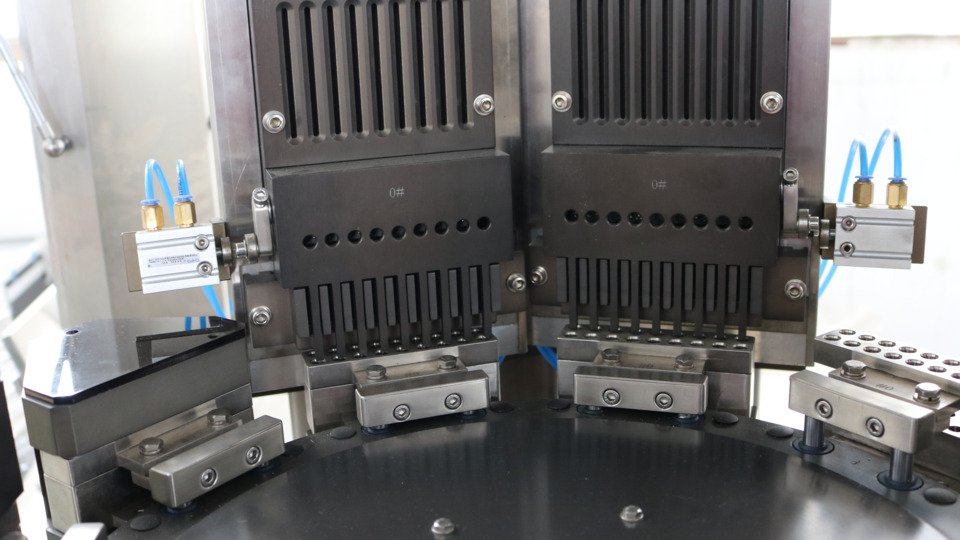
ALTA: Inspeccione los anillos de sello con más frecuencia
Prácticas de limpieza para garantizar el cumplimiento de las GMP
Una vez corregidos los problemas de producción, Mantener la estabilidad a largo plazo depende en gran medida de la disciplina de limpieza.. En entornos regulados por GMP, La limpieza no es sólo un requisito de higiene sino también una actividad de mantenimiento preventivo.. Acumulación de polvo residual, riesgos de contaminación cruzada, y el desgaste de componentes ocultos a menudo se identifica durante los procedimientos de limpieza de rutina.
Limpieza diaria con alcohol de las piezas en contacto con el producto
Los operadores aplican alcohol de calidad alimentaria a cada parte del llenadora de cápsulas que entra en contacto con cápsulas o polvo, incluyendo pasadores de apisonamiento, discos dosificadores, y placas raspadoras. Los residuos se limpian o se rocían., y las superficies se cepillan para garantizar que no queden restos de acumulación.. La limpieza diaria evita que acumulaciones menores se conviertan en cuellos de botella en la producción y favorece un flujo constante de cápsulas.. Documentar cada ciclo de limpieza en registros de mantenimiento ayuda a mantener el cumplimiento de las GMP y proporciona evidencia de cGMP prácticas para auditorías de EE. UU..
Limpieza de orificios del molde y ranuras ocultas
Agujeros del molde, boquillas de vacío, y las ranuras estrechas atrapan el polvo fino que puede alterar la precisión de la dosificación. Los operadores inspeccionan estas áreas al final de cada lote., Utilizar cepillos y aire comprimido para eliminar los residuos.. Para polvos especialmente pegajosos o abrasivos, Se programa limpieza adicional durante los descansos del turno.. Este enfoque mantiene una separación constante de las cápsulas., reduce el riesgo de contaminación cruzada, y está registrado en mantenimiento de la máquina llenadora de cápsulas procedimientos, compatible con el cumplimiento de GMP y cGMP.
Desmontaje para cambio de lote
Durante el cambio de lote, Los operadores desmontan parcialmente el máquina llenadora de cápsulas para acceder a cargadores de vacío, anillos de sello, y pasadores de apisonamiento. Cada parte se limpia, inspeccionado por desgaste, y reemplazado si es necesario. Las instalaciones que procesan polvos corrosivos o con alto contenido de polvo programan limpiezas y controles adicionales. El registro de estas intervenciones garantiza que el llenadora de cápsulas Cumple con los estándares internacionales GMP y cumple con los requisitos cGMP de la FDA para los mercados de EE. UU.. La detallada rutina de limpieza evita la contaminación cruzada., mantiene un peso constante de la cápsula, y reduce la probabilidad de rechazo de lotes o tiempo de inactividad no planificado.
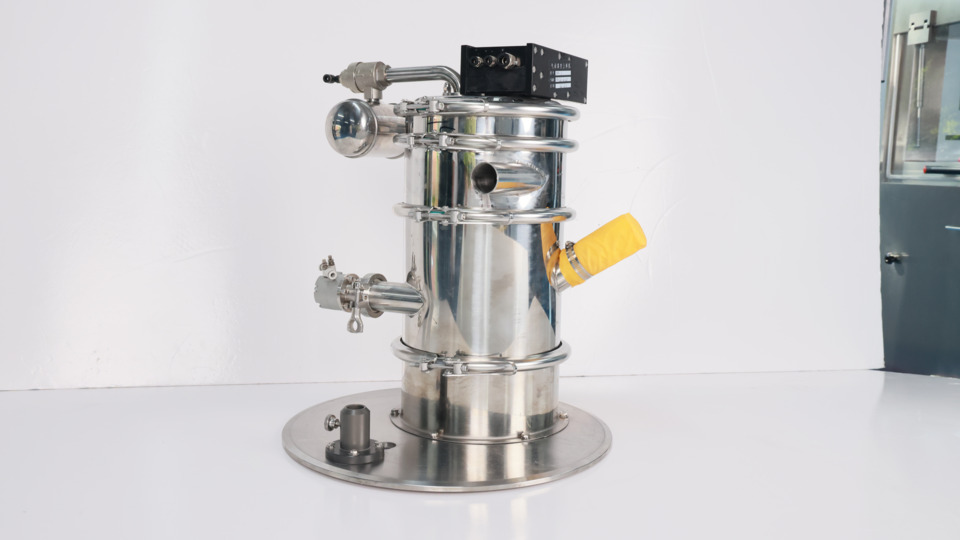
ALTA: Cargador de polvo al vacío
Conclusión
Eficaz mantenimiento de la máquina llenadora de cápsulas está impulsado por la condición del equipo en lugar de por intervalos de servicio fijos. Síntomas tempranos, como variación del peso de llenado., problemas de separación de cápsulas, fuga de polvo, ruido anormal, y el vuelo en cápsulas a menudo proporciona la primera indicación de que se requiere mantenimiento. Al identificar estas señales de advertencia tempranamente, Los equipos de mantenimiento pueden abordar las causas fundamentales antes de que afecten la calidad del producto o la eficiencia de la producción..
Limpieza regular, lubricación adecuada, inspección oportuna de componentes, y las acciones correctivas documentadas ayudan a mantener un máquina llenadora de cápsulas operando de manera confiable según los requisitos GMP.
Combinando el mantenimiento basado en la condición, Limpieza conforme a GMP, lubricación adecuada, y calificación post-mantenimiento, Los fabricantes pueden mejorar la confiabilidad de la máquina llenadora de cápsulas., reducir el tiempo de inactividad, y mantener una calidad constante de las cápsulas durante la producción a largo plazo.
PREGUNTAS FRECUENTES
Q1: ¿Con qué frecuencia se debe realizar el mantenimiento de una máquina llenadora de cápsulas??
La frecuencia del mantenimiento depende de la carga de producción y del comportamiento del material en lugar de un calendario fijo.. En la mayoría de las líneas de producción GMP, La limpieza diaria se realiza después de cada cambio de lote o turno., especialmente en las partes del producto que entran en contacto con el producto. máquina llenadora de cápsulas. La lubricación suele realizarse cada 2 o 3 meses., pero las operaciones de carga alta pueden requerir intervalos más cortos. Un enfoque basado en condiciones es más práctico que una programación rígida.
Q2: ¿Cuáles son las causas más comunes de fuga de polvo??
Las fugas de polvo suelen proceder de tres zonas: anillos de sellado desgastados, Juego incorrecto entre el disco de cobre y la placa dosificadora., o acumulación de polvo dentro del sistema de molde. La brecha estándar es a menudo alrededor 0.06 milímetros, pero las propiedades de flujo de material pueden requerir ajustes. Cuando aumenta la fuga, Los técnicos suelen inspeccionar primero el anillo de sellado azul., luego verifique la alineación de dosificación en el llenadora de cápsulas antes de ajustar el espaciado mecánico.
Q3: ¿Qué componentes requieren más atención durante el mantenimiento??
Los componentes de alto desgaste incluyen pasadores de apisonamiento., placas raspadoras, boquillas de vacío, y anillos de sellado. Estas piezas están constantemente expuestas a la fricción y a la abrasión del polvo.. en un máquina llenadora de cápsulas, el uso no sigue un cronograma estricto; en cambio, Los operadores buscan señales como dificultad para separar las cápsulas., dosificación desigual, o desgaste superficial visible. Estos indicadores se utilizan para decidir el momento del reemplazo..
Q4: ¿Con qué frecuencia se deben limpiar los sistemas de vacío y las cavidades del molde??
Los sistemas de vacío y los orificios del molde requieren limpieza después de cada lote de producción.. El polvo fino tiende a acumularse en pequeñas cavidades., lo que puede afectar la separación de cápsulas y la precisión del llenado. aire comprimido, limpieza con alcohol, y se utilizan comúnmente cepillos suaves. En algunos entornos de producción, especialmente con materiales corrosivos, La limpieza se realiza en cada cambio de turno para el llenadora de cápsulas.
Referencias
- A NOSOTROS. Administración de Alimentos y Medicamentos (FDA). Buenas prácticas de fabricación actuales (CGMP) Reglamentos. Disponible en: https://www.fda.gov/drugs/pharmaceutical-quality-resources/current-good-manufacturing-practice-cgmp-regulations
- Organización Mundial de la Salud (OMS). Buenas prácticas de fabricación de productos farmacéuticos de la OMS. Disponible en: https://www.who.int/teams/health-product-and-policy-standards/standards-and-specifications/gmp
- Plan de cooperación en materia de inspección farmacéutica (FOTO/S). Guía de buenas prácticas de fabricación de medicamentos. Disponible en: https://picscheme.org/en/publicaciones
- Comisión Europea. Volumen EudraLex 4: Directrices de la UE para buenas prácticas de fabricación. Disponible en: https://health.ec.europa.eu/medicinal-products/eudralex/eudralex-volume-4_en
- Sociedad Internacional de Ingeniería Farmacéutica (ISPE). Pautas de puesta en servicio y calificación. Disponible en: https://ispe.org/publications/guidance-documents
- ASTM Internacional. Guía estándar para la calificación de equipos farmacéuticos. Disponible en: https://www.astm.org