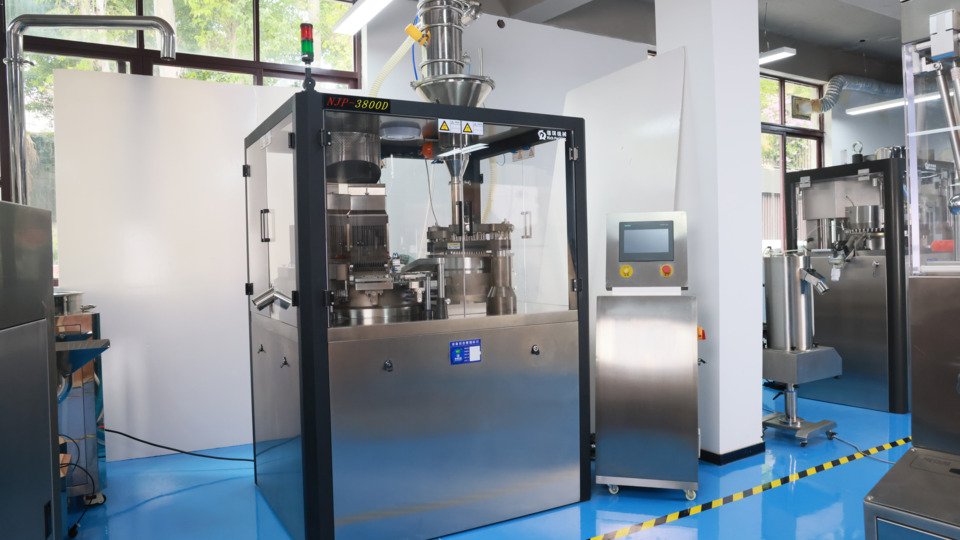
ALT: Ruida Verpakkingscapsule vulmachine
Op farmaceutische productievloeren, Onderhoudsteams komen er snel achter dat de staat van de apparatuur geen vaste kalender volgt. A capsule vulmachine Het gebruik van schurende kruidenpoeders kan na slechts een paar campagnes onderhoud nodig hebben, terwijl andere, vrij stromende formuleringen veel langer in productie kunnen blijven voordat er slijtage optreedt.
Operators pikken meestal vroege veranderingen op, zoals capsule scheiding aarzeling, poeder verzamelt zich rond het doseerstation, langzamere vacuümopname, of inconsistente capsulevergrendeling. Deze symptomen verschijnen meestal tijdens batchcontroles, ploegwisselingen, of schoonmaken – niet tijdens geplande onderhoudsperioden.
In GMP-gecontroleerde productie, onderhoud beperkt zich niet tot het vervangen van versleten onderdelen. Reinigingspraktijken, smeerroutines, componentinspecties, en verificatie na onderhoud dragen allemaal bij aan de productkwaliteit en procesconsistentie.
Deze gids onderzoekt Onderhoud van capsulevulmachines vanuit het perspectief van productiemanagers, onderhoudstechnici, QA-personeel, en validatieteams. Gebaseerd op algemene observaties op de werkvloer, het schetst wanneer onderhoud echt nodig is, welke componenten verdienen de meeste aandacht, en hoe GMP-vereisten de onderhoudsactiviteiten beïnvloeden nadat de onderhoudswerkzaamheden zijn voltooid.
Operationele symptomen die daarop wijzen Onderhoud van capsulevulmachines Is vereist
Meest Onderhoud van capsulevulmachines activiteiten worden niet geactiveerd door een kalenderschema. In plaats van, Operators detecteren gewoonlijk kleine prestatieveranderingen tijdens routinematige productie voordat er een grote storing optreedt. Op een hoge snelheid capsule vulmachine, vroege symptomen verschijnen vaak als variatie in het vulgewicht, Problemen met het scheiden van capsules, poeder lekkage, abnormaal geluid, of instabiliteit van de capsuleoverdracht.
Door deze waarschuwingssignalen vroegtijdig te identificeren, kunnen onderhoudsteams doelgericht optreden Onderhoud van capsulevulmachines, het verminderen van ongeplande downtime, het beschermen van de batchkwaliteit, en het ondersteunen van GMP-naleving.
| Symptoom | Wat operators waarnemen | Mogelijke onderhoudsfocus |
| Variatie in vulgewicht | Capsulegewichten drijven buiten de normale grenzen | Aanstampende pinnen, doseerschijf, poeder stroom |
| Problemen met het scheiden van capsules | Capsules gaan niet consistent open | Vacuümsysteem, scheidingsplaat |
| Poederlekkage | Poeder rond doseerstation | Afdichtingsringen, schimmel slijtage, speling van componenten |
| Overmatig lawaai | Het geluidsniveau neemt toe tijdens bedrijf | Lagers, ketting aandrijvingen, smering |
| Capsule vliegen | Capsules stuiteren of worden verkeerd ingevoerd | Vacuüm druk, uitlijning van de mal |
| Stijgend afwijzingspercentage | Meer capsules falen bij de inspectie | Meerdere capsulevuller componenten |
Variatie in vulgewicht
Variatie in vulgewicht is een van de meest voorkomende indicatoren Onderhoud van capsulevulmachines kan nodig zijn. Tijdens routinematige controles tijdens het proces, Operators kunnen merken dat de capsulegewichten geleidelijk afwijken van de vastgestelde productiedoelstellingen.
Op een capsule vulmachine, deze aandoening wordt vaak geassocieerd met slijtage van de stoppen, verslechtering van de doseerschijf, inconsistente poederstroom, of uitlijningsdrift van de mal. Indien niet gecorrigeerd, Gewichtsvariatie kan het afkeuringspercentage doen toenemen en GMP-nalevingsproblemen veroorzaken tijdens batchbeoordeling.
Problemen met het scheiden van capsules
Problemen met het scheiden van capsules duiden vaak op het ontwikkelen van problemen met het vacuümsysteem binnen een capsulevuller. Operators kunnen waarnemen dat capsules gedeeltelijk verbonden blijven, vertraagde opening van de capsule, of af en toe lege stations tijdens de productie.
Veel voorkomende oorzaken zijn verstopte zuigmonden, onstabiele vacuümdruk, versleten afdichtingen, of verkeerde uitlijning van de scheidingsplaat. Vroegtijdig onderzoek helpt grotere productieonderbrekingen te voorkomen en verkleint de kans op noodsituaties Onderhoud van capsulevulmachines.
Poederlekkage rond het doseergebied
Poederlekkage ontstaat vaak geleidelijk en wordt vaak ontdekt tijdens routinematige reinigings- of leidingreinigingsactiviteiten. Ophoping van fijn poeder rond het doseerstation kan duiden op versleten afdichtingsringen, overmatige speling van de koperen schijf, verkeerde uitlijning van de doseerschijf, of schimmelslijtage.
Omdat poederlekkage zowel de productopbrengst als de GMP-reinheidsvereisten beïnvloedt, het wordt meestal behandeld als een hoge prioriteit Onderhoud van capsulevulmachines probleem.
Overmatig lawaai en trillingen
Veranderingen in het bedrijfsgeluid kunnen een vroege waarschuwing geven dat mechanische componenten aandacht vereisen. Veel onderhoudsteams beginnen met onderzoeken wanneer het geluidsniveau de normale bedrijfsomstandigheden overschrijdt of wanneer trillingen merkbaar worden tijdens productie op hoge snelheid.
Lagers, ketting aandrijvingen, cam systemen, geleiderails, en smeerpunten zijn gebruikelijke inspectiegebieden op a capsule vulmachine. Door deze problemen vroegtijdig aan te pakken, wordt secundaire schade voorkomen en wordt de levensduur van de apparatuur verlengd.
Capsulevliegen en transferinstabiliteit
Capsulevliegen is een ander symptoom dat vaak voorkomt Onderhoud van capsulevulmachines. Operators kunnen merken dat capsules uit de overdrachtpaden stuiteren, verkeerd terechtkomen in schimmelgaten, of onstabiel worden bij hogere productiesnelheden.
Dit gedrag houdt vaak verband met een onbalans in het vacuüm, schimmel slijtage, Problemen met de uitlijning van de scheidingsplaten, of besmetting binnen capsuleoverdrachtkanalen. Het corrigeren van deze omstandigheden verbetert de stabiliteit bij het hanteren van capsules en vermindert productverlies.
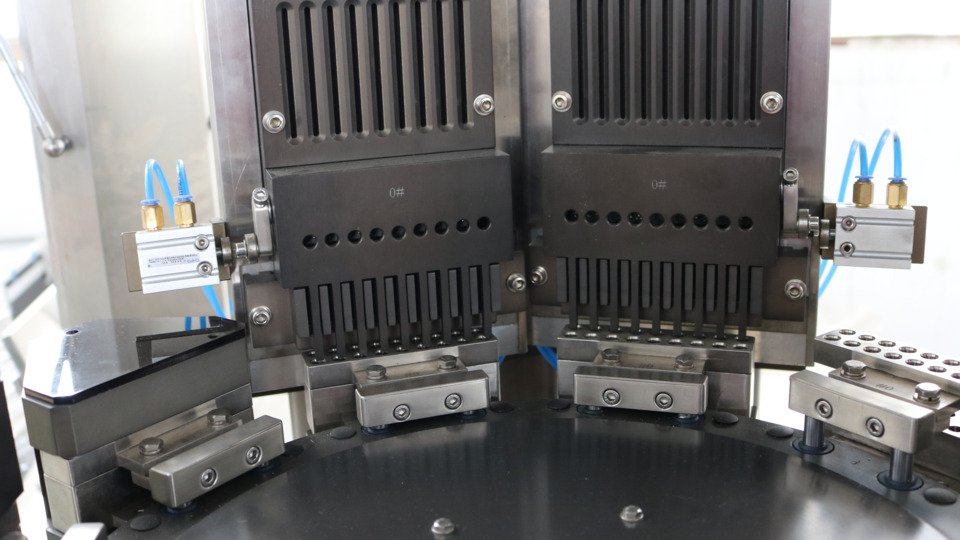
ALT: Capsule-uitgiftestation
Hoe u veelvoorkomende problemen met de capsulevulmachine kunt oplossen
Na het identificeren van operationele symptomen op a capsule vulmachine, Onderhoudsteams concentreren zich op het opsporen van de hoofdoorzaken en het toepassen van corrigerende maatregelen om het onderhoud te herstellen GMP-naleving. Elke interventie wordt geregistreerd in het Onderhoudsgegevens voor capsulevuller om de traceerbaarheid te garanderen en batchvariatie te verminderen.
| Productie symptoom | Waarschijnlijke oorzaak | Aanbevolen onderhoudsactie |
| Variatie in vulgewicht | Versleten stoppennen, slijtage van de doseerschijf, instabiliteit van de poederstroom | Inspecteer het doseersysteem, vervang versleten onderdelen, Machineparameters opnieuw kalibreren |
| Problemen met het scheiden van capsules | Vacuüm verstopping, onstabiele vacuümdruk, verkeerde uitlijning van de scheidingsplaat | Zuigmonden reinigen, pijpleidingen inspecteren, pas de positie van de scheidingsplaat aan |
| Poeder lekkage | Slijtage van de afdichtingsring, overmatige speling van de koperen schijf, verkeerde uitlijning van de doseerschijf | Afdichtingsringen vervangen, pas de speling van de koperen schijf aan, schimmelslijtage inspecteren |
| Overmatige trillingen of lawaai | Slijtage van lagers, problemen met de kettingaandrijving, onvoldoende smering | Transmissiesysteem inspecteren, bewegende delen smeren, beschadigde onderdelen vervangen |
| Capsule vliegen | Vacuümonbalans, schimmel slijtage, besmetting van capsuleoverdracht | Pas de vacuümdruk aan, schone overdrachtskanalen, controleer de staat van de schimmel |
Variatie in vulgewicht corrigeren
Een onstabiel capsulegewicht is een van de meest voorkomende problemen. Technici op een capsule vulmachine inspecteren:
- Aanstampende pinnen: Controleer op oneffen oppervlakken of punterosie. Versleten pinnen worden vervangen om de consistente aanstamkracht te herstellen.
- Doseerschijven: Onderzoek de schijven op poederresten of groeven. Licht polijsten kan de poederstroom herstellen; ernstig versleten schijven worden vervangen. Voor kruiden producten, behoud ±3% gewichtsafwijking; voor gevalideerd farmaceutische formuleringen, controle is strakker bij ±2%.
- Poederstroom: Monitor op overbruggen of plakken. Pas de voedingssnelheid aan, trillingen van de trechter, of roersnelheid om een gelijkmatige poederafgifte te garanderen.
- Vormuitlijning: Slecht uitgelijnde mallen verminderen de doseernauwkeurigheid. Pas de vormplaten aan en controleer de plaatsing van de capsule.
- Machineparameterinstellingen: Bevestig snelheid, aanstampen diepte, en doseervolumes komen overeen met gevalideerde recepten. Documenteer aanpassingen ter ondersteuning GMP-naleving.
Herstel van vacuümprestaties
Problemen met het scheiden van capsules zijn vaak het gevolg van fouten in het vacuümsysteem. Operatoren op a capsule vulmachine:
- Reinig de zuigmonden: Verwijder poederophoping met behulp van borstels of perslucht.
- Verwijder blokkades: Inspecteer pijpleidingen en aansluitingen op obstakels.
- Controleer de prestaties van de vacuümpomp: Zorg voor de juiste druk en stroomsnelheden.
- Lijn de scheidingsplaten uit: Pas de platen aan om de nauwkeurigheid van de capsuleopname te behouden.
- Monitoren tijdens batchruns: Kleine aanpassingen voordat de productie stopt, kunnen grotere downtime voorkomen.
Het elimineren van poederlekkage
Poederlekkage beïnvloedt zowel de productkwaliteit als de productkwaliteit GMP-naleving. Exploitanten richten zich op:
- Zegelringen: Inspecteer op scheuren, verharding, of gaten. Vervang versleten ringen.
- Uitlijning van doseerschijven: Controleer of de schijven vlak liggen en soepel draaien.
- Koperen schijfvrijheid: Houd ~0,06 mm aan tussen de doseercomponenten, pas indien nodig aan voor poedereigenschappen.
- Schimmelslijtage: Inspecteer holtes en vervang versleten mallen.
- Poederaccumulatie: Verwijder resten uit verborgen groeven, aanstampende pinnen, en voedingskanalen.
Geluid en trillingen oplossen
Overmatige trillingen of lawaai duiden vaak op mechanische slijtage. Op een capsulevuller, onderhoudsteams controleren:
- Lagers en kettingaandrijvingen: Smeer met voedselveilig vet, beschadigde lagers vervangen.
- Camsystemen en geleiderails: Inspecteer op slijtage of verkeerde uitlijning. Breng doelgerichte smering aan.
- Smeerpunten: Pas de vettoepassing aan op basis van feedback van operators.
Voorkomen dat capsules vliegen
Bij hoge productiesnelheden, capsules kunnen springen of verkeerd worden ingevoerd. Onderhoudsstappen omvatten:
- Pas de vacuümdruk aan: Stel de zuigkracht nauwkeurig af om ervoor te zorgen dat de capsules consistent worden opgepakt.
- Inspecteer de staat van de mal: Controleer op scheuren, brokstukken, of versleten randen die de plaatsing van de capsule beïnvloeden.
- Lijn de scheidingsplaten opnieuw uit: Zorg voor de juiste afstand voor de capsuleoverdracht.
- Reinig de capsuleoverdrachtpaden: Verwijder poeder of vreemde deeltjes langs rails en transportbanden.
- Controleer de instellingen voor de capsulegrootte: Controleer of de doseerparameters overeenkomen met de capsuleafmetingen om verkeerd invoeren te voorkomen.
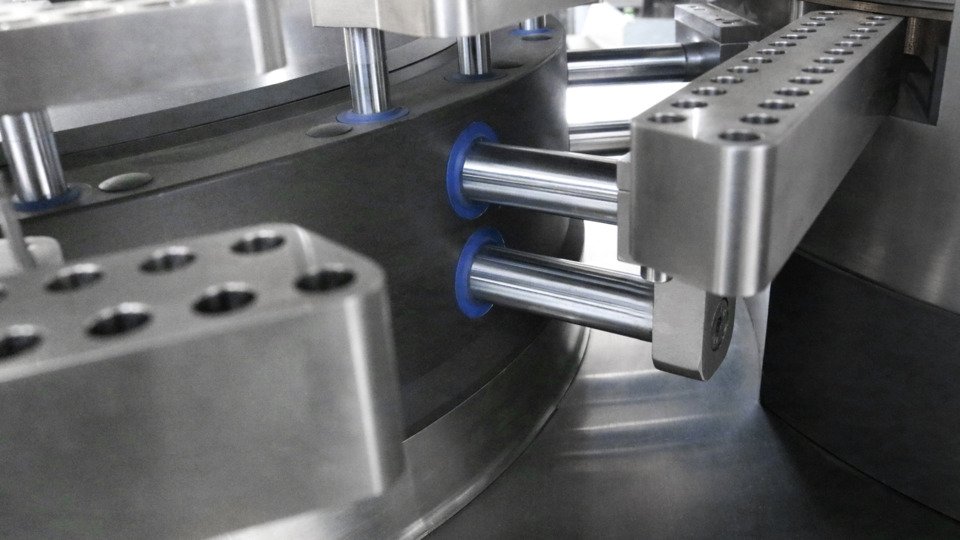
ALT: Inspecteer de afdichtingsringen vaker
Reinigingspraktijken om GMP-naleving te garanderen
Zodra de productieproblemen zijn verholpen, Het behouden van stabiliteit op de lange termijn hangt sterk af van de schoonmaakdiscipline. In GMP-gereguleerde omgevingen, schoonmaken is niet alleen een hygiënevereiste, maar ook een preventieve onderhoudsactiviteit. Resterende poederophoping, kruisbesmettingsrisico's, en verborgen slijtage van onderdelen worden vaak ontdekt tijdens routinematige reinigingsprocedures.
Dagelijkse alcoholreiniging van productcontactonderdelen
Exploitanten passen alcohol van voedingskwaliteit toe op elk onderdeel van de capsulevuller dat in contact komt met capsules of poeder, inclusief aanstamppennen, doseerschijven, en schraperplaten. Residu wordt weggeveegd of weggespoten, en oppervlakken worden geborsteld om ervoor te zorgen dat er geen opbouw achterblijft. Dagelijkse reiniging voorkomt dat kleine ophopingen in productieknelpunten veranderen en ondersteunt een consistente capsulestroom. Het documenteren van elke reinigingscyclus in onderhoudslogboeken helpt bij het handhaven van GMP-naleving en levert bewijs hiervan cGMP praktijken voor Amerikaanse audits.
Reiniging van malgaten en verborgen groeven
Schimmel gaten, vacuüm mondstukken, en smalle groeven vangen fijn poeder op, wat de doseernauwkeurigheid kan veranderen. Operators inspecteren deze gebieden aan het einde van elke batch, gebruik borstels en perslucht om resten te verwijderen. Voor bijzonder kleverige of schurende poeders, Tijdens de pauzes wordt er extra schoongemaakt. Deze aanpak handhaaft een consistente capsulescheiding, vermindert het risico op kruisbesmetting, en is ingelogd Onderhoud van capsulevulmachines procedures, ondersteuning van zowel GMP- als cGMP-naleving.
Demontage voor batchwisseling
Tijdens batchwisseling, operators demonteren de capsule vulmachine om toegang te krijgen tot vacuümladers, afdichtingsringen, en aanstamppennen. Elk onderdeel wordt gereinigd, gecontroleerd op slijtage, en indien nodig vervangen. Faciliteiten die corrosieve of stoffige poeders verwerken, plannen extra reiniging en controles. Het loggen van deze interventies zorgt ervoor dat de capsulevuller voldoet aan de internationale GMP-normen en voldoet aan de cGMP-vereisten van de FDA voor Amerikaanse markten. De gedetailleerde reinigingsroutine voorkomt kruisbesmetting, behoudt een consistent capsulegewicht, en vermindert de kans op batchafkeuring of ongeplande downtime.
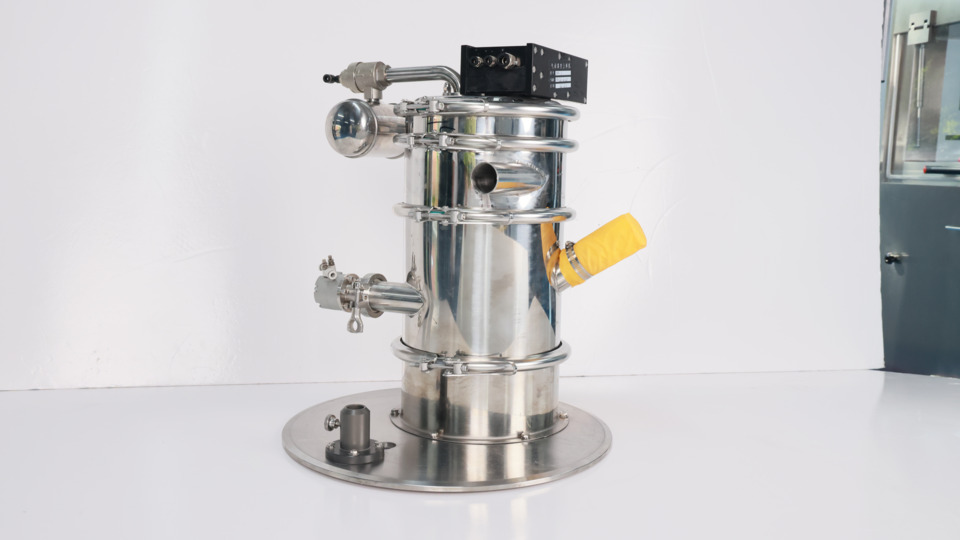
ALT: Vacuüm poederlader
Conclusie
Effectief Onderhoud van capsulevulmachines wordt bepaald door de staat van de apparatuur en niet door vaste onderhoudsintervallen. Vroege symptomen zoals variatie in vulgewicht, problemen met het scheiden van capsules, poeder lekkage, abnormaal geluid, en capsulevliegen vormen vaak de eerste indicatie dat onderhoud nodig is. Door deze waarschuwingssignalen vroegtijdig te identificeren, onderhoudsteams kunnen de hoofdoorzaken aanpakken voordat deze de productkwaliteit of productie-efficiëntie beïnvloeden.
Regelmatige schoonmaak, juiste smering, tijdige componentinspectie, en gedocumenteerde corrigerende maatregelen helpen bij het behouden van een capsule vulmachine betrouwbaar opereren onder GMP-vereisten.
Door conditieafhankelijk onderhoud te combineren, GMP-conforme reiniging, juiste smering, en kwalificatie na onderhoud, fabrikanten kunnen de betrouwbaarheid van capsulevulmachines verbeteren, uitvaltijd verminderen, en een consistente capsulekwaliteit behouden tijdens de productie op lange termijn.
FAQ
Q1: Hoe vaak moet een capsulevulmachine worden onderhouden??
De onderhoudsfrequentie is afhankelijk van de productiebelasting en het materiaalgedrag en niet van een vaste kalender. In de meeste GMP-productielijnen, dagelijkse schoonmaak wordt uitgevoerd na elke batch- of ploegwisseling, vooral op productcontactdelen van de capsule vulmachine. Het smeren wordt doorgaans elke 2 à 3 maanden uitgevoerd, maar bij werkzaamheden met hoge belasting kunnen kortere intervallen nodig zijn. Een op voorwaarden gebaseerde aanpak is praktischer dan een rigide planning.
Vraag 2: Wat zijn de meest voorkomende oorzaken van poederlekkage??
Poederlekkage komt meestal uit drie gebieden: versleten afdichtringen, onjuiste speling tussen koperen schijf en doseerplaat, of stofophoping in het matrijssysteem. De standaardafstand is vaak rond 0.06 mm, maar materiaalstroomeigenschappen kunnen aanpassing vereisen. Wanneer de lekkage toeneemt, technici inspecteren meestal eerst de blauwe afdichtring, Controleer vervolgens de doseeruitlijning op de capsulevuller voordat u de mechanische afstand aanpast.
Q3: Welke onderdelen vergen de meeste aandacht tijdens onderhoud?
Slijtvaste onderdelen zijn onder meer aanstamppennen, schraper platen, vacuüm mondstukken, en afdichtringen. Deze onderdelen worden voortdurend blootgesteld aan wrijving en poederslijtage. Op een capsule vulmachine, slijtage volgt geen strikte tijdlijn; in plaats van, operators letten op tekenen zoals problemen met het scheiden van de capsules, ongelijkmatige dosering, of zichtbare oppervlakteslijtage. Deze indicatoren worden gebruikt om het vervangingstijdstip te bepalen.
Q4: Hoe vaak moeten vacuümsystemen en matrijsholtes worden gereinigd??
Vacuümsystemen en matrijsgaten moeten na elke productiebatch worden gereinigd. Fijn poeder heeft de neiging zich op te hopen in kleine gaatjes, wat de capsulescheiding en vulnauwkeurigheid kan beïnvloeden. Gecomprimeerde lucht, alcoholische reiniging, en zachte borstels worden vaak gebruikt. In sommige productieomgevingen, vooral bij corrosieve materialen, Er wordt bij elke ploegwisseling voor de ploeg schoongemaakt capsulevuller.
Referenties
- ONS. Food and Drug Administration (FDA). Huidige goede productiepraktijken (CGMP) Regelgeving. Verkrijgbaar bij: https://www.fda.gov/drugs/pharmaceutical-quality-resources/current-good-manufacturing-practice-cgmp-regulations
- Wereldgezondheidsorganisatie (WHO). Goede productiepraktijken van de WHO voor farmaceutische producten. Verkrijgbaar bij: https://www.who.int/teams/health-product-and-policy-standards/standards-and-specifications/gmp
- Samenwerkingsprogramma voor farmaceutische inspecties (FOTO/S). Gids voor goede productiepraktijken voor geneesmiddelen. Verkrijgbaar bij: https://picscheme.org/en/publicaties
- Europese Commissie. EudraLex-volume 4: EU-richtlijnen voor goede productiepraktijken. Verkrijgbaar bij: https://health.ec.europa.eu/medicinal-products/eudralex/eudralex-volume-4_en
- Internationale Vereniging voor Farmaceutische Technologie (ISPE). Richtlijnen voor inbedrijfstelling en kwalificatie. Verkrijgbaar bij: https://ispe.org/publications/guidance-documents
- ASTM Internationaal. Standaardgids voor kwalificatie van farmaceutische apparatuur. Verkrijgbaar bij: https://www.astm.org