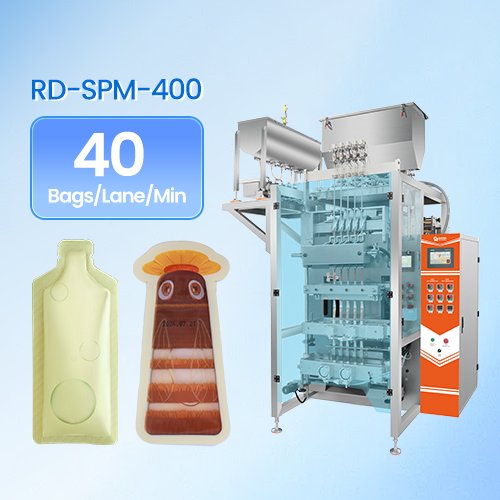
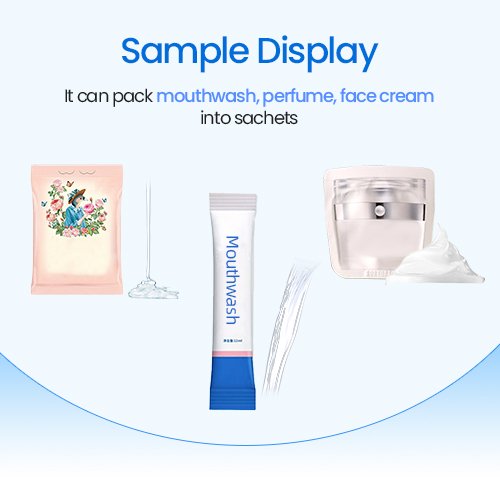
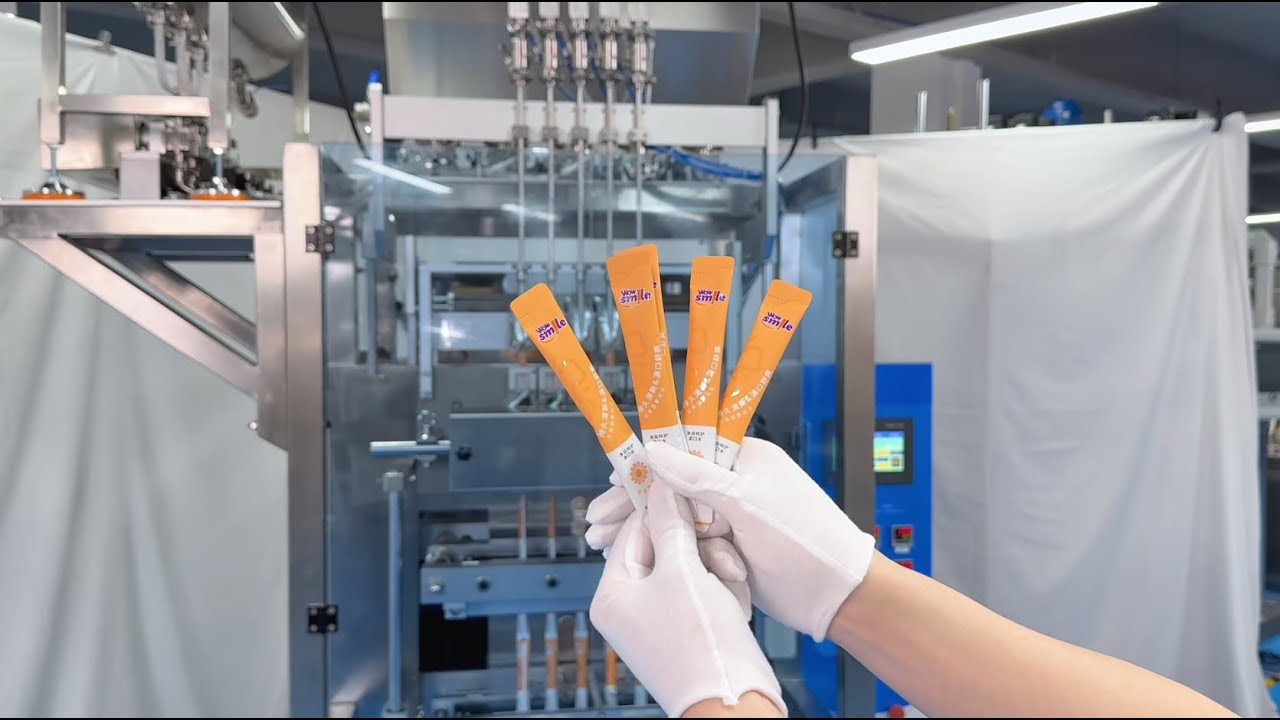
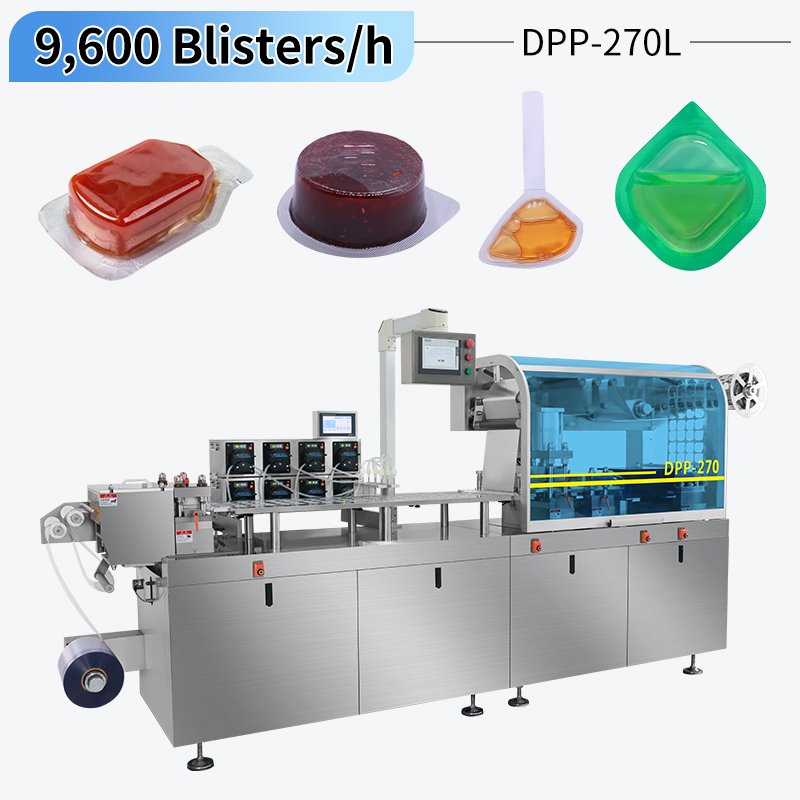
เครื่องบรรจุของเหลวแบบแท่งเป็นระบบบรรจุภัณฑ์อัตโนมัติเต็มรูปแบบที่ออกแบบมาเพื่อบรรจุผลิตภัณฑ์ที่เป็นของเหลวลงในซองแต่ละซองโดยเฉพาะ (แพ็คติด). ฟังก์ชันหลักอยู่ที่การบูรณาการการขึ้นรูป, การเติมเต็ม, และการปิดผนึก (เอฟเอฟเอส) อย่างต่อเนื่อง, กระบวนการซิงโครไนซ์. ด้านล่างนี้เป็นภาพรวมที่มีโครงสร้างซึ่งครอบคลุมหลักการทำงาน, สถานการณ์การใช้งาน, เติมความแม่นยำ, และการเลือกปั๊มแบบกำหนดเอง.
1. หลักการทำงาน
โดยทั่วไปเครื่องบรรจุของเหลวแบบแท่งจะใช้การซีลแบบเติมแบบฟอร์มแนวตั้ง (วีเอฟเอฟเอส) การกำหนดค่า. ขั้นตอนการทำงานที่สมบูรณ์มีดังนี้:
1.1. การคลี่คลายและการขึ้นรูปฟิล์ม
ฟิล์มบรรจุภัณฑ์ (มักจะเป็นฟิล์มเคลือบ) ถูกคลายออกจากม้วนที่ติดตั้งอยู่บนเพลาลม. ระบบการจัดตำแหน่งรางช่วยให้มั่นใจในการติดตามที่แม่นยำ. จากนั้นฟิล์มจะมีรูปร่างเป็นท่อทรงกระบอกโดยใช้คอขึ้นรูป.
1.2. การปิดผนึกตามยาว
หน่วยปิดผนึกแนวตั้ง (ซีลด้านหลังหรือซีลสามด้าน) ความร้อนปิดผนึกขอบที่ทับซ้อนกันของฟิล์ม, เกิดเป็นโครงสร้างท่อต่อเนื่องกัน.
1.3. การปิดผนึกและการเติมด้านล่าง
หน่วยปิดผนึกแนวนอนจะปิดผนึกด้านล่างของท่อก่อน, สร้างกระเป๋าแบบเปิดด้านบน. ในขั้นตอนนี้, ปั๊มสูบจ่ายถูกเปิดใช้งาน, ส่งของเหลวในปริมาณที่แม่นยำผ่านหัวฉีดเติมเข้าไปในกระเป๋า. เพื่อป้องกันน้ำหยด, โดยทั่วไปหัวฉีดจะติดตั้งวาล์วดูดกลับหรือป้องกันน้ำหยด.
1.4. การปิดผนึกและการตัดด้านบน
หลังจากเติมแล้ว, หน่วยปิดผนึกแนวนอนจะดำเนินการปิดผนึกครั้งที่สองเพื่อปิดด้านบนของซอง. พร้อมกัน, แพ็คแท่งสำเร็จรูปถูกตัดออกจากฟิล์มต่อเนื่อง. สามารถเพิ่มรอยฉีกขาดได้หากจำเป็น.
1.5. การจำหน่ายผลิตภัณฑ์
ซองสำเร็จรูปจะถูกปล่อยผ่านสายพานลำเลียงหรือรวบรวมโดยใช้ระบบการนับ.
กระบวนการทั้งหมดถูกควบคุมโดย PLC (ตัวควบคุมตรรกะที่ตั้งโปรแกรมได้), ด้วยระบบที่ขับเคลื่อนด้วยเซอร์โวทำให้มั่นใจได้ถึงการซิงโครไนซ์ระหว่างการป้อนฟิล์มและการบรรจุอย่างแม่นยำ, ส่งผลให้ความเร็วคงที่และเอาต์พุตสม่ำเสมอ.
2. สถานการณ์การใช้งาน
เนื่องจากการพกพา, สุขอนามัย, และประสิทธิภาพด้านต้นทุน, เครื่องแพ็คแท่งของเหลวถูกนำมาใช้กันอย่างแพร่หลายในหลายอุตสาหกรรม:
| อุตสาหกรรม |
ผลิตภัณฑ์ทั่วไป |
ข้อดีของบรรจุภัณฑ์ |
| อาหาร & เครื่องดื่ม |
ซอสมะเขือเทศ, น้ำผึ้ง, น้ำผลไม้, น้ำสลัด, กาแฟเหลว, น้ำนม |
ส่วนแบบใช้ครั้งเดียว, สะดวก, อายุการเก็บรักษาที่ยาวนานขึ้น |
| การดูแลส่วนบุคคล |
แชมพู, เจลอาบน้ำ, ครีมนวดผม, น้ำยาเช็ดเปียก |
เหมาะสำหรับสิ่งอำนวยความสะดวกในโรงแรม, ชุดเดินทาง, แพ็คตัวอย่าง |
| เกี่ยวกับเภสัชกรรม & การดูแลสุขภาพ |
ของเหลวในช่องปาก, น้ำเชื่อม, ยาหยอดตา, น้ำยาบ้วนปาก |
บรรจุภัณฑ์ปลอดเชื้อ, ปริมาณที่แม่นยำ, การปฏิบัติตามมาตรฐาน GMP |
| ทางอุตสาหกรรม & เคมี |
น้ำมันหล่อลื่น, กาว, สารทำความสะอาด, เคมีเกษตร |
บรรจุภัณฑ์ขนาดเล็ก, ลดของเสีย, ใช้งานง่าย |
3. ความแม่นยำในการเติม
ความแม่นยำในการบรรจุเป็นตัวบ่งชี้ประสิทธิภาพที่สำคัญสำหรับเครื่องบรรจุของเหลวแบบแท่ง และได้รับอิทธิพลจากคุณสมบัติของวัสดุ, ประเภทปั๊ม, และสภาพแวดล้อม.
ช่วงความแม่นยำ
เครื่องจักรที่ได้มาตรฐาน: ±0.5% ถึง ±1%
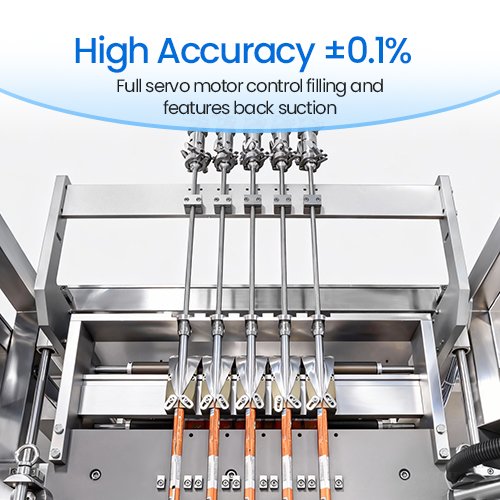
การใช้งานที่มีความแม่นยำสูง (เภสัชกรรม): สูงถึง ±0.1% ด้วยปั๊มลูกสูบเซรามิก
ปัจจัยที่มีอิทธิพลที่สำคัญ
ความหนืด: ของเหลวที่มีความหนืดสูงอาจเกาะติดกับพื้นผิวได้, ต้องใช้กลไกดูดกลับเพื่อความแม่นยำ. ของเหลวที่มีความหนืดต่ำมีแนวโน้มที่จะหยดและต้องใช้วาล์วป้องกันน้ำหยด.
ความเสถียรของอุณหภูมิ: วัสดุที่ไวต่ออุณหภูมิ (ช็อคโกแลต, น้ำผลไม้เติมร้อน) ต้องมีเงื่อนไขการควบคุม, เนื่องจากความผันผวนส่งผลต่อความแม่นยำเชิงปริมาตร.
ความสม่ำเสมอของปั๊ม: การสึกหรอของซีลและความเสถียรของเช็ควาล์วส่งผลโดยตรงต่อความสามารถในการทำซ้ำและความสม่ำเสมอในการจ่ายสาร.
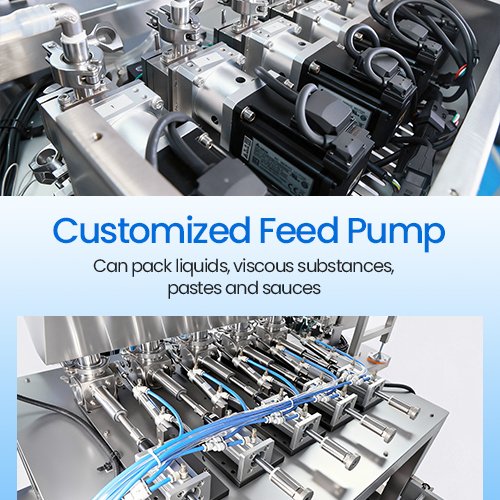
4. การเลือกปั๊มแบบกำหนดเอง
ปั๊มป้อนอาหารเป็นส่วนประกอบหลักของเครื่องจักร. การเลือกนี้จะกำหนดความเข้ากันได้กับคุณลักษณะของเหลวต่างๆ เช่น ความหนืด, การกัดกร่อน, เนื้อหาอนุภาค, และข้อกำหนดด้านสุขอนามัย.
4.1 ปั๊มรีดท่อ
เหมาะสำหรับ: ของเหลวที่มีความหนืดต่ำถึงปานกลาง, รวมถึงพวกที่มีอนุภาคละเอียดด้วย (แยมผลไม้, ซอสมะเขือเทศ, เครื่องดื่มเยื่อกระดาษ)
หลักการทำงาน: ของไหลถูกขนส่งโดยการบีบอัดและปล่อยท่ออ่อนตัวผ่านลูกกลิ้งที่หมุนได้.
ตัวเลือกการปรับแต่ง: เส้นผ่านศูนย์กลางท่อและหัวปั๊มที่เลือกตามอัตราการไหล
วัสดุท่อ: ซิลิโคน (เกรดอาหาร), ฟลูออโรอิลาสโตเมอร์ (ทนต่อการกัดกร่อน), ไทกอน (ทนน้ำมัน)
ข้อดี: ของไหลสัมผัสกับท่อเท่านั้น, ขจัดการปนเปื้อนข้าม; ทำความสะอาดง่าย—เพียงเปลี่ยนท่อ
ต้นทุนการทำความสะอาดและการเปลี่ยนแปลงต่ำ
ข้อจำกัด: ท่อเป็นวัสดุสิ้นเปลืองที่มีต้นทุนระยะยาวสูงกว่า; แรงกดดันจำกัด, ไม่เหมาะกับวัสดุที่มีความหนืดสูง
4.2 ปั๊มลูกสูบ (ปั๊มลูกสูบ)
เหมาะสำหรับ: ของเหลวที่มีความหนืดปานกลางถึงสูงไม่มีอนุภาคขนาดใหญ่ (แชมพู, น้ำเชื่อม, ซอสหนา)
หลักการทำงาน: ลูกสูบแบบลูกสูบจะดึงของเหลวเข้าและปล่อยผ่านเช็ควาล์ว.
ตัวเลือกการปรับแต่ง
การเลือกใช้วัสดุ: สแตนเลส SUS316L สำหรับการใช้งานมาตรฐาน; ลูกสูบเซรามิกหรือซีล PTFE สำหรับของเหลวที่มีฤทธิ์กัดกร่อน
การออกแบบซีล: ซีลแบบแข็งสำหรับวัสดุที่มีอนุภาคเพื่อลดการสึกหรอ
การออกแบบป้องกันความหนืด: สามารถเพิ่มอุปกรณ์ทำความร้อนลงในหัวฉีดสำหรับของเหลวที่มีความหนืดสูงได้
ข้อดี: แรงดันในการเติมสูง, มีความแม่นยำดี (±0.5%), เหมาะสำหรับการผลิตที่มีความเร็วสูง
ข้อจำกัด: โครงสร้างที่ซับซ้อนมากขึ้น, การทำความสะอาดและบำรุงรักษาต้องใช้ความพยายามมากขึ้น, ซีลจำเป็นต้องเปลี่ยนเป็นระยะ
4.3 ปั๊มเซรามิค
เหมาะสำหรับ: มีมูลค่าสูง, มีฤทธิ์กัดกร่อนสูง, มีฤทธิ์กัดกร่อน, หรือวัสดุปลอดเชื้อ (ของเหลวในช่องปากทางเภสัชกรรม, เอนไซม์, น้ำผลไม้ที่มีความเป็นกรดสูง)
หลักการทำงาน: คล้ายกับปั๊มลูกสูบ, แต่ทั้งลูกสูบและกระบอกสูบทำจากเซรามิกเซอร์โคเนีย.
ตัวเลือกการปรับแต่ง: ช่วงการบรรจุ (1 มล. ถึง 50 มล); ความเข้ากันได้กับ SIP (Steam-In-Place) การทำหมัน; แจ็คเก็ตควบคุมอุณหภูมิเพื่อป้องกันการตกผลึก (สารละลายเกลือ)
ข้อดี: ทนต่อการสึกหรอได้ดีเยี่ยม (5–10× อายุการใช้งานยาวนานกว่าปั๊มโลหะ); ไม่มีการปนเปื้อนของไอออนโลหะ; ตรงตามมาตรฐานความปลอดภัยด้านอาหารและยาที่เข้มงวด
ข้อจำกัด: การลงทุนเริ่มแรกที่สูงขึ้น; ความเปราะบางต้องมีการจัดการและบำรุงรักษาอย่างระมัดระวัง
5. กระบวนการปรับแต่ง
โดยทั่วไป, ผู้ผลิตเครื่องจักรจะดำเนินการทดสอบในห้องปฏิบัติการตามตัวอย่างที่ลูกค้าให้ไว้. การทดสอบเหล่านี้จะประเมินความหนืด, เนื้อหาที่เป็นของแข็ง, การกัดกร่อน, และความไวต่ออุณหภูมิ. ขึ้นอยู่กับผลลัพธ์, ประเภทของปั๊มที่เหมาะสมที่สุด, การกำหนดค่าวัสดุ, และกำหนดพารามิเตอร์การเติม, ส่งผลให้ก โซลูชันระบบเติมที่ปรับแต่งได้อย่างเต็มที่.