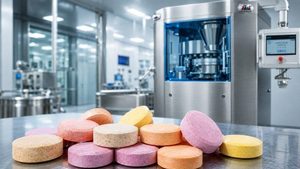
Khi các kỹ sư phát hiện bột bám dính đáng kể trên viên thuốc bấm lỗ khi ép thuốc, đó là một điềm xấu - cho thấy khả năng cao là lô hàng viên nén sẽ trở thành những chiếc máy tính bảng bị lỗi.
Có rất nhiều yếu tố góp phần gây ra vấn đề dính chày; Tuy nhiên, vì vấn đề này thường xuất phát từ đặc tính của vật liệu, ngay cả một máy ép thuốc chất lượng cao cũng có thể tỏ ra không hiệu quả trong việc giải quyết nó. Hôm nay, chúng tôi sẽ giải đáp thử thách ép thuốc là gì trong bối cảnh này, đi sâu vào các nguyên nhân cụ thể gây ra tình trạng hỏng máy tính bảng như dính bột, và khám phá cách thiết kế máy có thể được sử dụng để giải quyết vấn đề này khi học cách ép thuốc hiệu quả.
Bài học chính
- Hiểu biết về việc dính đấm vs. chọn máy tính bảng: tại sao bột lại dính vào chày trong quá trình ép viên và tại sao ngay cả sự dính nhẹ cũng có thể gây ra khuyết tật cho viên thuốc.
- Thảo luận về các nguyên nhân cốt lõi của việc nhặt và dính và cách chúng dẫn đến máy tính bảng bị lỗi.
- Giải pháp và phòng ngừa để lập bảng thành công, bao gồm cả việc điều chỉnh áp lực thuốc, kỹ thuật xử lý, và phương pháp điều trị đấm.
- Những hiểu biết sâu sắc về việc chọn đúng máy ép viên thuốc có thiết kế chống dính để tránh đóng nắp máy tính bảng và các vấn đề khác.
1. Cú đấm dính là gì?
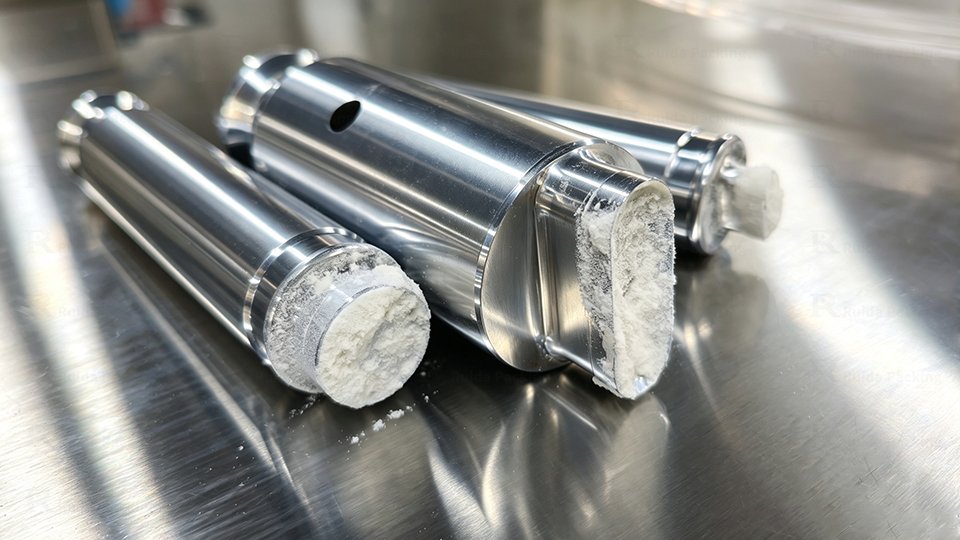
Trong một xưởng sản xuất máy tính bảng bận rộn, Việc dính đấm thường xuyên xảy ra trong giai đoạn đẩy viên nén ra. Lý tưởng nhất, khi thành thạo cách bấm máy tính bảng, thuốc sẽ phát hành sạch sẽ từ khuôn; Tuy nhiên, khi các yếu tố khác nhau làm tăng độ bám dính của bột, các mảnh nhỏ có xu hướng vẫn còn trên dụng cụ, biểu hiện dưới dạng một màng mỏng hoặc các mảng cặn có thể nhìn thấy được trên các mặt đục lỗ của thiết bị máy ép viên.
Điều này có thể xảy ra ở cú đấm trên, cú đấm thấp hơn, hoặc thậm chí ngay bên trong khuôn. Sự mất mát vật liệu do độ bám dính này trực tiếp dẫn đến lỗi khi chọn máy tính bảng trên máy tính bảng. Trong sản xuất quy mô lớn, điều này làm ảnh hưởng đáng kể đến hình thức bên ngoài và tính đồng nhất về trọng lượng của lô., dẫn đến số lượng đáng kể máy tính bảng bị lỗi cần phải làm lại hoặc từ chối. Bỏ chọn trái, nó cũng làm trầm trọng thêm các khiếm khuyết khác ở máy tính bảng như lỗi đóng nắp hoặc cán mỏng của máy tính bảng.. Biết cơ chế ép viên thuốc là gì giúp người vận hành hiểu tại sao việc nhả sạch lại quan trọng đến vậy.
2. Làm sao Punch Sticking tạo ra máy tính bảng bị lỗi
Trước hết, bột dính trực tiếp vào chày dẫn đến trọng lượng viên thuốc không đồng đều: Cú đấm dính vào gây ra vết xước trên máy tính bảng. Mọi chuyện càng trở nên tồi tệ hơn nếu có dấu vết trên máy tính bảng, để chọn có thể gây mờ nhãn hiệu.
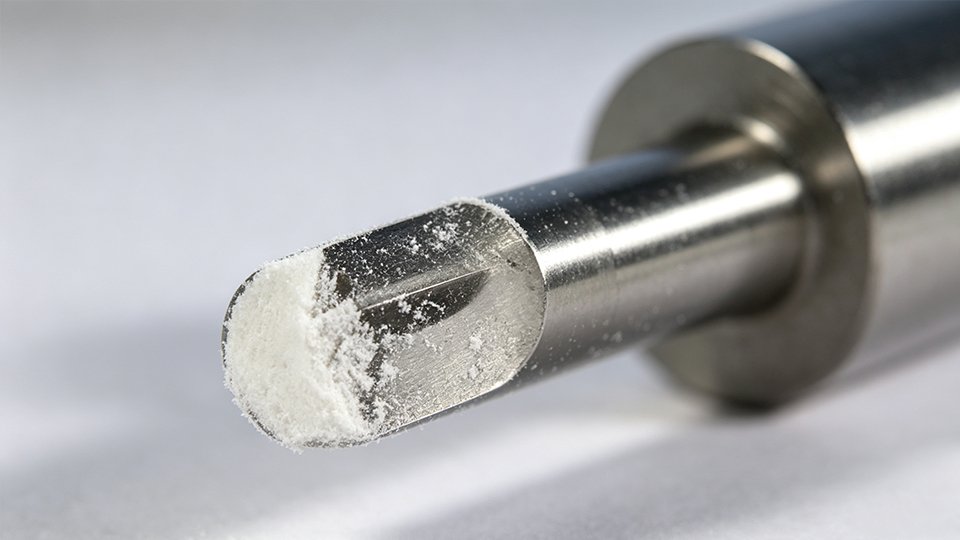
Các lỗi máy tính bảng phổ biến khác do vấn đề này bao gồm bề mặt gồ ghề, logo bị thiếu hoặc không đầy đủ, sứt mẻ ở các cạnh, và cán máy tính bảng. Bạn cũng có thể gặp phải tình trạng máy tính bảng bị đóng nắp, nơi phần trên tách biệt hoàn toàn. Việc đóng nắp và nhặt máy tính bảng thường xảy ra đồng thời khi lỗi đục lỗ. Kể cả khi một ca ép thuốc có vài viên bị hư hỏng, ảnh hưởng đến tổng năng suất và độ tin cậy có thể là đáng kể. Rốt cuộc, “dính” các đốm trên chày có thể tạo ra phản ứng dây chuyền tạo ra các khuyết tật trên máy tính bảng, kết thúc với tỷ lệ chấp nhận thấp trên mạng.
3. Đứng đầu 4 Nguyên nhân và giải pháp dính chày
Việc dính chày thường xuất phát từ các vấn đề về vật liệu hoặc quy trình trong quá trình ép viên thuốc. Dưới đây là năm thủ phạm phổ biến nhất, với các ví dụ về cách mỗi vấn đề phát sinh và cách phát hiện ra nó:
Gây ra 1: Độ ẩm không phù hợp
Vấn đề: Khi ép viên thuốc, hạt có quá nhiều độ ẩm bám vào chày.
Tại sao: Các thành phần như đường và hỗn hợp hạt ướt có khả năng hấp thụ độ ẩm. Khi quá trình nén tiếp tục, nhiệt và ma sát do quay tốc độ cao làm cho viên thuốc dính hơn.
Giải pháp: Điều chỉnh độ khô của nguyên liệu để đạt được độ ẩm khuyến nghị (thường là 1–3%). Giữ cho nơi thờ cúng khô ráo, thoáng mát.
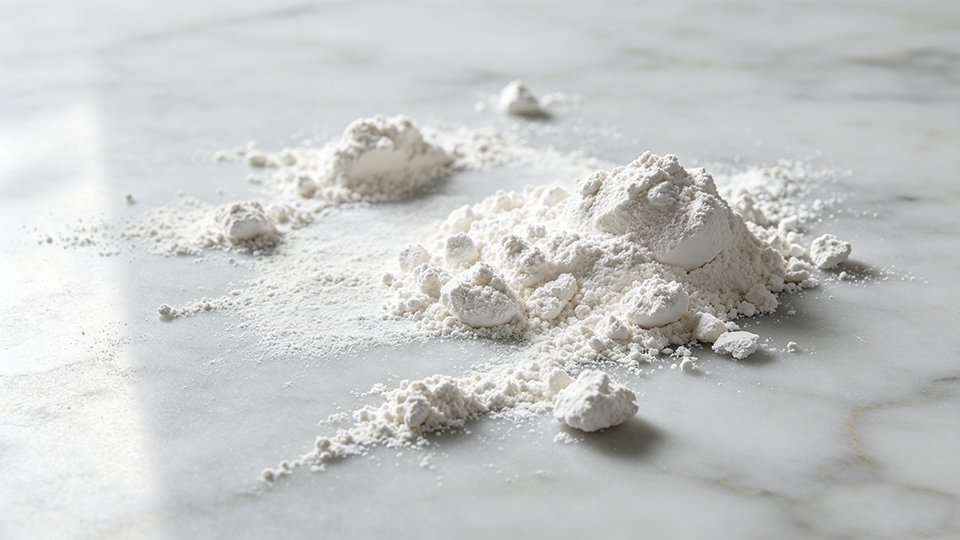
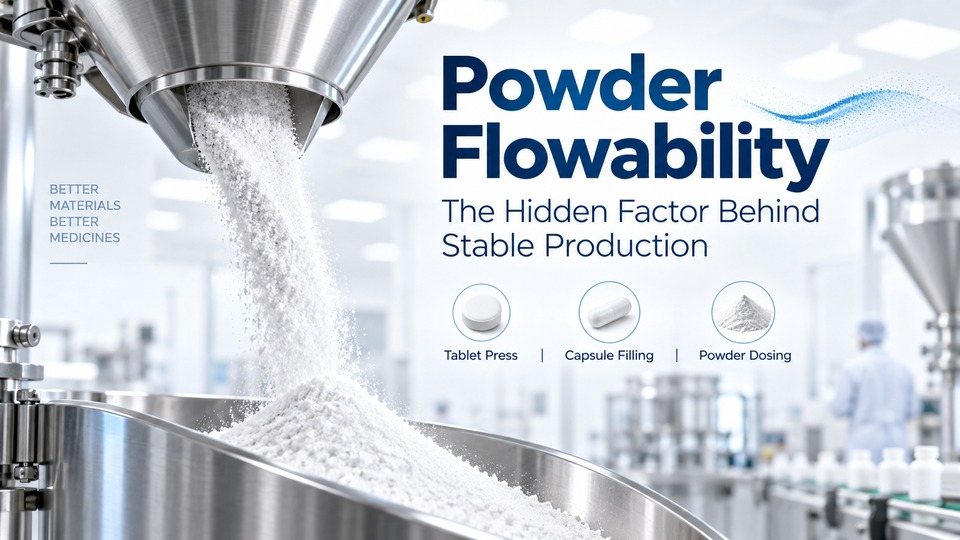
Gây ra 2: Khả năng chảy bột kém.
Vấn đề: Khi nói đến bột mịn hoặc dính, chất làm đầy có thể sẽ không đồng đều trong máy ép viên thuốc, dẫn đến trọng lượng không nhất quán và nhiều khiếm khuyết của máy tính bảng.
Tại sao: Bột mịn có độ chảy cực thấp, giúp dễ dàng dính vào chày khi xuất hiện tĩnh điện.
Giải pháp: Hệ thống nạp bột cưỡng bức trên máy ép viên thuốc của bạn là một lựa chọn tốt để tránh việc nạp bột không đều trên máy ép viên. Nói chung, trộn bột mịn với hạt được tạo hạt khô. Điều này có thể làm tăng đáng kể khả năng chảy của vật liệu.
Gây ra 3: cú đấm Thiết kế và thiết kế máy tính bảng.
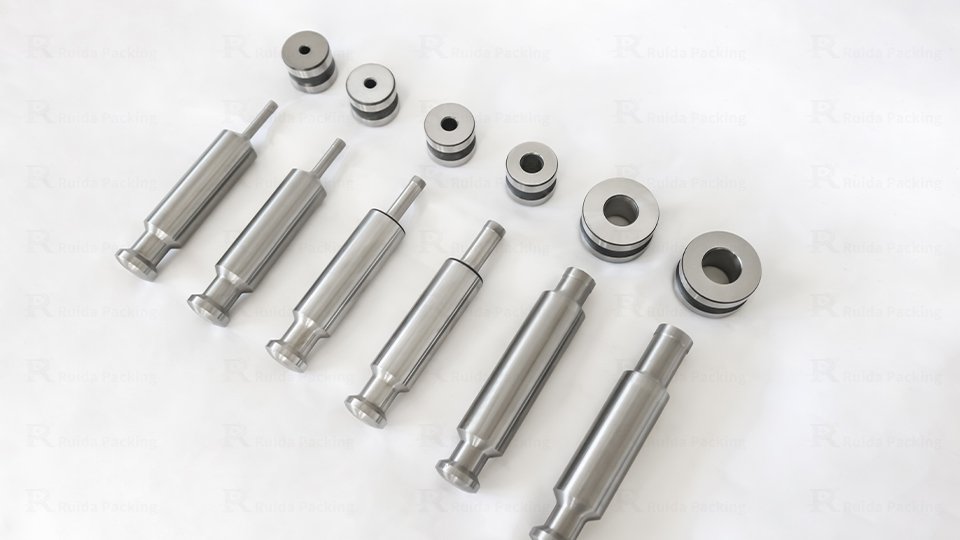
Vấn đề: Bề mặt chày gồ ghề hoặc mòn gây ra hiện tượng dính chày.
Tại sao: Vết xước, ăn mòn, hoặc các vết rỉ sét trên mặt chày tạo ra nơi trú ẩn cho bột bám vào. Thời gian trôi qua, nó có tác động mạnh mẽ đến chất lượng máy tính bảng. Trong thực tế, các thiết kế có rãnh sâu cũng nổi tiếng với việc gắp và thậm chí đóng nắp máy tính bảng.
Giải pháp: Đánh bóng và làm sạch chày thường xuyên bằng đá mài mịn. Nếu vết trầy xước hoặc vết lõm xuất hiện, thay thế cú đấm kịp thời để tránh sự cố máy tính bảng. Một số nghiên cứu phát hiện ra rằng một cú đấm lõm nhẹ, ví dụ:. 4% thay vì phẳng có thể dễ dàng giải phóng vật liệu. Nếu hình dạng cú đấm của bạn có hình khắc sâu thì tốt hơn bạn nên sử dụng vật liệu phủ tanh hoặc vật liệu chống dính khác.
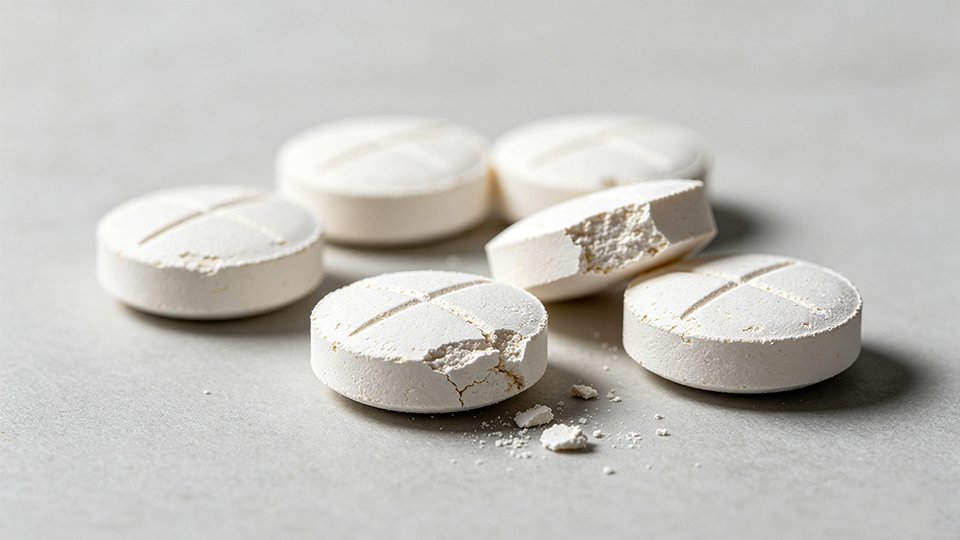
Gây ra 4: Thông số nén.
Vấn đề: Cài đặt máy ép thuốc không chính xác có thể thúc đẩy việc dính thuốc ở một mức độ nhất định.
Tại sao: Nếu lực nén quá thấp, máy tính bảng không liên kết hoàn toàn và vẫn lỏng lẻo. Điều này tạo cơ hội cho bột còn sót lại trên chày. Trên tay khác, khi bàn xoay ở tốc độ quá cao, thật khó để bột lắng xuống hoàn toàn và tạo thành hình dạng ổn định. Trong khi đó, nhiệt sinh ra do quay tốc độ cao sẽ làm cho bột dễ bị dính.
Giải pháp: Máy có trang bị nén trước thì tốt hơn, vì nó làm tăng độ dẻo của bột. Khi bạn chạy máy, làm chậm tháp pháo một chút. Về cơ bản, nhằm mục đích đủ lực và thời gian dừng để nén mạnh máy tính bảng (thường >2.0 Độ bền kéo MPa) để bột đó bị “hút” vào viên thuốc, không phải cú đấm.
4. Giải pháp thiết thực để loại bỏ tình trạng dính cú đấm
Bây giờ chúng tôi đã xác định được nguyên nhân gốc rễ, chúng ta hãy xem xét những cách thiết thực để giảm việc dính lỗ đục và ngăn ngừa máy tính bảng bị lỗi. Trong hầu hết các trường hợp, kết quả tốt nhất đến từ việc cải tiến công thức, dụng cụ, cài đặt quy trình, và máy tính bảng bấm cùng nhau thay vì dựa vào một bản sửa lỗi duy nhất.
Tối ưu hóa quá trình tạo hạt và tạo công thức
Viên nén tốt bắt đầu từ hạt tốt. Nếu hỗn hợp chứa quá nhiều hạt mịn hoặc quá ẩm, gắn bó trở nên có nhiều khả năng. Đối với công thức có độ kết dính cao, tạo hạt khô có thể tạo ra các hạt đồng đều hơn và giảm độ dính.
Điều chỉnh mức độ kết dính để tránh các hạt quá dẻo, và giữ độ ẩm trong phạm vi được khuyến nghị cho công thức của bạn, thường là xung quanh 2% hoặc thấp hơn đối với nhiều hỗn hợp máy tính bảng.
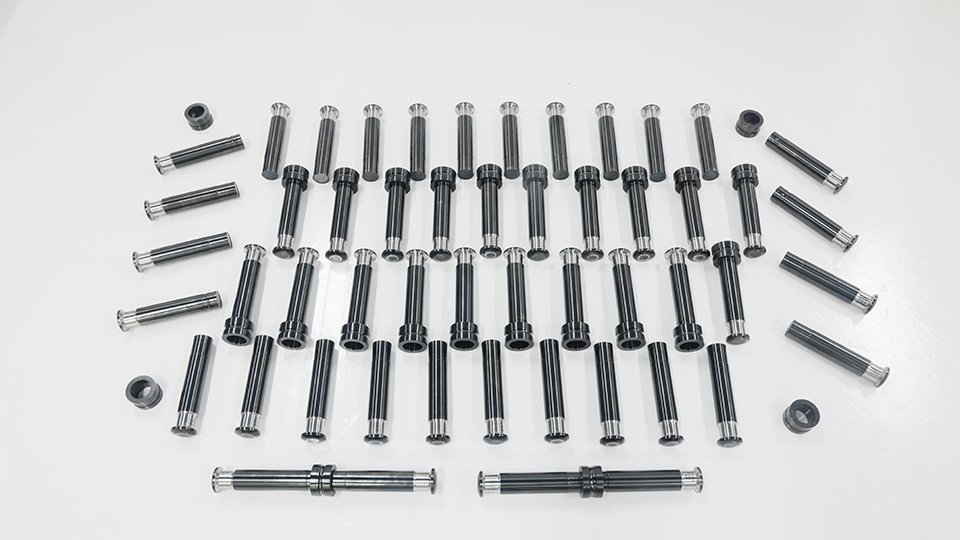
Nâng cấp lên Dụng cụ đục lỗ chống dính
Khi điều chỉnh công thức không còn đủ, những cú đấm thường mang lại sự cải thiện nhanh nhất chống lại những khiếm khuyết của máy tính bảng.
Các vật liệu đục lỗ và xử lý bề mặt khác nhau hoạt động tốt hơn với các sản phẩm khác nhau:
Ví dụ, PTFE (Teflon)-các cú đấm được phủ làm giảm năng lượng bề mặt nên bột ít có khả năng bám dính hơn. Mặc dù lớp phủ bị mòn theo thời gian, chúng vẫn là một trong những lựa chọn hiệu quả nhất cho các công thức khó.
Tối ưu hóa các thông số máy tính bảng
Cài đặt máy cũng đóng vai trò chính trong việc giảm tình trạng dính.
Nếu sản xuất cho phép, giảm nhẹ tốc độ tháp pháo làm tăng thời gian dừng, cho bột thêm thời gian để củng cố trước khi phóng. Nén trước thích hợp, lực nén tối ưu, và cam phóng được điều chỉnh tốt cũng giúp giảm thiểu độ bám dính.
Hiện đại máy ép viên quay điều khiển bằng servo làm cho việc này trở nên dễ dàng hơn bằng cách theo dõi lực nén trong thời gian thực và duy trì áp suất ổn định trong suốt quá trình sản xuất. Ngay cả những điều chỉnh thông số nhỏ cũng có thể cải thiện đáng kể việc phát hành cú đấm và hình thức của máy tính bảng.
Chọn cấu hình máy tính bảng phù hợp
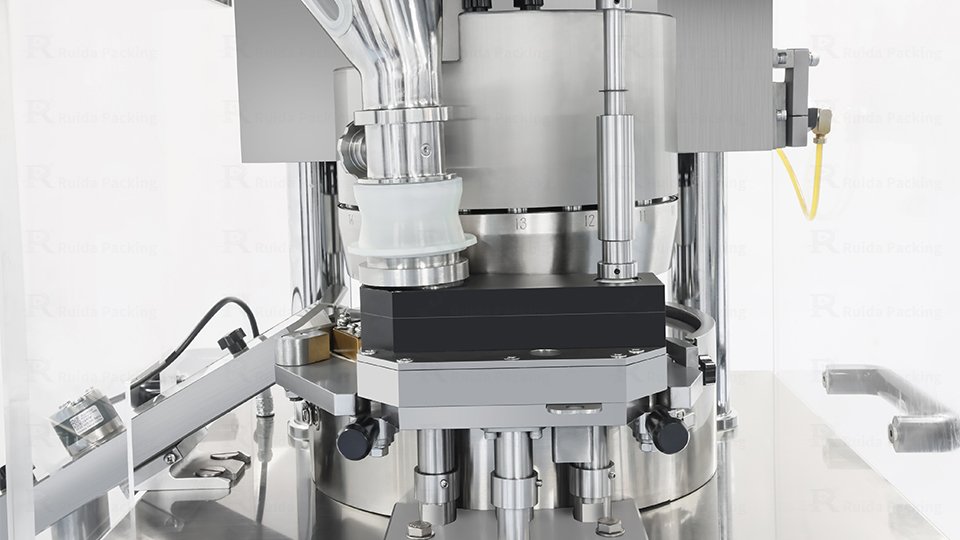
Đôi khi quy trình được tối ưu hóa, nhưng bản thân thiết bị lại trở thành yếu tố hạn chế. Máy ép viên dạng quay hiện đại cung cấp một số tính năng thiết kế giúp giảm tình trạng dính trước khi bắt đầu..
Hệ thống nén trước nhẹ nhàng nén bột trước giai đoạn nén chính, giảm căng thẳng cho các công thức dính.
Hệ thống cho ăn cưỡng bức mang lại một lợi thế quan trọng khác. Cho ăn bằng vít truyền thống có thể dẫn đến hiện tượng bắc cầu bột, điền khuôn không đều, sự thay đổi trọng lượng, và cuối cùng là nguy cơ dính mắc cao hơn. Bằng cách liên tục trộn và nạp nguyên liệu bằng cánh quạt, máy nạp cưỡng bức duy trì nguồn cung cấp bột ổn định
Các tính năng hữu ích khác bao gồm điều khiển áp suất servo, hiệu suất bàn xoay ổn định, và giám sát thông số HMI thời gian thực, tất cả đều góp phần nén ổn định hơn và ít lỗi máy tính bảng hơn.
5. Chọn máy ép viên phù hợp cho công thức dính
Khi một sản phẩm liên tục gặp vấn đề về dính, điều đáng hỏi là liệu bản thân máy tính bảng có những khả năng cần thiết hay không. Máy ép viên hiện đại sẽ có những tính năng như:
Bị ép phương pháp cho ăn: Đảm bảo phân bố đều vật liệu ngay cả khi vật liệu dính hoặc mịn.
Nén trước: Nó loại bỏ không khí bị mắc kẹt trong bột và khuôn, tránh bột bắc cầu và cải thiện tính nhất quán của trọng lượng máy tính bảng.
Động cơ phụ điều khiển Hệ thống: Duy trì lực và vị trí chính xác, ngay cả khi thay đổi tốc độ.
Cú đấm chống dính Thiết kế: Cho phép dễ dàng sử dụng các cú đấm đặc biệt (Teflon, PTFE, vân vân.) và lớp phủ.
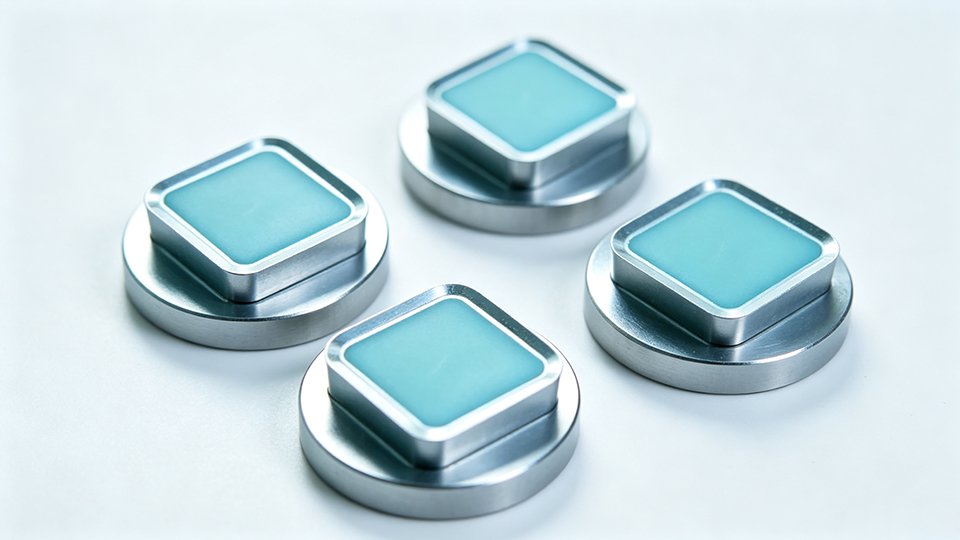
Khung ổn định và bàn xoay: Giảm độ rung ở tốc độ cao để việc đổ đầy vẫn đồng đều.
Mô-đun thiết kế: Các khuôn nên dễ dàng thay đổi, hoặc sẽ lãng phí thời gian cho việc vệ sinh và thay khuôn mỗi khi bột bị rò rỉ trên tháp pháo.
Máy ép viên quay của Ruida Packing kết hợp tất cả những điều này. Chúng được xây dựng theo tiêu chuẩn ISO, CE, và tiêu chuẩn cGMP, và đã được các công ty dược phẩm lớn như Robinson Pharma sử dụng, Công ty dược phẩm Sino, và MEDEC trong dòng sản phẩm liều rắn của họ. Được trang bị các linh kiện quốc tế nổi tiếng bao gồm động cơ Siemens, Biến tần ABB, Cảm biến Omron, vân vân., chúng tôi tận tâm cung cấp máy chất lượng cao cho các nhà sản xuất.
Hơn thế nữa, Ruida Packing cung cấp đầy đủ các dịch vụ hỗ trợ:
Kiểm soát chất lượng nghiêm ngặt: Tất cả các bộ phận cốt lõi (thép, ốc vít, thiết bị điện tử) được kiểm tra và truy xuất nguồn gốc.
Linh kiện thương hiệu quốc tế: Chúng tôi sử dụng các thương hiệu như Siemens, ABB, và Omron cho các bộ phận quan trọng, đảm bảo độ tin cậy.
Hậu mãi địa phương Dịch vụ: Chúng tôi cung cấp dịch vụ vận hành và điều chỉnh từ xa cũng như tại chỗ để tối ưu hóa quy trình của bạn.
Tài liệu & Đào tạo: Mỗi máy in đều có hướng dẫn chi tiết và video hướng dẫn, cộng với đào tạo người vận hành, để nhóm của bạn biết cách điều chỉnh các thông số và bảo trì thiết bị.
Trong thực tế, điều này có nghĩa là khi bạn chuyển sang máy ép đóng gói Ruida để có công thức dạng dính, bạn cũng nhận được hỗ trợ kỹ thuật: chúng tôi sẽ giúp thiết lập máy nạp bắt buộc, đề xuất các tùy chọn đấm, và xác minh hồ sơ nén. Mục tiêu là biến việc sử dụng máy tính bảng chống dính thành mặc định, không phải là một trận chiến liên tục.
Phần kết luận
Dính đấm là một vấn đề nhiều mặt. Bằng cách giải quyết một cách có hệ thống, cú đấm điều trị, và cài đặt nén, nhà sản xuất có thể biến tình huống khó khăn thành quá trình sản xuất suôn sẻ và ngăn chặn hiệu quả những viên thuốc bị lỗi. Chống dính không chỉ ở việc máy tính bảng đẹp hơn; nó giảm thiểu những ảnh hưởng xấu đến việc tạo viên như viên nén có nắp, đảm bảo việc ép thuốc an toàn hơn và nhất quán hơn.
Q1: Làm thế nào để biết liệu dính là do công thức hay cú đấm?
Bạn có thể kiểm tra trọng lượng máy tính bảng, sự xuất hiện của máy tính bảng, và cú đấm. Nếu nhiều trọng lượng của máy tính bảng khác nhau rõ ràng, nó thường chỉ ra các vấn đề về công thức . Nếu chất liệu chỉ dính vào logo hoặc tại các điểm bấm lỗ giống nhau, thì cú đấm bị nghi ngờ.
Q2: Đục lỗ phủ PTFE có thể loại bỏ hoàn toàn tình trạng dính không?
PTFE (Teflon) lớp phủ làm giảm đáng kể sự bám dính của cú đấm, nhưng không hoàn toàn. Chúng làm giảm năng lượng bề mặt nên bột trượt ra dễ dàng hơn nhiều, nhưng chúng vẫn có thể bị mòn theo thời gian hoặc thu hút tĩnh điện.
Q3: Có cần thiết phải ép ăn đối với bột dính?
Nó rất có lợi. Hệ thống mái chèo cưỡng bức ăn là không hoàn toàn cần thiết, nhưng đối với bột rất dính hoặc mịn, nó tạo nên sự khác biệt lớn. Bằng cách liên tục trộn và đẩy bột vào khuôn, cho ăn cưỡng bức ngăn ngừa các khuyết tật trong viên thuốc và đảm bảo viên thuốc được mịn màng bằng cách ngừng phân tách lớp trong phễu.
Q4: Chất liệu đục lỗ tốt nhất cho viên thảo dược là gì?
Nhiều hỗn hợp thảo dược hoặc thực vật rất kết dính, vì vậy tài liệu chuyên ngành sẽ giúp ích. Đục lỗ được phủ PTFE/Teflon thường là lựa chọn tốt nhất, vì chúng đẩy lùi các chất hữu cơ dính một cách tự nhiên.
Q5: Tốc độ bấm máy tính bảng có ảnh hưởng đến việc dán cú đấm không?
Đúng. Tốc độ tháp pháo cao hơn có nghĩa là thời gian dừng ngắn hơn, có thể khiến máy tính bảng kém đông đặc hơn và tăng nhiệt độ đột dập. Điều này thường làm tăng sự gắn bó, vì bột không có thời gian để “chảy vào” viên thuốc, vì vậy việc nhặt và dính xảy ra.
Q6: Độ ẩm nào được khuyến nghị để nén máy tính bảng?
Nói chung là, giữ độ ẩm phòng nén khoảng 30–50% RH. Độ ẩm cao (trên ~60%) có thể làm cho bột hút ẩm vón cục và dính; độ ẩm thấp (dưới ~20%) có thể gây ra tĩnh điện.
[1] K. Quảng trường, B. Trộn, “Đánh giá xu hướng dính vào máy tính bảng,“Công nghệ dược phẩm, tập. 36, KHÔNG. 1, Tháng một. 2012 (dính gây xỉn màu, sự gỡ lỗi khó đọc).
https://www.pharmtech.com/view/assessing-tablet-sticking-propensity
[2] M.-Q. Lê và cộng sự., “Ảnh hưởng của công thức và đặc tính dập đến độ bám dính trong quá trình đóng viên,” MedPharmRes, tập. 9, KHÔNG. 1, 2025 (API cố định, loại phụ, và hiệu ứng hình dạng cú đấm).
https://doi.org/10.32895/UMP.MPR.9.1.6
[3] Kỹ thuật Natoli. “Dính và chọn giấy trắng.”
https://natoli.com/wp-content/uploads/2024/04/Natoli-Whitepaper_Sticking-and-Picking_2.pdf