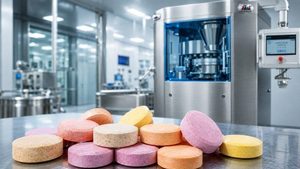
Quando gli ingegneri scoprono una significativa adesione della polvere sui punzoni della comprimitrice durante la pressatura dei medicinali, è un cattivo presagio, indicando un'alta probabilità che il lotto di compresse compresse si riveleranno compresse difettose.
Ci sono molti fattori che contribuiscono al problema del punch sticking; Tuttavia, poiché questo problema spesso deriva dalle proprietà del materiale stesso, anche una pressa per pillole di alta qualità potrebbe rivelarsi inefficace nel risolverlo. Oggi, risponderemo a cos'è una sfida alla stampa di pillole in questo contesto, approfondire le cause specifiche degli effetti delle compresse come l'adesione della polvere, ed esplorare come utilizzare la progettazione della macchina per risolvere questo problema quando si impara a pressare le pillole in modo efficiente.
Punti di forza
- Capire il pugno che attacca vs. prelievo di compresse: perché la polvere aderisce ai punzoni durante la pressatura delle pillole e come anche un piccolo attaccamento provoca un difetto delle compresse.
- Discussione sulle cause principali del distacco e dell'attaccamento e su come portano a compresse difettose.
- Soluzioni e prevenzione per una pillola di successo, compresa la regolazione della pressione della pillola, tecniche di lavorazione, e trattamenti di punzonatura.
- Approfondimenti sulla scelta della giusta pressa per pillole con design antiaderente per prevenire l'incappucciamento delle compresse e altri problemi.
1. Cos'è il punch che si attacca?
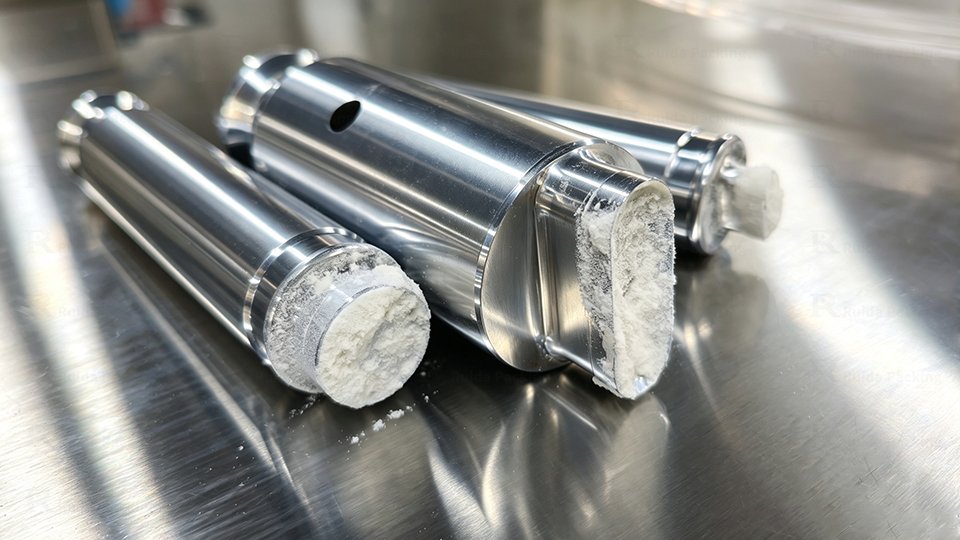
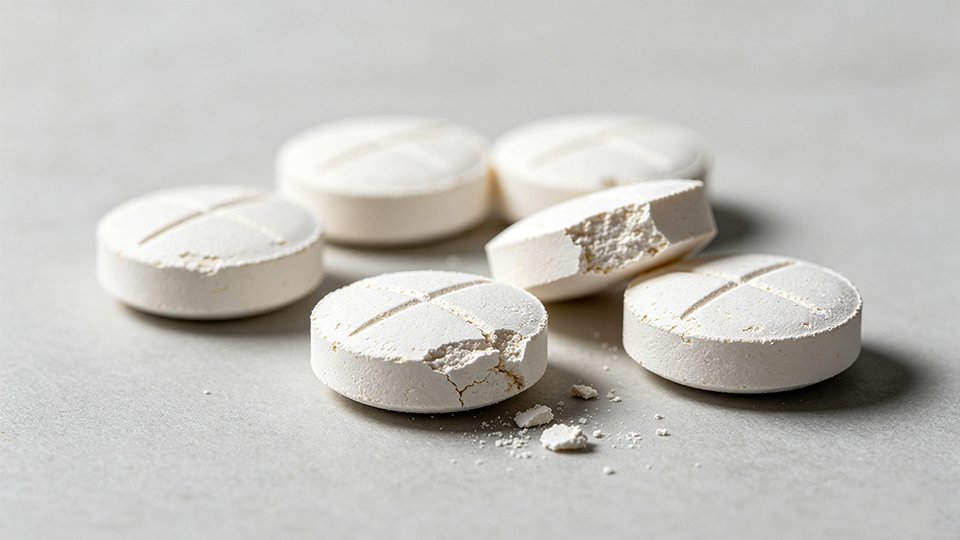
In un affollato laboratorio di tavolette, L'incollaggio del punzone si verifica frequentemente durante la fase di espulsione delle compresse compresse. Idealmente, quando impari a premere le compresse, le pillole dovrebbero fuoriuscire in modo pulito dallo stampo; Tuttavia, quando vari fattori aumentano l'adesività della polvere, sugli utensili tendono a rimanere frammenti minuti, manifestandosi come una pellicola sottile o grumi visibili di residui sulle facce del punzone dell'attrezzatura della pressa per pillole.
Ciò può verificarsi sul punzone superiore, il pugno inferiore, o anche all'interno dello stampo stesso. Questa perdita di materiale causata da questa adesione porta direttamente a difetti di raccolta delle compresse sulle compresse. Nella produzione su larga scala, ciò compromette notevolmente l'aspetto e l'uniformità di peso del lotto, con conseguente quantità sostanziali di compresse difettose che richiedono rilavorazione o rifiuto. Lasciato senza controllo, inoltre aggrava altri difetti delle compresse, come un difetto di incappucciamento o la laminazione delle compresse. Sapere cos'è un meccanismo di pressatura delle pillole aiuta gli operatori a capire perché il rilascio pulito è così cruciale.
2. Come L'attaccamento del punzone crea compresse difettose
Innanzitutto, la polvere attaccata ai punzoni porta direttamente a un'incoerenza del peso della compressa: l'attaccamento del punzone provoca segni grossolani sulle compresse. Diventa ancora peggio se c'è un segno sulle tavolette, per la raccolta può causare la sfocatura del segno.
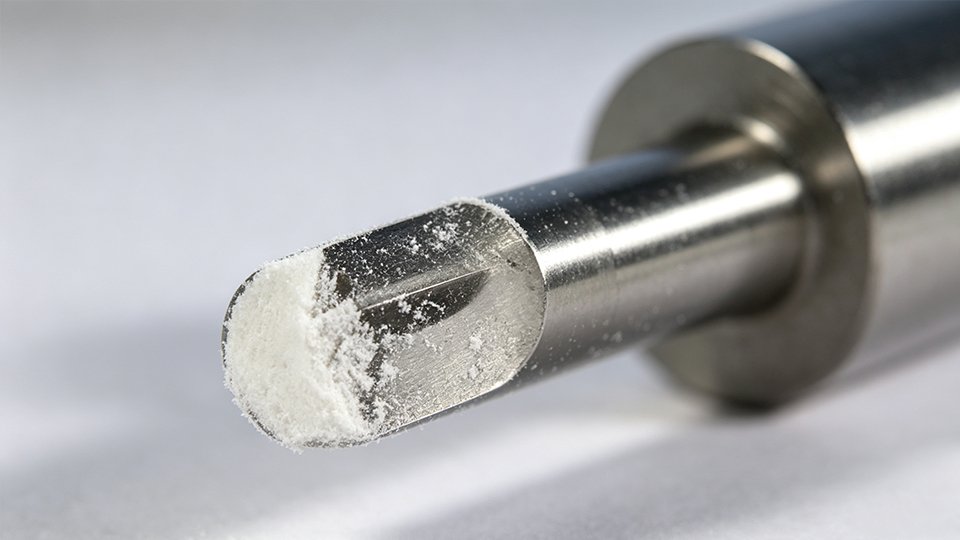
Altri effetti comuni legati a questo problema includono le superfici ruvide, loghi mancanti o incompleti, scheggiature ai bordi, e laminazione di compresse. Potresti anche incontrare compresse con tappo, dove la parte superiore si separa completamente. La tappatura e la raccolta delle compresse spesso avvengono simultaneamente quando la perforazione va male. Anche se alcune pillole per turno vengono danneggiate mentre si premono le medicine, l'effetto sulla resa totale e sull'affidabilità può essere significativo. Dopotutto, “appiccicoso” le macchie su un punzone possono creare una reazione a catena di difetti nelle compresse, si è conclusa con bassi tassi di accettazione sulla linea.
3. Superiore 4 Cause e soluzione dell'inceppamento del punzone
L'incollamento del punzone di solito deriva da problemi di materiale o di processo durante la pressatura della pillola. Ecco i cinque colpevoli più comuni, con esempi di come si presenta ogni problema e come individuarlo:
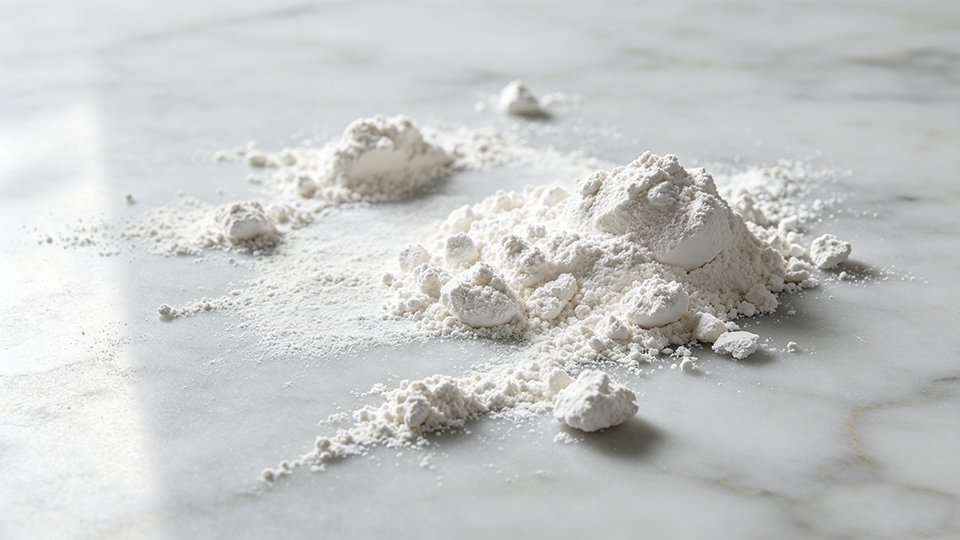
Causa 1: Contenuto di umidità non corretto
Problema: Quando si premono le pillole, i granuli con troppa umidità si attaccano ai punzoni.
Perché: Ingredienti come zuccheri e miscele granulate a umido probabilmente assorbono l'umidità. Man mano che la compressione continua, il calore e l'attrito causati dalla rotazione ad alta velocità rendono le compresse più appiccicose.
Soluzione: Regola l'asciugatura degli ingredienti in modo da raggiungere l'umidità consigliata (spesso 1–3%). Mantenere il laboratorio asciutto e fresco.
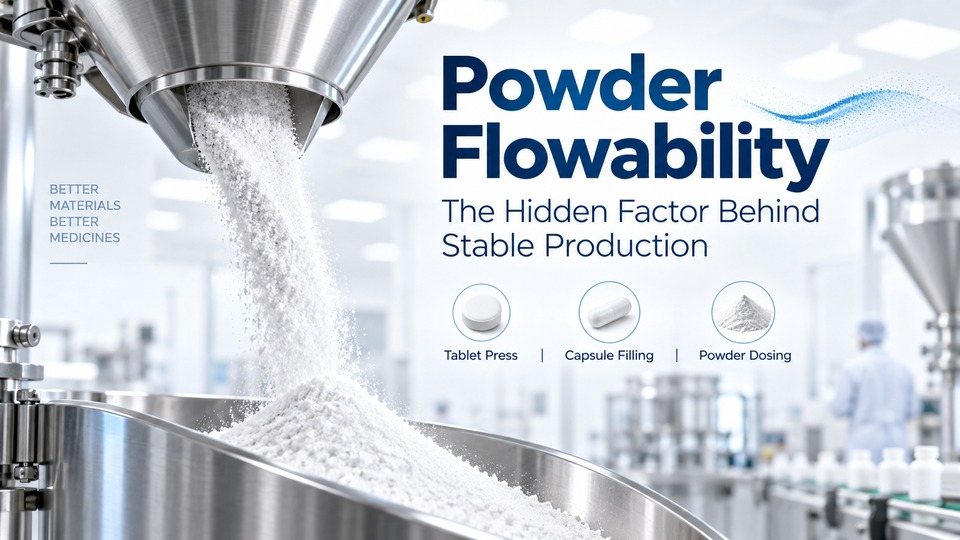
Causa 2: Scarsa fluidità della polvere.
Problema: Quando si tratta di polvere fine o appiccicosa, il riempimento sarà probabilmente irregolare nella pressa per pillole, portando a un peso incoerente e più a un difetto delle compresse.
Perché: La polvere fine ha una fluidità estremamente bassa, che lo fa aderire facilmente al punzone quando appare l'elettricità statica.
Soluzione: Il sistema di alimentazione forzata sulla pressa per compresse è una buona scelta per evitare un'alimentazione irregolare della polvere sulla comprimitrice. In generale, mescolare la polvere fine con i granuli che sono granulati secchi. Ciò può aumentare significativamente la scorrevolezza del materiale.
Causa 3: Punch Progetto e progettazione di tablet.
Problema: Le superfici del punzone ruvide o usurate causano l'inceppamento del punzone.
Perché: Graffi, corrosione, o i pozzi di ruggine sulla faccia del punzone forniscono un riparo su cui appoggiare la polvere. Col passare del tempo, ha un impatto drastico sulla qualità del tablet. Infatti, i design con scanalature profonde sono noti anche per la raccolta e persino la tappatura delle compresse.
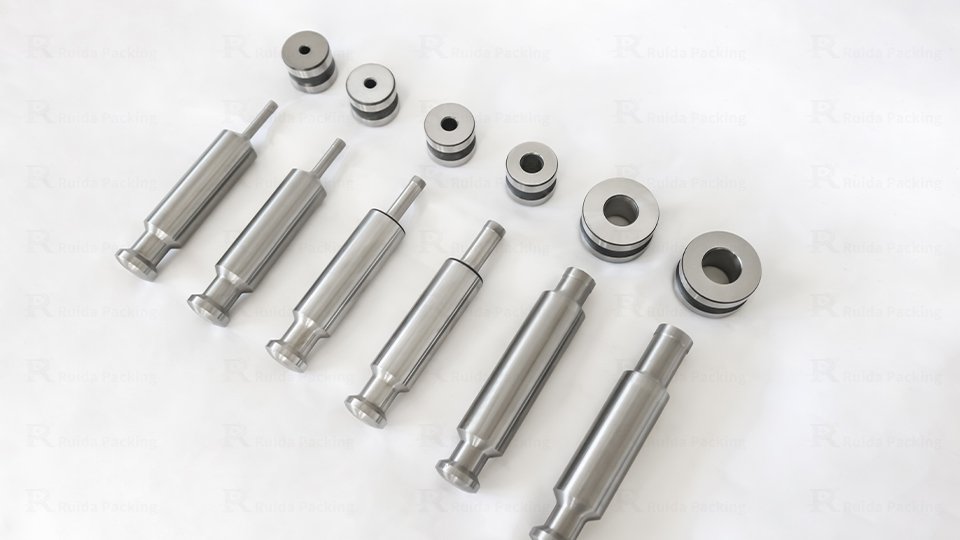
Soluzione: Lucidare e pulire regolarmente il punzone con pietre a grana fine. Se compaiono graffi o ammaccature, sostituire il punzone in tempo per evitare effetti di pastigliatura. Alcuni studi rilevano che un leggero punzone concavo, ad es. 4% anziché piatto può facilitare il rilascio del materiale. Se la forma del tuo punzone presenta incisioni profonde, è meglio applicare uno o altro materiale antiaderente rivestito in teflon.
Causa 4: Parametri di compressione.
Problema: Impostazioni errate della macchina per la pressione delle pillole possono favorire l'adesione in una certa misura.
Perché: Se la forza di compressione è troppo bassa, la compressa non aderisce completamente e rimane allentata. Ciò aumenta la possibilità che residui di polvere rimangano sui punzoni. D'altra parte, quando il giradischi ha una velocità troppo elevata, è difficile che la polvere si stabilizzi completamente e prenda forme in modo costante. Nel frattempo, il calore suscitato dalla rotazione ad alta velocità renderà la polvere soggetta ad attaccarsi.
Soluzione: Meglio una macchina dotata di precompressione, poiché aumenta la plasticità della polvere. Quando si avvia la macchina, rallentare leggermente la torretta. Fondamentalmente, mirare ad una forza e un tempo di permanenza sufficienti per comprimere con forza la compressa (Spesso >2.0 Resistenza alla trazione MPa) in modo che la polvere venga “attratta” dalla compressa, non il pugno.
4. Soluzioni pratiche per eliminare l'incollaggio dei punzoni
Ora che abbiamo identificato le cause principali, diamo un'occhiata a modi pratici per ridurre l'attaccamento del punch e prevenire compresse difettose. Nella maggior parte dei casi, i migliori risultati si ottengono migliorando la formulazione, utensileria, impostazioni del processo, e la compressa vengono premute insieme anziché fare affidamento su un'unica soluzione.
Ottimizza la granulazione e la formulazione
Le buone compresse compresse iniziano con buoni granuli. Se la miscela contiene troppi fini o umidità eccessiva, l'attaccamento diventa molto più probabile. Per formulazioni altamente adesive, la granulazione a secco può produrre granuli più uniformi e ridurre l'appiccicosità.
Regolare il livello del legante per evitare granuli eccessivamente gommosi, e mantenere l'umidità entro l'intervallo consigliato per la formulazione, tipicamente in giro 2% o inferiore per molte miscele di compresse.
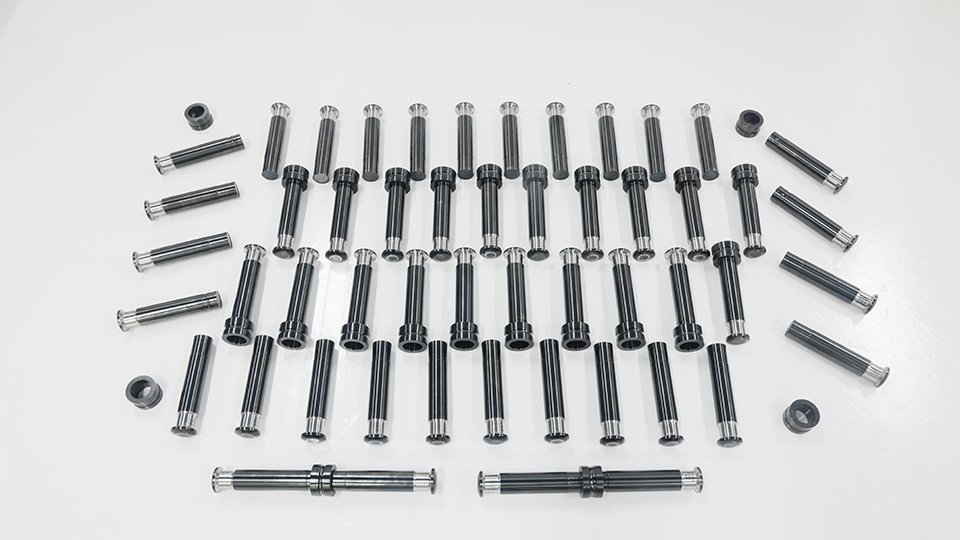
Passa agli strumenti di punzonatura antiaderenti
Quando gli aggiustamenti formulativi non bastano più, i pugni spesso forniscono il miglioramento più rapido contro gli effetti dei tablet.
Materiali di punzonatura e trattamenti superficiali diversi offrono prestazioni migliori con prodotti diversi:
Per esempio, PTFE (Teflon)-i punzoni rivestiti riducono l'energia superficiale, quindi è meno probabile che la polvere aderisca. Sebbene i rivestimenti si usurino nel tempo, rimangono una delle opzioni più efficaci per formulazioni difficili.
Ottimizza i parametri della pressa per compresse
Anche le impostazioni della macchina svolgono un ruolo importante nel ridurre l'adesione.
Se la produzione lo consente, abbassando leggermente la velocità della torretta si aumenta il tempo di permanenza, dando alla polvere più tempo per consolidarsi prima dell'espulsione. Precompressione corretta, forza di compressione ottimizzata, e le camme di espulsione ben regolate aiutano anche a ridurre al minimo l'adesione.
Moderno comprimitrici rotative servocomandate semplificare tutto ciò monitorando la forza di compressione in tempo reale e mantenendo una pressione costante durante tutta la produzione. Anche piccole modifiche ai parametri possono migliorare significativamente il rilascio del punzone e l'aspetto della tavoletta.
Scegli la giusta configurazione della pressa per compresse
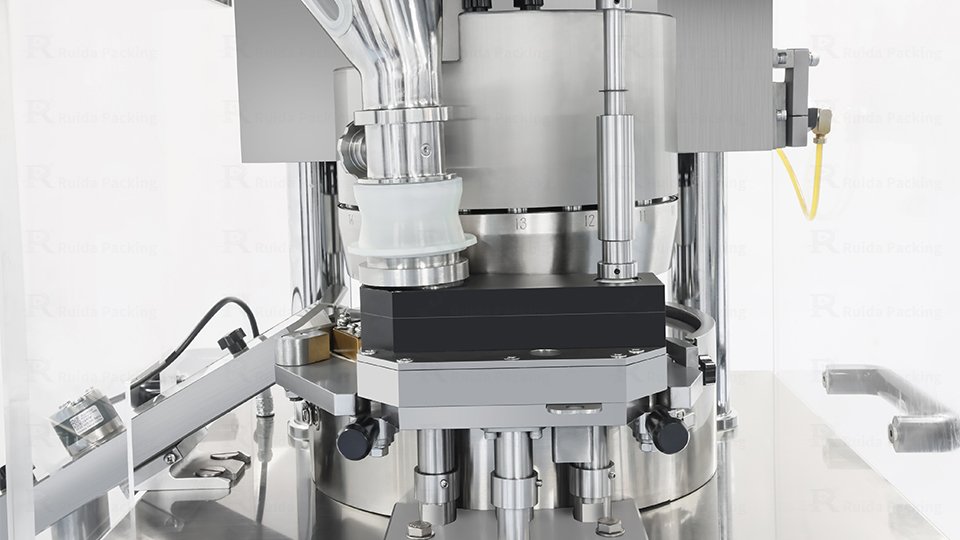
A volte il processo è ottimizzato, ma l'attrezzatura stessa diventa il fattore limitante. Le moderne comprimitrici rotative offrono diverse caratteristiche di progettazione che riducono l'adesione prima che inizi.
Un sistema di precompressione consolida delicatamente la polvere prima della fase di compressione principale, riducendo lo stress sulle formulazioni appiccicose.
Un sistema di alimentazione forzata fornisce un altro importante vantaggio. L'alimentazione a coclea tradizionale può portare alla formazione di ponti di polvere, riempimento non uniforme dello stampo, variazione di peso, e, in definitiva, un rischio maggiore di attaccarsi. Mescolando e alimentando continuamente il materiale tramite giranti, un alimentatore forzato mantiene una fornitura di polvere costante
Altre caratteristiche utili includono il controllo della servopressione, prestazioni stabili del giradischi, e monitoraggio dei parametri HMI in tempo reale, tutto ciò contribuisce a una compressione più stabile e a un minor numero di difetti della compressa.
5. Scegliere la giusta comprimitrice per formulazioni adesive
Quando un prodotto dà ripetutamente problemi di adesione, vale la pena chiedersi se la comprimitrice stessa ha le capacità necessarie. Le moderne comprimitrici avranno caratteristiche come:
Costretto metodo di alimentazione: Assicura una distribuzione uniforme del materiale anche se il materiale è appiccicoso o fine.
Precompressione: Elimina l'aria intrappolata nella polvere e nelle trafile, evitando i ponti di polvere e migliorando consistenza del peso della compressa.
Servo controllare Sistema: Mantiene la forza e la posizione esatte, anche durante i cambi di velocità.
Punzone antiaderente Progetto: Permette un facile utilizzo di punzoni speciali (Teflon, PTFE, ecc.) e rivestimenti.
Telaio stabile e giradischi: Riduce le vibrazioni ad alta velocità in modo che il riempimento rimanga uniforme.
Modulare progetto: Gli stampi dovrebbero essere facili da cambiare, oppure sarà una perdita di tempo pulire e cambiare lo stampo ogni volta che si verificano perdite di polvere sulla torretta.
Le comprimitrici rotative di Ruida Packing incorporano tutto questo. Sono costruiti secondo ISO, CE, e gli standard cGMP, e sono già utilizzati da importanti aziende farmaceutiche come Robinson Pharma, Sino Pharma Co., e MEDEC nelle loro linee di dosaggio solido. Dotato di rinomati componenti internazionali, inclusi motori Siemens, inverter ABB, Sensori Omron, ecc., ci impegniamo a fornire macchine di alta qualità ai produttori.
Inoltre, Ruida Packing offre servizi di supporto completi:
Controllo qualità rigoroso: Tutte le parti fondamentali (acciai, viti, elettronica) sono testati e tracciabili.
Componenti di marca internazionale: Utilizziamo marchi come Siemens, ABB, e Omron per le parti chiave, garantendo affidabilità.
Post-vendita locale Servizi: Forniamo messa in servizio e regolazione sia in remoto che in loco per ottimizzare il processo.
Documentazione & Formazione: Ogni stampante viene fornita con un manuale dettagliato e video didattici, oltre alla formazione degli operatori, così il tuo team sa come regolare i parametri e mantenere l'attrezzatura.
In pratica, questo significa quando si passa a una pressa Ruida Packing per una formulazione appiccicosa, ottieni anche supporto tecnico: aiuteremo a impostare l'alimentatore forzato, consigliare le opzioni di perforazione, e verificare il profilo di compressione. L'obiettivo è rendere i tablet resistenti agli stick l'impostazione predefinita, non una battaglia costante.
Conclusione
Il punch sticking è una questione dalle molteplici sfaccettature. Affrontando sistematicamente la formulazione, trattamento di punzonatura, e impostazioni di compressione, i produttori possono trasformare una situazione difficile in una produzione regolare e prevenire efficacemente le compresse difettose. Prevenire l'adesione non significa solo avere tablet più belli; riduce al minimo gli effetti della compressa come le compresse tappate, garantendo una pressatura delle pillole più sicura e coerente.
Q1: Come faccio a sapere se l'adesione è causata dalla formulazione o pugni?
È possibile testare il peso della compressa, l'aspetto della tavoletta, e il pugno. Se molti, il peso delle compresse varia ovviamente, spesso indica problemi di formulazione . Se il materiale si attacca solo nel logo o nelle stesse stazioni di perforazione, allora il pugno è sospetto.
Q2: I punzoni rivestiti in PTFE possono eliminare completamente l'adesione?
PTFE (Teflon) i rivestimenti riducono drasticamente l'adesione del punzone, ma non completamente. Riducono l'energia superficiale, quindi la polvere scivola via molto più facilmente, ma possono comunque usurarsi nel tempo o attrarre cariche statiche.
Q3: L'alimentazione forzata è necessaria per le polveri appiccicose?
È molto vantaggioso. Non è assolutamente necessario un sistema a palette per l'alimentazione forzata, ma per polveri molto appiccicose o fini, fa una grande differenza. Mescolando e spingendo costantemente la polvere negli stampi, l'alimentazione forzata previene i difetti nelle compresse e garantisce una compressione uniforme arrestando la separazione degli strati nella tramoggia.
Q4: Qual è il miglior materiale da punch per le compresse a base di erbe?
Molte miscele di erbe o botaniche sono molto adesive, quindi i materiali specializzati aiutano. I punzoni rivestiti in PTFE/Teflon sono spesso la scelta migliore, poiché respingono naturalmente le sostanze organiche appiccicose.
Q5: La velocità della comprimitrice influisce sull'aderenza del punzone?
SÌ. Una maggiore velocità della torretta significa un tempo di permanenza più breve, che può lasciare le compresse meno consolidate e aumentare la temperatura del punzone. Ciò spesso aumenta l'adesione, perché la polvere non ha il tempo di “fluire” nella compressa, quindi si verificano la raccolta e l'attaccamento.
Q6: Quale umidità è consigliata per la compressione delle compresse?
Generalmente, mantenere l'umidità della camera di compressione intorno al 30–50% di umidità relativa. Alta umidità (superiore al ~60%) può far sì che le polveri igroscopiche si raggruppino e si attacchino; bassa umidità (inferiore a ~20%) può causare elettricità statica.
[1] K. Platz, B. Mescolare, “Valutazione della propensione all’attaccamento dei tablet,“Tecnologia farmaceutica, vol. 36, NO. 1, Gen. 2012 (l'attaccamento provoca l'opacizzazione, incisione illeggibile).
https://www.pharmtech.com/view/assessing-tablet-sticking-propensity
[2] M.-Q. Le et al., “Influenza della formulazione e delle proprietà del punzone sull'adesione nel processo di pastigliatura," MedPharmRes, vol. 9, NO. 1, 2025 (API appiccicose, tipo di riempitivo, ed effetti di forma del punzone).
https://doi.org/10.32895/UMP.MPR.9.1.6
[3] Natoli Engineering. "Attaccare e scegliere il Libro Bianco."
https://natoli.com/wp-content/uploads/2024/04/Natoli-Whitepaper_Sticking-and-Picking_2.pdf