...

>

錠剤プレス機でのパンチの固着: 原因, ソリューション & 錠剤不良の防止

錠剤プレス機でのパンチの固着: 原因, ソリューション & 錠剤不良の防止

目次

錠剤プレス機でパンチの固着の問題が発生しますか? もしそうなら, タブレットの欠陥を解決する方法を知る時期が来ました!

When engineers discover significant powder adhesion on the tablet press punches when pressing medicine, it is a bad omen—indicating a high probability that the batch of compressed tablets will turn out to be defective tablets.

There are many factors contributing to the issue of punch sticking; しかし, since this problem often stems from the properties of the material itself, even a high-quality pill press machine may prove ineffective in resolving it. 今日, we will answer what is a pill press challenge in this context, delve into the specific causes of tablet deffects like powder sticking, and explore how machine design can be used to address this issue when learning how to press pills efficiently.

重要なポイント

  • Understanding punch sticking vs. tablet picking: why powder adheres to punches during pill pressing and how even minor sticking causes a defect of tablets.
  • Discussion of core causes of picking and sticking and how they lead to defective tablets.
  • Solutions and prevention for successful tableting, including adjusting pill pressure, processing techniques, and punch treatments.
  • Insights into choosing the right pill presser machine with anti-stick design to prevent tablet capping and other issues.

1. What Is Punch Sticking?

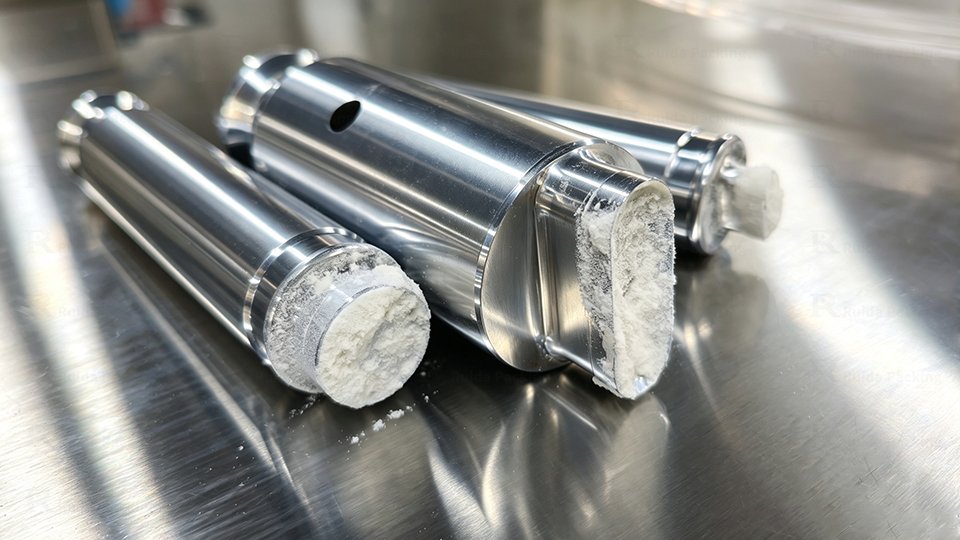
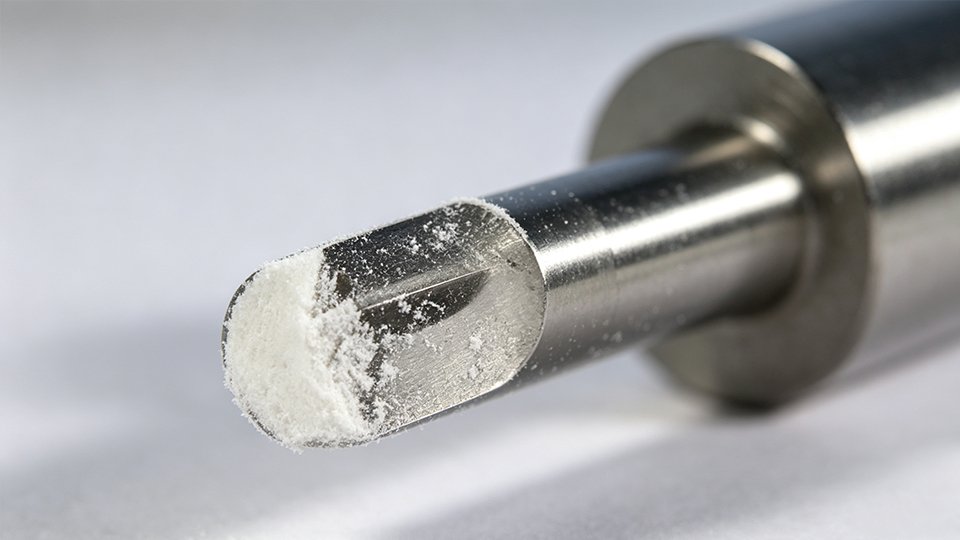
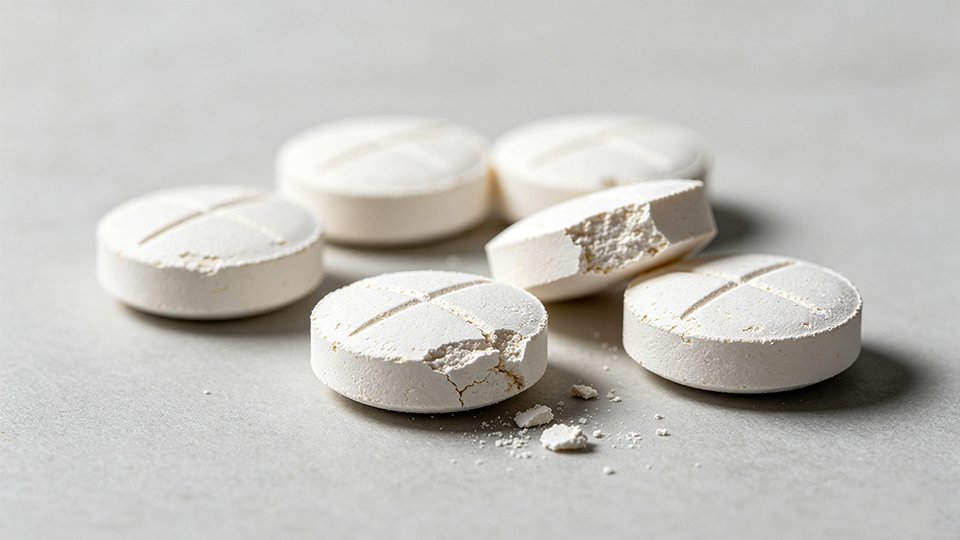
In a busy tableting workshop, punch sticking frequently occurs during the ejection phase of compressed tablets. Ideally, when mastering how to press tablets, pills should release cleanly from the die; しかし, when various factors increase powder adhesiveness, minute fragments tend to remain on the tooling, manifesting as a thin film or visible clumps of residue on the punch faces of the press machine pill equipment.

This can occur on the upper punch, the lower punch, or even within the die itself. This loss of material caused by this adhesion directly leads to tablet picking defects on the tablets. In large-scale production, this significantly compromises the appearance and weight uniformity of the batch, resulting in substantial quantities of defective tablets requiring rework or rejection. Left unchecked, it also exacerbates other defects in tablets like a capping defect or tablet lamination. Knowing what is a pill press mechanism helps operators understand why clean release is so crucial.

2. どうやって Punch Sticking Creates Defective Tablets

まず最初に, powder stuck on punches directly leads to tablet weight inconsistencypunch sticking causes rough marks on tablets. It becomes even worse if there’s a mark on the tablelts, for picking may causes blur of the mark.

Other common tableting deffects from this issue include rough surfaces, missing or incomplete logos, chipping at edges, and tablet lamination. You might also encounter capped tablets, where the top portion completely separates. Tablet capping and picking often happen simultaneously when punch goes wrong. Even if a few pills per shift are damaged while pressing medicine, the effect on total yield and reliability can be significant. 結局, “粘着性のある” spots on a punch can create a chain reaction of defects in tablets, wound up in low acceptance rates on the line.

3. トップ 4 Causes and Solution of Punch Sticking

Punch sticking usually stems from material or process issues during pill pressing. Here are the five most common culprits, with examples of how each problem arises and how to spot it:

原因 1: Improper Moisture Content

ProblemWhen pressing pills, granules with too much moisture cling to punches.

なぜIngredients like sugars and wet-granulated blends likely absorb the moisture. As the compression goes on, the heat and friction caused by the high speed rotation make the tablets more sticky.

解決Adjust drying of the ingredients to target recommended moisture (often 1–3%). Keep the worshop dry and cool.

原因 2: Poor Powder Flowability. 

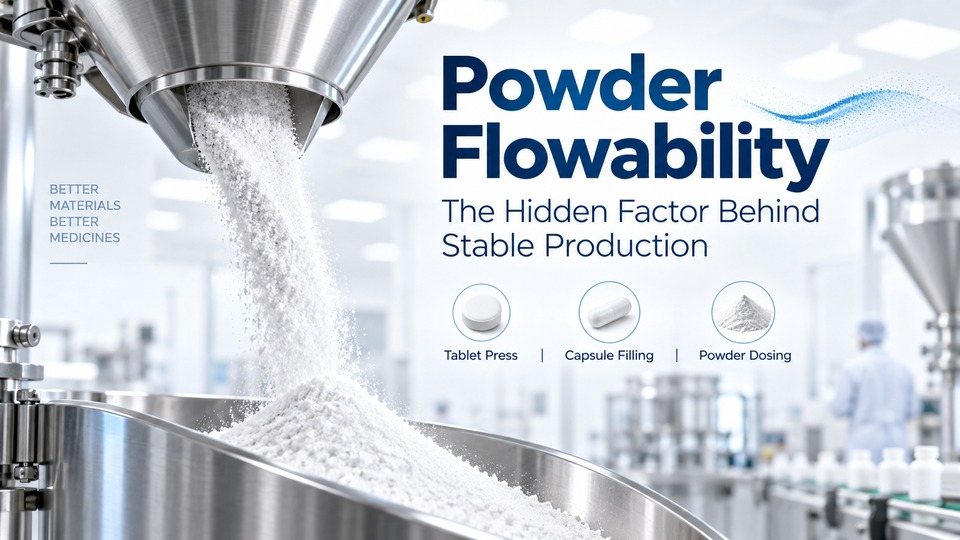
ProblemWhen it comes to fine or sticky powder, filling will likely be uneven in the pill press machine, leading to inconsistent weight and more of a defect of tablets.

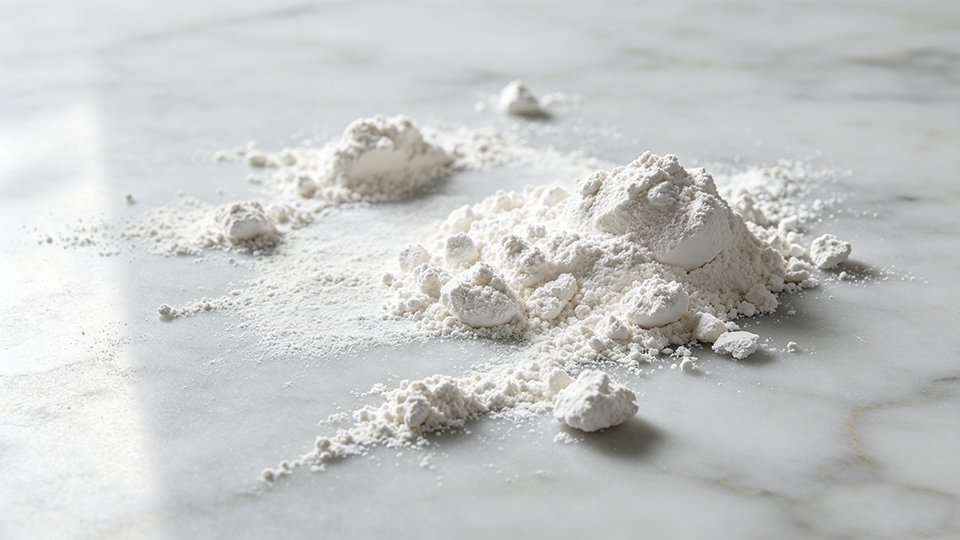
なぜThe fine powder has extremely low flowability, which makes it easily stick to the punch when static electricity appears.

解決Forced feeding system on your pill presser machine is a good choice to avoid uneven powder feedng on the tablet press. 一般的に言えば, mix the fine powder with the granules which is dry granulated. This can significantly increase the flowability of the material.

原因 3: Punch デザイン and Tablet Design. 

ProblemRough or worn punch surfaces cause punch sticking.

なぜScratches, corrosion, or rust pits on the punch face provide a shelter for powder to rest on. As time goes on, it has a drastic impact on tablet quality. 実際には, designs with deep grooves are also notorious for picking and even capping of tablets.

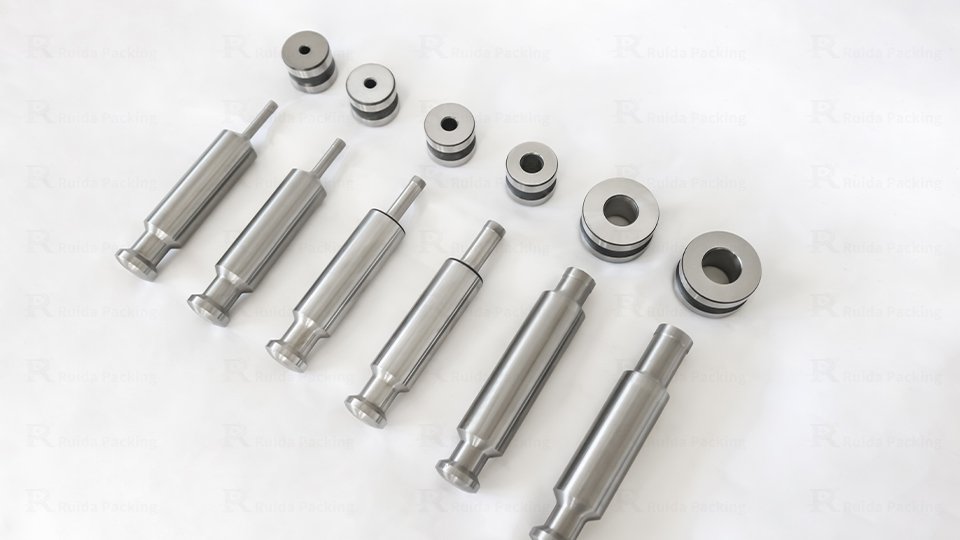
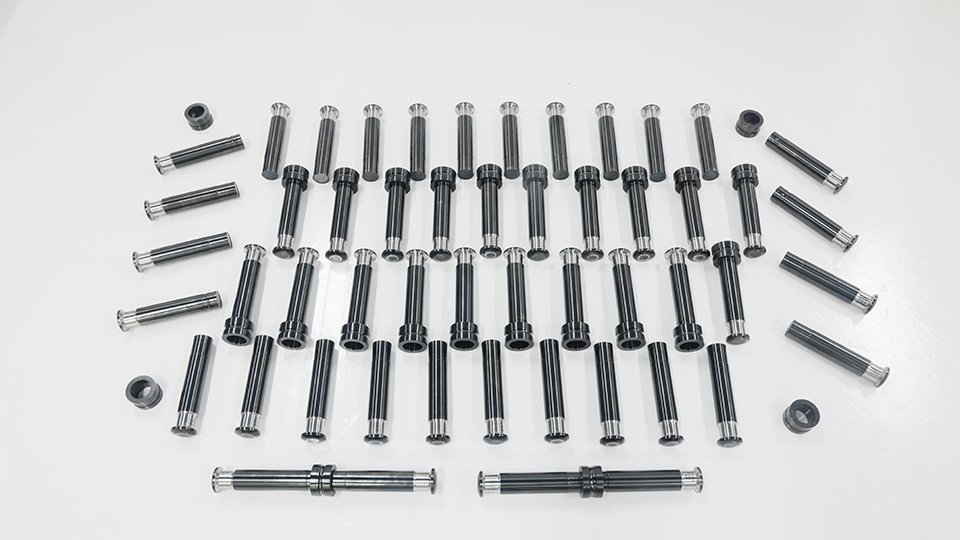
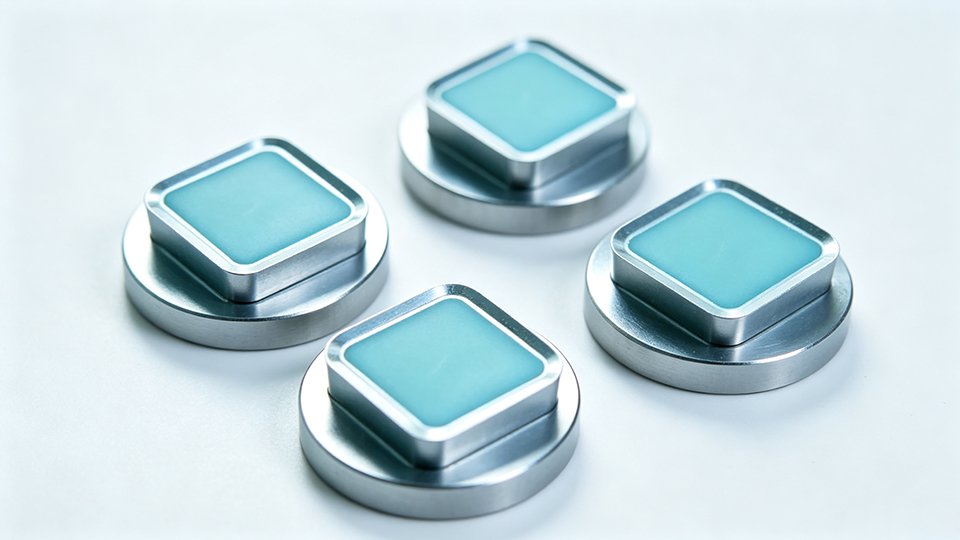
解決Polish and clean punch regularly with fine-grit stones. If scratches or dents appear, replace the punch in time to avoid tableting deffects. Some studies find that a slight concave punch e.g. 4% instead of flat can ease material release. If your punch shape has deep engravings then you’d better apply tefflon coated one or other anti-stick material.

原因 4: Compression Parameters. 

ProblemIncorrect pill pressure machine settings can promote sticking t to certain extent.

なぜIf compression force is too low, the tablet doesn’t bond fully and remains loose. This gives chances to the powder residue to be left on the punches. On the otehr hand, when the turntable is at a too high speed, it’s hard for the powder to fully settle and form into shapes steadily. Meanwhile, the heat aroused by the high-speed rotation will make the powder prone to sticking.

解決A machine equipped with pre-compression is better, for it increases the powder plasticity. When you run the machine, slow down turret slightly. Basically, aim for enough force and dwell time to compress the tablet strongly (頻繁 >2.0 MPa tensile strength) so that powder is “attracted” to the tablet, not the punch.

4. Practical Solutions to Eliminate Punch Sticking

Now that we’ve identified the root causes, let’s look at practical ways to reduce punch sticking and prevent defective tablets. ほとんどの場合、, the best results come from improving the formulation, ツーリング, process settings, and tablet press together rather than relying on a single fix.

Optimize Granulation and Formulation

Good compressed tablets start with good granules. If the blend contains too many fines or excessive moisture, sticking becomes much more likely. For highly adhesive formulations, dry granulation can produce more uniform granules and reduce tackiness.

Adjust the binder level to avoid overly gummy granules, and keep moisture within the range recommended for your formulation, typically around 2% or lower for many tablet blends.

Upgrade to Anti-Stick Punch Tooling

When formulation adjustments are no longer enough, punches often provide the fastest improvement against tablet deffects.

Different punch materials and surface treatments perform better with different products:

例えば, PTFE (テフロン)-coated punches reduce surface energy so powder is less likely to adhere. Although coatings wear over time, they remain one of the most effective options for difficult formulations.

Optimize Tablet Press Parameters

Machine settings also play a major role in reducing sticking.

If production allows, slightly lowering turret speed increases dwell time, giving powder more time to consolidate before ejection. Proper pre-compression, optimized compression force, and well-adjusted ejection cams also help minimize adhesion.

モダンな servo-controlled rotary tablet presses make this easier by monitoring compression force in real time and maintaining consistent pressure throughout production. Even small parameter adjustments can significantly improve punch release and tablet appearance.

Choose the Right Tablet Press Configuration

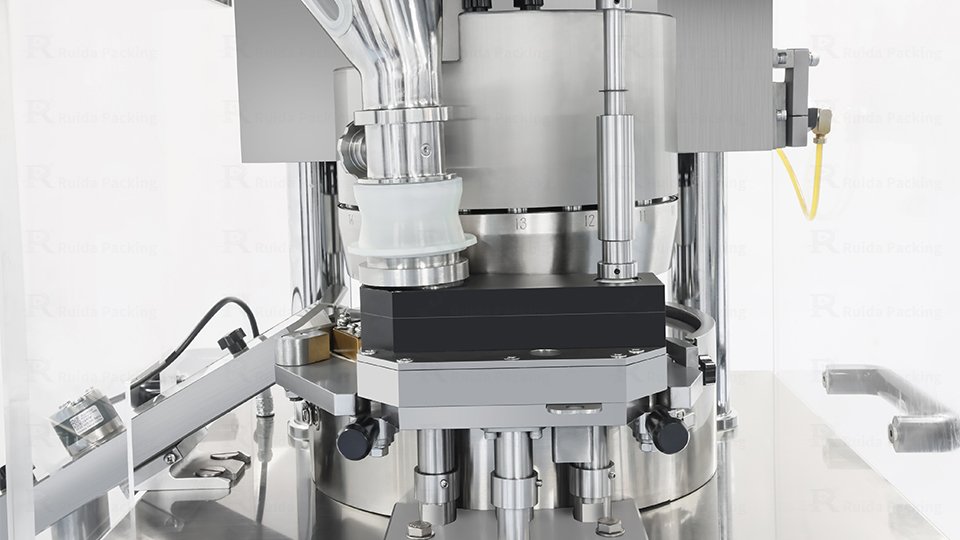
Sometimes the process is optimized, but the equipment itself becomes the limiting factor. Modern rotary tablet presses offer several design features that reduce sticking before it starts.

A pre-compression system gently consolidates powder before the main compression stage, reducing stress on sticky formulations.

A forced feeding system provides another important advantage. Traditional screw feeding can lead to powder bridging, uneven die filling, 重量の変化, and ultimately a higher risk of sticking. By continuously mixing and feeding material by impellers, a forced feeder maintains a consistent powder supply

Other useful features include servo pressure control, stable turntable performance, and real-time HMI parameter monitoring, all of which contribute to more stable compression and fewer tablet defects.

5. Choosing the Right Tablet Press for Sticky Formulations

When a product repeatedly gives sticking trouble, it’s worth asking whether the tablet press itself has the needed capabilities. Modern tablet presses will have features such as:

Forced 給餌方法Ensures even material distribution even the material is sticky or fine.

Pre compression: It eliminates the air trapped in the powder and the dies, avoiding powder bridging and improving tablet weight consistency.

Servo control システムMaintains exact force and position, even during speed changes.

Anti-stick punch デザインAllows easy use of special punches (テフロン, PTFE, 等) and coatings.

Stable frame and ターンテーブルReduces vibration at high speed so filling stays uniform.

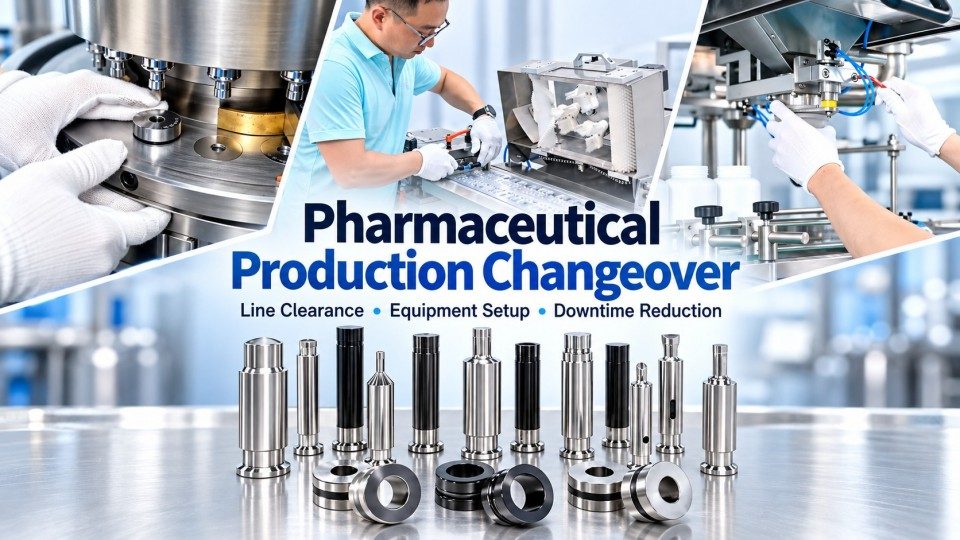
Modular デザインThe molds should be easily changed, or it will be a waste of time for cleaning and mold changing whenever there’s powder leakage on the turret.

Ruida Packing’s rotary tablet presses incorporate all these. They are built to ISO, CE, および cGMP 基準, and are already used by major pharmaceutical companies such as Robinson Pharma, Sino Pharma Co., and MEDEC in their solid-dose lines. Equipped with renowned international components including Siemens motors, ABB inverters, Omron sensors, 等, we’re dedicated to deliver high quality machine for manufacturers.

さらに, Ruida Packing offers full support services:

Rigorous Quality ControlAll core parts (steels, screws, エレクトロニクス) are tested and traceable.

International-Brand ComponentsWe use brands like Siemens, ABB, and Omron for key parts, ensuring reliability.

Local After-sales サービスWe provide both remote and on-site commissioning and adjustment to optimize your process.

ドキュメンテーション & TrainingEvery press comes with a detailed manual and instructional videos, plus operator training, so your team knows how to adjust parameters and maintain the equipment.

実際に, this means when you switch to a Ruida Packing press for a sticky formulation, you also get engineering support: we’ll help set up the forced feeder, recommend punch options, and verify the compression profile. The goal is to make stick-resistant tableting the default, not a constant battle.

結論は

Punch sticking is a multifaceted issue. By systematically addressing formulation, punch treatment, and compression settings, manufacturers can turn a sticky situation into smooth production and effectively prevent defective tablets. Preventing sticking isn’t just about prettier tablets; it minimizes tableting deffects like capped tablets, ensuring safer and more consistent pill pressing.

よくある質問

Q1: How do I know whether sticking is caused by formulation or パンチ?

You can test the tablet weight, the tablet appearace, and the punch. If many the weight of tablets vary obviously, it often points to formulation issues . If the material only sticks in the logo or at the same punch stations, then the punch is suspect.

第2四半期: Can PTFE-coated punches eliminate sticking completely? 

PTFE (テフロン) coatings dramatically reduce punch sticking, but not completely. They lower surface energy so powder slides off much more easily, but they can still wear over time or attract static charges.

Q3: Is forced feeding necessary for sticky powders? 

It’s highly beneficial. A forced-feeding paddle system is not absolutely required, but for very sticky or fine powders, it makes a big difference. By constantly mixing and pushing powder into the dies, forced feeding prevents defects in tablets and ensures smooth tableting by stopping layer separation in the hopper.

 Q4: What is the best punch material for herbal tablets? 

Many herbal or botanical blends are very adhesive, so specialized materials help. PTFE/Teflon-coated punches are often the best choices, as they naturally repel sticky organics.

Q5: Does tablet press speed affect punch sticking? 

はい. Higher turret speed means shorter dwell time, which can leave tablets less consolidated and raise punch temperatures. This often increases sticking, for the powder doesn’t have time to “flow into” the tablet, so picking and sticking happen.

Q6: What humidity is recommended for tablet compression? 

一般的に, keep the compression room humidity around 30–50% RH. High humidity (above ~60%) can make hygroscopic powders clump and stick; 低湿度 (below ~20%) can cause static.

参考文献

[1] K. Platz, B. Mix, “Assessing Tablet-Sticking Propensity,” Pharmaceutical Technology, vol. 36, no. 1, Jan. 2012 (sticking causes dulling, illegible debossing).

https://www.pharmtech.com/view/assessing-tablet-sticking-propensity

[2] M.-Q. Le et al., “Influence of formulation and punch properties on sticking in the tableting process,” MedPharmRes, vol. 9, no. 1, 2025 (sticky APIs, filler type, and punch shape effects).

https://doi.org/10.32895/UMP.MPR.9.1.6


[3] Natoli Engineering. “Sticking and Picking White Paper.”
https://natoli.com/wp-content/uploads/2024/04/Natoli-Whitepaper_Sticking-and-Picking_2.pdf

共有:

メッセージを送信

関連記事

ご要望をお聞かせください

    見積もり依頼

      *当社はお客様の機密性を尊重し、すべての情報は保護されます。

      /*wpsi_fa907744*/