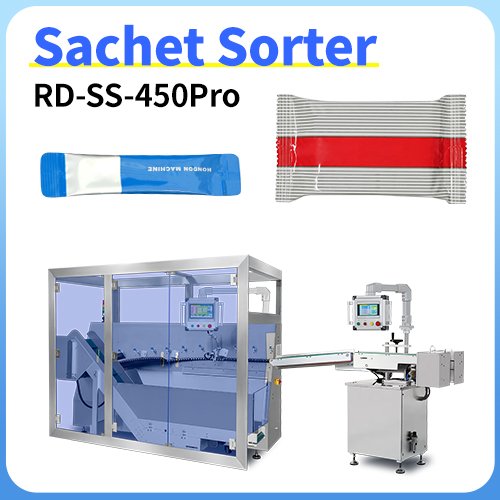
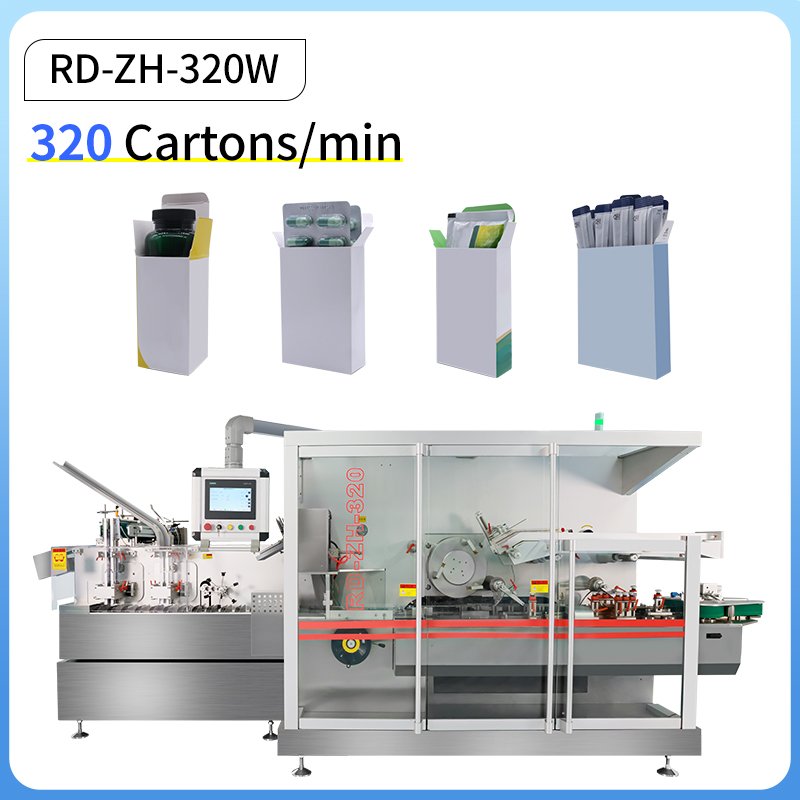
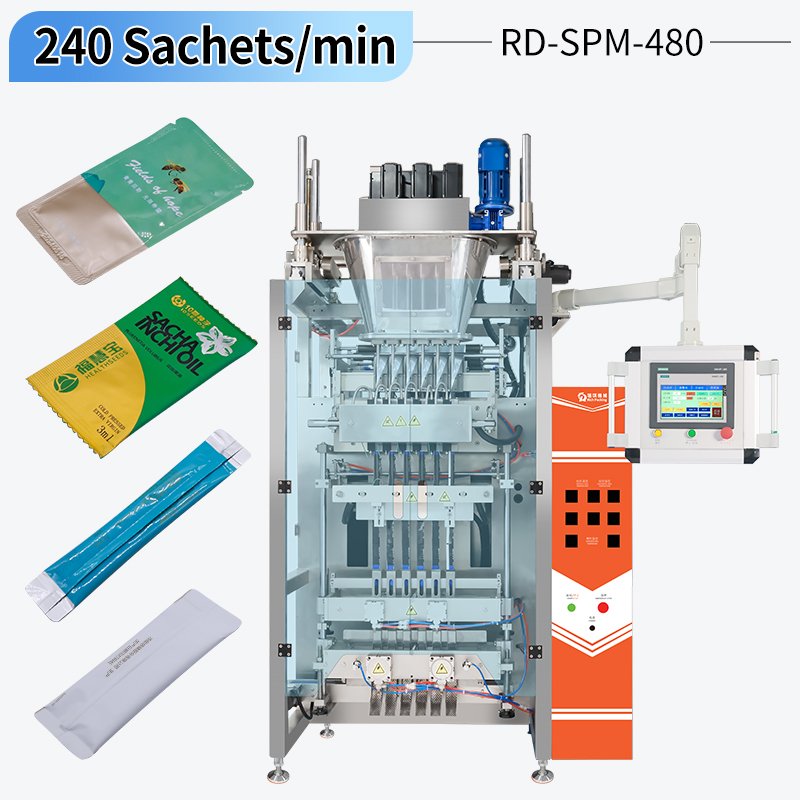
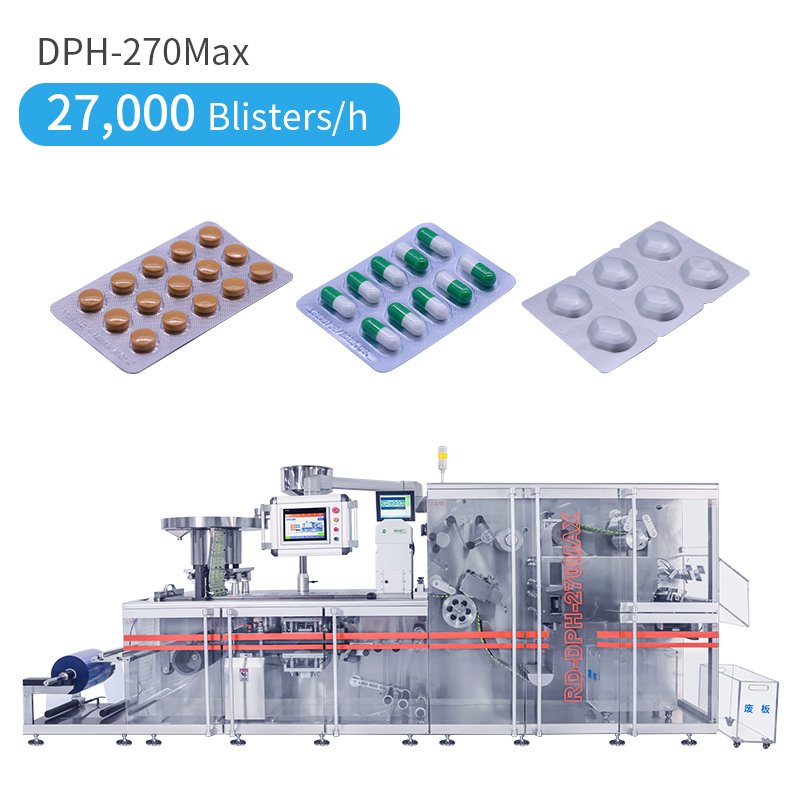
Trong thị trường dược phẩm có tính cạnh tranh cao hiện nay, đồ ăn, và ngành hàng tiêu dùng, các nhà sản xuất luôn phải chịu áp lực phải tăng sản lượng, giảm sự phụ thuộc vào lao động, và cải thiện tính linh hoạt trong sản xuất tổng thể. Trong khi các khoản đầu tư đáng kể thường được thực hiện vào thiết bị đóng gói sơ cấp tốc độ cao và các giải pháp đóng gói thứ cấp phức tạp, một nút thắt quan trọng thường bị bỏ qua: sự kết nối giữa hai giai đoạn này.
Khoảng cách này—thường được các kỹ sư gọi là “đồng hồ cuối cùng” giữa bao bì bên trong và bên ngoài—có thể âm thầm làm giảm hiệu quả của dây chuyền sản xuất tự động hóa. Thoát túi máy đóng gói bao bì dòng chảy hoặc dính máy đóng gói trong tình trạng lộn xộn, trạng thái số lượng lớn, trong khi nhu cầu của các nhà sản xuất thùng carton hạ lưu chính xác, có trật tự, và tính đầu vào. Kết quả thường là sự can thiệp thủ công, đệm tạm thời, xử lý lại sản phẩm, và rủi ro không cần thiết.
Thay vì hoạt động như một máy độc lập, họ hành động như một người thông minh, trung tâm kết nối tốc độ cao biến dòng sản phẩm hỗn loạn thành liên tục, đồng bộ, và quy trình hoàn toàn tự động.
1. Tại sao việc sắp xếp và đếm lại quan trọng?
Ở nhiều nhà máy, đặc biệt là những hoạt động trên nhiều tầng hoặc bố trí hạn chế, Túi phải được chuyển thủ công giữa các công đoạn đóng gói. Người vận hành thang máy, chồng, và tải lại túi hoặc quầy, giới thiệu một số thách thức:
Tốc độ cho ăn không nhất quán
Đếm lỗi và rủi ro chất lượng
Chi phí lao động tăng
Nguy cơ ô nhiễm và hư hỏng sản phẩm cao hơn
Giảm hiệu quả tổng thể của dây chuyền
A sorting and counting machine eliminates these issues by consolidating buffering, định hướng, khoảng cách, and counting into a machine. The result is a smooth material flow that aligns perfectly with Industry 4.0 nguyên tắc: tự động hóa, data continuity, and process reliability.
2. How a Full-Servo Sachet Sorter Counter Working Principle
Unlike traditional vibration-based or purely mechanical systems, a full-servo solution relies on precise motion control, coordinated drives, and intelligent software logic. The high speed sorter counter machine integrates 11 high-performance servo motors, all orchestrated by a centralized motion controller.
Rather than pursuing speed alone, the machine is engineered around dynamic speed matching, ensuring gentle handling at low speeds where needed and high-precision operation at critical transfer points.
2.1. Gentle Accumulation and Intelligent Feeding
Quá trình bắt đầu ở miệng rộng, phễu tích lũy có độ nghiêng thấp. Sản phẩm—dù là gói, túi nhỏ, hoặc thẻ vỉ—đến từ thiết bị đầu nguồn theo hướng hoàn toàn ngẫu nhiên.
Thay vì buộc phải căn chỉnh thông qua rung động hoặc tác động cơ học mạnh mẽ, một dây đai chạy chậm ở chân phễu nhẹ nhàng dẫn sản phẩm về phía cơ cấu nâng và cấp liệu. Điều khiển servo đảm bảo rằng chỉ một lượng túi được kiểm soát mới bước vào giai đoạn tiếp theo, ngăn ngừa tắc nghẽn, chồng chéo, hoặc nén.
Cách tiếp cận này làm giảm đáng kể tiếng ồn, mặc, và biến dạng của sản phẩm—một yếu tố quan trọng cần cân nhắc đối với các gói mỏng hoặc các vỉ mỏng manh.
2.2. Sắp xếp tốc độ cao thông qua điều khiển servo
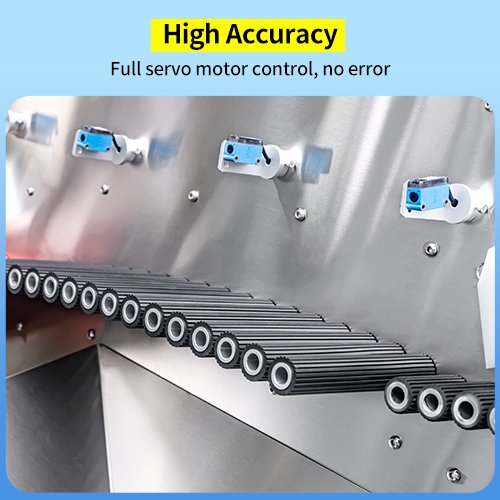
Sau khi được nâng vào khu vực phân loại lõi, các túi được đưa lên bệ lăn tốc độ cao. Đây, việc phân loại đạt được không thông qua các đường ray dẫn hướng phức tạp, but through carefully calibrated differences in roller speed, phương hướng, and friction.
Multiple servo motors dynamically adjust these parameters, allowing bags to naturally separate, reorient, and space themselves as they move forward. Side guides assist the process without exerting damaging pressure.
For applications requiring extremely high accuracy, an optional machine vision system can be integrated. Cameras instantly identify product orientation and, nếu cần thiết, instruct downstream actuators to correct alignment—ensuring consistent presentation before counting.
2.3. Precise Spacing and High-Accuracy Counting
After sorting, bags enter a servo-driven synchronous belt system. Using encoder feedback and real-time motion control, the system accelerates or decelerates individual bags to achieve uniform spacing. Each item then passes through photoelectric sensors at high speed, enabling non-contact, error-free counting even at rates of up to 450 gói mỗi phút.
Because the system relies on motion synchronization rather than mechanical timing, accuracy remains consistent even during speed changes or short production interruptions.
2.4. Flexible Discharge Modes for Seamless Integration
One of the defining advantages of a full-servo bag sorting and counting machine is its adaptability at the discharge end. Through the human-machine interface (HMI), operators can switch between multiple output configurations to match downstream equipment requirements:
Horizontal transfer: Bags are pushed smoothly into a cartoner magazine
Vertical orientation: Bags are stood upright for insertion into cartons
Batch stacking: A predefined number of bags is stacked and transferred as a single group
Each discharge motion is controlled by an independent servo axis, allowing precise synchronization with cartoners, máy đóng thùng, or overwrappers. This “zero-pressure” transfer minimizes jams, mặc, và thời gian ngừng hoạt động.
3. The Intelligence Behind the Speed
Although the system can achieve extremely high throughput, its real strength lies in how it manages speed across different zones. The accumulation area runs slowly to protect products, the sorting zone operates at variable mid-range speeds, and the counting and discharge sections run at high speed with extreme precision.
This coordinated speed profile—managed by a single motion controller—is what allows the system to remain stable, im lặng, and reliable even under demanding production conditions.
4. Wide-Ranging Applications Across Industries
Thanks to its flexible handling and gentle sorting logic, this type of system is widely used across multiple sectors:
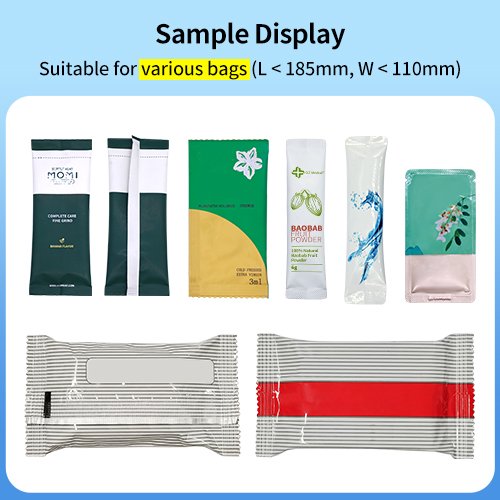
Ngành công nghiệp dược phẩm: Blister cards are a classic challenge: flat, nhẹ, and easily scratched. The system separates, đếm, and feeds them directly into automatic cartoners, eliminating manual handling. It is equally effective for sachets containing powders or granules.
Công nghiệp thực phẩm: Seasoning packets, sauce sachets, and snack pouches can be grouped and counted for multi-pack cartons or case packing, significantly improving throughput in convenience food production.
Personal Care and Cosmetics: Face mask sachets, shampoo samples, and wet wipe packs benefit from the system’s gentle handling and clean design, ensuring an attractive final presentation.
Medical and Industrial Products: Sterile pouches, diagnostic kits, and even small non-food industrial packets can be processed with high accuracy and traceability.
In all cases, the machine replaces a labor-intensive buffer zone with a compact, automated module.
5. Upstream and Downstream Integration
An effective intermediate machine must do more than process products—it must communicate and cooperate with the entire line.
Upstream Connectivity: The accumulation hopper can accept products from conveyors, ngã, elevators, or robotic systems. Integrated level sensors communicate with upstream machines via I/O signals or fieldbus protocols. When the hopper approaches capacity, upstream equipment is slowed or paused automatically, preventing overflow.
Downstream Synchronization: For high-speed lines, deep control integration is essential. Using servo following and high-speed communication protocols such as EtherCAT or PROFINET, the sorter’s discharge axis can synchronize precisely with the cartoner’s motion. Sự phối hợp ở cấp độ mili giây này giúp loại bỏ thời gian chờ đợi và xung đột cơ học.
Tính liên tục của dữ liệu: Ngoài chuyển động thể chất, hệ thống có thể truyền dữ liệu đếm, thông tin lô, và trạng thái sản xuất tới các máy ở hạ nguồn hoặc nền tảng MES, hỗ trợ truy xuất nguồn gốc và tuân thủ đầy đủ.
Phần kết luận
Khi các nhà sản xuất hướng tới thông minh hơn, nhiều nhà máy được kết nối hơn, tầm quan trọng của dòng nguyên liệu liền mạch không thể được phóng đại.
Hệ thống đếm và phân loại túi đầy đủ servo biến sự hỗn loạn thành trật tự, sự gián đoạn thành sự liên tục, và xử lý thủ công thành tự động hóa thông minh. Bằng cách thu hẹp khoảng cách giữa bao bì sơ cấp và thứ cấp một cách lặng lẽ và hiệu quả, nó trở thành một bộ điều khiển nhịp điệu thiết yếu trong dây chuyền đóng gói hiện đại—một dây chuyền mang lại hiệu quả có thể đo lường được, độ tin cậy, và giá trị hoạt động lâu dài.