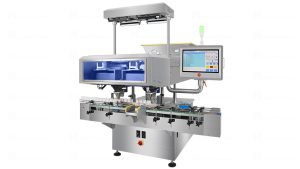

Alt: Tabletki musujące wydzielające drobny pył
Wstęp
Na wielu liniach pakowania tabletek musujących, operatorzy mogą ocenić zmianę, po prostu patrząc na tablet. Drobny proszek stopniowo gromadzi się wokół kanału zliczającego i obszaru czujnika. Wkrótce, włącza się pierwszy alarm i ktoś podchodzi, żeby posprzątać jednostka licząca Ponownie. Na jakimś musującym liczenie tabletów kwestia, to się zdarza każdego 10 Do 15 minut przez całą zmianę, po cichu zabierając ponad godzinę czasu produkcji każdego dnia.
Większość problemów zaczyna się, gdy unoszący się w powietrzu proszek dotrze do obszaru wykrywania wewnątrz tablet. Standardowy optyczny sprzęt liczący często ma problemy, gdy wokół czujników zaczyna gromadzić się kurz, co prowadzi do niestabilnych zliczeń i powtarzających się przestojów. A maszyna licząca przeznaczone do pylących produktów musujących, mogą utrzymać bardziej niezawodną wydajność zliczania podczas dłuższych serii produkcyjnych. W tym artykule, sprawdzimy, dlaczego musujący pył stwarza problemy z liczeniem, ile te przerwy kosztują producentów, oraz jak jedna z rosyjskich fabryk farmaceutycznych rozwiązała ten problem, stosując rozwiązanie zliczające odporne na kurz.
Dlaczego musujący pył powoduje problemy z liczeniem
Na wielu liniach pakowania tabletek musujących, proszek unoszący się w powietrzu stopniowo staje się bezpośrednim problemem produkcyjnym, gdy zaczyna wpływać na tablet i urządzeń liczących podczas pracy ciągłej. Ma to bezpośredni wpływ na dokładność i stabilność całości system liczenia Zespoły produkcyjne zwykle zauważają problem jako pierwsze w pobliżu kanału zasilającego i obszaru czujnika, skąd proszek tabletki musujące stopniowo gromadzi się podczas normalnej operacji liczenia tabletek.
Dlaczego tabletki musujące wytwarzają tak dużo pyłu
Tabletki musujące są z natury bardziej delikatne niż tabletki powlekane lub kapsułki. Ich formuły zwykle zawierają wodorowęglan sodu i kwas cytrynowy, składniki zaprojektowane tak, aby szybko rozpuszczały się w wodzie. Aby osiągnąć tę szybką reakcję, tabletki pozostają stosunkowo porowate i kruche.
Gdy tabletki przemieszczają się przez kanały wibracyjne i tace podające, tarcie między produktami powoduje odrywanie się drobnych cząstek od powierzchni. Cząsteczki te szybko stają się unoszącym się w powietrzu proszkiem, który rozprzestrzenia się po całej linii pakującej.
Pył ten osiada wszędzie — na pokrywach maszyn, przenośniki, szyny prowadzące, i najbardziej krytycznie, na czujnikach wewnątrz maszyna do liczenia tabletek. W produkcji musującej, powstawanie pyłu jest nieuniknione. Wyzwaniem dla większości linii produkcyjnych jest utrzymanie stabilności dokładność liczenia po kilku godzinach ekspozycji na proszek unoszący się w powietrzu wewnątrz sprzęt liczący.
Jak kurz wpływa na dokładność liczenia
Najbardziej tradycyjny liczniki tabletów polegają na fotoelektrycznych czujnikach podczerwieni wewnątrz kanału zliczającego. Kiedy tabletki przechodzą przez wiązkę optyczną, system rejestruje każde przerwanie jako jedno zliczenie. W produkcji tabletek musujących, proszek unoszący się w powietrzu szybko zakłóca działanie tych czujników i zmniejsza dokładność liczenia podczas ciągłej pracy.
Pył zakłóca ten proces na dwa główne sposoby.
Pierwszy, proszek stopniowo gromadzi się na soczewce czujnika. W miarę gęstnienia warstwy, wiązka światła staje się słabsza lub zniekształcona, zmniejszając niezawodność wykrywania.
Drugi, cząsteczki unoszące się w powietrzu mogą powodować fałszywe odczyty, ponieważ czujnik podczerwieni nie zawsze jest w stanie odróżnić pływający proszek od rzeczywistej tabletki. Często prowadzi to do niestabilnych zliczeń, przepełnienia, lub brakujące tabletki podczas szybkiej produkcji.
W tym momencie, the maszyna licząca albo zatrzymuje się w celu czyszczenia, albo kontynuuje pracę, wytwarzając niedokładne wypełnienia. Żadna z opcji nie jest akceptowalna w produkcji farmaceutycznej.
Na wielu liniach, operatorzy czyszczą czujniki co kilka minut, żeby je zachować automatyczna maszyna licząca operacyjny. Nadgodziny, te powtarzające się przerwy obniżają produktywność, zwiększyć zapotrzebowanie na pracę, i powodować niepotrzebną frustrację na hali produkcyjnej.
Z tego powodu, wielu producentów wyrobów musujących stopniowo zastępuje tradycyjne czujniki optyczne systemami zliczania opartymi na kamerach. Technologia liczenia wizualnego wykorzystuje szybkie kamery zamiast zwykłej detekcji w podczerwieni, umożliwiając maszynie dokładniejszą identyfikację prawdziwych tabletek nawet w warunkach dużego zapylenia.
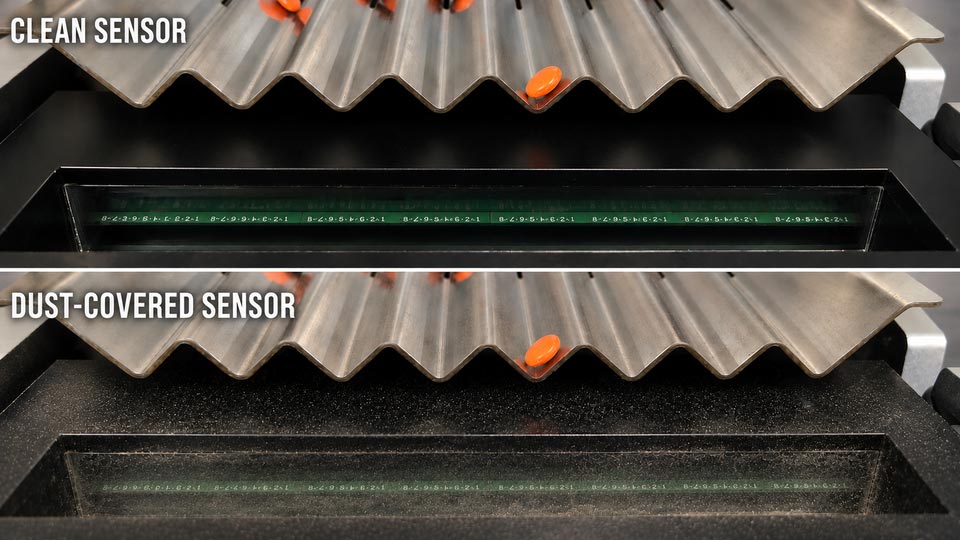
Alt: Czysty i zakurzony czujnik optyczny
Ukryty koszt kurzu w opakowaniach tabletów
Problemy z liczeniem związane z pyłem mają wpływ na znacznie więcej niż tylko czystość maszyny i irytację operatorów. Mają wpływ na zgodność, efektywność produkcji, poziomy odpadów, i ogólną efektywność sprzętu, każda zmiana to strata pieniędzy!
Ryzyko braku zgodności wynikające z niedokładnych obliczeń
Podczas Inspekcje GMP, Badacze skupiają się na tym, czy licznik tabletek może utrzymać stabilną dokładność zliczania przez cały cykl produkcyjny, także w zapylonych warunkach pracy. Producenci środków farmaceutycznych muszą upewnić się, że na każdej butelce znajduje się dokładna ilość podana na etykiecie. Kiedy kurz przeszkadza jednostka licząca, dokładność zliczania staje się niestabilna.
Klient otwiera butelkę, znajdzie 28 tabletki zamiast 30, i składa skargę. Może nastąpić wycofanie partii.
Podczas inspekcji GMP, powtarzające się odchylenia w liczeniu rodzą pytania dotyczące niezawodności procesu i kontroli pakowania. Organy regulacyjne oczekują, że systemy opakowań farmaceutycznych będą utrzymywać stałą wydajność niezależnie od warunków środowiskowych. FDA wielokrotnie podkreślała, że integralność danych i dokładność wypełniania to podstawowe wymagania GMP.
Badacz śledzi problem z powrotem do Twojego sprzęt liczący. To, co zaczęło się od kurzu na obiektywie, staje się stwierdzeniem zgodności.
W wielu obiektach, problemem nie jest wydajność operatora. Problem w tym, że po prostu tablet nigdy nie był przeznaczony do zastosowań, w których występuje duże zapylenie.
Przestój, Marnować, i straty OEE
Częste przerwy w czyszczeniu drastycznie zmniejszają wydajność produkcji.
Rozważmy linię pakującą, która zatrzymuje się co roku 15 minut na czyszczenie czujnika. Jeśli każdy przystanek trwa tylko trzy minuty, linia prawie traci 90 minut pracy podczas jednej ośmiogodzinnej zmiany. To jest 20% zmiany już nie ma.
Te krótkie przerwy — często nazywane mikroprzestojami — mogą poważnie zmniejszyć ogólną efektywność sprzętu (OEE) jednocześnie trudne do dokładnego śledzenia.
Pył zwiększa również ilość odpadów. Fałszywe odrzucenia mogą spowodować wycofanie dobrych tabletek z produkcji, podczas gdy niedokładne obliczenia powodują dodatkowe inspekcje i przeróbki.
Różnica pomiędzy licznikiem standardowym a licznikiem pyłoszczelnym maszyna licząca może być znaczny.
| Metryczny | Standardowy licznik | Maszyna licząca zoptymalizowana pod kątem pyłu |
| Sprzątanie zatrzymuje się na zmianę | 20–30 | 2–4 |
| Stracony czas produkcji | 60–90 minut | 10–15 minut |
| Wskaźnik fałszywych odrzuceń | 2–5% | <0.1% |
| Interwencje operatora na godzinę | 3–4 | 0.2–0,5 |
Do produkcji musującej na dużą skalę, liczby te przekładają się bezpośrednio na koszty operacyjne i wydajność dostaw.
Studium przypadku: Jak rosyjskie zakłady farmaceutyczne rozwiązały problem pyłu
Producent farmaceutyczny w Rosji stanął przed wieloma takimi samymi wyzwaniami, jakie są typowe dla produkcji tabletek musujących.
Ich istniejące maszyna do liczenia tabletek zmagał się z gromadzeniem się ciężkiego proszku. Czujniki wielokrotnie zatkane, przepływ produktów stał się niestabilny, a operatorzy stale zatrzymywali linię w celu czyszczenia.
Pierwotny problem
Według kierownika produkcji, linia wymagała czyszczenia czujnika mniej więcej co każde 15 protokół. Kurz powodował powtarzające się alarmy, nierówne karmienie, i niedokładne obliczenia.
Operatorzy spędzali więcej czasu na utrzymaniu sprzęt liczący niż zarządzanie produkcją.
Ostatecznie firma wymieniła oryginalną maszynę na automatyczną maszynę Ruida Packing RD-DSL-16Pro maszyna licząca wyposażony w technologię szybkiego wykrywania kamer, zaprojektowaną z myślą o zakurzonych środowiskach produkcyjnych tabletów musujących.
15-minutowa próba pyłowa
Klient poprosił o uruchomienie maszyny liczącej bezpośrednio przy użyciu rzeczywistych tabletek musujących z linii produkcyjnej, zamiast używać standardowych próbek produktów.
Warunki testu były proste:
- Ciągła praca przez 15 protokół
- Brak czyszczenia ręcznego
- Brak interwencji operatora
- Tylko prawdziwe tabletki musujące
Nowy automatyczna maszyna licząca ukończył próbę bez ani jednej przerwy. Czujniki pozostały stabilne, przepływ butelki pozostał płynny, i zliczaj dokładność odpowiadającą wymaganiom produkcyjnym w całym cyklu.
Dla klienta, pokazało to, że sprzęt może zachować niezawodność liczenie tabletek musujących w rzeczywistych warunkach fabrycznych — a nie tylko w czystym środowisku demonstracyjnym.

Rosyjscy klienci odwiedzają Ruida Packing
Dlaczego nowy system zliczania działał bardziej niezawodnie podczas narażenia na pył
Kilka ulepszeń inżynieryjnych umożliwiło wprowadzenie nowego system liczenia do skutecznej pracy w zapylonym środowisku.
Wykrywanie oparte na kamerze
Tradycyjne czujniki fotoelektryczne na podczerwień są bardzo wrażliwe na proszek unoszący się w powietrzu wewnątrz substancji musujących liczenie tabletów sprzęt. Maszyna licząca Ruida Packing RD-DSL-16Pro wykorzystała detekcję szybkiej kamery do identyfikacji rzeczywistego kształtu, rozmiar, i kontur każdego tabletu, zamiast polegać wyłącznie na sygnałach przerwania wiązki.
Ponieważ system kamer analizował rzeczywiste obrazy z tabletu, a nie proste przerwy świetlne, pływający proszek powodował znacznie mniej fałszywych zliczeń podczas ciągłej produkcji.
System kamer może także identyfikować połamane lub rozdrobnione tabletki musujące, zanim trafią one do butelki, pomagając operatorom ograniczyć liczbę wadliwych produktów trafiających do końcowego opakowania.
W porównaniu z poprzednim systemem liczenia, zmodernizowana maszyna utrzymywała bardziej stabilną dokładność liczenia podczas długotrwałej pracy w warunkach widocznego proszku unoszącego się w powietrzu.
System podawania zmniejszył również tarcie tabletek podczas przenoszenia, co pomogło zmniejszyć dodatkowe wytwarzanie proszku w kanale zliczającym.
Stabilne zasilanie o niskiej zawartości pyłu
System podawania został dostrojony tak, aby obsługiwał delikatne tabletki musujące bez powodowania nadmiernego tarcia i dodatkowego pyłu. Płynny ruch produktu zmniejszył tarcie i zminimalizował powstawanie pyłu wewnątrz maszyny.
Konsekwentne podawanie poprawiło także stabilność liczenia i zmniejszyło łamanie tabletek.
Zintegrowane sterowanie linią pakującą
Kompletna linia pakująca działała jako zsynchronizowany system, a nie jako oddzielne, samodzielne maszyny.
Ruch butelki, karmienie tabletkami, i prędkości przenośników pozostawały skoordynowane przez cały okres produkcji. Wbudowane czujniki monitorujące natychmiast wykrywają zacięcia butelek lub nieprawidłowe warunki przepływu.
Nawet podczas dłuższych serii produkcyjnych, ruch butelki, karmienie tabletkami, a wydajność liczenia pozostała zauważalnie stabilniejsza niż w przypadku poprzedniej linii zliczania.
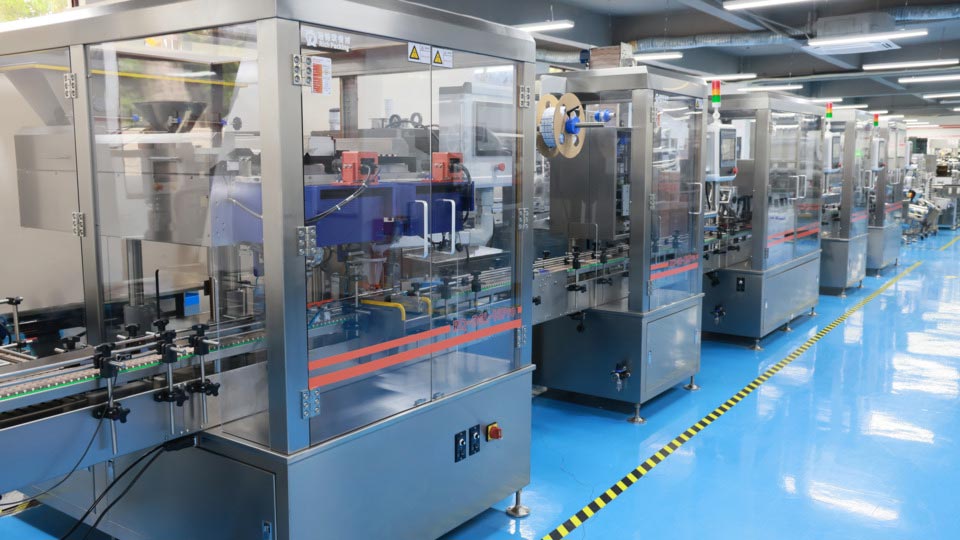
Alt: Linia do liczenia opakowań Ruida
Szybkie czyszczenie i szybkie zmiany mają znaczenie
Nawet najlepsze tablet nadal wymaga regularnego czyszczenia podczas produkcji musującej. W rzeczywistych środowiskach produkcyjnych, operatorzy mniej przejmują się koniecznością czyszczenia, a bardziej tym, jak szybko mogą ponownie uruchomić linię.
W zmodernizowanym systemie zastosowano modułowość, konstrukcja niewymagająca użycia narzędzi, która umożliwiała operatorowi szybki demontaż części kontaktowych w celu czyszczenia i konserwacji.
Zamiast wydawać 20 Do 30 minut na demontaż maszyny, operatorzy wykonali procedury czyszczenia w ciągu zaledwie kilku minut.
Zmiany formatu również stały się znacznie szybsze. Przełączanie między rozmiarami tabletów lub formatami produktów wymagało jedynie prostych dostosowań narzędzi, a nie długotrwałej konfiguracji mechanicznej.
Dla producentów korzystających z wielu jednostek SKU, szybsze zmiany produktów pomagają zespołom produkcyjnym skrócić czas bezczynności podczas pakowania pomiędzy różnymi partiami tabletek musujących.
5 Funkcje, które powinien posiadać każdy licznik tabletek musujących
Zespoły produkcyjne oceniają nowy licznik tabletek pod kątem substancji musujących liczenie tabletów zwykle zwracają szczególną uwagę na kilka obszarów operacyjnych, które bezpośrednio wpływają na długoterminową stabilność linii.
1. Testy rzeczywistej odporności na kurz
Zawsze testuj sprzęt, używając rzeczywistych tabletów. Niezawodny tablet powinien utrzymywać stabilną wydajność w rzeczywistych warunkach zapylenia produkcyjnego.
2. Płynna integracja linii
Dziesięć system liczenia powinien prawidłowo synchronizować się z przenośnikami, czapki, oraz sprzęt do obsługi butelek, aby zapobiec powstawaniu wąskich gardeł i zatorów.
3. Stabilne podawanie delikatnych tabletek
Odpowiednio zaprojektowany system podawania minimalizuje tarcie tabletu, zmniejsza pękanie, i zmniejsza powstawanie pyłu podczas pracy.
4. Dostęp do czyszczenia bez użycia narzędzi
Codzienne sprzątanie powinno być szybkie i proste. Komponenty z możliwością szybkiego demontażu i dostęp modułowy redukują przestoje, pomagając jednocześnie operatorom zachować zgodność z GMP.
5. Inteligentne systemy monitorowania
Nowoczesny automatyczne liczniki tabletek powinien uwzględniać wykrywanie zacięć, monitorowanie butelek, oraz alarmy usterek, które identyfikują problemy, zanim przerwają one produkcję.
Wniosek
Przy produkcji tabletek musujących nie da się uniknąć pyłu, ale ciągłe przestoje i niedokładne obliczenia już nie.
Standard tablet może mieć problemy w środowiskach o dużej zawartości proszku, co prowadzi do częstych przestojów w czyszczeniu, niestabilne liczniki, i niższą wydajność produkcji. Oczekuje się, że odporne na kurz maszyny liczące stosowane na liniach pakowania tabletek musujących będą nadal działać stabilnie dokładność liczenia nawet po długotrwałym narażeniu na proszek unoszący się w powietrzu.
Doświadczenia rosyjskich zakładów farmaceutycznych pokazują, jak słusznie sprzęt liczący może radykalnie poprawić stabilność linii, ograniczyć interwencję operatora, i wspieraj dokładne liczenie tabletek podczas całej produkcji.
Dla producentów chcących się udoskonalać liczenie tabletek musujących, wybór sprzętu zaprojektowanego specjalnie do zastosowań zapylonych jest jedną z najważniejszych inwestycji, jakie mogą poczynić.
Często zadawane pytania
1. Dlaczego tabletki musujące wytwarzają tyle pyłu?
Tabletki musujące są naturalnie kruche i porowate, co powoduje odrywanie się proszku podczas przenoszenia i transportu.
2. Jaki typ maszyny liczącej najlepiej sprawdza się w przypadku produktów pylących?
Oparta na kamerze maszyny do liczenia tabletów dzięki konstrukcji pyłoszczelnej i stabilnym systemom podawania najlepiej sprawdzają się w środowiskach o dużej zawartości proszku.
3. Jak mogę sprawdzić, czy lada radzi sobie z pyłem musującym??
Poproś o próbną produkcję na żywo przy użyciu własnych tabletów w rzeczywistych warunkach pracy, bez ręcznego czyszczenia podczas testu.
4. Czy jedna maszyna licząca może obsłużyć różne rozmiary tabletów??
Tak. Nowoczesny Automatyczne maszyny do zliczania obsługuje wiele formatów produktów dzięki narzędziom szybkiej wymiany i kontrolom opartym na recepturach.
5. Jak często należy czyścić licznik tabletek w produkcji produktów musujących?
Częstotliwość czyszczenia zależy od właściwości produktu i konstrukcji maszyny, ale systemy beznarzędziowe znacznie redukują czas czyszczenia i nakłady na konserwację.
Referencje
NAS. Food and Drug Administration. Wytyczne dla przemysłu: Q7A Wytyczne dobrej praktyki produkcyjnej dla aktywnych składników farmaceutycznych. https://www.fda.gov/regulatory-information/search-fda-guidance-documents/guidance-industry-q7a-good-manufacturing-practice-guidance-active-pharmaceutical-ingredients
“Jak mikroprzestoje zakłócają obliczenia OEE.” Globalne usługi elektroniczne, marzec 2026. https://gesrepair.com/how-micro-stoppages-distort-oee-calculations/