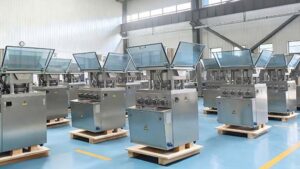
W konkurencyjnym środowisku produkcji tabletów, wady tabletkowania i nieistotne koszty często wynikają z niezoptymalizowanego procesu kompresji tabletek. Typowe wady tabletek, takie jak pęknięcia i odpryski, często nie wynikają z błędów prasy do tabletek maszyna do tabletkowania, ale z niedoborów formuły tabletek. Ponadto, problemy z prasowaniem tabletek, takie jak niewystarczające smarowanie oprzyrządowania, i nierównomierne stosowanie ciśnienia prowadzą do nieplanowanych przestojów maszyny do prasowania tabletek.
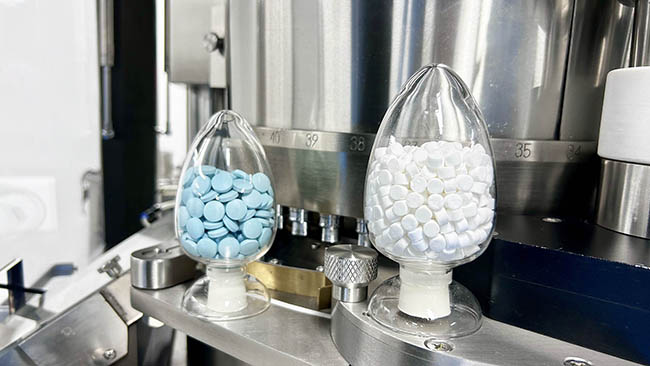
Każda z powyższych zakłóceń stanowi wydatek, którego można uniknąć. Dlatego, proaktywna strategia skupiająca się na optymalizacji kompresji tabletu ma ogromne znaczenie dla poprawy jakości tabletek farmaceutycznych. Poniższe akapity wskazują wady tabletkowania, łącznie z ich przyczynami i sposobami ich rozwiązania.
1. Czarne plamy na wadliwych tabletach
Niepokojące mogą być czarne plamki lub plamki na skompresowanych tabletkach. Plamy mogą wydawać się małe, przypadkowe kropki lub nieco większe smugi, często kontrastujący z kolorem tabletek farmaceutycznych. Produkcja wadliwych tabletów z czarnymi plamami to kosztowny koszmar dla producentów tabletów, co prowadzi do masowego wycofywania leków z wadami w tabletkach.
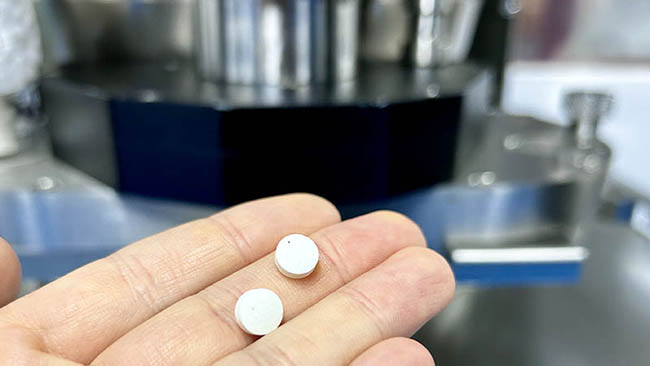
●Przyczyny czarnych plam na tablecie
◌Kwestie surowców: Niektóre aktywne składniki farmaceutyczne (API) to ciemne proszki lub granulki. Jeśli mieszanie przed produkcją jest niewystarczające, powodując miejscowe wysokie stężenia, dotknięte obszary wyglądają jak czarne punkty w procesie produkcji tabletek. Następny, niektóre substancje pomocnicze, takie jak cukry lub polimery, są wrażliwe na ciepło. Podczas suszenia, jeśli temperatura wymknęła się spod kontroli, Na sprasowanych tabletkach tworzą się zwęglone czarne plamy.
◌Problemy z prasą tabletową: Stemple i matryce kompresora tabletkowego to oprzyrządowanie metalowe. Długotrwałe stosowanie może powodować powstawanie cząstek metalu na poziomie mikronów, które mieszają się z mieszanką proszków i są sprasowane w tabletki farmaceutyczne, wyglądające jak czarne plamy. Dodatkowo, niewystarczające czyszczenie lejów zasypowych lub rur zasilających pozostawia pozostałości proszku z poprzedniego procesu wytwarzania tabletek, które stają się czarnymi plamami w nowej partii tabletek leku.
◌Smarowanie ręczne: Podczas ręcznego smarowania a tabletkarka do tabletek, operatorzy mają trudności z precyzyjną kontrolą ilości smaru. Każde niewielkie odchylenie ilościowe powoduje nałożenie nadmiernej ilości smaru na obszary takie jak stemple i matryce. Nadmiar środka smarnego jest następnie wyciskany podczas szybkiego obrotu prasy do tabletek i tabletek, rozpryskiwania się na granulki tabletek, proszek, lub już uformowane tabletki leku, powodując powstawanie ciemnych lub czarnych plam wewnątrz lub na powierzchni sprasowanych tabletek.
●Rozwiązania dla wykrytych wadliwych tabletów
◌Kontrolowanie surowców i tabletów: Przeprowadź badania limitów mikrobiologicznych i zanieczyszczeń w każdej partii aktywnych składników farmaceutycznych i substancji pomocniczych. Do przesiewania surowców i usuwania zanieczyszczeń żelaznych z materiałów tabletkowych należy stosować separatory magnetyczne i przesiewacze wibracyjne. Ponadto, ustal plan konserwacji swojej automatycznej tabletkarki, oraz regularnie sprawdzaj i poleruj stemple i matryce.
◌Optymalizacja procesu produkcji tabletów: Określ optymalny czas mieszania poprzez walidację procesu, aby zapewnić równomierne wymieszanie materiałów tabletkowych. Do kolorowych tabletek leków, Do monitorowania jednorodności mieszanki można wykorzystać technologie takie jak bliska podczerwień. Ponadto, ustanowić standardowe procedury operacyjne (standardowe procedury operacyjne) do czyszczenia tabletkarek.
◌Wyposażony w inteligentne smarowanie: Można go regulować w czasie rzeczywistym w oparciu o prędkość obrotową tabletkarki rotacyjnej, i dostarczaj dokładną ilość środka smarnego na poziomie mikrolitrów przed każdym cyklem kompresji tabletki, eliminując scenariusze, w których nadmierna ilość środka smarnego rozpryskuje się na składniki tabletek i powoduje powstawanie czarnych plam. Dane pokazują, że inteligentny system smarowania nie tylko zmniejsza zużycie smaru nawet o 30% ale także zmniejsza awarie tabletek spowodowane ręcznym smarowaniem o ponad 50%. Poprzez konserwację predykcyjną, inteligentne smarowanie zapewnia bardziej stabilne cykle prasowania tabletek i dłuższą żywotność tabletkarki do tabletek.
2. Pękanie i odpryskiwanie
Poza tym czarne plamy na tablecie, w procesie prasowania tabletek, pękanie i odpryski to kolejny problem, z pękaniem odnoszącym się do pęknięć na powierzchni lub wewnątrz wadliwych tabletek, podczas odpryskiwania, co oznacza pękanie lub łuszczenie się krawędzi tabletki. Obydwa są powszechnymi wadami tabletek, które wpływają na wygląd i integralność sprasowanych tabletek.
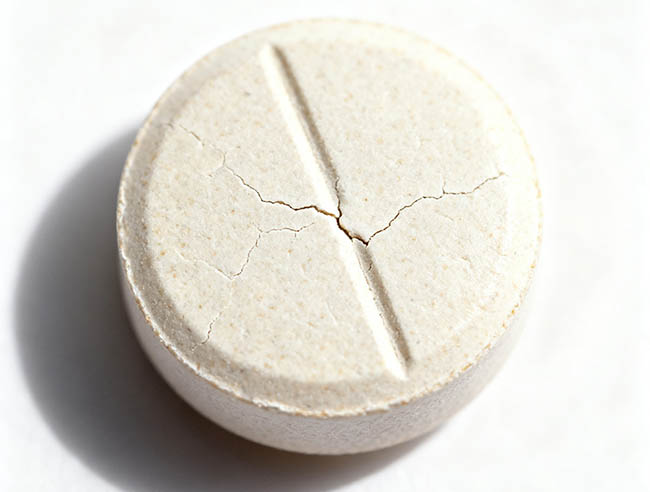
●Typowe powody
W aspekcie receptury składników
◌Niewystarczająca ilość spoiwa: Prowadzi to do słabej spójności pomiędzy cząstkami, powodując, że tabletki leku są podatne na pękanie w słabych punktach podczas produkcji tabletek.
◌Nadmierna ilość drobnego proszku: Nadmiernie drobny proszek działa jak drobny, kulki o nieregularnym kształcie, które źle się pakują, tworząc wiele pustek i dużą ilość powietrza w złożu proszku. To słabe opakowanie prowadzi do tego, że konstrukcja tabletu jest z natury mniej wytrzymała, bardziej podatne na złamania.
W aspekcie obsługi maszyny do produkcji tabletów
◌Niewystarczające ciśnienie: Siła głównego docisku jest niska, lub głębokość wypełnienia sypkiego lub ziarnistego jest nadmierna, co powoduje niedostateczne sprasowanie tabletek.
◌Brak wstępnej kompresji: Brak wstępnego sprasowania nie powoduje usunięcia powietrza z granulek tabletki, co skutkuje wadliwymi tabletkami o słabych strukturach wewnętrznych.
◌Nadmierna prędkość: Zbyt wysoki prędkość prasowania tabletek sprawia, że cząstki proszkowe lub ziarniste nie mają wystarczająco dużo czasu na skuteczne związanie, powodując powrót sprężystości, który prowadzi do miękkich tabletek.
◌Nosić tabletkę pigułkową: Zużyte stemple prowadzą do nierównomiernego rozkładu siły docisku tabletek, pogarszając ogólną twardość tabletu.
●Rozwiązania dla pękniętych pigułek i odprysków
◌Optymalizacja receptury: Odpowiednio zwiększyć ilość spoiwa (np., HPMC, PvP) lub wybierz bardziej wydajne spoiwa w celu wzmocnienia wiązania międzycząstkowego.
◌Poprawa jakości granulatu: Zmniejsz ilość drobnego proszku poprzez optymalizację granulacji, takie jak stosowanie granulacji z wysokim ścinaniem, i wdrożyć ścisłe przesiewanie. Zapewnia to jednolity rozmiar cząstek i dobrą sypkość materiałów tabletkowych, promowanie równomiernego rozkładu ciśnienia.
◌Zwiększ ciśnienie kompresji tabletu: Stopniowo zwiększaj główną siłę docisku tabletki. Należy pamiętać, że ciśnienia nie można zwiększać w nieskończoność, ponieważ może to spowodować, że tabletki farmaceutyczne staną się zbyt twarde.
◌Optymalizuj wstępną kompresję: Wybierz maszynę do prasowania tabletek wyposażoną w funkcję wstępnego kompresji. Odpowiednio zwiększ ciśnienie wstępnego sprężania w tabletkarce rotacyjnej do 10–30% ciśnienia głównego, aby lepiej usunąć powietrze z tabletek. Wstępna kompresja delikatnie usuwa do 90% powietrza z granulek tabletek lub proszku, według Technologia tabletkowania farmaceutycznego, przed kompresją głównej pigułki, podnosząc plastyczność materiałów tabletek. Inwestycja w automatyczną prasę do tabletek ze wstępnym prasowaniem to podstawowa optymalizacja procesu, która zwiększa wydajność produkcji tabletek, co czyni go mądrym wyborem na początek w przypadku produkcji tabletów bez wad tabletu.
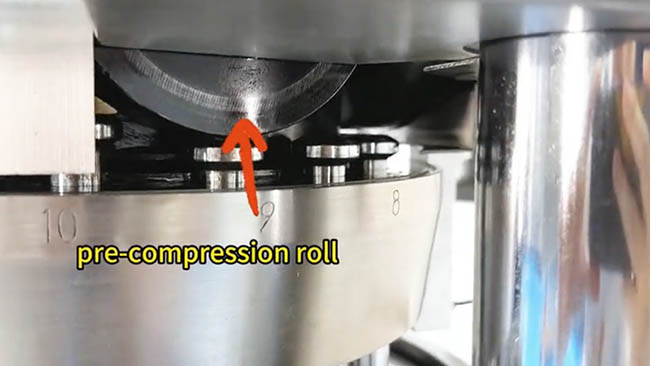
◌Regulacja parametrów: Odpowiednio zmniejsz prędkość kompresji tabletki, aby zapewnić wystarczający czas na wypełnienie granulatem lub proszkiem i ucieczkę powietrza. Zoptymalizuj wstępne i główne siły ściskające swojej maszyny do prasowania tabletek, aby uzyskać stopniowe zagęszczanie tabletek.
◌Kontrola sprzętu: Upewnij się, że stemple i matryce nie są zużyte, i że żadne pozostałości proszku nie wpływają na proces produkcji tabletu.
3. Nadmierne pozostałości proszku na wieży
Podczas produkcji tabletów, na powierzchni wieży tabletkarki do tabletek często gromadzi się warstwa nadmiaru proszku, rujnując stan higieny.
To nagromadzenie proszku jest spowodowane przede wszystkim jego unoszącym się w powietrzu charakterem, siła odśrodkowa ruchu obrotowego wieży, i niewielka adsorpcja elektrostatyczna. Jeśli nie zostanie usunięty, Resztki proszku nie tylko powodują zanieczyszczenie krzyżowe, ale także przedostają się do szczelin pleśni, przyspieszające zużycie automatycznej maszyny do produkcji tabletek.
Aby rozwiązać tę wadę tabletkowania, system odsysania pyłu i rama podajnika to dwa kluczowe elementy.
◌System odsysania pyłu działa jak wierny odkurzacz, i wykorzystuje przepływ powietrza podciśnieniowy do ciągłego usuwania kurzu unoszącego się w powietrzu, utrzymywanie czystego środowiska do kompresji tabletek leków.
◌Rama podająca działa jak precyzyjny strażnik, którego krawędź ściśle przylega do powierzchni wieży. W procesie kompresji tabletu, zanim górne stemple wejdą do wnęk matrycy, proszek w tabletkach może zostać wyrzucony na zewnątrz pod wpływem siły odśrodkowej. Rama podająca zaprojektowana jest na odległość od podajnika wymuszonego do miejsca, w którym górne stemple wchodzą w otwory matrycy, i skieruj nadmiar proszku do miedzianej patelni. Sproszkowany składnik jest następnie zawracany do podajnika poprzez miedzianą misę, umożliwiając recykling materiałów z tabletów.
Poza powyższymi rozwiązaniami, regularne czyszczenie ręczne, stosowanie powłok antystatycznych w celu zmniejszenia przyczepności proszku, i optymalizacja składu proszku w celu zminimalizowania wytwarzania pyłu to środki pomocnicze do kontrolowania pozostałości proszku na wieżyczce obrotowej maszyny do produkcji tabletek.
4. Odpady materiałów z tabletów
Podczas procesu kompresji tabletu, Nadmierny proszek wyciekający ze szczelin podajnika nie tylko marnuje materiały tabletu, ale także gromadzi proszek na wieży prasa do tabletek, maszyna do produkcji tabletek, wpływające na czystość i działanie.
System recyklingu nadmiaru proszku rozwiązuje ten problem. Zintegrowana wieża regeneracyjna wykorzystuje napęd głównej wieży do automatycznego odzyskiwania zmarnowanego proszku, przekierowując go z powrotem do procesu kompresji tabletu w celu ponownego użycia.
System ten zapewnia dwie podstawowe zalety:
●Znacząca redukcja kosztów: Na podstawie danych z wewnętrznej linii produkcyjnej Ruidapacking, system osiąga ponad 99% współczynnik odzysku nadmiaru proszku, minimalizując straty materiału tabletu i generując znaczne oszczędności.
●Czystsza produkcja: System ten ogranicza gromadzenie się prochu na powierzchni wieży, utrzymanie czystości tabletkarki prasowej, obniżenie ryzyka zanieczyszczenia krzyżowego.
Wybór tabletkarki z systemem recyklingu nadmiaru proszku oznacza przyjęcie filozofii kompresji tabletek oszczędzającej koszty i czystszej. Na przykład, HGZP 26–40D firmy Ruidapacking to inteligentna tabletkarka zaprojektowana dla przemysłu 4.0. Ta zautomatyzowana tabletkarka łączy w sobie zaawansowane funkcje, w tym system recyklingu nadmiaru proszku, wstępna kompresja, podwójne odsysanie pyłu, inteligentny system smarowania, beznarzędziowa wymiana narzędzi, automatyczna regulacja ilości proszku, monitorowanie ciśnienia, i automatyczne odrzucanie tabletek o niekwalifikowanej wadze.
Ta wysokowydajna prasa do tabletek i tabletek została zaprojektowana z myślą o kompresji tabletek na dużą skalę, osiągnięcie maksymalnej wydajności 260,000 tabletki na godzinę, zdolne do obsługi różnych kształtów tabletek, takie jak okrągłe, o nieregularnym kształcie, dwuwarstwowy, i tabletki w kształcie pierścienia, o maksymalnej średnicy 25 mm. Z solidną siłą wstępnego ściskania 20 kN i siłą główną 100 kN, ta zautomatyzowana tabletkarka nadaje się do prasowania trudnych i żrących materiałów tabletkowych w pigułki.
5. Kosztowna zmiana narzędzi
Zmiany form w tradycyjnych prasach do tabletek to trudne zadanie, często wymagające młotków do wciskania i wyjmowania części. Taka zmiana oprzyrządowania nie tylko zajmuje ponad dwie godziny, ale z biegiem czasu również pogarsza precyzję form dociskowych tabletek.
Obecnie, zaawansowane tabletkarki kompresyjne pozwalają na beznarzędziową wymianę form, w tym matryc i górnej części, niższe ciosy. Reprezentatywnym przykładem jest automatyczna tabletkarka HZP 15–20D firmy Ruidapacking, co kończy wymianę formy w ciągu zaledwie 30 protokół, oszczędność co najmniej 2 godzin na każdą zmianę. Jeśli formy zmieniane są co tydzień, to oszczędza 100 godzin rocznie(1 rok zawiera 50 tygodnie). Z wyjściem 90,000 tabletki na godzinę, ten wzrost wydajności potencjalnie dodaje 9 miliona dodatkowych tabletów do rocznej produkcji tabletów.
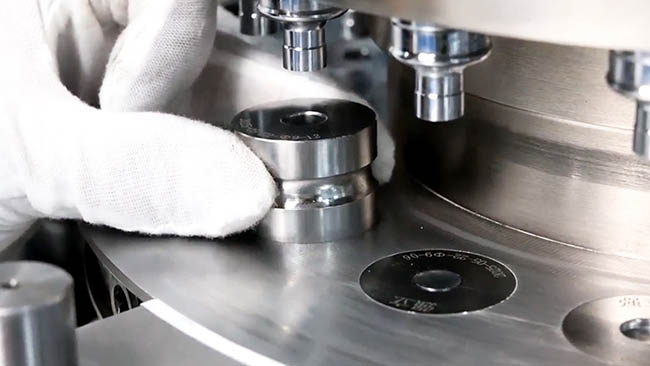
Ta zaawansowana funkcja wynika z wysokiej precyzji i doskonałego dopasowania wieży do form, zapewniając bezproblemowość, beznarzędziowa wymiana formy. To mądrzejszy sposób konserwacji tabletkarki farmaceutycznej.
Ostatnie linie
Unikanie wad tabletkowania i optymalizacja kompresji tabletek wymagają holistycznego podejścia, które uwzględnia zarówno precyzję mechaniczną, jak i kontrolę procesu. Systematycznie rozwiązując typowe problemy, od czarnych plam i odprysków po resztki proszku i ręczne smarowanie, producenci tabletek mogą znacznie poprawić integralność tabletek i wydajność prasowania tabletek. Wykorzystując zaawansowane rozwiązania, takie jak automatyczne smarowanie i szybka wymiana narzędzi, nie tylko rozwiązuje określone wady tabletkowania, ale także podnosi ogólną wydajność produkcji tabletek.