Parmi les problèmes les plus persistants et les plus frustrants qui peuvent arrêter une ligne de production, il y a le problème du blocage de la broche de bourrage sur une machine de remplissage automatique de gélules.. Ce phénomène est que la poudre adhère à la tige métallique de bourrage de la station de remplissage., conduit à des remplissages incomplets, inexactitudes de dosage, bourrage machine, et finalement, lots contaminés.
Comprendre et prévenir le collage est crucial pour tout professionnel cherchant à bourrer une machine de remplissage de gélules très fiable.. Cet article approfondira les causes profondes de ce problème courant et expliquera comment fournir une meilleure solution..
1. Pourquoi la poudre colle-t-elle à la tige de bourrage?
Les goupilles de bourrage qui collent sont rarement causées par un seul facteur.. Plutôt, c'est souvent une tempête parfaite de propriétés des matières premières, état des machines, et facteurs environnementaux.
1.1. Caractéristiques de la poudre
La formulation de votre poudre est la principale responsable. Les principales caractéristiques qui contribuent au collage comprennent:
Teneur en humidité: Poudres hygroscopiques (ceux qui attirent et retiennent l’humidité de l’environnement) peut devenir collant, créant un lien fort avec les surfaces métalliques des broches de bourrage.
Taille et forme des particules: Bien, les poudres cohésives de formes irrégulières ont une plus grande surface et ont tendance à s'emboîter, ce qui les rend plus sujets à l'adhésion qu'à l'écoulement libre, particules sphériques.
Composition: Formulations à haute concentration en graisses, huiles, ou certaines API collantes (Ingrédients pharmaceutiques actifs) peut naturellement agir comme adhésif.
1.2. Matériau et finition de la tête de broche de bourrage
Les broches de bourrage elles-mêmes jouent un rôle essentiel. Une surface rugueuse ou mal finie de la tige de bourrage fournit des résultats plus microscopiques. “ancres” pour que la poudre adhère. En outre, le type de métal et son traitement de surface impactent directement ses propriétés antiadhésives.
1.3. Température et humidité de l'atelier
Le contrôle de la température et de l’humidité est le facteur le plus négligé. Une humidité élevée peut humidifier la poudre, tandis qu'une température ambiante élevée peut ramollir certains excipients ou API, augmentant leur adhésivité. Une fluctuation de quelques degrés ou points de pourcentage de l'humidité relative peut faire la différence entre un fonctionnement fluide et des arrêts constants..
2. Une approche intégrée de la prévention du blocage des broches de bourrage
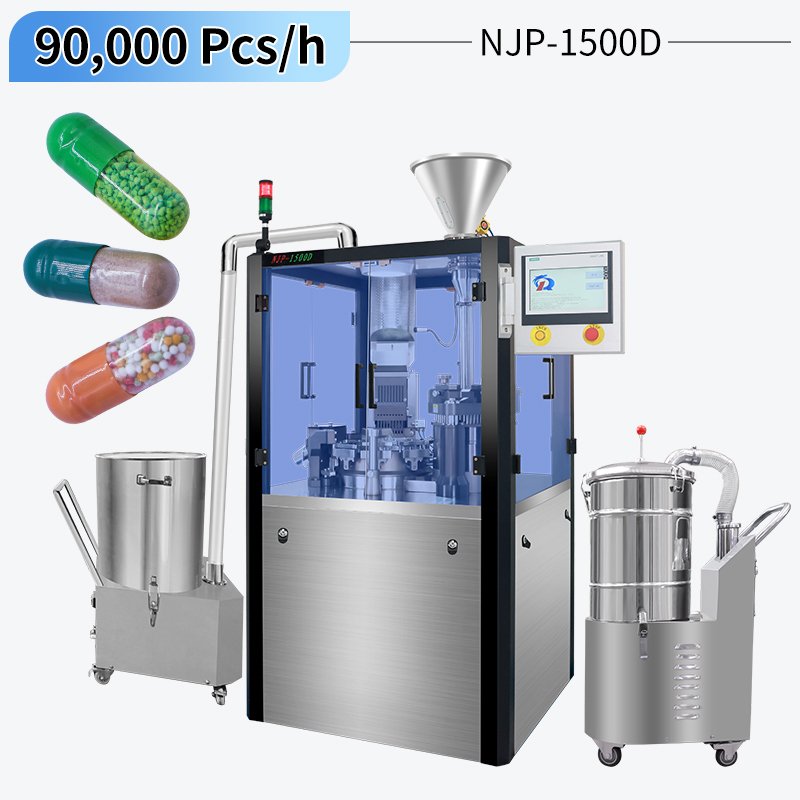
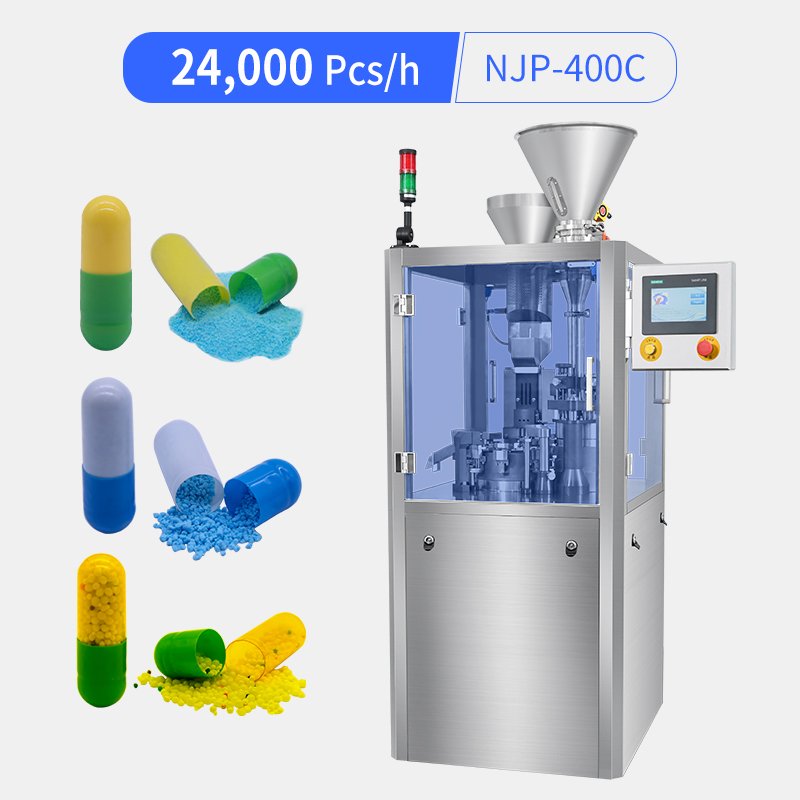
La machine de remplissage de gélules automatique Ruidapacking NJP-1500D n'est pas seulement conçue comme une remplisseuse de gélules à grande vitesse, mais comme une solution globale aux problèmes de fabrication. Voici comment il s’attaque de front à chaque cause de persistance.
2.1. Ingénierie de précision pour diverses manipulations de poudres
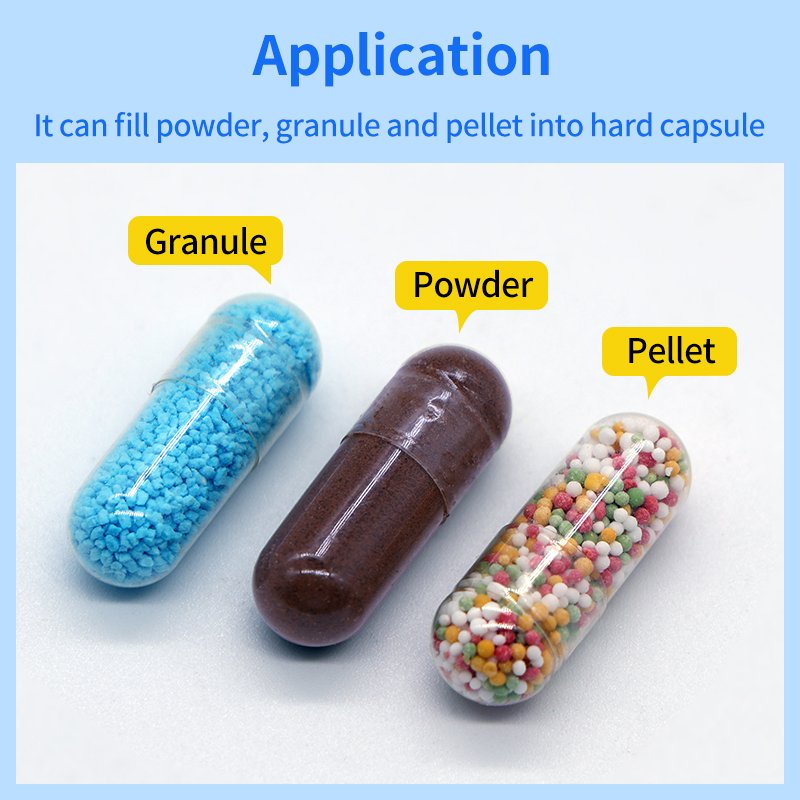
Le NJP-1500D est conçu dans un souci de polyvalence. Son système de dosage est soigneusement calibré pour traiter une large gamme de poudres cohésives.
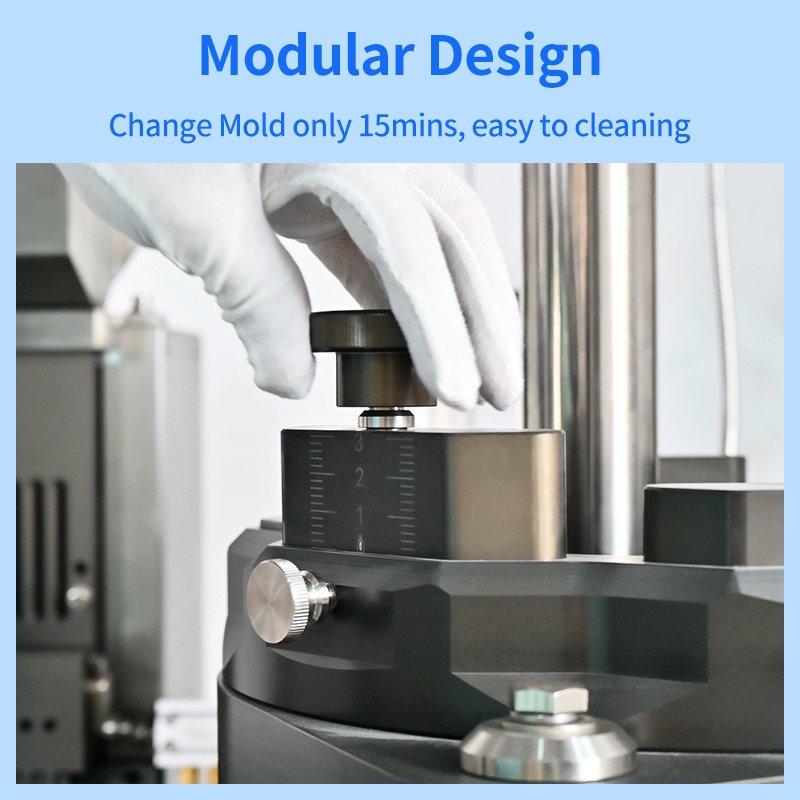
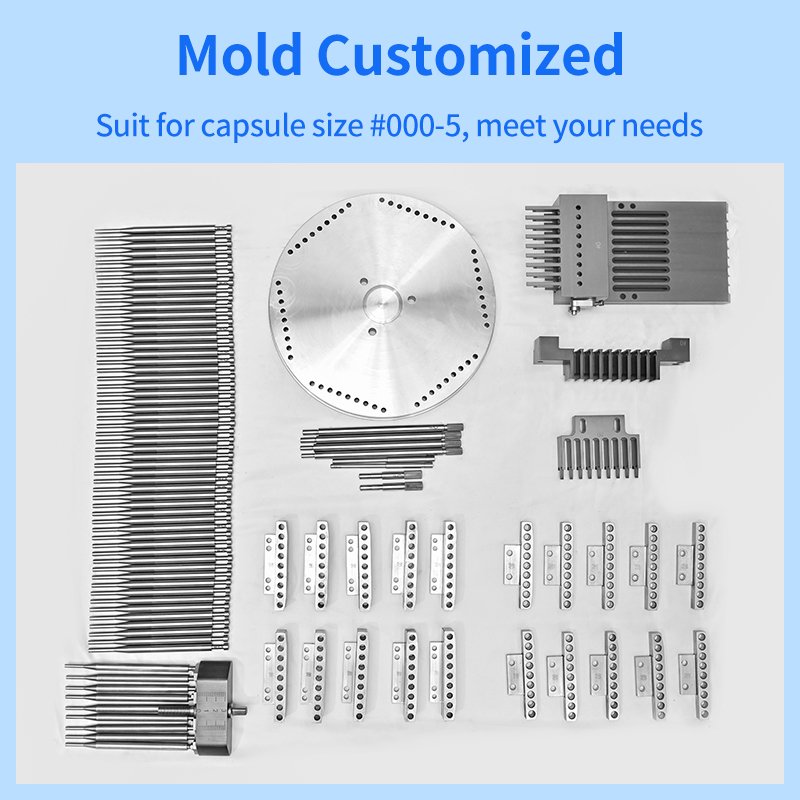
Disques de dosage optimisés: La machine est dotée de disques de dosage et de broches de bourrage usinés avec précision qui garantissent une compression constante de la poudre sans suremballage., ce qui peut exacerber le collage.
Mécanismes antiadhésifs: Les points de contact critiques sont conçus pour minimiser les surfaces planes où la poudre peut s'accumuler, promouvoir une libération propre.
2.2. Qualité supérieure de la tête des broches de bourrage et revêtements en option
Nous pensons que la solution commence par l'outillage. Les broches de bourrage standard fournies avec le NJP-1500D sont fabriquées à partir de matériaux de haute qualité, acier inoxydable durable avec une douceur exceptionnelle, finition polie pour minimiser l'adhérence.
Revêtements optionnels: Pour des formulations exceptionnellement exigeantes, nous proposons des épingles de bourrage avec des revêtements spécialisés tels que le nitrure de chrome (CrN) ou surfaces imprégnées de Téflon. Ces revêtements créent un ultra-dur, barrière à faible friction qui réduit considérablement l'énergie de surface, empêchant même les poudres les plus collantes d'adhérer.
2.3 La station-service utilise une conception entièrement fermée
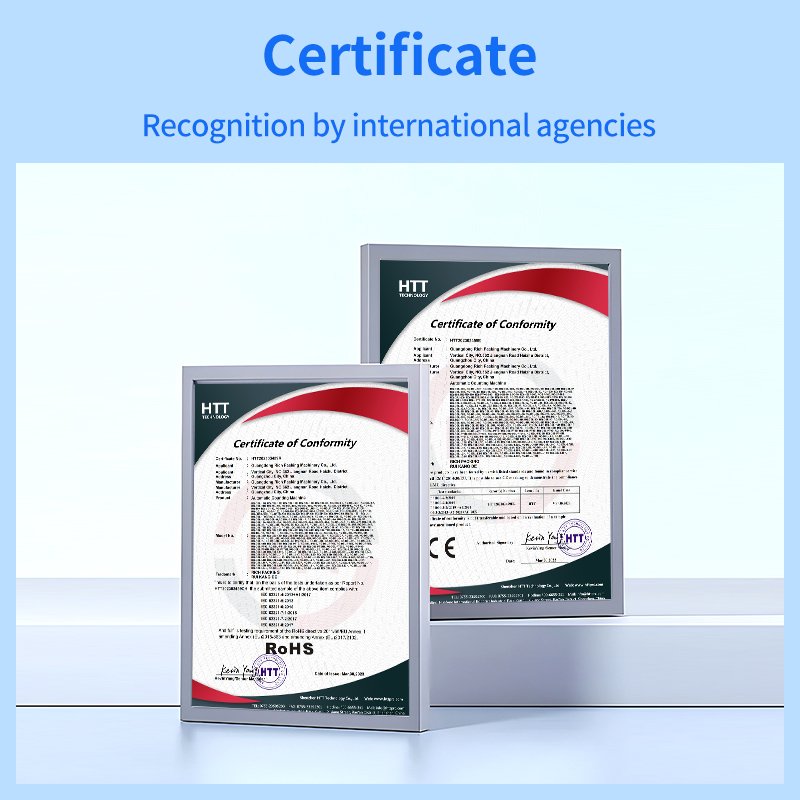
Bien que nous ne puissions pas contrôler l'ensemble de l'environnement de votre installation, cette conception minimise le temps d'exposition de la poudre dans la trémie d'alimentation et le système de dosage, réduire son exposition à l’humidité ambiante avant emballage. Cela évite la contamination secondaire des matières premières et est conforme aux normes cGMP..
3. Meilleures pratiques pour les opérateurs utilisant le NJP-1500D
Pour maximiser les performances de la machine de remplissage de gélules NJP-1500D, nous recommandons ces bonnes pratiques opérationnelles:
Préconditionnement de poudre: Assurez-vous que votre poudre est correctement séchée et tamisée avant le chargement. Si nécessaire, utiliser un déshumidificateur ou un climatiseur dans la zone de production pour maintenir un environnement stable (idéalement 20-25°C et 40-50% RH).
Entretien cohérent des outils: Établir un calendrier régulier de nettoyage et d'inspection des broches de bourrage. Même les revêtements peuvent s'user avec le temps. Nettoyer les poinçons avec des solvants appropriés pour éliminer toute accumulation de film.
Conclusion
Les épingles de bourrage collantes sont un problème résoluble. En choisissant la remplisseuse automatique de gélules NJP-1500D de Ruidapacking, vous n'achetez pas seulement une machine de remplissage de gélules; vous investissez dans un système conçu pour la fiabilité et l’efficacité. Son ingénierie réfléchie répond aux problèmes fondamentaux du collage de la poudre, minimiser les temps d'arrêt, réduire les déchets, et garantir la qualité constante de vos produits en capsules.