Dạo qua triển lãm thiết bị dược phẩm ngày hôm nay, và một thông số kỹ thuật xuất hiện thường xuyên hơn so với cách đây một thập kỷ: thiết kế cam bên trong. Có thảo luận về máy làm đầy viên nang tốc độ cao hay không, mô hình phòng thí nghiệm nhỏ gọn, hoặc một máy đóng viên nang hoàn toàn tự động, các nhà sản xuất ngày càng coi trọng cấu trúc cam như một phần quan trọng của kiến trúc máy.
Sự thay đổi này có thể thấy rõ ở nhiều phân khúc sản xuất dược phẩm. Các nhà cung cấp thiết bị từng dựa vào cách bố trí cam ngoài truyền thống đang giới thiệu các nền tảng mới được xây dựng xung quanh các cơ chế truyền động kèm theo. Các công ty như IMA, Cú pháp, Romaco, và Ruida Packing đều đã kết hợp các thiết kế cam bên trong vào các phần trong danh mục chất độn viên nang của họ.
Đối với người quản lý sản xuất, kỹ thuật viên bảo trì, và đội kỹ thuật, sự chú ý ngày càng tăng dành cho thiết kế cam đặt ra một câu hỏi thực tế. Nếu cả hai hệ thống thực hiện cùng một quy trình nạp viên nang, tại sao ngành này lại bắt đầu chuyển sang hướng khác? Câu trả lời trở nên rõ ràng hơn khi kiểm tra cách thức hoạt động của các cơ chế này trên sàn sản xuất, cách họ phản ứng với việc mặc, và cách chúng phù hợp với nhu cầu của các cơ sở dược phẩm hiện tại.
1. Sự thay đổi khỏi các hệ thống cam ngoài truyền thống
Trong nhiều thập kỷ, máy đóng viên nang cam bên ngoài vẫn là hình ảnh quen thuộc trong các nhà máy dược phẩm. Để hiểu lý do tại sao các nhà sản xuất bắt đầu khám phá các phương pháp khác, nó giúp ích cho việc xem xét làm thế nào thiết kế này được áp dụng rộng rãi đến vậy.
1.1 Tại sao Camera gắn ngoài lại trở thành tiêu chuẩn của ngành
Sự phổ biến của máy rót viên nang cam bên ngoài có thể bắt nguồn từ cách sắp xếp cơ học tương đối đơn giản của nó. Một cơ cấu cam bên ngoài chuyển đổi chuyển động quay thành các hành động cần thiết để tách viên nang, điền vào, khóa, và phóng ra. Do các bộ phận dẫn động được lắp bên ngoài tháp pháo, kỹ thuật viên có thể dễ dàng kiểm tra bề mặt mòn, điều kiện bôi trơn, và điều chỉnh cơ học.
Cấu trúc cam bên ngoài lộ ra ngoài cũng giúp đơn giản hóa việc chế tạo và lắp ráp. Trong nhiều năm, thiết kế này mang lại sự cân bằng thực tế giữa hiệu suất sản xuất và khả năng tiếp cận bảo trì. Khi nhu cầu dược phẩm tăng lên, cấu trúc cam bên ngoài đã trở nên phổ biến trên nhiều mẫu máy đóng viên nang cứng, làm cho cơ cấu cam trở nên quen thuộc với người vận hành và nhân viên bảo trì trong toàn ngành.
1.2 Những thách thức xuất hiện theo thời gian
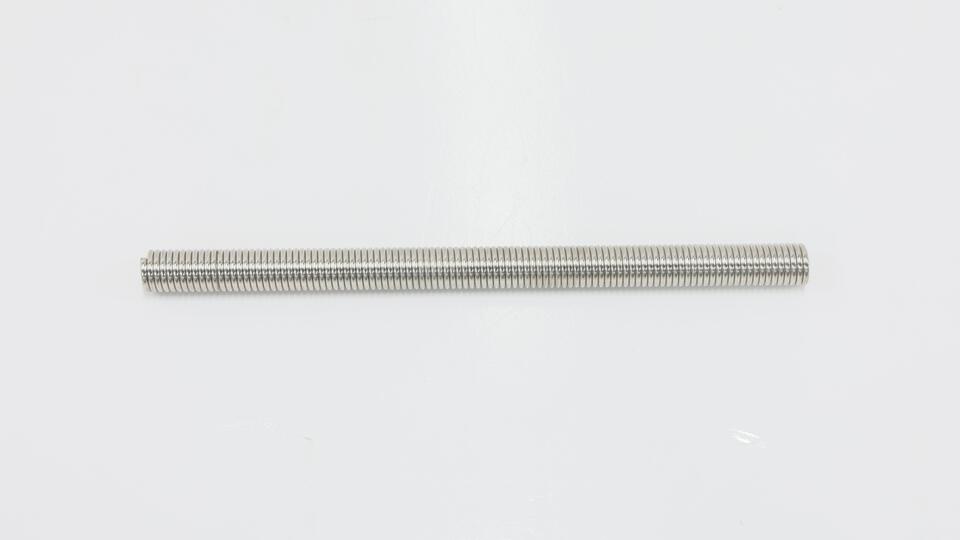
Nhiều hệ thống cam ngoài truyền thống không truyền chuyển động trực tiếp từ cam đến các bộ phận được dẫn động. Thay vì, một phần của chuyển động dựa vào hệ truyền động được hỗ trợ bằng lò xo. Trong quá trình hoạt động bình thường, sự sắp xếp này hoạt động đầy đủ. Dưới sự sản xuất tốc độ cao liên tục, tình hình trở nên khác.
Trong quá trình kiểm tra định kỳ, lò xo thường xuyên là một trong những thành phần đầu tiên thu hút sự chú ý. Sau những chiến dịch sản xuất kéo dài, đội bảo trì có thể nhận thấy những thay đổi về độ căng của lò xo trước khi các vấn đề cơ học khác xuất hiện. Mỗi vòng quay khiến lò xo phải thực hiện các chu kỳ nén và nhả lặp đi lặp lại. Sau hàng triệu chu kỳ, dấu hiệu mệt mỏi có thể bắt đầu xuất hiện. Lực lò xo có thể giảm dần, gây ra những thay đổi tinh tế trong tính nhất quán chuyển động giữa các trạm.
Những dấu hiệu sớm nhất hiếm khi kịch tính. Người vận hành có thể nghe thấy âm thanh cơ học khác trong khi vận hành, hoặc nhận thấy rằng chuyển động của máy có cảm giác kém ổn định hơn so với các đợt trước. Khi sự mệt mỏi của mùa xuân tiến triển, rung động máy bổ sung có thể phát triển, đặc biệt khi máy rót viên nang hoạt động gần tốc độ định mức tối đa của nó. Đội ngũ kỹ thuật có thể đáp ứng bằng việc kiểm tra thường xuyên hơn, điều chỉnh, và lịch trình thay thế.
Trong trường hợp nặng, một lò xo bị hỏng có thể ngừng hoàn toàn việc truyền chuyển động. Những thất bại như vậy có thể dẫn đến thời gian ngừng hoạt động bất ngờ, công việc bảo trì ngoài kế hoạch, và mất giờ sản xuất. Những quan sát định kỳ này đã khuyến khích các nhà sản xuất thiết bị suy nghĩ lại các chiến lược bảo trì máy rót viên nang truyền thống và tìm kiếm các hệ thống truyền động ít phụ thuộc vào các bộ phận truyền động dễ bị mỏi..
2. Điều gì làm nên sự khác biệt của công nghệ Internal Cam
Khi các nhà sản xuất tìm cách giảm sự phụ thuộc vào chuyển động được hỗ trợ bằng lò xo, sự chú ý ngày càng hướng về các thiết kế cam bên trong.
2.1 Hệ thống camera bên trong hoạt động như thế nào
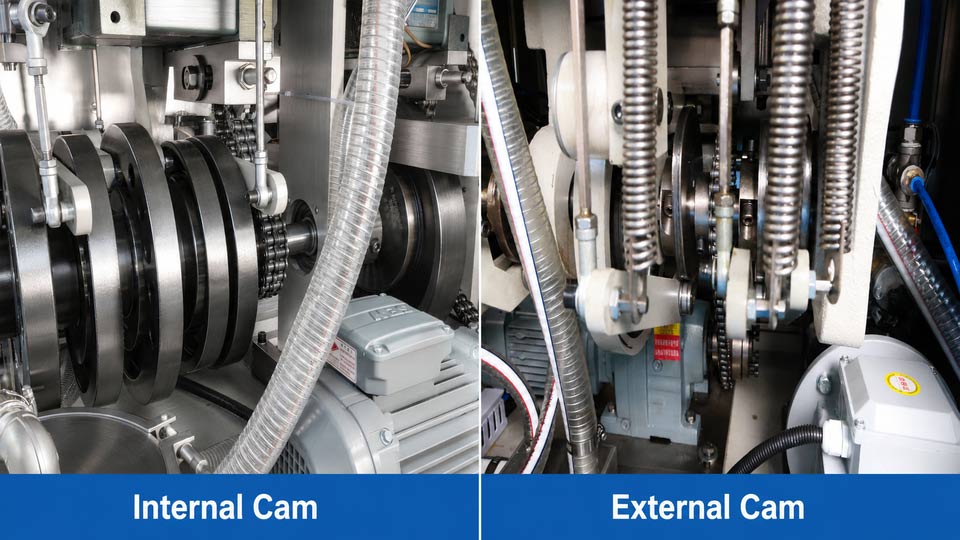
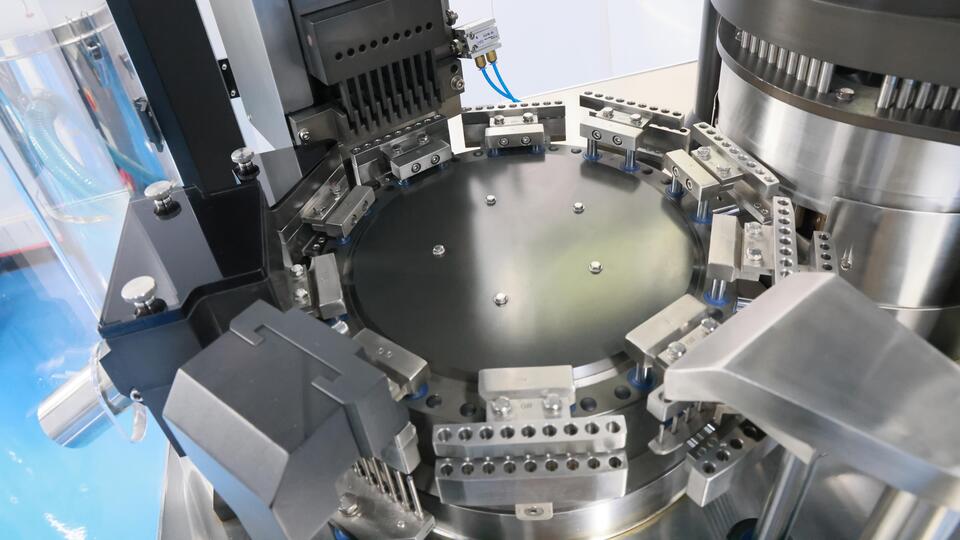
Trong máy làm đầy viên nang cam bên trong, cụm cam được tích hợp trực tiếp trong cấu trúc tháp pháo. Thay vì dựa vào các liên kết bên ngoài và các cơ chế được lò xo hỗ trợ để truyền chuyển động, biên dạng cam hướng dẫn người theo dõi qua một đường cơ học trực tiếp hơn.
Khi tháp pháo quay, mỗi trạm đi theo một rãnh cam được gia công chính xác nằm bên trong cấu trúc lõi của máy. Tách viên nang, điền vào, khóa, và chuyển động phóng được điều phối thông qua chính thiết kế cam bên trong. Bởi vì các bộ phận truyền động vẫn được bao bọc trong cơ cấu tháp pháo, chuyển động theo một lộ trình ngắn hơn và được kiểm soát nhiều hơn.
Các kỹ sư bảo trì thường mô tả sự sắp xếp như một hệ thống truyền động cứng nhắc.. Thay vì phụ thuộc vào lực lò xo để bù cho chuyển động, máy rót viên nang với hệ thống cam bên trong sử dụng dẫn hướng cơ học trực tiếp trong suốt chu trình vận hành. Thiết kế này làm giảm số lượng các bộ phận liên quan đến việc truyền chuyển động và giảm thiểu cơ hội biến đổi giữa các trạm.
Kết quả là một cơ chế tháp pháo duy trì các mô hình chuyển động nhất quán trong suốt các chiến dịch sản xuất mở rộng, ngay cả khi hoạt động theo lịch trình sản xuất đòi hỏi khắt khe.
2.2 Cam bên trong thay đổi sự phân bổ lực như thế nào
Một trong những khác biệt ít thấy hơn liên quan đến cách các lực di chuyển qua máy trong quá trình vận hành.. Trong nhiều hệ thống truyền thống, lò xo hấp thụ một phần tải trọng được tạo ra bởi các chu kỳ chuyển động lặp đi lặp lại. Khi những thành phần đó già đi, truyền lực có thể trở nên kém ổn định hơn.
Một máy làm đầy viên nang cam bên trong phân phối tải trọng cơ học thông qua chính hệ thống theo dõi và rãnh cam. Thiết kế cam bên trong giữ cho các chuyển động quan trọng đến gần tâm tháp pháo hơn, giảm hiệu ứng đòn bẩy thường liên quan đến các bộ phận truyền động được gắn bên ngoài. Sự sắp xếp này giúp duy trì sự ổn định của thiết bị trong quá trình hoạt động liên tục.
Đội ngũ sản xuất thường nhận thấy tác động trong các chiến dịch sản xuất dài hơn. Sự truyền lực nhất quán góp phần cải thiện sự ổn định trong vận hành, đặc biệt khi máy đang xử lý các mẻ lớn mà không thường xuyên dừng lại. Hồ sơ bảo trì cũng có thể hiển thị ít điều chỉnh hơn liên quan đến đồng bộ hóa chuyển động vì đường truyền chứa ít thành phần trung gian hơn.
Dành cho các nhóm kỹ thuật đánh giá kiến trúc máy, lợi ích không chỉ đơn giản là giảm độ mài mòn. Phân phối lực phù hợp hơn hỗ trợ độ tin cậy sản xuất cao hơn, giúp duy trì hoạt động của máy có thể dự đoán được, và góp phần nâng cao hiệu suất tổng thể của máy làm đầy viên nang trong các điều kiện vận hành khác nhau.
3. Năm lý do các nhà sản xuất ưa chuộng camera gắn trong
Quá trình chuyển đổi sang hệ thống cam bên trong đã không xảy ra do một thước đo hiệu suất duy nhất. Giám đốc sản xuất, đội bảo trì, nhân viên xác nhận, và các kỹ sư thiết bị thường đánh giá máy móc từ những góc độ khác nhau. Tuy nhiên, nhiều quan sát của họ hướng tới cùng một hướng thiết kế.
3.1 Giảm mài mòn và tuổi thọ dài hơn
Sự khác biệt giữa hệ thống cam ngoài và cam trong không chỉ giới hạn ở vị trí linh kiện. Nó cũng thay đổi cách lực di chuyển qua máy.
Trong nhiều thiết kế cam ngoài truyền thống, Bánh đà bị đẩy vào bề mặt cam trong khi các lò xo cung cấp một phần chuyển động quay trở lại. Trong quá trình vận hành, vòng bi vẫn chịu tải liên tục từ một hướng duy nhất. Lực tập trung vào một vùng tiếp xúc hạn chế, tạo ra ứng suất liên tục giữa ổ trục và bề mặt cam.
Kỹ thuật viên bảo trì thường chú ý tới những vị trí này vì chúng là điểm hao mòn thường gặp. Khi số giờ hoạt động tích lũy, Sự mài mòn của cam có thể hiện rõ trên các bề mặt tiếp xúc. Vòng bi cũng có thể chịu tải trọng cao hơn do lực kéo không đổi do hệ thống lò xo tạo ra..
Máy làm đầy viên nang cam bên trong tiếp cận cùng một nhiệm vụ một cách khác nhau. Thay vì dựa vào hệ thống hoàn trả bằng lò xo, chuyển động tuân theo một đường dẫn hướng chuyên dụng trong suốt chu kỳ. Người theo dõi vẫn bị hạn chế trong đường đi thay vì bị ép vào một điểm tiếp xúc duy nhất. Sự sắp xếp này phân bổ lực đồng đều hơn và giảm sự tập trung ứng suất. Kết quả là, mức độ hao mòn linh kiện có xu hướng thấp hơn, giúp kéo dài tuổi thọ của máy và giảm tần suất can thiệp bảo trì phòng ngừa.
3.2 Tiếng ồn thấp hơn và ít rung hơn
Sự khác biệt thường dễ nhận thấy trước khi tạo bất kỳ báo cáo bảo trì nào. Nhân viên sản xuất có thể nghe thấy nó đầu tiên, đặc biệt là khi vận hành ở tốc độ cao. Sự thay đổi thể hiện rõ nhất ở âm thanh và chuyển động của máy.
Trong hệ thống cam ngoài, lò xo liên tục kéo các bộ phận chuyển động trở lại vị trí. Ở tốc độ hoạt động cao hơn, quán tính của lò xo ngày càng trở nên đáng chú ý. Các bộ phận có thể bắt đầu dao động nhẹ khi lò xo phản ứng với sự thay đổi hướng nhanh chóng.. Các kỹ sư đôi khi mô tả hành vi này như “nhảy” hoặc “nảy lên” chuyển động bên trong cơ cấu.
Khi dao động bắt đầu, rung động bổ sung có thể được cảm nhận qua khung máy, và mức độ âm thanh bên trong khu vực sản xuất cũng thường xuyên tăng lên. Những hiệu ứng này trở nên dễ quan sát hơn khi tốc độ sản xuất tăng lên. Những dao động nhỏ trong chuyển động cũng có thể tạo thêm ứng suất lên vòng bi, người theo dõi, và các bộ phận kết nối.
Máy rót viên nang cam bên trong tránh được phần lớn hành vi này vì các cụm chuyển động vẫn được dẫn hướng bên trong một rãnh cố định trong suốt chu kỳ. Không dựa vào chuyển động lùi được hỗ trợ bởi lò xo, cơ chế đi theo một con đường được kiểm soát tốt hơn. Đây là một lý do tại sao các nhà cung cấp thiết bị thường xuyên quảng bá nền tảng cam bên trong khi thảo luận về hiệu suất tiếng ồn, với một số model hoạt động dưới đây 75 dB trong điều kiện sản xuất bình thường.
3.3 Cải thiện tính ổn định ở tốc độ sản xuất cao
Tốc độ sản xuất thường bộc lộ những điểm yếu khó phát hiện trong thời gian trình diễn ngắn.
Ở mức sản lượng vừa phải, cả hai loại máy đều có thể hoạt động tương tự. Khi tốc độ tăng, Tuy nhiên, hệ thống truyền động có lò xo hỗ trợ phải đối mặt với tải trọng động lớn hơn. Quán tính tương tự gây ra rung động cũng có thể ảnh hưởng đến độ chính xác của chuyển động. Lò xo có thể phản ứng khác nhau khi tần số chu kỳ tăng lên, gây ra sự khác biệt nhỏ về chuyển động giữa các trạm.
Người vận hành đôi khi quan sát thấy những hiệu ứng này trong các chiến dịch sản xuất kéo dài. Máy có thể yêu cầu điều chỉnh bổ sung để duy trì hiệu suất tối ưu, đặc biệt khi tiếp cận phạm vi đầu ra cao hơn.
Thiết kế máy rót viên nang tốc độ cao được sử dụng trong hệ thống cam bên trong giải quyết thách thức này thông qua hướng dẫn cơ học thay vì bù lò xo. Các bộ phận vẫn cố định trong rãnh dẫn hướng và đi theo đường di chuyển được xác định trước bất kể tốc độ sản xuất.
Đối với cơ sở thực hiện đơn hàng sản xuất lớn, ít điều chỉnh hơn trong quá trình vận hành có nghĩa là ít gián đoạn hơn. Điều đó trở nên đặc biệt có giá trị khi lịch trình sản xuất có ít chỗ cho những điểm dừng đột xuất. Kết quả là một chiếc máy vẫn có thể dự đoán được ngay cả khi vận hành gần với công suất định mức của nó.
Kỹ sư bảo trì đôi khi gặp phải tình trạng này trong các dự án mở rộng sản xuất. Một máy hoạt động ở mức chấp nhận được ở mức đầu ra vừa phải có thể bắt đầu yêu cầu điều chỉnh nhiều lần khi mục tiêu sản xuất tăng lên.. Trong nhiều trường hợp, vấn đề không phải là bản thân hệ thống định lượng mà là hoạt động của bộ truyền động có lò xo hỗ trợ ở tần số hoạt động cao hơn. Đây là một lý do tại sao nền tảng camera nội bộ ngày càng trở nên phổ biến ở các cơ sở dược phẩm hiệu suất cao.
3.4 Quy trình bảo trì đơn giản hóa
Yêu cầu bảo trì vẫn là vấn đề quan trọng cần cân nhắc đối với các cơ sở sản xuất vận hành nhiều ca.
Với hệ thống cam bên ngoài, một số nhà sản xuất khuyến nghị kiểm tra lò xo thường xuyên, vòng bi, sự liên kết, và các bộ phận truyền động tiếp xúc. Ở những cơ sở có chương trình bảo trì nghiêm ngặt, kỹ thuật viên có thể dừng máy cứ sau ba mươi phút đến một giờ trong thời gian đánh giá để kiểm tra tình trạng linh kiện, kiểm tra điểm bôi trơn, và xác định các dấu hiệu hao mòn sớm.
Bản thân chất bôi trơn không khác biệt đáng kể. Cả hai thiết kế đều yêu cầu dầu mỡ tại các vị trí được chỉ định. Nhân viên bảo trì thường tra dầu mỡ, dầu trắng, hoặc chất bôi trơn khác để chống ăn mòn và giảm ma sát.
Điều thay đổi nhiều nhất là khối lượng công việc kiểm tra mà nhóm bảo trì phải đối mặt. Máy cam bên trong loại bỏ nhiều nhiệm vụ kiểm tra liên quan đến lò xo và giảm số lượng điểm truyền động lộ ra ngoài. Một số mô hình, bao gồm cả máy móc từ các nhà cung cấp như Romaco, Bosch, Lát, Marchesini, và đóng gói Ruida, cũng kết hợp các hệ thống bôi trơn tự động cung cấp chất bôi trơn định kỳ cho các bề mặt cam quan trọng. Điều này làm giảm sự can thiệp thủ công đồng thời giúp duy trì sự bôi trơn nhất quán trong suốt quá trình sản xuất.
3.5 Phù hợp hơn cho cơ sở GMP hiện đại
Các cơ sở dược phẩm tiếp tục chú trọng hơn đến việc kiểm soát ô nhiễm, khả năng tiếp cận thiết bị, và các thủ tục bảo trì được ghi lại. Những ưu tiên này ảnh hưởng đến quyết định lựa chọn thiết bị cũng như sản lượng sản xuất..
Khi đánh giá một Máy làm đầy viên nang GMP, đội ngũ kỹ thuật thường kiểm tra xem máy hỗ trợ làm sạch như thế nào, điều tra, và các hoạt động phục vụ thường xuyên. Các tính năng giúp giảm rủi ro ô nhiễm và đơn giản hóa việc bảo trì có xu hướng nhận được sự chú ý đáng kể trong quá trình kiểm định thiết bị.
Vì lý do này, nhiều nhà sản xuất đã áp dụng nền tảng cam nội bộ trong danh mục thiết bị dược phẩm rộng hơn của họ. Các công ty bao gồm IMA, Cú pháp, Romaco, và Ruida Packing đã giới thiệu các loại máy kết hợp cấu trúc truyền động kèm theo như một phần trong triết lý thiết kế của họ.
Sự hấp dẫn không chỉ dừng lại ở hiệu suất cơ học. Máy hỗ trợ hoạt động dọn dẹp, lập kế hoạch bảo trì, và kỳ vọng tuân thủ phù hợp chặt chẽ hơn với nhu cầu của môi trường thiết bị sản xuất dược phẩm hiện đại, nơi kiểm soát hoạt động và tài liệu nhận được sự giám sát liên tục.
Phần kết luận
Hệ thống cam bên trong trong máy rót viên nang giải quyết nhiều thách thức cơ học gặp phải với thiết kế cam bên ngoài, bao gồm cả sự mệt mỏi mùa xuân, ứng suất ổ trục tập trung, và chuyển động không ổn định ở tốc độ cao hơn. Các cơ sở đã chuyển sang nền tảng cam nội bộ thường báo cáo ít can thiệp liên quan đến lò xo hơn, ít chịu lực hơn, và hoạt động của máy ổn định hơn trong các chiến dịch sản xuất kéo dài. giúp duy trì hiệu quả sản xuất nhất quán trong các chiến dịch sản xuất kéo dài. Thói quen bảo trì vẫn rất quan trọng, nhưng bôi trơn tự động và chuyển động có hướng dẫn làm giảm tần suất can thiệp. Nhiều cơ sở dược phẩm hiện nay tích hợp máy móc từ các nhà cung cấp được quốc tế công nhận như IMA, Cú pháp, Romaco, Bosch, Lát, Marchesini, và đóng gói Ruida, cân bằng độ tin cậy, an toàn vận hành, và tuân thủ GMP trong khi vẫn duy trì khối lượng lớn, sản xuất tốc độ cao.
Câu hỏi thường gặp
Máy làm đầy viên nang cam bên trong có tốt hơn không?
Không nhất thiết phải có trong mọi ứng dụng. Máy rót viên nang cam bên trong mang lại lợi thế trong môi trường sản xuất tốc độ cao, nơi có độ ổn định, tuổi thọ thành phần, và tần suất bảo trì là mối quan tâm lớn. Cấu trúc rãnh dẫn hướng làm giảm sự phụ thuộc vào chuyển động được hỗ trợ bằng lò xo và phân bổ lực đồng đều hơn trên toàn bộ máy. Dành cho nhà sản xuất làm nhiều ca hoặc sản xuất số lượng lớn, những đặc điểm này có thể giúp duy trì hiệu suất ổn định. Các cơ sở nhỏ hơn với yêu cầu đầu ra thấp hơn vẫn có thể tìm thấy thiết kế cam bên ngoài phù hợp với nhu cầu của họ.
Tại sao máy quay bên trong lại yên tĩnh hơn?
Sự khác biệt phần lớn đến từ cách truyền chuyển động. Trong hệ thống cam ngoài, lò xo liên tục kéo các bộ phận chuyển động trở lại vị trí. Khi tốc độ hoạt động tăng lên, quán tính của lò xo có thể tạo ra những dao động nhẹ hoặc “nhảy” phong trào, dẫn đến tiếng ồn khi vận hành và độ rung của máy cao hơn. Máy rót viên nang cam bên trong sử dụng một rãnh dẫn hướng giúp giữ cho các cụm chuyển động bị hạn chế trong suốt chu kỳ. Điều này làm giảm lực tác động và góp phần mang lại hiệu suất mong đợi từ máy rót viên nang có độ ồn thấp.
Máy quay nội bộ có làm giảm yêu cầu bảo trì không?
Cả hai loại máy đều yêu cầu bôi trơn thường xuyên, điều tra, và bảo trì theo lịch trình. Tuy nhiên, hệ thống cam bên trong loại bỏ một số thành phần thường nhận được nhiều sự chú ý nhất trong các máy cam bên ngoài, đặc biệt là lò xo và ổ trục chịu tải bên ngoài. Đội bảo trì thường dành ít thời gian hơn để kiểm tra độ mỏi của lò xo, chịu lực căng thẳng, và người theo dõi mặc. Một số nhà sản xuất cũng kết hợp hệ thống bôi trơn tự động để đơn giản hóa hơn nữa việc bảo trì máy rót viên nang và giảm bớt các công việc bảo dưỡng thủ công..
Cam nội bộ có thể cải thiện sự ổn định sản xuất?
Nhiều kỹ sư sản xuất tin như vậy. Đường chuyển động được dẫn hướng được sử dụng trong thiết kế cam bên trong giúp duy trì chuyển động nhất quán giữa các trạm, đặc biệt là trong quá trình sản xuất kéo dài. Bởi vì các bộ phận di chuyển trong một rãnh chuyên dụng thay vì dựa vào chuyển động quay trở lại được hỗ trợ bằng lò xo, có ít cơ hội dao động hơn ở tốc độ cao hơn. Điều này góp phần nâng cao độ tin cậy sản xuất, cải thiện độ ổn định của thiết bị, và hoạt động của máy dễ dự đoán hơn trong các chiến dịch sản xuất kéo dài.
Thiết kế nào tốt hơn cho Sản xuất GMP?
Cả hai thiết kế đều có thể đáp ứng các yêu cầu của GMP khi được bảo trì và xác nhận đúng cách. Điểm khác biệt là nhiều nhà sản xuất đang phát triển nền tảng máy rót viên nang GMP hiện ưa chuộng kiến trúc cam bên trong vì chúng hỗ trợ hoạt động ổn định, bôi trơn có kiểm soát, và giảm căng thẳng cơ học. Kết quả là, máy của các công ty như IMA, Cú pháp, Romaco, Bosch, Marchesini, Lát, và Ruida Packing ngày càng sử dụng công nghệ cam bên trong như một phần của chiến lược phát triển máy đóng viên nang GMP rộng hơn của họ.
Điểm hỏng hóc phổ biến nhất trong hệ thống cam ngoài là gì?
Theo nhiều kỹ sư bảo trì, lò xo và vòng bi là một trong những bộ phận được giám sát thường xuyên nhất. Lò xo trải qua chu kỳ nén và nhả liên tục, mà cuối cùng có thể dẫn đến mệt mỏi hoặc gãy xương. Vòng bi cũng có thể chịu tải tập trung do lực được tác dụng từ một hướng hạn chế.. Những yếu tố này thường giải thích tại sao lịch bảo dưỡng máy cam ngoài tập trung nhiều vào tình trạng lò xo, chất lượng bôi trơn, và kiểm tra ổ trục.
Thiết kế cam bên trong có tăng tốc độ sản xuất không?
Bản thân thiết kế cam không tự động tăng sản lượng. Tốc độ sản xuất phụ thuộc vào nhiều yếu tố, bao gồm cả đặc tính bột, độ chính xác của liều lượng, hiệu suất chân không, và cấu hình máy. Tuy nhiên, thiết kế máy làm đầy viên nang tốc độ cao kết hợp với cam bên trong có thể duy trì sự ổn định chuyển động hiệu quả hơn ở tốc độ vận hành cao. Điều này cho phép các nhà sản xuất theo đuổi công suất cao hơn trong khi vẫn duy trì hoạt động ổn định của máy và hiệu quả sản xuất.
Tham khảo
[1] Hướng dẫn của FDA CMC và GMP
https://www.fda.gov/vaccines-blood-biologics/general-biologics-guidances/cmc-and-gmp-guidances (CHÚNG TA. Cục Quản lý Thực phẩm và Dược phẩm)
[2] 21 CFR § 111.30 Yêu cầu đối với thiết bị tự động https://www.law.cornell.edu/cfr/text/21/111.30 (Law.cornell.edu)