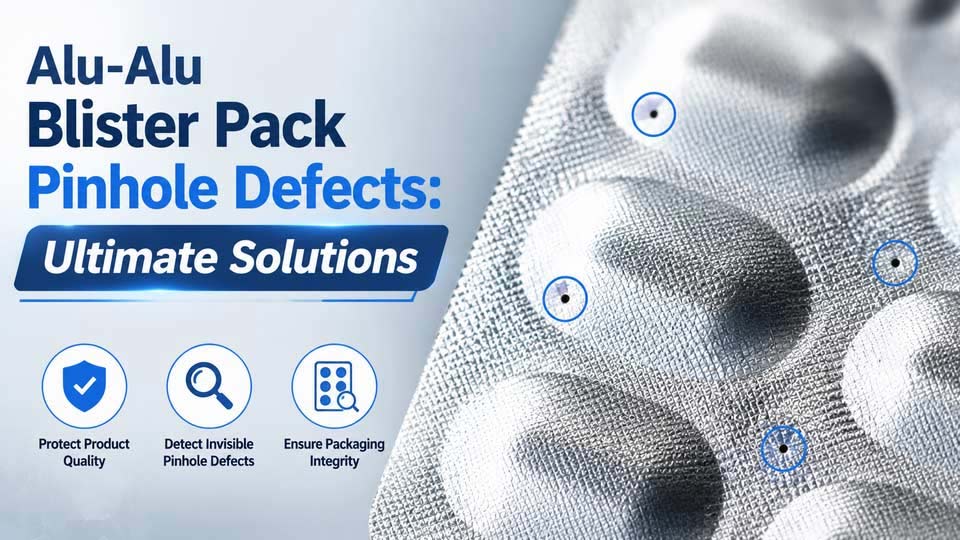
ข้อบกพร่องของรูเข็มเป็นปัญหาทั่วไปในบรรจุภัณฑ์พลาสติกอะลูอะลู
การแนะนำ
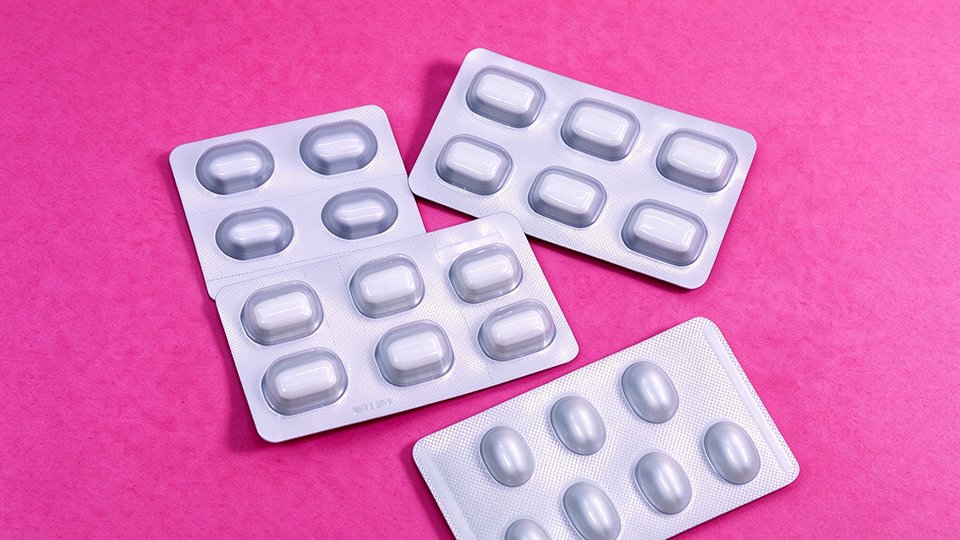
ก้อนตุ่ม Alu-Alu ใช้กันอย่างแพร่หลายสำหรับยาเม็ดและแคปซูลในการผลิตยา. โครงสร้างใช้ชั้นอลูมิเนียมฟอยล์เพื่อปกป้องผลิตภัณฑ์จากความชื้น, ออกซิเจน, และการเปิดรับแสง. ประสิทธิภาพของอุปสรรคนี้ทำให้ บรรจุภัณฑ์พุพอง Alu-Alu เหมาะสำหรับยาที่ต้องการการป้องกันที่มั่นคงระหว่างการเก็บรักษาและการขนส่ง.
คุณสังเกตเห็นจุดสีดำเล็กๆ หรือจุดด่างดำบนพื้นผิวอลูมิเนียมฟอยล์ระหว่างการตรวจสอบการผลิตหรือไม่? ในอุตสาหกรรมบรรจุภัณฑ์, ข้อบกพร่องเหล่านี้เรียกว่าข้อบกพร่องรูเข็ม.
สำหรับผู้ผลิต, รูเล็กๆ เหล่านี้ในชั้นกั้นอะลูมิเนียมอาจเพิ่มแรงกดดันในการตรวจสอบ QA, สร้างความเสี่ยงในการปฏิเสธแบทช์, และต้องการการแก้ไขปัญหาเพิ่มเติมในระหว่างการผลิต. สำหรับผู้บริโภค, การป้องกันสิ่งกีดขวางที่เสียหายอาจทำให้ยาได้รับความชื้น, ออกซิเจน, หรือแสง, ซึ่งอาจส่งผลต่อความคงตัวของผลิตภัณฑ์และอายุการเก็บรักษาได้.
บทความนี้จะอธิบายว่าข้อบกพร่องของรูเข็มฟอยล์ตุ่ม Alu-Alu คืออะไร, พวกมันก่อตัวอย่างไรในระหว่างการผลิต, ระบบตรวจจับรูเข็มระบุได้อย่างไร, และวิธีที่ผู้ผลิตยาสามารถป้องกันและแก้ไขปัญหาเหล่านี้ได้.
ประเด็นสำคัญ
- ข้อบกพร่องของรูเข็มคือการแตกหักเล็กน้อยในชั้นกั้นอะลูมิเนียมของบรรจุภัณฑ์พลาสติก Alu-Alu. สิ่งเหล่านี้อาจทำให้ความสามารถของบรรจุภัณฑ์ในการปิดกั้นความชื้นลดลง, ออกซิเจน, และแสงภายนอก.
- รูเข็มอลูมิเนียมฟอยล์อาจมาจากข้อบกพร่องของวัตถุดิบ, ปัญหาการผลิตฟอยล์, ความเครียดขึ้นรูปเย็น, การสึกหรอของเครื่องมือ, และการควบคุมแรงตึงที่ไม่เหมาะสม.
- คุณภาพบรรจุภัณฑ์พุพอง Alu-Alu ขึ้นอยู่กับการตรวจสอบวัสดุ, การสร้างการปรับพารามิเตอร์, และการบำรุงรักษาเครื่องบรรจุภัณฑ์พุพองอย่างสม่ำเสมอ.
- ระบบตรวจจับรูเข็มใช้การส่งผ่านแสงหรือสัญญาณไฟฟ้าเพื่อระบุพื้นที่ฟอยล์ที่เสียหายก่อนที่บรรจุภัณฑ์ที่ชำรุดจะเข้าสู่ตลาด.
- การควบคุม ข้อบกพร่องของบรรจุภัณฑ์พุพอง รองรับข้อกำหนดการผลิต GMP และช่วยให้ผู้ผลิตลดความเสี่ยงด้านคุณภาพระหว่างการดำเนินการบรรจุภัณฑ์ยา.
1.ข้อบกพร่องของรูเข็มในฟอยล์ตุ่ม Alu-Alu คืออะไร
ความหมายและโครงสร้างของชั้นกั้นอลูมิเนียม
ข้อบกพร่องรูเข็มฟอยล์ตุ่ม Alu-Alu หมายถึงรูขนาดเล็กมากที่เจาะชั้นอลูมิเนียมภายในก้อนตุ่ม Alu-Alu รูเข็มแตกต่างจากคราบบนพื้นผิวหรือรอยฝุ่น. เป็นข้อบกพร่องทางโครงสร้างภายในชั้นอลูมิเนียมฟอยล์.
โครงสร้างบรรจุภัณฑ์พุพอง Alu-Alu ทั่วไปประกอบด้วยสามชั้นหลัก. ชั้น PA ภายนอกให้การปกป้องทางกล, ชั้นกลางของอลูมิเนียมฟอยล์จะสร้างสิ่งกีดขวางหลัก, และชั้นพีวีซีด้านในเป็นพื้นผิวปิดผนึกสำหรับผลิตภัณฑ์ยา.
โครงสร้างปกติทำงานเป็นระบบกั้นที่สมบูรณ์:
ชั้นพีเอ
↓
ชั้นอลูมิเนียมฟอยล์
↓
ชั้นซีลพีวีซี
↓
แท็บเล็ตหรือแคปซูล
เมื่อรูอลูมิเนียมฟอยล์ปรากฏขึ้น, ชั้นอลูมิเนียมมีจุดเจาะเล็ก. ความชื้น, ออกซิเจน, หรือแสงอาจลอดผ่านบริเวณที่เสียหายนี้และไปถึงสินค้าภายในบรรจุภัณฑ์ได้.
ขนาดของข้อบกพร่องเหล่านี้อาจมีขนาดเล็กมาก. ในระหว่างการตรวจสอบการผลิตตามปกติ, ผู้ปฏิบัติงานอาจไม่สามารถมองเห็นได้โดยตรง. อย่างไรก็ตาม, ข้อบกพร่องของรูเข็มเหล่านี้อาจเป็นปัญหาได้ในระหว่างการตรวจสอบคุณภาพบรรจุภัณฑ์ยา เนื่องจากจะส่งผลต่อความสมบูรณ์ของชั้นกั้น.
ลักษณะที่ปรากฏของข้อบกพร่องรูเข็มประเภทต่างๆ
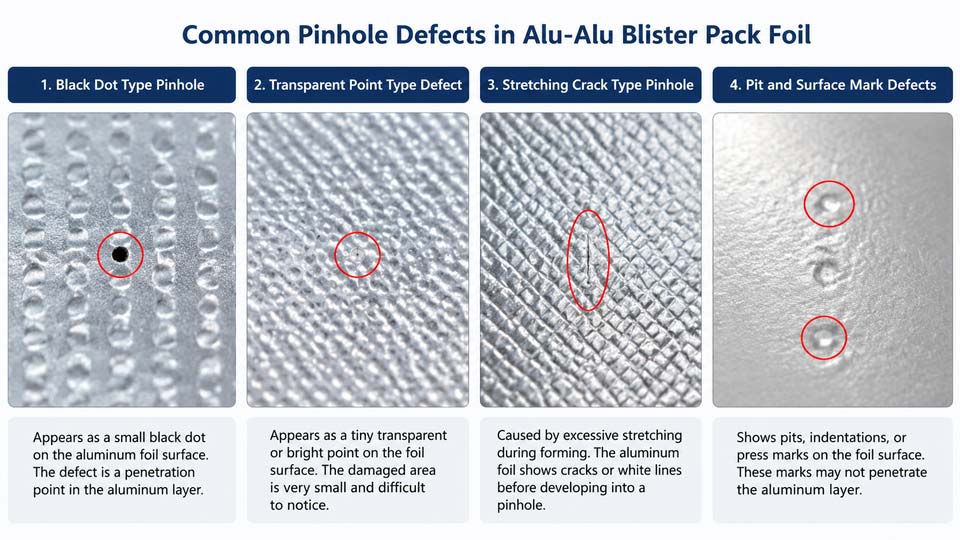
ข้อบกพร่องรูเข็มทั่วไปในฟอยล์ Alu-Alu Blister Pack
รูเข็มอลูมิเนียมฟอยล์สามารถปรากฏได้หลายรูปแบบ ขึ้นอยู่กับแหล่งที่มาของความเสียหายและสภาพการขึ้นรูป.
1. รูเข็มชนิดจุดดำ
ประเภทจุดสีดำเป็นลักษณะที่ปรากฏบ่อยที่สุดของข้อบกพร่องรูเข็มบนพื้นผิวอลูมิเนียมฟอยล์. ปรากฏเป็นจุดมืดเล็กๆ บนกระดาษฟอยล์, ซึ่งอาจมีลักษณะคล้ายฝุ่นหรือคราบบนพื้นผิว.
แตกต่างจากการปนเปื้อนตามปกติ, เครื่องหมายนี้มาจากความเสียหายภายในชั้นอลูมิเนียม. ตำแหน่งที่มีข้อบกพร่องอาจมีพื้นที่เจาะทะลุเล็กน้อยซึ่งแผงกั้นอะลูมิเนียมไม่ต่อเนื่องอีกต่อไป.
2. ข้อบกพร่องประเภทจุดโปร่งใส
ข้อบกพร่องรูเข็มฟอยล์ตุ่ม Alu-Alu บางอย่างจะปรากฏเป็นจุดโปร่งใสเล็ก ๆ บนพื้นผิวฟอยล์. จุดเหล่านี้สังเกตได้ยากเนื่องจากพื้นที่เสียหายมีขนาดเล็กมาก.
ข้อบกพร่องอาจดูเหมือนจุดเล็กๆ ที่ชัดเจนหรือพื้นที่สว่างเล็กๆ ภายใต้สภาวะการรับชมที่เหมาะสม.
3. การยืดรอยแตกแบบรูเข็ม
ข้อบกพร่องรูเข็มฟอยล์ตุ่ม Alu-Alu บางส่วนเกิดจากการยืดมากเกินไปในระหว่างกระบวนการขึ้นรูป. อลูมิเนียมฟอยล์อาจมีรอยแตกบางๆ หรือมีเส้นสีขาวก่อนที่ความเสียหายจะกลายเป็นจุดเจาะ.
4. ข้อบกพร่องของเครื่องหมายหลุมและพื้นผิว
โรงงานบางแห่งใช้คำว่า "หลุมทราย" เพื่ออธิบายหลุมเล็กๆ หรือรอยที่ไม่เรียบบนพื้นผิวอลูมิเนียมฟอยล์. อย่างไรก็ตาม, เครื่องหมายเหล่านี้ไม่ใช่ข้อบกพร่องของรูเข็มที่แท้จริงเสมอไป.
ข้อแตกต่างที่สำคัญคือชั้นอลูมิเนียมถูกทะลุหรือไม่. รูเข็มจริงจะสร้างการแตกของชั้นกั้น, ในขณะที่หลุมบนพื้นผิวหรือรอยกดอาจส่งผลต่อรูปลักษณ์เท่านั้น.
| ประเภทข้อบกพร่อง | ชั้นอลูมิเนียมเจาะทะลุ | ลักษณะทั่วไป |
| รูเข็ม | ✅ใช่ | จุดดำหรือจุดไฟ |
| เครื่องหมายหลุม | ❌ไม่เสมอไป | การกดทับพื้นผิวเล็กน้อย |
| กดเครื่องหมาย | ❌ปกติไม่ | การเยื้องพื้นผิว |
2.เหตุใดข้อบกพร่องของรูเข็มจึงมีความสำคัญในบรรจุภัณฑ์ยา
บรรจุภัณฑ์พุพอง Alu-Alu อาศัยชั้นอลูมิเนียมเพื่อปกป้องแท็บเล็ตและแคปซูลจากความชื้น, ออกซิเจน, และการเปิดรับแสง. เมื่อข้อบกพร่องของรูเข็มปรากฏขึ้น, ชั้นกั้นอะลูมิเนียมอาจสูญเสียความสามารถในการป้องกันเดิมในบริเวณที่เสียหาย.
สำหรับผู้ผลิตยา, รูเข็มอลูมิเนียมฟอยล์สามารถสร้างความเสี่ยงด้านคุณภาพในระหว่างการผลิตได้. ชุดที่ชำรุดอาจต้องมีการตรวจสอบเพิ่มเติม, การประเมินแบบกลุ่ม, หรือการแก้ไขปัญหาก่อนเผยแพร่. การดำเนินการเหล่านี้เพิ่มภาระงาน QA และอาจส่งผลต่อกำหนดการผลิต.
สำหรับผู้บริโภค, การป้องกันสิ่งกีดขวางที่เสียหายอาจลดความเสถียรของยาที่บรรจุ. ความชื้น, ออกซิเจน, หรือแสงที่ลอดผ่านบริเวณที่มีตำหนิอาจส่งผลต่อคุณภาพของผลิตภัณฑ์ระหว่างการเก็บรักษา.
ดังนั้น, การควบคุมข้อบกพร่องของรูเข็มเป็นส่วนสำคัญในการรักษาข้อกำหนดการผลิต GMP และรับประกันคุณภาพของบรรจุภัณฑ์พลาสติก Alu-Alu สุดท้าย.
3.เหตุใดรูเข็มอลูมิเนียมฟอยล์จึงเกิดขึ้นระหว่างการผลิต
การทำความเข้าใจว่าเหตุใดรูเข็มอะลูมิเนียมฟอยล์จึงเกิดขึ้นในระหว่างการผลิตจำเป็นต้องตรวจสอบกระบวนการผลิตที่สมบูรณ์ของบรรจุภัณฑ์พลาสติก Alu-Alu. ข้อบกพร่องเหล่านี้สามารถเกิดขึ้นได้ก่อนที่วัสดุจะถึงเครื่องบรรจุภัณฑ์หรือในระหว่างขั้นตอนการประมวลผลในภายหลัง.
สาเหตุหลักของข้อบกพร่องรูเข็มในบรรจุภัณฑ์พุพอง Alu-Alu ได้แก่ การผลิตอลูมิเนียมฟอยล์, การเคลือบ, การขึ้นรูปเย็น, และการจัดการภายนอก. ขั้นตอนที่แตกต่างกันจะสร้างสภาวะความเค้นบนชั้นอะลูมิเนียมที่แตกต่างกัน.
1. ขั้นตอนการผลิตอลูมิเนียมฟอยล์
ขั้นตอนการผลิตอลูมิเนียมฟอยล์เป็นหนึ่งในแหล่งที่มาหลักของรูเข็มอลูมิเนียมฟอยล์. ระหว่างการผลิตอลูมิเนียมฟอยล์, วัสดุจะต้องผ่านขั้นตอนการรีดหลายขั้นตอนก่อนที่จะนำไปใช้ในบรรจุภัณฑ์พลาสติก Alu-Alu กระบวนการเหล่านี้ควบคุมความหนาของฟอยล์และความแข็งแรงเชิงกล.
สาเหตุหนึ่งมาจากสิ่งสกปรกภายในวัสดุอะลูมิเนียม. อนุภาคโลหะ, อนุภาคออกไซด์, หรือสิ่งเจือปนที่ไม่ใช่โลหะอาจค้างอยู่ภายในโครงสร้างอะลูมิเนียมในระหว่างการผลิตวัสดุ.
ระหว่างกลิ้ง, สิ่งสกปรกเหล่านี้สร้างจุดอ่อนในท้องถิ่น. โครงสร้างอลูมิเนียมโดยรอบไม่สามารถให้ความแข็งแรงเท่ากันในตำแหน่งเหล่านี้ได้. หลังจากกลิ้งซ้ำแล้วซ้ำเล่า, บริเวณที่อ่อนแอเหล่านี้อาจกลายเป็นส่วนที่บางมาก.
ปัจจัยสำคัญอีกประการหนึ่งคือความหนาของฟอยล์ที่ไม่สม่ำเสมอ. ในระหว่างกระบวนการรีด, แรงดันหรือสภาพอุปกรณ์ที่ไม่เสถียรอาจทำให้เกิดความหนาผันแปรทั่วทั้งพื้นผิวฟอยล์.
พื้นที่ที่มีความหนาลดลงจะมีความต้านทานแรงดึงต่ำกว่าและมีความสามารถในการเปลี่ยนรูปน้อยกว่า. ระหว่างการขึ้นรูปก้อนตุ่ม Alu-Alu, ส่วนบางๆ เหล่านี้จะมีความเครียดสูงกว่าบริเวณปกติ.
ข้อมูลนี้อธิบายสาเหตุทั่วไปประการหนึ่งของรูเข็มในวัสดุบรรจุภัณฑ์พลาสติก Alu-Alu. ข้อบกพร่องเริ่มต้นจากโครงสร้างวัสดุที่ไม่สม่ำเสมอและเกิดขึ้นในระหว่างการประมวลผลในภายหลัง.
2. ปัญหากระบวนการเคลือบ
ก้อนตุ่ม Alu-Alu ไม่ได้ทำจากอลูมิเนียมฟอยล์เพียงอย่างเดียว. โดยทั่วไปวัสดุจะมีชั้นนอกของ PA, ชั้นกั้นฟอยล์อลูมิเนียม, และชั้นซีลพีวีซี.
แต่ละชั้นจะรวมกันผ่านกระบวนการเคลือบเพื่อสร้างโครงสร้างคอมโพสิตขั้นสุดท้าย. คุณภาพการติดจะส่งผลต่อสภาวะการรองรับของชั้นอลูมิเนียมก่อนที่จะเข้าสู่กระบวนการบรรจุตุ่ม Alu-Alu.
หากการเคลือบกาวไม่สม่ำเสมอ, บางพื้นที่อาจมีการยึดเกาะระหว่างชั้นไม่เพียงพอ. หากแรงกดของลูกกลิ้งเคลือบผิดปกติ, อาจเกิดฟองอากาศขนาดเล็กหรือช่องว่างระหว่างชั้นต่างๆ.
ณ สถานที่เหล่านี้, อลูมิเนียมฟอยล์ไม่ได้รับการรองรับจากวัสดุโดยรอบเพียงพอ. ชั้นอลูมิเนียมจะแขวนลอยบางส่วนระหว่างชั้นที่รวมกัน.
ในระหว่างการขึ้นรูปของแผงบลิสเตอร์ Alu-Alu ในเวลาต่อมา, พื้นที่ที่ไม่รองรับเหล่านี้จะมีความเครียดจากการยืดตัวที่สูงกว่า. อลูมิเนียมฟอยล์ในตำแหน่งเหล่านี้จะเสียรูปและแตกร้าวได้ง่ายกว่า.
นี่เป็นอีกหนึ่งสาเหตุข้อบกพร่องของรูเข็มที่พบบ่อยในบรรจุภัณฑ์พุพอง Alu-Alu. ปัญหาไม่ได้เริ่มต้นจากเครื่องขึ้นรูป แต่มาจากพื้นที่อ่อนแอที่เกิดขึ้นระหว่างการเคลือบวัสดุ.
3. ขั้นตอนการขึ้นรูป Alu-Alu Blister Pack
ผู้ผลิตหลายรายตรวจสอบว่ารูเข็มของอลูมิเนียมฟอยล์เกิดขึ้นได้อย่างไรในระหว่างการขึ้นรูปเย็น เนื่องจากกระบวนการขึ้นรูปจะใช้แรงทางกลกับชั้นอลูมิเนียมโดยตรง.
ต่างจากบรรจุภัณฑ์พุพองพีวีซี, บรรจุภัณฑ์พุพองขึ้นรูปเย็นไม่ทำให้ฟอยล์ร้อนก่อนที่จะขึ้นรูป. อลูมิเนียมฟอยล์เปลี่ยนรูปร่างด้วยแรงกดและการเสียรูปของพลาสติก.
ในระหว่างกระบวนการขึ้นรูป, ฟอยล์ทอดยาวรอบรูปร่างของโพรง. การเสียรูปที่ต้องการขึ้นอยู่กับความลึกของช่อง, ความหนาของฟอยล์, และการออกแบบช่อง.
สำหรับการผลิตบรรจุภัณฑ์พลาสติก Alu-Alu ทางเภสัชกรรม, การเสียรูปของอลูมิเนียมฟอยล์โดยทั่วไปอยู่ที่ประมาณ 20% –40%, ขึ้นอยู่กับโครงสร้างตุ่มและความลึกของการขึ้นรูป. โพรงที่ลึกกว่านั้นจำเป็นต้องยืดวัสดุมากขึ้น.
เมื่อการเสียรูปเกินกว่าความสามารถในการขึ้นรูปของฟอยล์, ชั้นอะลูมิเนียมจะบางลงในบริเวณที่มีความเครียดสูง. รอยแตกเล็กๆ อาจปรากฏขึ้นและค่อยๆ พัฒนาเป็นรูเข็มที่มีข้อบกพร่อง.
แรงกดดันที่ก่อตัวยังส่งผลต่อการกระจายความเครียดด้วย. แรงกดที่มากเกินไปอาจทำให้มีสมาธิไปที่บริเวณเฉพาะของอลูมิเนียมฟอยล์ และเพิ่มความเป็นไปได้ที่จะเกิดความเสียหายเฉพาะที่.
สภาพเครื่องมือเป็นอีกปัจจัยหนึ่ง. รอยขีดข่วน, เสี้ยน, หรือสิ่งแปลกปลอมบนส่วนประกอบที่ขึ้นรูปสามารถสร้างจุดสัมผัสที่แหลมคมได้. ในระหว่างการดำเนินงานอย่างต่อเนื่องของ เครื่องบรรจุตุ่ม Alu-Alu, จุดเหล่านี้อาจทำให้ชั้นอลูมิเนียมเสียหายได้.
4. ขั้นตอนการจัดเก็บและการขนส่ง
แม้ว่ารูเข็มอลูมิเนียมฟอยล์ส่วนใหญ่จะเกี่ยวข้องกับวัสดุและกระบวนการผลิตก็ตาม, การจัดการภายนอกยังสามารถสร้างความเสียหายได้หลังจากที่แพ็คตุ่ม Alu-Alu เสร็จสิ้น.
ระหว่างการเก็บรักษาหรือการขนส่ง, วัตถุมีคม, แรงกดดันมากเกินไป, หรือการจัดการที่ไม่เหมาะสมอาจสร้างความเครียดเฉพาะที่บนพื้นผิวอลูมิเนียม.
4.ระบบตรวจจับรูเข็มระบุข้อบกพร่องของอลูมิเนียมฟอยล์ได้อย่างไร
เมื่อข้อบกพร่องของรูเข็มปรากฏขึ้นในการผลิตบรรจุภัณฑ์พลาสติก Alu-Alu, ผู้ผลิตมักเลือกติดตั้งระบบตรวจจับรูเข็มเพื่อระบุพื้นที่ฟอยล์ที่มีข้อบกพร่อง โดยไม่ต้องเปลี่ยนโครงสร้างสายการบรรจุแบบเดิม.
ซัพพลายเออร์เครื่องจักรบรรจุภัณฑ์ยาหลายรายนำเสนอโซลูชันการตรวจสอบฟอยล์อลูมิเนียมสำหรับการใช้งานบรรจุภัณฑ์พุพอง. บริษัทต่างๆ เช่น รุยด้า แพ็คกิ้ง, ระบบ Uhlmann Pac, เทคโนโลยีซินเทกอน, และ ไอเอ็ม ฟาร์มา เป็นซัพพลายเออร์ที่ได้รับการยอมรับในด้านอุปกรณ์บรรจุภัณฑ์ยาและนำเสนอโซลูชั่นที่แตกต่างกันสำหรับการควบคุมคุณภาพการผลิต.
ระบบการตรวจจับรูเข็มที่แตกต่างกันใช้หลักการทำงานที่แตกต่างกันเพื่อระบุพื้นที่ที่เสียหายในชั้นอะลูมิเนียม. วิธีการทั่วไปสองวิธีคือการตรวจจับทางไฟฟ้าและการตรวจสอบการส่งผ่านแสง. ทั้งสองวิธีมุ่งเน้นไปที่การตรวจจับความแตกต่างระหว่างอลูมิเนียมฟอยล์ที่ยังอยู่ในสภาพสมบูรณ์กับบริเวณที่โครงสร้างอลูมิเนียมได้รับความเสียหาย.
1. วิธีการตรวจจับการส่งผ่านแสง
วิธีการส่งผ่านแสงจะระบุข้อบกพร่องของรูเข็มโดยการสังเกตว่าแสงสามารถผ่านบริเวณที่เสียหายของชั้นอะลูมิเนียมได้หรือไม่.
หลักการตรวจจับขึ้นอยู่กับความแตกต่างระหว่างฟอยล์ที่ไม่บุบสลายและฟอยล์ที่เสียหาย. ชั้นอลูมิเนียมฟอยล์ปกติจะบังแสง ชั้นอะลูมิเนียมทั้งชิ้นบังแสง, ในขณะที่จุดเจาะช่วยให้สามารถส่งผ่านแสงได้.
ขนาดและตำแหน่งของข้อบกพร่องอาจส่งผลต่อสัญญาณที่มองเห็นได้. ข้อบกพร่องที่มีขนาดเล็กกว่านั้นจำเป็นต้องมีเงื่อนไขการตรวจสอบที่ละเอียดอ่อนมากขึ้นในการระบุ.
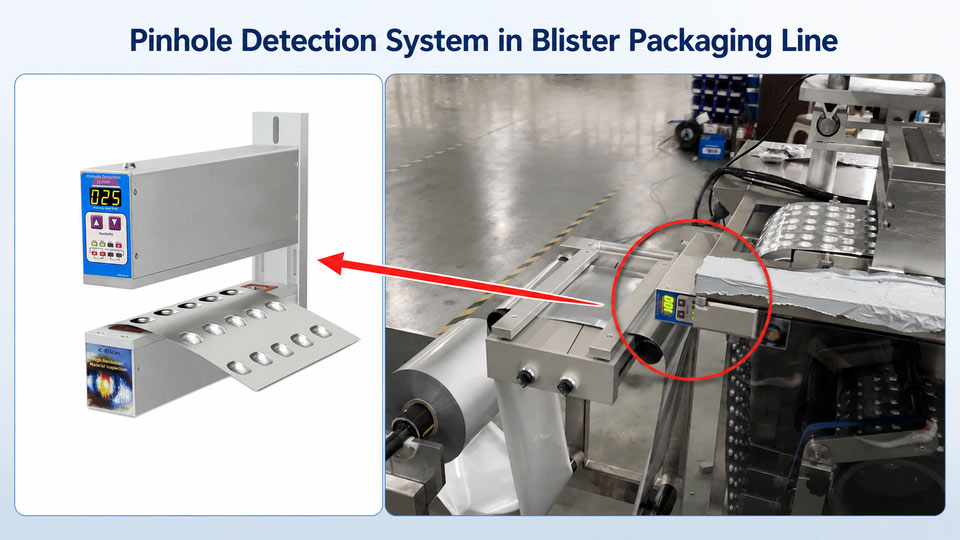
ระบบตรวจจับรูเข็มในสายการบรรจุตุ่ม
ดูการทำงานของเครื่องตรวจจับรูเข็มบรรจุ Ruida
2. วิธีการตรวจจับรูเข็มไฟฟ้า
วิธีการตรวจจับทางไฟฟ้าจะระบุรูเข็มของอะลูมิเนียมฟอยล์โดยการตรวจสอบความต่อเนื่องทางไฟฟ้าของชั้นอะลูมิเนียม.
ชั้นอลูมิเนียมฟอยล์ปกติมีค่าการนำไฟฟ้าของโลหะอย่างต่อเนื่อง. เมื่อฟอยล์มีรูเข็ม, บริเวณที่เสียหายทำให้เกิดการแตกหักของโครงสร้างโลหะ.
ระหว่างการตรวจ, ระบบส่งสัญญาณไฟฟ้าผ่านพื้นผิวฟอยล์. หากสัญญาณมีการเปลี่ยนแปลงที่ตำแหน่งเฉพาะ, อุปกรณ์จะรับรู้ถึงพื้นที่ที่มีข้อบกพร่องที่อาจเกิดขึ้นได้.
การเปรียบเทียบระหว่างวิธีการตรวจจับรูเข็มสองวิธี
| วิธีการตรวจจับ | หลักการการทำงาน | คุณสมบัติการตรวจจับหลัก |
| การตรวจจับทางไฟฟ้า | ตรวจจับการเปลี่ยนแปลงของการนำไฟฟ้าของอะลูมิเนียม | ระบุการแตกหักในความต่อเนื่องของโลหะ |
| การตรวจจับการส่งผ่านแสง | ตรวจจับแสงที่ส่องผ่านบริเวณที่เสียหาย | ระบุจุดโปร่งใสหรือการเปลี่ยนแปลงทางแสง |
สำหรับผู้ผลิตที่ใช้เครื่องบรรจุภัณฑ์พุพอง Alu-Alu, การเลือกวิธีการตรวจสอบที่เหมาะสมขึ้นอยู่กับข้อกำหนดในการผลิต, โครงสร้างวัสดุ, และขั้นตอนการควบคุมคุณภาพ.
บทสรุป
คุณภาพของก้อนตุ่ม Alu-Alu ขึ้นอยู่กับความสมบูรณ์ของชั้นอลูมิเนียมฟอยล์. แม้ว่าข้อบกพร่องของรูเข็มจะมีขนาดเล็กมากและสังเกตได้ยากในระหว่างการตรวจสอบตามปกติ, อาจสร้างความเสี่ยงด้านคุณภาพอย่างร้ายแรงสำหรับบรรจุภัณฑ์ยา.
รูเข็มอลูมิเนียมฟอยล์สามารถพัฒนาได้ในขั้นตอนการผลิตที่แตกต่างกัน, รวมถึงการผลิตฟอยล์, การเคลือบ, การขึ้นรูปเย็น, และกระบวนการจัดการ. สิ่งเจือปนของวัสดุ, ความหนาของฟอยล์ไม่สม่ำเสมอ, สภาพการเคลือบที่ไม่เสถียร, ความเครียดที่ก่อตัวมากเกินไป, และปัญหาเกี่ยวกับเครื่องมือทั้งหมดอาจส่งผลให้เกิดข้อบกพร่องรูเข็มของรูเข็มฟอยล์ตุ่ม Alu-Alu.
สำหรับผู้ผลิตยา, การทำความเข้าใจสาเหตุของข้อบกพร่องของรูเข็มช่วยให้ทีมผู้ผลิตระบุความเสี่ยงที่อาจเกิดขึ้นในระหว่างกระบวนการบรรจุภัณฑ์. การทบทวนสภาพวัสดุ, พารามิเตอร์ของเครื่อง, และการขึ้นรูปทำให้มีทิศทางที่ชัดเจนยิ่งขึ้นในการควบคุมคุณภาพ.
เมื่อผู้ผลิตจำเป็นต้องระบุพื้นที่ฟอยล์ที่เสียหาย, ระบบตรวจจับรูเข็มให้วิธีการตรวจสอบที่สามารถรวมเข้ากับสายการบรรจุที่มีอยู่ได้. การตรวจจับทางไฟฟ้าและการตรวจสอบการส่งผ่านแสงใช้หลักการที่แตกต่างกันเพื่อระบุพื้นที่ผิดปกติในชั้นอะลูมิเนียม.
ซัพพลายเออร์เครื่องจักรบรรจุภัณฑ์ เช่น Ruida Packing และผู้ผลิตต่างประเทศอื่นๆ นำเสนอโซลูชันอุปกรณ์ที่แตกต่างกันตามความต้องการในการผลิต.
คำถามที่พบบ่อย
1. ข้อบกพร่องของรูเข็มในก้อนตุ่ม Alu-Alu คืออะไร?
ข้อบกพร่องของรูเข็มคือรูขนาดเล็กมากที่ทะลุชั้นอลูมิเนียมภายในก้อนตุ่ม Alu-Alu. ไม่เหมือนคราบบนพื้นผิวหรือรอยฝุ่น, รูเข็มจริงจะทำลายโครงสร้างต่อเนื่องของชั้นอลูมิเนียมฟอยล์.
ข้อบกพร่องเหล่านี้อาจปรากฏเป็นจุดสีดำ, จุดโปร่งใส, หรือรอยแตกเล็กๆ ขึ้นอยู่กับความเสียหายที่เกิดขึ้น.
2. หลุมทรายและข้อบกพร่องรูเข็มเป็นสิ่งเดียวกันหรือไม่?
ไม่เสมอไป. โรงงานบางแห่งใช้คำว่า "หลุมทราย" เพื่ออธิบายหลุมหรือรอยเล็กๆ บนพื้นผิวอลูมิเนียมฟอยล์.
ข้อบกพร่องรูเข็มที่แท้จริงหมายถึงชั้นอะลูมิเนียมถูกทะลุ. หลุมบนพื้นผิวหรือการเยื้องอาจส่งผลต่อรูปลักษณ์ภายนอกเท่านั้นโดยไม่ต้องสร้างหลุมให้สมบูรณ์.
3. การติดตั้งระบบตรวจจับรูเข็มจำเป็นต้องเปลี่ยนสายการผลิตบรรจุภัณฑ์ที่มีอยู่หรือไม่?
ระบบตรวจจับรูเข็มหลายระบบได้รับการออกแบบให้ผสานรวมกับกระบวนการบรรจุยาที่มีอยู่.
ผู้ผลิตสามารถเลือกอุปกรณ์ตรวจสอบที่เหมาะสมตามโครงสร้างบรรจุภัณฑ์พุพอง Alu-Alu, ข้อกำหนดการผลิต, และขั้นตอนการควบคุมคุณภาพ.
4. อะไรคือความแตกต่างระหว่างการตรวจจับทางไฟฟ้าและการตรวจสอบการส่งผ่านแสง?
การตรวจจับทางไฟฟ้าจะตรวจสอบว่าชั้นอะลูมิเนียมรักษาค่าการนำไฟฟ้าได้อย่างต่อเนื่องหรือไม่. พื้นที่ที่เสียหายอาจทำให้สัญญาณไฟฟ้าเปลี่ยนแปลงได้.
การตรวจสอบการส่งผ่านแสงจะระบุข้อบกพร่องโดยตรวจสอบว่าแสงผ่านอลูมิเนียมฟอยล์หรือไม่. ชั้นอะลูมิเนียมทั้งชิ้นบังแสง, ในขณะที่จุดเจาะช่วยให้สามารถส่งผ่านแสงได้.
เอกสารอ้างอิง
1. เรา. สำนักงานคณะกรรมการอาหารและยา (องค์การอาหารและยา) – แนวทางปฏิบัติที่ดีในการผลิตในปัจจุบัน (ซีจีเอ็มพี)
https://www.fda.gov/drugs/pharmaceutical-quality-resources/drugs/current-good-manufacturing-practice-cgmp-regulations
2. สำนักงานยาแห่งยุโรป (แม่) – แนวทางปฏิบัติที่ดีในการผลิต (GMP)
https://www.ema.europa.eu/en/human-regulatory/overview/pharmaceutical-quality/good-manufacturing-practice
3. เภสัชตำรับของสหรัฐอเมริกา (USP) – ข้อกำหนดด้านบรรจุภัณฑ์และการเก็บรักษา
https://www.usp.org
4. ไอเอสโอ 15378 – วัสดุบรรจุภัณฑ์เบื้องต้นสำหรับผลิตภัณฑ์ยา
https://www.iso.org/standard/70795.html