Thermoformed vs. Cold-Formed Blister Packaging: Materiais, Costs, and Machine Selection
Introdução
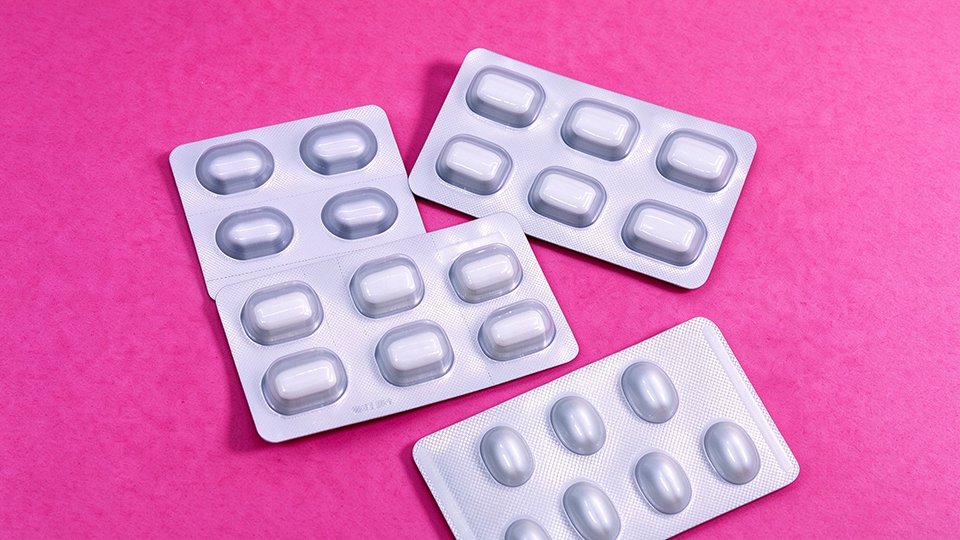
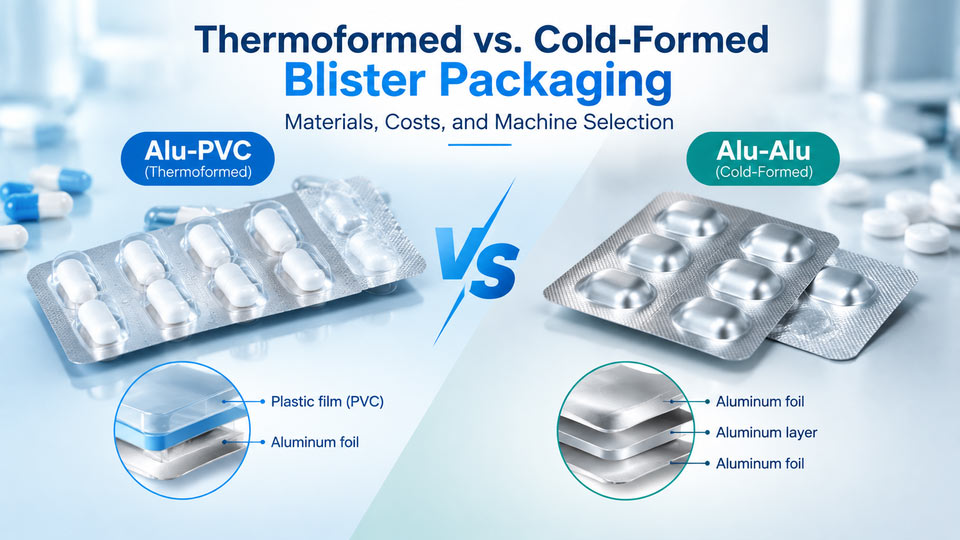
Blister packs are a common packaging format for tablets and capsules in pharmaceutical manufacturing. Alu-PVC and Alu-Alu are two common packaging options, using thermoforming and cold forming to create blister cavities.
Which packaging format meets your product’s protection and production requirements? Which material offers the protection your product needs, and which is more suitable for your packaging requirements?
This article compares their forming methods, propriedades dos materiais, cavity designs, and costs to help you select the right packaging material and pharmaceutical blister packaging machine.
Principais conclusões
- Thermoformed blister packaging offers product visibility and flexible cavity designs. Its barrier performance depends on the plastic film structure.
- Cold-formed blister packaging provides high barrier protection and blocks light. Its cavity geometry depends on the aluminum laminate and forming process.
- Material prices, tooling costs, and material waste affect the total cost per pack. Buyers should compare costs against product protection requirements.
- Machine selection depends on material compatibility, forming stations, ferramentas, and sealing requirements. Confirm these details before ordering equipment.
How Thermoforming and Cold Forming Work
How Thermoforming Shapes Alu-PVC Blisters
Thermoformed blister packaging uses heat to shape plastic film into cavities for tablets and capsules. PVC is a common forming material, although other plastic layers may also be used.
During the thermoforming blister packaging process, the machine heats the PVC film until it softens. Compressed air then blows the softened film into the forming cavity of the lower mold to create individual blisters.
Depois de formar, the plastic cools and holds the required shape. The machine then fills the cavities with tablets or capsules and seals them with lidding aluminum foil.
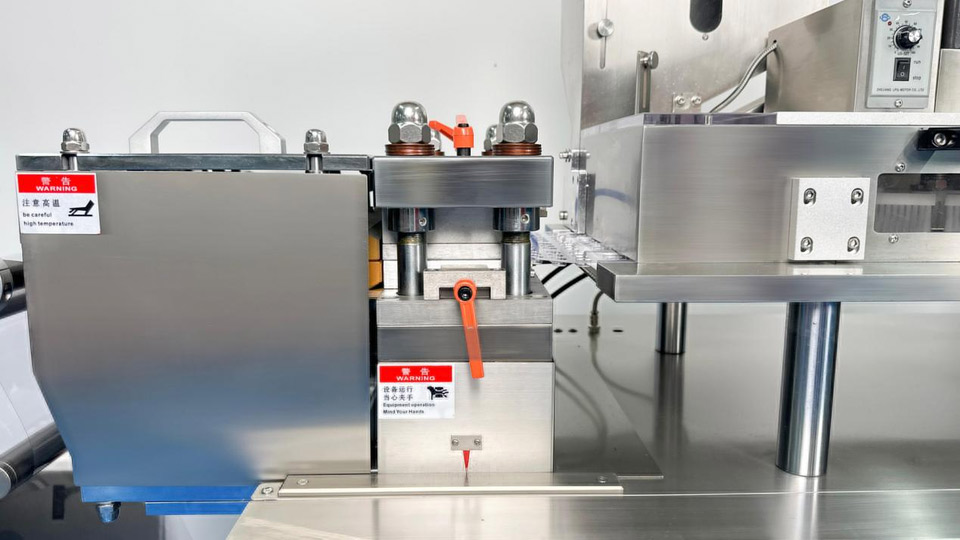
Thermoforming for Alu-PVC Blister Packs
How Cold Forming Shapes Alu-Alu Blisters
Cold-formed blister packaging uses aluminum laminate to create cavities for tablets and capsules. Unlike thermoforming, the material is shaped without heating it to a soft state.
Então, how does cold forming work for blister packaging? The aluminum laminate enters the forming station and moves between the forming tools. A punch presses the laminate into the mold and creates each cavity.
The forming depth and cavity shape depend on the material and mold design. Depois de formar, the machine fills each cavity with tablets or capsules. Lidding aluminum foil is then heat-sealed over the cavities to complete the Alu-Alu blister packaging.
Em termos simples, Alu-PVC blister packaging machine heats and softens the PVC film, then uses compressed air to form the cavities in the lower mold. For deeper cavities, a cylinder applies additional pressure during secondary forming. Cold forming uses mold pressure to shape aluminum laminate without heating.
How Thermoformed and Cold-Formed Blisters Differ
Thermoformed blister packaging and cold-formed blister packaging differ in material structure and product protection. These differences affect how well the package protects tablets and capsules from moisture, oxigênio, e luz.
Protection Against Moisture and Oxygen
Exposure to humidity or oxygen can affect the stability of certain pharmaceutical products. These substances can affect product stability during storage. Packaging materials must provide enough protection for the product’s stability requirements.
Alu-PVC blister packaging uses plastic film to form the cavities. Standard PVC film offers a basic barrier, but its protection may not meet the needs of products requiring strict environmental control. Other structures, como PVC/PVDC, can provide higher barrier performance through an additional barrier layer.
Alu-Alu blister packaging uses aluminum-based laminate to form the cavities. When intact, the aluminum layer in Alu-Alu laminate provides an effective barrier to water vapor, oxigênio, e luz. This is the main reason Alu-Alu provides stronger environmental protection. This makes them suitable for products that require high protection from moisture, oxigênio, e luz.
Which blister packaging offers better moisture protection? For products requiring high moisture protection, cold-formed Alu-Alu packaging provides stronger protection when the formed aluminum layer and final seal remain intact.
Light Protection and Product Visibility
Thermoformed and cold-formed blisters have different levels of product visibility. Thermoformed blisters often use transparent plastic film, so operators can see the tablets or capsules inside.
Cold-formed blisters use aluminum laminate for the formed cavities. The aluminum layer is opaque and blocks light from reaching the product. Because aluminum blocks light, Alu-Alu packs are an option for medicines that need protection from light exposure.
Então, does Alu-Alu blister packaging block light? Sim. The aluminum layer blocks light when it remains intact after forming. For transparent vs. opaque blister packaging, manufacturers need to balance product visibility with light protection requirements.
How Cavity Design Affects Forming and Filling
Thermoformed and cold-formed blisters have different cavity depth limits because plastic film and aluminum laminate behave differently during forming. Understanding these limits helps manufacturers select suitable blister packaging materials and design cavities that fit their tablets or capsules.
Cavity Depth and Material Forming Limits
Blister cavity depth for tablets and capsules depends on product dimensions and the forming method. If the cavity is too deep, the material may become too thin or crack during forming.
For thermoformed Alu-PVC blister packaging, the typical maximum cavity depth is 15 milímetros. For deeper cavities, secondary forming adds a cylinder at the forming station to apply additional pressure after compressed-air forming. With the appropriate machine configuration and tooling, the maximum cavity depth can reach 28 milímetros.
For cold-formed blister packaging, the maximum cavity depth can reach 18 milímetros. The Alu-Alu blister cavity depth depends on the material and mold design. Excessive stretching may damage the aluminum layers.
When comparing thermoforming vs. cold forming blister cavity depth, check the required dimensions against the machine’s forming capacity. Confirm the cavity depth and tooling specifications before ordering the machine.
| Blister Type | Maximum Cavity Depth | If the Cavity Is Too Deep |
|---|---|---|
| Thermoformed Alu-PVC | 15 milímetros | Plastic film may become too thin, causing uneven cavities or forming defects. |
| Thermoformed Alu-PVC with Secondary Forming | Até 28 milímetros | Excessive stretching may cause thin areas or unstable cavity shapes. |
| Cold-Formed Alu-Alu | Até 18 milímetros | Excessive stretching may damage the aluminum layer or cause cracks. |
Observação: Actual cavity depth depends on the material, cavity shape, machine configuration, e projeto de ferramentas.
Product Dimensions and Mold Compatibility
Blister cavity dimensions must match the size and shape of the tablets or capsules. Before selecting a blister packaging machine mold, manufacturers should confirm the product’s length, largura, grossura, diameter, e forma.
Para comprimidos, the cavity must accommodate the tablet’s diameter and thickness. Para cápsulas, the cavity must fit the capsule’s length and diameter. The cavity should provide enough clearance for the product to enter and sit properly without being compressed or stuck.
| Tamanho da cápsula | Approx. Closed Length | Approx. Diâmetro | Blister Packaging Considerations |
|---|---|---|---|
| 00 | 23.3 milímetros | 8.5 milímetros | Common size. Cavity dimensions must match the capsule. |
| 0 | 21.7 milímetros | 7.6 milímetros | Common size for human medicines and supplements. |
| 1 | 19.4 milímetros | 6.9 milímetros | Common size for human medicines and supplements. |
| 2 | 18.0 milímetros | 6.4 milímetros | Common size for human medicines and supplements. |
| 3 | 15.9 milímetros | 5.8 milímetros | Common size for human medicines and supplements. |
| 4 | 14.3 milímetros | 5.3 milímetros | Small size. Confirm cavity dimensions for proper placement. |
| 5 | 11.1 milímetros | 4.9 milímetros | Very small size. Check product and packaging requirements. |
Observação: Dimensions may vary by manufacturer. Tamanho 000 is generally too large for typical human-use applications and is rarely used in blister packaging.
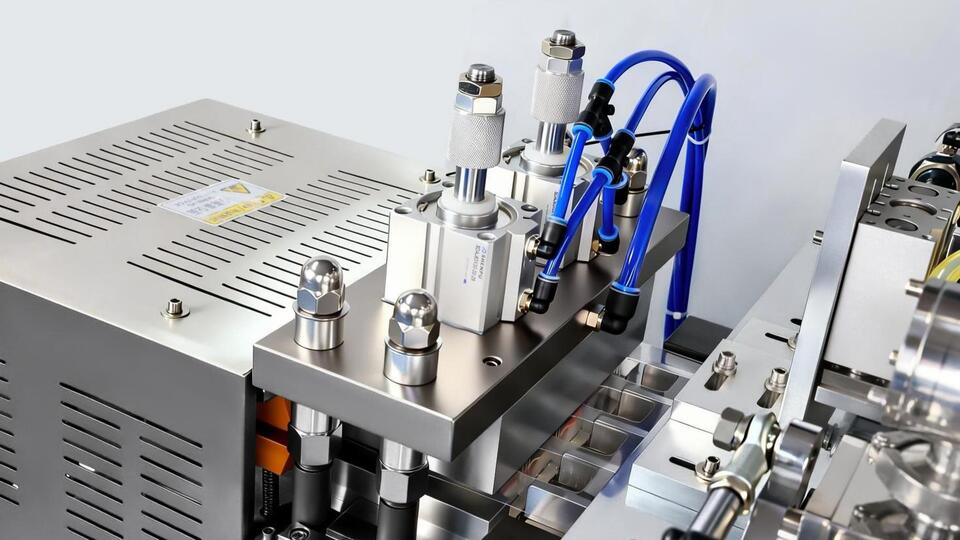
Secondary forming on a blister packaging machine
Blister mold compatibility also depends on the required packaging material and forming process. The forming mold must create cavities that match the product dimensions and the specified blister layout. The cavity arrangement must also fit the required pack size and the machine’s forming area.
Before ordering a pharmaceutical blister packaging machine, provide the supplier with product samples or detailed drawings, the required cavity dimensions, the packaging material, and the target blister layout. This allows the supplier to check the mold design against the actual product and packaging requirements.
How Material and Operating Costs Compare
Blister packaging costs depend on both material prices and machine performance. When comparing Alu-PVC vs. Alu-Alu blister packaging, manufacturers should consider the cost of the forming material and the material waste generated during production.
Alu-PVC vs. Alu-Alu Material Prices
Alu-PVC blister packaging generally has a lower material cost. PVC forming film costs approximately US$1.70–2.80 per kg, while Alu-Alu blister packaging laminate costs approximately US$5.50–9.70 per kg. These are indicative estimates, not fixed market prices. Actual prices vary with material structure, grossura, order volume, and supplier.
Então, which is cheaper, Alu-PVC or Alu-Alu? Alu-PVC is generally the more economical option for forming material.
How Blister Machine Design Affects Operating Costs
Both thermoforming and cold forming generate edge-trim waste during blister packaging. No entanto, machine design can affect how much material is wasted during production. Roller-plate blister packaging machines can reduce edge-trim waste by more than 78%, according to the figures used in this comparison.
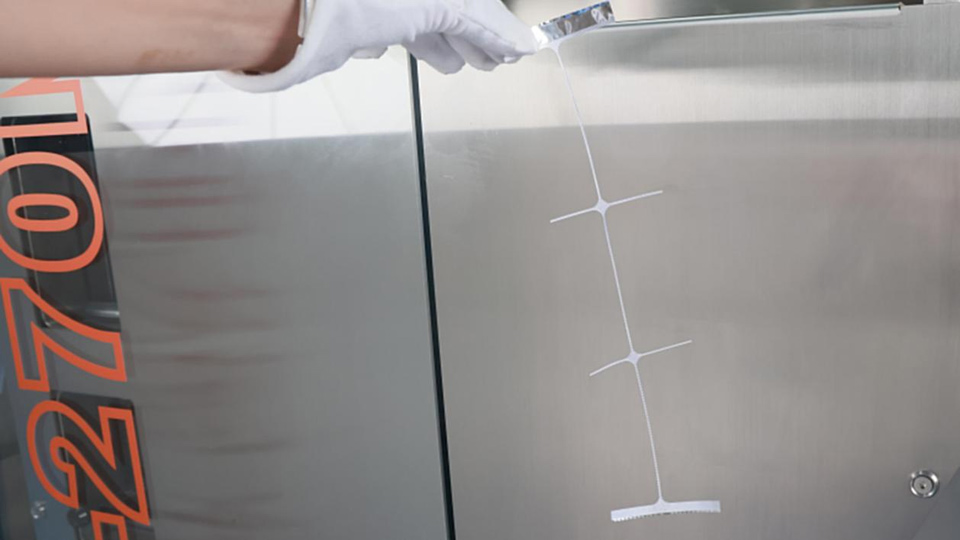
Ruida’s Roller-Plate Blister Packaging Machine Produces Waste Edges Only 1 mm Wide.
According to Packaging World, improved blister machine design can reduce packaging material waste and improve material utilization. Based on the comparison, a roller-plate blister packaging machine can save approximately US$23,000 in material costs per year, depending on production conditions.
For high-volume production, reducing edge-trim waste can lower recurring material costs. Established manufacturers such as Ruida and IMA supply pharmaceutical blister packaging equipment for different production requirements.
When selecting a pharmaceutical blister packaging machine, manufacturers should compare forming methods, tooling design, material utilization, and production output.
Common and Different Requirements for Blister Machines
Alu-PVC and Alu-Alu blister packaging share several machine requirements. Both need accurate forming, suitable molds, vedação estável, and precise cutting. The key differences come from their forming methods and material properties.
Common Requirements for Both Blister Packaging Types
When purchasing a pharmaceutical blister packaging machine, buyers should check these five requirements for both Alu-PVC and Alu-Alu production:
- Product Compatibility: Confirm that the machine can package the required tablet or capsule sizes and shapes.
- Production Requirements: Check whether the machine’s output capacity, finished blister dimensions, and configuration meet your production targets.
- Mudança: Confirm how long mold changes and machine adjustments take when switching between products or blister specifications.
- Limpeza & GMP: Check the machine structure, peças de contato com o produto, and cleaning methods against your production and GMP requirements.
- Cavity Depth: Verify that the machine can form cavities deep enough to accommodate your products. The required depth must fall within the machine’s forming capacity for the selected material.
Different Requirements for Alu-PVC and Alu-Alu
The main machine differences come from forming, corte, and heat sealing. These factors affect the required Alu-PVC blister machine or Alu-Alu blister machine.
Forming Method: Alu-PVC blister packaging machine heats and softens the PVC film, then uses compressed air to form the cavities in the lower mold. An Alu-Alu blister machine forms the aluminum laminate through mold pressure without heating.
Cutting Die: The blister cutting die must match the material and finished pack shape. Alu-Alu laminate is thicker and places a higher load on the cutting die. With conventional Cr12MoV dies, the cutting edge can become blunt after about three months. This increases burrs and affects cutting quality.
DC53 provides higher wear resistance and toughness for repeated cutting. Pacote Ruida, like established international blister equipment manufacturers such as IMA, Uhlmann, Syntegon, and Marchesini, uses high-performance tooling for demanding blister production. Ruida Packing uses imported DC53 cutting dies in its blister machines. The material helps maintain cutting edge stability during long production runs.
Heat Sealing Temperature: Both packaging types require heat sealing, but the temperature range is different. Alu-PVC sealing temperature is commonly around 160–200°C. Alu-Alu sealing temperature is generally higher, around 180–220°C. The exact setting depends on the heat-seal coating, foil structure, pressão, and sealing time. A suitable temperature must provide a firm seal without damaging the packaging material.
Conclusão
Choosing between Alu-PVC and Alu-Alu blister packaging depends on your product protection requirements, packaging specifications, and production budget. Transparent Alu-PVC packs make the contents visible and generally cost less, whereas Alu-Alu laminate is designed for products needing a higher level of environmental protection.
Before purchasing a pharmaceutical blister packaging machine, confirm that its forming system, cutting die, and heat-sealing settings match your packaging material. The right machine configuration can help reduce material waste, maintain packaging quality, and support stable production.
Ruida Packing supplies blister packaging equipment configured for both plastic-film forming and cold-form aluminum packaging applications. Contact our team to discuss your product specifications, requisitos de embalagem, e configuração da máquina.
Perguntas frequentes
1. How do Alu-PVC and Alu-Alu blister packs differ in construction and protection?
Alu-PVC uses heated plastic film to form blister cavities. Alu-Alu uses pressure to cold-form an aluminum-based laminate. Alu-PVC offers product visibility and lower material costs, while Alu-Alu provides stronger protection against moisture, oxigênio, e luz.
2. Which is better for pharmaceutical products, Alu-PVC or Alu-Alu?
The appropriate material depends on the medicine's sensitivity and the protection specified for storage. Standard Alu-PVC may suit products that do not require an extremely high barrier. For medicines that degrade when exposed to humidity, oxigênio, ou luz, Alu-Alu packaging may provide the barrier performance required.
3. Is it possible to package both Alu-PVC and Alu-Alu on the same blister machine?
Some machines can support both materials with the appropriate forming configuration and tooling. No entanto, thermoforming and cold forming use different processes. Confirm material compatibility, forming systems, moldes, and sealing requirements with the machine supplier before purchase.
4. What should pharmaceutical manufacturers check before selecting a blister packaging machine?
Start with your product dimensions, required barrier protection, layout de bolha, and target output. Then confirm forming capability, mold compatibility, cutting die specifications, parâmetros de vedação, tempo de mudança, and material waste. Request a material test or machine trial using your actual packaging materials when possible.
Referências
- China National Pharmaceutical Packaging Association (CNPPA). Application Guidance for Blister Packaging of Pharmaceutical. Covers blister forming methods, seleção de materiais, and key process parameters.
- Organização Mundial de Saúde (QUEM). Diretrizes sobre embalagens para produtos farmacêuticos. Provides guidance on pharmaceutical packaging material selection and packaging quality.
- Mundo da embalagem. New blister machine makes it easy to BeGreen. Describes a blister machine design that reduces film scrap by adjusting film width to the tooling format.