Na moderna indústria farmacêutica, o revestimento de comprimidos é mais do que apenas um aprimoramento cosmético – é uma ciência que protege, aperfeiçoa, e transforma. Máquinas de revestimento de alta eficiência (também conhecidos como revestidores de comprimidos) desempenham um papel crítico na garantia de uma qualidade de revestimento consistente, melhor desempenho do produto, e produção escalável.
Entre todas as técnicas de revestimento, o revestimento de filme e o revestimento de açúcar continuam sendo os dois processos mais utilizados. Embora ambas as técnicas tenham o mesmo propósito de aplicar uma camada protetora aos comprimidos, eles variam muito em termos de como funcionam, onde eles são usados, e como o mercado os adota. O reconhecimento dessas distinções permite que os fabricantes escolham a abordagem de revestimento ideal e melhorem o desempenho geral da produção.
1. Princípio de funcionamento
1.1. Revestimento de filme
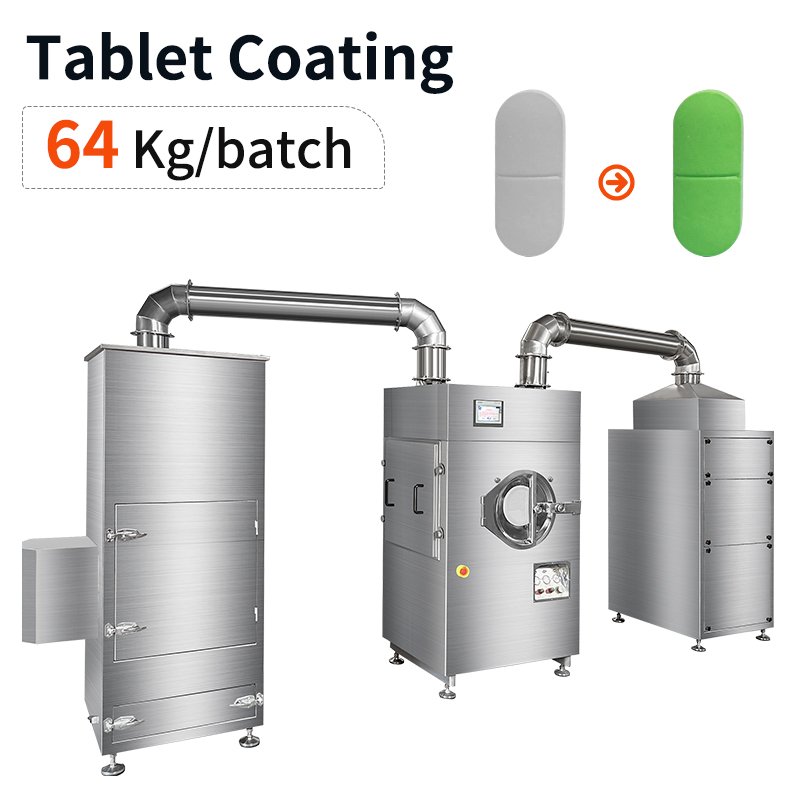
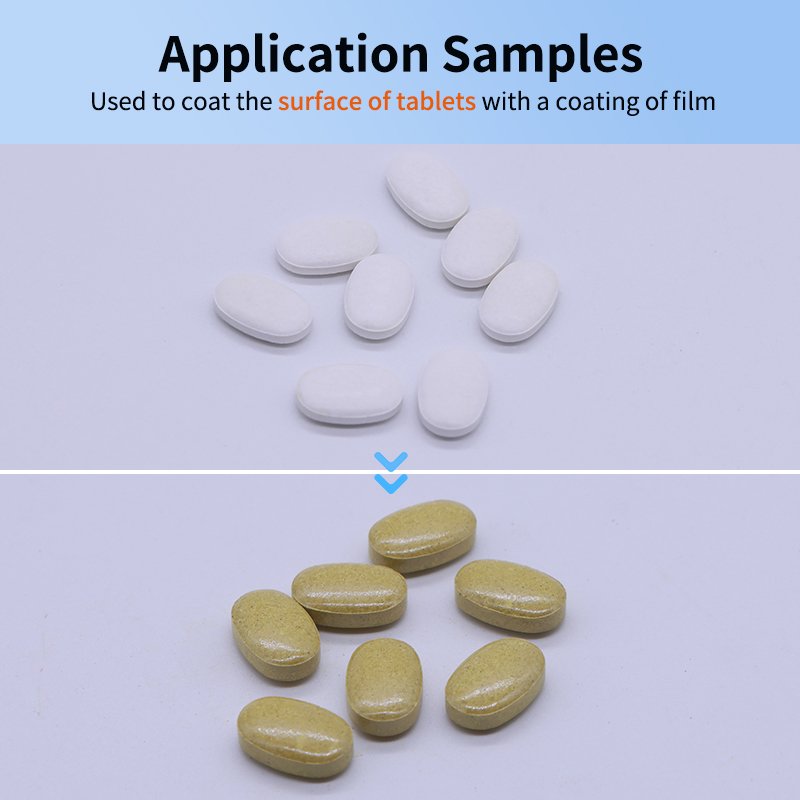
O revestimento de filme é um processo de revestimento fino à base de polímero no qual uma solução ou suspensão contendo polímeros formadores de filme, plastificantes, e pigmentos são pulverizados em comprimidos rotativos dentro de um tambor de revestimento perfurado.
À medida que o ar quente passa pela base do comprimido, o solvente evapora, deixando para trás um uniforme, afinar, e camada de filme suave em cada comprimido. O processo é controlado por parâmetros precisos, como taxa de pulverização, temperatura do ar de entrada, pressão de atomização, e velocidade do tambor.
Máquinas modernas de revestimento de filme de alta eficiência, integrar sistemas avançados para controle automático de temperatura, pistolas de pulverização ajustáveis, e circulação de ar otimizada, garantindo qualidade de revestimento consistente mesmo em grandes escalas de produção.
Principais características do revestimento de filme
Afinar, camada de revestimento lisa (normalmente 20–100 mícrons)
Tempo de revestimento curto
Controle preciso do processo
Desperdício mínimo de material
Compatível com tablets sensíveis à umidade ou ao calor
1.2. Revestimento de Açúcar
Cobertura de açúcar, por outro lado, é a técnica clássica utilizada há décadas nas indústrias farmacêutica e de confeitaria. Neste processo, comprimidos são revestidos com múltiplas camadas de xarope (solução de açúcar) e outros excipientes, como corantes, opacificadores, e agentes de polimento.
O processo envolve várias etapas — selagem, subrevestimento, suavização, coloração, e polimento - cada um exigindo tempo e habilidade. Os comprimidos ganham gradualmente peso e volume à medida que as camadas de açúcar se acumulam.
Embora equipamentos modernos automatizem grande parte do processo, O revestimento de açúcar ainda exige tempos de processamento mais longos e maior consumo de material em comparação com o revestimento de filme. No entanto, produz comprimidos com aparência atraente e brilhante e sabor agradável, que são desejáveis em certas categorias de produtos.
Principais características do revestimento de açúcar:
Espesso, brilhante, e revestimento colorido
Ciclo de produção mais longo
Excelente mascaramento de sabor
Acabamento tradicional e visualmente atraente
2. Cenários de aplicação
2.1. Revestimento de filme
O revestimento por filme tornou-se o método de revestimento padrão para a maioria dos produtos farmacêuticos e nutracêuticos modernos. Oferece forte proteção e funcionalidade precisa, mantendo a eficiência da produção.
As aplicações típicas incluem:
Revestimento funcional (liberação controlada, revestimento entérico, barreira de umidade)
Suplementos fitoterápicos e nutracêuticos
Comprimidos que requerem revestimento rápido e alto rendimento
O revestimento por filme é ideal para fabricantes que buscam alta produtividade, custos mais baixos, e conformidade com os padrões cGMP. O processo de revestimento pode ser facilmente expandido de testes em pequena escala para fabricação em grande escala, mantendo a qualidade uniforme de um lote para o outro.
2.2. Revestimento de Açúcar
Embora o revestimento de filme domine o mercado atual, o revestimento de açúcar ainda se mantém firme em certos nichos. Seu apelo estético e propriedades de mascaramento de sabor o tornam popular na indústria nutracêutica., ervas, e formulações pediátricas, bem como em mercados onde a preferência do consumidor favorece tablets tradicionais ou brilhantes.
As aplicações típicas incluem:
Comprimidos mastigáveis ou aromatizados
Medicina fitoterápica e tradicional
Suplementos dietéticos
Produtos decorativos ou diferenciados de marca
Além disso, algumas empresas usam cobertura de açúcar para preservar a identidade da marca – associando a aparência brilhante à herança, qualidade, e confiança do consumidor.
3. Comparação de desempenho: Eficiência, Custo, e Qualidade
| Aspecto |
Revestimento de filme |
Cobertura de açúcar |
| Espessura do revestimento |
20–100 µm |
0.5–1mm |
| Tempo de processo |
1–2 horas |
8–24 horas |
| Ganho de peso |
2–3% |
30–50% |
| Custo de materiais |
Mais baixo |
Mais alto |
| Eficiência de Produção |
alto |
Baixo |
| Aparência |
Suave, fosco ou brilhante |
Brilhante, lustroso |
| Mascaramento de sabor |
Moderado |
Excelente |
| Revestimento Funcional |
Possível (entérico, liberação sustentada) |
Limitado |
| Tendência de mercado |
Crescendo rapidamente |
Nicho em declínio, mas estável |
4. Tendências de mercado
Nos últimos anos, o revestimento de filme tornou-se o padrão global, impulsionado pela sua eficiência, escalabilidade, e benefícios ambientais. As empresas farmacêuticas estão abandonando o revestimento de açúcar devido ao longo tempo de processo, maior custo de mão de obra, e falta de desempenho funcional.
As principais tendências do mercado incluem:
Automação e digitalização: Máquinas de revestimento modernas de alta eficiência apresentam sistemas de controle inteligentes, monitoramento em tempo real, e gerenciamento de receitas para estabilidade, resultados repetíveis.
Sustentabilidade: O revestimento de filme utiliza menos água e energia, alinhamento com iniciativas de fabricação verde.
Inovação funcional: A ascensão dos revestimentos entéricos, sistemas de liberação controlada, e revestimentos multicamadas expandem o papel do revestimento de filme além da estética.
Conformidade global: A tecnologia de revestimento de filme atende ao cGMP, FDA, e normas regulamentares da UE, apoiando o acesso ao mercado internacional.
Enquanto isso, o revestimento de açúcar continua valioso em setores de nicho, particularmente onde a experiência do consumidor, riqueza de cores, ou sabor são prioridades de marketing - por exemplo, nos mercados de fitoterápicos tradicionais na Ásia ou em suplementos infantis.
5. Escolhendo a máquina de revestimento de comprimidos certa
A seleção da tecnologia de revestimento correta depende da formulação do produto, mercado-alvo, e metas de produção.
Máquinas modernas de revestimento de alta eficiência, como as produzidas pela Ruidapacking, oferecem flexibilidade para aplicações de revestimento de filme e açúcar. Equipado com:
Sistemas avançados de pulverização garantindo revestimento uniforme
Circulação de ar otimizada para secagem rápida
Controle inteligente de temperatura e umidade
CIP (Limpeza no local) sistemas para fácil manutenção
Esses recursos ajudam os fabricantes a obter uma qualidade de revestimento superior, ao mesmo tempo que minimizam o tempo de inatividade e o desperdício de produção.
O revestidor de alta eficiência RD-HGBY-80 foi projetado para aplicações farmacêuticas, nutracêutico, e aplicações em alimentos, fornecendo soluções de revestimento que equilibram alta velocidade, precisão, e flexibilidade. Quer seu objetivo seja melhorar a aparência do tablet ou desenvolver revestimentos funcionais, oferecemos tecnologia confiável adaptada às suas necessidades.
6. Conclusão
O revestimento de filme e o revestimento de açúcar representam duas eras da tecnologia de revestimento de comprimidos – uma definida pela eficiência e função, o outro pela arte e tradição.
Embora o revestimento por filme lidere o mercado moderno com sua velocidade, precisão, e sustentabilidade, o revestimento de açúcar continua brilhando em aplicações de nicho que valorizam a estética e o sabor.
Para fabricantes, a escolha certa depende do equilíbrio entre a eficiência da produção e a preferência do mercado. E com a evolução das máquinas de revestimento de alta eficiência, agora é possível dominar ambos — preservando a beleza do passado e abraçando a inovação do futuro.