Dalam industri farmasi modern, pelapisan tablet lebih dari sekadar penyempurnaan kosmetik — ini adalah ilmu yang melindungi, sempurna, dan bertransformasi. Mesin pelapis efisiensi tinggi (juga dikenal sebagai pelapis tablet) memainkan peran penting dalam memastikan kualitas lapisan yang konsisten, peningkatan kinerja produk, dan produksi yang terukur.
Di antara semua teknik pelapisan, pelapisan film dan pelapisan gula tetap menjadi dua proses yang paling banyak digunakan. Meskipun kedua teknik tersebut memiliki tujuan yang sama yaitu menerapkan lapisan pelindung pada tablet, mereka sangat bervariasi dalam hal cara kerjanya, dimana mereka digunakan, dan bagaimana pasar mengadopsinya. Dengan mengenali perbedaan ini, produsen dapat memilih pendekatan pelapisan yang optimal dan meningkatkan kinerja produksi secara keseluruhan.
1. Prinsip Kerja
1.1. Lapisan film
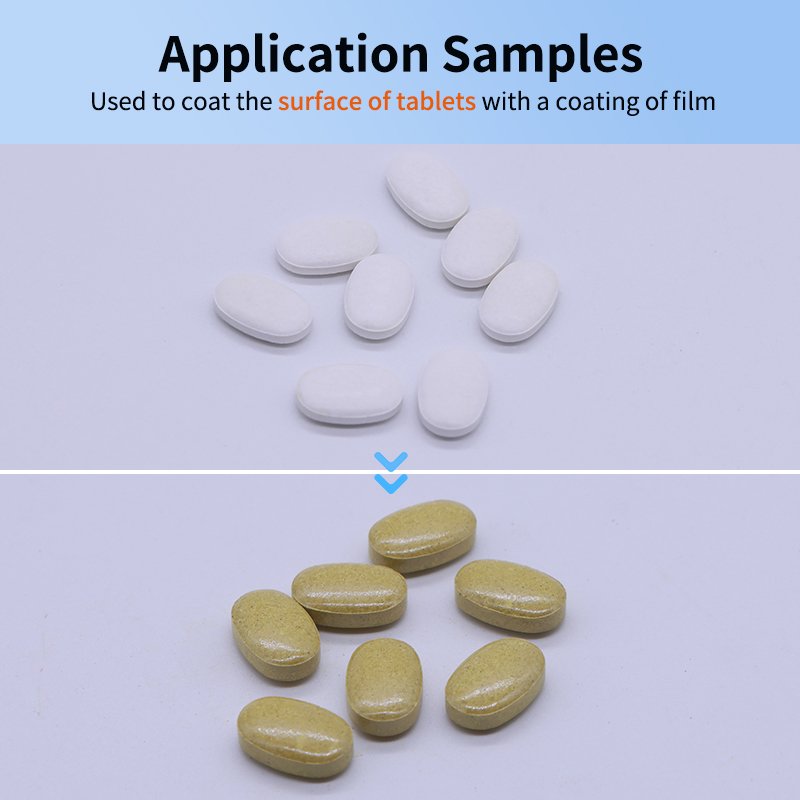
Pelapisan film merupakan suatu proses pelapisan tipis berbahan dasar polimer yang didalamnya terdapat larutan atau suspensi yang mengandung polimer pembentuk film, bahan pemlastis, dan pigmen disemprotkan ke tablet berputar di dalam drum pelapis berlubang.
Saat udara panas melewati alas tablet, pelarutnya menguap, meninggalkan seragam, tipis, dan lapisan film halus pada setiap tablet. Prosesnya dikendalikan oleh parameter yang tepat seperti laju semprotan, suhu udara masuk, tekanan atomisasi, dan kecepatan drum.
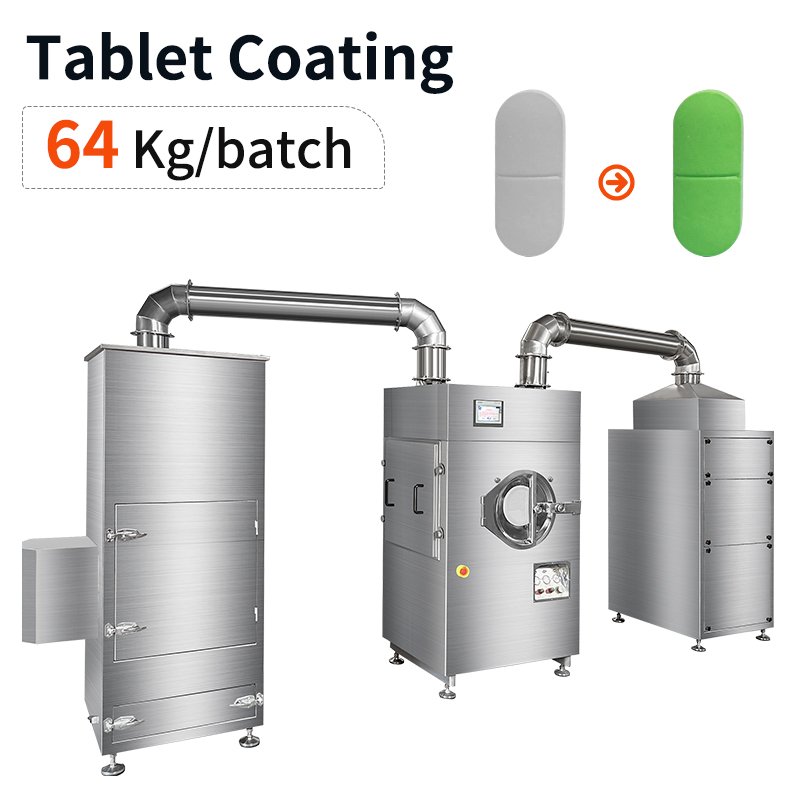
Mesin pelapis film modern dengan efisiensi tinggi, mengintegrasikan sistem canggih untuk kontrol suhu otomatis, senjata semprot yang dapat disesuaikan, dan sirkulasi udara yang optimal, memastikan kualitas pelapisan yang konsisten bahkan pada skala produksi besar.
Fitur utama pelapisan film
Tipis, lapisan pelapis halus (biasanya 20–100 mikron)
Waktu pelapisan yang singkat
Kontrol proses yang tepat
Limbah material yang minimal
Kompatibel dengan tablet yang sensitif terhadap kelembapan atau panas
1.2. Lapisan gula
Lapisan gula, di sisi lain, adalah teknik klasik yang telah digunakan selama beberapa dekade di industri farmasi dan gula-gula. Dalam proses ini, tablet dilapisi dengan banyak lapisan sirup (larutan gula) dan eksipien lainnya seperti pewarna, kekeruhan, dan bahan pemoles.
Prosesnya melibatkan beberapa tahap — penyegelan, lapisan bawah, menghaluskan, warna, dan pemolesan — masing-masing membutuhkan waktu dan keterampilan. Tablet secara bertahap menambah berat dan volume seiring dengan penumpukan lapisan gula.
Sementara peralatan modern mengotomatiskan sebagian besar proses, pelapisan gula masih memerlukan waktu pemrosesan yang lebih lama dan konsumsi bahan yang lebih tinggi dibandingkan pelapis film. Namun, menghasilkan tablet dengan tampilan mengkilap yang menarik dan rasa yang enak, yang diinginkan dalam kategori produk tertentu.
Fitur utama dari lapisan gula:
Tebal, berkilau, dan lapisan berwarna-warni
Siklus produksi lebih lama
Penyembunyian rasa yang luar biasa
Hasil akhir yang tradisional dan menarik secara visual
2. Skenario Aplikasi
2.1. Lapisan film
Pelapisan film telah menjadi metode pelapisan standar untuk sebagian besar produk farmasi dan nutraceutical modern. Ia menawarkan perlindungan yang kuat dan fungsionalitas yang presisi dengan tetap menjaga efisiensi produksi.
Aplikasi yang umum termasuk:
Lapisan fungsional (pelepasan terkontrol, lapisan enterik, penghalang kelembaban)
Suplemen herbal dan nutraceutical
Tablet memerlukan pelapisan cepat dan throughput tinggi
Lapisan film sangat ideal bagi produsen yang menginginkan produktivitas tinggi, biaya yang lebih rendah, dan kepatuhan terhadap standar cGMP. Proses pelapisan dapat diperluas dengan lancar dari uji coba skala kecil hingga manufaktur skala penuh, mempertahankan kualitas yang seragam dari satu batch ke batch berikutnya.
2.2. Lapisan gula
Meskipun pelapis film mendominasi pasar saat ini, lapisan gula masih bertahan di ceruk tertentu. Daya tarik estetika dan sifatnya yang menutupi rasa membuatnya populer di bidang nutraceutical, Herbal, dan formulasi pediatrik, serta di pasar di mana preferensi konsumen lebih menyukai tablet tradisional atau tablet glossy.
Aplikasi yang umum termasuk:
Tablet kunyah atau diberi rasa
Obat herbal dan tradisional
Suplemen makanan
Produk dekoratif atau produk yang dibedakan berdasarkan merek
Selain itu, beberapa perusahaan menggunakan lapisan gula untuk menjaga identitas merek — mengasosiasikan tampilan mengkilap dengan warisan budaya, kualitas, dan kepercayaan konsumen.
3. Perbandingan Kinerja: Efisiensi, Biaya, dan Kualitas
| Aspek |
Pelapisan Film |
Lapisan Gula |
| Ketebalan Lapisan |
20–100 mikron |
0.5–1 mm |
| Waktu Proses |
1–2 jam |
8–24 jam |
| Pertambahan Berat Badan |
2–3% |
30–50% |
| Biaya Material |
Lebih rendah |
Lebih tinggi |
| Efisiensi Produksi |
Tinggi |
Rendah |
| Penampilan |
Mulus, matte atau mengkilap |
Terang, mengkilap |
| Menyamarkan Rasa |
Sedang |
Bagus sekali |
| Lapisan Fungsional |
Mungkin (enterik, rilis berkelanjutan) |
Terbatas |
| Tren Pasar |
Berkembang pesat |
Ceruk yang menurun tetapi stabil |
4. Tren Pasar
Dalam beberapa tahun terakhir, pelapisan film telah menjadi standar global, didorong oleh efisiensinya, skalabilitas, dan manfaat lingkungan. Perusahaan farmasi beralih dari pelapisan gula karena waktu prosesnya yang lama, biaya tenaga kerja yang lebih tinggi, dan kurangnya kinerja fungsional.
Tren pasar utama meliputi:
Otomatisasi dan digitalisasi: Mesin pelapis modern berefisiensi tinggi dilengkapi sistem kontrol cerdas, pemantauan waktu nyata, dan manajemen resep untuk stabil, hasil yang dapat diulang.
Keberlanjutan: Lapisan film menggunakan lebih sedikit air dan energi, menyelaraskan dengan inisiatif manufaktur ramah lingkungan.
Inovasi fungsional: Munculnya lapisan enterik, sistem pelepasan terkontrol, dan pelapisan multi-lapisan memperluas peran pelapisan film melampaui estetika.
Kepatuhan global: Teknologi pelapisan film memenuhi cGMP, FDA, dan standar peraturan UE, mendukung akses pasar internasional.
Sementara itu, lapisan gula tetap berharga di sektor khusus, khususnya di mana pengalaman konsumen, kekayaan warna, atau rasa adalah prioritas pemasaran — misalnya, di pasar jamu tradisional di Asia atau di suplemen anak-anak.
5. Memilih Mesin Pelapis Tablet yang Tepat
Pemilihan teknologi pelapisan yang tepat bergantung pada formulasi produk, pasar sasaran, dan tujuan produksi.
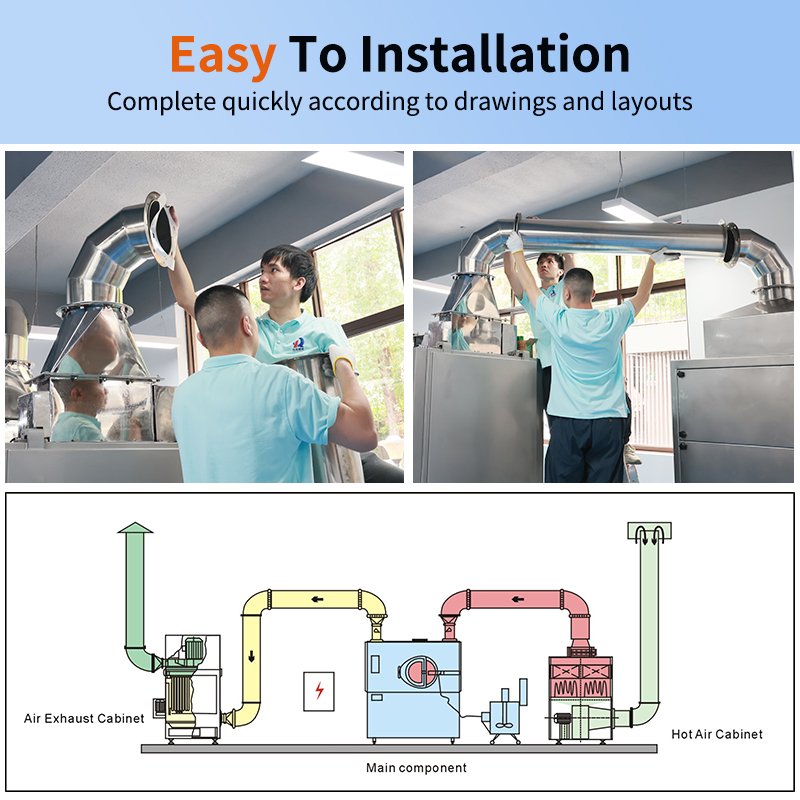
Mesin pelapis modern berefisiensi tinggi seperti yang diproduksi oleh Ruidapacking menawarkan fleksibilitas untuk aplikasi pelapisan film dan gula. Dilengkapi dengan:
Sistem semprotan canggih memastikan lapisan seragam
Sirkulasi udara yang dioptimalkan untuk pengeringan cepat
Kontrol suhu dan kelembaban yang cerdas
CIP (Pembersihan di Tempat) sistem untuk memudahkan pemeliharaan
Fitur-fitur ini membantu produsen mencapai kualitas pelapisan unggul sekaligus meminimalkan waktu henti dan limbah produksi.
Pelapis efisiensi tinggi RD-HGBY-80 dirancang untuk farmasi, nutraceutical, dan aplikasi makanan, memberikan solusi pelapisan yang menyeimbangkan kecepatan tinggi, ketepatan, dan fleksibilitas. Apakah tujuan Anda adalah menyempurnakan tampilan tablet atau mengembangkan pelapis fungsional, kami menawarkan teknologi andal yang disesuaikan dengan kebutuhan Anda.
6. Kesimpulan
Lapisan film dan lapisan gula mewakili dua era teknologi pelapisan tablet — yang ditentukan oleh efisiensi dan fungsi, yang lainnya berdasarkan seni dan tradisi.
Sementara pelapis film memimpin pasar modern dengan kecepatannya, presisi, dan keberlanjutan, lapisan gula terus bersinar dalam aplikasi khusus yang menghargai estetika dan rasa.
Untuk produsen, pilihan yang tepat bergantung pada keseimbangan antara efisiensi produksi dan preferensi pasar. Dan dengan evolusi mesin pelapisan efisiensi tinggi, kini kita bisa menguasai keduanya — melestarikan keindahan masa lalu sambil merangkul inovasi masa depan.