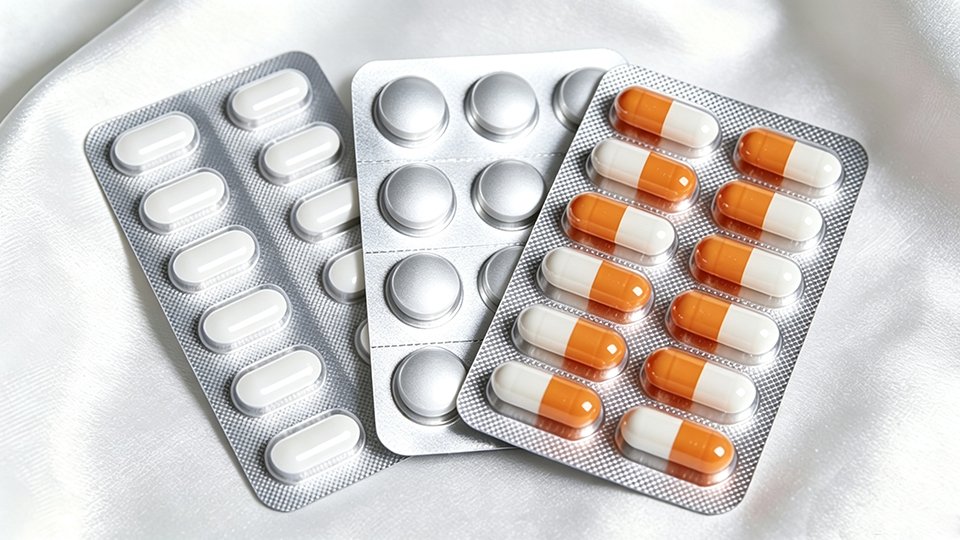
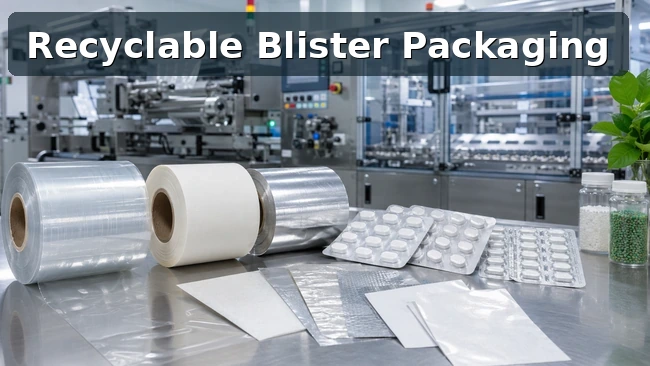
Opakowania blistrowe nadające się do recyklingu odchodzą od koncepcji projektowej w stronę komercyjnego zastosowania farmaceutycznego, ale zmiana materiału nie tworzy automatycznie praktycznego opakowania. Nowa struktura blistra nadal musi chronić lek, tworzą stabilną wnękę, uszczelnienie w powtarzalnym oknie procesowym, przetrwać dystrybucję, i biegnij z akceptowalną prędkością. Potrzebuje także realistycznej trasy zbiórki i recyklingu na rynku, na którym opakowanie będzie sprzedawane.
Dla producentów farmaceutycznych, użytecznym pytaniem nie jest po prostu to, czy dostawca opisuje blister jako nadający się do recyklingu. Lepszym pytaniem jest, czy kompletny pakiet – tworząca sieć, materiał pokrywający, druk, powłoka i klej – może spełnić wymagania dotyczące ochrony produktu i produkcji bez tworzenia nowych zagrożeń jakościowych.
Co sprawia, że opakowanie blistrowe jest trudne w recyklingu?
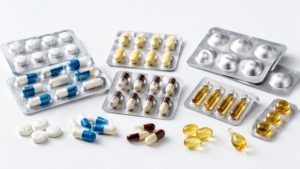
Tradycyjne blistry farmaceutyczne często łączą w sobie materiały o różnych funkcjach. Wnękę z termoformowanego PCV można uszczelnić aluminiową folią pokrywającą. Struktury o wyższej barierowości mogą zawierać PVDC, PCTFE lub inne warstwy. W blistrach formowanych na zimno zastosowano laminaty na bazie aluminium, które zapewniają silną ochronę przed wilgocią, tlen i światło.
Kombinacje te sprawdzają się dobrze, ponieważ każda warstwa wykonuje określone zadanie. Ta sama konstrukcja, Jednakże, po użyciu mogą być trudne do oddzielenia. Mały pusty blister ma również niewielką wartość materialną, może pozostawiać pozostałości leku, i może być zbyt lekki lub zbyt skomplikowany dla konwencjonalnych systemów sortowania.
Recykling ma zatem kilka warstw znaczeniowych:
- Opakowanie technicznie nadaje się do recyklingu.
- Dla tej struktury materiału istnieje proces recyklingu.
- Systemy zbierania i sortowania przyjmują zużyte opakowanie.
- Odzyskany materiał ma realny rynek końcowy.
- Pacjenci otrzymują jasne instrukcje dotyczące utylizacji.
Opakowanie jednomateriałowe może być łatwiejsze do sklasyfikowania niż konstrukcja PVC-Aluminium, Ale “monomateriał” nie usuwa każdego problemu. Atramenty drukarskie, warstwy zgrzewane, powłoki i etykiety mogą w dalszym ciągu wpływać na możliwość recyklingu. Lokalna infrastruktura ostatecznie decyduje o tym, czy opakowanie technicznie nadające się do recyklingu zostanie w praktyce poddane recyklingowi.
Jakie materiały są używane do opakowań blistrowych nadających się do recyklingu?
Nie ma uniwersalnego zamiennika konwencjonalnych blistrów farmaceutycznych. Wybór materiału zależy od wrażliwości na wilgoć, wrażliwość na tlen, ochrona przed światłem, głębokość jamy, siła otwarcia, docelowy okres przydatności do spożycia i wymagania rynkowe.
| Kierunek materialny | Potencjalna zaleta recyklingu | Główne kwestie związane z produkcją | Typowe ograniczenie |
| Blister na bazie poliolefiny | Może utrzymać bardziej kompatybilną jednorodzinną konstrukcję z tworzywa sztucznego | Ustawienia formowania i uszczelniania mogą znacznie różnić się od ustawień PVC | Dla produktu należy potwierdzić barierowość i sztywność |
| Blister na bazie PET | Na niektórych rynkach istnieją pewne strumienie recyklingu PET | Profil grzewczy, Skurcz i zachowanie przy skrawaniu wymagają prób | Struktura pokrywy może uniemożliwić uzyskanie prawdziwego rozwiązania monomateriałowego |
| Folia termoformowana niezawierająca PCV | Usuwa PCV z opakowania | Może wymagać innego ogrzewania, ciśnienie formujące i napięcie wstęgi | Brak PCV nie oznacza automatycznie, że nadaje się do szerokiego recyklingu |
| Koncepcja blistrów na bazie papieru | Może zredukować widoczny plastik i wspierać cele projektowe oparte na włóknach | Kontrola wilgoci, Detale formowania i integralność uszczelnienia mają kluczowe znaczenie | Często nie nadaje się do produktów wymagających silnej bariery dla wilgoci |
| Struktura bogata w aluminium | Aluminium ma ustaloną wartość recyklingową, jeśli można je odzyskać | Głębokie formowanie i konstrukcja laminatu wpływają na wymagania maszyny pęcherzącej | Wielowarstwowe laminaty farmaceutyczne są trudne do rozdzielenia |
Materiał z najlepszą historią recyklingu niekoniecznie jest materiałem o najlepszych właściwościach farmaceutycznych. Tabletka wrażliwa na wilgoć może wymagać wyższej bariery niż solidny produkt powlekany. Softgel, kapsułka lub delikatna tabletka mogą wymagać głębszej wnęki lub silniejszej ochrony mechanicznej. Te różnice między produktami należy ustalić, zanim cele środowiskowe zostaną przekształcone w specyfikację opakowania.
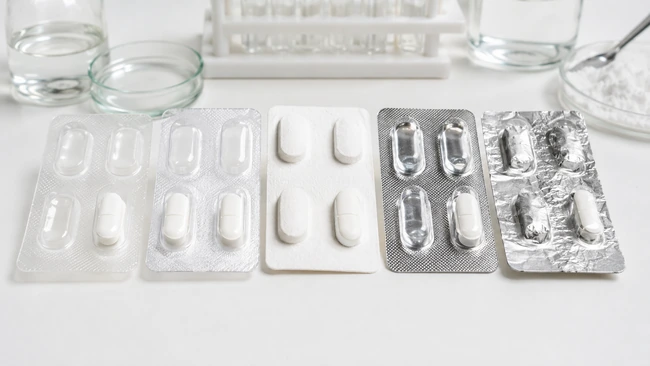
Czy opakowanie blistrowe niezawierające PCV zawsze nadaje się do recyklingu??
NIE. Opakowanie blistrowe niezawierające PCV opisuje, czego opakowanie nie zawiera; nie świadczy to o akceptacji gotowej konstrukcji przez systemy recyklingu.
Folię formującą niezawierającą PCW można nadal łączyć z folią aluminiową, niezgodny polimer, wielowarstwowa wstęga pokrywająca lub powłoka zgrzewana, która komplikuje odzyskiwanie. Odwrotnie, opakowanie zawierające znany materiał może nadal mieć lepszą praktyczną drogę zbiórki w danym kraju niż nieznany nowy polimer.
Zespoły pakujące powinny zwrócić się do dostawcy materiałów:
- Pełna struktura warstwowa, nie tylko główna żywica
- Obowiązujące testy lub certyfikacja możliwości recyklingu
- Rynki, na których paczki są zbierane i przetwarzane
- Zalecenia dotyczące utylizacji i oznakowania
- Dane bariery w odpowiedniej temperaturze i wilgotności
- Tworzenie się, wymagania dotyczące uszczelniania i przechowywania
- Dokumentacja regulacyjna i farmaceutyczna
Reklamacje powinny dotyczyć gotowej konfiguracji pakietu. Dane testowe samej folii bazowej mogą nie odzwierciedlać opakowania blistra po jego zamknięciu, drukowane i konwertowane.
Jak materiały nadające się do recyklingu wpływają na ochronę produktu?
Podstawowym obowiązkiem opakowań farmaceutycznych jest utrzymanie jakości produktu przez cały zamierzony okres przydatności do spożycia. Ulepszenia w zakresie zrównoważonego rozwoju nie mogą zastąpić dowodów stabilności.
Wilgoć jest często decydującą zmienną. Tabletki mogą zmięknąć, stać się bardziej kruchym, zmienić zachowanie podczas rozpadu lub stracić jakość powłoki, gdy bariera dla wilgoci jest niewystarczająca. Otoczki kapsułek żelatynowych i HPMC również inaczej reagują na wilgoć. Tlen i światło mogą wpływać na wrażliwe składniki aktywne, barwniki i substancje pomocnicze.
Kiedy konwencjonalna konstrukcja zostaje zastąpiona, zespół opracowujący opakowania powinien porównać:
- Szybkość przenikania pary wodnej
- Szybkość transmisji tlenu
- Transmisja światła lub nieprzezroczystość
- Uszczelnij integralność
- Odporność na przebicie i ścieranie
- Sztywność jamy
- Wydajność otwierania i przepychania
- Wydajność po transporcie i przyspieszonym starzeniu
Wymagana bariera powinna wynikać z potrzeb w zakresie stabilności produktu, a nie z ogólnego założenia, że silniejsza bariera jest zawsze lepsza. Zawyżenie specyfikacji pakietu może zwiększyć koszty i zużycie materiałów. Niedostateczne określenie może spowodować znacznie poważniejsze ryzyko związane z okresem przydatności do spożycia.
Czy nadające się do recyklingu materiały blistrowe można uruchamiać na istniejących maszynach?
Czasami mogą, ale materiału nie należy uważać za kompatybilny tylko dlatego, że jego szerokość pasuje do maszyny. A maszyna do pakowania w blistry kontroluje łańcuch połączonych operacji: rozwijanie sieci, ogrzewanie, tworzenie się, karmienie produktem, pokrywka, opieczętowanie, kodowanie, perforowanie i cięcie. Zmiana materiału może mieć wpływ na prawie każdą stację.
PVC ma znajome okno do termoformowania i jest szeroko wspierany przez uznane narzędzia. Folia nadająca się do recyklingu lub niezawierająca PCV może mięknąć w innej temperaturze, łatwiej się kurczyć, wymagają innego czasu nagrzewania lub inaczej reagują na powstawanie sprężonego powietrza. Jeśli okno procesu jest wąskie, ustawienie działające przy niskiej prędkości może stać się niestabilne wraz ze wzrostem prędkości produkcji.
Zachowanie uszczelniające również może się zmienić. Nowa siatka formująca i warstwa przykrywająca muszą zapewniać ciągłe uszczelnienie bez zniekształceń, kanałów lub nadmierna siła otwierania. Inna powłoka zgrzewana może wymagać zmiany temperatury, ciśnienie i czas przebywania. Naprężenie i chłodzenie wstęgi mogą wymagać regulacji, aby zapobiec zwijaniu się lub przesuwaniu pasa.
Praktyczna kontrola zgodności powinna obejmować:
- Szerokość materiału i wymiary rolki
- Sterowanie zakresem ogrzewania i strefą
- Metoda formowania i dostępne ciśnienie
- Maksymalna głębokość wnęki
- Wymagania dotyczące prześwitu formy i pomocy wtykowej
- Materiał pokrywający i powłoka zgrzewalna
- Temperatura uszczelniania, ciśnienie i czas przebywania
- Napięcie sieci i stabilność rejestracji
- Jakość perforacji i cięcia
- Stabilna prędkość po rozgrzewce
W przypadku jednego materiału mogą wystarczyć drobne zmiany parametrów. Inny materiał może wymagać nowego oprzyrządowania, grzejniki, formowanie komponentów lub inna konfiguracja maszyny.
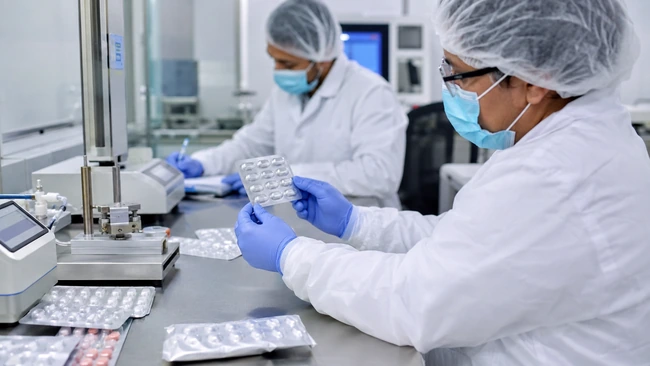
Dlaczego projekt oprzyrządowania i wnęki ma znaczenie
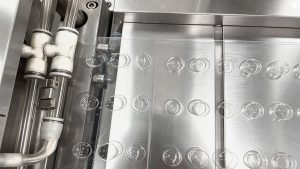
Wnęka to miejsce, w którym cele zrównoważonego rozwoju spotykają się z mechaniczną rzeczywistością. Folia, która dobrze sprawdza się w płaskiej próbce laboratoryjnej, może nadmiernie cieńczyć w rogach głębokiej kieszeni. Miejscowe rozcieńczenie może zmniejszyć skuteczność bariery i ułatwić przebicie ubytku.
Średnica tabletu, długość kapsułki, wysokość produktu i orientacja podawania określają wymaganą geometrię kieszeni. Projektant musi zapewnić wystarczający prześwit, aby uniknąć uszkodzenia produktu, ograniczając jednocześnie niepotrzebne zużycie materiału. Zaokrąglone przejścia zazwyczaj tworzą się bardziej niezawodnie niż ostre rogi.
Przed zakończeniem oprzyrządowania, dostawcy powinni otrzymać rzeczywiste próbki produktów oraz proponowane materiały do formowania i pokrywania. Sam rysunek nie może pokazać kurzu z tabletu, zachowanie powierzchni kapsułki, kruchość lub orientacja żywieniowa. Próby materiałowe są szczególnie ważne, gdy struktura nadająca się do recyklingu ma mniejsze doświadczenie w formowaniu niż konwencjonalne opakowanie PVC-Alu.
Jakie testy są potrzebne przed produkcją komercyjną?
Zmiana materiału blistra oznacza zmianę systemu pakowania, nie jest substytutem zakupu. Plan walidacji powinien łączyć wydajność materiału z ustawieniami maszyny i jakością gotowego opakowania.
Przydatna sekwencja próbna obejmuje:
Ocena materiału laboratoryjnego
Przejrzyj dane dotyczące barier, tolerancje grubości, dokumentacja regulacyjna, zalecenia dotyczące szczelności i dowody możliwości recyklingu. Porównaj kandydata z aktualnie zatwierdzoną strukturą.
Próba maszynowa
Uruchom rzeczywisty materiał na reprezentatywnym narzędziu. Zapisz temperaturę ogrzewania, tworzące ciśnienie, temperatura uszczelniania, ciśnienie, czas przebywania, prędkość, napięcie sieci i współczynnik odrzuceń. Nie oceniaj materiału jedynie na podstawie krótkiej demonstracji przy niskiej prędkości.
Testowanie integralności pakietu
Sprawdź kształt wnęki, uszczelnić ciągłość, kanały, fałdowanie, dziurki i jakość cięcia. Wybierz zwalidowaną metodę wycieku lub integralności odpowiednią dla opakowania.
Badania stabilności i transportu
Potwierdź, że proponowane opakowanie utrzymuje jakość produktu w wymaganym okresie przydatności do spożycia i warunkach dystrybucji. Uwzględnij warunki temperatury i wilgotności odpowiednie dla rynku docelowego.
Ocena wymiany i czyszczenia
Sprawdź, czy materiał tworzy osady, statyczny, fragmenty lub problemy z obsługą. Operatorzy powinni być w stanie odtworzyć zatwierdzone ustawienia po czyszczeniu, wymiana rolki i zmiana formatu.
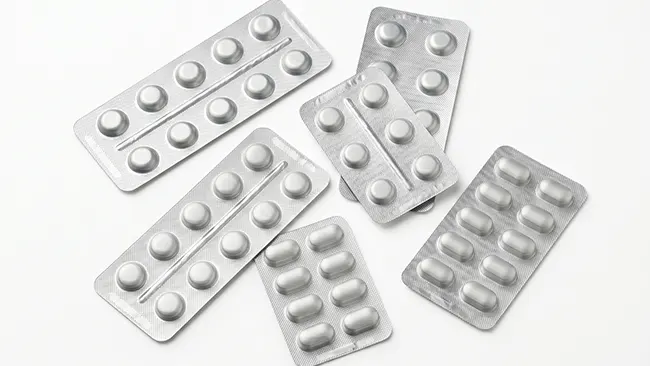
O co kupujący powinni zapytać dostawcę maszyn?
Przydatna dyskusja zaczyna się od produktu i opakowania, a nie nominalna prędkość maszyny. Wyślij dostawcę:
- Próbki produktów i wymiary
- Docelowa wrażliwość produktu i docelowy okres przydatności do spożycia
- Pełne specyfikacje materiałowe
- Proponowany układ wnęki i płytki
- Partia docelowa i produkcja roczna
- Wymagane kodowanie i kontrola
- Pożądana metoda badania szczelności
- Dalsze szczegóły dotyczące pakowania w kartony lub opakowania wtórne
Poproś dostawcę o określenie, które istniejące komponenty można zachować, a które mogą wymagać modyfikacji. Fabryczny test odbiorczy powinien wykorzystywać przeznaczone do recyklingu materiały blistrowe, jeśli są one dostępne. Jeżeli stosowane są wyłącznie materiały zastępcze, różnicę należy udokumentować, a następnie przeprowadzić próbę w terenie.
Ruidapacking twierdzi, że służył ponad 4,700 klientów i działa a 9,996 m² obiektu z 41 linie produkcyjne. To doświadczenie w produkcji i uruchamianiu za granicą jest istotne, gdy projekt wymaga prób materiałowych, dostosowane do potrzeb narzędzia i skoordynowane zmiany w całym procesie pakowania produktów farmaceutycznych.
Jak opakowanie blistrowe nadające się do recyklingu pasuje do istniejącej strategii pakowania
Opakowania blistrowe nadające się do recyklingu należy porównać z pełnym zestawem dostępnych opcji. Na niektórych rynkach butelka może wymagać mniej złożonego odzyskiwania materiału, ale może wymagać zastosowania środka osuszającego, zgrzewanie indukcyjne i większe opakowanie wtórne. Konwencjonalny PVC-Alu może pozostać odpowiedni tam, gdzie priorytetem jest widoczność produktu i koszt. Jakiś Maszyna do pakowania blistrów Alu-Alu można wybrać, gdy wrażliwy produkt wymaga znacznie silniejszej bariery.
Istniejący przewodnik dot materiały do pakowania blistrowego pomaga ustalić różnice między typowymi strukturami. Możliwość recyklingu należy traktować jako jedno z kryteriów wyboru, obok bariery, skrawalność, wykorzystanie pacjenta, akceptacja regulacyjna i całkowita wydajność opakowania.
Dla niektórych producentów, najlepszym pierwszym krokiem może być zmniejszenie grubości materiału, poprawę układu wnęki lub wyeliminowanie niepotrzebnej powierzchni opakowania, zamiast natychmiastowej zmiany całej struktury materiału. Redukcja materiałów może zmniejszyć zużycie zasobów bez wprowadzania nieznanego systemu barier, pod warunkiem, że wydajność pakietu pozostaje akceptowalna.
Jaka jest najbardziej praktyczna ścieżka adopcji?
Trasa najniższego ryzyka jest zwykle trasą kontrolowaną, przejście specyficzne dla produktu:
- Określ wymaganą barierę i okres przydatności do spożycia.
- Zidentyfikuj potencjalne konstrukcje nadające się do recyklingu lub gotowe do recyklingu.
- Potwierdź lokalne warunki zbiórki i recyklingu.
- Przesiej materiał na istniejącym sprzęcie.
- Optymalizuj parametry narzędzi i procesów.
- Sprawdź integralność i stabilność pakietu.
- Uruchom kontrolowaną partię komercyjną.
- Monitoruj skuteczność uszczelnienia, odrzuca i narzeka.
Takie podejście pozwala uniknąć dwóch typowych błędów: wybór materiału wyłącznie w oparciu o oświadczenie dotyczące ochrony środowiska, lub odrzucenie obiecującej struktury, ponieważ w pierwszej próbie maszynowej zastosowano nieodpowiednie ustawienia.
Wniosek
Opakowania blistrowe nadające się do recyklingu mogą wspierać cele w zakresie zrównoważonego rozwoju farmaceutycznego, ale jego sukces zależy od czegoś więcej niż tylko nazwy żywicy. Pełne opakowanie musi chronić produkt, biegać konsekwentnie, spełniać wymogi regulacyjne i posiadać wiarygodną ścieżkę odzyskiwania. Istniejące maszyny mogą obsługiwać niektóre nowe materiały po optymalizacji parametrów; inne projekty będą wymagały zmiany narzędzi lub sprzętu.
Najbezpieczniejsza decyzja rozpoczyna się od stabilności produktu i kompletnych danych materiałowych, po których następują realistyczne próby maszynowe i weryfikacja pakietu. Struktura nadająca się do recyklingu staje się użyteczna komercyjnie tylko wtedy, gdy założenia środowiskowe i wydajność produkcyjna przejdą ten sam test.
Często zadawane pytania
Czy opakowania blistrowe farmaceutyczne nadają się do recyklingu??
Niektóre struktury blistrów technicznie nadają się do recyklingu, ale praktyczna możliwość recyklingu zależy od pełnej kombinacji materiałów i lokalnej zbiórki, systemy sortowania i przetwarzania. Konwencjonalne opakowania PVC-aluminium są trudne do oddzielenia na wielu rynkach.
Jaki jest najlepszy materiał nadający się do recyklingu na opakowania blistrowe?
Nie ma jednego najlepszego materiału. Wybór zależy od potrzeb w zakresie bariery produktowej, głębokość jamy, metoda uszczelniania, kompatybilność maszyn, wydajność otwarcia i infrastrukturę recyklingu na rynku docelowym.
Czy nadająca się do recyklingu folia blistrowa może zastąpić PCV na tej samej maszynie??
Może działać na tej samej maszynie, ale ustawienia ogrzewania, tworzenie się, opieczętowanie, napięcie wstęgi i chłodzenie mogą wymagać zmiany. Niektóre materiały wymagają również nowych narzędzi lub komponentów do formowania.
Czy opakowanie blistrowe niezawierające PCV jest lepsze dla środowiska??
Konstrukcja niezawierająca PCV może wspierać strategię zrównoważonego rozwoju, ale nie nadaje się automatycznie do recyklingu ani nie wywiera mniejszego wpływu. Gotowa konstrukcja, ilość materiału, wydajność bariery, należy ocenić ilość odpadów i lokalną drogę odzysku.
Czy papierowe opakowania blistrowe sprawdzają się w medycynie?
Konstrukcje papierowe mogą pasować do wybranych produktów, ale bariera dla wilgoci, integralność uszczelnienia, Należy sprawdzić wytrzymałość wgłębienia i trwałość. Nie stanowią uniwersalnego zamiennika wysokobarierowych blistrów farmaceutycznych.
Czy materiały nadające się do recyklingu zmniejszą prędkość maszyny blistrowej??
Mogą, jeśli materiał ma węższe okno grzewcze lub uszczelniające, wymaga dłuższego czasu przebywania, lub tworzy mniej konsekwentnie. Przed ustaleniem oczekiwań dotyczących wydajności konieczna jest próba szybkości produkcji.
Co należy uwzględnić w próbie maszyny blistrowej nadającej się do recyklingu?
Użyj zamierzonego produktu, tworzący wstęgę i materiał pokrywający. Zapisz ustawienia procesu, prędkość wyjściowa, współczynnik odrzuceń, jakość jamy, integralność uszczelnienia, wydajność cięcia i wyniki po zmianie i ponownym uruchomieniu.
Referencje
- Unia Europejska – Regulacja (UE) 2025/40 w sprawie opakowań i odpadów opakowaniowych
https://eur-lex.europa.eu/eli/reg/2025/40/oj/eng - Amkor – System blistrowy AmSky gotowy do recyklingu
https://www.amcor.com/product-listing/amsky-blister-system