Wybór odpowiedniej maszyny do napełniania kapsułek to kluczowa decyzja dla optymalizacji wydajności produkcji, Zapewnienie dokładnej dawkowania, i utrzymywanie zgodności z przepisami w branży farmaceutycznej, Nutraceutyka, i produkcja suplementów. Odpowiednia maszyna może pomóc w skalowaniu produkcji, obniżyć koszty, i poprawić konsystencję produktu, natomiast zły wybór może prowadzić do niskiej efektywności operacyjnej, zwiększone przestoje, i produkty złej jakości.
W tym ostatecznym przewodniku dla kupujących, przedstawimy szczegółowy przegląd różnych typów maszyn do napełniania kapsułek, ich kluczowe cechy, i specyfikacje. Ten przewodnik wyposaży Cię w wiedzę potrzebną do pewnego wyboru najlepszej maszyny do kapsułkowania kapsułek dla Twoich potrzeb biznesowych, na podstawie czynników takich jak prędkość, dokładność, wszechstronność, i zgodność.
Co to jest maszyna do napełniania kapsułek?
A maszyna do napełniania kapsułek automatyzuje proces napełniania pustych kapsułek twardych różnorodnymi materiałami, w tym proszki, Granulki, płyny, lub pellet. Maszyny te eliminują pracę ręczną związaną z napełnianiem kapsułek, radykalnie poprawiając prędkość, konsystencja, i dokładność w produkcji.
Oprócz poprawy wydajności produkcji, Maszyny dozujące kapsułki pomagają zapewnić, że producenci spełniają rygorystyczne Dobre Praktyki Produkcyjne (cGMP) I FDA regulamin, zapewnienie spójności i jakości każdej wyprodukowanej partii. Niezależnie od tego, czy produkujesz leki farmaceutyczne, Suplementy diety, lub nutraceutyki, maszyny te są niezbędne przy produkcji na dużą skalę.
Szerokie zastosowanie urządzeń do napełniania kapsułek jest cechą branż charakteryzujących się rygorystycznymi standardami higieny i precyzji. Zdolność tej maszyny do automatyzacji procesu napełniania uczyniła z nich istotną część nowoczesnej produkcji, ograniczając błędy ludzkie i poprawiając spójność produktu.
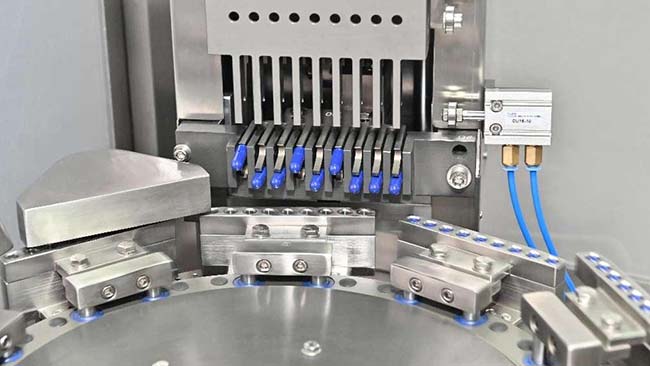
Rodzaje maszyn do napełniania kapsułek
Wybór odpowiedniej maszyny do kapsułek rozpoczyna się od dokładnego zrozumienia podstawowej oferty rynku. Na ogół można je podzielić na trzy kategorie: podręcznik, półautomatyczny, i w pełni automatyczne modele. Optymalny wybór dla Twojej działalności jest ostatecznie zdeterminowany takimi czynnikami, jak skala produkcji, żądaną przepustowość, i ograniczenia budżetowe.
Poniższy podział szczegółowo opisuje zastosowania i kluczowe zalety każdego typu maszyny.
Ręczne napełniacze kapsułek
Ręczne napełniacze kapsułek to maszyny obsługiwane ręcznie, które nie wymagają prądu. Ręczny proces napełniania składa się z dwóch kluczowych etapów. Pierwszy, operator umieszcza puste kapsułki na wyznaczonych tacach. Następnie, za pomocą narzędzi obsługiwanych ręcznie, takich jak ubijaki i dźwignie, uzupełniają napełnianie i zamykanie kapsułek.
◼Najlepsze dla: Małe partie, produkcja na skalę laboratoryjną, badania i rozwój (R&D), badania kliniczne, i startupy.
◼Wyjście: Zakres od kilkudziesięciu do kilkuset kapsułek na godzinę — stosunkowo niska wydajność.
◼Zalety:
- Niski koszt i prosta obsługa
- Kompaktowa konstrukcja, nadaje się do małych pomieszczeń
- Świetny pod względem elastyczności, Idealny do małych partii i receptur eksperymentalnych
Ograniczenia:
- Powolne i pracochłonne
- Nie nadaje się do produkcji na dużą skalę
- Wysokie ryzyko błędu ludzkiego i niespójności w masie wypełnienia
Wypełniacze ręczne są najczęściej używane przez osoby prywatne w domu. Do produkcji na małą skalę lub do receptur niestandardowych, zapewniają elastyczność, ale mają ograniczenia dotyczące szybkości i spójności.
Półautomatyczne napełniacze kapsułek
Ten rodzaj maszyny integruje części zmotoryzowane z etapami ręcznej obsługi. Operator ładuje puste kapsułki do leja zasypowego, a maszyna następnie automatycznie się orientuje, oddziela, wypełnia, i blokuje kapsułki. Jednakże, operator nadal musi uzupełniać kapsułki i proszek podczas pracy.
◼Najlepsze dla: Produkcja na małą i średnią skalę, gdzie nie jest konieczna pełna automatyzacja.
◼Wyjście: Wydajność jest zwykle mierzona w dziesiątkach tysięcy kapsułek na godzinę, chociaż dokładna liczba różni się w zależności od modelu maszyny.
◼Zalety:
- Większa wydajność w porównaniu do maszyn ręcznych
- Bardziej zautomatyzowane funkcje, takie jak orientacja kapsułki, wypełnienie i zamknięcie
- Przystępny, oferując dobrą równowagę pomiędzy automatyzacją i sterowaniem ręcznym
Ograniczenia:
- Nadal wymaga zaangażowania operatora przy załadunku i uzupełnianiu materiałów
- Wyższe wymagania pracy w porównaniu do maszyn w pełni automatycznych
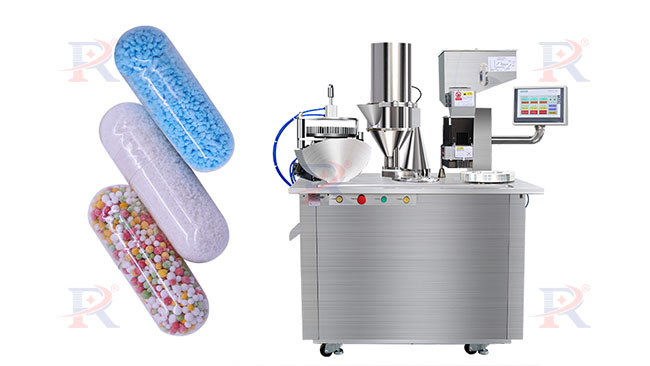
Półautomatyczne maszyny do napełniania kapsułek są idealne dla laboratoriów oraz małych i średnich przedsiębiorstw, które mają ograniczone inwestycje kapitałowe, ale potrzebują lepszej wydajności niż maszyny ręczne. Maszyny te oferują większą elastyczność i są łatwiejsze w obsłudze niż modele w pełni ręczne, co czyni je popularnym wyborem w przemyśle farmaceutycznym i nutraceutycznym.
W pełni automatyczne napełniacze kapsułek
W pełni automatyczne maszyny do napełniania kapsułek są przeznaczone do produkcji przy minimalnej interwencji człowieka. Maszyny te automatycznie ładują puste kapsułki, oddzielić korpusy kapsułek i wieczka, odmierzaj precyzyjne dawki składników aktywnych do organizmu, ponownie połączyć czapki z korpusami, i wyrzuć gotowe kapsułki.
◼Najlepsze dla: Produkcja farmaceutyczna i nutraceutyczna, gdzie wymagania operacyjne wymagają zarówno dużej wydajności, jak i wysokiego stopnia automatyzacji.
◼Wyjście: Może osiągnąć kilkaset tysięcy kapsułek na godzinę – wydajność w dużym stopniu zależna od liczby stacji i konkretnego modelu maszyny.
◼Zalety:
- Wysoka prędkość— zoptymalizowane do produkcji na dużą skalę
- Precyzyjna kontrola dozowania, zapewnienie spójności produktu
- Drastyczne obniżki kosztów pracy i minimalizacja błędów spowodowanych czynnikiem ludzkim.
- Najlepiej nadaje się do ciągłych linii produkcyjnych
◼Ograniczenia:
- Wyższy początkowy koszt inwestycji
- Złożona konfiguracja i konserwacja mogą wymagać wyspecjalizowanych techników
- Wymaga dużej powierzchni i wyższych kosztów operacyjnych
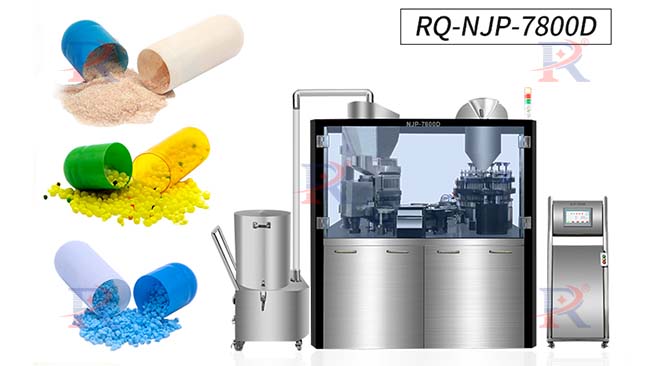
Głównymi docelowymi użytkownikami w pełni automatyczne maszyny do napełniania kapsułek twardych to duże firmy farmaceutyczne i organizacje zajmujące się produkcją kontraktową (CMO) którzy wymagają zarówno dużej przepustowości, jak i spójności produktu. Maszyny te płynnie integrują się z innymi systemami produkcyjnymi, takie jak maszyna blistrowa lub linia do napełniania butelek, i oferują monitorowanie i kontrolę w czasie rzeczywistym w celu utrzymania optymalnej wydajności.
Specjalistyczne wypełnienie kapsułek Durządzenia
Oprócz standardowych wypełniaczy kapsułek, istnieją specjalistyczne maszyny przeznaczone do obsługi określonych rodzajów materiałów wypełniających, takie jak płyny lub miękkie żele.
Płynne wypełniacze kapsułek: Maszyny te są zaprojektowane specjalnie do napełniania kapsułek płynami lub zawiesinami, takie jak olejki lub płynne preparaty lecznicze. Wypełniacze płynne często wymagają precyzyjnych pomp i kontroli temperatury w celu kontrolowania lepkości.
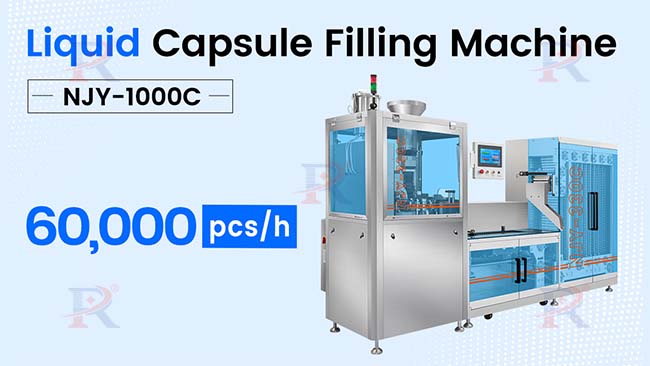
Maszyny do kapsułkowania Softgel: Maszyny te służą do napełniania kapsułek miękkich substancjami płynnymi lub półstałymi, często stosowany w suplementach witaminowych lub odżywczych. Kapsułki Softgel działają inaczej niż tradycyjne wypełniacze kapsułek, ale służą pokrewnemu celowi w kapsułkowaniu produktów napełnianych płynem.
Te wyspecjalizowane maszyny są idealne dla producentów produkujących produkty napełniane płynem lub kapsułki typu softgel. Wypełniacze w płynie, Na przykład, radzi sobie z preparatami o dużej lepkości, podczas gdy kapsułki typu softgel są specjalnie zaprojektowane do obsługi kapsułek.
Zanim zagłębimy się w kluczowe cechy maszyny do kapsułkowania, pomaga porównać typy maszyn obok siebie. Poniższa tabela podsumowuje typową przepustowość, zakresy dokładności, i oczekiwania dotyczące zmian, dzięki czemu możesz szybko zawęzić kategorię, która pasuje do Twojej rzeczywistości produkcyjnej (nie tylko prędkość broszury).
| Typ maszyny | Typowe wyjście (kapsułki/godzinę) | Praktyczna kontrola ciężaru wypełnienia (typowy) | Czas zmiany (typowy) | Operatorzy | Najlepsze dopasowanie (najczęstsze zastosowanie) | Poziom budżetu |
| Ręczny napełniacz kapsułek | 100–1000 | Zależne od operatora; często ±5–10% | 10–30 min | 1 | R&D, próby, mikro-partie, marketingu testowego | Niski |
| Półautomatyczna napełniarka kapsułek | 10,000–20 000 | Często ±3–5% (zależne od materiału) | 30–90 min | 1-2 | Mali producenci, rosnące marki suplementów, elastyczne jednostki SKU | Średni |
| W pełni automatyczna maszyna do napełniania kapsułek | 20,000–200 000+ | Często ±1–3% (ze stabilnym przepływem proszku) | 60–180 min | 1 | Farmacja/CMO, produkcja ciągła, bardziej rygorystyczna kontrola jakości & dokumentacja | Wysoki |
| Maszyna do kapsułkowania cieczy (specjalność) | 5,000–60 000 | Napędzany głośnością; zależy od lepkości & stabilność pompy | 60–180 min | 1 | Obrazy olejne, zawiesiny, płynne substancje aktywne w twardych kapsułkach | Średnio-wysoki |
| Linia do kapsułkowania Softgel (specjalność) | Specyficzne dla linii | Oparte na procesie; powłoka + kontrola wypełnienia | Dłużej & potwierdzone | 2+ | Kapsułki żelowe na oleje/witaminy; dedykowane linie produktów | Wysoki |
Kluczowe funkcje, które należy wziąć pod uwagę przed zakupem maszyny do napełniania kapsułek
Kupując maszynę do produkcji kapsułek, istnieje kilka kluczowych cech, które decydują o jego wydajności, jakość, i przydatność do Twoich potrzeb produkcyjnych. Przed zakupem maszyny do kapsułek należy sprawdzić kilka kluczowych czynników.
Budowa & Trwałość
Konstrukcja i materiały maszyny mają kluczowe znaczenie dla osiągnięcia długoterminowych wyników, niezawodne działanie. Wypełniacze kapsułek wykonane z wysokiej jakości stali nierdzewnej(najlepiej SUS304 lub SUS316) są najczęściej używane, ponieważ są trwałe, odporny na korozję, i łatwe do czyszczenia. Solidna rama minimalizuje zużycie w miarę upływu czasu, i zapewnia stałą wydajność maszyny, nawet w warunkach dużych prędkości.
Przy Ruidaptwierdzenie, zapewniamy, że nasze maszyny, takie jak wypełniacze kapsułek, są zbudowane z Stal nierdzewna zgodna z FDA, zapewniając, że spełniają najwyższe standardy jakości i trwałości.
Pojemność & Prędkość
Jako kluczowy parametr wydajności, wydajność maszyny mierzona jest maksymalną liczbą kapsułek, jaką może napełnić w ciągu godziny. Prędkość powinna być dostosowana do wielkości produkcji. Oferta maszyn obejmuje zarówno małe jednostki, które napełniają setki kapsułek na godzinę, jak i szybkie systemy obrotowe, które mogą przetwarzać w sposób ciągły 100,000 kapsułki na godzinę.
Pojemność jest ważna: Wskazane jest wybranie maszyny, która uwzględnia zarówno bezpośrednie potrzeby produkcyjne, jak i ma zdolność dostosowania się do przyszłego wzrostu.
Dokładność & Precyzja
Dokładność dozowania jest jednym z kluczowych wskaźników wydajności każdego sprzętu do napełniania kapsułek. Maszyny, które korzystają precyzyjne wypełniacze ślimakowe, szpilki do ubijania, Lub dyski dozujące upewnić się, że do każdej kapsułki dodano odpowiednią ilość proszku lub płynu.
Wszechstronność & Elastyczność
Ważne jest, aby wybrać maszynę, która oferuje wszechstronność w obsłudze różnych rozmiary kapsułek (z #000 Do #5) i różne materiały wypełniające (proszki, Granulki, płyny). Poszukaj maszyn, które umożliwiają szybką zmianę na różne rozmiary kapsułek, preparaty, lub nawet rodzaje produktów.
Łatwość użycia & Sterownica
Dobrze zaprojektowany, przyjazny dla użytkownika interfejs zapewnia prostą i wydajną obsługę maszyny. Nowoczesne maszyny są wyposażone w ekrany dotykowe HMI(Interfejsy człowiek-maszyna), które pozwalają na łatwą regulację i monitorowanie w czasie rzeczywistym. Systemy te powinny umożliwiać operatorom dostosowanie prędkości, ciężar wypełnienia, i inne parametry z łatwością.
Trzy kroki, aby wybrać odpowiednią maszynę do napełniania kapsułek do swojej produkcji
Krok 1: Oceń swoje potrzeby produkcyjne
Ocena bieżących i przewidywanych wymagań dotyczących przepustowości, wraz z konkretnymi rodzajami kapsułek przeznaczonych do przetwarzania. Jeśli nie jesteś pewien, oszacuj, ile kapsułek musisz wyprodukować każdego dnia i liczbę partii, które planujesz uruchomić. Również, rozważ swoje przyszły wzrost; maszyna z opcjami skalowalności uratuje Cię przed koniecznością zbyt szybkiej aktualizacji.
Krok 2: Dopasuj funkcje maszyny do swoich potrzeb
Upewnij się, że prędkość maszyny, dokładność, i wszechstronność dopasować do Twoich konkretnych potrzeb. Weź pod uwagę rodzaje produktów, które planujesz wypełnić (proszki, płyny, Miękkie żele) oraz rozmiary kapsułek, które należy przetworzyć. Dodatkowo, sprawdź wymagania dotyczące konserwacji i czyszczenia maszyny.
Krok 3: Oceń reputację i wsparcie dostawcy
Reputacja rynkowa dostawcy i jakość wsparcia posprzedażnego to krytyczne czynniki nietechniczne, których nie można przeoczyć w kontekście długoterminowego sukcesu projektu. Rzetelny dostawca powinien świadczyć usługi takie jak instalacja, szkolenie, I konserwacja aby zapewnić optymalną pracę maszyny przez lata.
Typowe problemy z maszyną do napełniania kapsułek i sposoby ich uniknięcia
Problem 1: Zmiana ciężaru wypełnienia
Zmiany ciężaru napełnienia mogą wystąpić, gdy system dozowania maszyny nie jest wystarczająco dokładny lub jeśli przepływ proszku nie jest spójny. Poszukaj maszyn z regulowanymi systemami dozowania i kontrolami w trakcie procesu, które mogą wykryć i skorygować niedopełnienia lub przepełnienia.
Problem 2: Zablokowanie kapsułki
Zacięcie kapsułki dzieje się, gdy kapsułki nie są prawidłowo zorientowane lub gdy mechanizm podający maszyny nie działa prawidłowo. Regularna konserwacja maszyny i właściwa konfiguracja mogą zapobiec temu problemowi.
Problem 3: Proszek Problemy z wyciekami
Wyciekające kapsułki są często spowodowane niewystarczającym uszczelnieniem. Upewnij się, że maszyna ma niezawodny mechanizm blokujący kapsułkę i zawiera funkcje wykrywające wycieki podczas proces napełniania proszkiem.
Wniosek: Podejmowanie świadomej decyzji o zakupie
Wybór odpowiedniej maszyny do napełniania kapsułek zależy od oceny potrzeb produkcyjnych, możliwości maszyny, i wsparcie dostawców. Niezależnie od tego, czy potrzebujesz instrukcji, półautomatyczny, lub w pełni automatyczna maszyna, wybór odpowiedniego modelu zapewni sprawne działanie Twojej linii produkcyjnej, dokładnie, i przy minimalnych przestojach.
Często zadawane pytania – Często zadawane pytania dotyczące kapsułek Podsadzkarz
1. Jak dokładne są maszyny kapsułkowe w zakresie zmiany dawkowania?
Można osiągnąć wysokiej jakości maszyny kapsułkowe ±1–3% różnice w ciężarze wypełnienia. Jest to zazwyczaj standard branżowy dla większości maszyn. Precyzyjne systemy dozowania takie jak wypełniacze ślimakowe, szpilki do ubijania, I dyski dozujące są często stosowane w celu utrzymania ścisłej kontroli wagi.
2. Jak Do konserwować i czyścić kapsułkę zrobienie maszyna?
Przestrzeganie ustalonych protokołów konserwacji i czyszczenia ma kluczowe znaczenie dla utrzymania maksymalnej wydajności sprzętu i wyeliminowania ryzyka zanieczyszczenia. Niektóre praktyki obejmują:
◼Regularne czyszczenie: Czyszczenie maszyny po każdej partii jest podstawowym standardem jakości, eliminując w ten sposób ryzyko kontaktu krzyżowego i zapewniając czystość produktu. Wiąże się to z demontażem części, takich jak formy i stacje napełniania.
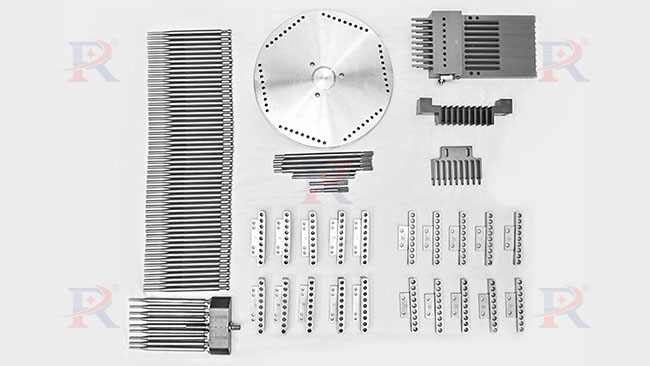
◼Smarowanie: Ruchome części, takie jak ślimak i ubijaki, należy regularnie smarować, aby zapewnić płynną pracę.
◼Wymiana części eksploatacyjnych: Części takie jak uszczelki, uszczelki, i ubijaki należy regularnie sprawdzać i w razie potrzeby wymieniać, aby uniknąć problemów z wydajnością.
◼Sprawdzone czyszczenie: Do zastosowań farmaceutycznych, sprawdzone metody czyszczenia (CIP/SIP) powinno zostać wdrożone, szczególnie jeśli maszyna obsługuje różne receptury lub silne związki.
Niektóre maszyny są zaprojektowane z myślą o łatwym demontażu i czyszczeniu, z funkcjami takimi jak części szybkozłączne Lub elementy nadające się do mycia aby skrócić przestoje.
3. Jakie są potencjalne konsekwencje zanieczyszczenia krzyżowego, I Jak aby ich uniknąć?
Zanieczyszczenie krzyżowe stanowi poważny problem w przypadku stosowania sprzętu do napełniania kapsułek dla różnych produktów, szczególnie w przypadku silnych API lub alergenów. Oto, jak ograniczyć ryzyko:
◼Dedykowany sprzęt: Jeśli głównym problemem jest zanieczyszczenie krzyżowe, należy używać oddzielnych maszyn do różnych produktów.
◼ Protokoły czyszczenia: Implement strict cleaning and validation procedures. Obejmuje to płukanie badanie wymazów i kontrole wizualne w celu upewnienia się, że usunięto wszelkie ślady poprzednich produktów.
◼Systemy powstrzymywania: Niektóre maszyny do kapsułek są wyposażone w systemy ograniczające lub izolatory zapobiegające zanieczyszczeniu krzyżowemu. Systemy te obejmują komory rękawicowe lub szczelne komory, które chronią operatorów i zapobiegają mieszaniu produktów.
◼Odsysanie pyłu: Używanie systemy odpylania I systemy oczyszczania powietrza może pomóc zminimalizować ryzyko zanieczyszczenia krzyżowego cząsteczkami unoszącymi się w powietrzu.
Postępując zgodnie z wytycznymi cGMP i włączając odpowiednie funkcje zabezpieczające, ryzyko zanieczyszczenia krzyżowego można znacznie zmniejszyć.