Dom

>

Automatyczna maszyna do tabletkowania

Automatyczna prasa tabletkowa
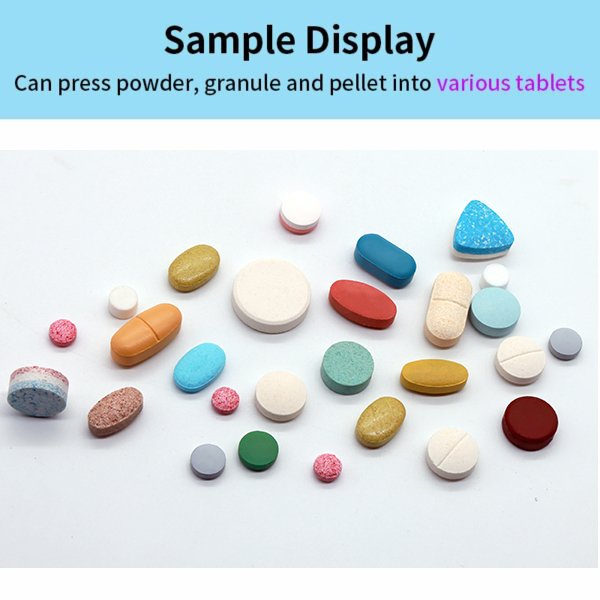
różne tabletki
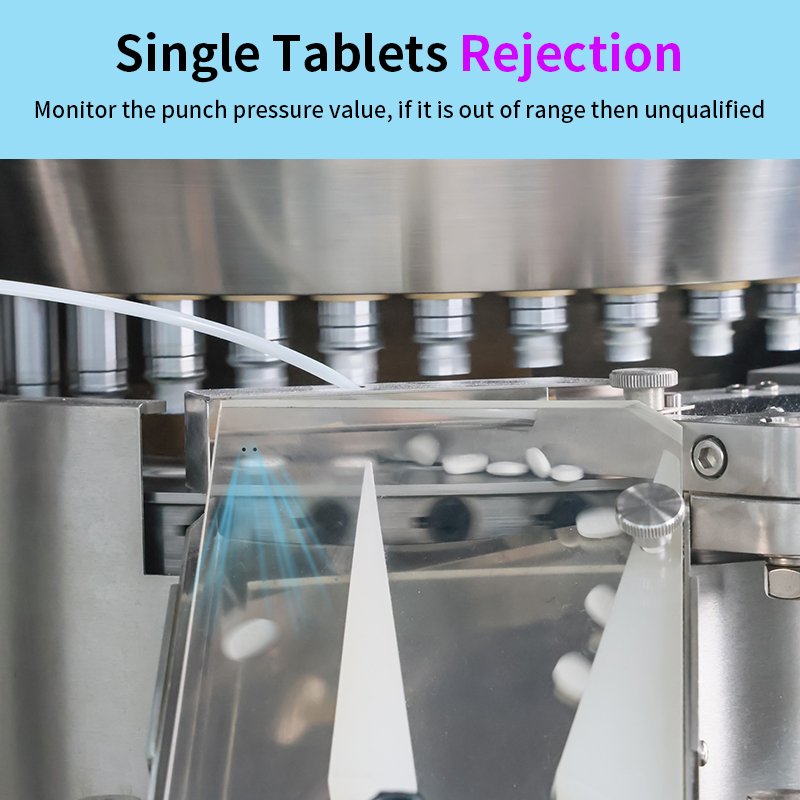
odrzucenie pojedynczych tabletek
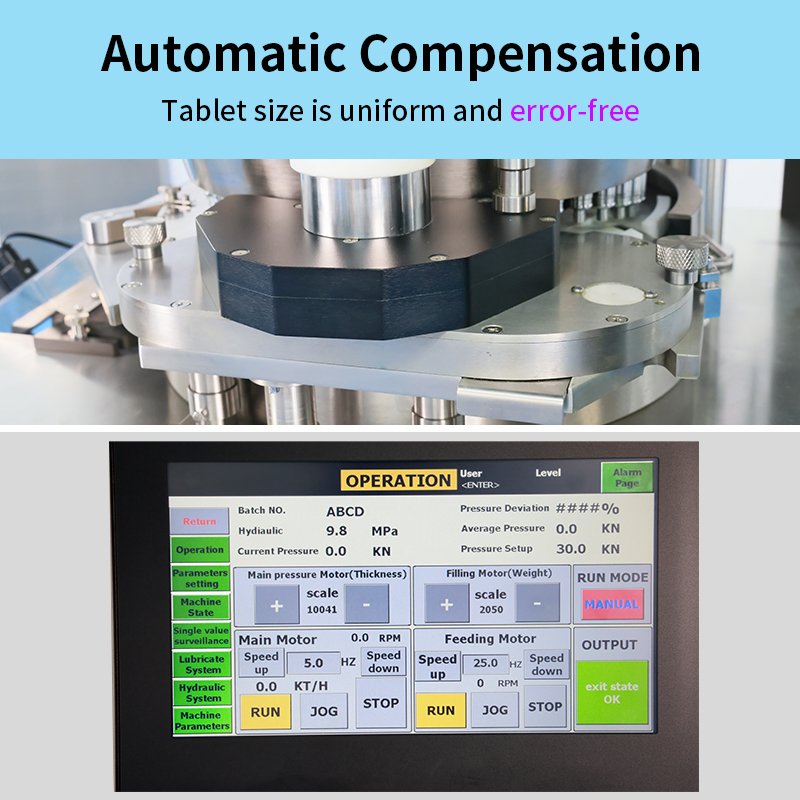
automatyczna kompensacja
wystawa
Automatyczna prasa tabletkowa
różne tabletki
odrzucenie pojedynczych tabletek
automatyczna kompensacja
wystawa

Automatyczna maszyna do tabletkowania

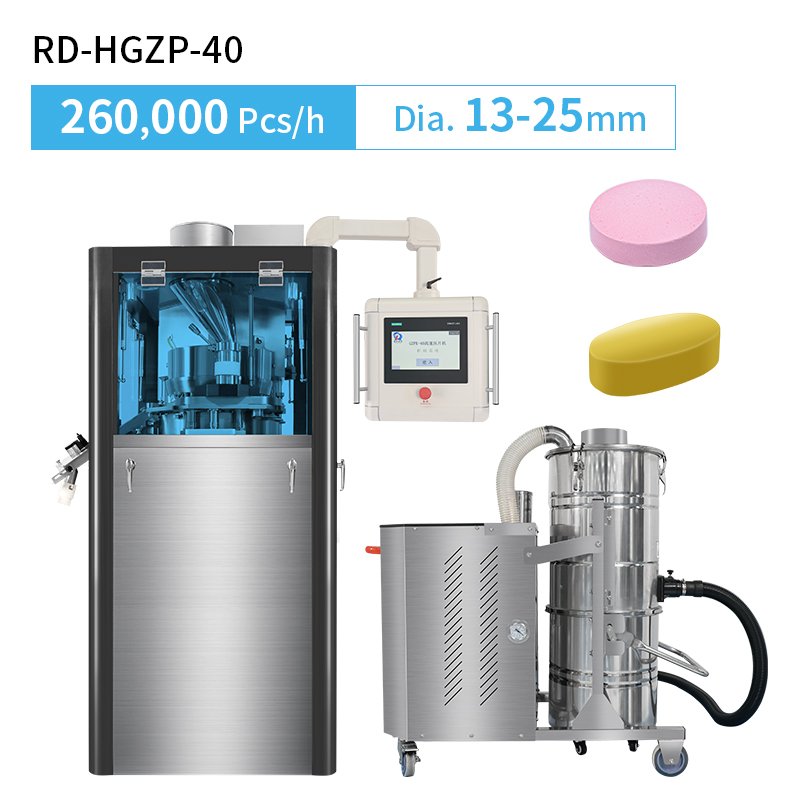
Automatyczna maszyna do tabletkowania stosowany do prasowania proszków w tabletki leków, witamin i suplementów.

Przemysł farmaceutyczny: Zajmuje się głównie szybką produkcją, która ma kluczowe znaczenie dla zaspokojenia zapotrzebowania na dużą skalę, zwłaszcza w przypadku powszechnie stosowanych leków, takich jak środki przeciwbólowe, antybiotyki i leki przeciwgorączkowe.

Nutraceutyki: Do produkcji suplementów diety, np. multiwitamin i suplementów ziołowych, używa się pras szybkoobrotowych, które zapewniają stałe dawkowanie i wysoką wydajność produkcji.

Przemysł spożywczy: zajmują się produkcją tabletek zawierających dodatki do żywności, takie jak substancje słodzące lub wzmacniacze smaku, często stosowane w przetworzonej żywności i napojach.

Produkty czyszczące: Przy użyciu tych maszyn produkuje się również tabletki do sporządzania środków czyszczących, np. tabletki do mycia naczyń lub detergenty do prania.

Specyfikacja:

Do 260 000 szt./godz.

Maksymalna średnica tabletki 25mm

Ciśnienie główne 100 kN, naprężenie wstępne 21 kN

Jak działa tabletkarka szybkoobrotowa?

Szybkoobrotowe prasy tabletkujące są wykorzystywane w wielu zastosowaniach w różnych gałęziach przemysłu, takich jak przemysł farmaceutyczny, nutraceutyczny, przemysł spożywczy…

Główne cechy

Maksymalna wydajność produkcyjna 260 000 szt./godz.
Maksymalna średnica tabletki 25mm
Proszek 7,5 kW
Woltaż 220 V/380 V 50 Hz (dostosowane)
Wymiar 820×1100×1750 mm

Zaleta prasy rotacyjnej

Stała jakość tabletek: Prasy szybkoobrotowe są wyposażone w precyzyjne systemy sterowania, zapewniające jednolitą wagę, rozmiar i twardość tabletek. Taka spójność poprawia jakość produktu i zmniejsza liczbę odrzutów.

Zaawansowane funkcje: Wiele szybkich tabletkarek jest wyposażonych w funkcje takie jak automatyczne smarowanie, usuwanie odpadów i monitorowanie ciśnienia, które zmniejszają konieczność ręcznej ingerencji i zwiększają wydajność operacyjną.

Automatyzacja i rejestrowanie danych: Nowoczesne maszyny często zawierają zautomatyzowane systemy do monitorowania w czasie rzeczywistym i rejestrowania danych, które usprawniają kontrolę procesów i zgodność z przepisami.

Części główne

The Necessity of Automatic Lubrication in Tablet Press Machines

In pharmaceutical manufacturing, consistency isn’t just a goal—it’s a requirement. Tablet quality, equipment longevity, and regulatory compliance all hinge on one often-overlooked process: lubrication. Either too much or too little lubricant can lead to significant issues, from products defects to machine failures. Automatic tablet press machine is engineered with a sophisticated dual lubrication system designed to eliminate these risks.

The High Cost of Imperfect Lubrication

When lubricant is applied excessively, it leaves residual oil on the tooling surfaces. During compression—under high pressure and temperature—this surplus lubricant can transfer onto the tablets, creating black spots. These imperfections are more than cosmetic; they indicate potential contamination. Tablets with such defects fail to meet FDA standards, risking batch rejection and compromising patient safety.

Insufficient lubrication, on the other hand, increases friction between the punch and die. This accelerates wear, reduces tooling life, and heightens operational noise. If your tablet press exceeds 75 dBA, it not only creates an unpleasant working environment but also falls out of compliance with cGMP guidelines, which require equipment to operate within specified noise limits to prevent contamination and ensure process control.

Intelligent Lubrication Advantages

Our Automatic Tablet Press Machine features a two-part lubrication system that ensures precision, reliability, and ease of use.

1. Automatic Lubrication

The first part of the system delivers liquid lubricant directly to the punches and dies through fully automated dosing. During setup, operators can define exactly how much lubricant is released and at what interval. For example:

You can initially set the system to release 2 drops of oil every 200 rotations.

If tablets show black spots, you can adjust the interval to 250 rotations per 2 drops.

If abnormal noise occurs, you might fine-tune it to 230 rotations.


This flexible programmability allows you to find the optimal lubrication balance for your specific formulation and operating conditions. It eliminates guesswork, reduces manual intervention, and ensures every batch runs smoothly without defects or excessive wear.

2. Solid Grease Lubrication

The second part involves a simple yet effective manual grease application for the machine’s bearings. Just presses per day during operation are enough to keep the core components running smoothly, prevent abrasion, and extend the service life of the entire press. This step takes seconds but offers long-term protection against mechanical failure.

Why Automation Matters

An automated lubrication system does more than just protect your tooling and products—it also supports your quality assurance system. With precise control and repeatability, you can document each lubrication cycle, providing traceability for FDA and cGMP audits. Moreover, reducing manual lubrication minimizes human error and enhances operational safety.

Wniosek

Lubrication management is critical in tablet production. Too much or too little can lead to quality deviations, non-compliance, and costly downtime. With ruidapacking’s Automatic Tablet Press Machine and its intelligent dual-lubrication system, you achieve the perfect balance between product integrity and equipment protection.

A Complete Guide to Tablet Press Machine Pressure

For many pharmaceutical engineers, tablet production comes with recurring frustrations: tablets that break right after ejection, or batches that fail to meet hardness and friability standards during testing. While formulation plays a role, these issues often trace back to one critical factor—the performance and accuracy of the tablet press machine pressure.

Understanding how pressure works—and how it’s managed—can mean the difference between compliance and costly reprocessing.

The Role of Main Pressure

At the heart of tablet formation is the main compression force. The process involves filling powder or granules into a die, where upper and lower punches apply extreme pressure via the main compression wheel to form a compacted tablet. If this force is insufficient, the resulting tablets may be too soft, fragile, or prone to chipping and breaking.

In most cases, a force of around 80 kN is adequate to produce tablets that meet FDA requirements for structural integrity. However, a widespread industry issue is that many manufacturers overstate their machine’s force capabilities. Since it’s difficult to accurately measure the actual force applied during operation, companies often end up with underperforming presses. This leads to low yield, poor hardness, high friability, and ultimately—the need to reinvest in a new machine.

That’s why choosing a tablet press with honestly rated and verifiable force output is essential.

The Critical Function of Pre-pressure

In high-speed production, the compaction event happens in a fraction of a second. When excessive force is applied too suddenly, it can cause already-formed tablets to shatter or develop internal flaws. This is where pre-pressure becomes invaluable.

Pre-pressure involves applying a lower initial force to the powder bed before the main pressure. This gentle preliminary pressure removes entrapped air, reduces particle segregation, and prepares the granulation for final compaction. The benefits are clear:

Reduced capping and laminating

Improved tablet hardness and surface smoothness

Lower friability and fewer fines

Enhanced overall pressure stability

For pharmaceutical companies running at high production speeds, a pre-pressure system isn’t optional—it’s necessary. It enables the machine to maintain quality without sacrificing output.

How to Choose the Right Tablet Press

When evaluating a tablet press, consider these force-related features:

1. Truthful Force Reporting

Select a machine from a supplier that provides transparent and testable force metrics. Avoid overstated specifications.

2. Adjustable Pre-pressure

Look for easily adjustable pre-pressure settings that allow fine-tuning based on material behavior.

3. Consistency at High Speed

Ensure the machine can maintain accurate and repeatable force levels even at maximum rotation speeds.

4. Compliance Ready

The system should support full documentation of force parameters for FDA and cGMP audits.

Wniosek

Pressure is a cornerstone of tablet manufacturing successful. Getting it right affects everything from tablet hardness and appearance to regulatory acceptance and operational efficiency. With accurate main pressure and intelligent pre-pressure features, you can avoid common pitfalls such as broken tablets, poor friability, and non-compliance.

pl_PLPL

Poproś o wycenę

    *Szanujemy Twoją poufność i wszystkie informacje są chronione.