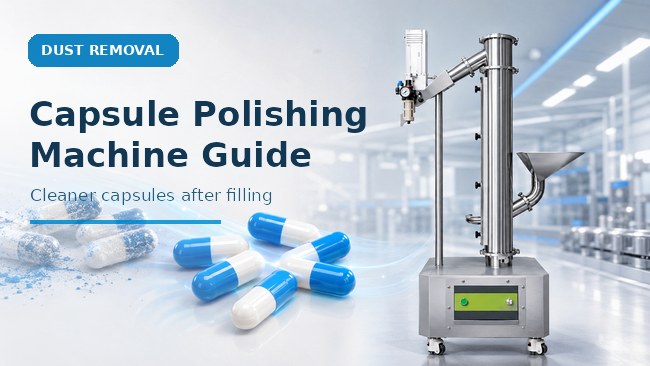
Una macchina lucidatrice per capsule rimuove la polvere sciolta, polvere sottile, e piccole particelle provenienti dalle capsule riempite prima che entrino nella confezione. Le capsule non sempre lasciano il macchina per il riempimento di capsule perfettamente pulito, soprattutto quando la formula contiene polvere fine, ingredienti a base di erbe, o materiali che aderiscono facilmente all'involucro della capsula.
Questa fase di rimozione della polvere non protegge soltanto l'aspetto della capsula. Una superficie della capsula più pulita può aiutare a ridurre l'accumulo di polvere nel contatore delle capsule, rilevatore di metalli, macchina confezionatrice per blister, linea di riempimento bottiglie, e altre apparecchiature a valle.
Per piccoli lotti manuali, la lucidatura della capsula può essere semplice o addirittura non necessaria. Per la produzione commerciale, Tuttavia, La rimozione della polvere dalle capsule dopo il riempimento è spesso un passo importante per un imballaggio stabile, funzionamento più pulito, e una migliore presentazione del prodotto.
1. Perché le capsule presentano polvere o residui di polvere dopo il riempimento
Le capsule spesso presentano residui di polvere dopo il riempimento perché il processo di riempimento prevede il contatto diretto tra la polvere, corpi delle capsule, tappi delle capsule, parti di dosaggio, e canali di trasferimento. Anche quando la riempitrice per capsule funziona correttamente, una piccola quantità di polvere può rimanere all'esterno dell'involucro della capsula.
I motivi più comuni includono:
- Materiali di riempimento polverosi o fini. Polveri fini, polveri vegetali, e alcune miscele nutraceutiche possono galleggiare facilmente e aderire al guscio della capsula.
- Polvere sul bordo della capsula. Durante il dosaggio, un po' di polvere potrebbe rimanere vicino all'apertura del corpo della capsula prima che il cappuccio venga chiuso.
- Elettricità statica. L'involucro della capsula e le particelle di polvere possono attrarsi a vicenda durante le condizioni di produzione a secco.
- Trasferire l'attrito. Le capsule potrebbero raccogliere polvere durante il riempimento, bloccaggio, scarico, e canali di raccolta.
- Debole aspirazione della polvere. Se il controllo della polvere attorno alla stazione di rifornimento non è abbastanza forte, la polvere sciolta può rimanere sulle capsule finite.
Non tutti i residui di polvere indicano che il lotto è fallito. La leggera polvere superficiale è un normale problema di produzione in molte linee di riempimento di capsule. La vera domanda è se i residui influiscono sull’aspetto, stabilità dell'imballaggio, ispezione, o carico di lavoro di pulizia.

2. Perché la rimozione della polvere è importante prima del confezionamento
La rimozione della polvere è importante prima del confezionamento perché i residui di polvere possono spostarsi dalla superficie della capsula all'attrezzatura che la gestisce, conta, rileva, o confeziona le capsule. Ciò può creare piccoli ma ripetuti problemi durante la produzione.
Per acquirenti e responsabili di produzione, il problema visibile è solitamente l'aspetto della capsula. Le capsule con polvere all'esterno potrebbero sembrare sporche, incoerente, o mal rifinito, anche quando il prodotto riempito stesso è accettabile.
Per gli operatori, il problema più grande è spesso la stabilità della macchina. La polvere sciolta può accumularsi intorno ai sensori, binari di guida, tracce di alimentazione, conteggio dei canali, aree di sigillatura, e meccanismi di rifiuto. Col tempo, questo può portare a:
- Conteggio dell'instabilità
- Problemi di alimentazione delle vesciche
- Contaminazione della linea della bottiglia
- Difficoltà di ispezione
- Pulizie più frequenti
- Maggiore rischio di trascinamento del prodotto durante il cambio formato
Un lucidatore per capsule aiuta a controllare questi rischi rimuovendo la polvere prima che le capsule passino alla fase di produzione successiva. Non sostituisce un buon controllo del riempimento delle capsule, ma rende il processo a valle più pulito e più facile da gestire.
3. Cosa fa una lucidatrice per capsule in una linea di riempimento di capsule
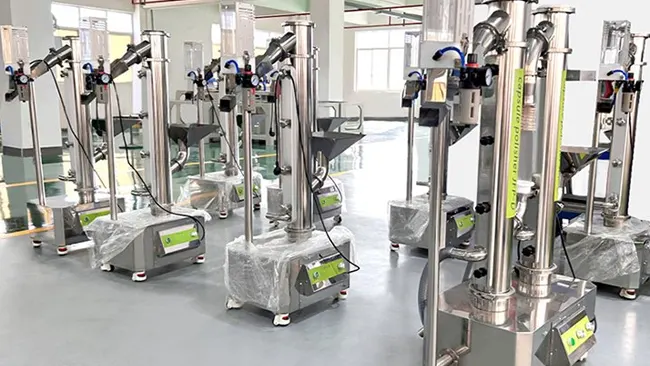
Una lucidatrice per capsule viene solitamente posizionata dopo la riempitrice per capsule e prima dell'ispezione, conteggio, imballaggio in blister, o confezionamento di bottiglie. Il suo compito principale è pulire la superficie esterna delle capsule riempite senza danneggiare l'involucro della capsula.
In una tipica linea di capsule, il processo potrebbe assomigliare a questo:
riempitrice per capsule -> lucidatrice per capsule -> selezionatore di capsule o metal detector -> macchina per il conteggio delle capsule o macchina per l'imballaggio in blister
Il lucidatore per capsule supporta la linea in diversi modi:
- Rimuove la polvere superficiale dalle capsule riempite.
- Migliora l'aspetto della capsula prima del confezionamento.
- Aiuta a controllare il movimento della polvere nell'area di imballaggio.
- Supporta un trasferimento più fluido delle capsule alle macchine a valle.
- Può aiutare a rifiutare il vuoto, leggero, rotto, o capsule difettose se combinate con le funzioni di smistamento.
Il punto chiave è che la lucidatura delle capsule non è solo un passaggio estetico. In molte linee di produzione, è anche una pratica fase di controllo della polvere tra il riempimento e il confezionamento.
4. Come funziona un lucidatore per capsule
Un lucidatore per capsule funziona spostando le capsule riempite attraverso una camera di lucidatura dove il contatto meccanico morbido e la rimozione della polvere tramite aspirazione puliscono la superficie della capsula. Il design esatto può variare, ma la maggior parte delle lucidatrici per capsule utilizza lo stesso principio di base.
Primo, le capsule riempite entrano nella macchina attraverso un ingresso o uno scivolo di trasferimento. Successivamente le capsule si muovono attraverso una camera di lucidatura con una spazzola rotante, spazzola a spirale, o struttura lucidante morbida. Mentre le capsule ruotano e si muovono in avanti, la polvere sciolta viene rimossa dall'involucro della capsula.
Allo stesso tempo, un sistema di vuoto o pressione negativa rimuove la polvere dalla camera. Ciò impedisce alla polvere di spostarsi semplicemente da una parte all'altra della macchina.
Finalmente, le capsule pulite escono dall'uscita di scarico e continuano l'ispezione, rilevamento dei metalli, conteggio, imballaggio blister, o confezionamento di bottiglie. Alcuni lucidatori per capsule includono anche funzioni di smistamento per aiutare a rimuovere le capsule vuote, capsule rotte, o capsule con difetti evidenti.

5. Quando hai bisogno di una lucidatrice per capsule
Hai bisogno di una lucidatrice per capsule quando i residui di polvere creano problemi estetici, instabilità dell'imballaggio, o pressione di pulizia dopo il riempimento della capsula. La necessità dipende dalla formula del prodotto, dimensione della capsula, metodo di riempimento, velocità di produzione, e processo di confezionamento.
| Situazione produttiva | Rischio polvere | È consigliato un lucidatore per capsule? | Motivo |
| Capsule di polvere fine | Alto | SÌ | La polvere fine aderisce facilmente al guscio della capsula e alle parti di trasferimento. |
| Capsule di polvere di erbe o piante | Alto | SÌ | Le polveri vegetali possono essere polverose, fibroso, o visivamente evidente sulle conchiglie. |
| Capsule probiotiche o nutraceutiche | Da medio ad alto | Di solito sì | L'aspetto pulito e il conteggio stabile sono importanti per il confezionamento degli integratori. |
| Capsule in pellet o granuli | Da basso a medio | Dipende | Viene prodotta meno polvere, ma possono ancora formarsi particelle superficiali. |
| Capsule rigide riempite di liquido | Polvere a bassa polvere | Caso per caso | La lucidatura può essere meno importante a meno che non si verifichi una contaminazione del guscio. |
| Piccolo R&Lotti D | Basso | Non sempre | Potrebbero essere sufficienti la pulizia manuale o la manipolazione su piccola scala. |
| Linea di produzione ad alta velocità | Da medio ad alto | SÌ | L'accumulo di polvere può influire sulle apparecchiature a valle su lunghi percorsi. |
| Capsule in bottiglia | Metà | Di solito sì | La polvere può influenzare i canali di conteggio e la presentazione delle bottiglie. |
| Capsule confezionate in blister | Da medio ad alto | SÌ | Le capsule pulite aiutano l'alimentazione, pulizia della zona di tenuta, e ispezione visiva. |
Una regola pratica è semplice: se le capsule escono dalla riempitrice con polvere visibile, o se l'attrezzatura a valle necessita di una pulizia frequente a causa dell'accumulo di polvere, Si dovrebbe prendere in considerazione la lucidatura della capsula.
6. Ciò che la lucidatura delle capsule non può risolvere
La lucidatura delle capsule può rimuovere la polvere superficiale libera, ma non può risolvere tutti i problemi di riempimento delle capsule. Questa distinzione è importante perché alcuni problemi relativi ai residui derivano dal processo di riempimento stesso, non dalla mancanza di lucidatura.
Una lucidatrice per capsule può essere d'aiuto:
- Polvere leggera sull'involucro della capsula
- Polvere creata durante lo scarico e il trasferimento
- Piccole particelle attaccate alle capsule
- Aspetto della capsula più pulito prima del confezionamento
- Movimento più fluido della capsula nell'attrezzatura a valle
Una lucidatrice per capsule non può risolvere:
- Bloccaggio della capsula inadeguato
- Riempimento eccessivo
- Polvere intrappolata tra il corpo della capsula e il cappuccio
- Involucri delle capsule danneggiati o incrinati
- Condizioni di conservazione delle capsule errate
- Flusso della polvere inadatto o scarso controllo della formulazione
Se le capsule perdono polvere perché non sono bloccate correttamente, la macchina per il riempimento delle capsule deve essere prima controllata. La lucidatura può rimuovere la polvere visibile, ma non correggerà la causa principale della perdita.
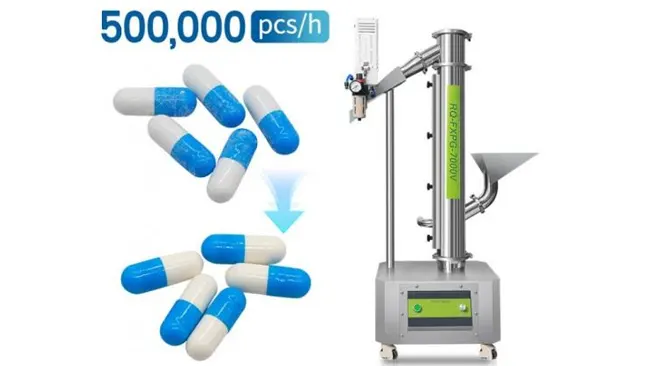
7. Come scegliere la lucidatrice per capsule giusta
La giusta lucidatrice per capsule dovrebbe corrispondere alla velocità di riempimento delle capsule, intervallo di dimensioni delle capsule, caratteristiche della polvere, e il metodo di confezionamento a valle. Una piccola discrepanza potrebbe non interrompere immediatamente la produzione, ma può creare trasferimenti instabili, scarsa raccolta della polvere, o pulizia frequente durante il funzionamento quotidiano.
A cominciare dalla capacità produttiva. Il lucidatore per capsule dovrebbe gestire la produzione reale della macchina riempitrice per capsule, non solo la potenza nominale indicata in un catalogo. Se la velocità di lucidatura è troppo bassa, le capsule possono accumularsi nel punto di scarico. Se la velocità è molto superiore al necessario, la macchina potrebbe essere sovradimensionata per la linea.
Verificare la compatibilità delle dimensioni della capsula. La maggior parte dei lucidatori per capsule sono in grado di gestire le dimensioni comuni delle capsule rigide, ma l'intervallo di regolazione dovrebbe adattarsi ai tuoi prodotti reali, soprattutto se produci più formati di capsule sulla stessa linea.
Anche l’aspirazione della polvere è importante. Per formule con polvere fine, polvere di erbe, o ingredienti leggeri, il sistema di aspirazione dovrebbe rimuovere la polvere in modo continuo senza tirare le capsule in modo troppo aggressivo. Un buon controllo della polvere aiuta a mantenere pulita la superficie della capsula e riduce l'accumulo di polvere attorno all'area di confezionamento.
Il design della pulizia non dovrebbe essere ignorato. Una macchina lucidatrice per capsule è a diretto contatto con le capsule finite, quindi gli operatori dovrebbero essere in grado di aprire, pulito, e reinstallare facilmente le parti di contatto chiave. Superfici di contatto lisce, pennelli accessibili, e semplici parti per la raccolta della polvere rendono più pratico il cambio del prodotto.
Puoi anche prendere in considerazione funzioni aggiuntive quando la linea di produzione richiede un controllo di qualità più elevato, ad esempio:
- Rigetto della capsula vuota
- Smistamento leggero delle capsule
- Rimozione della capsula rotta
- Collegamento del rilevatore di metalli
- Altezza della macchina regolabile
- Integrazione con linee automatiche di riempimento e confezionamento capsule
Un buon lucidatore per capsule dovrebbe rendere la linea più pulita e stabile senza aggiungere inutili complessità. La scelta migliore è solitamente la macchina che si adatta alle reali condizioni di produzione, non semplicemente quello con la capacità quotata più alta.
Conclusione
Una macchina lucidatrice per capsule è utile quando i residui di polvere influiscono sull'aspetto della capsula, stabilità dell'imballaggio, ispezione, o lavori di pulizia. Rimuove la polvere sciolta dopo il riempimento, supporta un trasferimento più fluido, e aiuta a mantenere più pulito il processo a valle. Per linee di capsule che necessitano sia di attrezzature di riempimento che di confezionamento, Ruida Packing fornisce soluzioni di macchinari farmaceutici e di imballaggio per i produttori di questi settori.
La macchina deve essere selezionata in base alle reali condizioni di produzione, compreso il tipo di capsula, livello di polvere, velocità di riempimento, esigenze di pulizia, e il metodo di confezionamento a valle. Quando la lucidatura delle capsule è abbinata correttamente alla macchina riempitrice per capsule e alla linea di confezionamento, diventa un passo semplice ma prezioso per il pulitore, più stabile produzione di capsule.
Domande frequenti
La polvere sulle capsule è normale dopo il riempimento?
SÌ. Una piccola quantità di polvere all’esterno delle capsule riempite può essere normale, soprattutto quando la formula contiene materiali fini o polverosi. Tuttavia, residuo pesante, perdite ripetute, o la polvere intrappolata nel giunto della capsula può indicare un problema di riempimento o bloccaggio.
Tutte le capsule necessitano di lucidatura dopo il riempimento?
NO. Non tutti i prodotti in capsule necessitano di una lucidatrice per capsule. Piccoli lotti, formule a basso contenuto di polvere, oppure semplici campioni interni potrebbero non necessitare di lucidatura. Le linee di produzione commerciale di solito ne traggono maggiori benefici perché la polvere può influire sull’aspetto, conteggio, ispezione, e stabilità dell'imballaggio.
Una lucidatrice per capsule può riparare le perdite delle capsule?
NO. Una lucidatrice per capsule può rimuovere la polvere sciolta dalla superficie della capsula, ma non può risolvere il problema del bloccaggio difettoso, troppo pieno, gusci danneggiati, o flusso di polvere inadeguato. Se le capsule continuano a perdere, il processo di riempimento deve essere controllato prima.
È un lucidatore per capsule utilizzato prima o dopo il rilevamento dei metalli?
Un lucidatore per capsule viene solitamente utilizzato prima del rilevamento dei metalli. Ciò consente di pulire le capsule prima che entrino nell'apparecchiatura di ispezione, che aiuta a ridurre la polvere attorno al metal detector e migliora la stabilità del processo a valle.
Un lucidatore per capsule può gestire capsule di diverse dimensioni?
Molti lucidatori per capsule sono in grado di gestire diverse dimensioni di capsule rigide comuni, ma la portata effettiva dipende dal design della macchina e dal metodo di regolazione. Gli acquirenti devono confermare l'intervallo di dimensioni delle capsule prima di scegliere la macchina.
Quale attrezzatura viene fornita dopo la lucidatura delle capsule?
Dopo la lucidatura della capsula, le capsule possono essere inviate a un selezionatore di capsule, rilevatore di metalli, macchina per il conteggio delle capsule, macchina confezionatrice per blister, o linea di confezionamento bottiglie. La soluzione migliore dipende dal formato dell'imballaggio finale e dai requisiti di controllo qualità.