1. Perkenalan
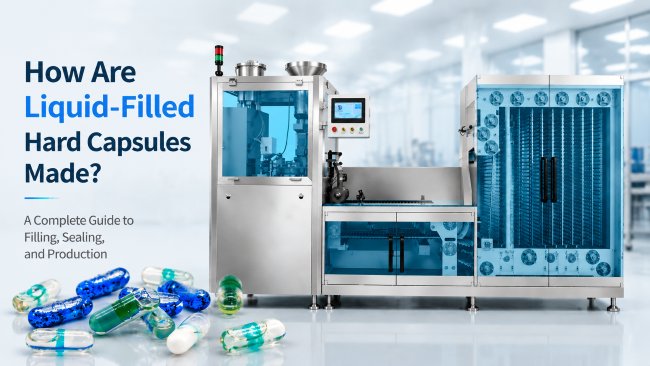
Kapsul keras berisi cairan adalah bentuk sediaan oral khusus yang memungkinkan produsen farmasi dan suplemen menempatkan cairan, setengah padat, atau formulasi suspensi ke dalam cangkang kapsul keras dua bagian. Berbeda dengan kapsul tradisional yang berisi bubuk, format ini memerlukan takaran cairan yang akurat dan proses penyegelan yang andal untuk mencegah kebocoran dan menjaga stabilitas produk.
Produksi kapsul keras berisi cairan melibatkan beberapa tahap yang saling berhubungan, termasuk persiapan formulasi, pemilihan cangkang kapsul, pemisahan kapsul, pengisian cairan, penutupan, penyegelan, pengeringan, dan inspeksi. Setiap langkah mempengaruhi kualitas akhir kapsul karena faktor-faktor seperti viskositas, akurasi pengisian, kompatibilitas cangkang, dan kinerja penyegelan secara langsung mempengaruhi stabilitas produksi.
Bentuk sediaan ini semakin dipertimbangkan untuk formulasi yang sulit diproses menjadi bubuk, termasuk bahan-bahan yang berbahan dasar minyak, formulasi lipid, ekstrak botani, dan senyawa farmasi tertentu. Namun, mencapai produksi yang konsisten membutuhkan lebih dari sekedar memilih cangkang kapsul yang sesuai. Produsen perlu menyesuaikan karakteristik formulasi dengan teknologi pengisian dan metode penyegelan yang tepat.
Panduan ini menjelaskan cara pembuatan kapsul keras berisi cairan, mengapa perusahaan memilih bentuk sediaan ini, bagaimana mereka membandingkannya dengan softgels, dan peralatan apa yang dibutuhkan untuk produksi yang andal.
2. Apa Itu Kapsul Keras Berisi Cairan?
Kapsul keras berisi cairan adalah kapsul dua bagian yang mengandung formulasi cair atau semi-cair, bukan isi bubuk atau butiran tradisional.. Kapsul terdiri dari badan dan penutup, yang dipisahkan selama pengisian dan ditutup setelah dosis cairan diberikan.
Bahan pengisi dapat mencakup berbagai jenis formulasi, seperti:
- Larutan cair dimana bahan aktif dilarutkan dalam bahan pembawa yang sesuai
- Suspensi yang mengandung partikel terdispersi
- Formulasi semi padat atau seperti gel
- Sistem berbasis lipid yang dirancang untuk aplikasi farmasi atau nutraceutical tertentu
Dibandingkan dengan kapsul keras berisi bubuk konvensional, kapsul keras berisi cairan memerlukan kontrol tambahan selama pembuatan. Formulasi harus mempunyai karakteristik aliran yang sesuai untuk pemberian dosis yang akurat, dan sambungan kapsul harus tertutup rapat setelah ditutup.
Salah satu perbedaan utama adalah bahwa cairan menimbulkan risiko kebocoran yang lebih tinggi dibandingkan dengan bubuk kering. Untuk alasan ini, Kapsul keras berisi cairan biasanya memerlukan proses penyegelan setelah tutup dan badannya disambung. Teknologi penyegelan yang berbeda dapat dipilih tergantung pada desain kapsul, karakteristik formulasi, dan persyaratan produksi. Penyegelan pita adalah salah satu pendekatan yang umum digunakan untuk menciptakan penutupan yang lebih kuat di sekitar sambungan kapsul.
Pemilihan cangkang kapsul juga penting. Kapsul gelatin dan HPMC dapat digunakan untuk aplikasi pengisian cairan tertentu, namun kesesuaian antara formulasi dan bahan cangkang harus dievaluasi sebelum produksi. Perpindahan kelembaban, interaksi pelarut, dan kondisi penyimpanan dapat mempengaruhi sifat mekanik kapsul dan stabilitas jangka panjang.
3. Mengapa Kapsul Keras Berisi Cairan Digunakan?
Kapsul keras berisi cairan memberi produsen pilihan lain ketika pengisian bubuk tradisional atau bentuk sediaan lainnya menimbulkan tantangan formulasi.
Cocok untuk Bahan Cair dan Sulit Diolah
Beberapa bahan aktif sulit untuk dikompres menjadi tablet atau diubah menjadi bubuk stabil. Pengisian cairan memungkinkan produsen untuk bekerja dengan bahan-bahan yang secara alami ada dalam bentuk cair atau memerlukan sistem pembawa cairan.
Misalnya, formulasi berbahan dasar lipid dan senyawa yang sukar larut dapat memperoleh manfaat jika dipertahankan dalam keadaan terlarut atau terdispersi. Namun, kinerja akhir tergantung pada desain formulasi spesifik, eksipien, dan proses pengembangan farmasi.
Lebih Banyak Fleksibilitas dalam Pengembangan Formulasi
Kapsul keras berisi cairan dapat mendukung pendekatan formulasi yang lebih luas dibandingkan dengan kapsul tradisional berisi bubuk. Produsen dapat mengembangkan produk dengan menggunakan minyak, ekstrak, suspensi, dan bahan semi padat dengan tetap menjaga format kapsul yang sudah dikenal.
Fleksibilitas ini sangat berharga baik dalam produksi farmasi maupun nutraceutical, dimana bahan aktif yang berbeda mungkin memerlukan sistem penghantaran yang berbeda.
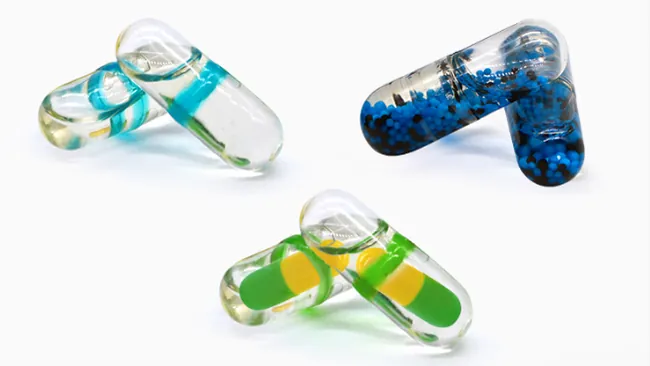
Peningkatan Kontrol Dosis Cair
Ketepatan dosis merupakan salah satu syarat utama dalam produksi kapsul cair. Berbeda dengan campuran bedak, dimana keseragaman isi tergantung pada aliran bubuk dan pencampuran, formulasi cair sangat bergantung pada sistem pengukuran yang tepat dan kondisi pengisian yang stabil.
Proses pengisian kapsul cair yang sesuai membantu pengendalian:
- Mengisi volume
- Konsistensi produk
- Pengulangan batch-ke-batch
- Risiko kebocoran setelah penyegelan
Alternatif untuk Produksi Softgel
Softgels banyak digunakan untuk formulasi cair, tetapi mereka memerlukan proses pembuatan yang berbeda. Kapsul keras berisi cairan memberikan pilihan lain karena produsen dapat menggunakan cangkang kapsul keras yang sudah jadi daripada memproduksi cangkang selama proses enkapsulasi..
Pilihan terbaik bergantung pada sifat formulasi, volume produksi, investasi peralatan, dan persyaratan produk.
4. Kapsul Keras Berisi Cairan vs Kapsul Gel Lunak
Kapsul keras berisi cairan dan kapsul gel lunak keduanya digunakan untuk pengiriman cairan, tetapi struktur dan metode pembuatannya berbeda.
| Perbandingan | Kapsul Keras Berisi Cairan | Kapsul lunak |
| Struktur kapsul | Cangkang kaku dua bagian | Cangkang fleksibel satu bagian |
| Proses pengisian | Isi cairan ke dalam badan kapsul yang sudah disiapkan, lalu tutup dan segel | Bentuk cangkang, mengisi, dan segel selama enkapsulasi |
| Peralatan utama | Mesin pengisian kapsul cair dan sistem penyegelan | Mesin enkapsulasi softgel |
| Opsi cangkang | Gelatin atau HPMC tergantung aplikasinya | Cangkang fleksibel berbahan dasar gelatin |
| Fleksibilitas produksi | Cocok untuk berbagai ukuran dan formulasi kapsul | Membutuhkan proses produksi softgel khusus |
| Metode penyegelan | Pisahkan langkah penyegelan setelah penutupan | Penyegelan terjadi selama pembentukan softgel |
Softgels menggunakan formulasi cangkang fleksibel yang biasanya mengandung gelatin, air, dan pemlastis, sedangkan kapsul keras menggunakan struktur dua bagian yang kaku. Karena proses pembuatannya berbeda, masing-masing teknologi memiliki keunggulan tersendiri tergantung pada formulasi dan tujuan produksinya. (PMC)
Kapsul keras berisi cairan sering kali dipertimbangkan ketika produsen menginginkan kenyamanan format kapsul keras saat bekerja dengan formulasi cair atau semi padat.. Di sisi lain, softgels tetap menjadi pilihan kuat untuk produk yang telah dirancang dengan teknologi enkapsulasi cetakan putar.
Daripada mengganti satu teknologi dengan teknologi lainnya, produsen biasanya mengevaluasi:
- Karakteristik bahan
- Volume pengisian yang diperlukan
- Kapasitas produksi
- Kompatibilitas cangkang
- Persyaratan pengemasan
- Investasi biaya dan peralatan
5. Bagaimana Kapsul Keras Berisi Cairan Dibuat?
Proses produksinya menggabungkan persiapan formulasi, penanganan kapsul, pengisian presisi, penyegelan, dan kontrol kualitas. Setiap tahapan harus berjalan secara bersinergi karena permasalahan pada satu area dapat mempengaruhi kualitas akhir kapsul.
Melangkah 1: Persiapan Formulasi dan Pemilihan Kapsul
Sebelum produksi dimulai, produsen perlu memastikan bahwa formulasi cairan dapat terisi secara akurat dan tetap stabil di dalam kapsul.
Faktor penting termasuk viskositas, stabilitas, distribusi partikel, dan kompatibilitas dengan cangkang kapsul.
Formulasi yang terlalu kental dapat menimbulkan kesulitan selama pemompaan dan pemberian dosis. Formulasi dengan partikel yang tidak stabil dapat menyebabkan pengisian tidak konsisten jika terjadi pengendapan selama produksi. Interaksi antara bahan pengisi dan cangkang kapsul juga penting karena bahan-bahan tertentu dapat mempengaruhi kekuatan atau penampilan kapsul seiring berjalannya waktu.
Pemilihan kapsul adalah keputusan penting lainnya. Cangkang gelatin dan HPMC memiliki karakteristik kelembapan dan kompatibilitas formulasi yang berbeda. Cangkang yang dipilih harus sesuai dengan persyaratan produk, kondisi penyimpanan, dan metode penyegelan.
Untuk produksi komersial, ukuran kapsul juga mempengaruhi volume pengisian yang tersedia. Produsen perlu menyeimbangkan dosis yang diperlukan dengan ruang internal yang cukup untuk penutupan dan penyegelan yang andal.
Melangkah 2: Pemisahan kapsul, Deteksi, dan Pengisian Cairan
Setelah cangkang kapsul disiapkan dan ditempatkan dengan benar, kapsul kosong memasuki tahap pengisian. Mesin pertama-tama menyelaraskan kapsul ke arah yang benar dan memisahkan tutup dari badannya, memungkinkan badan kapsul berpindah ke stasiun pemberian dosis cair.
Sebelum pengisian cairan dimulai, sistem deteksi online memverifikasi apakah tutup dan badan kapsul telah benar-benar terpisah dan ditempatkan dengan benar. Jika komponen kapsul tidak terpisah dengan benar atau belum siap untuk diisi, sistem mencegah cairan disuntikkan ke posisi itu, membantu menghindari kesalahan pengisian dan kontaminasi di dalam area perkakas.
Ketika kegagalan pemisahan terdeteksi, deretan kapsul yang terkena dampak secara otomatis ditolak sebelum proses pengisian dilanjutkan. Langkah pemeriksaan ini membantu menjaga kinerja pengisian tetap stabil, mengurangi limbah material, dan meningkatkan keandalan produksi selama operasi berkelanjutan.
Setelah memastikan bahwa badan kapsul telah dipersiapkan dengan benar, formulasi cair dimasukkan secara akurat ke dalam setiap kapsul. Mesin pengisian kapsul untuk cairan harus mengontrol volume pengisian, perilaku aliran produk, dan konsistensi dosis karena variasi sifat formulasi dapat secara langsung mempengaruhi kualitas akhir kapsul.
Formulasi yang berbeda memerlukan kondisi pengisian yang berbeda. Cairan dengan viskositas rendah, bahan semi padat yang tebal, dan suspensi mungkin berperilaku berbeda selama pemberian dosis, jadi produsen perlu menyesuaikan pengaturan pompa, kondisi suhu, dan parameter pengisian sesuai dengan karakteristik produk.
Proses pengisian yang stabil juga bergantung pada desain nosel dan keakuratan pengisian. Cairan harus dimasukkan ke dalam badan kapsul tanpa mencemari area sambungan antara tutup dan badan, karena sisa cairan di sekitar area ini dapat mempengaruhi proses penyegelan selanjutnya.
Melangkah 3: Penutupan dan Penyegelan Kapsul
Setelah diisi cairan, tutup kapsul dikembalikan ke badan dan kedua bagian ditutup menjadi satu.
Meskipun sambungan mekanis antara tutup dan badan memberikan penutupan awal, kapsul berisi cairan biasanya memerlukan proses penyegelan tambahan untuk mengurangi risiko kebocoran. Segel yang andal sangat penting terutama untuk produk yang mengandung minyak, cairan, atau formulasi semi padat.
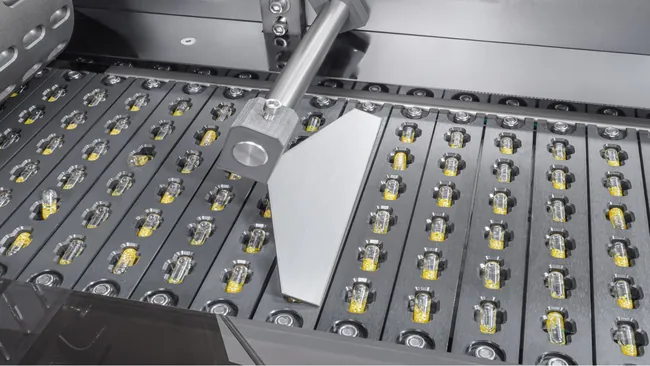
Salah satu metode yang umum adalah penyegelan pita, di mana bahan penyegel diaplikasikan di sekitar sambungan kapsul untuk membuat lapisan pelindung tambahan. Proses penyegelan harus mengontrol beberapa variabel, termasuk:
- Konsistensi bahan penyegel
- Posisi lamaran
- Cakupan di sekitar sendi kapsul
- Kondisi pengeringan
- Stabilitas penanganan kapsul
Teknologi penyegelan lainnya juga tersedia tergantung pada desain kapsul dan kebutuhan produksi. Beberapa sistem kapsul cair menggunakan metode penyegelan khusus daripada pengikatan tradisional. (London)
Tujuan penyegelan bukan hanya mencegah kebocoran. Proses penyegelan yang terkontrol dengan baik juga meningkatkan stabilitas penanganan selama pengangkutan, kemasan, dan penyimpanan.
Masalah penyegelan yang umum mencakup cakupan yang tidak lengkap, kontaminasi pada sendi kapsul, bahan penyegel yang berlebihan, atau kondisi pengeringan yang tidak sesuai. Masalah-masalah ini dapat menyebabkan kebocoran, cacat penampilan, atau kualitas produk yang tidak konsisten.
Melangkah 4: Pengeringan, Inspeksi, dan Pengemasan
Setelah menyegel, kapsul biasanya memerlukan pengeringan terkontrol agar bahan penyegel dapat stabil. Kondisi pengeringan harus dikelola dengan hati-hati karena panas yang berlebihan atau kondisi kelembapan yang tidak sesuai dapat mempengaruhi penampilan kapsul dan kekuatan mekanik.
Sebelum dikemas, produsen biasanya melakukan pemeriksaan kualitas untuk memastikan bahwa kapsul memenuhi persyaratan produksi.
Titik inspeksi yang umum meliputi:
- Penampilan kapsul
- Posisi penutupan
- Kualitas segel
- Isi berat atau konsistensi konten
- Kebocoran atau deformasi yang terlihat
- Kontaminasi permukaan
Tergantung pada persyaratan produk dan sistem mutu, inspeksi dapat dilakukan melalui prosedur pengambilan sampel atau sistem inspeksi otomatis.
Setelah persetujuan, kapsul keras berisi cairan dapat berpindah ke proses pengemasan hilir seperti pengisian botol, kemasan melepuh, atau karton. Format kemasan yang dipilih bergantung pada faktor-faktor seperti perlindungan kelembapan, persyaratan umur simpan, peraturan pasar, dan penentuan posisi produk.
6. Peralatan dan Tantangan Produksi Umum
Memproduksi kapsul keras berisi cairan membutuhkan lebih dari standar mesin pengisian kapsul. Peralatan harus menangani takaran cairan, pergerakan kapsul, penyegelan, dan kontrol kualitas sebagai satu proses yang terhubung.
Sistem produksi kapsul cair yang khas mungkin mencakup:
- Peralatan penampung dan pencampur cairan
- Sistem dosis cair
- Mesin pengisian kapsul untuk cairan
- Peralatan penyegelan kapsul
- Sistem pengeringan
- Sistem inspeksi dan penolakan
- Peralatan pengemasan sekunder
Faktor pemilihan yang paling penting meliputi viskositas formulasi, kecepatan produksi, ukuran kapsul, volume pengisian, persyaratan pembersihan, dan metode penyegelan.
Tantangan Produksi Umum
Akurasi Pengisian
Dosis cairan harus tetap konsisten selama produksi. Perubahan viskositas, suhu, atau perilaku aliran material dapat mempengaruhi kinerja pengisian.
Produsen perlu menetapkan parameter proses yang sesuai daripada mengandalkan satu pengaturan mesin tetap untuk produk yang berbeda.
Kebocoran Setelah Penyegelan
Kebocoran merupakan salah satu perhatian utama dalam produksi kapsul cair. Hal ini dapat diakibatkan oleh:
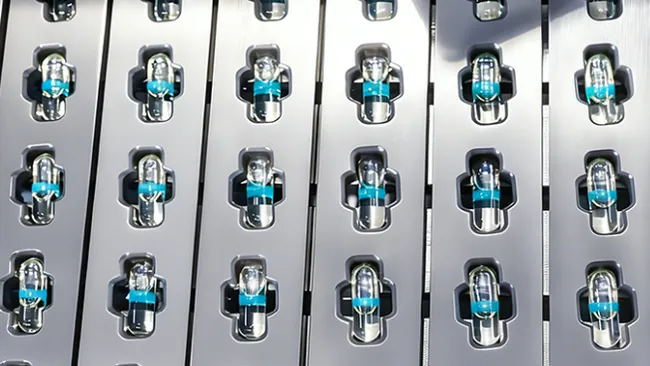
- Kompatibilitas cangkang kapsul yang buruk
- Posisi penutupan salah
- Kontaminasi cairan di sekitar sendi
- Kondisi penyegelan yang tidak sesuai
- Pengeringan yang tidak konsisten
Proses penyegelan yang andal harus dikembangkan bersama dengan formulasi dan bukannya diperlakukan sebagai langkah akhir yang terpisah.
Kompatibilitas Formulasi
Interaksi antara isi cairan dan cangkang kapsul dapat mempengaruhi stabilitas jangka panjang. Kadar air, pelarut, minyak, dan bahan lainnya dapat mempengaruhi sifat cangkang, jadi pengujian kompatibilitas penting sebelum produksi komersial.
Stabilitas Produksi
Output yang stabil memerlukan kerjasama antara desain formulasi, pengaturan peralatan, dan kendali operator. Mesin berkecepatan tinggi tidak dapat mengimbangi formulasi yang tidak sesuai, dan formulasi yang dirancang dengan baik masih memerlukan teknologi pengisian dan penyegelan yang akurat.
7. Kesimpulan
Kapsul keras berisi cairan diproduksi melalui proses terkoordinasi yang menggabungkan persiapan formulasi, pemilihan kapsul, pengisian cairan presisi, penyegelan, pengeringan, inspeksi, dan pengemasan.
Keberhasilan produksi bergantung pada kesesuaian formulasi dengan cangkang kapsul yang tepat, sistem dosis, dan metode penyegelan. Faktor seperti viskositas, kesesuaian, akurasi pengisian, dan pencegahan kebocoran semuanya mempengaruhi kualitas produk akhir.
Untuk produsen yang menjajaki produksi kapsul cair, memilih yang cocok mesin pengisian kapsul cair merupakan sebuah langkah penting, namun hasil yang konsisten diperoleh dari optimalisasi proses produksi secara keseluruhan.
Pertanyaan yang Sering Diajukan
Bisakah kapsul keras diisi cairan?
Ya. Kapsul keras dua bagian yang dirancang khusus dapat diisi dengan cairan yang kompatibel, suspensi, dan formulasi semi padat. Proses penyegelan yang sesuai biasanya diperlukan untuk mengurangi risiko kebocoran.
Apa itu mesin pengisi kapsul untuk cairan?
Mesin pengisian kapsul cairan dirancang untuk memisahkan kapsul kosong, dosis formulasi cair secara akurat, tutup kapsul, dan berintegrasi dengan proses penyegelan untuk produksi yang stabil.
Mengapa kapsul keras berisi cairan perlu disegel??
Penyegelan membantu melindungi sambungan kapsul dan mengurangi kemungkinan kebocoran selama penanganan, angkutan, dan penyimpanan.
Apa perbedaan kapsul keras berisi cairan dan kapsul gel lunak?
Kapsul keras berisi cairan menggunakan cangkang dua bagian kaku yang diisi dan disegel setelah ditutup, sedangkan softgels menggunakan cangkang one-piece fleksibel yang terbentuk selama proses enkapsulasi.
Apakah kapsul HPMC bisa digunakan untuk pengisian cairan?
Ya. Kapsul HPMC yang sesuai dapat digunakan untuk formulasi cair, namun kompatibilitas antara bahan kapsul dan formulasi harus dievaluasi sebelum produksi.
Apa yang menyebabkan kapsul keras berisi cairan bocor??
Penyebab umum termasuk sifat formulasi yang tidak sesuai, parameter pengisian yang salah, kontaminasi di sekitar sendi kapsul, penyegelan yang tidak lengkap, atau kompatibilitas yang buruk antara bahan pengisi dan cangkang kapsul.
Referensi
- Kol, E. T., Apa, D., & benameur, H. Tantangan dan Peluang dalam Enkapsulasi Formulasi Cair dan Semi Padat. Tinjauan Pengiriman Obat Tingkat Lanjut. https://doi.org/10.1016/j.addr.2007.10.002
- Podczeck, F., & Jones, B. E. Kapsul Farmasi. Pers Farmasi.
- Kapsul Lonza & Bahan Kesehatan. Teknologi Cangkang Kapsul dan Pengembangan Bentuk Sediaan. https://www.lonza.com/