घर

>

Ketchup Blister Packing Machine

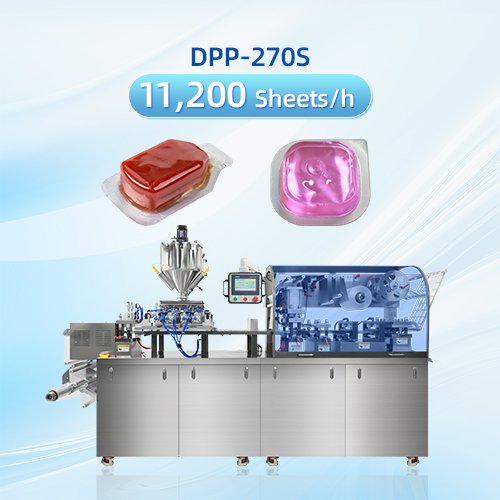
DPP-270S Ketchup Blister Packing Machine
Ketchup Blisters
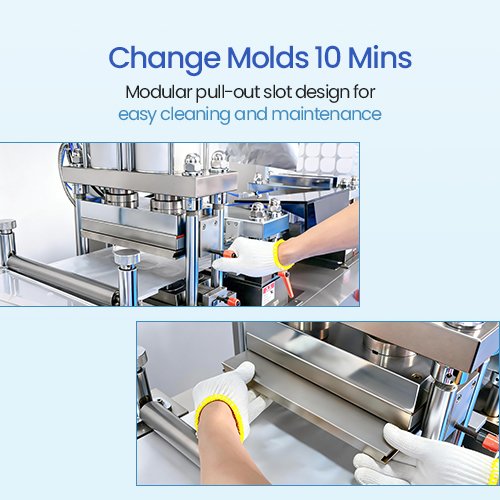
Change Molds 10 Mins
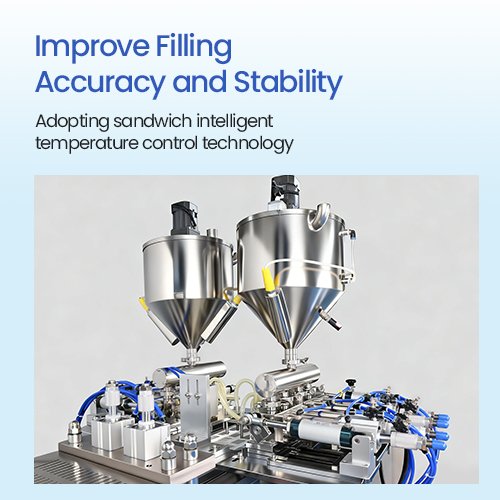
Sandwich Temperature Control
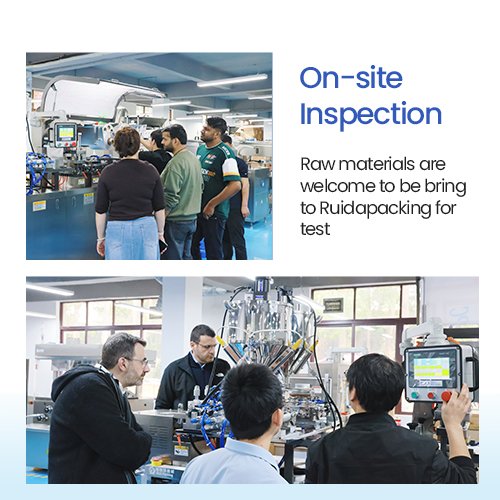
On-site Testing
DPP-270S Ketchup Blister Packing Machine
Ketchup Blisters
Change Molds 10 Mins
Sandwich Temperature Control
On-site Testing

Ketchup Blister Packing Machine

Ketchup blister packing machine automates the packer of liquid or semi-solid products. The process begins with a PVC/PET film being unwound and heated, then formed into blisters using positive pressure forming . A precision filling system, typically a plunger pump, accurately doses tomato sauce into each cavity . A cover alu foil is then fed and heat-sealed to the blister, creating a hermetic seal. The formed and filled sheet moves to a cutting station where individual blisters are punched out. An integrated PLC controls the entire sequence, ensuring speeds of up to 50 cycles per minute with consistent sealing quality and GMP-compliant hygiene standards.

विनिर्देश:

तक 11,200 छाले/घंटा

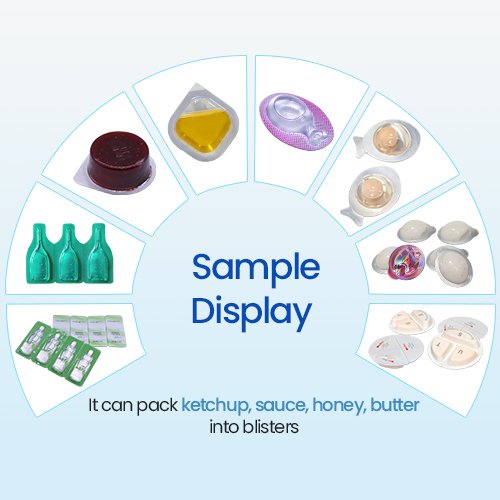
It can pack ketchup, sauce, honey, butter and perfume into blisters

How is the tomato sauce blister machine working?

PVC heat form blisters, accuracy fill with sauce, seal with aluminum foil, punch out individual blisters packs.

मुख्य विशेषताएं

उत्पादन क्षमता 11,200 छाले/घंटा
Maximum forming area and depth 255*125*15mm Max depth is 30mm
Power Supply 380V / 220V / 50Hz (customized)
Total power 7.0 किलोवाट
Noise index <72 डीबीए

DPP-270S Advantages

Secondary molding: Customizable secondary molding, up to 30mm deep, allowing for packaging more materials.

Triple-layer heating tank: Heates the middle layer with circulating water, without directly heating the material, maximizing the protection of the material’s chemical properties.

Customized feeder: Ceramic pumps, plunger pumps, and peristaltic pumps can be selected based on material flowability and filling accuracy, with a filling accuracy > ±99.9%.

मुख्य भाग

Key Differences Between Tablet Capsule Blister Packaging Machines and Ketchup Blister Packaging Machines

Although tablet capsule blister packing machine and ketchup blister packaging machines both belong to the broader category of blister packaging equipment, they are designed for fundamentally different types of materials—solid versus liquid or semi-liquid. This distinction leads to significant differences in machine structure, core operating mechanisms, and hygiene requirements.

1. Solid vs. Liquid Dynamics

The most fundamental difference lies in the physical properties of the raw materials.

Tablet and capsule packaging deals with discrete solid units that can be easily counted, oriented, and transferred using mechanical vibration and gravity. This makes the feeding system relatively straightforward and highly repeatable.

के विपरीत, ketchup and similar products are viscous fluids that require controlled force for accurate dosing. The filling process must address challenges such as flow resistance, adhesion, and stringing. As a result, the system relies on precision pumps and carefully engineered nozzles to ensure clean and consistent filling.

2. Clean and Contamination Control

In pharmaceutical applications, sealing focuses on achieving a hermetic barrier to protect the product from environmental factors such as moisture and oxygen. Since the materials are solid and dry, the sealing interface is typically clean, allowing for consistent heat sealing.

For ketchup and sauce packaging, however, sealing is more complex. Any residual product on the sealing surface can compromise seal strength, leading to leakage or reduced shelf life. इसलिए, preventing contamination at the sealing interface is critical, and additional sealing technologies may be employed to ensure reliability.

3. Hygiene and Cleaning Requirements

Pharmaceutical blister packaging operates under strict regulatory frameworks such as GMP, but the relatively dry nature of the process reduces the need for frequent cleaning. Maintenance primarily focuses on preventing cross-contamination between batches and ensuring equipment integrity.

Food packaging, especially for viscous and perishable products like ketchup, demands significantly higher cleaning standards. Residual product can quickly spoil and contaminate subsequent batches. As a result, ketchup blister packaging machines are typically equipped with CIP systems and designed for quick disassembly and thorough cleaning.

4. Blister Design Considerations

Blister design is closely tied to both product characteristics and functional requirements.

For tablets and capsules, the design is standardized, with shallow cavities that securely hold individual units. Precision and consistency are key.

For ketchup packaging, the design must balance functional filling requirements with consumer appeal. Larger openings facilitate accurate filling and reduce residue, while creative shapes enhance product differentiation in the retail market.

निष्कर्ष

While tablet/capsule and ketchup blister packaging machines share a common packaging principle, their engineering approaches differ significantly due to the nature of the materials they handle.

Pharmaceutical blister packaging machines prioritize precision, स्थिरता, and regulatory compliance for solid dosage forms.

Ketchup blister packaging machines focus on fluid handling, hygiene, and contamination control for viscous food products.

Understanding these differences is essential when selecting the right blister packing machine. A well-matched machine not only improves efficiency but also ensures product quality, सुरक्षा, and long-term operational reliability.

Comparison of Peristaltic Pumps, Piston Pumps, and Ceramic Pumps

In fluid blister packaging applications—such as ketchup, sauces, and other semi-liquid products—the selection of the dosing pump plays a critical role in determining filling accuracy, product loss, and overall maintenance costs.

1. Peristaltic Pump

Working Principle: A peristaltic pump operates by rotating rollers that alternately compress and release a flexible tube. This action creates a vacuum that draws fluid into the tube and then pushes it forward. Importantly, the product only comes into contact with the inner wall of the tubing and never touches the pump body.

Advantages

Hygienic Design: The fluid only passes through a disposable tube, eliminating the risk of cross-contamination. When switching products, operators simply replace the tubing—no need to clean the pump body. This makes it ideal for applications requiring frequent product changes, such as different flavors or colors of sauces.

Low Maintenance Cost: The structure is simple, with no valves or mechanical seals, resulting in a low failure rate and reduced maintenance complexity.

Low Shear Force: Gentle handling minimizes damage to the product, making it suitable for fluids containing particulates such as tomato seeds or pulp.

Disadvantages

Limited Accuracy: As the tubing ages, its elasticity changes, leading to fluctuations in filling volume. Typical accuracy ranges from ±1% to ±2%, which is less stable compared to piston pumps.

Low Pressure Capability: The output pressure is relatively low, making it unsuitable for high-viscosity products (उदा।, thick tomato paste) or high-speed injection applications.

Consumable Costs: Tubing is a wear part that requires regular replacement, which can increase long-term operating costs.

2. Piston Pump

Working Principle: A piston pump uses the reciprocating motion of a piston within a cylinder. One-way valves control the intake and discharge of the fluid, enabling precise volumetric filling.

Advantages

High Accuracy and Pressure: Filling accuracy can reach within ±0.5%, and the pump can generate high pressure, making it ideal for high-viscosity products such as ketchup or peanut butter.

Strong Durability: The metal piston and cylinder are highly resistant to wear, allowing for continuous high-speed operation over long periods.

Disadvantages

Difficult Cleaning: The product comes into contact with metal parts and sealing components, which can create hygiene dead zones. Cleaning often requires disassembly or reliance on complex CIP (Clean-in-Place) systems. Without proper cleaning, residue may degrade and contaminate subsequent batches.

Complex Maintenance: Seals are prone to wear and leakage. Maintenance requires disassembly, leading to longer downtime.

High Shear Force: The mechanical action may damage products containing large particles, affecting texture and quality.

3. Ceramic Pump

Working Principle: A ceramic pump functions similarly to a piston pump, but its core components—such as the piston and cylinder—are made from high-performance ceramic materials (उदा।, zirconia).

Advantages

Exceptional Wear Resistance and Longevity: Ceramic materials have extremely high hardness and ultra-smooth surfaces, resulting in very low friction. Even when handling abrasive materials (उदा।, salt or sugar particles), wear is minimal. The service life is typically 5–10 times longer than that of metal piston pumps.

No Contamination and High Corrosion Resistance: Ceramics are chemically stable and do not react with acidic substances like tomato sauce. There is no risk of metal ion contamination, making them suitable for the highest food and pharmaceutical safety standards.

Stable Accuracy Over Time: Due to minimal wear, filling accuracy remains consistent over extended periods, reducing maintenance frequency.

Disadvantages

High Initial Cost: Ceramic components are difficult to manufacture, resulting in significantly higher upfront investment compared to other pump types.

Fragility Risk:Although extremely hard, ceramics are brittle. Improper handling during installation or external impact may cause chipping or cracking, requiring skilled operation.

Strict Cleaning Requirements: While smooth surfaces are easy to clean, dried material can cause damage if the pump is restarted without proper cleaning. Timely cleaning after shutdown is essential.

Summary Comparison

Pump Type Application Scenario शुद्धता Cleaning Difficulty Consumable Cost Material Compatibility
Peristaltic Pump Small batches, multiple products, particulate materials ±1%–2% Very Low (tube replacement) उच्च (frequent tubing) Medium to low viscosity
Piston Pump Large-scale, high-speed, high-viscosity production ≤ ±0.5% उच्च (disassembly required) मध्यम (seal replacement) High viscosity
Ceramic Pump High-value, corrosive, or abrasive materials ≤ ±0.3% मध्यम (CIP possible) कम (long lifespan) High viscosity + particulates

Selection Recommendations

For food-grade applications such as ketchup packaging, the optimal pump choice depends on production priorities:

Frequent Product Changeovers: If your production line handles multiple flavors or formulations, a peristaltic pump is the preferred solution due to its quick and contamination-free changeover.

High-Speed, High-Precision Production: If your priority is large-scale output with strict dosing accuracy (उदा।, deviation below 0.5 g), ceramic pumps offer superior long-term value compared to traditional metal piston pumps. They eliminate the risk of metal wear contamination while significantly reducing maintenance downtime.
एक उद्धरण का अनुरोध करें

    *हम आपकी गोपनीयता का सम्मान करते हैं और सभी जानकारी सुरक्षित हैं.